Last updated: Apr 19, 2026
Wahiaia? (one mention) The central Oahu upland climate keeps this area cooler and wetter than the leeward lowlands, and the tropical wet season intensifies that pattern. Reroof projects face a realistic clock: more frequent rain, higher humidity, and gusty trade winds can turn an intended tear-off into a soggy setback. Exposed decking moisture can stall progress, and underlayment installation may be interrupted by sudden downpours. When the forecast shows moisture in the forecast or steady showers, every step you plan becomes a riskier bet. Treat wetter periods as a hard deadline not a flexible option.
Because Oahu reroof permits and inspections add lead time, the smart play is to target the dry months for a full replacement rather than chasing leaks mid-wet season. Start planning the project now so the crew can secure clear weather blocks, material deliveries, and coordinating inspections before the rainy season arrives. If possible, align tear-off, decking checks, and underlayment installation to a stretch of dry, moderate-wind days, even if that means shifting the schedule by a few weeks. In Wahiawa, that often means prioritizing late spring through summer when tropical showers are less persistent and translating that into concrete milestones with your contractor.
When the old roof comes off, decking moisture becomes the single biggest risk to a quality install. A prolonged wet spell can leave plywood and other substrates damp, inviting cupping, warping, and mold risk if not addressed promptly. Insist on a rapid but thorough decking inspection the moment the roof comes off. If any decking shows moisture staining or softness, plan for expedited replacement or temporary sheathing that can dry out on-site before underlayment is laid. The underlayment itself hates lingering humidity; a clean, dry surface is non-negotiable for long-term performance in this climate. Have a plan for rapid tarp coverage and weather monitoring in the event a late-season storm sneaks in.
Treat flashing and edge detailing as high-priority items because wind-driven rain can exploit even minor gaps. On a wet-season reroof, you want the underlayment down quickly after inspection, with drying time built in for any newly exposed decking. Avoid gaps where moisture can pool or wick. If a section must be opened during an unexpected rain window, use high-quality temporary waterproofing and secure temporary protection that won't trap moisture beneath a barrier. Your contractor should flag any decking that compromises slope or drainage, and you should expect a plan for rapid remediation before the next weather system.
Engage with the contractor about strict daily weather contingency planning. Confirm that a realistic weather hold policy is in place, including a defined maximum number of days to resume work after rain and a clear protocol for protecting interior spaces from leaks during setbacks. In Wahiawa, where access and logistics can slow progress, insist on upfront sequencing that prioritizes high-risk areas first-decking inspection, roof decking replacement if needed, then underlayment, followed by final roof cover. The end result must be a roof system ready to withstand the next round of trade-wind showers without reintroducing moisture risks.
Winds across the central plateau carry a steady punch, crossing the interior rather than parking behind dense blocks of homes. That means roofs sit in consistent, directional gusts more often than not, especially on ridge lines, hips, and exposed edges. The practical consequence is a roof that experiences regular uplift forces, not just during storms but during ordinary trades and passing showers. In flat or gently pitched sections, the wind can press evenly; on higher points and open eaves, it can grab at fasteners and flashing. Homeowners should plan for that ongoing burden when choosing a reroof strategy: the wrong profile or fastening method can turn a routine job into a durability test.
During storms-even those that don't dump heavy rainfall-the wind's uplift potential is real at ridges and edges. Reroofs that leave portions exposed or partially completed are especially vulnerable. Temporary coverings or fastener patterns that don't account for sustained uplift can fail under a gust or rapid wind shift. For practical safety, ensure temporary protection is robust during installation, and insist on fastening schemes designed for uplift forces typical of the inland trades. The goal is a continuous, wind-resilient bond that remains secure as weather changes hour to hour.
Winds stream moisture into vulnerable transitions, especially where flashing meets copings, chimneys, and vent penetrations. Even when total rainfall isn't extreme, wind-driven rain can push water into joints and screw penetrations if flashing isn't fully sealed, overlaps aren't properly lapped, or sealants begin to fail. This risk emphasizes the importance of meticulous flashing detail from starter courses to ridge caps, with attention to wind-facing seams. Consider double-checking sealant compatibility with interior humidity and the local climate, and plan for additional laps or upgraded flashing where exposure is highest.
Because moisture control hinges on both material condition and installation quality, timing matters in a wetter season. Reroofs should not be rushed in wind-prone conditions; weather windows need to accommodate not just dry spells but predictable wind patterns that can complicate fastening and sealant curing. Establish a temporary protective strategy for edges and vulnerable transitions during delays caused by rain, and coordinate material staging to minimize long exposure of open roofing areas to wind. A disciplined, wind-aware approach helps prevent moisture infiltration and fastener loosening that can compromise performance long after the crew has left.
Find local contractors experienced in assessing and restoring roofs after hail, wind, and severe weather events.
ProBuilt Hawaii Roofing & Rain Gutters - Oahu
(808) 468-8544 probuiltoahu.com
Serving
4.8 from 109 reviews
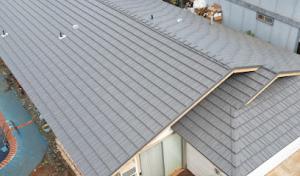
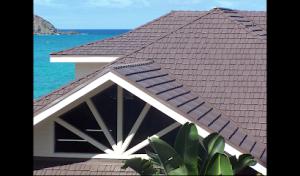
Asphalt shingles and metal roofing are both active specialties in this market, matching the area's mix of practical reroofing demand and interest in wind-resilient systems. For Wahiawa homes, asphalt shingles offer straightforward installation and broad availability, which helps when weather windows compress during the wet season. Metal roofing brings a longer service life and better resistance to trade-wet conditions, but requires careful detailing at edges and penetrations to avoid corrosion and moisture creep. A practical approach is to align material choice with the home's existing roof footprint, wind exposure, and the ease of securing underlayment in a humid, wind-prone setting. In places with frequent trades-wind gusts, it helps to specify metal profiles with robust fastening and concealed or well-sealed fasteners to reduce the chance of wind-driven leaks between panels. For most mid-story residences, a standard architectural asphalt shingle combination paired with a reinforced underlayment can deliver dependable performance while keeping reroof timing flexible during wetter months.
Tile systems are present locally but their weight and installation complexity matter more on older Oahu homes where structural review may affect reroof scope. Concrete and clay tiles demand careful assessment of truss capacity, chimney and vent connections, and potentially retrofitting fascia or rafter support. In Wahiawa, the damp inland climate emphasizes the value of a solid underlayment and proper flashing at hips, valleys, and penetrations. Tile installations should prioritize a continuous moisture barrier and high-quality sealants around vents and skylights, since moisture intrusion can trail from small gaps. If the roof deck shows signs of previous moisture damage, address that before tile installation, because the weight and rigid layout of tiles will magnify any existing issues. For homes with limited attic space, ensure proper ventilation to prevent condensation beneath the tile layer, which can degrade sheathing over time.
Wahiaia's humid inland climate makes underlayment quality, flashing durability, and ventilation details as important as the visible roof covering. Choose underlayment rated for high moisture exposure and ensure fasteners are corrosion-resistant in coastal air. Flashing around chimneys, vents, and roof-to-wall transitions should be continuous and well-sealed with high-performance sealants designed for persistent humidity. Ventilation is not optional; adequate soffit and ridge or continuous soffit-to-ridge pathways help control condensation and heat buildup under the roof plane. When scheduling reroofs during the wet season, plan for a dry window to complete drying-in and flashing checks promptly, minimizing the risk of moisture entrapment. In all material choices, prioritize systems with proven performance in damp conditions and confirm that installation details emphasize long-term moisture management alongside the roof covering itself.
In this interior upland area, materials and replacement components from Oahu sources must often be shipped in from the mainland or other islands. That added logistics cost touches every reroof project, from delivery timing to overall material availability. When rain moves across the windward side and settles into the central highlands, crew access and staging areas can get tight, pushing small delays into larger price bumps. Expect extra charges for freight, handling, and any backorders that stall work crews mid-tear-off. The result is that the cheapest option up front may not stay cheapest once delivery windows and dry-in readiness are factored in.
Wet-season timing matters more here than in drier coastal neighborhoods. Reroofing during prolonged showers can extend labor time, especially if tarps and dry-in protection must stay in place longer than planned. Gaps between tear-off and final installation are more likely when weather windows tighten, and that spacing can add to equipment rental, crew idle time, and temporary moisture barriers. If a delay pushes through the wet-season peak, you may see incremental cost increases for moisture-control materials and extra protective measures to prevent water intrusion during the interim. Plan for at least one contingency day or a small blip in the schedule to accommodate Hawaii's typical afternoon showers.
Material selection matters sharply for this market, with wide price bands driven by logistics and local handling. Asphalt shingles run roughly from 400 to 900 USD per square. If metal roofing is preferred, expect 800 to 1700 USD per square. Clay tile typically lands in the 1200 to 2400 USD per square range, while concrete tile sits around 1100 to 2100 USD per square. Wood shingles or shakes are commonly priced from 900 to 1800 USD per square, and synthetic or composite shingles come in at 700 to 1500 USD per square. These ranges reflect both the material itself and island delivery, plus any extra moisture-control products required to meet Wahiawa's wetter winter months. When budgeting, account for the potential need for additional dry-in protection and temporary weatherproofing gear if the forecast predicts a prolonged wet spell.
Amakua Raingutters
922 Uakaniko'o St, Wahiawa, Hawaii
4.3 from 6 reviews
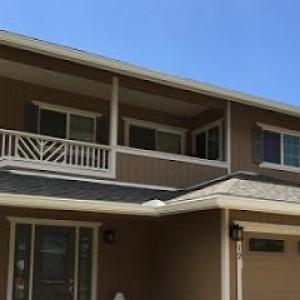
When you own a property, it’s your responsibility to keep the roof from leaking and the siding from rotting, but what about your rain gutters? Rain gutters are an important property feature that’s often forgotten and neglected. Homeowners may not have time to give their gutters the attention they need, but that’s why Oahu residents should call on Amakua Raingutters. Located in Wahiawa, HI, Amakua Raingutters provides all of Oahu with the rain gutter repair and installation services they need. After 12 years in the rain gutter installation business, Amakua Raingutters is proud to be considered an industry expert. Their crew is highly trained, and they make it their mission to stay up-to-date on the latest rain gutter technology.
Koolau Roof Tech
(808) 292-2205 www.koolaurooftech.com
Serving
5.0 from 42 reviews
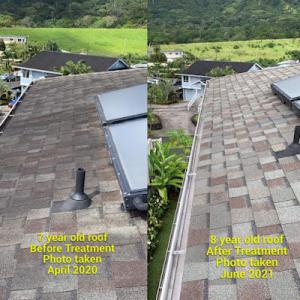
Since 1982, our family has taken pride in building relationships throughout our local community and providing local-style five-star service. Three Generations later, the Kobashigawa family has successfully owned and operated residential construction companies that began on the Windward side of Oahu. Since then we have grown to continue to serve and protect our Kamaaina homes by helping to maintain and extend the life of your roof with advanced technology and environmentally sustainable treatment systems. Koolau Roof Tech provides roof health assessments to help extend the life of your roof with our eco-friendly products that are safe for the environment, pets and plants.
ProBuilt Hawaii Roofing & Rain Gutters - Oahu
(808) 468-8544 probuiltoahu.com
Serving
4.8 from 109 reviews
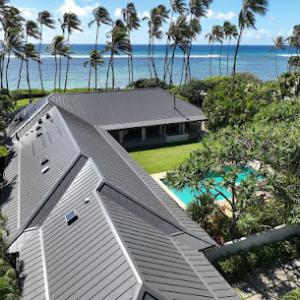
ProBuilt Hawaii Roofing & Rain Gutters - Oahu - Formerly known as - True Home Hawaii and Ohana Construction - is a full-service roofing company servicing the needs of all residential and commercial roofing systems. Dedicated to providing customers with the highest standard of service and workmanship, True Home Hawaii has served the Island of Oahu one customer at a time. Our goal is not only to meet the roofing needs of our customers, but to leave them with a Superior Experience, one which they will remember for a lifetime and one they will tell others about.
Kapili Roofing & Painting
(808) 621-7663 www.kapiliroof.com
Serving
4.9 from 376 reviews
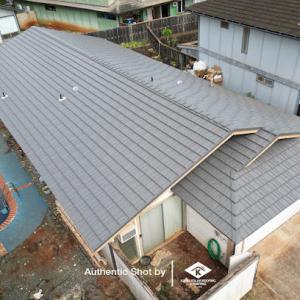
Kapili is a Hawaii roofing contractor that has been serving the island of Oahu since 2007. With generations of experience in the roofing industry, we specialize in providing top-quality services for residential and commercial roofs. We've installed roofs all over Honolulu County, including: Mililani, Waipahu, Wahiawa, Waianae, Kapolei, Ewa Beach, Waialua, Kaneohe, Kailua, North Shore. We are now offering Kauai roofing services to home and business owners. We also offer painting, Whether you need a new roof and exterior/interior painting, Kapili has the expertise to meet your needs.
Mililani Roofing
(808) 400-8985 mililaniroofingco.com
Serving
5.0 from 2 reviews
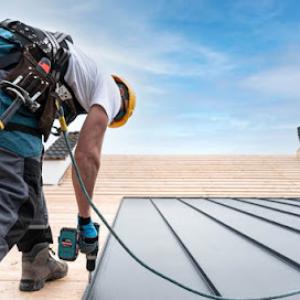
Our top-notch roofers are ready to handle any repair or replacement job for residential or commercial buildings. Our team has years of experience in both repairs and installation and can handle any project from start to finish with skill and expertise. We specialize in shingle roofs, tile roofs, flat roofs, metal roofs, slate roofs, rubber roofs, asphalt shingle roofs, and much more! No matter the size or complexity of the job - we’re here to make sure that your roof is properly fixed up!
Aluminum Shake Roofing
(808) 847-8885 www.oahumetalroofing.com
Serving
4.9 from 18 reviews
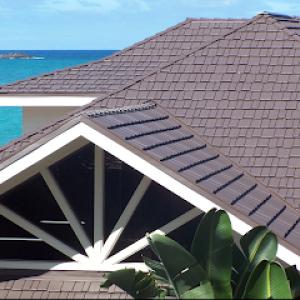
Aluminum Shake Roofing has been providing durable metal (aluminum, copper, and stainless steel) roofs and exterior cladding to Hawaii single-family and multi-family homes, light commercial properties and beautiful buildings since 1989. Licensed in Hawaii (BC-15135), we have the equipment and experience required to fabricate and install special custom metal fabrications for your project. Product and installation warranties are important, and ours are superior...just like our products and workmanship. We promise to communicate with you before, during, and after your project. We are proud to introduce the first wind-resistant, 304 stainless steel bracket for PV rail installations on Aluminum Shake roofing without any external penetrations
Surface Shield Roofing Company
(808) 739-9599 www.surfaceshieldroofing.com
Serving
4.3 from 27 reviews
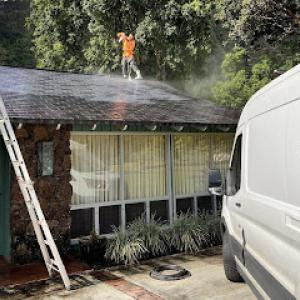
Surface Shield Roofing Company delivers expert roofing and remodeling solutions in Waipahu, HI. As a trusted commercial general contractor, we specialize in roof restoration, commercial roofing, metal roofing, residential roofing, and home remodeling. Our experienced team combines advanced tools, proven techniques, and a commitment to quality to ensure durable, long-lasting results. We prioritize safety, efficiency, and customer satisfaction on every project. From routine maintenance to complex installations, Surface Shield Roofing Company protects your property with precision and professionalism. Contact us today to schedule a consultation and experience reliable roofing solutions you can trust.
Action Roofing Hawaii
(808) 782-1035 www.actionroofinghawaii.com
Serving
4.8 from 24 reviews
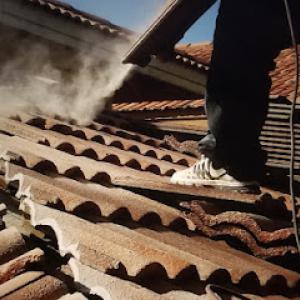
Action Roofing Hawaii is a locally owned and operated roofing service provider with over 35 years of experience catering to the needs of commercial, residential, and industrial clients in Honolulu and across Hawaii Island. Established in 2005, the company offers a comprehensive range of roofing solutions, including waterproofing, sheet metal work, gutter and downspout systems, as well as crane, hoisting, and rigging services. Action Roofing Hawaii is fully equipped to handle roof inspections, maintenance, restoration, conversions, repairs, and insurance claims, providing expert recommendations and delivering exceptional results.
Roof Maxx Hawaii
(808) 522-7663 getroofmaxx.com
Serving
4.9 from 30 reviews
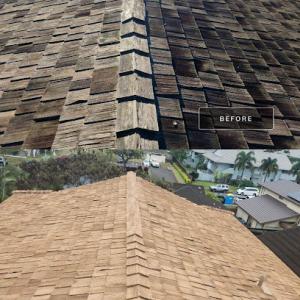
Replacing your asphalt roof costs thousands of dollars and is a disruption to your daily life. For an affordable and less invasive alternative to a roofing replacement, reach out to the experts at Roof Maxx Hawaii in Mililani, HI. This locally owned and operated roofing company offers a specialized application to prolong the lifespan of roofing systems for clients across central Oahu. Asphalt roofing becomes weathered and susceptible to leaks after years of taking a beating from Mother Nature. This trusted team uses an environmentally friendly application to restore shingle pliability, permeability, and adhesion.
FBC Roofing
(808) 236-0756 www.fbc-hawaii.com
Serving
4.7 from 150 reviews
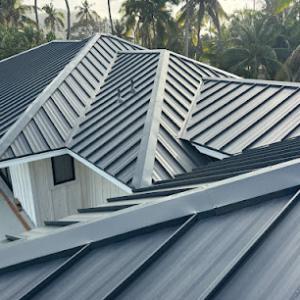
FBC Roofing, based at 3050 Ualena Street Unit D in Honolulu, is your premier roofing contractor providing top-notch roofing services across the Hawaiian Islands since 2009. Specializing in roof repair, roof replacement, and new roof installation, we cater to both residential and new-build projects. Our expertise includes metal roofing, shingle roofing, and asphalt roofing, ensuring durable and leak-proof solutions. With GAF Master Elite certification, we guarantee premium materials and reliable workmanship. We also offer gutter installation and repair services. Schedule a free roof inspection now—call (808) 236-0756, and let us safeguard your home today!
All Around Roofing & Waterproofing
(808) 226-8864 aaroofinghawaii.com
Serving
4.9 from 110 reviews
For over 15 years, All Around Roofing & Waterproofing has made a name for reliable roof repair and replacement services to residents and businesses in Kailua. Our focus on hard work and perseverance has earned us a solid reputation as one of the best roofing contractors in Hawaii. We’re not just any typical Oahu roofing company; we provide our residential and commercial roofing services with the Aloha spirit!
Pacific Isle Roofing
Serving
5.0 from 7 reviews
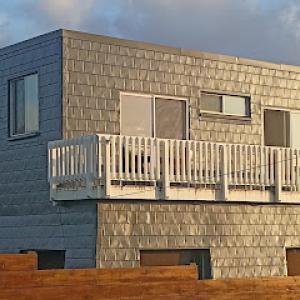
Pacific Isle Roofing Hawaii LIC#-31088 is a premier roofing company serving Oahu with expert roofing installations and repairs. They offer roof tear-offs, quality repairs, and installations, along with light carpentry and Oahu-wide service. The team emphasizes durable, high-quality workmanship, reliable roofing solutions, and proactive communication from start to finish. They highlight being a trusted partner for both repairs and new roofs, with a focus on value, durability, and customer satisfaction across the island. Contact information and hours indicate responsive service and accessible support for quotes and inquiries.
Wahiawa falls under the City and County of Honolulu, so full residential reroofs are typically reviewed through the Honolulu Department of Planning and Permitting rather than a separate local city building office. The permit review focuses on structural integrity, roof assembly compliance, and any changes to roof vents or drainage. The process is structured to ensure that the new roofing system meets Hawaii's wind-load standards and local moisture-resilience expectations. A permit is typically required for a full residential reroof in this jurisdiction, and inspections are commonly scheduled during installation and again at final completion. It helps to anticipate a small window for review after submission, and to align your contractor's schedule with potential weather-driven delays that are common in central Oahu's wetter seasons.
Central Oahu experiences persistent trade winds and higher moisture, so reroofing work should be planned with an eye toward rain windows. In Wahiawa, moisture intrusion risk rises if sheathing or underlayment is exposed during inclement periods. Coordinate with the contractor for a phased install that prioritizes the dry spells for critical steps, such as roof sheathing inspection readiness and underlayment application. If a permit is in place, keep the DPP informed of any extended weather delays and updated construction timelines; sudden rain events can affect material curing and adhesive performance. Discuss temporary weather protection measures with the crew to minimize water intrusion inside attic spaces or walls during the project.
Inspections are commonly scheduled during installation and again at final completion. Prepare the site so inspection readiness is straightforward: clear access for the inspector, provide documentation of underpinning structural work if any, and ensure that venting and drainage components meet current Honolulu codes. For metal, tile, or composite systems, the inspector will verify proper fastening, wind-rated assemblies, and flashing details around chimneys, skylights, and roof-to-wall transitions. Any deviations found during the installation may require adjustments or a follow-up inspection, so coordinate closely with the contractor to address items promptly.
Some Wahiawa projects also face HOA review in addition to city permitting, which can extend timelines beyond the roofing contractor's installation window. Contact your HOA early in the planning phase to obtain guidance on approved materials, color restrictions, and any architectural review board requirements. If the HOA process is anticipated to take longer, schedule the reroof to align with permit readiness and inspection windows, so work does not stall waiting on approvals. Gather any HOA-approved documents or color samples in advance to avoid last-minute delays.
Keep a single point of contact with the contractor for permit-related questions and inspector coordination. Have your design and material selections ready for the DPP submission, including details on underlayment, ventilation, and flashing. Maintain open lines with the HOA, if applicable, and confirm any required architectural documentation before project kickoff. Finally, plan for moisture control by incorporating temporary containment, tarping, and interior protection to minimize interior moisture exposure during the reroof.
On Oahu, wind-driven rain and storm-related roof claims are a meaningful part of the insurance environment, so the local homeowner should expect close scrutiny of leak origin and pre-existing wear. In Wahiawa, the cooler upland setting means moisture can linger and travel through roof lines differently than in drier coastal areas. If a claim centers on a single event, the insurer will still look for durable documentation that distinguishes new damage from wear that existed before the incident.
Carriers in Hawaii often want thorough documentation such as photos, moisture readings, pre-removal condition records, and material specifications before approving roof-related claim scope. Take clear, dated photos from multiple angles showing both the interior and exterior sides of the roof, attic signs of moisture, and any fastener or flashing deterioration. Retain receipts, delivery notes, and any vector of moisture readings from reputable meters. Having these records ready reduces back-and-forth and helps prevent disputes over what counts as storm-related damage versus pre-existing conditions.
Coverage language may be tighter for high-wind or coastal exposure in Hawaii, making documentation and prompt mitigation especially important even for inland properties. If a leak is suspected, arrange prompt temporary mitigation-tarps or rapid de-tailing where safe-to limit further interior damage. Insurers often want to see evidence that mitigation occurred and that the claim is narrowly scoped to damage attributable to the covered event. Delays or gaps in mitigation can complicate approval and settlement.
Expect the claim review to consider whether the damage traceable to the event is clearly distinguished from routine wear. Pre-existing conditions and aging components may influence payout decisions, so meticulous labeling of what failed due to the wind-driven storm versus what deteriorated over time is essential. A well-documented, timely submission helps align the claim with the actual event and reduces the risk of partial or denied coverage.
Connect with contractors who help homeowners navigate the claims process from damage assessment to final approval.
ProBuilt Hawaii Roofing & Rain Gutters - Oahu
(808) 468-8544 probuiltoahu.com
Serving
4.8 from 109 reviews
Metal roofing stands out in this market for its wind resistance and long service life. You'll notice that systems designed for sustained exposure to trade winds tend to hold up better during the island's wet seasons, especially when the installation details are solid from the start.
Across Oahu, humidity and salt air in wind-exposed zones can accelerate corrosion of metal components, so Wahiawa projects still need attention to fasteners, flashings, and compatible accessories even though the town is inland. Choose fasteners and coatings rated for coastal or salt exposure, and verify that the chosen sealants are compatible with aluminum or galvalized steel, as appropriate for the substrate.
Metal roof performance in Wahiawa depends heavily on detailing at penetrations and edges because trade winds can exploit small installation errors. Pay extra attention to sealant continuity around vent stacks, skylights, and edges where the panels terminate. Use closure strips and wind clips as recommended by the manufacturer, and ensure a continuous drip edge that directs water away from underlayment and fasteners.
Because moisture cycles and salt exposure are persistent, fasteners should be stainless or hot-dip galvanized, with washers sized to prevent crown leaks at the panel laps. Flashings must integrate with the roof system year-round protection, with temporary or permanent coatings chosen to withstand heavy rains without becoming brittle.
Regular inspections before and during the wet season help catch loose panels, degraded seals, or worn edge trims. In practice, plan a focused walk-around after strong winds and heavy rains to confirm that all edges remain sealed and that no moisture has begun to intrude at penetrations. In this climate, proactive maintenance keeps the metal system performing as designed.
Explore specialists in steel, aluminum, and standing seam metal roofs built to last 50 years or more.
Surface Shield Roofing Company
(808) 739-9599 www.surfaceshieldroofing.com
Serving
4.3 from 27 reviews
In Wahiawa, roof coatings and flat-roof specialties are common in the market, and mixed-use buildings with lanais, additions, carports, or low-slope sections attached to pitched roofs are a frequent sight. The wet season's persistent moisture makes coating performance and maintenance decisions more consequential than in drier neighborhoods. The goal is to keep moisture out of the assembly long enough to avoid early deterioration of flashing, seams, and substrate.
In humid conditions, your attention starts with the low-slope areas. Drainage paths and visible ponding should guide your inspection timing and repair priorities. Look for blisters in coatings, seam wear at transitions, and flashing failures where the low slope meets vertical walls or parapets. These zones tend to reveal moisture ingress first, even when the rest of the roof looks fine. Plan maintenance or replacement action around these indicators, especially after heavy rains or during the peak wet months.
Choose coatings with proven performance in humid, coastal-like environments and ensure compatibility with adjacent materials (metal edge details, concrete, or wood parapets). When moisture has already penetrated the assembly during the wet season, repairs often require more than surface coating, because substrate rot or corrosion may be underway. If moisture is present, flashing transitions and seam terminations should be addressed first, then a compatible coating restoration can proceed.
Schedule semi-annual inspections that align with the wet season cycle: one visit before the heavy rains and another after the bulk of the wet period. During inspections, verify drainage is unobstructed, seams are intact, and flashing remains watertight. For flat or low-slope sections, carry a small kit for temporary sealing to manage minor leaks while permanent repairs are arranged. Prioritize scenarios where moisture has entered the assembly, and treat those as the highest-urgency repairs, even if the surface coating looks acceptable.
Extend the life of your existing roof with reflective or waterproof coatings that protect against UV and moisture.
In Wahiawa's cooler, wetter upland setting, coordinating reroofing with rooftop solar requires a practical sequence. Since solar equipment and mounting hardware must align with the new roof deck, start by selecting a roofing material with an expected life that complements the panel system's service life. Reroofing before solar installation can lower future tear-off and reinstallation costs when the existing roof is near replacement age. This strategy minimizes the number of penetrations that later become interfaces between roof surface and PV hardware, reducing the chance of leaks or wind-driven moisture intrusion if the roof deck settles differently after the panels are mounted.
Central Oahu's frequent moisture demands careful scheduling. Choose a dry spell within the wet season for the reroofing phase, then allow a brief, controlled drying period before solar mounting begins. For Wahiawa, wind patterns from the trade winds influence how long the roof deck stays exposed; plan a tight sequence so that flashing, underlayment, and coping details are not left exposed longer than necessary. Emphasize moisture barriers that resist capillary action and use breathable underlayment when appropriate for the chosen roof system. If a roof can't be completed in one stretch due to weather, ensure temporary weather protection is installed to maintain a dry surface for the solar crew and to prevent moisture from seeping into newly installed underlayment.
Trade-wind exposure makes attachment layout and flashing quality critical when combining roofing and solar work. Coordinate solar racking with the roof's fastener pattern to avoid multiple penetrations in close proximity, which can become weak points for leaks in a high-wind environment. Use high-quality flashing around all penetrations, including vent pipes, plumbing stacks, and rafter tails, with sealants rated for tropical humidity and UV exposure. Ensure roof-to-solar transitions are continuous, and verify that the skylight or vent trim details integrate smoothly with the chosen roof surface, so wind-driven rain cannot scour entry points around edges and corners.
On the job site, keep solar installers and roofers working in a shared sequence to minimize time the deck is exposed. A well-timed inspection point after underlayment and flashing installation helps catch moisture traps early. Document the exact locations of all penetrations and mounting anchors to prevent surprises during final PV mounting. This local approach reduces risk and supports dependable performance through Wahiawa's wet-season cycles.
Find contractors who integrate solar panels or solar shingles into your roof for long-term energy savings.
ProBuilt Hawaii Roofing & Rain Gutters - Oahu
(808) 468-8544 probuiltoahu.com
Serving
4.8 from 109 reviews