
Last updated: Apr 19, 2026
Kapolei sits on Oahu's leeward side, where hotter and drier conditions than windward communities increase UV exposure and heat stress on roofing materials. The intense sun over long, dry spells accelerates aging of asphalt shingles, reduces flexibility in underlayment, and can cause faster fading of color-treated surfaces. When choosing a roof profile and color, lean toward lighter shades that reflect heat and help keep attic temperatures lower. Look for shingles or tiles with high UV resistance and documented color stability, and consider reflective or cool-roof coatings if a full replacement is planned in the near term. In practice, plan for more frequent inspections of exposed surfaces, especially after mid-summer heat waves, to catch early signs of brittleness, surface granule loss, or mildew buildup on shading bands where debris collects.
Coastal salt spray in the Kapolei area can accelerate corrosion of metal flashings, fasteners, and roof-edge components even when the roof covering itself remains serviceable. The salt-laden air moves along the coast and can settle on fasteners and flashing, gradually eating away protective finishes. When you inspect, pay particular attention to metal edge details, chimney flashing, vents, and any seams where water can pool. If any fasteners show dark staining or flaky corrosion, consider replacing with corrosion-resistant options such as stainless steel or coated aluminum, and ensure seals around flashings are intact. For metal flashings, ask for coatings or corrosion-resilient hardware that are rated for coastal environments. Regular washing of roof edge components with fresh water after heavy salt exposure periods can help slow buildup. If you notice rust or staining on flashings, address it promptly before penetration or leaking occurs around fasteners or joints.
Trade winds and occasional tropical storm conditions make wind resistance and secure attachment details especially important for tile edges, shingles, and rooftop accessories. Ensure edge fasteners are solidly anchored and that all penetrations have properly sealed boot membranes or flashing. For tile installations, verify that edge clips, set spacers, and wind-rated fasteners are installed according to the product's wind design ratings, and check that ridge caps are securely fastened with corrosion-resistant hardware. Rooftop accessories-satellite dishes, vents, and solar mounts-should have extra-sealed penetrations and strapped configurations that resist uplift. After storms, examine for lifted shingles, cracked tiles, or loosened edge components, and address any vulnerability before the next wind event. Consider higher wind-rated options if the roof is exposed to frequent gusts across open spaces or near shorelines.
Given the sun, salt, and wind trio, the best choices balance heat resistance, durability, and maintenance needs. Asphalt shingles offer a solid, cost-effective option, but selection matters: pick granule-rich, UV-stable varieties with a good wind rating and reinforced underlayment to withstand heat. Clay and concrete tiles suit hot, sunny climates and can offer long life when installed with proper roof decks and underlayment, yet weight and wind requirements must be matched to structure. For flat or low-slope sections, EPDM rubber or TPO can provide durable water resistance, but check for UV stability and edge details that resist wind uplift and salt spray. If metal is considered, look for pre-coated coatings designed for salt exposure and ensure seamless drainage to minimize ponding that accelerates staining.
In Kapolei, the wet season brings humidity and occasional heavy downpours that can reveal underlayment or flashing weaknesses. Establish a seasonal inspection routine: after the wet season, recheck sealants around penetrations and the integrity of ridge lines and skylights; before the dry season, test for wind uplift vulnerabilities and reseal where needed. Keep gutters clear to prevent water pooling near edges, which exacerbates edge wear. Clean debris from roof surfaces and ensure solar attic fans or vents function to alleviate heat buildup that compounds material aging. Regular, proactive checks now save more extensive repairs later, especially around edge components and flashings that bear the brunt of salt and wind exposure.
Kapolei's dominant local materials include asphalt shingles, clay tile, concrete tile, wood shingles or shakes, EPDM, and TPO, reflecting both suburban pitched roofs and low-slope sections on some properties. For typical residential roofs, asphalt shingles remain a reliable choice on many homes thanks to their balance of weight, reflectivity options, and ease of repair. Clay and concrete tiles excel where you want long life and strong heat resistance, but heavier tile systems demand careful assessment of roof structure, especially on homes with existing framing adjusted for lighter coverings. Wood shingles or shakes offer a distinct look and good insulation but require vigilant maintenance in a coastal sun regime to prevent accelerated weathering. For additions or flats, low-slope membranes such as EPDM and TPO provide a durable, watertight option that can pair with existing roof lines without major disruption to the overall aesthetic.
In this leeward environment, the sun's intensity and salt air contribute to quicker surface aging on standard shingles and coatings. Concrete tiles benefit from resilience against UV exposure and wind-driven rain, yet their weight means structural proofing is essential. Clay tiles offer a strong coastal-facing option with excellent color longevity, though their weight and potential for breakage require careful installation and a robust underlayment. Asphalt shingles can perform well if high-wind, impact-resistant varieties are chosen and properly sealed at edges and penetrations. For low-slope portions-common on newer planned communities that mix residential and commercial uses-EPDM and TPO deliver reliable waterproofing and energy efficiency, particularly on lanais or additions where roof geometry challenges a traditional shingle approach.
Because Kapolei homes often blend pitched roofs with flatter sections, you may encounter partial conversions or expansions. When selecting a material, consider how it will transition from the pitched main roof to flatter areas. A seamless transition minimizes heat gain on sun-exposed surfaces and reduces the risk of edge leaks at mismatched flashing. Heavier tile systems demand structural confirmation, especially where wind uplift and loading are scrutinized. If your project includes a low-slope section, plan for robust edge detailing, reinforced fasteners, and compatible membranes that align with the existing sheathing and underlayment. In practice, this means coordinating with installers who understand both the aesthetic you want and the climate-driven demands of this coastal, sun-drenched environment.
Choosing materials that tolerate intense sun and salt exposure helps extend life in Kapolei. Regular visual inspections after major weather events, plus proactive upkeep of sealants around penetrations and flashings, pays dividends on any roof type. Clay and concrete tiles benefit from examining for cracked or loose units after storms, while wood shingles require moisture control and potential refinishing to preserve color and curvature. For low-slope sections, monitor EPDM or TPO membranes for seam integrity and punctures, particularly where shading or tree cover concentrates debris. A thoughtful, climate-aware approach to material selection now supports fewer mid-life repairs and steadier performance over time.
The distinct wet season can interrupt tear-off and dry-in schedules, making installation timing more consequential than in places with steadier rainfall patterns. When a storm track shifts or a passing front lingers, crews pause to protect exposed underlayment and fresh sealants. That pause isn't just inconvenient-it can compromise the entire reroof if scheduled windows aren't respected. You should plan with a backup timeline that anticipates sudden weather shifts and keeps a few additional dry days in the forecast buffer.
Dry periods are generally preferred for full replacements because underlayment exposure, adhesive cure conditions, and waterproofing quality are harder to control during frequent showers. In Kapolei, a string of wet days can extend the project beyond the typical timeframe, elevating the risk of moisture intrusion and back-to-back delays. If your area is forecast to stay dry for a solid 3-5 day window, align crews to maximize that run, and avoid starting a full tear-off just before a heavy rain front is expected to arrive. Your goal is a clean, uninterrupted sequence from tear-off through final sealant cure.
Tropical storm activity during hurricane season can create temporary work stoppages and sudden demand spikes for tarping, leak response, and re-roofing crews across leeward Oahu. When storms threaten, the first instinct is to shield the house and protect valuables, but timing becomes strategic: common-sense scheduling, pre-tarp readiness, and clear communication with your contractor reduce the chance of expensive rework. Have a rapid-response plan with your crew for urgent tarping and quick leak assessments so a storm doesn't derail a longer replacement.
Share your priorities for windows with the upcoming wet season, and mark acceptable contingencies for rain days. Confirm that the plan includes weather-appropriate contingencies, including protected storage, fast-drying underlayment options, and guaranteed resealing procedures once clear skies return. In Kapolei, the calendar will feel tight; treat every planned dry slot as sacred and lock it in, because even a single unexpected shower can cascade into days of downtime if the crew isn't aligned on a rapid, weather-aware workflow.
When you can't wait, these contractors offer fast response times to stop leaks and prevent further damage.
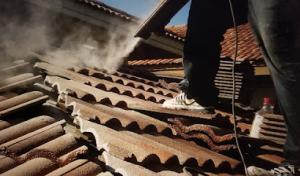
Action Roofing Hawaii
(808) 782-1035 www.actionroofinghawaii.com
590 Farrington Hwy Suite 524-420, Kapolei, Hawaii
4.8 from 24 reviews
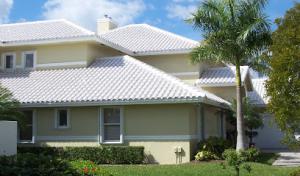

Action Roofing Hawaii
(808) 782-1035 www.actionroofinghawaii.com
590 Farrington Hwy Suite 524-420, Kapolei, Hawaii
4.8 from 24 reviews
Action Roofing Hawaii is a locally owned and operated roofing service provider with over 35 years of experience catering to the needs of commercial, residential, and industrial clients in Honolulu and across Hawaii Island. Established in 2005, the company offers a comprehensive range of roofing solutions, including waterproofing, sheet metal work, gutter and downspout systems, as well as crane, hoisting, and rigging services. Action Roofing Hawaii is fully equipped to handle roof inspections, maintenance, restoration, conversions, repairs, and insurance claims, providing expert recommendations and delivering exceptional results.

A Team Pacific Roofing
(808) 682-8096 ateampacificroofing.com
91-567 Nukuawa St, Kapolei, Hawaii
3.3 from 7 reviews
Award winning commercial roofing company.
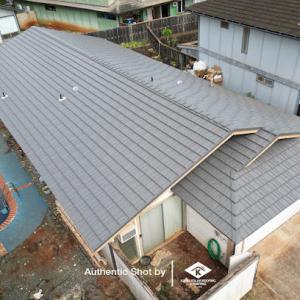
Kapili Roofing & Painting
(808) 621-7663 www.kapiliroof.com
Serving
4.9 from 376 reviews
Kapili is a Hawaii roofing contractor that has been serving the island of Oahu since 2007. With generations of experience in the roofing industry, we specialize in providing top-quality services for residential and commercial roofs. We've installed roofs all over Honolulu County, including: Mililani, Waipahu, Wahiawa, Waianae, Kapolei, Ewa Beach, Waialua, Kaneohe, Kailua, North Shore. We are now offering Kauai roofing services to home and business owners. We also offer painting, Whether you need a new roof and exterior/interior painting, Kapili has the expertise to meet your needs.
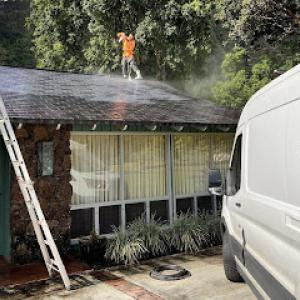
Surface Shield Roofing Company
(808) 739-9599 www.surfaceshieldroofing.com
Serving
4.3 from 27 reviews
Surface Shield Roofing Company delivers expert roofing and remodeling solutions in Waipahu, HI. As a trusted commercial general contractor, we specialize in roof restoration, commercial roofing, metal roofing, residential roofing, and home remodeling. Our experienced team combines advanced tools, proven techniques, and a commitment to quality to ensure durable, long-lasting results. We prioritize safety, efficiency, and customer satisfaction on every project. From routine maintenance to complex installations, Surface Shield Roofing Company protects your property with precision and professionalism. Contact us today to schedule a consultation and experience reliable roofing solutions you can trust.
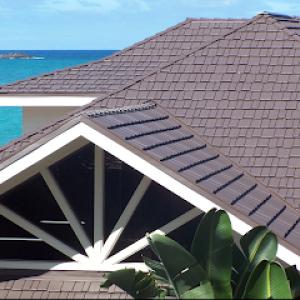
Aluminum Shake Roofing
(808) 847-8885 www.oahumetalroofing.com
Serving
4.9 from 18 reviews
Aluminum Shake Roofing has been providing durable metal (aluminum, copper, and stainless steel) roofs and exterior cladding to Hawaii single-family and multi-family homes, light commercial properties and beautiful buildings since 1989. Licensed in Hawaii (BC-15135), we have the equipment and experience required to fabricate and install special custom metal fabrications for your project. Product and installation warranties are important, and ours are superior...just like our products and workmanship. We promise to communicate with you before, during, and after your project. We are proud to introduce the first wind-resistant, 304 stainless steel bracket for PV rail installations on Aluminum Shake roofing without any external penetrations
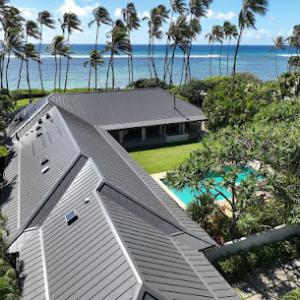
ProBuilt Hawaii Roofing & Rain Gutters - Oahu
(808) 468-8544 probuiltoahu.com
Serving
4.8 from 109 reviews
ProBuilt Hawaii Roofing & Rain Gutters - Oahu - Formerly known as - True Home Hawaii and Ohana Construction - is a full-service roofing company servicing the needs of all residential and commercial roofing systems. Dedicated to providing customers with the highest standard of service and workmanship, True Home Hawaii has served the Island of Oahu one customer at a time. Our goal is not only to meet the roofing needs of our customers, but to leave them with a Superior Experience, one which they will remember for a lifetime and one they will tell others about.
Tulba's Roofing
(808) 888-0945 www.tulbasroofing.com
Serving
4.2 from 5 reviews
Tulba’s Roofing is owned and managed by Ernie Tulba. With over 10 years of roofing experience. I will make sure that your projects are completed correctly and on time while saving you money. We are Reliable Roofing Professionals. We Offer Individualized Roofing Options. Satisfaction and Quality Guaranteed
FBC Roofing
(808) 236-0756 www.fbc-hawaii.com
Serving
4.7 from 150 reviews
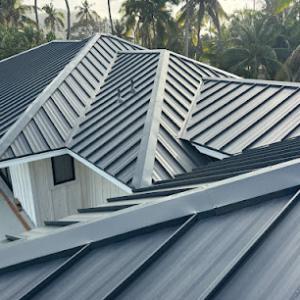
FBC Roofing, based at 3050 Ualena Street Unit D in Honolulu, is your premier roofing contractor providing top-notch roofing services across the Hawaiian Islands since 2009. Specializing in roof repair, roof replacement, and new roof installation, we cater to both residential and new-build projects. Our expertise includes metal roofing, shingle roofing, and asphalt roofing, ensuring durable and leak-proof solutions. With GAF Master Elite certification, we guarantee premium materials and reliable workmanship. We also offer gutter installation and repair services. Schedule a free roof inspection now—call (808) 236-0756, and let us safeguard your home today!
Koolau Roof Tech
(808) 292-2205 www.koolaurooftech.com
Serving
5.0 from 42 reviews
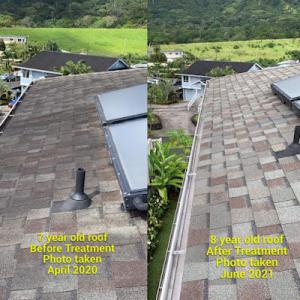
Since 1982, our family has taken pride in building relationships throughout our local community and providing local-style five-star service. Three Generations later, the Kobashigawa family has successfully owned and operated residential construction companies that began on the Windward side of Oahu. Since then we have grown to continue to serve and protect our Kamaaina homes by helping to maintain and extend the life of your roof with advanced technology and environmentally sustainable treatment systems. Koolau Roof Tech provides roof health assessments to help extend the life of your roof with our eco-friendly products that are safe for the environment, pets and plants.
Pamalu Roofing
Serving
4.9 from 27 reviews
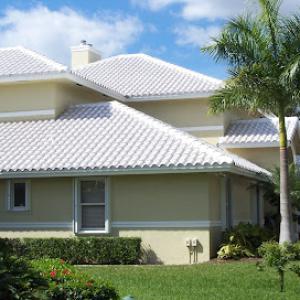
Pamalu Roofing is a family-owned company with 45+ years of experience serving homeowners across Honolulu, Kailua, Ewa Beach, Kapolei, and Pearl City. Our licensed and insured team specializes in roof repair, roof replacement, re-roofing, skylight installation, and gutter services — all built to handle Hawaii’s salt air, heavy rains, and hurricane winds. Known for our expertise in finding and fixing leaks the first time, we’re also trusted to guide Oahu homeowners through the insurance claim process after storm or wind damage. Whether you need a small roof repair or a full replacement, you can count on Pamalu Roofing for quality, reliability, and local care.

MRC Roofing
(808) 842-4464 mrcroofinghawaii.com
Serving
4.8 from 65 reviews
MRC Roofing is a trusted, locally owned roofing company serving Hawaii’s residential, commercial, and industrial sectors with expert roofing solutions. Specializing in roof installation, repairs, maintenance, and inspections, MRC Roofing provides durable and reliable roofing systems tailored to the unique demands of Hawaii’s tropical climate. Whether it’s installing new roofs, repairing leaks, or providing regular maintenance, their team of skilled professionals ensures top-quality results using the best materials and industry practices. With years of experience, MRC Roofing is adept at handling various roofing types, including asphalt shingles, metal roofs, tile roofing, and flat roofs. They also offer solar-ready roofing systems and en...
Roof Maxx Hawaii
(808) 522-7663 getroofmaxx.com
Serving
4.9 from 30 reviews
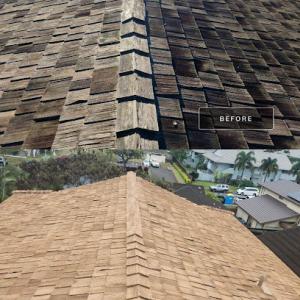
Replacing your asphalt roof costs thousands of dollars and is a disruption to your daily life. For an affordable and less invasive alternative to a roofing replacement, reach out to the experts at Roof Maxx Hawaii in Mililani, HI. This locally owned and operated roofing company offers a specialized application to prolong the lifespan of roofing systems for clients across central Oahu. Asphalt roofing becomes weathered and susceptible to leaks after years of taking a beating from Mother Nature. This trusted team uses an environmentally friendly application to restore shingle pliability, permeability, and adhesion.
In Kapolei, roof work follows the City and County of Honolulu's processes, not a separate local city office. When you plan a full roof replacement, expect the project to go through the Department of Planning and Permitting (DPP). This means your job will be reviewed for compliance with Honolulu's building code, zoning, and overall site impact. The leeward sun and coastal environment add emphasis on wind load, roof edge protection, and drainage in the plan review, so expect questions about how the chosen materials and attachment methods perform against trade winds and occasional heavy showers.
A full roof replacement typically requires a building permit. Even if you are simply swapping shingles or tiles, the structural implications, weight on the framing, and wind resistance can trigger permit review. If your project plan includes reconfiguring roof vents, skylights, or changes to attic ventilation, DPP staff may request additional details. The city prioritizes ensuring that the roof system will withstand the local wind pressures and salt-laden air, which can affect fasteners, underlayment choices, and moisture management.
During plan review, be prepared to provide roofing product specifications, attachment methods, anticipated load calculations if you're adding heavier tile, and a statement about wind resistance ratings. If your contractor is proposing significant structural changes, framing details, or an uptick in roof slope or weight, the review can become more involved. Having your engineer or a qualified roofing professional supply stamped drawings can streamline the process and reduce delays. In Kapolei's climate, documenting proper moisture barriers and ventilation strategies is particularly beneficial.
Inspections are typically scheduled before work begins, during key milestones, and after the installation is complete. A final inspection is required to close out the permit. On the day of inspections, ensure access to the attic, roof edge, and any new penetrations for ventilation or exhaust. Clear communication with your contractor about permit status helps prevent holds and keeps the project on track. If any punch list items arise from inspections, address them promptly to maintain compliance and avoid re-inspection fees.
Local cost planning should use these common ranges: asphalt shingles at 500 to 900 USD per square, clay tile at 1600 to 3200, concrete tile at 1400 to 2900, wood shingles or shakes at 1600 to 3000, EPDM at 4.5 to 9 USD per square foot, and TPO at 4 to 7.5 USD per square foot. These figures reflect Kapolei's sun, salt air, and the island supply chain, so expect these bands to guide bids rather than exact quotes.
Heavy tile systems drive labor, accessory components, and sometimes structural or plan-review attention under Honolulu County permitting. A common Kapolei reality is switching to heavier tiles or adding underlayment upgrades to withstand coastal exposure and the wet season. Asphalt shingles stay the most affordable, but longer lifespans and higher wind resistance of concrete or clay tiles can tilt the math if your house faces tradewind fetch or salt spray. EPDM and TPO provide options for flat or low-slope sections where weight or wind loads differ from standard pitched roofs.
Scheduling pressure after tropical weather can compress project timelines, while island material supply and disposal logistics influence both price and lead times more noticeably than in many mainland markets. When planning, build a buffer for delays in shipments, especially for tile or specialty underlayment. If a replacement spans the wet season, expect contractors to address drainage and temporary coverings carefully to minimize leaks and wind-driven debris.
Obtain multiple bids that itemize material, labor, and disposal, and compare how each plan handles coastal exposure, fasteners, and underlayment. If choosing heavy tile, verify structural compatibility and factor in potential plan-review steps that affect overall timing. Keep a contingency for fuel, equipment, and crane access, which are common in Kapolei's larger roof projects.
Extend the life of your existing roof with reflective or waterproof coatings that protect against UV and moisture.
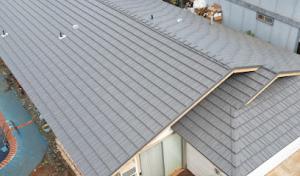
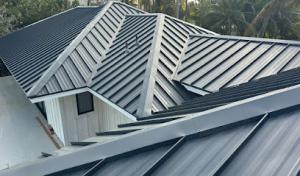
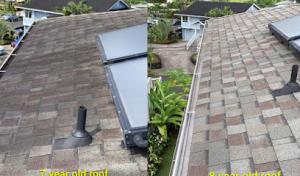
In this island climate, weather-related roof damage is a common claim driver, and insurers will scrutinize whether damage stemmed from a specific wind event or from long-term wear in a tropical environment. You should be prepared for a careful yes-or-no determination: was a named storm responsible, or does the issue indicate gradual deterioration from sun, salt air, and daily exposure? Understanding this distinction helps you frame conversations with your insurer and set expectations for evaluation timelines.
Wind-driven damage is a frequent claim trigger in exposed coastal areas, so you need solid, detailed photo documentation of lifted materials, failed flashings, and interior water intrusion. Take clear, timestamped images from multiple angles, including close-ups of any gaps around roof penetrations and edges where wind uplift is most evident. Keep a running visual record after each storm, noting dates, wind speeds if available, and observed changes on your roof and ceilings. Written notes should accompany photos, describing how the issue develops and where it first appeared.
Carriers in Hawaii are generally still writing coverage, but wind-related terms can vary by insurer, making policy review important for more exposed parts of the leeward side. Pay attention to definitions of wind-driven damage, exclusions for wear, and any requirements for preventative measures or maintenance proof. If a claim involves both sudden wind impact and ongoing wear, you may encounter partial denials or need to demonstrate that specific damage originated with a storm event to recover costs for repairs. In challenging cases, working with a local roofer who understands how coastal conditions affect flashings and underlayment can help articulate the cause and support your claim narrative.
Connect with contractors who help homeowners navigate the claims process from damage assessment to final approval.
Action Roofing Hawaii
(808) 782-1035 www.actionroofinghawaii.com
590 Farrington Hwy Suite 524-420, Kapolei, Hawaii
4.8 from 24 reviews
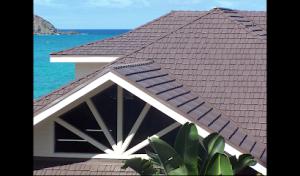
On Kapolei tile roofs, cracked or displaced field tiles and vulnerable ridge and edge areas often reveal the real leak source after windy periods, especially where underlayment has aged beyond its useful life. Winds can lift edges and expose fasteners or bedding failures, letting salt-laden air creep into the attic. Pay attention to any hairline cracks along the field tiles that line up with roof planes shaded from direct sun by trees or adjacent structures. Regular checks after storms help catch edge failures before they cascade into interior dampness.
On asphalt roofs in the hotter leeward climate, UV exposure and heat can accelerate granule loss, brittleness, and a shortened service life compared with cooler or cloudier locations. Shingles may curl at eaves or where the radiant heat concentrates near attic vents, allowing moisture intrusion through compromised seals. Wind-driven debris can pry up edges and expose underlayment. In the end, the roof can deteriorate from the sun as much as from any single storm, so early warning signs near valleys, eaves, and penetrations deserve follow-up.
On TPO and EPDM sections, prolonged sun exposure and heat can affect seams, flashings, and adhesive performance, while wet-season moisture can expose workmanship weaknesses quickly. Watch for seam separations where membranes meet parapets or penetrations, and for edge delamination along the perimeter coping. The combination of blistering from heat and sudden downpours tests laps and coatings, so pay attention to any rising moisture in the interior near ceiling lines that correlates with heavy tropical rainfall.
Find contractors who specialize in clay and concrete tile roofs, known for their durability and curb appeal.
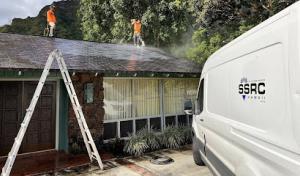
Surface Shield Roofing Company
(808) 739-9599 www.surfaceshieldroofing.com
Serving
4.3 from 27 reviews
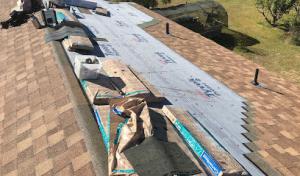
In a market dominated by residential re-roofing and quick-response service, you need a contractor who can handle occupied homes, messy cleanup, and weather interruptions without missing a beat. The leeward sun, salty air, and afternoon trade-winds all take a toll on roofing materials, so the crew should tailor every step to minimize interior disruption and protect landscaping and outdoor spaces during tear-off and install.
Long-established and locally owned firms are common here, and that matters for follow-through after the install week. Ask for recent projects in your neighborhood and, if possible, references you can contact who faced similar conditions. A contractor who sticks with a project from tear-off through punch-list and post-install service will be easier to reach when a wind-driven shingle, tile seam, or flashing detail needs adjustment long after the crew has left.
Kapolei weather can shift quickly, so you want a crew that can adapt to wet-season delays and storm interruptions without compromising safety or warranty terms. Confirm their plan for protecting finished work, staging materials, and coordinating with you if a weather window closes. A dependable contractor will provide a clear schedule, update you promptly, and minimize the impact on your daily routine.
Given the prevalence of insurance-related and storm-response work in this area, you should require documentation of preexisting conditions before any tear-off begins. The contractor should photograph and log vulnerable areas, prior leaks, and edge details. This baseline helps prevent later disputes and supports smooth insurance conversations if any issues arise during or after replacement.
Choose a firm that explicitly commits to thorough post-install cleanup and a well-defined punch-list process. In a busy market, small items can linger; a trusted local contractor will stand by timely follow-through, return calls promptly, and address any finish-work concerns without drama.