
Last updated: Apr 19, 2026
Waipahu sits in central Oahu within the City & County of Honolulu, so reroofs are evaluated under county wind-uplift and fastening expectations rather than a separate local city department. The trade winds and seasonal rain patterns push moisture to the roof edges, at flashings, and where laps butt against underlayment. You will often see wind-driven leaks show up first at eaves and parapet edges, along hips and ridges, and where old underlayment laps have separated. This is not a mystery leak; it is a design and installation failure magnified by Waipahu's humid climate and salt exposure. Treat every wind event as a test of fasteners, sealants, and edge details.
Roof problems rarely announce themselves with a big missing shingle all at once. In this area, the first signs are hairline leaks that ride in along edges or seep through flashings behind parapet walls and along penetrations. Underlayment laps become open to rain when fasteners back out or deck membrane splits from age. Corners and transitions near chimneys, skylights, and valley intersections are the top risk zones. If you see staining along eave edges after a windy rain, or you notice dried sealant lines pulling away from metal flashings, those are red flags that require immediate attention before further rain momentum drives water deeper.
Replacement timing in the Waipahu area is commonly planned outside wetter periods because exposed decking and underlayment are more vulnerable to rain delays during active reroof work. If a re-roof must occur in a wet window, expect longer project durations and stricter protection practices. The goal is a dry roof deck and well-sealed edge details before the first big rain. Ensure the contractor sequences work to keep the deck and underlayment dry between stages, and that temporary coverings or sealants are rated for wind-driven rain. Delays aren't just inconvenient-they increase the risk of decking swelling, fastener corrosion, and water intrusion that can compromise the roof's long-term performance.
In this climate, fasteners must resist uplift from trade winds, and edge restraints around eave and ridge lines must be continuously sealed. Pay particular attention to how flashing terms overlap, how metal flashings are integrated with the underlayment, and how ridge caps are secured against high-wind gusts. Every lap in the underlayment should be thermally compatible and sealed, not just caulked. Ask for a thorough wind-uplift test or evidence of uplift compliance, and insist on a plan that prioritizes flashing integrity at all transitions, especially where old roof components tie into new work. If any part of the plan promises quick, "one-day" fixes for wind-prone edges, treat it as a red flag and demand reinforced edge detailing and staged work that preserves a dry, protective envelope.
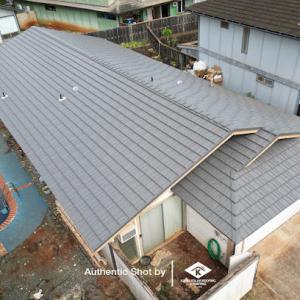
Kapili Roofing & Painting
(808) 621-7663 www.kapiliroof.com
94-221 Leonui St, Waipahu, Hawaii
4.9 from 376 reviews
Kapili is a Hawaii roofing contractor that has been serving the island of Oahu since 2007. With generations of experience in the roofing industry, we specialize in providing top-quality services for residential and commercial roofs. We've installed roofs all over Honolulu County, including: Mililani, Waipahu, Wahiawa, Waianae, Kapolei, Ewa Beach, Waialua, Kaneohe, Kailua, North Shore. We are now offering Kauai roofing services to home and business owners. We also offer painting, Whether you need a new roof and exterior/interior painting, Kapili has the expertise to meet your needs.
Koolau Roof Tech
(808) 292-2205 www.koolaurooftech.com
Waipahu, Hawaii
5.0 from 42 reviews
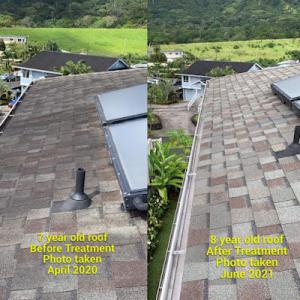
Since 1982, our family has taken pride in building relationships throughout our local community and providing local-style five-star service. Three Generations later, the Kobashigawa family has successfully owned and operated residential construction companies that began on the Windward side of Oahu. Since then we have grown to continue to serve and protect our Kamaaina homes by helping to maintain and extend the life of your roof with advanced technology and environmentally sustainable treatment systems. Koolau Roof Tech provides roof health assessments to help extend the life of your roof with our eco-friendly products that are safe for the environment, pets and plants.
ProBuilt Hawaii Roofing & Rain Gutters - Oahu
(808) 468-8544 probuiltoahu.com
94-1388 Moaniani St #106, Waipahu, Hawaii
4.8 from 109 reviews
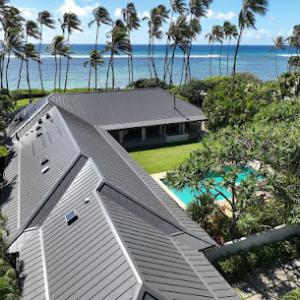
ProBuilt Hawaii Roofing & Rain Gutters - Oahu - Formerly known as - True Home Hawaii and Ohana Construction - is a full-service roofing company servicing the needs of all residential and commercial roofing systems. Dedicated to providing customers with the highest standard of service and workmanship, True Home Hawaii has served the Island of Oahu one customer at a time. Our goal is not only to meet the roofing needs of our customers, but to leave them with a Superior Experience, one which they will remember for a lifetime and one they will tell others about.
Aluminum Shake Roofing
(808) 847-8885 www.oahumetalroofing.com
94-432 Maikoiko St Suite 110, Waipahu, Hawaii
4.9 from 18 reviews
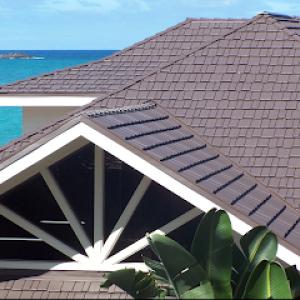
Aluminum Shake Roofing has been providing durable metal (aluminum, copper, and stainless steel) roofs and exterior cladding to Hawaii single-family and multi-family homes, light commercial properties and beautiful buildings since 1989. Licensed in Hawaii (BC-15135), we have the equipment and experience required to fabricate and install special custom metal fabrications for your project. Product and installation warranties are important, and ours are superior...just like our products and workmanship. We promise to communicate with you before, during, and after your project. We are proud to introduce the first wind-resistant, 304 stainless steel bracket for PV rail installations on Aluminum Shake roofing without any external penetrations
Surface Shield Roofing Company
(808) 739-9599 www.surfaceshieldroofing.com
94-110 Leokane St, Waipahu, Hawaii
4.3 from 27 reviews
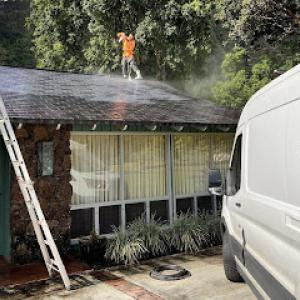
Surface Shield Roofing Company delivers expert roofing and remodeling solutions in Waipahu, HI. As a trusted commercial general contractor, we specialize in roof restoration, commercial roofing, metal roofing, residential roofing, and home remodeling. Our experienced team combines advanced tools, proven techniques, and a commitment to quality to ensure durable, long-lasting results. We prioritize safety, efficiency, and customer satisfaction on every project. From routine maintenance to complex installations, Surface Shield Roofing Company protects your property with precision and professionalism. Contact us today to schedule a consultation and experience reliable roofing solutions you can trust.
Discovery Roofing
(808) 745-1118 www.discoveryroofing-oahu.com
94-136 Mokukaua St, Waipahu, Hawaii
5.0 from 2 reviews
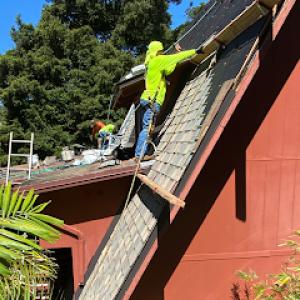
Oahu roofing contractor for residential and commercial roofing projects including repairs and new projects.
Oahu Roofing
(808) 425-9879 oahuroofingco.com
Waipahu, Hawaii
5.0 from 1 review
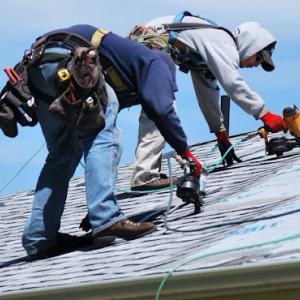
Oahu Roofing is your one-stop shop for all your roofing needs. We are a locally owned and operated roofing contractor that has been serving Honolulu, HI for over a decade. Our roofers specialize in various roofing systems including asphalt shingle, tile, and metal roofs. We are dedicated to providing our customers, both residential and commercial, with the highest quality roofing services available, and offer a wide range of roofing services, including roof repair, roof replacement, and new construction roofing. We also offer a wide variety of financing options to fit your budget. Contact us today to schedule a free consultation, free roof inspection, and cost estimate so you can be certain you are getting the best service possible
Action Roofing Hawaii
(808) 782-1035 www.actionroofinghawaii.com
Serving
4.8 from 24 reviews
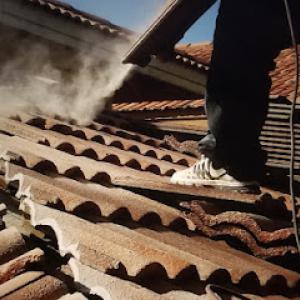
Action Roofing Hawaii is a locally owned and operated roofing service provider with over 35 years of experience catering to the needs of commercial, residential, and industrial clients in Honolulu and across Hawaii Island. Established in 2005, the company offers a comprehensive range of roofing solutions, including waterproofing, sheet metal work, gutter and downspout systems, as well as crane, hoisting, and rigging services. Action Roofing Hawaii is fully equipped to handle roof inspections, maintenance, restoration, conversions, repairs, and insurance claims, providing expert recommendations and delivering exceptional results.
FBC Roofing
(808) 236-0756 www.fbc-hawaii.com
Serving
4.7 from 150 reviews
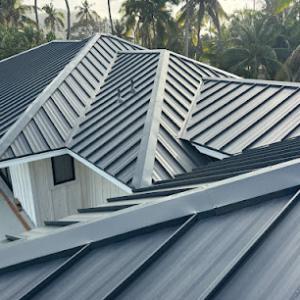
FBC Roofing, based at 3050 Ualena Street Unit D in Honolulu, is your premier roofing contractor providing top-notch roofing services across the Hawaiian Islands since 2009. Specializing in roof repair, roof replacement, and new roof installation, we cater to both residential and new-build projects. Our expertise includes metal roofing, shingle roofing, and asphalt roofing, ensuring durable and leak-proof solutions. With GAF Master Elite certification, we guarantee premium materials and reliable workmanship. We also offer gutter installation and repair services. Schedule a free roof inspection now—call (808) 236-0756, and let us safeguard your home today!
Paradise Roofing Hawaii
Waipahu, Hawaii
3.0 from 2 reviews
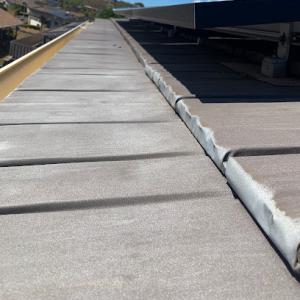
At Paradise Roofing of Hawaii, we're proud to be the licensed and insured roofing contractor Oahu homeowners and businesses count on more often. It's because few roofing companies on the North Shore of Oahu can match our quality and service. We're also well-known for providing roof repairs covered by insurance. No matter what your need, we can handle any residential or commercial roofing project. We install and repair all types of roofs on buildings of any size, including homes, apartment houses, and businesses.
On Top Roofing
(808) 744-7144 www.ontoproofinghawaii.com
Serving
4.9 from 10 reviews
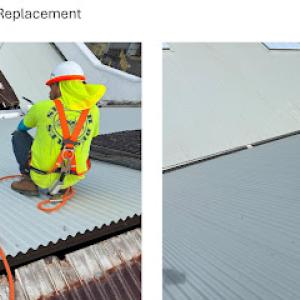
On Top Roofing is a proven industry leader in the residential and commercial roof replacement marketplace, utilizing the best products, offering excellent customer service, and providing top-quality craftsmanship. From the first contact to the final walk-through inspection, our local, experienced team will guide you through the whole process of finding the right solution that fits your budget and needs, even assisting through the insurance process when filing claim. With over 30 years of roofing experience, and 15+ as a company, know with confidence and be assured that you will not be disappointed and have made the right choice when selecting the top roofing company on the Island of Oahu.
Roof Maxx Hawaii
(808) 522-7663 getroofmaxx.com
Serving
4.9 from 30 reviews
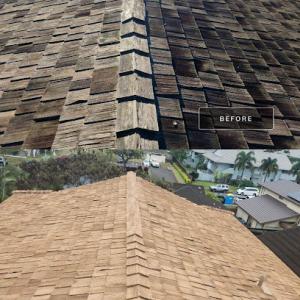
Replacing your asphalt roof costs thousands of dollars and is a disruption to your daily life. For an affordable and less invasive alternative to a roofing replacement, reach out to the experts at Roof Maxx Hawaii in Mililani, HI. This locally owned and operated roofing company offers a specialized application to prolong the lifespan of roofing systems for clients across central Oahu. Asphalt roofing becomes weathered and susceptible to leaks after years of taking a beating from Mother Nature. This trusted team uses an environmentally friendly application to restore shingle pliability, permeability, and adhesion.
Asphalt shingles remain a practical option for many Waipahu homes, especially where a balance of cost and ease of installation matters. In this climate, choose high-wind resistant shingles and an upgraded underlayment to help manage wind-driven rain and moisture cycling. Look for architectural or laminated grades, which offer better wind performance and a longer edge seal. Ensure the starter strip and correct nailing pattern align with the local uplift expectations, and consider algae-resistant variants to counter bio-growth from warm humidity. Regular blower-on-wind events can lift loose edges, so periodic inspection after storms is prudent, focusing on hips, ridges, and any flashing transitions.
Metal panels perform well under salt exposure and heat, but corrosion resistance matters even inland. Stainless steel or galvanized fasteners, along with coated or anodized trims, help resist salt-laden spray that can permeate the fastener lines. In the Waipahu setting, metal roofs should be installed with a robust sealant approach at penetrations and note the potential for expanded metal expansion and contraction with temperature swings. A color and finish choice with reflective properties helps manage UV exposure, keeping attic temperatures lower and reducing wear on the roof deck below. Regular cleaning of surface debris and inspection for scratches or exposed fasteners after heavy winds will extend life.
Clay tile delivers excellent durability and a distinctive look, but it's important to match the system to the wind uplift regime and salt environment. Tile fasteners and battens must be appropriate for high-wind zones, and an integrated underlayment designed for tile reduces moisture entry during the rainy season. In warm, humid air, ensure the substrate remains dry and free of mold-prone debris before installation. The salt air can corrode accessory metals, so choose corrosion-resistant flashing and edge metals. Tile's weight means a properly engineered roof frame is essential, and routine inspection for broken or displaced tiles after storms helps prevent water intrusion at ridges and valleys.
Concrete tile shares many benefits with clay tile, but its density can press heavier on the structure. For Waipahu, emphasize a ventilation-aware installation that avoids trapping humid air beneath the roof plane. Use durable fasteners and corrosion-resistant accessories, given the salt exposure. Concrete tiles resist UV and moisture cycling well, yet surface algae growth can occur in shaded or damp spots, so consider mold- and algae-resistant coatings or maintenance. Inspect for cracked or slipping tiles after strong trade-wind gusts, and verify that lift-resistant clips or fasteners are in place where wind uplift is a concern.
Wood options suit certain homes but demand vigilance in this climate. High humidity accelerates bio-growth and moisture cycling can cause warping or delamination if the wood isn't properly sealed and vented. In Waipahu, choose pressure-treated or naturally rot-resistant species, and apply a UV-stable, breathable finish to slow color fade and moisture ingress. Regular cleaning to remove moss and lichens helps prevent premature decay. Be mindful of wind-driven rain finding its way under edges and seams; premium flashing and careful edge detailing are essential.
Synthetic or composite shingles offer a versatile middle ground with good wind resistance and lower maintenance than some natural materials. Look for products rated for high-UV exposure and moisture cycling, with coatings that resist biological growth. Compatibility with existing underlayment and flashing is key to preventing leaks where wind uplift is a concern. Given salt exposure, choose systems with corrosion-resistant fasteners and exposed accessories. Schedule periodic inspections after storms to catch lifted edges or seam issues early.
In this part of the island, the cost you'll see for reroofs reflects not just the material but the logistics of getting it in and out of island yards. Typical Waipahu-area installed cost ranges are about $450 to $750 per square for asphalt shingles, $1000 to $1800 for metal, $2000 to $3600 for clay tile, $1800 to $3200 for concrete tile, $1000 to $1700 for wood shingles or shakes, and $700 to $1200 for synthetic or composite shingles. Those numbers assume a standard single-story, mid-range house with typical roof pitch and access. If your roof is steeper or larger than average, costs can stretch toward the upper end of the range, not because the material necessarily costs more, but because mobilization and labor time rise quickly on this island.
On Oahu, roofing costs are strongly affected by island material logistics and disposal handling, which can make heavy systems such as clay and concrete tile especially expensive to mobilize and remove. Clay and concrete tiles sit heavy and fragile enough that crews may schedule extra crew hours for careful handling, loading, and staging. That same weight also requires sturdier roof decks or additional reinforcement, which adds to the bill. If you're replacing with a lighter option, you may still face high transport and crane or lift fees, but the material bill shifts lower and installation can go smoother.
Scheduling around wetter months in Honolulu County can affect labor availability and project timing in Waipahu, especially when contractors are balancing reroofs with leak calls after heavy rain or tropical weather. If a roof is leaking during a wet spell, some crews may prioritize urgent leaks over a full re-roof, potentially delaying your project and shifting when weather windows align. When weather windows do align, clearing corridors, securing tarps, and coordinating scissor lifts or cranes for heavy tiles can influence daily rates and overall schedule.
To keep costs predictable, obtain multiple bids that itemize labor, material, and disposal separately, and ask how much mobilization and equipment fees will be. For heavier systems, discuss staging options and whether partial removal or phased replacement is feasible to spread out labor and logistics. Consider choosing a mid-range material with proven performance against wind-driven rain and salt exposure, and verify that the roof deck is conditioned for the chosen system to avoid unplanned reinforcement. In this market, planning ahead for weather and shipping logistics is as important as picking the right shingles.
Get a clear picture of your project costs upfront - no commitment required.
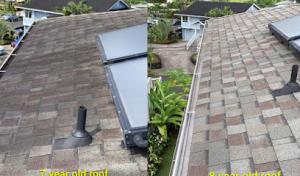
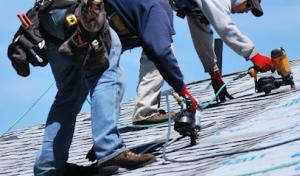

For full reroofs in Waipahu, a building permit is typically required through the City & County of Honolulu Department of Planning and Permitting rather than a separate Waipahu municipal building office. The permit path follows a predictable arc: submit project documents, undergo plan review, receive approvals, and proceed to scheduled inspections, with each step documented in the permit file. This process ensures that the reroof aligns with county wind-uplift requirements and the local building code framework that governs our island climate and homes with salt exposure and trade winds.
Plan review focuses on how the new roof assembly will perform under Waipahu's wind-driven rain conditions and salt-laden air. Expect reviewers to scrutinize the roof sheathing, underlayment type and installation method, fastener patterns, and overall wind-uplift design. Have details ready on roof ventilation, edge metal, flashing transitions, and any penetrations such as vents, skylights, or chimneys. Because your roof is part of a larger drainage and wind-control system, ensure that drawings clearly show rafter spacing, nailing schedules, and attachment points that meet or exceed prescriptive uplift values. Submittals should also illustrate how the new roof will resist movement during seasonal trades-wind patterns, particularly along eaves and ridges where uplift forces concentrate.
Inspections in this local context emphasize underlayment integrity, nail patterns, and adherence to wind-uplift provisions. Inspectors may peel back a portion of the installed roofing to confirm the type and placement of the underlayment, the continuity of flashing, and the correct fastening schedule around hips, valleys, dormers, and transitions. In wet-season months, inspectors often pay close attention to drainage details and the proper sealing of valleys and penetrations to prevent wind-driven water intrusion. Plan on multiple check-ins aligned with key milestones: after deck prep and underlayment, after full roofing material installation, and finally for the complete system including vents and flashings. Timely access and readiness for each inspection help avoid delays and keep the project on a steady track.
A final inspection is required after completion, so homeowners should expect permit closeout to be part of the project rather than treating reroofing as a simple over-the-counter repair. The final review confirms that the entire assembly is installed in accordance with the approved plans and city standards for wind uplift and rainfall resistance. Once the final inspection passes, the county delivers permit finalization documents, which formally close the permit record. Keeping a complete file of all drawings, inspection reports, and correspondence can smooth any potential future updates or renovations. If any discrepancies surface during the final walk-through, address them promptly with the contractor and the permitting office to prevent delays in achieving final clearance.
In this leeward Oahu climate, heavy tropical rain and steady trade winds combine to push moisture under roof coverings in ways that mainland claims don't typically see. Leaks tend to show up after a squall or tropical storm rather than as a single, dramatic event. That means the first sign of trouble may be a slow drip or damp patch under flashing, around valleys, or at edge detail where wind-uplift pressures have tested the fastening. Roofs in Waipahu that chose wind-resilient configurations-proper underlayment, continuous insulation, and secure fastenings-still face risk during intense bursts of rain driven by trade winds. The consequence, if not caught early, is progressive interior damage and escalating repair needs that insurance companies scrutinize carefully.
Hawaii-based claims tend to hinge on clear, factual condition evidence rather than on memory or after-the-fact speculation. Pre-loss photos taken in good weather, close-ups of the ridge and flashing, and images of any existing wind-related distress can be crucial. When a claim arises, insurers often want to see how the roof performed under wind and rain conditions, so photos that show the roof's state over time-before a loss, after a storm, and during any interim repairs-make a meaningful difference. Contractor repair estimates that itemize wind-uplift considerations, flashing integrity, and underlayment condition also carry weight. In Waipahu, where homes come in a mix of asphalt, metal, and tile styles, those details matter just as much as the visible damage.
If a tropical rain event reveals a leak, act quickly but calmly. Document the onset of the leak with photos and notes that include dates, specific locations on the roof, and how the interior affected the space below. Contact a licensed roofer to inspect the roof for uplift-driven vulnerabilities-such as loose shingles, lifted flashing, or compromised ridge vents-and obtain a written estimate that reflects the local wind-load realities. When communicating with the insurer, present the pre-loss condition evidence alongside the post-event observations. The clearer the trajectory of wear and the more precise the repair rationales, the smoother the review process tends to be.
Understanding that wind-driven rain is a predictable factor here helps homeowners prioritize reroof quality and timing. Regular inspections after heavy rainy spells or seasonal wind patterns can catch uplift-induced issues early. If a claim is contemplated, prioritize collecting and organizing your documentation now-before the next storm-so that when questions arise, the file speaks in concrete terms rather than rumor.
Connect with contractors who help homeowners navigate the claims process from damage assessment to final approval.
Kapili Roofing & Painting
(808) 621-7663 www.kapiliroof.com
94-221 Leonui St, Waipahu, Hawaii
4.9 from 376 reviews
ProBuilt Hawaii Roofing & Rain Gutters - Oahu
(808) 468-8544 probuiltoahu.com
94-1388 Moaniani St #106, Waipahu, Hawaii
4.8 from 109 reviews
Aluminum Shake Roofing
(808) 847-8885 www.oahumetalroofing.com
94-432 Maikoiko St Suite 110, Waipahu, Hawaii
4.9 from 18 reviews
Salt exposure on Oahu can affect not just metal roofing panels but also screws, flashing edges, valleys, vents, and other roof accessories used on Waipahu homes. The veil of salty air combined with warm humidity accelerates the aging process at fasteners and seams that might look fine on first glance. What seems "fine" on the surface can hide corroded ties and connections that compromise performance when a heavy rain arrives or trade winds gust hard against the ridge. This is not a distant concern-it's a real, ongoing factor that can shorten the life of otherwise solid roofing details.
Corrosion risk is a local material-selection issue in Waipahu because warm humidity and salt air can accelerate deterioration of exposed metal components even when the primary roof covering still looks serviceable. That means the screws holding panels, ridge caps, drip edges, and vent flashings need as much consideration as the panels themselves. If a bid skims over these pieces or treats them as afterthoughts, the result can be premature rust creeping in where you sleep and walk on the deck above the living spaces. In practice, this translates to paying attention to coating compatibility, galvanic isolation, and the corrosion resistance class of every metal tie-in.
This makes accessory specification and replacement scope especially important on reroofs, particularly when homeowners are comparing lower-cost bids that may not include full metal component replacement. A roof that looks solid from a distance can hide compromised fasteners and flashing edges that corrode faster than the visible panels. When assessing bids, verify which metal accessories are included, how coatings are specified for the salt-laden environment, and whether anticipated replacement cycles account for ongoing exposure. The long view matters, because neglected fasteners and flashings can undermine decades of roof performance long before the main covering shows obvious failure.
Explore specialists in steel, aluminum, and standing seam metal roofs built to last 50 years or more.
Aluminum Shake Roofing
(808) 847-8885 www.oahumetalroofing.com
94-432 Maikoiko St Suite 110, Waipahu, Hawaii
4.9 from 18 reviews
Surface Shield Roofing Company
(808) 739-9599 www.surfaceshieldroofing.com
94-110 Leokane St, Waipahu, Hawaii
4.3 from 27 reviews
A A A Roofers Hawaii
(808) 531-2211 www.aaaroofershawaii.com
94-440 Maikoiko St #200, Waipahu, Hawaii
4.4 from 7 reviews
Clay and concrete tile are common in the local market, but they sit at the top of the cost range and bring heavier tear-off and replacement logistics than shingles. When planning, expect a longer removal and reinstall phase, plus the need for extra scaffolding and crane-ready handling on the job. The weight means you'll want a structural assessment early in the process to confirm the existing framing can handle the new load without retrofit. If the roof deck shows any signs of moisture damage, address that first, because tile systems rely on a solid, dry substrate.
On Oahu reroofs, tile projects frequently hinge on renewing the underlayment. The visible tile may not be the first component to fail in humid and rainy conditions, so a thorough underlayment inspection is essential. Look for signs of lifted or worn underlayment under the tiles, especially around hips, ridges, and penetrations. If the underlayment has any moisture staining or remains soft to the touch, replace it rather than patching. This step helps prevent interior leaks long after the tiles are back on.
The county inspection focus on underlayment and fastening is especially relevant for Waipahu tile reroofs. Tile systems rely on secure fasteners and proper placement to resist wind-driven rain and trade-wind uplift. Ensure ridge and hip tiles are properly anchored and that fasteners penetrate into solid framing. If retrofit clips or stoppers are recommended by the installer, treat them as integral to long-term performance rather than optional add-ons.
Because tile systems are porous to wind-driven moisture, the sequence of work matters. Schedule removal during a dry window and complete underlayment renewal before reinstalling the tile layer. Keep interior spaces protected during any rain surge and verify that gutters and downspouts are clear to channel the heavier post-installation rainfall away from the eave drum.
After installation, prioritize periodic inspections of hip and ridge lines, flashing connections, and around penetrations. Humidity and salt exposure can accelerate wear at seal points, so schedule checks after the rainy season and after any strong trades. Keep the tile surface clean of organic debris to minimize moisture retention near fasteners and underlayment edges.
Find contractors who specialize in clay and concrete tile roofs, known for their durability and curb appeal.
Surface Shield Roofing Company
(808) 739-9599 www.surfaceshieldroofing.com
94-110 Leokane St, Waipahu, Hawaii
4.3 from 27 reviews
In this leeward Oahu market, reroofing and residential work dominate the landscape, so homeowners often compare firms that do full replacements rather than occasional sideline crews. Look for contractors who regularly schedule and complete complete reroofs, not just patch jobs. A steady work history here is a practical clue that the team understands the timing, weather windows, and sequence required for a solid install in this climate.
Local hiring signals matter. Homeowners expect quick response times and thorough cleanup, especially when rain interruptions and occupied homes are common. Ask about typical response windows after you reach out, how crews protect the home during rain, and how debris is contained and removed at the end of each day. A contractor with a visible emphasis on site protection, tarping, and daily cleanup tends to minimize storms-related hassle and post-job cleanup concerns.
Long-established firms are common here, so use that to your advantage. Inquire about permit handling, inspection scheduling, and post-storm leak response. You don't want to be surprised by delays or back-and-forth delays after installation. Request a written timeline that accounts for potential rain days, plus a plan for keeping interior areas dry during the project. Ask for references from projects with similar roofing materials to confirm performance under local wind-driven rain and salt exposure.
Verify the crew's experience with the chosen roof type and assembly, especially for wind uplift and rain-driven scenarios. Ask who will be onsite daily, how weather contingencies are managed, and what the closeout process looks like. Choose a contractor with a clear, accountable point of contact, documented procedures, and a track record of finishing on time with clean, protected sites.