Last updated: Apr 19, 2026
Pearl City sits in the City & County of Honolulu on leeward Oahu, where roofs see strong year-round sun along with humid air and regular trade-wind exposure. This combination accelerates aging in some roof materials and stresses fasteners and seals. The UV load can bleach and degrade coatings, while humidity supports mildew, moss, and moisture wicking into substrates if drainage and ventilation aren't up to par. The wind pattern means fasteners must be solidly anchored and edges properly secured to resist uplift from steady trade breezes. Understanding these forces helps you pick a roof system that holds up across seasons rather than just looking good for a year or two.
In this climate, moisture management matters as much as UV resistance. Continuous exposure to humid air makes condensation and moisture migration more common, especially on roofs with inadequate underlayment or vents. A breathable, well-sealed system reduces the risk of slow leaks behind siding or under shingles. Maintenance should emphasize clearing debris and ensuring gutters and downspouts move water away from foundations quickly. Materials that tolerate damp conditions, resist algae and mold growth, and dry out promptly after rain tend to perform better here. Look for underlayment and coatings with proven moisture resistance and easy re-coat or re-seal intervals that fit a Hawaii schedule.
Trade-wind exposure means attachment details matter. In Pearl City, roof systems should feature corrosion-resistant fasteners, mechanically attached or securely nailed products, and edge-to-edge fastening patterns that minimize uplift risk during gusts. Seams and penetrations must be sealed with durable flashings designed for high humidity and salt exposure. If a roof includes penetrations for plumbing, vents, or skylights, prioritize flashings that stay flexible in heat and resist drying out. A wind-rated orientation and appropriate overhangs reduce wind-driven water intrusion and lift risks. When a roof is replaced, confirm that the chosen system's attachment method aligns with local wind uplift requirements and is installed with the specified fastener pattern for the height and exposure of the home.
The area's pronounced wet season makes scheduling more sensitive than in drier mainland climates, because tear-off and dry-in windows can be interrupted by passing showers. Plan replacement work with a contingency for sudden wet spells. Coordinate with crews to maximize dry periods, and make sure the dry-in phase includes a thorough inspection of flashing, underlayment, and any moisture-sensitive substrates before covering with the final roof. If a rain event starts during a tear-off, have a plan to temporarily secure exposed decking and protect interior spaces. Short, deliberate work windows reduce exposure and the risk of moisture seeping into newly exposed areas.
Material choice is less about snow load or freeze-thaw performance and more about UV resistance, moisture management, and wind-secure attachment. Asphalt shingles are familiar and cost-effective but require UV-stable top coatings and robust edge seals for longevity. Metal roofs can handle UV and wind well if installed with corrosion-resistant fasteners and proper underlayment for condensation control. Clay and concrete tiles offer long life but demand a strong deck and careful waterproofing at penetrations to handle heat and humidity. Wood shingles/shakes provide natural aesthetics but need preventive treatments and moisture-aware installation to resist mold and warping. Synthetic or composite shingles offer a balance of UV resistance and lightweight performance, with good dimensional stability in hot, humid conditions. The best choice should hinge on how well the system manages sun exposure, moisture, and wind attachment in Pearl City's climate.
Routine inspection focuses on fasteners, flashing around chimneys and vents, and the condition of underlayment edges. After heavy rains, check for minor leaks near penetrations and verify that drainage paths are clear. In humid seasons, look for signs of mildew or algae along eaves and shaded areas, and treat promptly with products formulated for tropical climates. Schedule a professional roof evaluation every 3-5 years to confirm sealants remain flexible and effective, and to verify that attic ventilation is adequate to mitigate heat buildup and moisture accumulation. A proactive approach preserves roof integrity through Pearl City's sun, humidity, and trade-wind cycles.
In this part of Oahu, the wet season can slow tear-off, underlayment installation, and final dry-in. That means a full replacement project drifts longer than you'd expect if driven by a rigid calendar. If a crew hits a string of tropical showers or stubborn humidity, you'll see delays not just in rain gear and tarps, but in staging, debris control, and on-site inspections. You're not dealing with a dry, arid climate here; you're coordinating around moisture, trade winds, and the island's characteristic humidity that keeps roof decks and attic spaces damp longer after rain. This is a core risk you must acknowledge before committing to a window.
You need to align the project with dry spells into a plan that anticipates slower progress when fronts push through. Track multi-day dry windows, ideally with several days of consistent sun and light trade winds. The moment a forecast shows back-to-back rain chances, pause high-risk tasks like deck removal and underlayment installation. If a roof deck or attic remains damp, the risk of mold, fastener rust, and improper shingle seating rises sharply. In practice, you plan for a staggered schedule that can accommodate sudden weather shifts without leaving exposed decking. If you're mid-rip when a wet spell hits, extend the dry-in phase and adjust crew rotations to preserve ventilation and airflow through the attic.
On Pearl City jobs, stop-and-start workdays are a real constraint. Communicate with the crew about expected wind shifts and rain timing so staging and debris control stay effective even when the forecast flips. Reinforce tarps and edge protection to prevent water from tracking into the home during brief rain bursts. Schedule critical milestones-deck removal, underlayment, and final dry-in-on consecutive days during predicted dry spells, not in the middle of a weather system. If a dry window lengthens, use it to accelerate tasks that will be hard to start again after a break, like decking prep and roof-penetration sealing. Expect inspections to be staggered; a rain-front can delay top-side checks and require re-sealing or additional ventilation checks once the roof is dry.
You'll often choose between waiting for a longer dry stretch or pushing forward with cautious sequencing during lighter rain. In either case, you're balancing the risk of moisture intrusion against the cost of extending the project. Communicate clearly with the roofer about preferred timing blocks, and insist on a plan that includes risk flags for each phase: tear-off, underlayment, and dry-in. In Pearl City, where humidity never fully abates and showers arrive on unpredictable calendars, your best defense is a flexible schedule with clearly defined dry windows and proactive moisture management.
When you can't wait, these contractors offer fast response times to stop leaks and prevent further damage.

ProBuilt Hawaii Roofing & Rain Gutters - Oahu
(808) 468-8544 probuiltoahu.com
Serving
4.8 from 109 reviews
ProBuilt Hawaii Roofing & Rain Gutters - Oahu - Formerly known as - True Home Hawaii and Ohana Construction - is a full-service roofing company servicing the needs of all residential and commercial roofing systems. Dedicated to providing customers with the highest standard of service and workmanship, True Home Hawaii has served the Island of Oahu one customer at a time. Our goal is not only to meet the roofing needs of our customers, but to leave them with a Superior Experience, one which they will remember for a lifetime and one they will tell others about.
Kapili Roofing & Painting
(808) 621-7663 www.kapiliroof.com
Serving
4.9 from 376 reviews
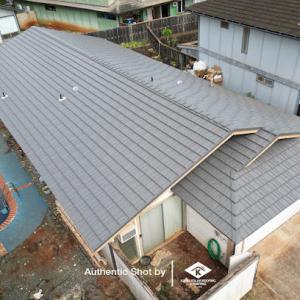
Kapili is a Hawaii roofing contractor that has been serving the island of Oahu since 2007. With generations of experience in the roofing industry, we specialize in providing top-quality services for residential and commercial roofs. We've installed roofs all over Honolulu County, including: Mililani, Waipahu, Wahiawa, Waianae, Kapolei, Ewa Beach, Waialua, Kaneohe, Kailua, North Shore. We are now offering Kauai roofing services to home and business owners. We also offer painting, Whether you need a new roof and exterior/interior painting, Kapili has the expertise to meet your needs.
Aluminum Shake Roofing
(808) 847-8885 www.oahumetalroofing.com
Serving
4.9 from 18 reviews
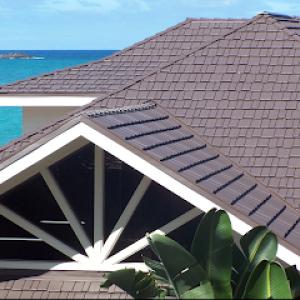
Aluminum Shake Roofing has been providing durable metal (aluminum, copper, and stainless steel) roofs and exterior cladding to Hawaii single-family and multi-family homes, light commercial properties and beautiful buildings since 1989. Licensed in Hawaii (BC-15135), we have the equipment and experience required to fabricate and install special custom metal fabrications for your project. Product and installation warranties are important, and ours are superior...just like our products and workmanship. We promise to communicate with you before, during, and after your project. We are proud to introduce the first wind-resistant, 304 stainless steel bracket for PV rail installations on Aluminum Shake roofing without any external penetrations
Koolau Roof Tech
(808) 292-2205 www.koolaurooftech.com
Serving
5.0 from 42 reviews
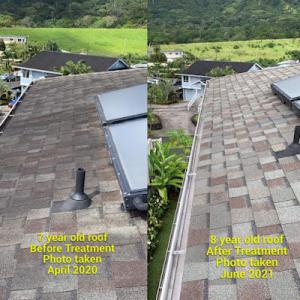
Since 1982, our family has taken pride in building relationships throughout our local community and providing local-style five-star service. Three Generations later, the Kobashigawa family has successfully owned and operated residential construction companies that began on the Windward side of Oahu. Since then we have grown to continue to serve and protect our Kamaaina homes by helping to maintain and extend the life of your roof with advanced technology and environmentally sustainable treatment systems. Koolau Roof Tech provides roof health assessments to help extend the life of your roof with our eco-friendly products that are safe for the environment, pets and plants.
On Top Roofing
(808) 744-7144 www.ontoproofinghawaii.com
Serving
4.9 from 10 reviews
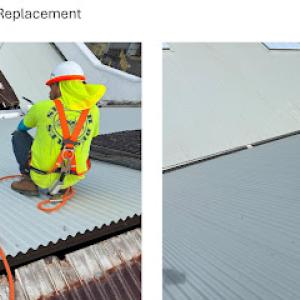
On Top Roofing is a proven industry leader in the residential and commercial roof replacement marketplace, utilizing the best products, offering excellent customer service, and providing top-quality craftsmanship. From the first contact to the final walk-through inspection, our local, experienced team will guide you through the whole process of finding the right solution that fits your budget and needs, even assisting through the insurance process when filing claim. With over 30 years of roofing experience, and 15+ as a company, know with confidence and be assured that you will not be disappointed and have made the right choice when selecting the top roofing company on the Island of Oahu.
FBC Roofing
(808) 236-0756 www.fbc-hawaii.com
Serving
4.7 from 150 reviews
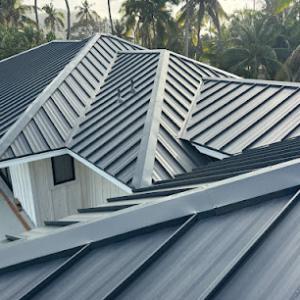
FBC Roofing, based at 3050 Ualena Street Unit D in Honolulu, is your premier roofing contractor providing top-notch roofing services across the Hawaiian Islands since 2009. Specializing in roof repair, roof replacement, and new roof installation, we cater to both residential and new-build projects. Our expertise includes metal roofing, shingle roofing, and asphalt roofing, ensuring durable and leak-proof solutions. With GAF Master Elite certification, we guarantee premium materials and reliable workmanship. We also offer gutter installation and repair services. Schedule a free roof inspection now—call (808) 236-0756, and let us safeguard your home today!
Surface Shield Roofing Company
(808) 739-9599 www.surfaceshieldroofing.com
Serving
4.3 from 27 reviews
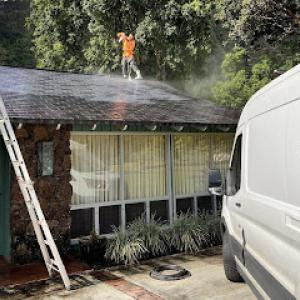
Surface Shield Roofing Company delivers expert roofing and remodeling solutions in Waipahu, HI. As a trusted commercial general contractor, we specialize in roof restoration, commercial roofing, metal roofing, residential roofing, and home remodeling. Our experienced team combines advanced tools, proven techniques, and a commitment to quality to ensure durable, long-lasting results. We prioritize safety, efficiency, and customer satisfaction on every project. From routine maintenance to complex installations, Surface Shield Roofing Company protects your property with precision and professionalism. Contact us today to schedule a consultation and experience reliable roofing solutions you can trust.
Roof Maxx Hawaii
(808) 522-7663 getroofmaxx.com
Serving
4.9 from 30 reviews
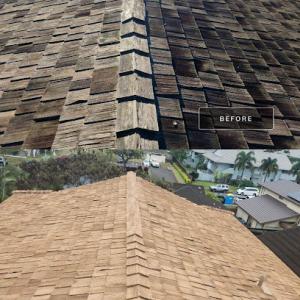
Replacing your asphalt roof costs thousands of dollars and is a disruption to your daily life. For an affordable and less invasive alternative to a roofing replacement, reach out to the experts at Roof Maxx Hawaii in Mililani, HI. This locally owned and operated roofing company offers a specialized application to prolong the lifespan of roofing systems for clients across central Oahu. Asphalt roofing becomes weathered and susceptible to leaks after years of taking a beating from Mother Nature. This trusted team uses an environmentally friendly application to restore shingle pliability, permeability, and adhesion.
Shafer's Roofing
(808) 688-9082 www.shafersroofing.com
Serving
5.0 from 2 reviews
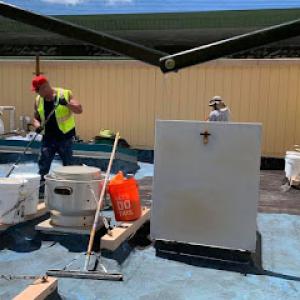
Shafer’s Roofing has been installing high quality roofs throughout Hawaii since 1979. We have consistently been one of the leading providers of home improvement services for decades due to our skill and attention to customer service. Shafer’s Roofing offers professional roofing services and solutions for both commercial and residential clients in Kapolei, HI and the surrounding regions. For over 4 decades, our woman owned, local company has created beautiful homes and businesses by using top-quality materials installed by licensed and insured experts with years of training and experience. Though Shafer’s has roofing right in our name, there are so many other home and business improvement services that we can perform for clients
All Around Roofing & Waterproofing
(808) 226-8864 aaroofinghawaii.com
Serving
4.9 from 110 reviews
For over 15 years, All Around Roofing & Waterproofing has made a name for reliable roof repair and replacement services to residents and businesses in Kailua. Our focus on hard work and perseverance has earned us a solid reputation as one of the best roofing contractors in Hawaii. We’re not just any typical Oahu roofing company; we provide our residential and commercial roofing services with the Aloha spirit!
K-Aloha Roofing
(808) 650-5012 k-aloharoofing.com
Serving
5.0 from 3 reviews
K-Aloha Roofing, based in Aiea, Hawaii, is your trusted roofing contractor, offering top-tier roofing services across O‘ahu, Kaua‘i, Maui, and Hawai‘i Island. Our comprehensive range includes roof repairs, installations, replacements, and commercial roofing solutions. Specializing in shingle and new roof installations, we ensure your home or business withstands Hawai‘i’s weather challenges. With 24/7 emergency response and free consultations, we provide personalized, efficient, and reliable service. Choose K-Aloha Roofing for quality craftsmanship and peace of mind; contact us today at 808-650-5012 or visit our office at 99-927 Iwaena St. #104, Aiea, HI.
Pamalu Roofing
Serving
4.9 from 27 reviews
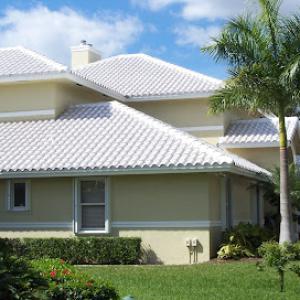
Pamalu Roofing is a family-owned company with 45+ years of experience serving homeowners across Honolulu, Kailua, Ewa Beach, Kapolei, and Pearl City. Our licensed and insured team specializes in roof repair, roof replacement, re-roofing, skylight installation, and gutter services — all built to handle Hawaii’s salt air, heavy rains, and hurricane winds. Known for our expertise in finding and fixing leaks the first time, we’re also trusted to guide Oahu homeowners through the insurance claim process after storm or wind damage. Whether you need a small roof repair or a full replacement, you can count on Pamalu Roofing for quality, reliability, and local care.
Asphalt shingles and many synthetic shingles in Pearl City endure intense year-round UV exposure, which accelerates surface aging compared with cooler, cloudier regions. In practice, you may notice quicker granule loss, more pronounced curl at edges, and a faded surface after only a handful of hot summers. This sun-driven wear undermines adhesion of granules and can lead to faster wear on the shingle tops. When you assess replacements or upgrades, look for UV-resistant granules and consider shingles with a slightly heavier exposure rating or better mil coatings designed to withstand Pacific sun without sacrificing colorfastness. In homes with southern or western exposures, the risk compounds; a shaded overhang can still feel the heat through attic tops if venting isn't optimal.
Clay and concrete tile systems are a staple in this climate, and their visible beauty often lasts longer than the waterproofing layers beneath. In humid conditions, the life of underlayment becomes a critical factor because the tile itself may outlive the waterproofing membrane or underlayment. If the underlayment degrades or becomes compromised, you can end up with hidden leaks that manifest at sheetrock or cabinetry long after the tiles look intact. For Pearl City homes, pay special attention to the condition of underlayment seams, flashing transitions, and fastened areas around penetrations. Because tiles sit over the waterproofing layer, any weakness in the underlayment is a latent risk-visible tile failure may precede waterproofing failure by months or years. Inspect for moisture staining in attics and ensure that underlayment materials chosen are compatible with high humidity and long-term salt exposure near the coast.
Metal roofing suits the sun and heat-hardy needs of the area, and its popularity here reflects its strength against radiant exposure and fast-changing weather. However, the coastal air brings its own set of challenges: salt-laden air accelerates corrosion on fasteners and flashings, and high wind events can stress seams if the system isn't properly installed. In Pearl City, the longevity of metal often hinges on using corrosion-resistant fasteners, high-quality sealants, and flashing details designed to resist wind uplift in trade-wind breezes. Regular inspection of seam seals, nail or screw penetrations, and edge flashing is essential, especially after storms when salt spray can settle on exposed metal. If you choose metal, confirm that coatings, finishes, and fastener materials meet local exposure demands and that the manufacturer's recommendations for coastal environments are followed.
Pearl City roofs frequently blend materials due to renovations or additions, which can create mismatched aging patterns. For instance, asphalt areas adjacent to clay or concrete tiles may age at different rates because of differing heat absorption and moisture retention. In such cases, one section can fail well before the rest, inviting leaks at transitions. When evaluating a hybrid roof, prioritize consistent underlayment quality across all sections, verify compatible flashing transitions, and ensure that reflective coatings or color choices do not inadvertently trap heat against underlying membranes. A well-coordinated system reduces the risk of differential aging and preserves performance through Pearl City's wet season and steady trade winds.
Roofing permits in this area are handled by the City & County of Honolulu Department of Planning and Permitting rather than a separate city building department. For a full roof replacement, plan review is typically required alongside the permit itself before any work proceeds. This means submitting structural and design details, along with material selections, to ensure code compliance and wind-uplift considerations are met.
Begin the process well before any material order or on-site work. A building permit with plan review is usually required for a complete roof replacement. If some work is done without approved permits, it can delay the project or trigger additional inspections or penalties. In Pearl City, you should align the schedule with the DPP review cycle and allow extra time for the wind-related review that this climate demands.
Provide current roofing drawings that show all layers, attachment methods, underlayment type, fastener patterns, and flashing details. Expect the plan reviewer to scrutinize wind-uplift design, underlayment specifications, and how penetrations are sealed. If the project involves metal, tile, or membranes, specify fastener types and corrosion-resistant hardware suitable for year-round humidity. Any changes to roof geometry, skylights, or venting should be clearly documented.
Permits in this jurisdiction require inspections at key milestones, such as after decking replacement and after roof installation before final occupancy approval. Weather-related scheduling can affect inspection timing on Oahu projects, so build in flexibility for rain events, wind advisories, or seasonal delays. Coordinate with the inspector ahead of the final inspection to ensure the roof is accessible and all documentation is ready.
Work with a licensed contractor who regularly navigates Honolulu's permit workflow and understands wind-load requirements. Keep all permit packets organized, including wind-resistance calculations and product data for the selected underlayment and roofing system. If the project involves any structural retrofits or changes to drainage, document these clearly for the plan review to avoid delays during the inspections. In Pearl City, stay mindful of scheduling impacts from weather and the islandwide permit review timeline.
For Pearl City homeowners, the climb from roof inspection to replacement is shaped by island logistics more than mainland markets. Shipping and material availability on Oahu can push prices or lead times in ways that local crews quickly feel on the job site. When you're budgeting, expect small but meaningful gaps between the project quote and the final bill if a preferred product is briefly back-ordered or requires a longer haul from the mainland or neighbor islands. Weather patterns also matter; the wet season can compress scheduling and push crews into tighter windows. Those soft costs-minor delays, rerouted deliveries, and wait times for specific color or profile selections-will show up in the overall project timeline and final invoice.
Common local material ranges are Asphalt Shingles at 550 to 900 USD per square, Metal Roofing at 700 to 1100, Clay Tile at 900 to 1700, Concrete Tile at 900 to 1600, Wood Shingles/Shakes at 700 to 1100, and Synthetic/Composite Shingles at 650 to 1100. Asphalt remains a practical starting point for budget-conscious replacements, especially when the goal is to balance UV resistance with a straightforward install. Metal roofing offers excellent longevity in trade-wind conditions and can handle the humidity without absorbing as much moisture, but upgrades in panel profile and coatings can swing costs upward. Tile options-Clay and Concrete-deliver long-term durability and a classic look, yet require more structural consideration and heavier installation, which translates into higher labor and crane or lift needs on some homes. Wood shingles or shakes bring a distinct aesthetic but demand more maintenance in humid air and are less common on newer Pearl City homes. Synthetic or composite shingles aim to emulate traditional looks while often providing improved impact resistance and lighter weight.
Timing a roof replacement around island weather means planning for occasional pockets of rain in the wet season, when some crews may slow down or shift priorities. If you're replacing during shoulder seasons, you gain more predictable scheduling and can often secure favorable material availability. Consider how long the surface will be exposed to sun and humidity during the project, as prolonged exposure without a protective roof can impact interior moisture control and the condition of underlayment. In Pearl City, the decision to go with a heavier tile system versus lighter shingles often hinges on your home's structure, risk tolerance for wind-driven debris, and how you weigh long-term durability against initial cost. A well-timed replacement with a product suited to island realities can reduce maintenance calls and extend roof life, especially when paired with a quality underlayment and proper ventilation.
Get a clear picture of your project costs upfront - no commitment required.
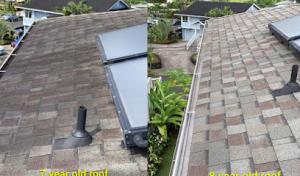
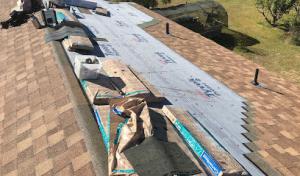
In this market, roof claims after wind or storm events commonly require detailed photo documentation and adjuster review rather than automatic approval. The insurance company will look for clear evidence of damage, the date of the event, and whether the damage aligns with wind-driven forces rather than isolated wear. Having a thorough before-and-after gallery, dated and timestamped, can be the difference between a smooth settlement and a prolonged back-and-forth. Be prepared for questions about previous leaks, prior repairs, and the roof's overall condition.
For Pearl City homes, insurers may weigh prior claims history and property location when setting premiums or reviewing roof-related losses. A roof that has seen multiple claims or lives under higher-risk exposure may carry more scrutiny, even if new damage looks straightforward. It helps to keep a concise record of all past incidents and any elevated exposure factors in your area-such as adjacent trees or neighboring structures that funnel wind toward your roof. This context can influence how an adjuster assesses risk and recovery.
Because Pearl City roofs are exposed to wind-driven rain and tropical weather, documenting damage immediately after an event is especially important before temporary repairs begin. Start with wide exterior photos to capture the roof's overall condition, then zoom in on shingles, flashing, hips, ridges, and gutters. If shingles are torn or lifted, or if fascia shows uplift, photograph from multiple angles and after any rain stops to show existing moisture. If a contractor must perform temporary protection, take photos of the temporary measures themselves and any associated materials. Keep receipts and note the date of any quick fixes; insurers may request details about what was done and why.
When the adjuster arrives, provide your organized photo log, a simple damage timeline, and a written note of what you observed after the event. Be honest about pre-existing issues and avoid implying damage came from a single incident if prior conditions contributed. If a dispute arises, request a re-inspection and, if needed, consult your insurer's preferred roof professional to provide an objective assessment. Patience and precise documentation can help you navigate the process more smoothly.
Connect with contractors who help homeowners navigate the claims process from damage assessment to final approval.
ProBuilt Hawaii Roofing & Rain Gutters - Oahu
(808) 468-8544 probuiltoahu.com
Serving
4.8 from 109 reviews
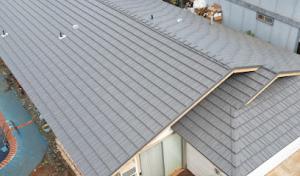
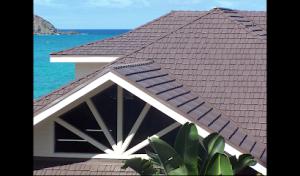
Local contractor signals show Pearl City-area demand is centered on re-roofing and residential work rather than only new construction. Homeowners are more likely to need reroofs on aging tile or shingle systems, with replacements chosen to stand up to year-round sun, humidity, and trade winds. When evaluating options, expect crews that can handle existing skylights, penetrations, and venting without turning the project into a full renovation.
Quick response and cleanup are prominent hiring priorities in this market, reflecting homeowner concern about active leaks, debris, and occupied homes during reroofing. A practical approach is to confirm a defined start date, daily cleanup expectations, and containment measures before work begins. Ask how waste will be removed and where materials will be staged to minimize disruption to driveways, sidewalks, and nearby landscaping.
The Oahu market around Pearl City includes many long-established companies, so homeowners often compare responsiveness and scope clarity as much as price. Look for a contractor with a local track record, transparent timelines, and a written plan that lists material types, installation steps, and a realistic sequence of days. Prioritize firms that provide a single-point contact for updates and who document changes in writing if weather or substrate conditions require adjustments.
Request recent Pearl City-area references and photos of reroof projects similar in roof style to yours. Have the contractor walk the property, identify potential leak points, and present a scope that includes underlayment, fasteners, and flashing details tailored to W- and trades-wind exposure. Ensure the proposal includes a clearly described cleanup plan and a realistic turning point where you can verify work quality before the crew finishes for the day.
Find contractors who integrate solar panels or solar shingles into your roof for long-term energy savings.
ProBuilt Hawaii Roofing & Rain Gutters - Oahu
(808) 468-8544 probuiltoahu.com
Serving
4.8 from 109 reviews