
Last updated: Apr 19, 2026
This area sits in the Treasure Valley, where roofs face a blend of winter snow and hot, dry summer sun instead of a single dominant season. That means your shingles go through freeze-thaw cycles, rapid expansion and contraction, and long daily sun exposure. In practical terms, this combo accelerates any existing weak spots and heightens the risk of granule loss, cracked sealants, and accelerated aging around edges and vents. The high-desert sun can dry out underlayment and flashings just enough to invite small leaks after a heavy spring rain, so you'll want to keep an eye on unusual staining or damp spots after storms. Understanding this rhythm helps you plan actual maintenance windows that minimize disruption and maximize the life of the roof.
Local replacement timing is typically best from late spring through early fall because winter snow and spring storms can interrupt tear-off and dry-in schedules. You'll want to avoid the wettest part of spring and any major freeze in late fall. When scheduling, target a stretch with predictable, dry days and moderate temperatures to ensure shingles seal properly and underlayment dries without frost risk. If you must extend work into late fall, make sure there is a reliable plan for weather holdovers and a quick follow-up to guarantee proper dry-in before winter. For Meridian homes with typical asphalt or tile systems, this window often balances the best combination of crew efficiency and long-term performance, given the area's irregular spring showers and sudden temperature swings.
The city's known seasonal risks combine winter snow load and freeze-thaw stress, spring hail and heavy rain, and summer UV exposure that ages shingles and sealants faster. Freeze-thaw cycles are especially sneaky: water that freezes in small cracks expands, widening gaps and loosening fasteners over multiple cycles. Hail can nick or puncture surfaces, particularly on lower slopes or roof edges, creating micro-leaks that only show up after heavy rain. The long, intense summer sun fatigues sealants at penetrations, vents, and coping, making flashings and valleys more susceptible to leakage during the next rain event. Asphalt shingles may lose grit and curl at the edges, while clay and concrete tiles can crack under repeated impact or thermal shifts. Even metal components, such as flashing and chimney terms, can suffer from anodic wear or sealant drying, leading to slow leaks that end up evident after a storm.
Begin with a seasonal walk-around at the top of each season. In spring, check for granule loss in gutters and downspouts, and look for dark staining or curling along shingle edges. After summer storms, inspect for hail bruising or superficial surface damage that could become leaks if left unaddressed. In late fall, focus on seams, hips, ridges, flashing around chimneys, vents, and skylights, and test for loose components after the summer sun has softened sealants. For tile roofs, inspect fasteners and underlayment closely where tiles meet parapets and penetrations, since movement from heat and cold cycles stresses those junctions. If any soft spots, curling, or missing granules are detected, arrange a targeted inspection promptly before winter.
When repairs or replacements are necessary, think in terms of moisture management and thermal performance. For asphalt shingles, ensure the sealant around flashings and edges is refreshed and consider upgraded granule-retaining products for higher UV exposure zones. For tiles, evaluate the condition of underlayment and consider modern synthetic underlayment options that resist cold cracking and dry-out. In areas with frequent temperature swings, you may benefit from flashings and sealants with improved elasticity to tolerate expansion and contraction. Whatever the material, insist on a thorough dry-in that secures ventilation and prevents trapped moisture, especially in attic spaces exposed to summer heat. This approach reduces the risk of early wear from the very conditions that define Meridian's climate.
In Meridian, spring hail and heavy rain are specifically noted risks that can damage exposed underlayment, flashing, and vulnerable roof penetrations. A storm can crack or lift shingles, expose fasteners, and drive moisture under the surface in minutes. If a big hail event or relentless downpour hits, you may notice granule loss, dark patches on ceilings, or a sudden attic odor. Treat any visible dented panels, crushed shingles, or lifted edges as a warning sign, not a cosmetic issue. Quick action matters: a small breach can become a flood pathway when a rainstorm follows and temperatures swing.
After a storm, walk the attic with a flashlight to check for light leaks or damp insulation. If you see active drips or feel a steady stream at penetrations, tape is not the fix-temporary tarping or leak control is essential to buy time. Use sturdy plastic, roofing felt, or a commercial tarp secured with plywood and nails to cover the worst breaches until a professional can assess. Do not delay calling a local contractor with emergency repair experience, because Meridian roofs are wired for rapid changes in weather and a small opening can escalate quickly.
The local contractor market shows strong prevalence for emergency repair, storm damage, and quick-response service, indicating homeowners often need immediate tarping or leak control after storms. The combination of spring hail and heavy rain can push moisture into seams where flashing meets roofing material, leading to accelerated wear on exposed underlayment. In addition, roof penetrations-such as vent stacks, plumbing vents, and skylights-are common failure points after a hail event. The faster moisture is controlled, the less likely a small storm-created opening becomes a major leak, especially as brisk temperature swings follow rain.
Keep a charged flashlight, utility knife, tarps, and heavy-duty tape readily accessible for after-hours or weekend storms. Have a trusted Meridian-based contractor you can call for urgent tarping, water-stopping measures, and rapid assessment. Document damage with photos as soon as it's safe, so the repair team can determine whether flashing, underlayment, or penetrations need priority work. Remember, freeze-thaw cycling means any moisture intrusion can worsen quickly as temperatures swing, amplifying the risk to vulnerable roof areas. Prioritize prompt containment and professional evaluation to minimize interior damage and downstream repairs.
When you can't wait, these contractors offer fast response times to stop leaks and prevent further damage.

Dodd Exteriors
(208) 295-9421 www.doddroofs.com
850 E Franklin Rd #411, Meridian, Idaho
5.0 from 272 reviews

Idaho Roofing Contractors
(208) 921-7821 www.idahoroofingcontractors.com
1565 S Rolling Hl Dr, Meridian, Idaho
4.9 from 823 reviews
Treasure Valley Exteriors
(208) 943-7308 www.treasurevalleyexteriors.com
1915 W Cherry Ln, Meridian, Idaho
4.8 from 649 reviews

Dodd Exteriors
(208) 295-9421 www.doddroofs.com
850 E Franklin Rd #411, Meridian, Idaho
5.0 from 272 reviews
Dodd Roofing and Exteriors is a premier provider of top-tier roofing and exterior services. They pride themselves on their commitment to quality workmanship, customer satisfaction, and integrity. Specializing in both residential and commercial projects, their team brings years of experience to every job, ensuring the highest standards are met. They offer a comprehensive range of services including roof repairs, installations, and replacements, as well as siding and gutter work. Whether it's a minor repair or a major renovation, they approach each project with the same attention to detail and dedication. Their mission is to provide clients with durable, efficient, and aesthetically pleasing solutions that stand the test of time.

Idaho Roofing Contractors
(208) 921-7821 www.idahoroofingcontractors.com
1565 S Rolling Hl Dr, Meridian, Idaho
4.9 from 823 reviews
Since 2001, Idaho Roofing Contractors has been Idaho's trusted roofing partner. Our team of fully licensed and insured roofers serves Boise, Meridian, Nampa, Mountain Home, and surrounding areas. For over 20 years, we've proudly offered tailored roofing solutions for residential and commercial properties, including replacement, repairs, emergency services, hail/wind damage restoration, inspections, and more, ensuring exceptional quality and transparent pricing. With financing options available and major credit cards accepted, we deliver outstanding customer service on every job. Contact us today for a free estimate, and experience the difference with Idaho Roofing Contractors.
Meridian Roofing
3018 W Fieldstream Dr #4129, Meridian, Idaho
5.0 from 110 reviews
friendly roofing business, specializing in residential re-roofing we do inspections and repairs. Call or text with questions 2082585239 Brandon I'm the owner and I pick up my phone or at least I will call you back.
Northwest Roof
1028 E Cayman Dr, Meridian, Idaho
5.0 from 158 reviews
We are a full service roofing company. We offer our customers speedy service and quality work at a competitive price. Specializing in tear offs, repairs and new construction; both residential and commercial in many different roofing types, such as asphalt shingles, metal roofing, concrete tile, and cedar shakes. If you have a flat roof we specialize in TPO single ply roofing systems where we can offer up to a 30yr labor and material warranty. Our business is built on customer service and one happy customer at a time. We try very hard to live up to our slogan "Roofing With Integrity"

Silver Lining Roofing & Exteriors
(208) 250-9784 silverliningroofing.com
850 E Franklin Rd #403, Meridian, Idaho
4.9 from 225 reviews
Silver Lining Roofing & Exteriors has over 23 years of experience serving the Treasure Valley. We specialize in Roofing, Roof Rejuvenation, Siding, Windows/Doors & much more. We are locally owned and operated and we work hard to take care of the community we live. Silver Lining is proud to be offering an alternative to roof replacement, with our Roof Rejuvenation product, Roof Shield. Roof Shield is a soy-based formula that is eco safe and environmentally friendly, it can add life to your existing shingles at 1/4 the cost of roof replacement.
NXT LVL Roofing & Exteriors
(208) 986-2461 www.nxtlvlroofingandexteriors.com
1465 E Commercial Dr, Meridian, Idaho
5.0 from 104 reviews
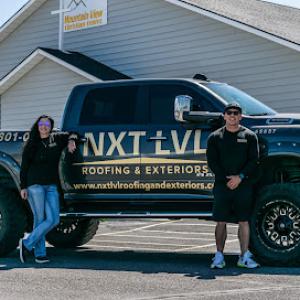
NXT LVL ROOFING & EXTERIORS is made up by a group of individuals who all had the same vision for a roofing & exterior company that focused on the clients satisfaction. Together our team has 25 years of roofing & exterior experience & we know this industry inside & out. We have all seen first hand how larger companies seem to put profit ahead of the clients well being. This is usually done with cutting corners & lack of quality control. At NXT LVL we firmly believe in the statement, “the customer is always right” & work hard to make that our daily commitment. We specialize in insurance claims but know this is not always the right fit for every customer which is why we also offer cash bids & financing. We are Haag Certified & Licensed.

Peak Roofing
(208) 724-9315 peakroofingidaho.com
1105 W Crest Wood Dr, Meridian, Idaho
5.0 from 56 reviews
With over 40 years of experience, Peak Roofing is a trusted roofing contractor providing expert roofing services in Meridian, ID. We specialize in roof repair, replacement, inspections, and new construction roof installations. Using only the highest quality products, we ensure smooth installation and attention to detail on every project. Our team will inspect your roof, identify your specific needs, and offer professional custom recommendations, whether it’s routine service or storm damage. We also assist with the insurance claim process to make things easier for homeowners. Choose from a range of product and color options and be treated with honesty, integrity, and clear communication. Call today for a roof inspection and estimate.

Smart Roofing & Remodeling - Roofing Specialist
(208) 921-9284 smartroofingandremodeling.com
4309 E Vacheron St, Meridian, Idaho
5.0 from 44 reviews
Smart Roofing & Remodeling is a leading roofing company in Meridian, specializing in comprehensive roofing services. Our team is dedicated to providing top-notch residential roof replacement, repairs, and expert guidance on roof claim insurance services. With years of experience, we've established ourselves as the trusted choice for homeowners seeking premium roofing solutions in the region
Treasure Valley Exteriors
(208) 943-7308 www.treasurevalleyexteriors.com
1915 W Cherry Ln, Meridian, Idaho
4.8 from 649 reviews
Treasure Valley Exteriors was created in 2011 right here in Meridian, Idaho. We’re locals who understand the area and the people who live here. Roofing is our specialty, but we don’t stop there. We also do Siding, Windows, Doors, Solar, Paint, and Gutters. We’re your one-stop shop for exterior home improvement. While other companies only offer one brand, we have multiple manufacturers ready to help you find the perfect product at the right price. For Roofing: Asphalt Shingles, Stone Coated Steel, Steel, and TPO for flat roofs. For Siding, we do Vinyl, Steel, Stucco, Longboard, Hardboard, and Fiber Cement in all profiles. Windows and doors have the most options, so schedule a consultation today. RCE 32092
American Roof Solutions
(208) 391-4280 www.americanroof.solutions
2115 SE 3rd Way, Meridian, Idaho
5.0 from 39 reviews
American Roof Solutions is a locally owned roofing contractor serving Boise, Meridian, Eagle, and the surrounding Treasure Valley with over 17 years of experience. We specialize in residential roof replacements, roof repairs, flat roofing systems, and storm damage assessments. We provide free, zero-obligation estimates, honest recommendations, quality workmanship, and strong warranties. Financing and monthly payment options are available on approved credit.
Bulletproof Roofing
(208) 724-4348 www.bulletproofroofingllc.com
3597 E Monarch Sky Ln Suite 240, Meridian, Idaho
4.9 from 54 reviews
Welcome to Bulletproof Roofing, your trusted family-owned roofing company serving the Treasure Valley and surrounding areas. With over 25 years of experience, we pride ourselves on delivering top-quality roofing solutions with a focus on durability and reliability. From repairs to installations, we've got you covered. Contact us today for all your roofing needs!
Sawtooth Customs
(208) 740-9201 www.sawtooth-customs.com
Meridian, Idaho
5.0 from 34 reviews
Fast, professional roof repair and insurance claim services backed by 20+ years of experience as licensed roofing contractors in the greater Boise area. Let us help you get your new roof covered by your home insurance. * We respond to texts & calls immediately * * 24/7 emergency tree removal *
In Meridian, the roofing decision isn't just about keeping rain out-it's about how a roof handles UV-heavy summers, repeated freeze-thaw cycles, and the occasional heavy snow load. The Treasure Valley environment pushes performance guidelines toward UV resistance and durable underlayment, plus structural redundancy to cope with winter inputs. The dominant materials in Meridian include asphalt shingles, clay tile, concrete tile, synthetic/composite shingles, slate, and copper roofing. With dry, sunny summers, the sun's UV exposure can break down surfaces faster than coastal climates, so choosing a system that resists fading and material embrittlement is wise. Freeze-thaw cycles matter for every option: tile and slate can tolerate freeze events when properly ventilated and installed, while asphalt and synthetic options rely on quality granules and sealants to prevent crack propagation after cold snaps.
Asphalt remains a major local material category because it pairs well with the region's typical roof pitches and suburban rebuilds. In Meridian, asphalt shingles can be upgraded with reinforced fiberglass mats and reflective granules to better handle summer UV and reduce heat transfer into attic spaces. A critical consideration is ensuring the shingle profile lasts through multiple freeze-thaw cycles; look for options with higher wind resistance, good uplift ratings, and impact-resistant classifications where hail is a concern. When compared with heavier systems, asphalt can offer easier maintenance access and faster service response, which matters in a town known for quick re-roofing needs after storm events.
Clay tile and concrete tile bring notable long-term durability and a classic look that many Meridian homes aim for in re-roofs. Clay tile tends to excel in UV resistance and color stability, while concrete tile provides robust impact resistance and a wider range of textures. Both tile types are heavier than asphalt, so structural assessment is essential to ensure framing can handle the load, especially on second-story or retrofit projects. For freeze-thaw resilience, proper installation matters: underlayment with adequate drainage, correct slope, and reliable fasteners prevent moisture from migrating into substrates and reduce risk of cracking during cold snaps. Tile and slate can also contribute to higher insulation values, which helps during the hot summer months.
Slate and copper offer premium performance with standout durability in Meridian's climate. Slate handles heat well and can outlive many other materials, while copper develops a natural patina that some homeowners prefer. Both materials have environmental and aesthetic advantages, but their weight and cost require careful structural planning and expert installation. Slate's natural resilience to hail is notable, though heavy hailstorms still demand precise installation and quality underlayment. Copper brings excellent longevity and a unique aging profile, but it should be evaluated for wind-driven debris resistance and potential movement in freeze-thaw cycles. For homes with a mission or craftsman vibe, slate or copper can be an intentional stylistic choice that aligns with long-term performance.
Synthetic or composite shingles blend some of asphalt's install familiarity with enhanced impact resistance and sometimes better UV stability. They can be lighter than tile or slate while offering longer service life and improved performance in temperature swings. In the Meridian market, synthetic options often serve as a practical middle ground when homeowners want a durable surface that still keeps installation costs reasonable and reduces weight compared with heavier premium systems. Proper ventilation, reflective coatings, and sealant compatibility remain key to maximizing their lifespan under the Treasure Valley sun and snow.
For homes in this market, asphalt shingles run from about 350 to 600 USD per square, depending on shingle class and job specifics. Clay tile typically lands between 600 and 1100 USD per square, with concrete tile commonly 500 to 900 USD per square. Synthetic or composite shingles sit roughly 350 to 700 USD per square, while slate can range from 1000 to 1800 USD per square. Copper roofing sits higher, from roughly 1400 to 3200 USD per square. In practical terms, a Meridian re-roof tends to be driven by the material mix chosen by the homeowner and the structure's slope and penetrations, not just the roof size.
Costs in Meridian can rise during storm-driven demand spikes. Spring hail and winter damage create bursts of repair and replacement scheduling pressure that push crews and materials to tighter windows. If a neighborhood experiences a cluster of hail events, you'll see lead times shrink and prices drift upward as crews reallocate resources to high-priority jobs. Planning around shoulder seasons can help stabilize both scheduling and costs, especially after a severe winter or a hail event.
Pricing is affected by the local mix of suburban re-roofing, cleanup expectations, and the overall complexity of the job. Heavier tile or premium specialty materials require more equipment and handling, which increases both labor and disposal costs. The home's footprint, attic venting, roof penetrations, and the number of skylights or chimneys all influence the final figure. When budgeting, consider not just the base material price, but the project's cleanup needs, debris haul-off, and site protection, all of which are typical in Meridian's fast-moving re-roof market.
Don't let upfront costs delay a critical repair - these contractors offer payment plans to fit your budget.
Dodd Exteriors
(208) 295-9421 www.doddroofs.com
850 E Franklin Rd #411, Meridian, Idaho
5.0 from 272 reviews
Idaho Roofing Contractors
(208) 921-7821 www.idahoroofingcontractors.com
1565 S Rolling Hl Dr, Meridian, Idaho
4.9 from 823 reviews

NXT LVL Roofing & Exteriors
(208) 986-2461 www.nxtlvlroofingandexteriors.com
1465 E Commercial Dr, Meridian, Idaho
5.0 from 104 reviews
A roof replacement follows Ada County Building Department procedures rather than a separate city-only roofing process. In practice, that means you start by submitting an application for a roof permit before any work begins, and you keep the project moving by responding promptly to any requests for additional information from county staff. The permit is not a mere formality; it sets the framework for inspections and ensures the work meets current code requirements for the Treasure Valley climate, including the hot, UV-intensive summers and the winter freeze-thaw cycles that can stress underlayment and flashing.
Typically, the property owner or a licensed contractor can initiate the permit, but the permit must reflect the actual contractor on site during the project. The timing matters: once the permit is issued, work can begin, but any significant changes to materials or scope usually require an amendment or re-approval. Because Ada County staffing and workload can influence turnaround, it is wise to plan for a bit of variability in the start date after the permit is granted, and to align inspection milestones with the project schedule to avoid delays.
Inspections happen after installation to verify a few critical details: the underlayment installation, the adequacy of flashing where the roof meets walls, valleys, and vent penetrations, proper venting for attic air quality, and the disposal of debris in a compliant manner. The county looks for compliance with flashing details around chimneys and skylights, proper nail patterns for the chosen roofing material, and that ventilated soffits and ridge vents function as designed. If anything doesn't meet code, the inspector may require adjustments or additional work before the final approval.
Coordinate with your contractor to prepare the required documentation early, including project scope, roof materials, and any energy or ventilation features you plan to install. Expect some back-and-forth with the department if the plan deviates from standard configurations or if a non-standard material is proposed. Schedule roofing work with awareness of potential delays in county inspection scheduling, especially during peak seasons when the workload can be heavy. Finally, maintain clear access for inspectors and keep a visible path to disposal areas to prevent delays on the day of inspection.
In Idaho, insurers generally support roof replacement when age and damage are well documented, which matters in a Treasure Valley context where hail, freeze-thaw stress, and UV aging often overlap. The mix of cold snaps, spring hail, and long summer sun accelerates wear on asphalt shingles and tile alike, so a claim hinges on clear, credible evidence that damage is linked to specific events and the roof's condition over time. For a homeowner with an aging asphalt roof exposed to intense summer sun, the history of sun-related wear can be a decisive factor in a payout decision.
Adjusters commonly ask for damage photos and a roof condition report, so preparation is key. Start by noting storm dates adjacent to observed issues such as granule loss, punched-through shingles, or visible cracks. Take high-resolution photos from multiple angles, including the attic after a rain event to show leaks or staining. Compile a roof age record and maintenance notes, including previous repairs. A professional roof condition report that documents age, remaining life, and current vulnerabilities will make the case stronger when hail, freeze-thaw cycles, and UV wear are all contributing factors in Meridian's climate.
Replacements are more likely when the roof is near or beyond expected lifespan, making material age especially important for older asphalt roofs exposed to long summer sun. If multiple storms reveal new damage and the roof shows widespread wear that affects structural components or waterproofing, the insurer is more inclined to consider replacement rather than patching. Align the documentation with observed wear patterns-hail impact sites, wind-driven uplift, and sun-damaged sheathing-to support a clear, event-based claim narrative.
Connect with contractors who help homeowners navigate the claims process from damage assessment to final approval.
Dodd Exteriors
(208) 295-9421 www.doddroofs.com
850 E Franklin Rd #411, Meridian, Idaho
5.0 from 272 reviews

Silver Lining Roofing & Exteriors
(208) 250-9784 silverliningroofing.com
850 E Franklin Rd #403, Meridian, Idaho
4.9 from 225 reviews
NXT LVL Roofing & Exteriors
(208) 986-2461 www.nxtlvlroofingandexteriors.com
1465 E Commercial Dr, Meridian, Idaho
5.0 from 104 reviews
Spring rain and hail mean flashing details at skylights, vents, and roof-wall transitions are often where water entry begins. The combination of freeze-thaw cycles, moisture, and sun exposure behind a foothill backdrop can push small flaws into leaks over time. In this area, tiny gaps or misfits in flashing are not just cosmetic concerns-they become the first line of defense against interior damage after a storm.
Look closely at skylights and vent penetrations, plus the transitions where the roof meets the vertical wall. The most common failure spots are where flashing against cementitious or brickwork is compromised, or where sealant has hardened and cracked from sun and temperature swings. In Meridian, those vulnerabilities are often aggravated by hail impact and the subsequent freeze-thaw cycling that can widen minute gaps once moisture intrudes. Water can travel along the flashing path and show up far from the original intrusion point, so comprehensive attention to every detail matters.
Local inspections specifically verify flashing and venting, so these details are not just workmanship issues but part of the approval process under Ada County procedures. When evaluating a roof, request a close, multi-point check of all skylight bases, vent collars, and the transitions to walls. Confirm that flashing is properly chased, sealed, and properly integrated with any vent bootings. Pay attention to rubberized seals and mastic at joints; these materials can degrade after several freeze-thaw cycles and heavy hail impacts.
During seasonal checks, have a pro re-seal around skylights and vents if aging sealant shows cracks or puckering. Ensure metal flashing is continuous and properly integrated with counterflashing where needed. If you notice a persistent damp spot near a roof-wall seam after a storm, treat it as a warning sign rather than a one-off leak, and have the flashing reviewed promptly to prevent gradual damage.
Find contractors experienced in skylight installation, flashing, and leak repairs to bring natural light into your home.
Idaho Roofing Contractors
(208) 921-7821 www.idahoroofingcontractors.com
1565 S Rolling Hl Dr, Meridian, Idaho
4.9 from 823 reviews
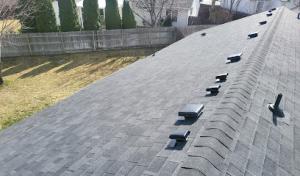
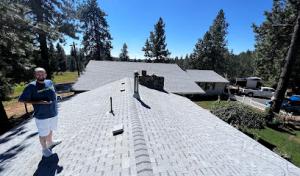
Although steep-slope residential roofing dominates, the local contractor market still shows meaningful flat-roof specialization, which matters for porches, additions, garages, and mixed residential-commercial properties. In Meridian, low-slope sections rely on careful drainage design and reliable flashings to keep water away from transitions into steeper roof lines. Check that penetrations-vents, skylights, and edge details-are sealed with corrosion-resistant materials and that drip edges extend properly to direct moisture into gutters. A simple test after a spring rain is to look for standing water or slow-draining areas on these sections, especially where a parapet or wall overlaps.
Meridian's spring rain can expose drainage weaknesses on low-slope sections even when the main house roof is pitched. Where a porch, sunroom, or detached garage meets the primary roof, ensure scuppers or internal drains carry water away without backing up. If you notice routine ponding or misdirected flow, consider upgrading to a higher-capacity internal drain or adding a secondary membrane tear-off at critical seams. Address any edge details where wind-driven rain can push water underneath.
Summer heat in the Treasure Valley can accelerate wear on membranes and sealants used on low-slope roof areas. Look for alligatoring or chalky residue on surface membranes, and inspect seam tapes for edge lifting after peak heat months. Use products suited for hot climates and ensure sealants around penetrations stay flexible through seasonal temperature swings. Plan periodic resealing or membrane reinforcement before fall storms to extend life.
Develop a simple inspection routine that targets low-slope zones: visually inspect after heavy rains, check for unusual odors or damp drywall near these areas, and test drain function quarterly. Keep a close eye on transitions to steeper roofs and on any signs of movement where the low-slope sections tie into the main structure. If repairs are needed, prioritize solutions that restore proper drainage and weather-tight seams to endure the valley's seasonal extremes.
Find specialists in TPO, EPDM, and built-up flat roofing systems for residential and commercial properties.
Dodd Exteriors
(208) 295-9421 www.doddroofs.com
850 E Franklin Rd #411, Meridian, Idaho
5.0 from 272 reviews
Treasure Valley Exteriors
(208) 943-7308 www.treasurevalleyexteriors.com
1915 W Cherry Ln, Meridian, Idaho
4.8 from 649 reviews
When selecting a re-roofing crew, prioritize contractors whose recent work is predominantly re-roofing rather than new-construction. The Meridian market is notably re-roofing heavy, and crews with substantial replacement experience tend to handle common local issues-freeze-thaw cycles, spring hail impacts, and summer UV wear-more predictably. Ask for a portfolio that features multiple re-roofs in your neighborhood, especially homes with similar roof types and ages.
Cleanup inclusion and quick response after a weather event are strong local hiring signals. If a contractor can outline a clear post-storm response plan and demonstrate a meticulous cleanup completion process, that usually translates to better jobsite control and faster turnover. Check how the crew manages debris, disposal, and tarp or edge protection during and after installation. A contractor that communicates concrete timelines and sticks to them tends to minimize disruption in busy Meridian neighborhoods.
Long-established, family-owned, locally owned, and manufacturer-certified firms all maintain visible presence in this market. These traits are meaningful when comparing warranty terms and installation credentials. Seek out firms that can point to durable supplier relationships, documented warranty scopes, and installer certifications tied to the product lines they propose. Manufacturer-certifications often align with performance expectations under freeze-thaw cycles and hail conditions common in Treasure Valley summers.
Visit current job sites or recent completed projects to evaluate workmanship and site management firsthand. Request a written plan that includes staging, material protection, daily cleanup, and a defined finish date. Verify the crew's equipment readiness for rapid weather responses, such as temporary tarps, ladder safety, and trip-free walkways. Finally, confirm that the contractor's team will oversee hip-and-valley integrity and flashing details for weather resilience in our climate.