
Last updated: Apr 19, 2026
Spring in the Treasure Valley brings brief, intense hail and gusty winds that can crack and dent shingles, loosen flashing, and expose underlayment. That immediate damage matters because it sets the stage for freeze-thaw stress as temperatures swing. When hail or strong wind tears at edges or seams, water can infiltrate and then freeze overnight, expanding and widening gaps. By late spring and early summer, unseen micro-cracks become pathways for moisture, leading to accelerated wear across exposed roof components. If you notice newly exposed granules in gutters or on the driveway, treat it as a warning sign that the roof needs a professional assessment before the next cold snap. In Boise, this two-season pattern is not theoretical-it's a recurring reality that shortens roof life if ignored.
Cold-season snow and ice tend to linger longer on north-facing planes and shaded sections, producing uneven wear across the roof. The longer your north slope sits in cold conditions, the more moisture has a chance to wick into small gaps, seep around flashing, and freeze again, which can pry shingles loose and compromise sealants. This isn't a uniform problem across your whole roof; it shows up as localized wear, moss pockets, and granular loss in the longer-lived areas. The result is not just aesthetics-it's the potential for water intrusion and accelerated deterioration where the sun doesn't reach to dry things out. If you've got a mixed roof with both sun-exposed and shaded planes, plan inspections after the last heavy freeze and after heavy spring storms to catch issues while they're still minor.
Raising differences in snow and wind exposure from foothill-adjacent areas versus lower valley locations matters when judging damage severity and replacement urgency. Peaks and ridgetops can funnel higher wind speeds and drift deeper snow into certain sections of a roof, creating stress patterns that aren't obvious from the ground. Side-by-side comparisons within a single block can reveal that one home needs attention sooner even if age and material are similar. If your neighbor's roof shows patched flashing, lifted shingles, or missing granules in certain sections while others look fine, treat it as a sign that your own roof could be experiencing the same exposure-driven wear in those windward or shade-dominated zones.
Start with a targeted inspection after the spring hail season and again after any major winter freeze event. Look for lifted edges, granule loss, dented flashing, and stained or darkened shingles that signal moisture intrusion. Pay special attention to north-facing slopes and any shaded pockets where ice tends to linger. If you're in foothill-adjacent neighborhoods, expect uneven wear patterns and don't rely on a single, global assessment of the roof's health. Document problem areas with clear photos and timeline notes, then schedule a roof evaluation with a local pro who understands Boise's high-desert dynamics. A proactive, two-step checkup can catch compromised flashing, underlayment, and shingle damage before small issues become costly roof replacements.
Find local contractors experienced in assessing and restoring roofs after hail, wind, and severe weather events.
Recon Roofing & Solar
(208) 872-4880 www.roofsbyrecon.com
2350 S Vista Ave, Boise, Idaho
5.0 from 140 reviews
Signature Roofing
(208) 609-9071 mysignatureroofing.com
12567 W Franklin Rd, Boise, Idaho
4.9 from 441 reviews

Point Roofing & Restoration
4906 W Overland Rd, Boise, Idaho
4.9 from 394 reviews
Recon Roofing & Solar
(208) 872-4880 www.roofsbyrecon.com
2350 S Vista Ave, Boise, Idaho
5.0 from 140 reviews
Recon Roofing & Solar is a locally owned, veteran-operated roofing and solar company proudly serving Boise, Meridian, Nampa, Caldwell, and surrounding Idaho communities. We specialize in residential and commercial roof replacements, storm damage repair, insurance claim assistance, gutters, and solar energy solutions. As an Owens Corning Preferred Contractor, we back our work with full warranties and unmatched customer care. Contact us for a free roof inspection or custom solar consultation today.
Blue Goat Roofing
(208) 999-0775 bluegoatroofing.com
10448 W Lockwood St, Boise, Idaho
5.0 from 258 reviews
When looking for a roofer, you want a company who’s experienced and knowledgeable. You want a company that’s very familiar with your area — the topography, the weather, etc. You also want a company for whom quality roofing and dependable service are the highest priorities. Blue Goat Roofing checks all of those boxes. Let us help you with your roofing project today. Sit back and..."Let the GOAT do the work!"
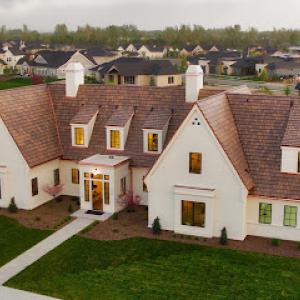
Signature Roofing
(208) 609-9071 mysignatureroofing.com
12567 W Franklin Rd, Boise, Idaho
4.9 from 441 reviews
Signature Roofing is the Boise roofing company trusted across every neighborhood — from the North End and West Boise to Hidden Springs, Barber Valley, East End, Warm Springs Mesa, and South Boise Village. Since 1994, we've served homeowners and businesses with premium roof replacements, repairs, and emergency leak response throughout Downtown Boise, the Boise Bench, Highlands, Hillcrest, Southeast Boise, and the entire Treasure Valley. As a GAF Master Elite contractor (top 2% nationally), we deliver residential reroofs, commercial flat roofing (TPO, EPDM, PVC), standing seam metal, and same-day emergency service across Boise, Meridian, Eagle, Nampa, Caldwell, Garden City, Kuna, and McCall. Local. Elite. 430+ five-star reviews. Call today!
Point Roofing & Restoration
4906 W Overland Rd, Boise, Idaho
4.9 from 394 reviews
Roofing, Siding & Gutter Install Company
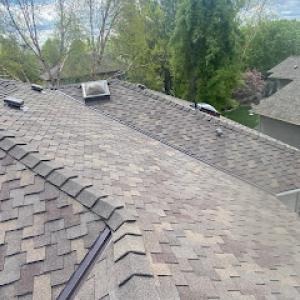
Intermountain Roofing Company
(208) 713-5871 intermountainroofingcompany.com
3261 Spiceland Dr, Boise, Idaho
5.0 from 47 reviews
Family owned roofing company proudly serving the Treasure Valley since 1996. We use quality materials and all our employees are certified installers to insure every roof turns out perfect.
Hawaiian Built Roofing
(208) 214-8808 www.hawaiianbuiltroofing.com
7966 W Woodlark St, Boise, Idaho
4.8 from 209 reviews
Trusted Boise Women-Owned Roofing Experts Since 2005. Hawaiian Built Roofing delivers professional residential and commercial roofing services throughout Treasure Valley. Licensed (RCE 13796) and insured, we specialize in roof replacements, repairs, solar solutions, and ice dam removal. Why choose us: • 24/7 emergency repairs • Lifetime warranties • Financing through CapEd Credit Union • Spanish services • Overhead Care Club maintenance plans ($14.95/month) • Background-checked technicians • Complete manufacturer systems Serving Boise, Meridian, Eagle with transparent pricing - no hidden fees. Call (208) 214-8808. 5-Star Rated in Treasure Valley."
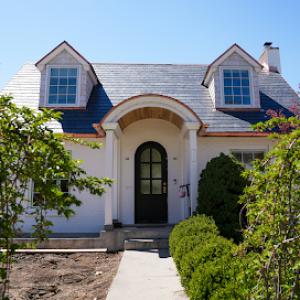
Flux Boise Roofing & Siding
(208) 476-6318 www.fluxroofing.com
200 N 23rd St Suite 109, Boise, Idaho
5.0 from 38 reviews
Flux Boise Roofing & Siding is a trusted local contractor providing roofing in Boise and dependable exterior services for homes and businesses throughout the Treasure Valley. Our experienced roofing contractors handle roof repair, roof replacement, and roof installation using durable, weather-tested materials. We also offer commercial roofing solutions, along with full siding services including siding installation, siding repair, and siding replacement. To protect your property from water damage, we provide gutter cleaning, gutter installation, and gutter replacement. We proudly serve Boise, Nampa, Meridian, Eagle, Star, Caldwell, and Middleton across Ada County and Canyon County.
Owyhee Roofing
(208) 440-7693 www.owyheeroofing.com
3020 W Breneman St, Boise, Idaho
4.9 from 88 reviews
We're a locally owned and operated company that's been in the valley for over 16 years. Specializing in residential re-roofing, flat roof systems, insurance claims, house remodeling and more! We stand behind our work and offer financing for any budget!
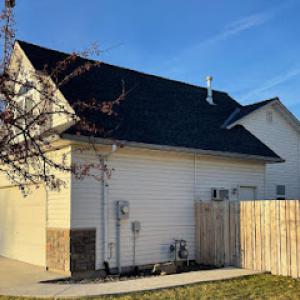
Rebel Roofing
(208) 703-9998 rebelroofingidaho.com
4697 N Tumbleweed Pl, Boise, Idaho
4.8 from 94 reviews
Rebel Roofing provides roofing and gutter installation and repairs throughout Treasure Valley, ID.
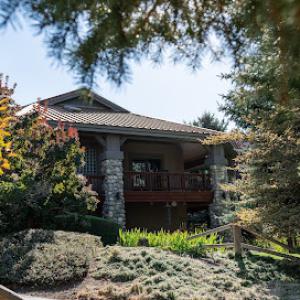
Straightline Design
(208) 271-4346 www.straightlinedesignllc.com
12783 W Lasalle St Suite B, Boise, Idaho
4.8 from 78 reviews
No matter what your exterior needs are, the experts at Straightline Design, LLC have you covered. Family-owned and local, we specialize in roofing, siding, and gutter installation. We use the best products, and employ true professionals that will get the job done right.
Superior Roofing
(208) 242-2275 www.superiorroofingplus.com
9460 W Fairview Ave Unit 155, Boise, Idaho
4.8 from 79 reviews
Superior Roofing is a trusted residential roofing contractor serving Boise, Meridian, Eagle, and the greater Treasure Valley. We specialize in roof replacements, roof repairs, asphalt shingle roofing, metal roofing, storm damage repair, and free roof inspections. We also provide select commercial roofing solutions for flat and metal roof systems. Our team delivers quality workmanship, clear communication, and durable roofing systems built to protect Idaho homes and businesses.
Mighty Dog
(208) 646-9890 www.mightydogroofing.com
4792 W Overland Rd #200, Boise, Idaho
4.8 from 106 reviews
When it comes to your home’s exterior, Mighty Dog Roofing delivers top-of-the-line services matched with the neighborly customer care our clients have come to love. Our team of skilled experts will conduct a free, detailed inspection of your home, treating it as our own. Whether your home needs a simple repair or a full roof replacement, expect to receive the transparent guidance you deserve. Whatever the case, our team will work to meet your safety and budget needs. We take pride in operating with quality materials, hiring skilled roofers, and providing our customers with a high-quality experience. See for yourself; our reviews say it all. Schedule your free, home inspection today!
In Boise, the best replacement window is typically spring through early fall because winter snow and cold can delay tear-off and affect installation conditions. You'll want a window that allows for back-to-back roofing days without frost risks or icy flashings, and that aligns with dry, moderate temperatures for the crew to work efficiently. Planning for late spring or early fall often gives you the most predictable crew availability and minimizes furloughs caused by snow or extended cold snaps. If a spring project hits a late cold snap, be prepared for a temporary hold and a quick reset once the ground thaws and temperatures stabilize.
The Treasure Valley summer brings hot, dry afternoons that can shorten workable installation windows for some materials, especially where adhesive performance is temperature-sensitive. If a project runs into a heat wave, crews may start earlier or schedule shorter daily sessions to protect adhesives and sealants. For shingle and synthetic installations, consistent shade or mid-day pauses help maintain warranty-backed performance. For metal, tile, or slate, heat can affect drying times and expansion, so planning with the contractor to cluster high-workload tasks into cooler morning hours or late afternoon can keep pace without compromising quality. Listen for guidance on ventilation, roof-manifold airflow, and temporary cooling strategies during peak heat.
Spring storm interruptions in the Treasure Valley can suddenly disrupt schedules, so Boise homeowners often need to balance ideal weather against post-storm contractor demand. A tight spring window may push installations into late spring or early summer, which still works if the roof is stripped and dried before the next weather cue. Conversely, a late spring storm can trigger gaps in material availability or crew travel, so it's wise to align orders and coordinate with the contractor for potential rescheduling. Having a flexible plan helps, including accepting a few extra workdays spread over weekends if needed, to keep the project on track.
Shingle roofs, particularly asphalt or synthetic variants, tend to install smoothly in mild shoulder seasons when temperatures stay within the manufacturer's recommended range. Metal roofs can be more forgiving of a broader window, but high midday heat still matters for sealant cure times and panel handling. Tile systems-clay or concrete-reward dry weather and consistent temps, with precautions against rapid cooling near dusk to prevent micro-cracking. If your home features multiple penetrations or complex detailing, the timing may require more careful coordination to avoid prolonged exposure of underlayment to moisture. A prudent plan staggers long-lead items (like matching tiles or specific profiles) to prevent delays.
Coordinate with the contractor to confirm a rough daily max of anticipated roof area, then build buffers for weather-related pauses. Have a contingency plan for post-storm cleanups and quick debris containment, especially after windy truces or spring gusts. When selecting a replacement date cluster, favor a stretch with several consecutive dry days and avoid forecasted heat spikes that could jeopardize adhesive performance or cooling requirements. Finally, maintain clear communication with the crew about peak wind warnings or freeze-thaw alerts in the forecast, so daily targets stay realistic and achievable.
Get a clear picture of your project costs upfront - no commitment required.
208 Roofing - Roofing Contractor Boise
(208) 591-8997 www.208roofing.com
6706 W Fairview Ave, Boise, Idaho
4.9 from 48 reviews
Rocky Mountain Exteriors
(208) 955-6818 rmexteriors.wordpress.com
4900 N Rosepoint Way # C, Boise, Idaho
4.3 from 41 reviews
Asphalt shingles dominate replacements because they fit the area's large re-roofing market and broad range of suburban home styles across the valley. In a high-desert climate with intense summer sun and sharp winter freezes, shingles offer a favorable balance of cost, performance, and ease of repair. A properly vented attic and a good underlayment are essential to fight the season's rapid temperature swings, which drive movement in materials and sealants. Look for shingles with algae resistance and a respectable UV rating to keep color fading and granule loss to a minimum during Boise's blistering summers. The durability you get from good installation matters just as much as the product itself, especially after spring hail and during repeated wind events.
Metal roofing has a meaningful presence in Boise because homeowners value durability against snow shedding, summer sun, and recurring wind exposure. Standing-seam or baked-on coated panels excel at shedding snow, reducing ice dam risks in areas that see seasonal elevation changes or occasional foothill snow. Metal also tends to resist hail better than many asphalt options, reducing the likelihood of granular loss and punctures that can lead to leaks later. Installation details matter here too: a solid fastener pattern, proper sealing at seams, and appropriate insulation below the metal help limit noise in heavy storms and minimize thermal transfer during long Boise summers. If a home has a complex roofline or tall eaves, proper flashing and rafter spacing become crucial to prevent wind-driven uplift on high-desert gusts.
Clay tile, concrete tile, synthetic products, and slate appear in Boise but are more selective choices tied to higher-end homes and structural considerations rather than the city's mainstream replacement market. Clay and concrete tiles bring classic canyon-outer-character and excellent longevity, but their substantial weight requires a structural assessment and potential reinforcement. Slate and premium synthetics offer striking curb appeal with resilience in hail-prone settings, yet they demand careful, specialized installation and ongoing maintenance to handle freeze-thaw expansion and wind-driven movement. If a home sits on a sloped roof or has a roof deck that sees variable sun exposure, these options can pay off through longer service life, but the design must account for weight, attic ventilation, and hurricane-like wind events that push against ridge caps and joints.
In a climate marked by spring hail, winter freeze-thaw cycles, and spring winds, every roof should emphasize a robust underlayment, solid attic ventilation, and a well-sealed perimeter. After a hail event, inspect for nail pops, loosening shingles, or bruising that could hide water intrusion beneath the surface. Freeze-thaw years benefit from ensuring fasteners remain secure and from addressing any hairline cracks before they widen. Regular mid-season inspections, especially after the winter and the first big spring wind storm, help catch vulnerabilities while they're easier to repair. A roof that blends the high-desert sun resistance with wind uplift resistance and snow-shedding capability will hold up better through Boise's typical seasonal rhythm.
When evaluating options, consider how the roof will respond to Boise's mix of sun, hail, wind, and occasional foothill snow. Asphalt shingles offer flexibility for a broad range of homes and quick replacements, while metal provides durable protection against wind and snow shedding. For distinctive or high-end homes, clay, concrete, synthetic, or slate may be appropriate if the structure can bear the weight and the installation is handled by specialists. Regardless of material, prioritize a well-sealed flash line, a properly vented attic, and a quality underlayment to navigate the valley's demanding seasonal transitions.
Explore specialists in steel, aluminum, and standing seam metal roofs built to last 50 years or more.
Recon Roofing & Solar
(208) 872-4880 www.roofsbyrecon.com
2350 S Vista Ave, Boise, Idaho
5.0 from 140 reviews
Signature Roofing
(208) 609-9071 mysignatureroofing.com
12567 W Franklin Rd, Boise, Idaho
4.9 from 441 reviews
Point Roofing & Restoration
4906 W Overland Rd, Boise, Idaho
4.9 from 394 reviews
Asphalt shingles, the most common choice for suburban re-roofs, typically run from 350 to 650 per square in this area. Metal roofing sits higher, commonly 900 to 1500 per square, and offers better hail resistance and longer service life in the high-desert sun. Clay tile starts around 1200 and can go up to 2100 per square, with heavier assemblies that need solid framing and careful venting considerations. Concrete tile usually lands between 1100 and 1600 per square, providing strong hail resistance but adding weight and potential structural nuances. Synthetic or composite shingles sweep in from about 480 to 980 per square, offering a lighter, more affordable alternative to traditional tile. Slate is the premium option here, typically 1800 to 3400 per square, reflecting both material cost and the meticulous installation it requires.
Boise homes range from plain low-slope "box" shapes to roofs with multiple valleys, dormers, and skylights. A straightforward suburban re-roof on a simple rectangle tends to stay near the lower ends of the material ranges, especially when using conventional asphalt shingles. Add valleys and dormers, and the contractor's crew must navigate tighter angles, more flashing, and additional waste, nudging the price up. Heavier tile assemblies, such as clay or concrete, demand added structural checks, potential re-framing, and careful weight management, which compounds both material and labor costs. Synthetic shingles can shave some costs on a complex roof but still react to the same architectural challenges. Slate remains the most sensitive to roof geometry, with installation time and specialty fasteners pushing the final price higher, even if the material cost itself is elevated.
Storm-driven demand spikes after Boise spring hail or wind events tighten contractor availability and push pricing upward during busy periods. If your project coincides with a high-activity window, expect shorter-notice scheduling, possible premium crew allocations, and constrained material lead times, especially for tile and slate options. In contrast, a mid-summer or early-fall project may slip into more predictable scheduling and steadier pricing, though weather delays can still influence the total timeline. Planning ahead for a weather-aware window helps stabilize both cost and timing.
Estimate needs by comparing your roof's complexity against the material's durability against sun and hail. If hail history is relevant, consider classes of impact resistance tied to material choice, knowing that metal and tile often outperform standard asphalt in high-desert hail events. For complex roofs, budget for additional flashing, valley work, and potential skylight adjustments. When hail season hits, confirm availability and preferred scheduling with the contractor early to minimize price volatility and ensure timely completion.
Don't let upfront costs delay a critical repair - these contractors offer payment plans to fit your budget.
Point Roofing & Restoration
4906 W Overland Rd, Boise, Idaho
4.9 from 394 reviews
Hawaiian Built Roofing
(208) 214-8808 www.hawaiianbuiltroofing.com
7966 W Woodlark St, Boise, Idaho
4.8 from 209 reviews
Owyhee Roofing
(208) 440-7693 www.owyheeroofing.com
3020 W Breneman St, Boise, Idaho
4.9 from 88 reviews
For Boise-area full roof replacements, permits are typically required through the local building department serving Ada County. This means the project cannot proceed beyond framing or removal without a formal permit in hand. In practice, a typical homeowner will submit the application, along with any required plan details, and await approval before work continues. The county office understands the regional climate: rapid spring hail, summer sun, and winter freeze-thaw cycles all influence venting, attic insulation access, and structural considerations. Expect the issuance to take about a week or two, depending on the complexity of the scope and whether the project includes venting updates, roof deck repairs, or structural changes to support a different material.
When venting changes or structural modifications are part of the scope, a plan review is more likely. In Boise, these reviews can add time to the process, so coordinating early with the contractor to gather accurate vent locations, attic access points, and any roof penetration details helps smooth the review. If the project preserves existing venting routes, the plan review may be streamlined, but any deviations from the current configuration should be documented and professionally drawn. This is especially important in high-desert conditions where attic ventilation and moisture control impact long-term roof performance after a harsh alpine-influenced winter or a windy spring.
Inspections are typically scheduled during progress and again after completion. Boise projects require ongoing contractor coordination with the department rather than a simple end-of-project closeout. Your contractor should line up critical milestones-roof removal or deck inspection, underlayment and flashing checks, ventilation verification, and final system integrity-so that the inspector can verify compliance at each stage. Expect the inspector to verify eave and ridge venting, proper underlayment, and flashing around chimneys, skylights, and vent stacks. Staying in close contact with both the contractor and the building department minimizes delays and keeps the project on track through Boise's spring wind events and seasonal freeze-thaw cycles.
In Idaho, roof claims commonly require detailed photo documentation, professional estimates, and clear separation of storm damage from prior wear, which is especially important after Boise's spring hail and wind events. You should photograph the entire roof from multiple angles, then zoom in on any dented or cracked shingles, lifted edges, and granule loss. Keep a dated record of all communications with your insurer and note the sequence of events as storms roll through, so the claim narrative is easy to follow when the adjuster reviews it.
Boise homeowners should document each roof slope separately because uneven sun exposure, snow retention, and wind direction can produce different damage patterns on the same house. A single photo set of the whole roof can miss isolated issues such as wind-driven hail on the south-facing pitches or freeze-thaw cracks on shaded sections. Take slope-by-slope images, plus close-ups of fasteners, underlayment spots, and any fascia or vent damage that might influence the overall claim.
Adjusters in this market may ask for verification of material type and workmanship costs, so Boise claims are stronger when homeowners keep records of prior repairs, replacement dates, and product information. Gather old receipts, installation dates, and any manufacturer documentation for the shingles, metal, tile, or synthetic materials currently in place. If a prior roof was replaced or repaired within the last decade, note that history clearly to avoid misattributing wear to the latest storm event.
Storm damage can mingle with routine wear, making the separation of cause critical. Create a simple timeline: identify storm dates, note observed damage right after each event, and reserve a professional estimate that explicitly links each issue to a relevant roof layer or component. This approach helps prevent claims from stalling or getting tangled in disputes over what caused which damage.
Connect with contractors who help homeowners navigate the claims process from damage assessment to final approval.
Recon Roofing & Solar
(208) 872-4880 www.roofsbyrecon.com
2350 S Vista Ave, Boise, Idaho
5.0 from 140 reviews
Point Roofing & Restoration
4906 W Overland Rd, Boise, Idaho
4.9 from 394 reviews
Hawaiian Built Roofing
(208) 214-8808 www.hawaiianbuiltroofing.com
7966 W Woodlark St, Boise, Idaho
4.8 from 209 reviews
Boise's mix of suburban homes, additions, patio covers, and garage sections means leak problems often show up at transitions between standard pitched roofing and low-slope sections. The strong summer sun accelerates sealant aging around roof penetrations, so prioritize durable flashing and high-quality sealant around skylights, vents, and mounted equipment.
In this climate, skylights and roof-mounted equipment deserve extra attention during installation and at every inspection. Use vented skylights or those with pre-fabricated flashing that integrate smoothly with the chosen roof system. Ensure side and toe-k flashing are continuous and free of gaps, and coat sealant joints with a UV-stable, elastomeric product. Check membrane transitions where skylights meet low-slope areas for potential water traps and ensure proper slope away from penetrations.
When an addition, patio cover, or garage section ties into a standard pitched roof, the transition is a common leak path. Specify a continuous drip edge and a properly rated transition flashing that bridges the different roof pitches without creating a seam trap. Pay particular attention to fasteners near this seam; use corrosion-resistant screws and sealant patches that maintain flexibility through freeze-thaw cycles.
When replacing or adding rooftop solar, the roof's age and remaining service life matter because re-roof coordination is usually easier before panel work is installed. Plan for full-coverage flashing at mounting points and ensure the racking system remains compatible with Boise's sun exposure. Inspect the roof sheath beneath panels for signs of prior damage, and schedule panel installation after any necessary repairs to maintain a clean, continuous waterproof barrier.
Find contractors experienced in skylight installation, flashing, and leak repairs to bring natural light into your home.
Recon Roofing & Solar
(208) 872-4880 www.roofsbyrecon.com
2350 S Vista Ave, Boise, Idaho
5.0 from 140 reviews
Blue Goat Roofing
(208) 999-0775 bluegoatroofing.com
10448 W Lockwood St, Boise, Idaho
5.0 from 258 reviews
Intermountain Roofing Company
(208) 713-5871 intermountainroofingcompany.com
3261 Spiceland Dr, Boise, Idaho
5.0 from 47 reviews
Boise's contractor market is crowded with re-roofing firms, so you'll find responsiveness and scheduling speed often matter more than base price. After a hail event or high-wind period, crews can flood the market, leaving you waiting for a crew, a proper cleanup, or a follow-up visit. Your best outcome comes from choosing a contractor who communicates clearly about timing, contingency plans, and how they handle a sudden rush of work without leaving debris behind.
Because many firms market themselves as long-established, family-owned, or locally owned, homeowners should verify who will actually supervise the crew and manage inspections. Ask for the supervising lead's name, onsite presence every day, and how day-to-day decisions are documented. In a climate with harsh spring hail and winter freeze-thaw cycles, consistent supervision reduces chances of overlooked flashing, improper venting, or inadequate fastening that can fail under Boise's wind and sun.
In a market where affordable pricing is common, pay close attention to scope details such as tear-off depth, flashing replacement, ventilation changes, and site cleanup. Ask for a written scope that specifies how many layers are being removed, what flashing is being replaced, whether attic ventilation is upgraded, and how the site will be left at the end of each day. A thorough scope prevents lingering nail pops, hidden damage, or debris left from a storm-driven rush.
After severe weather, faster isn't always better if it means rushed work. Look for a contractor who can propose a realistic schedule, outline daily progress, and commit to a robust cleanup plan. A well-organized crew reduces the risk of stray nails and stray debris traveling over driveways, sidewalks, and landscaping in a windy valley environment.