Last updated: Apr 19, 2026
Kuna experiences cold winters with snow and ice that add real weight to roof systems. Snow accumulation and freeze-thaw cycles influence when you can safely install or repair a roof, because crews need solid access and stable conditions to avoid damaging delicate roofing components. The snow load not only stresses the roof during storms but also affects underwriting of attic ventilation and insulation once work resumes after the thaw. In practical terms, plan any major re-roof or layer-replacement for a window when temperatures are consistently above freezing and the ground is clear. This reduces the risk of shingle adherence problems and helps prevent early edge curling or lifted tabs caused by rapid daytime warming followed by freezing nights. If a project spans late winter or early spring, expect a brief slow-down as mineral surfaces and underlayment cure in steady, moderate conditions rather than the abrupt freeze-thaw swings that gnaw on sealants.
Spring in this area can bring hail risk that compounds winter stress. Hail impacts tend to occur when shingles are slightly aged but not yet fully matured from the prior heating season. Even a light hail event can nick exposed asphalt or dent metal flashing, creating micro-leaks that might not manifest until long after. Practically, this means a homeowner should assess the roof soon after a rough spring storm, paying attention to granule loss, windshield-like hail marks on metal surfaces, and any sudden uptick in attic condensation signs. If hail damage is suspected, a rapid inspection can prevent small problems from evolving into accelerated deterioration during the hot months. A careful approach is to address minor damage promptly with a targeted sealant or panel replacement before the heat intensifies the aging of compromised areas.
Summer brings dry heat and strong UV exposure, accelerating aging of asphalt surfaces and roof sealants after the colder season has already stressed them. In Kuna, the sun sits high and days stay long, which means shingles endure more ultraviolet exposure than they do in milder climates. The consequence is quicker granule loss on asphalt shingles and more brittle sealant joints on vents and flashing. The result is a higher likelihood of micro-cracks and small leaks that become bigger problems after a sudden thunderstorm or wind event. A practical step is to ensure good ventilation and proper attic airflow ahead of the peak summer heat. This helps keep the underside of the roof deck cooler, slowing the aging process of the roofing materials and improving the performance of sealants and penetrations through the summer.
Fall in this region can bring gusty winds that stress coping details around chimneys, skylights, and vent closures. Wind-driven debris can strike and pressure-load edges that already carry heat and moisture from the summer. The sequence matters: heat-accelerated aging from summer followed by wind-induced movement and potential water intrusion in fall can magnify wear. A practical approach is to inspect flashing and fastener integrity after the summer heat has settled but before the strongest fall wind events. Tightening loose nails and resealing any marginal flashing prevents a small issue from turning into a leak that runs through the wet months.
The season-to-season pattern in Kuna means roofs are continually stressed by multiple damage modes within the same year. Snow and ice load affect not only immediate safety and installation windows but also how well shingles seal and how flashing holds up after repeated freeze-thaw cycles. Summer heat then ages the exposed surfaces and sealants more quickly, reducing the resilience of the roof to spring hail and fall winds. The practical upshot is a rhythm: install or repair in warmer, drier windows when possible; follow with proactive inspections after winter and after any notable spring hail, and perform a mid-year check to verify that ventilation is adequate and that flashing remains sound through the fall.
When considering materials, the sequence of stresses favors products that maintain flexibility and strong seals through temperature swings. High-quality asphalt shingles with reinforced granules can resist hail marks and UV wear longer, while metal roofing handles snow load better and sheds debris quickly. Clay and concrete tiles resist hail somewhat but can be heavier and more prone to breakage if hail strikes are forceful or if attic ventilation is compromised. Wood shakes provide aesthetics and some resilience to heat, but require careful maintenance against UV aging and moisture changes. Synthetic or composite shingles offer a balanced performance across cycles and can be a practical compromise for homes experiencing rapid transitions between seasons. In Kuna, aligning material selection with expected seasonal stress can extend life and reduce the number of mid-cycle repairs.
Kuna sits at a Treasure Valley crossroads where a cold-season snow load, spring hail, and a hot, UV-intense summer all press against roofing systems. That mix means no single weather threat dominates year-round. Instead, the best roof for many Kuna homes balances strength against snow and impact, plus durability under bright summer sun. The dominant roofing materials-asphalt shingles, metal roofing, clay tile, concrete tile, wood shingles or shakes, and synthetic or composite shingles-each respond to that cycle in different ways. When choosing a roof, think about how it will perform across the full cycle: how snow piles up and sheds, how hail may strike, and how long sun exposure will wear finishes and color.
Asphalt shingles are common in newer suburban builds and offer straightforward installation, decent hail resistance when using impact-resistant variants, and a familiar replacement path if a panel is damaged. They endure the heat of dry summers better than some heavier systems, and they're easier on a structure during retrofit or partial replacement. For a Kuna home with a light-to-moderate snow profile, asphalt remains a solid baseline, especially when paired with a robust underlayment and proper attic ventilation. However, with heavy spring hail events, it helps to select higher impact resistance grades and to be mindful that extended sun can lead to faster color fade and granule loss. Regular inspections after hailstorms help prevent small issues from turning into leaks after a heavy winter.
Metal roofs excel in hail resistance and UV durability, and they shed snow efficiently-an advantage during long Idaho winters. The material's light weight reduces some structural concerns associated with heavier roof systems, though a full replacement may still require structural checks, especially on older homes. Metal's reflective properties help curb heat absorption in summer, which can ease cooling loads. For Kuna homes, metal is a compelling option when longevity and low maintenance are priorities, and when the existing roof deck and flashing are in solid shape to support a long service life. The main consideration is ensuring proper sealing at seams and penetrations to handle seasonal temperature swings and potential ice dam formation along eaves.
Clay tile and concrete tile bring strong hail resistance and distinctive curb appeal. They perform well under heavy sun exposure and retain color longer than many alternatives. The trade-off is weight and installation complexity: heavier systems can trigger added project complexity during replacement if structural repairs or code-related updates are needed. In Kuna, homes that already have reinforced framing or are built to handle heavier masses can benefit from tile's longevity and heat-resistant properties. If a roof is a candidate for tile, a thorough assessment of the structure, attic access for installation, and flashings is essential to avoid future trouble when the roof needs to be serviced or replaced.
Wood shingles or shakes deliver a natural look and a degree of insulating value, yet they demand careful maintenance to resist moss, rot, and sun deterioration. They can be susceptible to hail damage in exposed spots, so choosing a high-quality, impact-resistant option and ensuring proper installation is critical in Kuna's spring storms. Synthetic or composite shingles mimic the look of wood with often improved hail resistance and better UV stability, while offering easier maintenance and a longer service life in hot, dry summers. The key with these is to verify the product's wind uplift rating, fire performance, and warranty coverage, especially where summer UV exposure is intense.
In Kuna, the best roof type often comes down to a tailored blend: ensure the system can take snow and hail impacts without compromising performance in a dry, bright season. Heavier tile options bring durability but require structural readiness; lighter options like asphalt or metal provide ease of replacement and lower weight, with careful attention to attic ventilation and underlayment. For homes with existing structural flexibility, tile can offer longevity and a premium look, while asphalt or synthetic choices deliver proven track records with straightforward maintenance. The local reality is to match material strength with the home's frame, climate demands, and the likelihood of future repairs, ensuring the roof not only lasts but also remains a sound foundation for the house well into future cycles.
Spring hail events can leave Kuna's roofs with localized damage that doesn't always demand a full replacement. After a storm, you may notice small dented shingles, granule loss in gutters, or hidden damage on low-slope sections that aren't obvious from the ground. Rather than rushing to re-roof, prioritize targeted repairs: seal dented valley flashing, replace bent or cracked shingles, and address any exposed underlayment promptly. Because Ada County's service area brings faster leak control, you can often get quick assistance for active leaks, but that same hail can create micro-damage that slowly worsens if left unattended. If you spot moisture in the attic after a hail event, set up a diagnostic visit soon-visible signs aren't the only risk, and early attention can prevent a larger patch job later.
Fall winds in Kuna echo the dry summer season in a way that accelerates wear from debris. Debris-filled gutters, branches, and shredded flashing become wear catalysts for ridge lines and eaves, and wind-driven moisture can force leaks around penetrations. After a gusty spell or storm, clean and inspect gutters, verify seals around vents and chimneys, and check for lifting shingles or loose fasteners. Debris can trap moisture against flashing, so addressing it quickly helps prevent small openings from turning into bigger water pathways. After the dry months, a proactive wind-season check is wise: re-secure loose components, reseal roof penetrations, and replace damaged sealant to keep your roof deck protected through the wetter months ahead.
Keep a simple post-storm routine: walk the roof safely if you can, or use binoculars from ground level to spot obvious issues, then call a local roofer for a focused inspection. Because fall storms and debris can accumulate in ways that mimic age-related wear, timely professional eyes matter. If you notice recurring leaks after windstorms or see persistent granular loss, schedule a targeted repair rather than delaying. In this market, response to leaks can be rapid within Ada County's main service corridor, but a homeowner in more rural pockets will encounter slower insurance field response, so acting fast on repairs you can manage yourself helps keep costs and damage down while awaiting official assessment.
When you can't wait, these contractors offer fast response times to stop leaks and prevent further damage.


Idaho Roofing Contractors
(208) 921-7821 www.idahoroofingcontractors.com
Serving
4.9 from 823 reviews
The Roofing Experts
(208) 409-4832 208roofingexperts.com
298 N Ave C, Kuna, Idaho
4.9 from 37 reviews
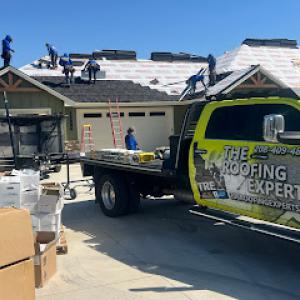
The Roofing Experts is your go-to roofing expert in Kuna, ID, delivering premium roofing solutions for residential and commercial properties. From roof repair and installation to routine maintenance, our skilled team uses top-quality materials to ensure long-lasting results. We also specialize in gutter installation, storm damage repair, and thorough roof inspections near you, helping prevent costly problems. If you're searching for "roofing services near me," trust The Roofing Experts for reliable, personalized service. Contact us today for professional roofing solutions you can count on near you!
Dynamite Construction
(208) 912-8429 www.facebook.com
Kuna, Idaho
5.0 from 5 reviews
Dynamite Construction is a family-owned and operated roofing company proudly serving Boise, ID and the surrounding areas. With over 15 years of experience, we provide reliable roofing services for both residential and commercial customers. We believe in fair pricing, honest answers, and quality workmanship on every job—no gimmicks, no surprises, just dependable service you can trust. Our team is licensed and insured for your protection, and we stand behind our work from start to finish. Our services include: Roof installation, repair, and replacement Roof inspections and maintenance Gutter and downspout cleaning At Dynamite Construction, we treat every project like it’s our own home—because your roof dese
Trigon Roofing
(208) 891-4803 trigonroofing.com
355 W Snowy Owl St, Kuna, Idaho
5.0 from 3 reviews
At Trigon Roofing, we offer comprehensive roofing services including replacements, repairs, installations, additions, and inspections. Proudly serving the Treasure Valley and all of Idaho, we are committed to delivering exceptional quality at competitive prices. Our team collaborates closely with clients to ensure our services align with their budget and needs. With extensive experience in managing thousands of roofing projects, we are dedicated to providing superior craftsmanship and value for your home. Feel free to ask us the tough questions that other roofers might avoid, because we’re here to answer them!
Blue Goat Roofing
(208) 999-0775 bluegoatroofing.com
Serving
5.0 from 258 reviews
When looking for a roofer, you want a company who’s experienced and knowledgeable. You want a company that’s very familiar with your area — the topography, the weather, etc. You also want a company for whom quality roofing and dependable service are the highest priorities. Blue Goat Roofing checks all of those boxes. Let us help you with your roofing project today. Sit back and..."Let the GOAT do the work!"
Boise Roof
(208) 740-8787 boiseroofrepair.co
Serving
4.9 from 61 reviews
Whether you need a new roof installation, repairs, or maintenance, we've got you covered. We offer a wide range of roofing services to suit your needs, including asphalt shingle roofs, metal roofing, tile roofing, and more. Our experts will work closely with you to understand your goals and recommend the best solution for your home or business.

Hawaiian Built Roofing
(208) 214-8808 www.hawaiianbuiltroofing.com
Serving
4.8 from 209 reviews
Trusted Boise Women-Owned Roofing Experts Since 2005. Hawaiian Built Roofing delivers professional residential and commercial roofing services throughout Treasure Valley. Licensed (RCE 13796) and insured, we specialize in roof replacements, repairs, solar solutions, and ice dam removal. Why choose us: • 24/7 emergency repairs • Lifetime warranties • Financing through CapEd Credit Union • Spanish services • Overhead Care Club maintenance plans ($14.95/month) • Background-checked technicians • Complete manufacturer systems Serving Boise, Meridian, Eagle with transparent pricing - no hidden fees. Call (208) 214-8808. 5-Star Rated in Treasure Valley."

Idaho Roofing Contractors
(208) 921-7821 www.idahoroofingcontractors.com
Serving
4.9 from 823 reviews
Since 2001, Idaho Roofing Contractors has been Idaho's trusted roofing partner. Our team of fully licensed and insured roofers serves Boise, Meridian, Nampa, Mountain Home, and surrounding areas. For over 20 years, we've proudly offered tailored roofing solutions for residential and commercial properties, including replacement, repairs, emergency services, hail/wind damage restoration, inspections, and more, ensuring exceptional quality and transparent pricing. With financing options available and major credit cards accepted, we deliver outstanding customer service on every job. Contact us today for a free estimate, and experience the difference with Idaho Roofing Contractors.
Northwest Roof
Serving
5.0 from 158 reviews
We are a full service roofing company. We offer our customers speedy service and quality work at a competitive price. Specializing in tear offs, repairs and new construction; both residential and commercial in many different roofing types, such as asphalt shingles, metal roofing, concrete tile, and cedar shakes. If you have a flat roof we specialize in TPO single ply roofing systems where we can offer up to a 30yr labor and material warranty. Our business is built on customer service and one happy customer at a time. We try very hard to live up to our slogan "Roofing With Integrity"
Aztec Construction
(208) 703-1309 aztecconstruction.co
Serving
4.9 from 29 reviews
Aztec Construction is a trusted roofing contractor in Nampa, ID, with 20+ years of experience in residential and commercial roofing services. They specialize in roof repairs, replacements, and new installations, using high-quality materials for long-lasting durability. Their expert team also provides gutter installation and maintenance, ensuring proper drainage and protection against water damage. With a focus on quality craftsmanship, energy efficiency, and customer satisfaction, Aztec Construction delivers reliable roofing solutions tailored to each property. Whether it’s shingle, metal, or flat roofing, they guarantee expert results. Contact Aztec Construction for professional roofing and gutter services in Nampa, ID!
Smart Roofing & Remodeling - Roofing Specialist
(208) 921-9284 smartroofingandremodeling.com
Serving
5.0 from 44 reviews
Smart Roofing & Remodeling is a leading roofing company in Meridian, specializing in comprehensive roofing services. Our team is dedicated to providing top-notch residential roof replacement, repairs, and expert guidance on roof claim insurance services. With years of experience, we've established ourselves as the trusted choice for homeowners seeking premium roofing solutions in the region
Recon Roofing & Solar
(208) 872-4880 www.roofsbyrecon.com
Serving
5.0 from 140 reviews
Recon Roofing & Solar is a locally owned, veteran-operated roofing and solar company proudly serving Boise, Meridian, Nampa, Caldwell, and surrounding Idaho communities. We specialize in residential and commercial roof replacements, storm damage repair, insurance claim assistance, gutters, and solar energy solutions. As an Owens Corning Preferred Contractor, we back our work with full warranties and unmatched customer care. Contact us for a free roof inspection or custom solar consultation today.
Idaho Roofing & Home Improvement
(208) 949-1165 roofingcontractorboise.com
Serving
5.0 from 22 reviews
Idaho Home Improvement Inc. is a family-owned roofing company proudly serving Boise and surrounding Idaho communities. We provide quality roof replacement, roof repairs, inspections, and maintenance backed by a zero-cost Lifetime labor warranty. With honest pricing, premium materials, and a commitment to complete customer satisfaction, we deliver dependable roofing services to Boise, Meridian, Nampa, Eagle, Star, Emmett, McCall, and more. Your home deserves the best—and we stand behind every roof we touch.
Typical Kuna material pricing runs about $350 to $650 per square for asphalt shingles, $600 to $1100 for metal, $1500 to $2800 for clay tile, $1400 to $2600 for concrete tile, $700 to $1200 for wood shingles or shakes, and $800 to $1400 for synthetic or composite shingles. Those ranges reflect a market shaped by rapid growth, dry summers, and the occasional spring hailstorm that can nudge job fronts and supplier timelines. When you're comparing bids, you'll want to map the material choice to the expected life under a cycle of heavy snow, hail, and UV exposure.
The snow-to-hail-to-summer heat pattern in this area pushes some roofs into shorter replacement windows after a harsh winter or a big spring hail event. In practice, that means you'll often see price surges due to demand for crews across Ada County, especially after winter damage periods or spring storm seasons. If you're weighing a roof replacement, consider aligning the project with the end of a peak hail period or a lull in demand to avoid squeeze pricing and scheduling delays. This is where the actual life expectancy of each material meets the local weather cycle: metal can shed heavy rain and resist hail better than asphalt in some installations, while concrete or clay tiles handle heat and UV well but require structural considerations for your home's framing and roof pitch.
Project totals in Kuna can also increase when permit-triggered structural repairs, ventilation corrections, or underlayment upgrades are identified during tear-off and inspection. If an older structure needs cross-bracing, rafter repairs, or vents updated to improve attic airflow, the price can shift upward by a meaningful margin. In practical terms, plan for a contingency that accounts for underlayment upgrades and improved ventilation, especially on homes that have seen long service without major renovations. A thorough inspection at tear-off will confirm what's truly needed and what can be deferred.
Asphalt shingles remain the most economical choice, with predictable install timelines and wide contractor availability. Metal roofing, while pricier upfront, can offer longer life and better hail resilience in storm-prone years. Clay and concrete tiles provide excellent longevity and UV resistance but add weight and structural considerations that may require joist reinforcement or a stronger deck. Wood shingles or shakes evoke a classic look and good insulation but demand careful maintenance and a higher risk profile in hail-prone periods. Synthetic or composite shingles blend durability with a moderate price, often appealing where UV exposure and wind are concerns. When you receive bids, map each option to your home's roof pitch, attic ventilation, and anticipated service life to choose the best fit for Kuna's climate.
Don't let upfront costs delay a critical repair - these contractors offer payment plans to fit your budget.
Idaho Roofing Contractors
(208) 921-7821 www.idahoroofingcontractors.com
Serving
4.9 from 823 reviews
Smart Roofing & Remodeling - Roofing Specialist
(208) 921-9284 smartroofingandremodeling.com
Serving
5.0 from 44 reviews
A full roof replacement in Kuna generally requires a permit. That permit is issued by the Kuna city building department, and the department also handles the final inspection once installation is complete. Treat the permit like part of the project from day one, not as an afterthought tucked into the contract. Skipping the permit or rushing to finish before it's issued can lead to rework, stop-work orders, or penalties that complicate what should be a straightforward upgrade.
During the inspection, Kuna inspectors will look carefully at several critical details. Underlayment must be installed according to current code, providing a secondary moisture barrier that works with the local snow-to-hail-to-summer-heat cycle. The nailing pattern is checked to ensure shingles or panels are secured against the region's variable winds and seasonal expansion and contraction. Ventilation is assessed to prevent heat buildup in attic spaces that can accelerate aging of the roof system and adjacent materials. If the project involves any structural repairs, or if a code update has been triggered by the scope, inspectors may require additional work or adjustments to meet the latest standards. Expect questions about attic ventilation, soffit openings, and ridge venting-these aren't cosmetic details, they directly affect performance in your climate.
Code updates happen, and they don't wait for a convenient moment to appear. If current code updates are triggered by your project or if there are related structural repairs, the inspection criteria can shift. That means a typical re-roof can become more involved than a homeowner expects. Planning for a potential add-on, like enhanced ventilation or a revised nailing pattern to accommodate a heavier panel choice, helps avoid delays. In practice, a contractor who anticipates these checks will pre-inspect and verify that underlayment, fasteners, and ventilation meet the expected standards before the city inspection kicks in. Delays often stem from mismatches between installed components and what the permit language requires, so confirm alignment of material specifications with the permit scope before ordering products.
Coordinate timing with the permit process so the weather window aligns with installation and inspection. Have a clear line of communication with the contractor about the underlayment type, nailing scheme, and ventilation plan, and request a pre-inspection review if possible. If any structural work is part of the project, anticipate the possibility of additional evaluations and a longer turnaround for approvals. By understanding that inspectors verify these elements and that updates may be triggered by code changes, you can approach the Kuna reroof with a clearer path and fewer surprises when the final stamp is placed on the project.
Idaho's homeowners insurance environment is generally stable, and the damage from roof storms in this area is typically covered when the loss is documented properly. In Kuna, the key is turning a weather event into a well-supported claim. Your claim file should tell the story: what happened, when it happened, and how the damage presents on the roof and eaves. That narrative helps an adjuster see beyond a single photo and understand the broader impact on structural integrity.
In practice, carriers expect a complete package: clear photos of the damaged roof from multiple angles, close-ups of missing or lifted shingles, and any interior signs of water intrusion. You should also include contractor estimates that break out replacement or repair steps, material types, and a proposed timeline. A formal claim file helps the review stay organized and reduces back-and-forth. Having this material ready when the adjuster first visits speeds things up and reduces friction in the process.
Adjuster response can be slower in rural parts of Ada County, even though coverage handling follows standard industry practice. If a delay occurs, maintain steady communication with the insurer and keep the contractor in the loop. Document each contact and request a written timeline for inspection and resolution. If weather windows reopen, coordinate a quick on-site assessment to avoid additional damage from lingering winter moisture or summer heat cycles that stress aging roofing systems.
Choose a contractor who understands the local climate and common residential materials. Share the claim details and photos with the contractor so estimates align with what the insurer wants to see. After the assessment, ensure the contractor provides a scope of work, material specifications, and a defensible replacement plan. Having a clear, file-backed plan supports a smoother transition from claim approval to actual repairs.
Connect with contractors who help homeowners navigate the claims process from damage assessment to final approval.
The Roofing Experts
(208) 409-4832 208roofingexperts.com
298 N Ave C, Kuna, Idaho
4.9 from 37 reviews
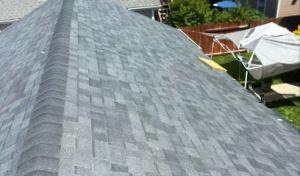
In Kuna, ventilation is not just a design preference; it is a designated inspection point during roof replacements. A well-ventilated attic reduces moisture buildup from winter rain and snowmelt, controls summertime heat, and helps extend shingle life. If soffit vents, ridge vents, or attic gable louvers are blocked, you will notice more rapid aging of shingles and faster mold growth on sheathing. Aim for balanced intake and exhaust so air moves smoothly from eave to peak.
During a re-roof, expect the crew to expose the attic and verify soffit openings, baffles, and insulation depth. If insulation sits against roof sheathing, or if baffles are missing, corrective steps should be taken before new underlayment is installed. In Kuna, the fluctuating winter moisture and hot summer days make continuous ventilation critical for consistent roof performance. Consider a venting plan that accounts for the attic size, roof pitch, and any dormers common in newer Kuna subdivisions. If a ventilation upgrade is part of the project, request labeled components and a test after completion.
Underlayment is explicitly checked at the final inspection, so replacement projects often need to correct hidden deficiencies from older installations. In this climate, a damage-free underlayment layer protects against ice damming in winter and helps prevent UV-related degradation in summer. Choose an underlayment rated for the local temperature swings and compatible with the chosen roofing material. Ensure the installation sequence allows the underlayment to lay flat, without folds that trap moisture. Ask the crew to tape or seal any seams where water could penetrate, especially around roof penetrations and near skylights common to Kuna homes.
In Kuna's climate, the efficiency of ventilation and a sound underlayment influence how different roofing materials perform over time. Asphalt shingles benefit from good attic airflow to prevent heat soak, while metal roofs rely on a dry deck for longevity and easier flashing sealant performance. Clay and concrete tiles demand a stable underlayment and careful insulation to avoid thermal cycling. For homes with multiple penetrations, such as chimneys or vents, plan for sealing around flashings and ensure attic access for inspections. That attention saves time and headaches.
Skylights in this climate add comfort but invite more potential leaks at cold-season transitions. During replacement, verify flashing continuity around curb or shaft mounts, ensure factory-vented units aren't blocked by snow or debris, and choose curb geometry that matches the existing roof plane. Heavy hail risk means impact-rated glazing pays off. On mixed roof runs, plan for skirt flashing and flashing at curbs to tie into the main field without creating a vulnerable seam.
Low-slope sections, although not common in Kuna, show up as dormers, solariums, or modern ranch additions. They demand robust underlayment and sealed terminations where they meet the steeper field. Inspect the edge details where a low-slope plane meets a vertical wall or chimney, because those angles are casualty-prone in spring storms. Coordinate slope transitions so water flows toward the primary drains, not into concealed pockets that frost and thaw cycle can exploit.
Solar-integrated roofing is growing here as homeowners seek value from shade and power, but the panel array and electrical pass-through create extra pressure points. Ensure compatible underlayment beneath the panels, proper venting, and a plan for snow shedding near arrays. Schedule early coordination with the roofer to avoid staggered penetrations.
On homes with mixed roof geometry, specialty areas can age differently from the main field because they handle moisture and heat exposure differently across the year. Local inspections will scrutinize underlayment quality around penetrations and transitions; plan for a coordinated installation that treats every intersection as a potential leak path. That approach pays in long-term durability.
Find contractors experienced in skylight installation, flashing, and leak repairs to bring natural light into your home.