Last updated: Apr 19, 2026
The Treasure Valley's spring storms bring sudden hail, hard gusts, and the kind of wind that patters shingles loose in hours. In this area, a quick rain-sleet-hail scramble dominates claim activity in Idaho, and the busiest windows come as the season shifts from snow to thaw to quick heat. When a storm hits, your roof becomes the first line of defense, and the clock starts ticking on assessments, repairs, and documentation. Delays compound risk: shingle lifting, granule loss, and hidden damage can spiral into costlier problems if addressed too slowly. The cadence in Garden City is clear-catch problems early, then lock in a repair plan before the next weather pulse hits.
Winter snow and ice can delay inspections and repairs, while spring hail and wind create the biggest swings in roofing demand and scheduling in this market. Snow loads can cover damage, making it hard to see leaks or loose flashing, while frozen gutters obstruct water flow and build up ice dams that compound interior risk. When the thaw rolls in, contractors race to reopen damaged areas, but burst days of rain can shuttle priority to urgent leaks and interior water intrusion. Expect that scheduling will be tight in the weeks following a major hail event, and plan for a few windowed bursts where crews disappear and reappear as weather windows allow. Having a clear plan and a fast intake process helps you stay ahead of volatile conditions.
Insurers in Idaho commonly want detailed photo documentation, contractor estimates, and post-installation warranty records before closing roof claims. Start with an organized shoot: wide shots that establish the house and yard, close-ups of damaged shingles, flashing, gutters, and any interior evidence of water intrusion. Take dated photos from multiple angles, including attic views showing signs of moisture, condensation, or daylight where flashings have failed. Obtain multiple, clearly written contractor estimates that break out materials, labor, and any miscellaneous expenses, and ensure the estimates reflect the current condition as observed after a storm. Once a plan is in place, keep all warranty information readily accessible-photos of the installed roof, material specs, contractor contact, and any manufacturer warranties. Having this dossier ready makes the claim process smoother and reduces the risk that a delay shifts the timeline into a peak scheduling window.
If hail has just struck, document immediately and contact a local, reputable contractor who understands the Treasure Valley climate and typical construction in older re-roofs and newer infill homes. Request a comprehensive on-site assessment as soon as weather allows, with a clear repair or replacement path and a timeline that accounts for upcoming storms. Keep a tight log of communications with your insurer, including dates, names, and recap notes from each interaction. When weather shifts from snow to sun, anticipate a surge in inspection availability, and be ready to book early. Your objective is to compress the window from damage recognition to repair commencement, so you can mitigate interior risk and extend the life of your roof through the Valley's fluctuating spring, summer, and fall weather.
In Garden City, the most common roofing materials reflect a mix tailored to the Treasure Valley's lifestyle: asphalt shingles and metal roofs are the workhorses for most homes, with clay tile, concrete tile, wood shakes, and synthetic products showing up during replacements. Asphalt shingles and metal deliver reliable performance amid a mix of older re-roofs and newer infill homes. When choosing, focus on the way these two materials handle the climate cycle, plus how they pair with typical attic layouts and gutter runs found in local neighborhoods.
The climate swings-from cold, snowy winters to hot, dry summers-mean the roof must handle thermal cycling, UV exposure, and occasional hail impacts without excessive expansion, contraction, or fading. Asphalt shingles should be selected with good UV resistance and dimensional stability to prevent edge curling after long summers. Metal roofs deliver excellent heat reflection and resilience to hail but require careful panel fastening and flashing to prevent wind-driven leaks. In any replacement, confirm that fasteners and underlayment choices accommodate the year-round temperature shifts seen in Garden City rather than focusing on coastal moisture considerations.
Heavier options such as clay and concrete tiles require closer review when structural changes are involved. Local homes may not have been engineered for frequent, large roof loads, so a roof replacement that introduces heavier tile can trigger a deeper structural assessment. Permit review can expand beyond a simple tear-off for certain roof types, and this reality matters when planning a transition to heavier materials. If a bond between roof framing and load-bearing walls isn't sufficient, a retrofit or reinforcement plan will be needed to maintain long-term performance and safety.
Storm seasons here often follow a snow-to-hail-to-heat sequence, so timing matters. After a winter storm, inspect for hidden ice dams and any shingle or metal panel damage that could worsen with spring rains or summer heat. Use a staged approach: first address obvious damage and secure loose materials, then plan full replacement or patching during late spring or early summer when temperatures are conducive to proper adhesion and sealant curing. For properties with tile or heavier roofing systems, schedule additional inspections for structural adaptability before work begins to avoid delays caused by unexpected permit or framing considerations.
In the wake of a hail event or a sudden windstorm, document all damage with dated photos from multiple angles, including close-ups of fasteners, flashing, and gutters. Keep a running log of weather conditions and any changes to roof areas that affect drainage or snow melt pathways. For homes with mixed-material roofs, note which sections use asphalt, metal, or heavier tile, as repair strategies may differ and help guide quick, accurate damage assessment and subsequent replacements. This local approach keeps repairs aligned with Garden City's characteristic housing stock and climate realities.
Late spring through early fall is the preferred replacement window in Garden City because it avoids the worst snow access issues and the cold-weather installation constraints of winter. When planning, target a stretch from late April through September, aligning with the cool mornings and dry afternoons that help crews move materials safely and keep fasteners from freezing or overworking under frigid conditions. In this zone, a solid stretch of stable, sunny days reduces the risk of weather-driven delays.
In the Boise area, summer heat can affect material handling and crew pace, so very hot stretches can still complicate scheduling even during the main roofing season. Heat tends to slow down shingle and underlayment handling, and glare can shorten worker focus. If a heat wave hits, consider reining in mid-afternoon work to protect attic insulation and shingle integrity, and plan for shorter daily objectives rather than a single all-day push. Shade and hydration become part of the practical plan.
Fall wind events in the valley can interrupt tear-off days and cleanup, making shoulder-season timing less predictable than homeowners often expect. In Garden City, the transition from warm days to windy fall shifts can create days when debris blows off the roof and into yards, delaying final cleanup and inspection. Build a contingency into the schedule for gusty afternoons, and arrange for extra cleanup time or staging areas that minimize wind-driven debris.
Keep a close eye on a local weather pattern rather than relying on a single long window. Start with a core block of dry, moderate days, then buffer with multiple backup dates in case a late spring snow or an early fall wind event crops up. Maintain flexibility with contractor scheduling and material delivery, since the Treasure Valley can shift from calm to blustery quickly. A practical plan accounts for a few extra days inserted between phases like tear-off, underlayment, and final shingle installation.
Coordinate tear-off, disposal, and replacement with supplier lead times so that crews can stay on track during the chosen window. If replacing multiple structures or complex roof lines, communicate clear milestones-perimeter protection, underlayment installation, and final resealing. In Garden City, aligning the project to the late spring-to-fall window, while accommodating heat, and potential fall winds, helps minimize disruption and keeps the project moving toward a timely completion.

Shepherds Roofing
(208) 471-4662 www.shepherdsroofing.com
Serving
5.0 from 15 reviews
Shepherds Roofing is your trusted partner for roofing and window installation services in Boise, Idaho. We provide top-quality craftsmanship and integrity, ensuring your home is protected and enhanced. With decades of experience, we offer a wide range of roofing solutions, from asphalt shingles to metal roofs, and we can also install energy-efficient windows to improve your home's comfort and value.

208 Roofing - Roofing Contractor Boise
(208) 591-8997 www.208roofing.com
Serving
4.9 from 48 reviews
Boise Roofing Contractor: 208 Roofing was awarded the prestigious award of the "National Best of The Best" Award in December of 2023 & 2024! Go to our website's homepage, and watch the video! "208 Roofing has been officially in business since 2017 in the Treasure Valley. We are a family owned business with over 20+ years of experience. 208 Roofing is a company that specializes in insurance claim roof replacements. We do free roof inspections, and if we find commonly weather damaged roof shingles, we then suggest you take advantage of a new roof replacement through your homeowners insurance policy. We always offer 100% free roofing inspections, as well as estimates! We are Better Business Bureau A+ Accredited as well!

Owyhee Roofing
(208) 440-7693 www.owyheeroofing.com
Serving
4.9 from 88 reviews
We're a locally owned and operated company that's been in the valley for over 16 years. Specializing in residential re-roofing, flat roof systems, insurance claims, house remodeling and more! We stand behind our work and offer financing for any budget!
Intermountain Roofing Company
(208) 713-5871 intermountainroofingcompany.com
Serving
5.0 from 47 reviews
Family owned roofing company proudly serving the Treasure Valley since 1996. We use quality materials and all our employees are certified installers to insure every roof turns out perfect.
Hard Hands Roofing
(208) 849-2389 hardhandsroofing.com
Serving
5.0 from 6 reviews
Hard Hands Roofing is where 20 years of expertise meet exceptional roofing solutions. Located in Boise, Idaho, our services extend across the state, promising maximized value and guaranteed results. With an unwavering commitment to excellence, our team employs high-performance materials and advanced techniques, creating roofs that are both visually stunning and built to endure. We prioritize resource optimization, minimizing waste and expenses while maintaining unparalleled quality. Backed by solid warranties and a dedication to customer satisfaction, Hard Hands Roofing ensures your investment is well-protected and durable. Trust us to transform your roofing needs into tangible and lasting improvements. Hablamos en tu idioma !

Flux Boise Roofing & Siding
(208) 476-6318 www.fluxroofing.com
Serving
5.0 from 38 reviews
Flux Boise Roofing & Siding is a trusted local contractor providing roofing in Boise and dependable exterior services for homes and businesses throughout the Treasure Valley. Our experienced roofing contractors handle roof repair, roof replacement, and roof installation using durable, weather-tested materials. We also offer commercial roofing solutions, along with full siding services including siding installation, siding repair, and siding replacement. To protect your property from water damage, we provide gutter cleaning, gutter installation, and gutter replacement. We proudly serve Boise, Nampa, Meridian, Eagle, Star, Caldwell, and Middleton across Ada County and Canyon County.
Superior Roofing
(208) 242-2275 www.superiorroofingplus.com
Serving
4.8 from 79 reviews
Superior Roofing is a trusted residential roofing contractor serving Boise, Meridian, Eagle, and the greater Treasure Valley. We specialize in roof replacements, roof repairs, asphalt shingle roofing, metal roofing, storm damage repair, and free roof inspections. We also provide select commercial roofing solutions for flat and metal roof systems. Our team delivers quality workmanship, clear communication, and durable roofing systems built to protect Idaho homes and businesses.

Mountain States Roofing
(208) 322-1799 mountainstatesroofing.com
Serving
4.2 from 10 reviews
Mountain States Roofing was founded in 1964 and now specializes in providing single-ply roofing for the commercial and industrial customer across 25 licensed states and the Treasure Valley. We offer quality single-ply roofing, maintenance programs and leak repair with friendly and reliable service you can trust. We are members of the BBB, Associated General Contractors, and the NRCA.
Contracting by Joseph Stewart
(208) 760-2636 www.contractingbyjosephstewart.net
Serving
5.0 from 28 reviews
Contracting by Joseph Stewart is the trusted choice for all your roofing and painting needs in Meridian, ID and surrounding areas. With over 25 years of combined experience, our roofing contractors are dedicated to providing top-quality home improvements that stand the test of time. Whether you require roof repairs, painting services, seamless gutters, or general home repairs, Contracting by Joseph Stewart has got you covered. They understand that your home is a valuable investment, which is why they are committed to delivering roofing and painting solutions that will last. Choose us as your painting contractors for reliable and long-lasting results that will enhance the beauty and protection of your home.

Great Heights Roofing
(208) 609-9637 www.roofinggreatheights.com
Serving
5.0 from 20 reviews
Whether you need a roof repair or a full replacement, Great Heights Roofing keeps it simple and honest. We’ll assess the damage, explain what we see, and recommend only what you truly need. If a repair solves the problem, we’ll fix it. If it’s time for a new roof, we’ll walk you through the process with no pressure—just solid work and clear communication.
Bartlett Roofing
(208) 286-4187 bartlettroofs.com
Serving
4.6 from 560 reviews
Bartlett Roofing, located at 370 N Mitchell St., Boise, ID, is a top-rated roofing contractor delivering expert Roof Installation, Residential Roofing, and Emergency Roof Repair services. With over 25 years of experience, this family-founded company excels in New Roof Installation, Leaking Roof Repair, and comprehensive Roofing Repair. As trusted Roofers, they are renowned among Roofing Companies for their durable and energy-efficient systems tailored to Boise's extreme climate. Whether you need a quality Roofing Contractor for installations or repairs, Bartlett Roofing ensures peace of mind with transparent communication and exceptional customer service. Call today!

Point Roofing & Restoration
Serving
4.9 from 394 reviews
Roofing, Siding & Gutter Install Company
Before you lift the first shingle, know that a full roof replacement in this area typically requires a building permit through the City of Garden City building department, often coordinated with Ada County processes. Start with the City's permit portal or in person at the City Hall counter, and plan for any timelines that come with cross-county coordination. The review step can take longer if the project touches elements beyond a straightforward re-roof, so factor in lead time for plan review if your roof type or structure involves changes to ventilation, attic access, or structural members. If your home sits on a lot with unique setbacks or if an historic designation is at play, expect additional checks or notes from county staff.
Plan review may be required when the project involves certain roof types or structural changes rather than a straightforward like-for-like re-roof. In Garden City, common triggers include adding or relocating roof penetrations, altering venting configurations, changing roof slope with structural modifications, or using materials that affect weight or wind performance differently than the existing roof. A plan review helps ensure that attic ventilation remains effective across seasons and that flashing details meet current code requirements, especially for homes within older neighborhoods that may have retrofitted components in the past. If your contractor indicates plan review is needed, start the process early to avoid weather-related delays.
Garden City commonly requires a final inspection after the work is complete to verify items such as ventilation, flashing, and overall code compliance. The inspector will check that attic ventilation is balanced, that roof penetrations for vents and skylights are properly flashed, and that fastener patterns, underlayment, and drip edge meet code. Be prepared for the inspector to verify that any required eave ventilation or soffit intakes remain unobstructed and that vent stacks and plumbing vents terminate correctly. If most work is complete but a detail remains, the inspector may schedule a partial check and a final follow-up visit. Have your contractor provide the final paperwork, including permit closure documentation and any material certifications, to streamline the process.
Coordinate with your contractor to align the permit submission with the anticipated weather window, since winter snow and spring hail can pressure scheduling. Keep copies of all permit numbers, plan review approvals, and inspection appointments handy for you and your contractor. If you receive a citation or code-required correction from the inspector, address it promptly and schedule the rescheduled inspection as soon as possible to minimize exposure to Garden City's variable climate.
In this market, flashing and ventilation are the harbor points for leaks once the snow melts and hail season comes through. The Boise River corridor adds a steady cycle of freeze-thaw stress, so improperly seated or damaged step and counter-flashings around chimneys, vents, and skylight flanges become the easiest paths for water intrusion. When inspecting a roof, you should pay close attention to any transitions where metal, asphalt, or synthetic shingles meet vent pipes or chimney shrouds. Look for lifted edges, loose sealant, or corrosion at the flashing joints, and confirm that the ventilation stack boots seal firmly against the shingle deck. A overlooked vent boot can trap condensation, creating hidden rot that only surfaces after a heavy spring rain or the first winter thaw.
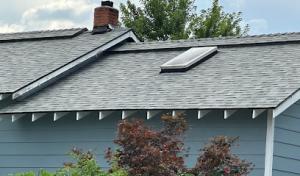
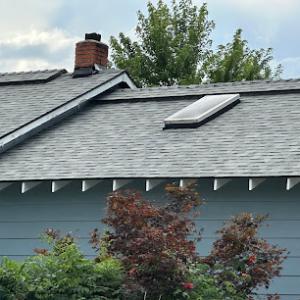
Skylight detailing stands out in this market as a meaningful specialty, reflecting the need for careful detailing at roof penetrations during re-roof projects. Skylights introduce additional angles, flashing requirements, and potential for condensation ingress if not integrated with the surrounding roof plane. When a re-roof is planned, determine whether the existing skylight curb is structurally sound and whether the surrounding flashing has been upgraded to match the new material. Poorly sealed skylight edges are a frequent source of leaks that mimic exterior damage at first glance but stem from interior staining and warped gypsum board. A competent crew will pre-fit flashing to the skylight curb and secure a continuous, drip-free seal that persists through Boise winters and seasonal temperature swings.
The city's contractor mix shows strong re-roofing demand, so many projects involve tying new materials into existing penetrations and edge details rather than roofing brand-new structures. That work demands disciplined detailing at all penetrations-vent pipes, skylights, and any roof-to-wall transitions. A practical approach is to treat each penetration as a potential failure point: verify that the existing penetrations are saddle-bracketed or properly integrated with the new deck, and ensure that any old boot sleeves have been removed and replaced with modern, compatible flashing. Edge details, including fascia and drip edge, should be resettled with the same care as the interior penetrations. When contractors blend new shingles with old, they must respect the original geometry to prevent wind uplift and water tracking along the seam lines. In this climate, meticulous coordination between flashing, vent seals, and edge hardware is not cosmetic-it's a durable safeguard against the moisture cycles that define the local weather pattern.
Find contractors experienced in skylight installation, flashing, and leak repairs to bring natural light into your home.

Intermountain Roofing Company
(208) 713-5871 intermountainroofingcompany.com
Serving
5.0 from 47 reviews

Typical local pricing runs roughly from $350 to $650 per square for asphalt shingles, $600 to $1100 for metal, $900 to $1800 for clay tile, $800 to $1500 for concrete tile, $550 to $900 for wood shingles or shakes, and $500 to $900 for synthetic or composite shingles. In Garden City, those ranges hold whether you're on an older re-roof or a newer infill home, but the exact number you get will hinge on roof complexity, attic access, and how many layers you're removing. If you're replacing like-for-like, you'll usually land toward the lower end of the ranges; if you're changing materials or adding ventilation upgrades, expect the higher end.
Spring hail and wind events across the Boise-area market create a real price pressure in Garden City. When those storms hit, contractor demand surges and schedules tighten, which can push both material and labor costs higher for a short window. If you're planning around a busy spring, build a realistic timeline and factor in potential lead times for materials, especially for clay or concrete tiles, which can require longer ordering and delivery windows. In hot, dry summers, crews may also shorten days, affecting progress on larger or more intricate roofs.
The specific roof-whether it's an older re-roof with variable deck conditions or a newer infill with tighter framing-changes the work required and, therefore, the price. Roof geometry, chimney or skylight count, and any required cleanup-heavy tear-offs drive labor costs up. Additionally, in this market you'll often see variation based on materials chosen; metal and tile alternatives tend to carry higher per-square pricing, but can offer longer lifespans in the Boise River corridor climate. When comparing bids, watch for itemized notes on tear-off labor, waste disposal, underlayment upgrades, and any added ventilation or insulation work that may be recommended after assessment.
Explore specialists in steel, aluminum, and standing seam metal roofs built to last 50 years or more.

Intermountain Roofing Company
(208) 713-5871 intermountainroofingcompany.com
Serving
5.0 from 47 reviews
Idaho's periodic hail and wind events make this area a documentation-heavy roofing insurance market rather than a low-claim environment. Snow winter interruptions, spring hail surges, and hot, dry summers can compress the window for timely claims and repairs. This means having a solid paper trail before, during, and after any damage is crucial to getting the right coverage and timing for your roof work.
After a replacement or major repair, adjusters typically request a clear record of the project. Expect to provide before-and-after photos, detailed contractor estimates, and warranty information. The more precise the documentation, the smoother the claim review will go. Prepare a narrative that links observed damage to your chosen scope of work, and keep notes that match the dates of hail events, wind gusts, or snow incidents.
Take wide shots that capture the full roof and any visible damage, then close-ups of worn shingles, crushed granules, or lifted edges. Photograph attic conditions if there's any signs of leaks or moisture, including stained ceilings and vent flashing. Maintain a dated album that ties each image to a specific date and weather event. Save contractor estimates that itemize materials, labor, and any temporary repairs. Keep a copy of warranty language for the new or replaced materials.
Weather can interrupt access in winter, and sudden claim volume in spring can strain scheduling. Document damage as soon as you can after a storm. If access is delayed due to snow or rainfall, still photograph and log observations, then provide the records to your insurer promptly when access becomes possible. A disciplined timeline helps prevent claim gaps that could complicate coverage or approval.
After work is completed, gather final invoices, warranty documents, and any maintenance guidance from the installer. Store digital copies in a cloud folder alongside the photo log and the original adjuster correspondence. This consolidated set minimizes back-and-forth later and supports enduring value if future hail or wind events challenge the same roof line.
Connect with contractors who help homeowners navigate the claims process from damage assessment to final approval.
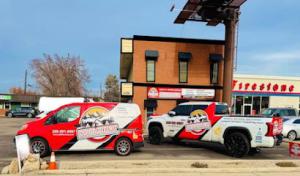
208 Roofing - Roofing Contractor Boise
(208) 591-8997 www.208roofing.com
Serving
4.9 from 48 reviews

Garden City's contractor market includes a notable flat-roof specialty presence, which fits the city's mix of residential, commercial, and mixed-use buildings. When you see a low-slope section on an addition, porch, or storefront, expect more frequent moisture concerns and membrane-related maintenance. Start with a careful surface assessment of any flat or near-flat areas, paying close attention to edge terminations, penetrations, and drainage plan changes.
This matters in a city known for both residential re-roofing and commercial work, where low-slope sections may appear on additions or mixed-use properties. If the plan involves extending or reshaping a roof beyond a simple replacement, prioritize a thorough review of: installed underlayment compatibility, flashing transitions between steep and flat planes, and the slope direction relative to prevailing winds from the Boise River corridor. Early coordination with the contractor helps avoid missed drainage or hidden deck issues.
Plan review becomes more relevant when roof design changes move beyond a simple replacement, especially on buildings with nonstandard roof forms. Gather existing roof drawings, photos, and any prior warranty documentation. Check for compatibility between new membranes and existing substrates, and confirm that transitions from low-slope to higher-slope areas maintain positive drainage and proper venting. In neighborhoods with older re-roofs and newer infill, confirm that added loads from equipment or skylights are accounted for in the structure.
For mixed-use properties, schedule regular inspections after spring hail and fall wind events, focusing on transitions between flat and pitched sections. Keep a log of patch repairs, flashing renewals, and membrane laps to support long-term durability. A practical yearly plan aligns replacement cycles with the property's functional use, helping both residential and commercial portions perform consistently.
Find specialists in TPO, EPDM, and built-up flat roofing systems for residential and commercial properties.