
Last updated: Apr 19, 2026
Hail and wind events slam quickly in this area, and a roof that looks fine from the ground can still suffer hidden damage. Shingle granule loss, hail pocks, curling edges, and intermittent leaks tend to show up after several hours of sun and rain or during the next heavy storm. In this town, claim activity spikes right after spring and summer lines sweep through the western Chicago suburbs, so you're not imagining the surge in contractor crews and insurance adjusters. If you've had a sizable hail event or a strong wind gust, treat the roof as damaged until you've verified otherwise.
After a storm, capture clear photos across multiple angles of all elevations, with close-ups of any impact marks or lifted shingles. Photograph the attic after a rain to check for signs of water intrusion, and note any damp insulation or ceiling stains. Illinois carriers handling Naperville claims often ask for date-of-loss documentation, so jot down when the storm occurred and how it affected your home. Keep evidence of pre-existing wear-hairline cracks in sealant, aging flashing, or worn shingles-separately from new damage. Post-installation warranty records should be organized and easy to present if a claim moves toward replacement.
Because the city sits in the Chicago western suburbs, a regional wave of demand follows spring and summer storms. That means inspection slots, adjuster availability, and replacement crews can be booked days or weeks out. If your roof was damaged, delaying action isn't free; insurers may scrutinize the timeline between loss and repair, and delays can complicate coverage decisions. You'll want to move from claim filing to inspection and then to scheduling a replacement as quickly as you reasonably can, while weather windows stay favorable.
In Naperville, it's not unusual to see multiple crews in a neighborhood after a big hail day, and not all are a good fit. Prioritize contractors who demonstrate transparent damage assessments, have strong communication about the claim process, and come prepared with insulated, weather-tight temporary measures to protect interior spaces during interim repairs. Ask for a written scope that details shingle replacement, flashing, underlayment, and warranty coverage. Verify that any proposed repair plan aligns with the date-of-loss records you've assembled and that the crew can address both the visible damage and potential hidden damage behind fascia and gutters.
Expect an initial inspection to identify hail bruising, lifted tabs, and wind-related wind-lift in valleys and ridge lines. The adjuster may request comparative photographs and a detailed list of pre-existing wear, so ensure your documentation is orderly and complete. Once the claim progresses to a replacement decision, you'll coordinate with the contractor to align the timing with weather and the insurer's required documentation. If a storm line hits your neighborhood, schedule flexibility becomes a critical asset-your ability to secure an accurate scope and solid warranty hinges on moving decisively through inspection, approval, and installation steps.
Perfect Exteriors
(708) 969-1392 www.perfectexteriors.com
10S185 Schoger Dr unit 94, Naperville, Illinois
5.0 from 168 reviews
Perfect Exteriors has been helping guide clients with repairs or home enhancements. Everyone Needs a starting point, Contact us for yours! We are fully licensed contractors, insured, and have great working relationships with townships. We've also maintained an award-winning status with the better business bureau for years. Our teams move with agility and precision to try to respond to your needs as soon as possible. Our Exterior Detectives can deduce your problems and give you cost effective solutions while answering and explaining what's happened. From repairs to complete replacement, our teams are skilled with roofing and siding.
A&D Exteriors
(800) 557-1398 www.andexteriors.com
50 S Main St Suite 200-5, Naperville, Illinois
5.0 from 152 reviews
A&D Exteriors is your premier roofing contractor located at 50 S. Main St, Suite 200-5, known for delivering exceptional roofing solutions. Specializing in roof repair, installation, and maintenance, we ensure top-quality craftsmanship for both residential and commercial properties. Our experienced team is committed to using high-grade materials and innovative techniques to provide durable and aesthetically pleasing roofing services. Trust A&D Exteriors for reliable and efficient service, and experience why we are a preferred choice for roofing needs. Call us today for a free consultation and let us help protect your property with our expert roofing solutions.
Happy Roofing
(630) 234-8331 happyroofing.com
1155 S Washington St Suite 207, Naperville, Illinois
4.9 from 172 reviews
Happy Roofing is the top Naperville, IL roofing company. Our roofers specialize in Malarkey rubberized asphalt shingle installation and roof repair services. Whether your home needs a full roof replacement, a roof repair, shingle repair, roof leak repair, gutter installation, as one of the best roofing contractors we would be honored to help. Because we are local Naperville roofers people in the community trust us with their roofing needs. We're based in Naperville but service nearby communities, including Downers Grove, Lisle, Wheaton, Glen Ellyn, Elmhurst, Darien, Winfield, Burr Ridge, Warrenville, and Willowbrook. We also work in LaGrange, Brookfield, Oak Park, Western Springs, Orland Park, Lemont, Homer Glen, Indian Head Park, and more.

Naperville Roofing & Construction
(630) 541-4998 napervilleroofingandconstruction.com
1701 Quincy Ave #25, Naperville, Illinois
4.9 from 134 reviews
Naperville Roofing and Construction is your trusted Veteran-Owned contractor for professional roofing and home remodeling services in Naperville. We specialize in roof replacement, roof repair, shingles repair, and roof leak solutions. Our expert team is dedicated to delivering high-quality roofing services tailored to the specific needs of homeowners in Naperville, Aurora, Plainfield, Bolingbrook, Burr Ridge, Hinsdale, and Downers Grove. Whether you're dealing with damaged shingles, need a complete roof replacement, or require urgent roof leak repair, we have it covered. We also offer expert kitchen and bathroom remodeling services. With over 28 years of experience, we provide roof replacements and home remodeling solutions.
Walton Contractors
(708) 303-8055 www.walton-contractors.com
236 S Washington St Ste 200, Naperville, Illinois
4.9 from 223 reviews
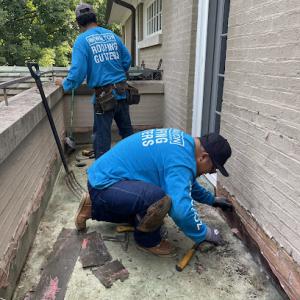
Your roof is the crowning glory of your property and is responsible for protecting your belongings and loved ones; and at Walton Roofing, we are committed to helping that crown shine! Our experienced, licensed, and highly trained roofing contractors provide a comprehensive array of services to residential, commercial, and industrial properties throughout Naperville, Berwyn, and the Greater Chicagoland area. We know how to tailor our approach to the aesthetic and standards of local architecture—delivering the structure, durability, and design you expect…and then some.
Odyssey Home Remodeling
(773) 313-3399 odysseyremodeling.com
105 Jackson Ave #1, Naperville, Illinois
5.0 from 79 reviews
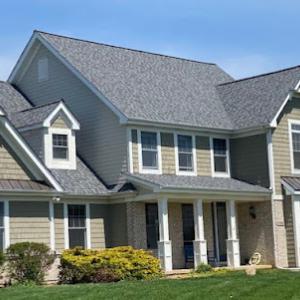
Protect your largest investment with our affordable roof replacement, siding replacement, and window replacement services. At Odyssey we take pride in installing quality products that are manufactured with the latest technologies, installed by certified professionals, and customized to meet both your needs and your budget. We have taken the time to narrow down the type of materials – and manufacturers of those materials – that provide the best value to our customers. Whether you are looking for architectural or designer shingles, DaVinci composite and metal roofing, or modern energy efficient windows and beautiful, long lasting siding – Odyssey Home Remodeling has partnered with the best to provide you with the best.
Roberts Restorations
(630) 915-0280 robertsrestorations.com
1950 N Washington St, Naperville, Illinois
5.0 from 46 reviews
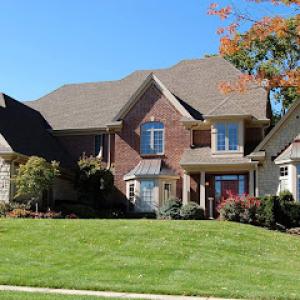
The leader in home exterior improvement and restoration in Northern Illinois and Southern Wisconsin, the team at Roberts Restorations has been providing exceptional service to clients for more than 15 years. We offer both residential and commercial roofing, gutter and siding installation, and free roof inspections. We offer free estimates and convenient financing is available. We pride ourselves on client communication, making things as easy as possible during the insurance claim process, and providing premier services from design to installation.
Storm Guard of Naperville
(630) 354-0836 www.stormguardrc.com
24137 111th St Unit C, Naperville, Illinois
4.8 from 191 reviews
Established in 2015, Storm Guard of Naperville is a trusted roofing contractor specializing in quality roofing, siding, and gutter services. With nearly a decade of experience in retail and working with insurances, we are dedicated to helping homeowners protect and restore their properties after severe weather. Our team prioritizes exceptional craftsmanship and dependable service, ensuring each project meets the highest standards. At Storm Guard of Naperville, your peace of mind and satisfaction are at the heart of what we do.
J&P Parci Roofing
(630) 857-6688 jpparciroofing.com
11236 Highland Dr, Naperville, Illinois
5.0 from 38 reviews
J&P PARCI Roofing Naperville: Your Trusted Roofers Near You At J&P PARCI Roofing, we’re your trusted roofing company Naperville based, with over 20 years of expertise. As premier roofers, we specialize in residential roofing, offering exceptional roof repair, installation, and replacement services. We deliver durable solutions and unmatched craftsmanship. Your roof is in reliable hands with us.
A&D Exteriors & Remodeling
(630) 485-8606 www.ad-exteriors.com
Naperville, Illinois
5.0 from 37 reviews
A&D Exteriors and Remodeling is your trusted partner for high-quality home improvement services. Specializing in Siding Services, Roofing Services, Remodeling Services, Doors Services, and Windows Services, we are committed to enhancing the beauty, functionality, and value of your home. Co-owned and operated by Gordo and Diana, who bring over 10 years of experience, our business delivers exceptional craftsmanship with a personal touch.
M&M Home Remodeling Services - Naperville
Naperville, Illinois
4.9 from 37 reviews
Our team is confident, after our initial due diligence on your property, we will compare favorably over other contractors vying for your business. When it comes to experience, customer service and value – there is no team better. We specialize in working with various businesses such as: HOAs, manufacturers, retail, churches, multi-family organizations, health care, veterinary care, and hospitals. M&M also offers an Annual Maintenance program for our commercial clients. When choosing the right contractor. Choose M&M. From the roof of your home to its siding, M&M provides comprehensive solutions to keep you and your loved ones safe, comfortable, and secure.
Adept Construction Roofing
(630) 360-2730 excellentroofs.com
27W225 79th St, Naperville, Illinois
4.9 from 68 reviews
Adept Construction Roofing, located at 27W225 79th Street, is your go-to roofer near me for top-quality residential roofing services. As a family-owned roofing contractor with over two decades of expertise, we specialize in everything from roof repair and roof replacement to leak repair and shingle repair. Our transparent pricing and personalized service make us the preferred choice in the area. Whether you need a comprehensive roof inspection or a commercial roof upgrade, our skilled team ensures your roof not only looks great but performs well, offering solutions like asphalt shingles, cedar shake, and flat roofing systems. Choose Adept Construction Roofing for superior craftsmanship and peace of mind.
In Naperville, the repeated freeze-thaw swings are a major driver of shingle cracking, fastener movement, flashing stress, and leak development around roof penetrations. The cycle of moisture entering a tiny crack, freezing, and then thawing pushes edges and tabs apart, gradually loosening shingles and compromising sealants. Old roofs are especially vulnerable because years of exposure have already worn granules and flashing laps, so each melt-freeze sequence acts like a small mechanical stress test on the surface.
Shingle tabs that have already begun to split, and flashing laps at chimneys, vents, and skylights, take the brunt of the stress. In Naperville, snow that sits on the roof and then thaws creates extra weight and moisture that climbs into seams. When temperatures drop again, that moisture freezes and expands, widening gaps. Valleys, ridges, and eave lines are common failure points because they see the most movement and the most exposure to shifting ice and water. The result can be micro-leaks that only show up after a thaw or during spring rain, sometimes well after the initial crack first appeared.
Snow followed by thawing and refreezing is especially hard on older roofs in Naperville because moisture can work into vulnerable shingle tabs and flashing laps before temperatures drop again. The extra moisture sits against underlayment and nail lines, and when a sudden cold snap arrives, that moisture freezes in place, pushing age-old imperfections into full leaks. If your shingles already show curling, granule loss, or exposed fasteners, the risk compounds with each winter cycle.
Replacement timing in Naperville is often planned around avoiding the harshest winter installation conditions while still addressing damage before spring storm season adds new exposure. The goal is to complete repairs or full reroofs after the autumn lull or before late-winter freezes ease into a spring thaw. This approach reduces the chance of weather-related delays and minimizes the window when a roof is open to wind-driven snow and rain. If leaks are actively progressing or you notice sudden moisture intrusion after a thaw, prioritize a quick assessment to determine whether a temporary fix is warranted while scheduling a full replacement for a safer window.
Begin with a careful post-thaw inspection for active leaks around penetrations and along eaves. Document any new drips, damp spots, or ice dam formations, and track whether they correlate with temperature swings. For suspected hail- or wind-related damage, arrange a professional assessment to identify compromised fasteners, flashing, or missing granules. If a problem is detected that cannot be resolved quickly, consider a temporary seal or tarp to minimize water intrusion while planning a targeted replacement window during the preferred season. Regular maintenance and timely attention to flashing and sealant laps can extend roof life through Naperville's challenging winter cycles.
Asphalt shingles are the default choice for many Naperville reroofs because they fit the city's large suburban housing stock and offer the broadest balance of cost, appearance, and storm-repair practicality. The typical suburban roof line in this area blends well with dimensional or architectural shingle profiles that mimic wood and add curb appeal without overwhelming the existing structure. When wind-driven hail or quick spring storms occur, asphalt shingles are generally easier and faster to repair, with widely available replacement panels and matching colors. For homeowners weighing timing and disruption, asphalt remains a practical option that aligns with common roof framing and attic ventilation patterns found on many local homes.
Metal roofing, clay tile, concrete tile, synthetic/composite shingles, and slate are all present in the local market, but heavier systems can trigger structural and detailing considerations on homes not originally designed for them. Metal offers excellent hail resistance and a longer service life, but sound performance and the weight distribution over existing sheathing should be evaluated, especially on older or lighter-built homes. Clay and concrete tiles bring distinctive aesthetics and strong durability in dry periods, yet their added weight may require a structural assessment and potential reinforcement. Synthetic or composite shingles aim to combine durability with lighter weight and broader design options, but the long-term performance under freeze-thaw cycles should be matched to the climate and maintenance expectations. Slate delivers exceptional longevity and a refined look, yet its high weight and cost demand careful structural review and precise workmanship. In practice, a reliable Naperville reroof plan often starts with asphalt and only shifts to these heavier or more specialized options if the home's framing, deck, and geometry can support them without compromising ventilation, flashing details, or attic insulation.
The local climate features humidity, hot summers, winter freeze-thaw cycles, and sporadic hail exposure. Material choice should consider how each option handles rapid temperature shifts, moisture intrusion, and wind-driven impacts over time. Asphalt shingles respond well to mid-Atlantic-like humidity patterns and vervangen hail impacts with straightforward repairs, keeping the roof line consistent with surrounding residences. If choosing a heavier system, anticipate additional considerations: structural reinforcement, enhanced underlayment, and meticulous flashing around chimneys and vented penetrations to prevent moisture intrusion during icy periods. Weather-resilience is not one-size-fits-all; it depends on roof pitch, overhangs, and how the attic is vented. For a home with a steeper slope and ample attic space, a premium shingle may deliver extended durability without the structural upgrades required by clay or slate.
When evaluating options, start with a color and texture that complements the home's exterior and the visible neighborhood landscape, ensuring solar reflectance aligns with energy goals. Consider the maintenance rhythm typical for Naperville: rapid post-storm inspections, soot and pollen cleaning, and periodic ice dam mitigation in areas with heavier snowfall. For a house with a standard suburban footprint, asphalt shingles provide a reliable, easy-to-service solution that accommodates future repairs and color matching. If the architecture or budget supports a heavier or more distinctive material, insist on a detailed structural assessment, including deck spacing, truss capacity, and ventilation strategy, to preserve long-term performance and prevent unintended impacts on insulation and interior comfort.
In Naperville, asphalt shingles remain the most common choice for suburban roofs, with costs typically ranging from $320 to $550 per square installed. The price you see locally tends to be steered by storm-driven demand, especially after a major hail or wind event in the western Chicago suburbs. When demand spikes, crews and material supply tighten, and the total project price can edge higher even if the material itself stays within the standard range. For two-story homes with modest roof complexity, asphalt often lands toward the middle of the band, but larger homes with more angles and additional features can push the final number upward.
Metal roofs command a higher premium, generally from $700 to $1,200 per square in this market. In Naperville, the premium is amplified by storm activity that drives rapid scheduling needs and, at times, tight labor availability. For two-story houses with complex rooflines, the installation complexity adds to the price because edging, flashing, and integration with dormers or skylights require meticulous detailing. If a homeowner anticipates future hail resistance and longer service life, metal can be a cost-effective choice despite the higher upfront price.
Clay tile typically runs from $900 to $1,600 per square. The local climate and freeze-thaw cycles influence material handling and underlayment choices, nudging the cost higher where long-term durability matters. In newer planned subdivisions, you'll often encounter rooflines that increase handling complexity, which translates into more labor hours and higher total cost. For Naperville homeowners, clay tile is most appealing on homes with a Mediterranean or upscale aesthetic and where the long life span justifies the initial investment.
Concrete tile lands in a similar ballpark to clay, about $800 to $1,500 per square. In this market, larger two-story homes with multiple valleys and dormers drive up labor time, edge work, and debris management. Extra weight considerations demand careful structural assessment, which can add to the project scope and the final price. If you're balancing weight and durability in a newer subdivision with complex geometry, concrete tile often remains a favorable compromise.
Synthetic or composite shingles typically range from $500 to $900 per square. Local demand surges still push costs upward after hail or wind events, but synthetic options can offer a good balance of durability and weight. In homes with intricate rooflines, the precision of the system integration-valleys, venting, and accent features-plays a major role in the final quote. For two-story plans with more features, expect prices toward the higher end of the band.
Slate ranges from $1,100 to $1,800 per square. In Naperville, slate is often chosen for its longevity in freeze-thaw conditions and its refined curb appeal. However, heavy weight and careful installation requirements mean labor times and logistics can push the total well above the base material cost, especially on roofs with complex geometry. If the home features ornate detailing or multiple dormers, slate pricing scales upward accordingly.
Get a clear picture of your project costs upfront - no commitment required.
A&D Exteriors
(800) 557-1398 www.andexteriors.com
50 S Main St Suite 200-5, Naperville, Illinois
5.0 from 152 reviews
Roberts Restorations
(630) 915-0280 robertsrestorations.com
1950 N Washington St, Naperville, Illinois
5.0 from 46 reviews
M&M Home Remodeling Services - Naperville
Naperville, Illinois
4.9 from 37 reviews
Reroofs in Naperville typically require a permit through the City of Naperville Building & Zoning Department. That means before any shingle bundles are hauled to the roof, the project needs formal approval, and the plan must align with local codes and zoning rules. Missing a permit or rushing work without one can trigger delays, fines, and the need to redo parts of the project to satisfy inspectors. The process is not a nuisance-it's a concrete safeguard that keeps neighborhoods predictable and prevents later headaches when selling or refinancing.
Naperville uses an online portal for permit submission and for requesting required inspections during and after the roofing project. That portal is your project timeline. Submissions should include scope, photos, and any required structural or drainage notes. Inspections are not a one-and-done step; they are staggered milestones that happen during progress and at the end. Plan ahead for inspection windows, and be prepared for weather-related rescheduling. Delays in obtaining or passing inspections can extend the project well beyond the initial expectation, especially in spring hail seasons when crews are juggling multiple jobs.
Expect an initial inspection once work has begun to verify access, material storage, and safety measures. A mid-project inspection may be required to confirm roof sheathing, decking, and nailing patterns meet code. A final inspection closes the permit, certifying that the work complies with all applicable rules and that the site is left in a compliant, weather-tight state. In practice, the final inspection is the crucial closeout moment. If the contractor leaves the permit open or misses the final inspection, the project remains technically noncompliant, which can complicate future property transactions and insurance claims.
To avoid trouble at closing, it is essential that the contractor completes the permit closeout. This means not only finishing the roof but also ensuring all required inspection reports are filed, all notes are addressed, and the final inspection passes without unresolved items. If a final inspection is not scheduled or if the permit is allowed to linger, the responsibility falls back to you as the homeowner in many cases. Verify, in writing, that the contractor has requested the final inspection and submitted the final paperwork before you sign off on the project. This diligence saves surprises when you need to show permits and inspections for sale, refinancing, or insurance documentation.
In this area, roof claims are actively adjusted after hail and wind events that hit the Chicago metro region. The process can unfold more slowly when claim volumes spike, so understanding the sequence and staying organized helps. A Naperville homeowner should expect that adjusters may take longer to respond during peak periods, and having ready documentation can keep the claim moving.
Start by documenting exterior damage as soon as it is safe to inspect. Take date-stamped photos of shingles, granule loss, on-roof impact marks, and any flashing or vent damage. Inside, note any leaks or attic staining and their dates, even if the roof seems unaffected at first. Keep a simple log of weather events and any temporary fixes you apply, such as tarping or plywood covers. If a contractor or roofer visits, obtain written findings and photos with dates and include them in the claim file. In Naperville, where storms can be frequent, assembling a consistent set of exterior photos, interior notes, and contractor observations is especially valuable.
Because carriers may question pre-existing conditions, gather all documentation into one claim file. Include the initial claim notice, all inspection photos, contractor findings, and the final warranty paperwork from the chosen roofing system. Arrange items chronologically and ensure each item has a date. Digital uploads should be backed up, with a quick reference index so you can locate each photo or report during conversations with the adjuster. Keeping this file intact helps prevent back-and-forth delays common during high-claim periods.
During heavy claim activity, expect longer response times. Proactively provide your file to the adjuster and request a written summary of next steps and required documentation. If an adjuster asks for pre-existing condition clarification, reference your organized file and point to dated photos and contractor reports. Reiterate mitigation steps you have taken and any temporary fixes, so the claim can be evaluated without ambiguity.
Connect with contractors who help homeowners navigate the claims process from damage assessment to final approval.
A&D Exteriors
(800) 557-1398 www.andexteriors.com
50 S Main St Suite 200-5, Naperville, Illinois
5.0 from 152 reviews
Happy Roofing
(630) 234-8331 happyroofing.com
1155 S Washington St Suite 207, Naperville, Illinois
4.9 from 172 reviews

Naperville Roofing & Construction
(630) 541-4998 napervilleroofingandconstruction.com
1701 Quincy Ave #25, Naperville, Illinois
4.9 from 134 reviews
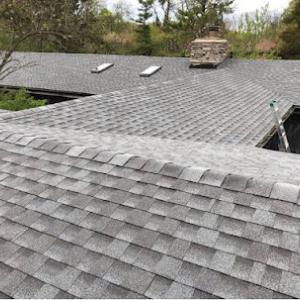
Naperville's home layouts often put skylights into high-traffic attic corridors, with flashing and curb details that bear the brunt of freeze-thaw cycles. When a roof carries multiple transitions, those skylight penetrations become hot spots for leaks if flashing memory or curb integrity isn't maintained. In this climate, any gap that forms around the curb or flashing can channel water right into the ceiling during a mid-winter thaw or a sudden warm spell. A careful inspection should focus on the seam where the curb meets the roof, the step-flashing along the flashing boots, and the condition of the sealant around the skylight frame. If a flashing leak is suspected, address it promptly rather than letting it creep into attic insulation and rafters, where damage compounds quickly.
Chimney intersections are another Naperville reality given the large stock of steep-slope homes with brick or stone chimneys that pierce multiple roof planes. The point where the chimney meets the roof is inherently vulnerable because flashing must seal a changing surface geometry as the roof transitions. Winds can peel back step-flashing, and freeze-thaw cycles can widen any hairline gaps. Pay attention to the intersection boots, mortar joints, and the sealant along the chimney base. A small crack in mortar or a loose shingle tab at the transition can grow into active leaks in a single storm, especially when freezing nights follow windy days.
Detached garages, additions, porches, and rear architectural features commonly create mixed-slope systems on the same property. Those differing pitches demand different materials and drainage details, which means the roof's edge lines and valley areas must be checked where slopes meet. In Naperville, a single failure can allow water to flow from one slope into a lower-lying section, pooling toward a ridge vent or into a valley. Routine checks should verify that each slope uses compatible materials, that valley flashing remains sealed, and that drainage pathways are clear so meltwater doesn't linger near joints.
During freeze-thaw periods, low-slope patches and transitions around skylights or chimneys are particularly at risk for ice dam formation. Ensure that flashing around these features is continuous and free of voids, and that roofing underlayment under the flashing remains intact. In a city with frequent hail and wind claim activity, a proactive resealing and flashing refresh around skylights and chimney bases can prevent costly interior damage, even on homes with seemingly minor exterior issues.
Find contractors experienced in skylight installation, flashing, and leak repairs to bring natural light into your home.
Happy Roofing
(630) 234-8331 happyroofing.com
1155 S Washington St Suite 207, Naperville, Illinois
4.9 from 172 reviews
Naperville Roofing & Construction
(630) 541-4998 napervilleroofingandconstruction.com
1701 Quincy Ave #25, Naperville, Illinois
4.9 from 134 reviews
Storm Guard of Naperville
(630) 354-0836 www.stormguardrc.com
24137 111th St Unit C, Naperville, Illinois
4.8 from 191 reviews
In a dense contractor scene, you'll see long-established local reroofers alongside storm-chasing outfits that arrive after a big weather event. The difference shows up in how they communicate, how they document work, and how they follow through on cleanup and warranty concerns. You want a crew that has a sustained local presence, not just a one-off crew parked on the curb after a hail event. Look for crews that can reference recent, nearby jobs and who can provide verifiable local references. The goal is a partner who understands the neighborhood wind patterns, typical shingle wear, and the way steep-slope roofs shed a late-summer storm.
Local hiring priorities favor a quick, coordinated response, clean in-progress work, real residential experience, and a clear scope with defined milestones. The right contractor will walk you through sequence steps and show you a written scope that covers roof removal, underlayment, vent work, flashing, and a realistic cleanup plan. They should be comfortable explaining how they protect landscaping and how they handle debris containment on a busy street. If a bid feels vague or shifts mid-project, that's a red flag. In practice, you're looking for straightforward contracts that spell out materials, colors, timelines, and responsibilities without pressure to upgrade midstream.
Because the city's permit process is hands-on, you need to confirm who is pulling the permit, who schedules inspections, and who handles final closeout. The right bidder will provide a single point of contact for all permit-related steps and will keep you posted on inspection dates. They should deliver clear documentation showing when each phase is completed and how any deficiencies are addressed. A credible crew treats closeout as part of the project, not an afterthought, ensuring your file shows all inspections passed and final lien waivers are in place.
Choose a roofer who can demonstrate residential experience with typical Naperville roofs, including steep slopes and mixed materials. A practical crew schedules efficient, weather-aware work windows, manages on-site safety, and maintains a tidy, staged job site. If a contractor can clearly explain their approach to flashing, venting, and attic ventilation in plain terms, you are likely dealing with a local, responsible option rather than a transient operator.