
Last updated: Apr 19, 2026
Winter in this southwest suburban Chicago area is unforgiving. Orland Park homeowners contend with repeated freeze-thaw cycles that push moisture up under shingles and into eaves. The snow that piles onto roofs acts like a blanket, then suddenly glares back as temperatures swing above freezing. Ice dams form at the eaves where heat escapes the attic, melting a layer of snow that refreezes at the roof edge. That thin ice shield drives water back under shingles, into soffits, and often leaks into ceilings and walls. If gutters are clogged or misaligned, the damming is even worse, directing meltwater toward vulnerable flashing and joints. The result is moisture intrusion that weakens roof decks and invites mold behind walls. This is not a one-season issue; it starts as soon as a mid-winter warm spell arrives and lingers long enough to melt edge snow. You must treat ice damting as a chronic risk, not a one-off anomaly.
Spring storms in this area arrive with hail, heavy rain, and gusty winds, sometimes just after a harsh winter. These events can interrupt roofing work and push projects into tight windows, creating short-term demand spikes. Hail damage is not always obvious from the ground; granule loss, dented metal, compromised shingles, and damaged flashing can show up after a day of sunny skies when hail-carved damage becomes visible. Wind-driven debris can tear at edges, loosen vents, and peel back shingles enough to invite moisture intrusions. When a spring storm hits, a rushed roof replacement or quick fixes may look tempting, but the urgency should be balanced with a plan that preserves proper venting, flashing, and all-weather sealing. If a storm forces a pause in work, schedule a thorough inspection as soon as conditions allow, so hidden damage doesn't compound over months.
First, ensure attic insulation and ventilation are adequate. Poor venting accelerates ice dam formation by increasing roof edge heat. In winter, keep soffit vents clear and consider a simple attic inspection path to confirm there are no gaps or compromised baffles. Second, monitor snow load on the roof after heavy storms. If you notice large cornices, cracked shingles at the eaves, or water streaks along interior walls near the ceiling, inspect or hire a trusted local roofer to assess. Third, keep gutters clean and secure; ice buildup behind blocked gutters is a leading precursor to damming. Consider installing heat cables only if recommended by an experienced local contractor, and ensure proper height clearance so the system does not create its own issues at the roof edge. Finally, treat any observed roof edge damage as a warning sign, not a cosmetic issue. Damaged flashing, lifted shingles, or torn edge sealants can escalate quickly with the next freeze-thaw cycle.
If you see water spots near ceilings that align with roof lines, or if attic condensation appears excessive in winter, these are red flags. Do not delay a professional inspection after a major hail event or wind storm. Orland Park roofs experience a unique rhythm: winter ice dam pressure followed by spring storm stress. Staying ahead with targeted maintenance and timely inspections helps you avoid cascading damage, protect your interior, and keep your roof performing through the seasons.
As a homeowner in this market, you'll notice a broader mix of roofing materials on local homes than in many nearby suburbs. Asphalt shingles, metal roofing, clay tile, concrete tile, slate, and aluminum roofing all show up in Orland Park's housing stock. The climate-with cold winters, warm summers, and repeat freeze-thaw cycles-puts a premium on how the underlayment, vents, and flashing perform across material types. When planning a project, consider how seasonal expansion and contraction will affect the full system, not just the visible surface.
Asphalt shingles remain a common choice due to familiarity, cost-effectiveness, and straightforward replacement. In a market with a lot of older homes alongside newer builds, you'll often see a neat balance between traditional three-tab styles and architectural shingles to help maintain neighborhood aesthetics. The key in Orland Park is ensuring the underlayment and flashing are correctly matched to the roof slope and venting plan, since the winter-summer cycle can stress layers differently than in milder climates. If a roof replacement is necessary, choosing a shingle with good granule retention and a thicker profile can help resist wind uplift and snow-driven damage, while still aligning with nearby homes.
Metal roofs respond well to freeze-thaw patterns and rapid temperature swings, reducing some ice dam risk when paired with proper insulation and ventilation. In this market, metal often pairs with solid deck protection and well-sealed penetrations to maintain continuity through cold snaps. Aesthetic compatibility matters too, since many yards feature homes with varied rooflines and dormers. Metal can provide excellent lifespan when the underlayment and flashing are matched to roof geometry, and when snow shedding is considered to minimize ice dam formation at eave lines. For those upgrading from shingles, metal offers a clean, fast installation that can blend with surrounding high-end homes that favor a contemporary or industrial look.
Clay tile stands out in Orland Park's landscape, especially on homes aiming for a higher-end curb appeal. However, tile's heavy weight requires a structurally sound deck and accurate attachment details to withstand snow loads. The seasonal movement of a cold-winter, warm-summer climate means that tile systems must have continuous, compatible underlayment and flashing at ridges and penetrations. If replacing a tile roof, match the color and profile to neighboring properties to preserve neighborhood character while ensuring that the attic has adequate insulation and ventilation to minimize ice dam risk.
Concrete tiles offer similar performance benefits to clay but with potentially different finishes and weights. In this market, concrete tile is a common choice for larger homes or properties seeking a durable, life-long look. The weight and rigidity require precise framing and a properly deployed underlayment system. When selecting concrete tiles, consider how the color and texture will weather in the Chicago area and how the system will handle freeze-thaw cycles across multiple seasons.
Slate provides a premium, timeless appearance that suits upscale neighborhoods with a heritage look. Its natural density and long life make it attractive, but slate is sensitive to substrate condition and requires precise installation to tolerate freeze-thaw movement. In Orland Park, slate replacements often aim to honor existing high-end aesthetics while delivering reliable performance against ice dam formation and wind uplift. Ensure that flashing transitions and ridge lines are meticulously sealed to protect underlayment and interior ceilings.
Aluminum roofing offers a lighter alternative that can still deliver modern performance and a clean visual line. In this market, aluminum can be a good compromise when replacing a roof where structural dampening or weight is a concern. Pay close attention to underlayment compatibility and coastal-style or contemporary profiles that blend with neighboring homes. Aluminum's resilience to seasonal stress depends on correct attachment and careful seam sealing to guard against ice dam intrusion and water entry.
Replacement planning in this market often involves matching existing higher-end neighborhood aesthetics as well as performance, so consider color, profile, and compatibility with surrounding homes as you decide among these options.
In this market, asphalt shingles sit in the 350 to 700 USD per square range, metal roofing runs roughly 600 to 1400 per square, clay tile 900 to 1800, concrete tile 800 to 1700, slate 1000 to 2500, and aluminum roofing 500 to 1000 per square. These figures reflect the mix of homes common in the area, from modest bungalows to two-story clusters, where roof pitch and exposure influence material use and waste. When you're pricing, multiply by 100 square feet per square for a direct storefront comparison, and don't forget to account for underlayment, vents, and flashing that vary with roof type. The spread within each category covers typical quality grades and bespoke installer preferences.
Costs in Orland Park can rise after spring hail and storm periods because scheduling pressure and material availability become more volatile in this market. The window after a damaging event often compresses, pushing up both materials and labor as crews juggle multiple emergency calls. If your project starts in the immediate aftermath of a storm, expect tighter scheduling, faster mobilizations, and potential add-ons like impact-resistant upgrades or updated underlayment to improve future resilience. Planning for a modest cushion in both timeline and bid can help avoid sticker shock when storm debris clears and the contractor shifts to your project.
Re-roofs in this area commonly require a paced sequence: removal, decking inspection, underlayment, and flashing rebuilds staged with weather windows. Storm-driven demand can extend lead times for materials, especially for metal and concrete tiles, which are less forgiving in supply cycles. If you're balancing insurance-driven timing or coordinating with spring cleanup, your bid should itemize milestones and contingencies. Expect longer timelines on higher-end materials or when specialized ventilation and attic insulation upgrades are recommended to prevent future ice dam issues.
Your roof's exposure, attic ventilation, and typical freeze-thaw cycles steer material choice beyond upfront cost. Asphalt shingles remain the most economical and simplest to install, but metal can offer standout durability against wind and ice dam risk, while concrete or clay tiles provide long life with heavier structural demands. Slate is a premium option that dramatically alters both cost and roof weight. Weigh not only price per square, but long-term performance in snow, ice, and temperature swings, plus the added complexity of installation and local warranty considerations.
Get a clear picture of your project costs upfront - no commitment required.
W-Kat Roofing
(630) 329-4787 www.wkatroofing.com
7730 W 144th St, Orland Park, Illinois
4.9 from 64 reviews
Orland Park Promar Roofing
(708) 218-9105 orlandparkpromarroofing.com
14604 John Humphrey Dr, Orland Park, Illinois
5.0 from 6 reviews
Roofing Staff & Remodeling
(708) 897-9909 roofingstaff.com
11545 183rd Pl Unit 111, Orland Park, Illinois
5.0 from 220 reviews
Roofing installation, Gutter installation, Siding installation.
A+ Quality Home Improvement
(833) 469-4842 www.gowithaplus.com
16555 108th Ave Suite: 204, Orland Park, Illinois
5.0 from 88 reviews
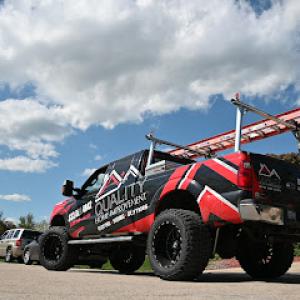
A+ Quality Home Improvement is a Chicagoland exteriors specialist contractor, family-owned and operated by two cousins, Lukas and Rafal. With a combination of over 20 years of experience, Rafal and Lukas started the company together. Lukas has been in the industry since 2010 when he was an adjuster for the insurance companies helping homeowners after the storm damage. Rafal was a contractor recruiter for a project management company since 2008 before starting the company. Today A+ Quality Home Improvement is well known for its A+ Quality rankings with the BBB and with Home Advisers where hundreds of happy customers who own single-family homes or association multifamily units have been serviced.
ProFlat Roofing Company
(708) 675-2430 flatroofingorlandpark.com
85122 Cressmoor Ct, Orland Park, Illinois
5.0 from 40 reviews
There is only one way to get the most from your roofing company in Orland Park, and that’s by calling ALL ROOFs for the ultimate roofing contractors. We outperform other roofing companies in Orland Park because our roofing specialists are highly experienced, exceptionally skilled, and ready to work on your roof repair. Homeowners can count on ALL ROOFs for top-quality roofing every time. We make roof replacement and roofing installation in Orland Park look easy, and we offer commercial roofing as well, so no matter what size roof, we can be there for you. Contact ALL ROOFs for your next roof replacement in Orland Park today and we can provide you with the professional expertise you need.
Artex Roofing
(630) 841-4813 artexroofing.com
14346 Streamwood Dr, Orland Park, Illinois
4.8 from 101 reviews
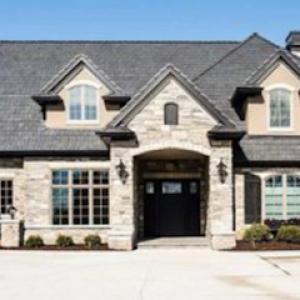
Artex Roofing is the best roof installation company in surrounding Chicago-land area. We specialize in new shingle and tear off roof installation, gutter installation and both commercial and industrial roofing service.
W-Kat Roofing
(630) 329-4787 www.wkatroofing.com
7730 W 144th St, Orland Park, Illinois
4.9 from 64 reviews
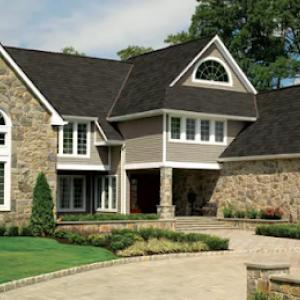
W-Kat Roofing Company & Roof Repair Orland Park delivers top-notch roofing and repair services to homeowners and businesses throughout the Orland Park region. We understand the importance of a reliable, safe roof, and are committed to providing quality workmanship at transparent prices. Choose us for our experienced team, prompt service, and dedication to your satisfaction. What sets us apart is our unwavering commitment to doing the job right the first time, ensuring your peace of mind. We're your trusted local roofing experts! Contact us today for a free quote and experience the W-KAT Roofing difference.
Total Roofing & Construction Services
(630) 299-5385 totalroofingandconstruction.com
15255 S 94th Ave Suite 500, Orland Park, Illinois
5.0 from 26 reviews
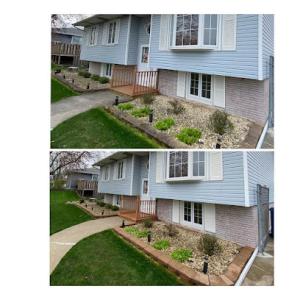
"Total Roofing & Construction Services, Inc. is a licensed, insured, and trusted roofing contractor. We've been servicing the Chicagoland region and Northwest Indiana for over 37 years. We specialize in both residential and commercial projects. In addition, we are certified siding, gutters, windows, and door installers. We are a family run and operated organization."
SWS Roofing
(708) 433-9962 www.swsroofing.com
15255 S 94th Ave, Orland Park, Illinois
4.7 from 72 reviews
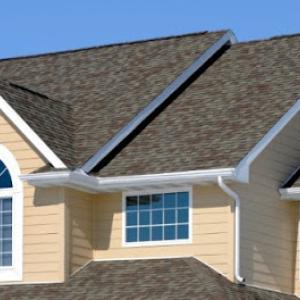
SWS Roofing has been Orland Park's trusted roofing contractor since 2010. As a GAF & CertainTeed certified installer, we specialize in roof replacement, repair, and storm damage restoration throughout Cook County. Our family-owned business offers 24/7 emergency services with fast, efficient solutions for residential and commercial properties. We're insurance restoration specialists who work directly with carriers to streamline your claim process. Our certified crews deliver premium craftsmanship backed by industry-leading warranties including CertainTeed's 50-year Sure Start protection. Schedule your free consultation today and experience why homeowners trust SWS for quality that exceeds expectations.

AJ Exteriors & Roofing
(630) 313-9805 ajexteriors.com
16308 107th Ave Suite #5, Orland Park, Illinois
4.9 from 35 reviews
Family-owned and operated since 2011, AJ Exteriors & Roofing has been a trusted name in residential renovation throughout Chicagoland's southwest and western suburbs. We believe every home is unique and deserves a durable, standout appeal. Our team of expert roofing and siding contractors is dedicated to understanding your specific needs and delivering exceptional results that not only enhance the beauty of your home but also ensure its long-lasting protection. We take pride in our personalized approach, ensuring your home's exterior reflects your vision and stands the test of time.
Shinglow Roofing Contractors
(815) 927-3350 orlandpark-roofing.com
8512 Plum Tree Dr, Orland Park, Illinois
4.9 from 35 reviews
When looking for a roofing company in Orland Park that will fit you, We are the best choice for you. We provide services such as roof repairs and roof replacements for residential roofing and commercial roofing in Orland Park. Our roofing contractors are well equipped with the latest knowledge to provide solutions for your roofing problems. Shinglow Roofing Contractors has been providing services for years, which makes us one of the best roofing companies in the Orland Park area. If you have leaks, we will find it for you so that you do not have to worry about mold infestation in your home or business. Our roofers will ensure that your roof will function at its best when we're done. We are your go-to when it comes to your roofing needs!
Guardian Roofing Systems
(312) 590-4853 www.guardianroofingsystems.com
Orland Park, Illinois
4.9 from 14 reviews
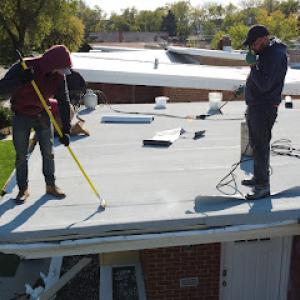
Guardian Roofing Systems delivers dependable residential, commercial, and industrial roofing throughout Alsip and the greater Chicago area. With 10+ years of experience, licensed installers, and owner-supervised projects, we provide reliable repairs, replacements, and flat-roof solutions built for long-term durability. As a family-owned company, we offer personal communication, quick estimates, quality materials, and workmanship you can trust to protect your property season after season.
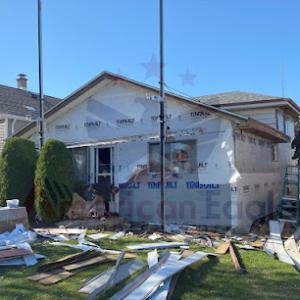
American Eagle Contractors
(888) 871-7206 americaneaglecontractors.com
15255 S 94th Ave 5th floor, Orland Park, Illinois
4.7 from 12 reviews
Roofing company, siding, fence, windows, gutters and Solar Panels.
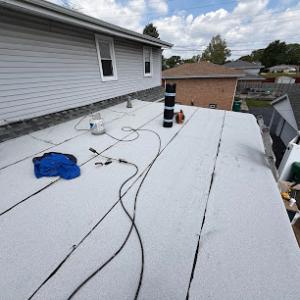
AWG Roofing
15826 LaGrange Rd, Orland Park, Illinois
5.0 from 7 reviews
AWG Roofing our company is based on the belief that the needs of our customers are of the utmost importance. Our team is committed to meeting those needs. We welcome the opportunity to earn your trust and deliver you the best service. No job is too big or too small for our experienced team. Call today for a quote
A building permit is typically required for a full re-roof, and it is issued by the Village of Orland Park Building Department. Starting work without a permit can lead to stop-work orders, fines, and the need to uncover and redo installed materials to meet code. Before any shingle or panel installation begins, verify that the permit is secured and that the scope of work matches the approved plan. This isn't just a formality; it ensures venting, flashing, and overall roof assembly meet local standards and will pass final review.
Inspections in this area commonly occur at underlayment and final stages, not only at project closeout. Waiting until the end to schedule can leave gaps where small issues go unnoticed and compound into costly rework. An early underlayment check helps confirm proper nailing patterns, ventilation, and moisture barrier installation. The final inspection confirms that the new roof complies with Village requirements and that all components-from vents to flashings-are in place and functioning as intended.
Local inspection review focuses on venting, flashing, and material compatibility. Improper venting can lead to attic condensation, ice dam risk, or energy inefficiency, especially during freeze-thaw cycles. Flashing must be continuous and properly sealed around chimneys, walls, and roof-to-wall transitions to prevent leaks. Material compatibility is checked to ensure the chosen shingles or metal pieces work with existing roof lines and underlayment. Be prepared for questions about attic ventilation and roof edge details, since these are common points of concern during review.
Homeowners may encounter scheduling backlog quirks with inspection timing. Demand can be higher after storms or during peak renovation months, and the building department can queue inspections in a way that stretches the timeline. Plan for potential wait times and coordinate with the contractor to prepare for the next available slot. Keeping the project documentation organized-permits, approved plans, and a clear sequence of work-helps streamline reviews and reduces the risk of delays at critical milestones.
Effective coordination reduces the chance of a failed inspection and a costly rework cycle. Ensure the contractor submits the permit application promptly, provides a detailed project scope, and aligns the work plan with inspection milestones. Confirm who will be on-site for each inspection and whether access will be available for roof, attic, and venting checks. Clear communication with the Village Building Department and the contractor helps avoid missteps that could complicate approval and scheduling.
Orland Park's post-storm reality is that Illinois is a frequent hail and wind claim environment, and that directly affects roof replacement decisions after spring and summer storm events. Insurance carriers here tend to scrutinize roof age, patchwork, and the history of repairs more closely than homeowners expect. When storms hammer the region, a clean narrative about damage plus a clear timeline helps avoid surprises later in the process.
Documenting damage quickly matters. After hail, wind, or a winter leak, take comprehensive photos from multiple angles, including skylights and eaves. Note any granule loss, staining, curling shingles, or lifted flashing. Keep weathered material samples if possible. This material evidence becomes part of the claim file and can speed a settlement when the focus is on new damage versus older wear.
Age and repair history can influence claim outcomes. Homes in the southwest Chicago suburbs often carry layered repair histories from repeated Midwest storms. Carriers may question whether late-life wear contributed to a loss, which can shift the narrative toward replacement versus repair. Understanding that nuance helps set expectations and avoids overpromising what the policy will cover.
Coordinating with adjusters and contractors requires a practical mindset. Adjusters commonly request photos and contractor estimates, so you benefit from having documentation ready and a consistent description of damage. When presenting options, emphasize roof replacement timing in light of storm patterns and the risk of ice dam formation during long winter periods. In many Orland Park neighborhoods, a proactive, well-documented approach can align insurance expectations with what a proper, code-compliant roof needs to withstand next season's snow and wind.
Homeowners should recognize that the claim timeline stretches across weeks, not days, and weather windows influence scheduling. An older, multi-layered roof can trigger more extensive evaluations, and decisions creep toward replacement even when one event causes partial damage. Keeping steady communication with the insurer, the contractor, and village-approved roofer helps avoid delays and addresses ice dam risk before thaw.
Connect with contractors who help homeowners navigate the claims process from damage assessment to final approval.
Roofing Staff & Remodeling
(708) 897-9909 roofingstaff.com
11545 183rd Pl Unit 111, Orland Park, Illinois
5.0 from 220 reviews
A+ Quality Home Improvement
(833) 469-4842 www.gowithaplus.com
16555 108th Ave Suite: 204, Orland Park, Illinois
5.0 from 88 reviews
Artex Roofing
(630) 841-4813 artexroofing.com
14346 Streamwood Dr, Orland Park, Illinois
4.8 from 101 reviews
Active contractor signals show meaningful demand in Orland Park for both flat-roof work and skylight-related roofing repairs, indicating these are recurring homeowner pain points locally. Start by walking the roof edge and looking for pooled water on any flat or low-slope sections, and inspect skylight surrounds for signs of UV wear, sealant failure, or bead gaps where the curb meets the roofing. Ferrying water away from the surface with a simple visual scan after a rain or heavy dew helps confirm problem areas before they worsen.
Low-slope sections are inherently more sensitive to drainage issues. On a typical home in the area, drainage margins can become cramped as temperatures swing and snow loads accumulate, which stresses the underlayment. Ensure the underlayment lies flat and fully covers transitions to steeper pitches without wrinkling. Pay close attention to any edge fasteners or seams that show signs of movement after heat exposure in July and August, which can indicate marginal protection against moisture intrusion.
Summer heat and humidity in Orland Park can affect underlayment performance and installation conditions, which is especially relevant on low-slope sections where drainage margins are tighter. Heat can soften certain membranes, making laps and seams more susceptible to misalignment. Plan installations or repairs for cooler parts of the day whenever possible, and verify that adhesive or self-sealing membranes cure with proper venting and airflow beneath the deck to prevent trapped moisture.
Winter moisture intrusion risk in Orland Park makes flashing details around skylights and transitions between steep-slope and low-slope sections more consequential than on simpler roof layouts. Inspect the skylight curb for horizontal and vertical flashing continuity, confirming that step flashing wraps properly up the skylight, and that sealant lines remain continuous without gaps. Around transitions, ensure there is a robust waterproofing plan that accommodates both roof planes without creating a trapped moisture pocket.
Schedule seasonal checks focused on flat and skylight areas. Look for loose flashing, blistering, or musty odors near interior ceilings where roof junctions exist. When debris accumulates on low-slope surfaces, it can impede drainage and wick moisture toward seams. Address any observed irregularities promptly with a coordinated repair plan that respects the surrounding roof geometry and the surrounding masonry or siding junctions.
Find specialists in TPO, EPDM, and built-up flat roofing systems for residential and commercial properties.
ProFlat Roofing Company
(708) 675-2430 flatroofingorlandpark.com
85122 Cressmoor Ct, Orland Park, Illinois
5.0 from 40 reviews
Artex Roofing
(630) 841-4813 artexroofing.com
14346 Streamwood Dr, Orland Park, Illinois
4.8 from 101 reviews
Guardian Roofing Systems
(312) 590-4853 www.guardianroofingsystems.com
Orland Park, Illinois
4.9 from 14 reviews