
Last updated: Apr 19, 2026
Spring storm activity in this area consistently drives a spike in roof inspections, temporary protection needs, and the documentation that insurance adjusters demand. When a hail event or a strong wind gust hits, you should treat your roof as a high-priority emergency: assess for obvious damage, then photograph from safe ground and, if you can do so safely, from a ladder with someone spotting you. Waterloo sits in a Northeast Iowa hail and wind claim environment where spring storm activity regularly drives roof inspections, temporary protection, and insurance documentation needs. The goal is to capture the severity while the storm season is fresh so the claim process doesn't stall on delays or questions. If you notice lifted shingles, bruised metal, dented flashing, or granule loss in gutters, those are red flags that a formal inspection is warranted promptly.
Winter snow and ice complicate access and make roof work hazardous. In these conditions, tarping or leak control becomes the practical, immediate action you can take to limit interior damage. You should implement a leak plan that prioritizes containment: place tarps or plastic sheeting over compromised roof areas, secure edges to prevent flapping, and arrange for a quick follow-up inspection as soon as temperatures permit safe access. Because winter weather can stall full replacement, you need a plan that bridges the gap between storm impact and the moment conditions improve. This usually means short-term protection with a documented on-site step-by-step approach that a trusted local contractor can validate and reference in communication with your insurer.
Post-storm contractor demand spikes in Waterloo can lengthen inspection and adjuster timelines, making photo documentation and prompt reporting especially important locally. Insurers rely on contemporaneous evidence, so your photos should be dated, clearly show the damage scale, and include nearby landmarks for context. Keep a log of all contacts with your insurer and contractor, noting dates, times, and what was discussed. If a claim is opened, you'll learn how the adjuster prioritizes cases after a hailstorm, but you can influence the speed by submitting a complete, organized package: photos, a concise damage description, and the initial contractor assessment. In practice, that means you should not wait for a perfect window; submit what you have, then back it up with follow-up documentation as soon as it's practical to do so.
Because Waterloo experiences both hail impact and wind-driven damage, the decision path often starts with temporary protection and a documented assessment, then moves toward permanent fixes when conditions allow. If a roof shows widespread impact, accelerated granule loss, or multiple spots requiring tarps, a full replacement can become the pragmatic long-term solution rather than a patchwork reparo. The insurance-driven process is sensitive to the timing of storm season, the extent of damage, and the reliability of the documentation. When the weather finally cooperates, your plan should shift from immediate protection to a clearly scoped replacement project with a defined start window, so the crew can complete the job efficiently before another weather event interrupts progress.
Document everything in a consistent, device-friendly way. Take high-resolution photos from ground level and from a ladder angle that captures the roof plane, soffits, valleys, and flashing. Create a simple damage map by area (e.g., north slope, ridge, eaves, gutters) and annotate on the photos where you see hail impact or wind damage. Save email threads and written notes from conversations with the insurer and the contractor, and keep a copy of the final assessment or scope once it's issued. Local conditions demand a disciplined approach: early, thorough documentation reduces back-and-forth, speeds triage, and helps ensure the right repairs or replacement are pursued in a timely, storm-aware manner.
Heyn Brothers Service Roofing
(319) 302-3260 heynbrothers.com
123 Arizona St, Waterloo, Iowa
5.0 from 98 reviews
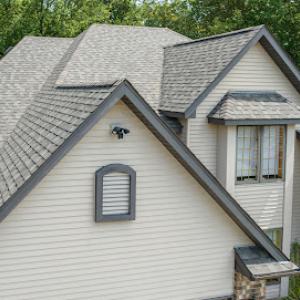
We pride ourselves in being the most professional roofing business in the Cedar Valley. For 26 years we have been helping homeowners and businesses with all of their steep slope roofing needs. With over 20 years experience installing steel roofing! We have been installing flat commercial roofing in the area for over 90 years as Service Roofing. Fast and dependable service is our highest priority on every project. Our professionalism has made us one of the elite roofing companies in Iowa. After working with us, you will see that our staff is easy to work with and very knowledgeable on all of our products and services offered. Give Heyn Brothers a call and protect your biggest investment!

Jp Roofing & Solutions
(319) 529-4584 jproofingiowa.com
1419 Logan Ave, Waterloo, Iowa
4.9 from 116 reviews
JP Roofing & Solutions is your trusted roofing contractor serving the Waterloo, IA, and surrounding areas, including Cedar Falls, Evansdale, Elk Run Heights, Hudson, and more. We specialize in residential and commercial roofing, offering expert roof repairs, roof installations, and flat roof repairs. Our experienced team is also skilled in siding installation and repair, gutter services, and storm damage repairs. Whether you need help with a roof leak, a damaged gutter, or you’re dealing with the aftermath of a storm, we’ve got you covered. We provide high-quality gutter repair, siding repair, and commercial roof repairs, along with comprehensive insurance claim assistance to make the process easier for you.
Robert Castro Construction
(319) 269-0615 robertcastroconstruction.com
1420 Jefferson St, Waterloo, Iowa
4.9 from 49 reviews
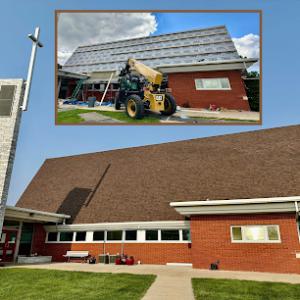
Robert Castro Construction is a premier roofing contractor based in Waterloo, IA, servicing a wide area including Hudson, Janesville, La Porte, and beyond. Established in 2011, we specialize in roofing, siding, and windows, offering top-quality services such as wooden and aluminum siding, soffits, fascia, and various roofing options including asphalt, steel roofs, and wood shingles. With a strong commitment to customer satisfaction, we provide 3-year warranties, free estimates, and insurance quotes. Our skilled team excels in installation, remodeling, storm damage repair, emergency services, and more. From tear-offs to reshingling, overlays to new constructions, we handle it all with precision and expertise.
Vasquez Roofing
(319) 961-3069 vasquezroofingllc.com
1207 Logan Ave, Waterloo, Iowa
5.0 from 40 reviews
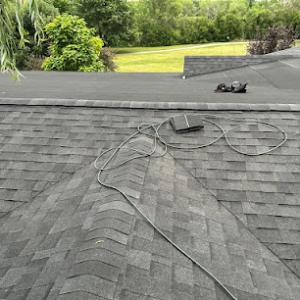
Vasquez Roofing is a testament to the enduring values of hard work, dedication, and excellence. Founded in Waterloo, IA, over 20 years ago, we have grown from a modest family-owned business into a leading roofing service provider in the region. Our journey is marked by a relentless pursuit of quality and innovation, driven by the vision of delivering top-tier roofing solutions to our community. Our team comprises seasoned professionals who bring a wealth of experience and skill to every project. We are not just roofers; we are craftsmen passionate about creating safe, durable, and aesthetically pleasing roofs that stand the test of time. Our ethos at Vasquez Roofing revolves around the belief that our customers deserve the best.
Advanced Building & Design
(319) 233-5307 advancedbuildinganddesign.com
1117 1/2, Chalmers Ave, Waterloo, Iowa
4.7 from 40 reviews
"Advanced Building and Design has provided the following services for Eastern Iowa since 1992. Roofing, Gutters, Siding, Home Exterior renovations, Remodeling, Home construction. Residential & Commercial."
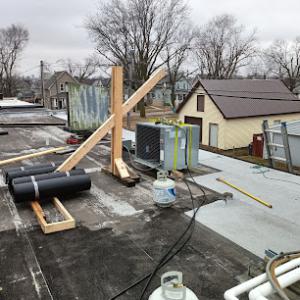
Afordable Roofing
5030 Hammond Ave, Waterloo, Iowa
5.0 from 10 reviews
We do various types of roofs such as shingles, metal, in residential. In commercial we do PTO, PVC, EPDM rubber, and torch down. Roof consulting in commercial leaks 40 years experience in all aspects of roofing

AE Roof Rescue
(319) 236-6100 www.aeroofrescue.com
3244 Wagner Rd, Waterloo, Iowa
4.6 from 15 reviews
At AE Roof Rescue, our highly trained team brings over 30 years of experience, industry-leading warranties, and proven expertise to protect your building and enhance its value.
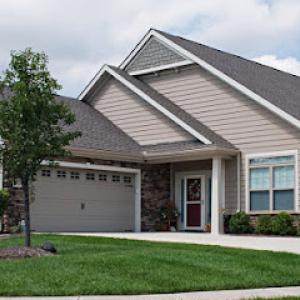
Mills Construction & Concrete
(319) 961-0954 www.millsroofingandconstruction.com
Waterloo, Iowa
5.0 from 6 reviews
Mills Construction & Concrete provides windows, siding, shingled and metal roofs, concrete work, basement remodeling and more in the Cedar Valley area.

Service Roofing Company
(319) 232-4535 serviceroofing.net
Waterloo, IA
3.9 from 16 reviews
Service Roofing Company is a Certified Roofing Contractor and a Firestone Master Contractor that is dedicated to installing high quality, energy efficient roof systems. With over thirty employees the company is able to provide new installations, 24-hour repair services, preventative maintenance, consulting services and roof inspections to more than ten surrounding counties.
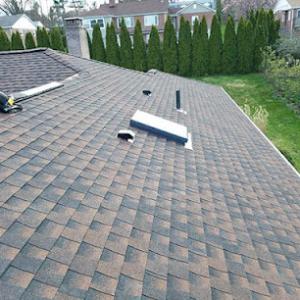
T & R Construction
Waterloo, Iowa
4.0 from 4 reviews
Protect your largest investment with our reliable roofing services. We are a locally owned and operated roofing company currently serving Waterloo, IA and surrounding communities. If you want to make your roof last as long as possible, it is vital that you never put off a roof repair. Small issues with roofing become big issues in a hurry. No matter how major or minor the repair you need, we are here to help. We offer roofing services, roof installation and roof repair.
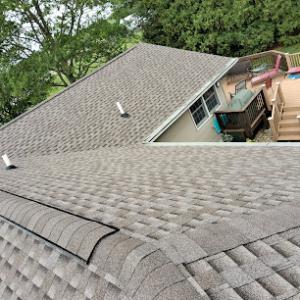
Marcelo Construction
1554 Newell St, Waterloo, Iowa
5.0 from 1 review
Roofing Repairs,Free estimate.
Raber Roofing Systems
(563) 929-1567 www.raberroofing.com
Serving
5.0 from 75 reviews
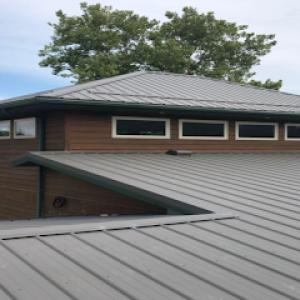
Raber Roofing Systems is your trusted roofing service contractor in Waterloo, Cedar Falls, Evansdale, IA, and surrounding areas. Our team of skilled local roofers has extensive experience specializing in metal, low-slope, flat, and asphalt roofs. We offer services in roof replacement and roofing installation, ensuring each project upholds the highest standards of quality and craftsmanship. Known for our timely, professional service and use of superior materials, we are dedicated to protecting and enhancing your home. Need a dedicated roofing expert? Contact us today for a free estimate!
In Waterloo, replacement timing hinges on managing cold winters, warm summers, and the need to avoid winter ice and peak spring storm disruption. A practical approach is to align tear-off and installation with a window that minimizes ice lead-ins from late fall and avoids the peak spring hail season. Start by targeting a stretch of dry, moderate days in late summer to early fall, then monitor long-range forecasts to secure a few weeks of stable weather. That window helps the crew work steadily without weather-induced delays or material contractions from abrupt temperature swings.
Freeze-thaw cycles common in Iowa shoulder seasons can stress existing roofing and complicate tear-off, underlayment sealing, and flashing work if timing is poor. If a replacement is needed after a freeze, expect more careful, slower work as ice and slush persist near eaves and penetrations. A practical plan is to avoid tearing off when overnight temperatures hover near or below freezing for multiple days, and to schedule the critical flashing and underlayment work during consistently above-freezing daytime highs. This reduces the chance of moisture migrating underlayments and adding call-backs.
Hot summer conditions in Waterloo can speed asphalt aging while also affecting crew productivity, so scheduling often balances weather stability against storm-season backlog. Midday heat can soften asphalt shingles, making handling tougher and increasing waste if the crew works under peak sun. The recommended approach is to aim for cooler mornings with a long, dry stretch, allowing shingles to lay properly and seal. If a late-summer storm cluster looks likely, arrange to complete key tasks-like underlayment and flashing-early in the week when dew is lower and temps are manageable.
Hail and wind claims are common drivers of rapid replacement decisions. When a severe storm hits, the timing becomes a balance between leveraging insurance-driven urgency and ensuring a solid, code-compliant installation. In Waterloo, a practical path is to secure a realistic window that can accommodate a full tear-off and re-sheeting sequence, including roof deck inspection, deck repairs if needed, and precise flashing details around vents and chimneys. If the storm path creates a backlog, set expectations with stakeholders for staged work that protects the interior while waiting for permit-driven sequencing to clear.
Waterloo homes often feature varied roof lines and mixed shingle types from the region's housing stock. Plan for careful edge treatment around abutting structures and for proper alignment of new flashing with existing vent stacks and skylights. A steady, methodical approach minimizes rework and helps ensure wind-resistant sealing across the entire expanse. Communication with the homeowner about progress milestones, weather windows, and potential hold points is essential to navigate the season's variability without compromising quality.
Asphalt shingles remain a dominant choice because they fit the large re-roof market and broad range of residential budgets after storm damage. In this area, you're likely to encounter a quick turnaround on insurance-driven projects, and asphalt can be a practical balance between performance, ease of installation, and availability of local crews. Modern asphalt shingles hold up well against hail and wind when properly installed and maintained, and there are many profile options that can mimic higher-end look without the additional weight or cost. For homes with older roof decks, asphalt can be a forgiving upgrade that doesn't demand significant structural changes, while still delivering reliable wind resistance and the ability to shed water quickly after spring or summer downpours. If a storm pressurizes your timeline, asphalt shingles can help keep the project moving without sacrificing long-term reliability. Regular maintenance-like clearing debris from valleys and ensuring proper attic ventilation-helps maximize their life in the Cedar River valley's wide temperature swings.
Metal roofing has strong local traction, reflecting homeowner interest in durability under Iowa weather swings and the presence of many contractors marketing metal work. In this climate, metal shingles or standing-seam panels offer excellent resistance to wind-driven hail and can outperform asphalt in terms of longevity when installed correctly. A key advantage is lighter weight compared with some tile options, which eases concerns on older or smaller homes where structural upgrades are not desirable. Metal roofs also shed snow and ice efficiently, a practical benefit for freeze-thaw cycles that can create ice dams or sudden snow loads after heavy storms. When selecting metal, look for coatings and gauges that handle repeated hail impacts and resist chalking. Local crews often emphasize precise seam sealing and proper attic venting to prevent condensation and ice formation inside the roof's halo during winter months. For homes that have had hail events recently, metal can offer a faster, often cleaner restoration path, though the initial investment is higher. A well-chosen metal roof can revitalize curb appeal while delivering robust performance for many decades if installed with attention to drainage and flashing details.
Tile, wood, and synthetic options exist in this market, but their performance and cost need to be weighed against freeze-thaw exposure, storm impacts, and the structural realities of older local housing stock. Clay and concrete tiles visually elevate a home and can provide strong hail resistance when properly anchored, yet they bring substantial weight. Structural assessment is essential to ensure the existing framing can support the load, especially on older homes that form a large portion of the housing stock. Freeze-thaw cycles can cause tiles to crack or shift if underlayment and fasteners aren't specified for cold climates, so careful detailing at chimneys, vent pipes, and roof penetrations is critical. Wood shingles or shakes offer a natural look and can perform well in dry conditions, but they require consistent maintenance to prevent decay and are more susceptible to hail impact compared with metal or certain synthetic options. Synthetic or composite shingles aim to combine the ease of installation with increased impact resistance and a longer life than traditional asphalt, but performance depends on the specific product's layering and UV protection. When considering these materials, weigh the long-term maintenance costs and potential for early replacement against the upfront aesthetics and curb appeal they deliver. In many Waterloo remodels, these options serve niche roles where homeowners want a distinctive look, provided the roof structure and climate exposure are aligned with the product's design strengths.
In this locale, the decision hinges on balancing the likelihood of hail and wind events, the home's age and structure, and how quickly a roof can be restored after a storm. Asphalt remains the low-friction, versatile choice that fits a wide range of homes and budgets, while metal offers top-tier durability for weather swings and storm seasons. Tile, wood, and synthetic routes provide attractive alternatives but require careful evaluation of structural compatibility and maintenance commitments. Regardless of material, a quality installation with reinforced flashing, proper attic ventilation, and thoughtful drainage planning is essential to optimize performance through Waterloo's variable weather patterns.
Full re-roofing in this market is best viewed in per-square terms, with the provided ranges guiding budgeting. Asphalt shingles sit at the lower end, typically closer to 350 USD per square, while metal runs 700-1300 USD per square. For higher-end options, clay tile often lands around 1000-1800 USD per square and concrete tile generally 800-1400 USD per square. Wood shingles or shakes fall in the 600-1200 USD per square band, and synthetic or composite shingles range from 500-1000 USD per square. In practice, asphalt is the standard starting point for most Waterloo projects, with tile systems at the opposite extreme in both material cost and installation complexity. When estimating, frame the total price as a per-square calculation and then multiply by the number of squares in the existing roof.
Local costs can rise after hail events when Waterloo-area demand surges for tear-offs, repairs, and insurance restoration work at the same time. That spike tends to tighten scheduling windows and can push moisture-related or damage-related replacements toward the higher end of the local ranges. If a hail claim requires a full tear-off and re-install, expect additional labor and disposal fees to push the bill beyond the base per-square numbers. In neighborhoods with clustered hail activity, pairing the project with efficient permitting coordination and staged progress can help mitigate some of the temporary price pressure caused by demand surges.
The age and condition of the existing roof influence final costs beyond material choice. Older Waterloo homes often have decking or sheathing considerations that add inspection, repair, or reinforcement steps, moving pricing toward the middle or higher end of the range. Roof geometry-complex ridges, multiple valleys, and protrusions-also increases labor time and waste handling, nudging costs upward. The choice of underlayment, ventilation strategy, and attic insulation improvements tied to a replacement can further tilt pricing within the given ranges. Finally, the local contractor's ability to coordinate inspections and confirm warranty coverage can impact the total project price, especially when multiple trades are involved.
Get a clear picture of your project costs upfront - no commitment required.
Robert Castro Construction
(319) 269-0615 robertcastroconstruction.com
1420 Jefferson St, Waterloo, Iowa
4.9 from 49 reviews
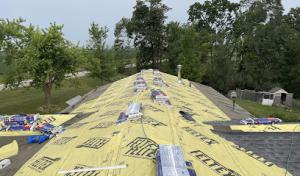
In this market, the first critical step is understanding the permit requirement. Before any nail guns spark or shingles flap in the wind, a full re-roof project generally needs a permit through the City of Waterloo Building Department. That permit isn't a mere formality; it anchors the project in codes and expectations that affect your timing, materials, and how the work is documented for insurance and code compliance.
The permit review process in Waterloo centers on submitted project details and roofing material information rather than informal, on-the-spot starts. That means the planning window matters. If a contractor tries to begin work without a permit or with ambiguous material choices, you risk delays, hold orders, and even fines. The city's focus on verification helps prevent last-minute changes that could trigger rework or inspection failures down the line. Be prepared with the exact roof plan, material type, underlayment, and venting details when submitting for review.
Inspections are a built-in rhythm for a re-roof here. During the project, inspections are scheduled to verify critical work stages such as nailing patterns, flashing around chimneys and vents, and attic ventilation installation. These checks are not a quick "spot" glance; they are formal milestones that must be cleared so the project can progress. The aim is to catch issues early-mis-nails, improper flashing, or inadequate ventilation-before they become costly problems after the roof is covered by shingles or other materials.
Once the major construction is complete, a required final inspection confirms compliance with code and city standards. This final step isn't optional; it's the green light that allows the permit to close and the project to be officially finished. If something doesn't pass, your contractor will need to address the deficiency promptly, which can add days or weeks to the timeline depending on scheduling and weather windows, a real consideration in this valley's weather swings.
Because storm-driven re-roofs can hinge on insurance timelines and rapid weather changes, coordinating with a contractor who understands Waterloo's permit cadence is essential. A well-timed submission and a clear plan for inspections can help minimize delays after hail or wind events, keeping your project moving forward while staying within the city's required process. In Waterloo, the permit-and-inspection framework is a practical gate that protects both you and your home's long-term integrity.
In an Iowa insurance market with regular hail and wind losses, roof condition records and storm-date documentation matter more here than in low-claim areas. A homeowner facing a suspected roof issue should understand that an adjuster will weigh recent storm dates against the current state of the roof, and that a well-documented history often steers the outcome. Keep a simple file of dated photos, notes on observed damage, and any past repairs so you can show a clear progression from before the storm to after.
Because claim activity is common in Waterloo, adjuster scheduling and documentation requirements influence how quickly roofing decisions move forward. Expect conversations to hinge on when the storm occurred and how promptly the damage was reported. The more you can align the claim timeline with the insurer's inspection window, the better your chances of a smooth path to a determination. Delays can stall repairs and extend exposure to weather, so timely communication matters.
In Waterloo, insurance outcomes are often stronger when homeowners document damage immediately after storms and keep records of temporary mitigation and contractor findings. Immediate notifications, sworn statements of loss, and any temporary fixes (even if temporary) show responsible stewardship and help maintain a credible claim narrative. Regular, organized documentation reduces surprises during the adjuster's review and supports a clearer path to a durable, appropriate repair or replacement.
Flat and low-slope roofing is a meaningful specialty in this market, with local contractors regularly handling more than the standard steep-slope shingle work. In Waterloo, you'll encounter a mix of traditional flat garages, low-slope additions, and transitional areas that require careful detailing to perform well through Cedar River valley weather swings. When surveying options, expect contractors to emphasize membrane choices that balance durability with the ability to shed the spring thaws and rapid temperature shifts common here.
On homes and accessory structures, low-slope sections can become problem areas during snow accumulation and freeze-thaw periods when drainage slows. The key practical step is to confirm that the chosen system offers reliable edge drains, appropriate slope, and robust flashing where the low-slope meets steeper roofs. In practice, you'll want clear guidance on how the system handles pooling risk after heavy snowfall and how meltwater is carried away from eaves and transitions. Do not overlook the importance of proper edge metal and scupper design in these zones, especially on detached garages and porch roofs.
Mixed-roof projects in Waterloo often require attention to transitions between steep residential roof planes and lower-slope porch, addition, or garage sections. Expect attention to how the different roof materials interface, including the continuity of weatherproofing and the alignment of insulation across levels. A practical approach is to plan for compatible seam details and flashing that maintain a continuous barrier against wind-driven rain and ice dam tendencies at the junctions. The right configuration reduces the likelihood of slow-leak concerns after storms.
Maintenance for low-slope areas in this area focuses on seasonal checks for membrane integrity, edge and parapet detailing, and any signs of ponding. During core upkeep, inspect caulk joints around penetrations and transitions, and verify that snow guards or snow retention systems on higher sections do not disrupt drainage on the low-slope plane. In the end, the goal is a cohesive roof system that tolerates storm-driven wind, hail dampening, and the annual freeze-thaw cycles without creating new failure points.
Find specialists in TPO, EPDM, and built-up flat roofing systems for residential and commercial properties.
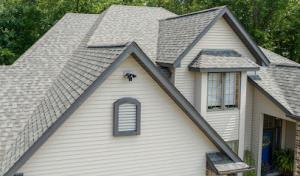
Heyn Brothers Service Roofing
(319) 302-3260 heynbrothers.com
123 Arizona St, Waterloo, Iowa
5.0 from 98 reviews

Jp Roofing & Solutions
(319) 529-4584 jproofingiowa.com
1419 Logan Ave, Waterloo, Iowa
4.9 from 116 reviews
Robert Castro Construction
(319) 269-0615 robertcastroconstruction.com
1420 Jefferson St, Waterloo, Iowa
4.9 from 49 reviews
In a storm-prone climate with Cedar River influences, skylights become stubborn weak spots if their flashing isn't flawless. After hail and high winds, check the edge seal and the curb flashing where the skylight meets the roof deck. Water can tease through even a minor gap, especially if the surrounding shingles show hail damage or lifted tabs. A cautious homeowner should plan for a thorough post-storm inspection focusing on these seams.
Flashing around chimneys and any roof penetrations deserves extra scrutiny after hail and wind events. Even small metal folds can deform or split, allowing moisture to migrate inward. During re-roof projects, verify that step flashing and base flashing at every penetration are continuous and properly integrated with the new roofing valley and rake details. A single compromised seam here can become a weekly reminder of leaks when temperatures swing.
The city's inspection focus on flashing and ventilation makes these details especially important. Poorly sealed vent collars or misaligned exhaust vents can trap condensation or channel rainwater into the roof deck. Ensure vent stacks are re-sealed and flashed in a way that accommodates expansion and contraction from seasonal temperature shifts. In Waterloo's climate, small discrepancies become large problems during the snowy and spring storm periods when penetrations are tested repeatedly.
Leak complaints in this area are often most urgent during snow, ice, and spring storm periods. Freeze-thaw cycles can exploit small gaps around skylights, chimneys, and vents. A proactive approach-checking flashings after heavy storms, reinforcing vulnerable seams, and ensuring proper shingle-to-flashing integration-helps prevent a slow drip from becoming a costly interior repair.
Find contractors experienced in skylight installation, flashing, and leak repairs to bring natural light into your home.
Robert Castro Construction
(319) 269-0615 robertcastroconstruction.com
1420 Jefferson St, Waterloo, Iowa
4.9 from 49 reviews
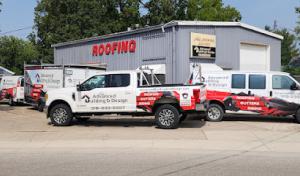
Advanced Building & Design
(319) 233-5307 advancedbuildinganddesign.com
1117 1/2, Chalmers Ave, Waterloo, Iowa
4.7 from 40 reviews