Last updated: Apr 19, 2026
Spring in this market isn't a single hail event; it's a seasonal pattern of repeated hail and high winds that relentlessly test roofs and fascia. You'll see a flood of claims as homeowners discover new dents, lifted shingles, or granule loss after every lineup of storms. The cycle moves quickly from first impact to evaluation, and then to replacement demand as aging roofs reach the limit of their wind and hail tolerance. Understanding this pattern helps you spot problems early and avoid being caught mid-cycle when a second storm renders yesterday's repairs moot.
Adjusters come into town loaded for northeast Kansas losses, so be prepared with precise, dated photographs that tell the whole story. Start with wide exterior shots capturing the roof's overall condition, then move to close-ups of hail hit, lifted edges, cracked shingles, or broken tiles. Elevation-by-elevation documentation matters: take photos or a quick video of each roof plane, noting which sections correspond to which elevations if your home sits on a slope or has multiple roof faces. Material specifications matter too-shingles, tile, or metal type, color, and any underlayment visible from the attic or eaves. Keep a simple damage diary: after every storm, log the date, what you saw, and any visible changes. In this market, the claim often hinges on clear, dated evidence that shows sustained damage rather than a single incidental bruise.
Fall wind events sometimes arrive with the memory of spring hail still fresh in the adjuster's file. Fresh shingle or tile loss can complicate whether damage is treated as one event or multiple events for the claim. If a fall wind event creates new impact marks or accelerates granule loss on previously damaged sections, you'll want an updated assessment that differentiates what happened in spring versus what occurred later. The most reliable path is to re-document the roof after each notable storm and keep those dates aligned with your insurance communications. Without fresh photos and a current roof map, the claim can get tangled in perceptions of timing.
Act quickly when a storm hits: inspect safely, document thoroughly, and assemble a concise timeline of impacts and repairs. When the adjuster visits, walk them through the elevation map and point out every confirmed damaged plane, including any finishing details like color-matched shingles or tiles that were affected. If a second storm arrives, request a re-inspection and present the updated photo log to avoid losing ground on coverage. In this market, the key to a smooth replacement is timely, precise documentation that reflects the true sequence of events and the exact material in your roof assembly.
Invictus Roofing & Solar
700 Cherokee St, Leavenworth, Kansas
5.0 from 172 reviews
INVICTUS ROOFING & SOLAR At Invictus Roofing & Solar, our mission is to deliver exceptional roofing and solar services with professionalism and care. With over 30 years of combined experience, we strive to provide every customer with an amazing experience by ensuring quality craftsmanship, reliability, and outstanding service in every project we undertake
American Roofing
(913) 772-1776 www.americanroofingkc.com
2500 S 2nd St, Leavenworth, Kansas
4.7 from 12 reviews
Commercial and residential roofing company. coatings hot roof's single ply roofing asphalt shingle repairs and re roofs
Restore Roofing & More
(913) 229-6652 www.restoreroofingandmore.com
13971 Huntington Ln, Leavenworth, Kansas
5.0 from 1 review
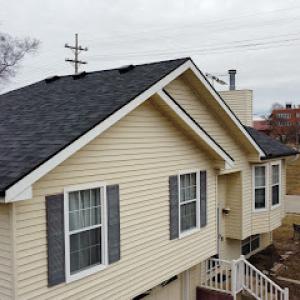
"Restore Roofing and More is built to give homeowners the highest quality roof replacement services they deserve at affordable prices. We will never cut corners or sacrifice the quality of service to earn a job. We provide roof replacements, roof repairs, gutter replacements, and exterior painting services. Offering both residential and commercial roofing replacements, gutter replacements, and exterior painting services. We are a local, licensed, and insured roofing company (and more)."
CH Roofing & Exteriors
(816) 977-6929 www.chroofingpros.com
Serving
4.9 from 51 reviews
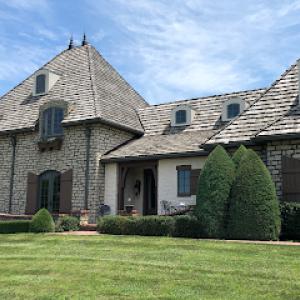
We are a Kansas City Roofing Company, providing the Kansas City metropolitan area with superior roofing installation and repairs. CH Roofing & Exteriors supplies homeowners with a piece of mind with any roofing problem that may occur. We offer same day inspections, quotes and repairs. No matter how small or big the job maybe, we are here to fix your roofing issue. Our company is built on customers first and we will not leave the job until you are fully satisfied with the services we've provided. We hope to talk soon.
Handlin Construction
(913) 707-8082 www.handlinconstruction.com
Serving
5.0 from 75 reviews
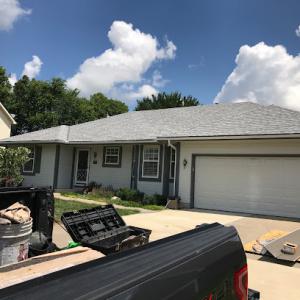
Handlin Construction is a class A licensed contractor, specializing in roofing and gutter systems. Handlin Construction has been providing quality workmanship and outstanding customer service in Kansas City since 2004
AAA Midwest Roofing
(913) 399-1601 aaamidwestroofing.com
Serving
4.9 from 128 reviews
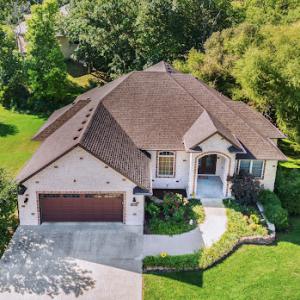
AAA Midwest Roofing is a trusted Kansas City roofing contractor committed to delivering reliable, high-quality roofing services. Since 2021, our team of experienced professionals, with over 75 years of combined expertise, has been providing Kansas City homeowners and businesses with reliable roofing solutions. Whether it's a roof replacement, repair, or installation, we approach every project with precision and care. Our skilled team focuses on durability and customer satisfaction, ensuring that your roof is in good hands. For all your roofing needs in Kansas City, contact AAA Midwest Roofing today and experience the difference with a dependable Kansas City roofing contractor!
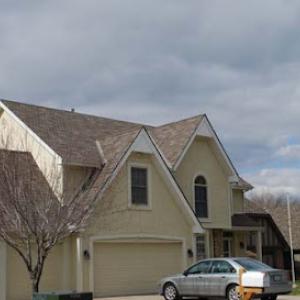
Acord Roofing
(816) 891-0639 acordroofing.com
Serving
5.0 from 26 reviews
We provide coverage to the Kansas City metro and Northland. With our years of experience you can always count on the most professional and reliable roofing company in Kansas City and the metro area. Call Acord Roofing today to get a free quote on your roofing needs.
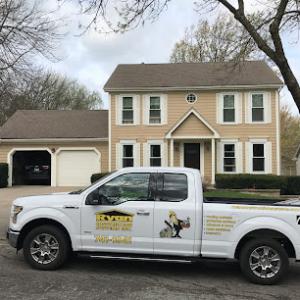
Ryan Construction Systems
(816) 741-1941 www.ryanconstructionsystems.com
Serving
4.8 from 85 reviews
At Ryan Construction Systems, Inc., based in Parkville, MO, we proudly serve the Kansas City area with over 35 years of experience. We specialize in roofing, siding, gutters, windows, room additions, and full exterior remodeling. Our skilled team, many with us for over two decades, ensures high-quality craftsmanship in every project, big or small. Contact us today for your exterior remodeling needs!
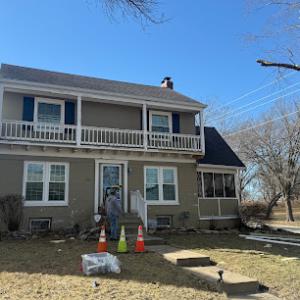
FireHouse Roofing
Serving
4.6 from 23 reviews
In need of a New Roof, Roofing Repairs, New Seamless 5 and 6 inch Gutters, Gutter Repairs, Painting, and much more. Call or text and receive a free quote. 913-954-9111
All Season Roofing
Serving
4.7 from 51 reviews
The roofing system is the most vulnerable part of the housing exterior. It is exposed to wind, rain, snow, and ultraviolet radiation which can affect it’s perform overtime. The performance of the roof will depend on the quality of the material, design, installation and preventive maintenance. Preventive maintenance is crucial in getting rid of roofing problems that may arise in future. The building personnel can also help when it comes to installing a long-lasting roof. For the best Roofing Contractor, Kansas City MO, look no further than All Season Roofing, LLC. We are a family owned and operated company that specializes in roofing solutions for both residential and commercial properties.
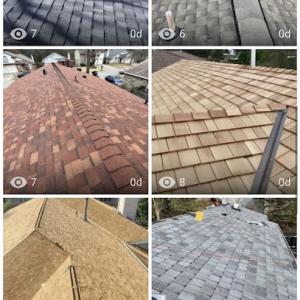
Newbill Roofing Company
Serving
4.8 from 49 reviews
For over 57 years our lives have been centered around providing quality roofing, so you can rest assured knowing you're in good hands. We offer a range of different services to choose between, so whether you need a brand new roof, routine maintenance, or an emergency repair, Newbill Roofing is here to help.
Murphy & Sons Roofing
(913) 287-2116 www.murphyroofing.com
Serving
4.9 from 228 reviews
With many years of experience behind them and a long reference list of satisfied customers, MURPHY & SONS ROOFING, Inc. is fully equipped to meet your individual needs in roofing service.
Hot summers followed by freezing winters create a punishing cycle for roofs in this area. Hail and high winds pepper the surface in the spring, while freeze-thaw cycles push water into any small gaps. The best approach is to plan for layers that tolerate rapid temperature swings and repeated impact. In practice, this means looking for roofing systems that handle moisture movement well, resist cracking under hail, and maintain adequate underlayment integrity through multiple cycles of freezing and thawing. The timing of storms matters: damage that appears after a hail event should be documented promptly to avoid ambiguity during an eventual replacement decision.
Asphalt shingles are a dominant local choice because they fit the area's mainstream residential re-roofing market and lower upfront budgets, but hot summers and hail can shorten service life. If asphalt is chosen, prioritize premium-core shingles with higher impact resistance ratings and a robust underlayment. When hail is common, a higher nailing pattern and proper attic ventilation help to minimize wind lift and post-storm degradation.
Clay tile, concrete tile, and slate are all present in this market, but freeze-thaw cycling and hail make crack detection, underlayment condition, and replacement matching especially important in Leavenworth. Clay and concrete tiles can deliver long life, but cracks are easy to miss after a hail event. Slate offers excellent durability but demands precise installation and matching when sections must be replaced after damage. For these options, ensure underlayment compatibility with the tile system and confirm fastener corrosion resistance, as repeated freeze-thaw cycles can stress connections over time.
Metal roofing is relevant locally because repeated hail and wind seasons push some homeowners to compare impact resistance, fastener details, and long-term maintenance against standard shingles. Metal often handles hail better than many shingle options and can shed ice more effectively, but look closely at fastener design, panel laps, and sealant longevity. In areas with strong wind exposure, a professionally sealed expanse and proper panel installation are crucial to prevent wind-driven water intrusion after hail impacts.
After a hail event, the first step is to photograph the entire roof and your attic space for signs of moisture or daylight. Focus on shingle granule loss, crack patterns, and any lifted edges. If you notice curled edges or displaced fasteners, that signals more active wear from wind and temperature shifts. Keep a weather log noting storm dates, wind speeds, and observed damage from ground level. A second, more thorough inspection should occur after 24 to 48 hours of calm weather-hang onto any torn shingles or missing tabs you find for your contractor.
Document any interior signs of water intrusion, such as staining or musty odors in the attic. When a contractor visits, mark any areas of concern on a diagram of the roof and discuss how underlayment condition will be addressed during replacement. For clay, concrete, or slate, request a full assessment of crack propagation, tile alignment, and the feasibility of replacement matching across the roofscape.
Replacement decisions hinge on the extent of hail damage, the integrity of the underlayment, and the ability to match repaired areas with the existing roof profile. If the roof is near the end of its expected life, or widespread cracking and granule loss are evident, replacement is typically the prudent path. For multi-material homes or those with visible tile damage, weigh the benefits of panelized repairs versus a full roof replacement, and consider how the chosen material will perform under future freeze-thaw cycles. In all cases, ensure the replacement plan prioritizes a durable underlayment system and secure, weather-tight sealing around penetrations to withstand Kansas winters.
When you start planning a roof replacement after hail or strong winds, anchor your budget to the per-square ranges typical for this area. Asphalt shingles generally fall between 350 and 650 USD per square, while metal roofing runs about 600 to 1000 USD per square. If clay tiles are your material of choice, plan for 900 to 1400 USD per square, and concrete tiles typically run 850 to 1350 USD per square. Synthetic or composite shingles sit around 450 to 800 USD per square, and slate is the high end at 1100 to 2300 USD per square. These ranges reflect the local market and the type of roofing stock most homes in town carry, so use them as a starting point when you're comparing bids.
Storm-driven surges in demand after hail seasons can tighten contractor availability in this area and push scheduling and pricing pressure higher than in calmer periods. If a hailstorm hits and a handful of crews get booked solid for weeks, you'll notice shorter terms on contracts and higher mobilization charges. Planning forecasts around typical hail windows can help you avoid rushed decisions if you're between options. If you're flexible on timing, you may secure better terms during the slower shoulder periods, even within the same season.
Costs in this market can move based on inspection-driven corrections to flashing, venting, underlayment, and eave details required before the city signs off on a full replacement. The inspection may reveal issues that weren't obvious at first glance: a compromised underlayment that needs replacement, upgraded drip edge, or added venting to meet the house's ventilation needs. Each item adds to the final tally and, in turn, affects the overall timeline. Expect a higher price if the roof line, valleys, or soffits need additional attention beyond the shingles themselves.
Given standing weather exposure and freeze-thaw cycles, material choice matters beyond initial cost. Asphalt remains the most economical and common in older Leavenworth homes, but if hail damage is widespread or you're replacing in a high-wind zone, metal or synthetic options may deliver better long-term performance. Clay or concrete tiles offer durability, yet their upfront price is higher and installation demands skilled labor. Slate brings longevity but with the steepest price tag. Use the cost ranges as a framework to balance upfront investment with expected lifespan and maintenance needs.
Get a clear picture of your project costs upfront - no commitment required.
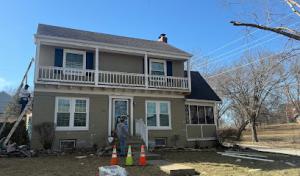
A full roof replacement in Leavenworth typically requires a building permit through the City of Leavenworth Building Department. This process ensures that the work meets local codes and safety standards, especially after hail and wind events that can impact the roof's structure and ventilation. The permit may be pulled by either the contractor or the homeowner, which matters when clarifying who is responsible for scheduling inspections and closing out the job. If the homeowner pulls the permit, be prepared to coordinate closely with the contractor on timing, required plans, and submittals; if the contractor pulls it, confirm who will handle the inspection scheduling and any follow-up documentation.
City inspections are typically scheduled during and after installation to verify eaves, flashing, venting, underlayment, and overall code-compliant workmanship. In practice, that means the first inspection often occurs when the roof deck is replaced and the starter eaves and flashing details are in place. A follow-up inspection checks that ice and water shield, underlayment, and ventilation meet code requirements, and that roof transitions, penetrations, and valleys are correctly installed. Plan for multiple visits if any corrections are needed, and ensure access to the attic and roof line so inspectors can verify rib alignment, nailing schedules, and fastener types.
Prepare the project documentation early: a clearly labeled scope of work, the contractor's license and contact information, and any product specifications for underlayment, vents, and flashing associated with the replacement. If a hail or wind event prompted the replacement, keep a concise record of weather-impact notes and any damage assessments performed before work began. The City will require the permit card on site and, after completion, the final inspection approval or a certificate of occupancy as applicable. Your contractor should help assemble drawings or vendor specs as needed to satisfy inspectors and streamline the process.
After inspections pass, you'll receive final approval from the Building Department, which closes out the permit. Keep this documentation with your home records, as it confirms the roof replacement met local standards at completion. If the inspector notes any deficiencies, address them promptly with the contractor and request a re-inspection when ready. Timely communication and organized paperwork help move the project smoothly through Leavenworth's permit and inspection workflow.
Hot summer temperatures push asphalt shingles to their limits, and in this climate the aging process can accelerate noticeably. In a typical Leavenworth roof, prolonged sun exposure during peak heat makes the surface more brittle and susceptible to micro-cracks, especially around edges and near penetrations. When a storm damage event introduces nicks or loosens tabs, those weak spots can widen quickly as daytime temps climb and nights cool. The result is a cascade of small failures that can compromise the roof's protective layering sooner than expected, demanding closer attention to any storm-related damage before heat-driven deterioration compounds the problem.
Winter freeze-thaw cycles in this part of Kansas stress roof decks, flashing transitions, and sealants, particularly where earlier storm damage already opened pathways for moisture. Water that enters a tiny opening during a thaw can freeze and expand, prying apart seams and flashing. Over time, repeated cycles push moisture deeper into the deck, accelerating rot in sheathing and corroding fasteners. In homes with prior hail or wind hits, the cumulative effect is especially evident: a single compromised seam or corner can become a leak point once temperatures swing back and forth, making timely assessment after each cold snap critical.
Because Leavenworth sees both summer heat stress and winter movement, small defects around penetrations and edge details can worsen quickly between seasons. Signs to watch for include loose flashing around chimneys, vent pipes, and skylights; sealant joints that have shrunk or cracked; and lifted shingles near eaves and ridge lines. The combination of heat-induced expansion during summer and contraction during winter can widen gaps that were once minor, turning a manageable patch into a recurring leak source. A careful inspection after hail damage should focus on these edge conditions, with any questionable area treated promptly to slow the progression of further damage.
Seasonal timing matters for any repair plan after a hail or wind event. Early attention during the transition from hot to cool weather can prevent moisture saturation from seeping into vulnerable deck sections. Conversely, delaying fixes through a harsh winter can lock in moisture issues that require more invasive remediation come spring. Understanding that hot days accelerate aging and cold days stress seams helps homeowners prioritize addressing irregularities around penetrations and at edge details before moisture finds an easy route deeper into the roof system.
When you can't wait, these contractors offer fast response times to stop leaks and prevent further damage.
Leavenworth sits in a Kansas insurance environment where frequent hail and wind events drive elevated roof claim activity compared with lower-loss regions. That reality isn't simply a number on a page; it affects how repair crews, adjusters, and your own timing play out after a storm. Homes with asphalt shingles or metal roofs are commonly called upon in these cycles, and the pattern of damage often shows up in bursts after late spring and early summer hail episodes. Weather history here means more than an isolated incident-it's part of the normal calendar that shapes expectations for replacements and major repairs.
After major hail seasons, some carriers in the broader Kansas market periodically adjust regional coverage terms, making policy review important before replacement decisions are made. In practice, that means you should start gathering evidence early: dated photos from the first signs of damage, summaries from any initial contractor inspections, and detailed product information for the proposed replacement. Insurers will scrutinize whether damage is storm-related, age-related, or worsened by delayed repairs, so you want a clear, timestamped trail that shows when each issue began and how it progressed.
A neighborly approach saves you stress: contact your insurer promptly after a severe storm, but also prepare for the possibility of regional term changes that can surprise without warning. Keep a simple, consistent record of every step-photos organized by date, a log of conversations with adjusters, and copies of installation specifications. If a large hail event hits, expect a period of heightened review, and plan timing decisions accordingly to align with both your roof's condition and the insurer's evolving stance.
The local contractor mix is heavily residential and re-roofing oriented, a market shaped by replacement work after hail and wind events. Homes here are frequently built to handle tough weather, so crews focus on rapid tear-offs and solid deck restorations rather than complex new-construction work. That specialization means you'll see crews who know how to scope a full replacement quickly, coordinate material delivery, and manage the actual roof boarding in a turnaround that fits a storm season timeline.
Cleanup is a meaningful hiring priority in Leavenworth based on contractor prevalence, suggesting homeowners care about debris control and jobsite condition during tear-offs. Look for firms that bring organized waste containment, daily material litter sweeps, and clear driveway/yard protection. A clean site isn't just about neatness; it minimizes stray nails and debris that can affect nearby property and vehicles after a heavy tear-off.
Long-established, locally owned, and quick-response firms are all visible in this market, reflecting homeowner preference for crews that can move fast after storms but still navigate the practicalities of scheduling and inspections. Prioritize contractors with a consistent local footprint, documented storm-response experience, and a track record of finishing within the typical same-season window. The right team will communicate clearly, show up prepared for Kansas weather swings, and leave a finished roof that stands up to the next hail event.
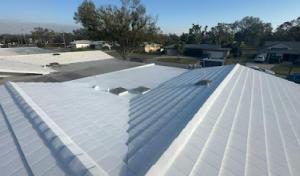
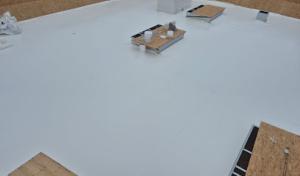
Coatings appear only lightly in the active Leavenworth contractor signal set, so they are a niche option rather than a mainstream local roofing path. For homes facing hot summers and freeze-thaw cycles, a coating can offer temporary sealing and UV resistance on existing asphalt or metal surfaces without a full tear-off. In practice, coatings tend to be considered more often for secondary structures, flat sections, or roofs with limited remaining life. They are not a universal fix for wind-driven or hail-damaged roofing, and local crews generally reserve coatings for strategic, low-risk cases rather than as a default replacement plan.
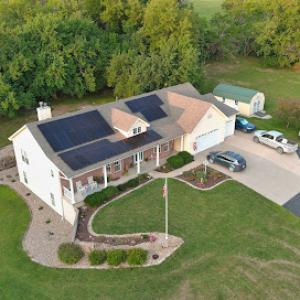
Solar-integrated roofing is also only lightly represented among active local contractor signals, indicating limited market depth compared with standard replacement roofing. If a homeowner already plans a re-roofing project, solar modules or shingles can sometimes be integrated into the replacement design, but this adds complexity and coordination with electrical work. Availability of local installers with strong, ongoing experience in Leavenworth's climate and storm patterns tends to be uneven. Don't expect a broad, readily available pool of solar-ready options in every neighborhood.
Coatings may be appropriate on a roof with minor surface issues, good substrate condition, and a desire to postpone a full replacement in the near term. They are less suitable after significant hail damage, where substrate compromise or structural concerns are present. In hot, sunny summers, a reflective coating can offer temporary energy performance benefits, but wind and hail exposure still drive the need for a robust, inspected roof system.
If a storm exposes hail or wind damage, solar integration should be evaluated only after a thorough roof assessment. A damaged roof must be sound enough to support solar components; otherwise, the system should be postponed until replacement or substantial repairs are completed. Solar options are best pursued when a clear, long-term protection strategy aligns with a full or partial roof replacement rather than as a first-line approach.
When considering coatings or solar, seek local contractor perspectives grounded in Leavenworth's climate and housing stock. Compare the expected durability against the area's wind and hail exposure, inspect substrate integrity, and ensure any option aligns with the typical re-roofing cycle favored by the market. Prioritize options that maintain long-term roof performance after the next major storm event.
Extend the life of your existing roof with reflective or waterproof coatings that protect against UV and moisture.
American Roofing
(913) 772-1776 www.americanroofingkc.com
2500 S 2nd St, Leavenworth, Kansas
4.7 from 12 reviews