Last updated: Apr 19, 2026
In Shawnee, spring severe storms push insurance claims into high gear. Hail, paired with brisk wind and dramatic temperature swings, sets off a predictable pattern: a burst of inspections, emergency tarping needs, and-if damage is confirmed-full roof replacements. This isn't a slow process. The window between the storm and the decision to replace tightens quickly as the region's claim activity spikes across Johnson County and the Kansas City metro. When a severe storm hits, act with urgency: securing the roof, documenting damage, and initiating the claims conversation should happen within days, not weeks.
Rapid storm-to-heat transitions in Shawnee create a narrow scheduling window after hail events. Contractors often experience a surge in demand almost immediately after regional outbreaks. That surge can push timeline expectations-permitting, material lead times, and crew availability-into tight alignment. If a hail event hits your neighborhood, prepare to move fast: arrange a damage assessment, gather necessary documentation, and align with a roofing firm that can respond promptly to the claim timeline. Delays can cost you in scheduling flexibility and force choices that don't align with the actual extent of damage.
Kansas insurers frequently require solid, verifiable photo evidence and may send adjusters to assess hail losses. In Shawnee, that means you must bring date-stamped storm photos, elevation photos that show roof pitch and condition, and a clear record of any prior roof repairs or patchwork. The goal is to establish a credible narrative of damage, causation, and pre-existing conditions. Gather photos from multiple angles: ground-level, attic moisture indicators, and interior evidence if leaks are present. Preserve all weather and municipal timestamps when possible, and keep a dated log of every interaction with the insurer and contractor. This documentation is a key gatekeeper before replacement decisions are made.
When a claim is opened, your first move is to secure a trusted local roofer who understands Shawnee's storm patterns and the higher likelihood of hail-induced damage on pitched suburban roofs. Schedule a documented, thorough evaluation as soon as possible after the storm. The roofer should conduct a comprehensive inspection, note potential hail effects on shingles, underlayment, skylights, and soffits, and provide a clear path for mitigation-whether temporary tarping, rapid debris removal, or temporary protection to prevent further interior damage. Communicate proactively with the insurer, providing the date-stamped storm evidence and elevation photos requested. A coordinated, timely exchange reduces the chance of misinterpretation and helps prevent back-and-forth delays that stall replacement decisions.
Act now to secure a written plan that aligns with the insurer's expectations and your home's actual condition. Create a simple damage timeline: storm date, first inspection, documentation submission, adjuster visit, and decision point for replacement. If roofing material choices are moving toward heavier systems, understand that the local contractor and insurer will scrutinize structural compatibility and attic ventilation during the review. In Shawnee, the storm-driven claim lifecycle hinges on precise documentation, swift contractor mobilization, and a responsive insurer interaction. Keep the evidence organized, preserve all communication records, and stay ready to move to replacement if the damage evidence supports it. This readiness minimizes risk and supports a replacement that reflects the true impact of the hail event.
After a severe hail season, costs rise quickly as demand spikes across the Kansas City suburban market. In Shawnee, local crews and suppliers can tighten up their schedules when insurance-funded reroofs flood the market. Asphalt shingles, the baseline for many homes, run roughly 300 to 600 USD per square. Metal roofing sits higher, about 600 to 1200 USD per square, reflecting not only material but the scheduling pressure on experienced installers. If you're weighing clay or concrete tile as a upgrade, expect 800 to 1800 USD per square for clay and 700 to 1400 USD per square for concrete. Wood shingles or shakes fall in a 480 to 900 USD per square band, while slate climbs 1100 to 2200 USD per square. Those ranges are typical for Shawnee, but after a big hail event they can creep upward as crews get booked and lead times lengthen.
Upgrading from a lighter system to heavier tile or slate triggers more than a price bump. The city's review cadence during heavy roof replacements can put added pressure on structural assessment, because extra weight alters load paths and may require additional support. If you're considering clay tile, concrete tile, or slate, you should anticipate not only higher material costs but a step-up in inspection and potential reinforcement work. In practice, that means budgeting for possible crew time on framing, underlayment, and fasteners that accommodate heavier weights. Concrete and clay tile are particularly sensitive to existing deck strength and attic ventilation, so plan for a project that accommodates a careful, staged installation rather than a single-day swap.
When a major hail event hits, the window for coordinating with insurance-adjusted bids tightens across the metro. You'll see a tendency for full replacements to be financed and scheduled in tighter blocks, with metal and slate projects sometimes pushed into later weeks as crews balance demand. If you're deciding between staying with a familiar asphalt system and moving to tile or slate, weigh not just the upfront cost but the longer-term implications: weight, load support, and potential need for deck modification. For budgets, start by anchoring to the Shawnee ranges above, then add a contingency for scheduling gaps and potential upgrade requirements. Given how storm timing can compress planning, it helps to line up a trusted local contractor early, ready to verify deck strength, confirm color and warranty options, and map out a phased plan if needed.
Exterior Damage Solutions
16623 Midland Dr, Shawnee, Kansas
5.0 from 115 reviews
Exterior Damage Solutions, located at 16623 Midland Dr, is your premier Roofing Contractor in the Kansas City area, offering expert Roof Inspection Services, Roof Replacement, Roof Installation, and Gutter Installation. Known for our swift Emergency Roof Repair and recognized as the Best Roof Repair service provider, we ensure top-notch craftsmanship and reliability. Whether you need a Roof Quote, Siding and Roofing expertise, or a precise Roof Tear-off Service, our customer-centric approach guarantees satisfaction. Contact us for a free inspection to safeguard your home with quality roofing solutions tailored to your needs. Call (913) 456-0651 today!
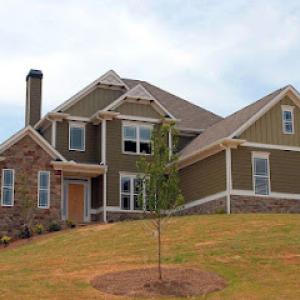
Restore Roofing & More
(913) 229-6652 www.restoreroofingandmore.com
22121 W 83rd St, Shawnee, Kansas
4.9 from 176 reviews
Family-owned - Restore Roofing and More we specialize in high-quality roofing replacements to enhance the safety and aesthetics of your home. Located in Shawnee Ks and Leavenworth Ks, our dedicated team of professionals brings years of experience in installing durable roofs using top-grade materials like asphalt shingles, metal, and tile. We offer free inspections and estimates, ensuring you make informed decisions for your roofing needs. Whether you’re dealing with wear and tear or planning a renovation, we provide reliable, cost-effective solutions tailored to your preferences. Trust us to protect your home with a roof that lasts. Contact us today for exceptional service and expertise in roofing replacements!
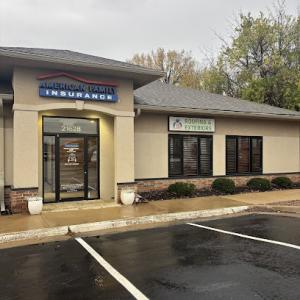
CBR Roofing & Exteriors
21628 Midland Dr Suite A, Shawnee, Kansas
5.0 from 53 reviews
CBR Roofing is a trusted residential roofing company that proudly serves numerous communities near Kansas City. Our team of highly skilled residential roofers and contractors is here for all your roofing needs. We know that your home is one of the most important investments you will ever make, and it needs to be protected. Your home’s roof is something that can’t be neglected. You need a high-quality roof installed and maintained by a roofing contractor that you can trust. You can depend on our team of residential roofing professionals at CBR Roofing, one of the top roofing companies in Kansas City.
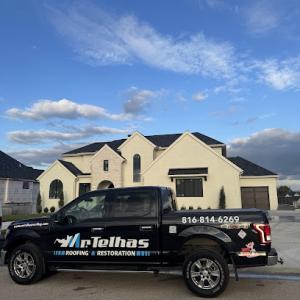
Mr Telhas Roofing
(816) 814-6269 www.mrtelhasroofing.com
11311 W 51st Terrace, Shawnee, Kansas
5.0 from 42 reviews
Mr. Telhas Roofing specializes in providing high-quality roofing solutions and expert insurance claims assistance. With extensive experience in the industry, we offer expert installation services for a wide range of roofing materials, including Clay Tiles, Concrete Tiles, Natural Slate, DaVinci Polymer System, Asphalt Shingles, and Metal Roofing. Our team is committed to ensuring your roof is durable, efficient, and aesthetically pleasing. We also specialize in navigating insurance claims, making sure our clients get the full coverage they deserve. Trust Mr. Telhas Roofing for reliable, professional, and affordable roofing services.
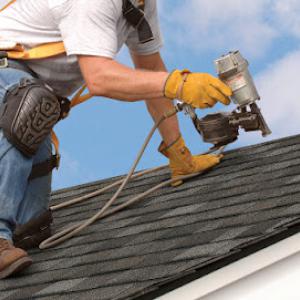
MY ROOF Kansas City
(913) 354-6969 myroofkansascity.com
6443 Nieman Rd, Shawnee, Kansas
5.0 from 21 reviews
Our crew at My Roof KC takes pride in providing the highest quality in residential and commercial clients re-roofing installations, roof repairs and roof replacement in Kansas City. We know that our clients have diverse needs, so we have made our skill set diverse as well. We are certified applicators of all major roofing systems to give your project the unique touch that it needs. KC ROOFING. MY ROOF Kansas City

Kansas City Roofing Service - KCRS
8302 Hedge Ln Terrace Suite C, Shawnee, Kansas
4.7 from 19 reviews
Kansas City Roofing Service provides residential and commercial roofing, siding, and gutter services to the Lenexa, KS, area.
SHC Roofing
(913) 228-1025 shcservicerequest.com
23764 W 82nd Terrace, Shawnee, Kansas
5.0 from 11 reviews
Commercial roof service and maintenance in Kansas City and Wichita
Revival Roofing
(913) 210-1028 www.revivalroofingkc.com
Serving
5.0 from 32 reviews
Revival Roofing and Construction is your trusted roofing expert in the Kansas City metro area! Specializing in roof repairs, replacements, and inspections, we deliver modern, high-quality solutions tailored to your needs.
The Roof Warrior
(877) 917-8885 theroofwarrior.com
Serving
4.9 from 171 reviews
Roof Warrior offers an exclusive clear waterproofing sealer and rejuvenating roof finish, as well as a clear restoration shingle sealer. This specialized mixture is formulated to preserve, safeguard, waterproof, restore, and circumvent the expensive cost of re-roofing. Furthermore, Roof Warrior now extends its services to include window, siding, door, and gutter replacement, providing a comprehensive solution for enhancing your home's exterior!

True Grit Roofing Company
Serving
5.0 from 456 reviews
Tired of roofing companies that overpromise and underdeliver? At True Grit Roofing, we’re built for homeowners who do their homework and expect craftsmanship over gimmicks. Based in Lenexa and serving the Kansas City metro, we specialize in premium roof replacements, storm restoration, seamless gutter systems, and insurance claim support. Licensed and insured in KS and MO, we use top-tier materials and back our work with a solid workmanship warranty. No pressure. No shortcuts. Just honest work from people who take pride in doing things right.
Swing Coast Roofs & Gutters - Lenexa, KS
(833) 492-7663 www.swingcoastroofing.com
Serving
5.0 from 47 reviews
Swingcoast Roofing is a locally owned company specializing in residential and commercial roofing, gutters, and painting. With over 20 years of experience, we treat every customer like family and every property like our own. From storm damage to home updates, we provide reliable, high-quality service with a stress-free experience. Whether you need a roof repair, new gutters, or a fresh coat of paint, our team works efficiently to get the job done right. Serving Lenexa and beyond, we’re here to protect and refresh your home or business.
Shamrock Roofing & Construction
(913) 850-6556 shamrockroofer.com
Serving
4.9 from 1042 reviews
For over four decades, Shamrock Roofing and Construction has been recognized as the premier roofing company in the Kansas City area, dedicated to delivering outstanding customer care and satisfaction with every project they undertake. Their team of skilled professionals is committed to quality craftsmanship and exceptional service, ensuring that every roof is expertly installed and maintained to provide peace of mind and long-lasting protection for their valued customers.
A building permit is typically required in Shawnee for a full roof replacement rather than just minor patching, making permit status a key checkpoint before tear-off begins. Before any ladder work or old shingles come off, verify with the city that a full-replacement permit is on the table. If the plan is to swap to a heavier tile or slate, the permit review becomes even more critical, since the heavier load can change the scope of what's approved. Don't assume your contractor has the latest form or the right zoning notes-pull the permit status early, and align your timeline with the city's review window, which can impact when you actually start tearing off and re-roofing. If the permit process highlights any structural questions, address them up front with your roofer and a structural engineer if needed.
Shawnee requires an inspection after the roofing project wraps up, with decking and flashings among the items checked as part of the city review process. That inspection isn't a finish-line formality; it's a verification that the roof system was installed to code and that the underlayment, decking, drip edge, seals around vent pipes, and flashings are properly integrated with the new roofing materials. Be prepared to schedule this inspection within the city's allowable window after completion, and ensure the contractor has left access panels and a clean, straight line for the inspector to review. If any deviations show up-whether from a misfit flashing around a chimney or a gap in the deck repair-the contractor should be prepared to address them promptly so the final sign-off isn't delayed. This step protects you from hidden issues that could emerge in heavy hail seasons or during the next big storm.
If a Shawnee homeowner changes from a lighter roof to heavier materials such as concrete tile, clay tile, or slate, the city may require additional review because of structural load concerns. Heavier roof systems can necessitate a structural assessment, possible reinforcement of roof framing, or updated attic ventilation to accommodate the new weight and airflow needs. The timing for these reviews often runs parallel with the permit and inspection process, so plan for additional calculations and potential framing adjustments early in the project. Communicate openly with the roofer about any anticipated weight changes and schedule. That proactive approach can prevent delays when the city requests extra documentation or modifications before final approval.
Start by confirming permit status before the first tear-off. Keep a copy of the permit card and any city-approved plans on-site so the crew can reference them quickly. After installation, coordinate with the contractor to schedule the official inspection promptly, and ensure access to attic spaces, the decking, and the flashings for the inspector. If heavier materials are in the plan, request a preliminary structural review in writing and have a licensed professional address any required reinforcements early. Keeping these steps synchronized reduces the risk of delays caused by permit hold-ups or post-work re-inspections, especially when storm season looms and hail damage is a priority in the local storm corridor.
In this corridor where Johnson County sees frequent hail and rapid swings between hot summer days and cold snaps, the choice of roof isn't just about looks-it's about how your system handles repeated impacts and fluctuating temperatures. Storm timing matters: a mid-spring or early summer hail event can drive insurance decisions for replacement more than any other factor. When a claim leans toward replacement, the roof must not only seal against leaks but also stand up to another round of weather, wind, and heat. Homeowners should anticipate the possibility of accelerated deck aging under repeated hail exposure and plan for a roof that can recover its integrity quickly after each season's storms.
Asphalt shingles remain the dominant practical choice because they fit the suburban housing stock here and align with replacement economics in a hail-prone insurance market. They install relatively quickly, handle mixed sun and shade patterns across Kansas summers, and offer a broad warranty safety net. For most Shawnee homes, this means reliable performance without a heavy upfront load on the structure. If you're balancing budget with the need for solid hail resistance, modern dimensional shingles with good impact resistance ratings provide meaningful peace of mind without complicating the rest of the roof system.
Metal roofing has a meaningful local presence and is often considered by homeowners trying to improve durability against repeated hail and wind exposure while managing summer heat. A metal roof can shed hail impacts more predictably and reflect more solar heat, which can ease attic temperatures and potentially reduce cooling loads. In a climate with significant temperature swings, metal also tends to resist curling and granule loss that can accompany asphalt over time. For homes with existing attic framing and ventilation, metal can be a pragmatic upgrade, especially on newer additions or landscapes where roof lines are prominent.
Heavier premium systems like clay tile, concrete tile, and slate are available, but they are less straightforward here because city review may intensify when added roof weight affects structure. If considering these materials, a thorough structural evaluation is essential to verify deck strength and support. For roofs framed around lighter loads, these tiles can deliver distinctive aesthetics and stiffness against hail, but they demand careful integration with insulation, ventilation, and potential reinforcement to avoid future underlayment or rafter strain.
Kansas is a high-claim roofing state because hail and wind losses are frequent, so Shawnee homeowners often face more insurer scrutiny than owners in lower-loss regions. That means every hail ding or wind-raked shingle can become part of a larger conversation about what the roof actually needs. If you're caught in a storm season, expect carriers to look beyond a single patch and to weigh your history with prior claims, your home's age, and the overall condition of the roof system. Don't be surprised if the insurer asks for several years of loss history or a detailed narrative from any contractor who's involved.
In Shawnee, documentation quality matters because carriers may ask for prior-loss history, close-up damage photos, and adjuster confirmation before approving full replacement scope. Take high-resolution photos of all damaged sections-edges, hips, valleys, and any flashing or underlayment concerns. Keep a simple, organized folder: incident date, photo timestamps, and notes about what you observe from ground level versus up on the ladder. If a contractor recommends a full replacement, you'll want a written scope that clearly distinguishes hail-related damage from wear or existing water intrusion. The clearer your file, the less room there is for guesswork and delay.
The local insurance environment can affect timing and contractor selection in Shawnee, since some homeowners are navigating active carriers while others face tighter underwriting or nonrenewal pressure in higher-risk areas. Storm seasons can compress timelines, and carriers may favor assessments that are prompt and well-documented. This means you might need to align with a contractor who understands how to coordinate fast, accurate documentation, including pre- and post-repair photos and a solid estimate that aligns with adjuster expectations. When choosing a contractor, consider not just price but the contractor's track record with insurance-driven projects and their ability to produce the precise documentation insurers require.
Connect with contractors who help homeowners navigate the claims process from damage assessment to final approval.
Exterior Damage Solutions
16623 Midland Dr, Shawnee, Kansas
5.0 from 115 reviews
Restore Roofing & More
(913) 229-6652 www.restoreroofingandmore.com
22121 W 83rd St, Shawnee, Kansas
4.9 from 176 reviews
CBR Roofing & Exteriors
21628 Midland Dr Suite A, Shawnee, Kansas
5.0 from 53 reviews
In Shawnee's hot summers, shingles age faster when crews push through peak heat after storm backlogs. You'll notice the best patch windows are early mornings or cooler days, not the brutal heat of the afternoon. If a storm brought by Kansas skies leaves a backlog, installations cooled by shade become more critical to avoid speed-driven mistakes. Poor attic venting and simple misalignments show up quicker once the heat hits, so plan timing with a window that allows proper setup and curing, not just a rush to finish before the next shower.
Late-fall and winter freeze-thaw cycles can turn brittle shingles into small breakages and lifted tabs, sometimes revealing weak flashing that looked fine in dry weather. In Shawnee, the transition from warm days to freezing nights happens with noticeable frequency, and that swing tests how well a roof handles moisture and expansion. If the surface seems sound in late fall, a harsher winter can uncover latent issues in minutes, not months. Expect that what seems manageable in autumn may demand more repair once frost cycles begin.
Because inspections include decking and flashing checks on full replacements, hidden substrate problems often become a local cost and scope issue once tear-off starts. Soft decking, concealed rot, or corroded step flashing that only shows up after the roof is stripped can shift the project from a straightforward replacement to a larger repair. This is not a blip-it's a common pivot point in Shawnee when the old layers are peeled back and the underlayment and structure are exposed to daylight, wind, and moisture. A careful pre-tear evaluation helps you avoid surprises that can derail a timely, thorough fix.
In Shawnee's storm-driven roofing market, leak tracing often centers on penetrations and transitions rather than field shingles alone, especially after hail and wind events. When a storm hits, the first telltales show up at the flashing around skylights, curb mounts, and chimney bases. A quick, rigorous inspection after a hail event should prioritize these transitions: look for lifted flashing, torn sealant, or misaligned curb adapters. Expect that even tight flats can develop slow seepage along edges where two planes meet, not just along the shingle rows. Always flush out the suspected path from the interior ceiling up to the vulnerable transition point to confirm the source.
Skylights are a common local repair category because flashing around a curb and the top edge seal take repeated abuse from sun bounce, temperature swings, and hail impact. Check the curb flashing for fractures, gaps, or corrosion, and inspect the sealant bead for cracking. If the skylight frame shows any movement or the curb is distorted, replacement of flashing or the curb itself may be required. In practice, many repairs involve resealing joints and reseating the skylight in a reinforced collar rather than a full unit replacement, unless the curb is compromised or the interior leaks are persistent.
Chimney-related roof intersections also show up in the local contractor mix, which matters in Shawnee because post-storm leak complaints often involve flashing at these vulnerable transition points. Inspect the toe and side flashing where the chimney meets the shingle or tile. Look for rusted or torn metal, loose counter-flashing, and any mortar washout at the chimney chase. When leaks trace to these areas, repairs commonly require replacing damaged flashing and resealing the chase to restore a continuous, weather-tight seal.
Start with a dry diagnostic: trace the leak path from the interior up to the suspected penetration, then perform a water test only at the suspected point to avoid collateral damage. Document every transition point-skylight curb, rook/valley intersections, and chimney flashing-so the crew can target the exact failure mode. For homeowners, prioritize repairs that restore a continuous water barrier across all transitions, not just the obvious water entry spot. After a storm, schedule a targeted inspection of skylight seals, curb integrity, and chimney flashing before interior signs appear.
Find contractors experienced in skylight installation, flashing, and leak repairs to bring natural light into your home.