
Last updated: Apr 19, 2026
The risk landscape in this metro area is real and immediate. Overland Park sits in the Kansas City metro hail and wind corridor, where spring storms are a primary trigger for sudden roof replacement decisions. When those storms roll through, the impact isn't just cosmetic-it's about compromised underlayment, shingle granule loss, and possible structural exposure. The timing of a claim can hinge on how quickly a homeowner recognizes damage and how fast weather or further events threaten the roof's integrity. You're in a season where decisive action minimizes further exposure to interior damage and expensive future repairs.
Insurance activity after hail events is notably active and detail-driven. Local carriers commonly ask for detailed roof photos, roof age, and maintenance history after hail or wind events in this market. Prepare to document visible damage, apparent granule loss, and any signs of water intrusion in attic spaces. Insurers may request multiple angles, including roof edge rows, valleys, and chimney or vent penetrations. A clear, organized record speeds the process and helps ensure your claim reflects the full scope of damage rather than a partial assessment.
Because claim volume spikes after regional storms, contractors in Overland Park can experience scheduling backlogs. That means you should document damage now, before temporary repairs or coverups alter evidence. Photograph from ground level and up close, using a ladder safely to capture shingle tabs, flashing, and any misalignment. Note dates and times of storms, along with prior maintenance history. Keep a written log of all communications with your insurer and any adjuster visits. If a later repair reveals hidden damage, you'll want those early photos as proof of pre-existing conditions.
Act quickly on the ground to protect interior spaces as well. If you notice interior staining, damp insulation in the attic, or drafts around penetrations, treat that as urgent. Your next steps are to contact your insurer, file the claim, and request a claim number and an adjuster visit window. When discussing the claim, be precise about observed damage and reference recent storm dates. Do not rely on memory alone-photos paired with a dated log create a stronger case for the scope of required repairs and can shorten reconciliation time with the insurer.
Choosing the right local roofer matters more than ever during backlog periods. Look for contractors with local references, a proven track record handling hail and wind damage, and transparent communication about timelines. Ask for before-and-after documentation from prior projects in Overland Park, and verify credentials with state and local associations. A reputable contractor will help you coordinate with the insurer, schedule inspections to minimize risk of weather delays, and ensure the work meets current weather-related vulnerabilities and the expectations of a high-claim market. Stay proactive, stay organized, and keep the lines of documentation open through every step of the process.
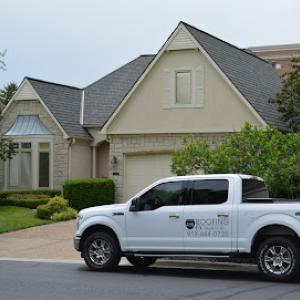
435 Roofing
(913) 444-0725 www.435roofing.com
9265 Flint St, Overland Park, Kansas
5.0 from 198 reviews
Residential and Commercial Roofing Contractor. Locally owned and operated. Licensed and insured. Certified Roofing Installer.
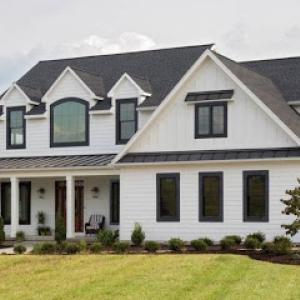
Crown Town Restoration
(913) 214-9028 crowntownrestoration.com
Overland Park, Kansas
5.0 from 80 reviews
Does your house need an upgrade? Turn to Crown Town Restoration, Inc. We're a local roofing company in Overland Park, Kansas. Whether your roof just took a hard hit from a storm, or you simply need a few repairs, our roofing company can help. We also offer exterior and interior painting, cabinet refinishing, build decks and fences, and can replace your siding or gutters! We thrive on providing the best service and offering exceptional roofing and painting products in Overland Park and Johnson County. We are fully licensed and insured, and always offer free inspections and estimates.
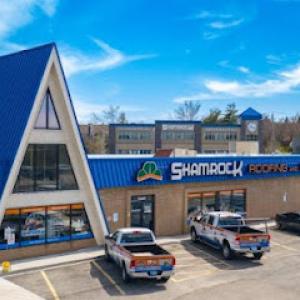
Shamrock Roofing & Construction
(913) 850-6556 shamrockroofer.com
7899 Frontage Rd, Overland Park, Kansas
4.9 from 1042 reviews
For over four decades, Shamrock Roofing and Construction has been recognized as the premier roofing company in the Kansas City area, dedicated to delivering outstanding customer care and satisfaction with every project they undertake. Their team of skilled professionals is committed to quality craftsmanship and exceptional service, ensuring that every roof is expertly installed and maintained to provide peace of mind and long-lasting protection for their valued customers.
Best Roofing Kansas City
(913) 318-8097 bestroofinginkansascity.com
12022 Blue Valley Pkwy, Overland Park, Kansas
4.9 from 126 reviews
Welcome to Best Roofing Kansas City, where you’re more than just a customer—you’re family! Our dedicated, approachable experts are always ready to listen, guide, and deliver top-notch roofing solutions tailored to your needs. We’re proud to serve our community with honesty, care, and a genuine smile. Let us take the stress out of your roofing project and leave you with lasting peace of mind!
Evolve Construction Inc KS
(800) 222-4100 www.evolveconstruction.com
7300 W 110th St #700, Overland Park, Kansas
5.0 from 44 reviews
Evolve Construction is a Top roofing & building contractor servicing locations all over the United States. We have built a reputation for restoring homes and buildings on time, using the best materials at a fair price.
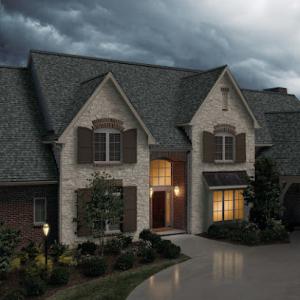
CRI Roofing & Restoration
(913) 787-5454 www.criroofingrestoration.com
8665 W 96th St Ste 201, Overland Park, Kansas
4.9 from 93 reviews
At CRI Roofing & Restorations, we specialize in providing Top-quality Home services, with a primary focus on roofing, gutters, windows, and siding. Whether you need a new roof, upgraded windows, or reliable gutters, our experts are here to deliver exceptional results that stand the test of time. As an experienced contractor, based in Overland Park, KS, we know how to deal with Kansas or Missouri weather and which type of products and roofing materials will be able to withstand harsh weather and high winds. Whether you are planning a much-needed update to your home at at a fair price or you just need some help navigating the chaos of an insurance claim, we have your back.
AmeriPro Roofing
(913) 289-4750 www.ameriproroofing.com
10881 Lowell Ave #110, Overland Park, Kansas
4.7 from 232 reviews
At AmeriPro Roofing we specialize in exterior home repair & storm restoration focusing on roof repair, roof replacement, siding, and gutters installation and repair in Kansas. Since 2000, we have completed over 150,000 successful projects. We never complete a job until you’re fully satisfied. Our goal is to make your house look as good as the day it was built.
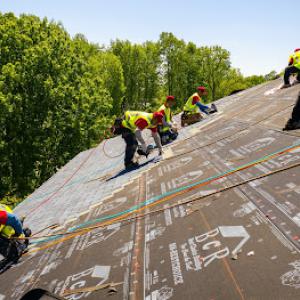
Best Choice Roofing
(913) 210-4002 bestchoiceroofing.com
10551 Barkley St #403, Overland Park, Kansas
4.8 from 90 reviews
Best Choice Roofing is your trusted roofing expert and the Best Choice when it comes to choosing a Kansas City South roofing company with a commitment to impeccable customer service and expert roof replacement, roof repairs, and custom roofing services. In business since 2009, Best Choice Roofing’s industry-leading contributions to the roofing industry include a customer-first mentality, a dedication to top-quality products and a leadership team focused on the growth of its people. Because of this framework, we have created a loyal base of customers all over the United States.
KIKO Roofing
(913) 600-7330 www.kikoroofingkc.com
Town Square, Suite 2B363, Overland Park, Kansas
5.0 from 24 reviews
Kiko Roofing is a trusted roofing company serving Overland Park, KS, and surrounding areas. Specializing in both residential and commercial roofing, we offer a wide range of services, including roof replacement, roof repair, storm damage roofing, new roof installations, roof inspections, and gutter services. With years of experience, our team uses top-quality materials to ensure your property is protected from the elements. We provide durable and energy-efficient roofing solutions, including asphalt shingles and metal roofing, designed to withstand Kansas weather conditions. Additionally, we offer seamless gutter installation, repair, cleaning, and gutter guard installation to prevent water damage. Contact us today for a free estimate!

Accent Roofing Group
(913) 219-8972 www.accentroofinggroup.com
10650 Roe Ave Ste 110, Overland Park, Kansas
4.9 from 30 reviews
Looking for top-notch roofing services in Overland Park, KS, and nearby areas? Accent Roofing Group has you covered! With years of experience, our skilled team specializes in roof repair, replacement, and emergency services. Whether it’s fixing a leaking roof, installing durable metal roofing, or tackling storm and hail damage, we handle it all with care and precision. From shingle and asphalt roofing to flat and commercial projects, we’re your local experts for residential and business needs. Need a roof inspection or maintenance? We’ve got that too! Trust us to keep your roof in tip-top shape. Call Accent Roofing Group today for a free quote and let’s get started on your roofing solution!
Roofing America
(913) 222-4379 roofingamericakc.com
7428 W 162nd Terrace, Overland Park, Kansas
4.8 from 26 reviews
We Have Over 20 Years Experience in Roofing We offer an end-to-end client experience that includes seamless communication with your insurance company, budgeting, staffing, on-site organization, and solid, quality work every time. Roofing America, Inc. is a trusted, licensed, and insured roofing contractor proudly serving more than 150 cities across Northeast Kansas and Northwest Missouri. From our headquarters in Overland Park, KS, we provide high-quality roof repair, roof replacement, storm restoration, gutters, and emergency roofing services to homeowners, businesses, farms, and commercial properties throughout the region. Roofing America, Inc. 7428 W 162nd Terrace Overland Park, KS 66085 Your trusted roofing contractor for KS & MO
Premier Roofing Company
(816) 254-7663 www.premier-roofing.com
10580 Barkley St # 450, Overland Park, Kansas
4.4 from 397 reviews
Premier Roofing Company in Kansas City, MO, is your trusted local expert for asphalt shingle roofing and hail damage roof replacement. Serving homeowners, businesses, and multi-family communities across Kansas City and the surrounding metro area, our experienced roofing contractors provide exceptional craftsmanship, premium roofing materials, and unmatched customer care. Choose Premier Roofing Company in Kansas City for dependable asphalt roofing solutions, lasting protection, and superior results in Missouri's weather conditions.
In Overland Park, the calendar isn't just about rain and sunshine; it's about how the Kansas City metro's hail and wind events interact with hot summers and cold winters. The most reliable replacement windows align with calmer weather to protect shingles, underlayment, and flashing from rapid temperature swings and storm-related stress. Understanding the seasonal rhythm helps you plan for less disruption, fewer call-backs, and a smoother installation.
Milder spring and fall conditions are generally the preferred replacement windows in Overland Park because summer heat and winter cold create tougher installation conditions. In spring, you'll typically face gentler sunlight and fewer weather surprises, which reduces rapid heat buildup beneath shingles during task work and allows ventilation to stay effective. In fall, cooler afternoons make roofing tasks safer for crews and slower to degrade exposed materials, giving you a more predictable process as the days shorten. If a storm window slips into late fall or early spring, keep an eye on ground conditions and temperature forecasts to minimize soft-soled or dew-laden mornings on the new roof.
Summer heat in northeast Kansas can accelerate asphalt shingle aging and also affect installation handling on exposed roof surfaces. When temperatures spike, shingles can become more pliable and then set quickly in the sun, which can influence alignment and the risk of hail-prone damage during a storm. Roofers here plan for morning starts and shaded staging areas, using ice barriers and ventilation strategies to prevent heat buildup in attic spaces. If replacement is unavoidable in peak summer, expect longer drying times for sealants and more frequent mid-afternoon inspections to ensure that fasteners and flashing aren't stressed by heat cycles.
Winter freeze-thaw cycles in the Overland Park area put recurring stress on flashing details and underlayment transitions. The repeated freezing and thawing pushes and pulls at seams, vents, and step-flashing where roofing meets walls. Properly installed ice and water shield in low-slope areas and around penetrations becomes critical, and crews will methodically test sealants as temperatures rise above freezing to ensure a complete cure. If you face a winter replacement, anticipate shorter workdays when temperatures dip, with additional attention paid to keeping underlayment dry during installation and ensuring that hardware resists wind uplift when gusty conditions arrive.
Given the high-claim Kansas City metro insurance environment, storm documentation and timely communication matter. Your season choice should account for predicted hail risk, wind forecasts, and the likelihood of a post-storm surge in contractor availability. Have clear expectations with the roofing team about how they will document damage, coordinate with insurers, and protect landscaping and gutters during the work window. By aligning your project with the milder seasons and preparing for heat or cold as needed, you'll reduce the chance of weather-driven setbacks and improve the long-term performance of the new roof.
Get a clear picture of your project costs upfront - no commitment required.
Crown Town Restoration
(913) 214-9028 crowntownrestoration.com
Overland Park, Kansas
5.0 from 80 reviews
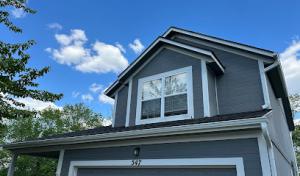
KIKO Roofing
(913) 600-7330 www.kikoroofingkc.com
Town Square, Suite 2B363, Overland Park, Kansas
5.0 from 24 reviews
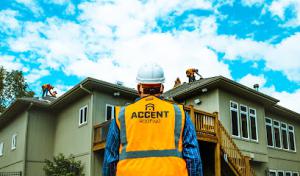
Accent Roofing Group
(913) 219-8972 www.accentroofinggroup.com
10650 Roe Ave Ste 110, Overland Park, Kansas
4.9 from 30 reviews
Asphalt shingles dominate many Overland Park neighborhoods, but periodic hail and strong winds make impact resistance and shingle fastening quality especially important locally. When choosing asphalt, look for high-impact resistance ratings and thicker, sealed edge courses to reduce wind uplift risk. In this market, a weathering-savvy installation matters as much as the product itself: proper nailing patterns, correct nail placement, and adequate attic ventilation all influence long-term performance after a hail event. If you expect frequent storms, consider a high-quality underlayment beneath the shingles to slow moisture intrusion and provide a second line of defense if the first layer is compromised.
Metal roofing is a meaningful local option because homeowners are weighing hail resilience, heat performance, and longer service life against higher upfront cost. The material tends to shed hail energy more predictably than asphalt, which can reduce localized denting or punctures in many scenarios. Metal also heats differently, so pay attention to coating choices that minimize heat absorption on sunny Kansas summer days. A clear advantage in this market is the fast, clean installation with fewer layers, which can simplify storm-related repairs. However, the fast installation and more complex flashing details mean choosing a contractor with metal roofing experience is essential to prevent wind-driven leaks after a severe storm.
Tile, cedar shake, and synthetic/composite roofs exist in the Overland Park market, but their repair complexity and replacement cost matter more after storm events than in many lower-claim regions. Clay and concrete tiles can crack or spall when hail strikes, creating sharp edges that threaten adjacent shingles or underlayment. Cedar shakes offer a natural aesthetic but are vulnerable to wind blow-off and hail impacts that can propagate if fasteners aren't adequately designed for uplift. Synthetic or composite options can mimic the look of tile or shake while delivering improved impact resistance and uniform fastening, yet they come with their own installation quirks and flashing needs. If a storm damages a tile or shake roof, matching the original profile and ensuring a wind-rated seal can become a more involved, longer process than with asphalt or metal.
In this market, the best approach is to prioritize a system-wide view: the roof type, fastener count, and flashing details must align with typical hail patterns and Kansas City metro wind gusts. Pay attention to the roof deck's condition after a major storm; a solid deck with properly spaced and secured underlayment can save extensive repair work later. Regular inspections after storm season help detect subtle damage before it evolves into leaks, ice damming, or structural concerns. When considering material choices, balance hail performance with the realities of repair access and eventual replacement costs, acknowledging that some materials carry higher cost and longer repair cycles when storm damage occurs. Keep a trusted local contractor who understands how regional weather can stress different roofing systems and who can tailor an approach to your home's age, roof geometry, and exposure.
Re-roofs generally require a building permit from the City of Overland Park. That permit isn't cosmetic; it ties together ventilation, flashing, attic ventilation, and shake-free shingle installation to address wind and hail stress common to Kansas City metro weather. If a contractor tries to skip the permit, the risk isn't just a code scrub. You may face delays, voided warranties, and problems with future insurance claims after a storm.
Applications are submitted through the city's Building Services portal or in person. Familiarity with the local process matters because the portal workflow, required drawings, and inspection scheduling can differ from neighboring jurisdictions. Have your roofing plan, attic ventilation details, and flashing diagrams ready, and verify the contractor's permit number before work begins. If you choose to apply in person, allow for a bit extra time during peak storm season when counter lines can be longer.
City inspections occur at key milestones and after completion. The inspector will check that ventilation is adequate for the attic space, that eave and rake ventilation paths aren't blocked, and that flashing is continuous around walls, chimneys, and skylines. Shingle installation should follow the manufacturer's guidelines and local wind uplift expectations. At completion, a final inspection confirms the roof is secure, weather-tight, and properly vented. Scheduling ahead and coordinating with your contractor reduces the chance of rework or failed inspections.
A frequent issue is insufficient ventilation or improper flashing that leads to moisture problems or wind-driven leaks down the line. Ensure the plan specifies proper intake and exhaust pathways and that the installer uses matching counter-flashing for transitions. Weather-related delays can complicate timing, so align the permit timeline with anticipated hail-season activity. Keep a record of all inspection approvals and any noted corrections; this documentation is valuable for insurance and future resale.
Storm-driven demand after hail and wind events can push scheduling pressure and pricing volatility more than in calmer roofing markets. In Overland Park, the mix of aging homes and newer builds along Johnson County neighborhoods means that crews often juggle multiple projects tied to the latest storm patchwork. When a hail event hits, suppliers and crews respond quickly, but availability can tighten and lead times stretch, especially for popular material choices. This section uses practical ranges and real-world factors you'll see when getting bids in this market.
Provided local ranges run from 350 to 700 USD per square for asphalt shingles, 900 to 1500 for metal, 1400 to 2800 for clay tile, 1200 to 2100 for concrete tile, 600 to 1100 for wood shingles or shakes, and 600 to 1200 for synthetic or composite shingles. These figures reflect the typical framing, underlayment, and fastener costs you'll encounter when the project stays within standard residential configurations. Remember that a square equals 100 square feet, and most bids present pricing per square rather than per roofing bundle. In practice, the final price often rounds to the nearest whole number in hundreds or tens of dollars once the exact roof geometry, warranty options, and accessory choices are ironed out.
In this market, a surge in demand after hail events can compress schedules and widen bid ranges beyond the base numbers. If a contractor's crew is booked out several weeks, you may see added mobilization fees or expedited-material surcharges, especially for architectural or specialty shingles. It pays to confirm a firm start window, ask about backlog, and compare whether the bid includes waste disposal, tear-off, and debris containment, which can influence total cost during peak periods.
Johnson County neighborhoods vary in roof pitch, venting needs, and accessory choices-think attic ventilation upgrades, attic insulation work, and flashing material upgrades. These factors push final pricing beyond the base square-rate ranges. The material mix seen in local homes often dictates whether you land in the lower or upper end of the spectrum. Also note that local bid accuracy improves when the contractor can see the roof and confirm the exact number of squares, as well as any scuppers, skylights, or chimneys that require specialized detailing.
Don't let upfront costs delay a critical repair - these contractors offer payment plans to fit your budget.
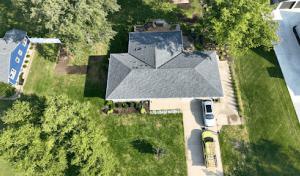
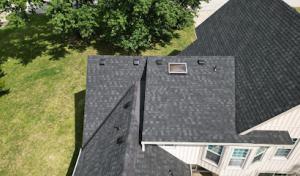
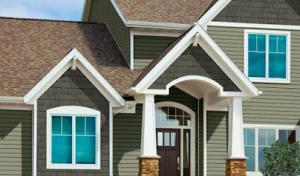
The Kansas City metro's frequent hail and wind losses make Overland Park a documentation-heavy roofing insurance market. Storm events leave adjusters sifting through millimeter-thick records, and delays can drag on repairs. Homeowners should expect insurers to ask for precise timelines, evidence of pre-existing conditions, and proof of timely maintenance before approving or adjusting claims.
Some policies in this market include endorsements or depreciation rules that materially change what a homeowner receives for an aging roof. That means a roof with several hail impacts or wind-driven peltings may be treated differently than a brand-new installation, even if the visible damage looks similar. Be prepared for coverage that relies on actual cash value versus replacement cost, and understand how any endorsements could affect the payout, especially after a multi-year storm season.
Homeowners should keep dated photos, installation records, and maintenance notes because carriers may request them during storm-related claims. A photo log of roof conditions after each major storm, receipts for any repairs, and a copy of the exact shingle or underlayment product installed can all simplify the claims process. If a roof has had prior patchwork or repairs, document those sections clearly to avoid disputes about pre-existing damage when a new claim is filed.
Expect a thorough walk-through by an adjuster who will review evidence against policy terms and local storm histories. Timely communication matters; delays in supplying documentation can slow down approvals and settlements. Knowing that storm documentation and the way depreciation is applied can materially influence the claim helps you navigate the process with less stress.
Connect with contractors who help homeowners navigate the claims process from damage assessment to final approval.
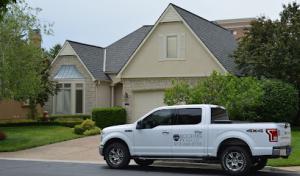
435 Roofing
(913) 444-0725 www.435roofing.com
9265 Flint St, Overland Park, Kansas
5.0 from 198 reviews
Crown Town Restoration
(913) 214-9028 crowntownrestoration.com
Overland Park, Kansas
5.0 from 80 reviews
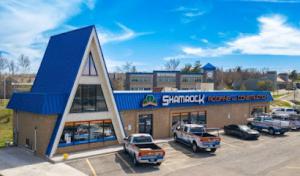
Shamrock Roofing & Construction
(913) 850-6556 shamrockroofer.com
7899 Frontage Rd, Overland Park, Kansas
4.9 from 1042 reviews
In Overland Park, hail and wind storms leave telltale signs on the roof surface that tend to show up first as shingle bruising, granule loss, lifted tabs, and loosened ridge or edge components. Bruising compromises the protective layer, accelerating granule shedding and UV exposure. Lifted tabs create small openings that can trap moisture and allow wind-driven rain to reach underlying layers. Ridge and edge components are especially vulnerable to gusts, and when these are loosened, wind uplift can pry additional areas loose during the next storm cycle. The practical takeaway is to inspect after major hail events and after strong winds, focusing on surface uniformity, missing granules, and any shingles that sit higher than their neighbors.
Freeze-thaw cycling in winter makes flashing transitions and underlayment details recurring weak points on local roofs. Metal flashing at valleys, chimneys, and roof-to-wall transitions can crack or separate, allowing slow seepage even when the surface looks intact. Underlayment that has shifted or stretched during prior seasons loses its impermeable seal, increasing the risk of leaks during spring rain or late-season storms. When inspecting, pay attention to any corrosion around flashing, gaps at step and counter flashing, and any felt or synthetic underlayment that appears stretched or torn under the shingles.
Autumn wind and debris events in this area can turn minor loosened shingles into leak paths before winter weather arrives. Leaves, twigs, and small branches can wedge into exposed locations, lifting shingles or stressing edge packages. A small opening created by a loose shingle or damaged sealant can invite moisture intrusion during early cold snaps, especially where gutters are clogged or where debris sits along rake edges. The actionable approach is to clean gutters and inspect eaves and rake lines after every windy fall event, repairing any loosened shingles and resealing critical seams before heavy winter rains begin.
Find contractors experienced in skylight installation, flashing, and leak repairs to bring natural light into your home.
435 Roofing
(913) 444-0725 www.435roofing.com
9265 Flint St, Overland Park, Kansas
5.0 from 198 reviews
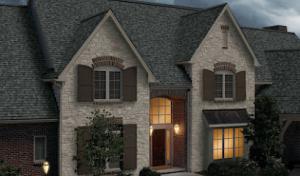
CRI Roofing & Restoration
(913) 787-5454 www.criroofingrestoration.com
8665 W 96th St Ste 201, Overland Park, Kansas
4.9 from 93 reviews
Premier Roofing Company
(816) 254-7663 www.premier-roofing.com
10580 Barkley St # 450, Overland Park, Kansas
4.4 from 397 reviews
Although steep-slope residential roofing is dominant in Overland Park, the local contractor market shows meaningful low-slope expertise for porches, additions, garages, and some multifamily or mixed-use structures. These systems live alongside the main roof and face the same Kansas City metro hail and wind events, plus the freeze-thaw cycles that stress joints, fasteners, and membranes. Expect regular attention to detailing at edge seams, penetrations, and transitions from higher planes to lower sections.
Low-slope sections are more forgiving to careless drainage than flat roofs, but they are not forgiving in storms. Hail can crease or puncture membranes, and wind can lift edge details if flashings aren't properly bonded. In this climate, freeze-thaw cycles push and pull at seals, causing micro-leaks that show up after a cold snap or a heavy thaw. Transitions between the main roof planes and additions are a frequent trouble spot, especially where new decks, sunrooms, or garages tie into older roofing.
Inspect transitions where a porch roof or garage roof meets the primary roof. The seam should have a continuous, well-seated flashing that runs up and behind conflicting elements. Ventilation is critical; low-slope areas need adequate ridge or soffit intake to prevent condensation and related wood rot. Look for properly sized attic vents in the adjacent spaces and ensure baffles maintain an open path for airflow behind the low-slope sections.
During a storm-damage or maintenance inspection, verify that edge details are securely fastened and continuous. Check for any pooling water or irregular slopes that could indicate insufficient drainage. Confirm that flashing around penetrations-vents, skylights, and valley transitions-sits flush and extends over lower planes. Finally, review the condition of underlayment and membrane seams, especially where additions meet the main roof, and plan for resealing or reseaming those critical junctions if signs of wear appear.
Find specialists in TPO, EPDM, and built-up flat roofing systems for residential and commercial properties.
435 Roofing
(913) 444-0725 www.435roofing.com
9265 Flint St, Overland Park, Kansas
5.0 from 198 reviews
Best Roofing Kansas City
(913) 318-8097 bestroofinginkansascity.com
12022 Blue Valley Pkwy, Overland Park, Kansas
4.9 from 126 reviews
Accent Roofing Group
(913) 219-8972 www.accentroofinggroup.com
10650 Roe Ave Ste 110, Overland Park, Kansas
4.9 from 30 reviews
After a major hail event or strong winds, the contractor landscape can flood in with quick-tout inspections and immediate outreach. In this market, speed is a selling point, but haste without careful evaluation often leads to missed damage, mismatched materials, and short-lived fixes. You need a firm that balances rapid on-site communication with a methodical, truthful assessment of roof condition, attic and soffit, and chimney flashing. A measured start protects you from a cascade of small failures turning into bigger, costly problems later.
Local hiring patterns show homeowners here strongly value quick response, cleanup included, and re-roofing experience after weather events. That means you'll encounter firms that offer debris removal, tarp placement, and temporary protection alongside a roof replacement estimate. Seek a crew that clearly explains each step, coordinates cleanup in a single visit, and provides a written plan that covers underlayment, venting, and flashing details. The right contractor demonstrates respect for your time, your yard, and your neighbors, avoiding noisy, disruptive schedules late in the day or on weekends.
In a permit-and-inspection city like Overland Park, homeowners should favor contractors who routinely work with the city's Building Services process rather than treating permitting as an afterthought. A sound choice will preempt delays by scheduling inspections in coordination with you and the city, sharing documentation promptly, and staying on track with any required corrections. When the firm arrives, ask for a clear calendar of milestones tied to inspections, material deliveries, and crew arrivals so there are no surprises mid-process.
Ask to see local projects with a similar roof type and pitch, especially after hail. Request a written scope that details underlayment, drip edge, venting, and attic protections. Confirm references from neighbors with comparable homes who recently endured storms. Finally, verify that the contractor will stand behind work with a robust warranty and a dedicated point of contact for post-installation questions.
Get a clear picture of your project costs upfront - no commitment required.
Crown Town Restoration
(913) 214-9028 crowntownrestoration.com
Overland Park, Kansas
5.0 from 80 reviews
KIKO Roofing
(913) 600-7330 www.kikoroofingkc.com
Town Square, Suite 2B363, Overland Park, Kansas
5.0 from 24 reviews
Accent Roofing Group
(913) 219-8972 www.accentroofinggroup.com
10650 Roe Ave Ste 110, Overland Park, Kansas
4.9 from 30 reviews