
Last updated: Apr 19, 2026
In this western Kentucky basin, spring hail, heavy rain, and strong thunderstorm winds are the roofing events that most often trigger replacement decisions. The inland location means projects are driven by convective storm damage rather than coastal salt or hurricane surge concerns. When a storm hits, crews surge to Madisonville, and scheduling can tighten quickly. Understanding the storm cycle and acting fast keeps your project from getting bogged down in a crowded bid window or a delayed start caused by weather-driven backlog.
Hail dimples, dented edge metal, and wind-lifted shingles are common signs that your roof may need replacement rather than repair. After a substantial storm, the insurance adjuster will look for visible impact marks on shingles, flashing, gutters, and vents, plus roof decking conditions. If the damage is widespread or concentrated on a single elevation, or if multiple penetrations exist, a full replacement becomes more likely. In Madisonville, these patterns repeat after major hail events and wind bursts, so recognizing the telltale damage quickly helps avoid a drawn-out claim process.
Because claims in this area frequently hinge on hail and wind, preparation matters. Assemble a concise photo set that captures the entire roof from multiple angles, then close-up shots of any hail impact marks, cracked shingles, or lifted edges. Create elevation-by-elevation notes: from the attic underside (if accessible) to the highest ridges, noting any loose or missing granules, moisture staining, or ceiling staining in the upper living spaces. Have a detailed estimate prepared that breaks out materials, labor, and scope, including any deck or flashing replacements. This level of detail flags a serious claim and speeds the adjuster's review at the site.
An adjuster visit is a pivotal moment for the timeline. Be present or designate a trusted representative with authority to discuss damage observations, verify measurements, and review the scope of work. Walk the roof with the adjuster, pointing to hail marks, wind-damaged zones, and compromised flashing. Bring the elevation-by-elevation notes and the detailed estimate, and be ready to discuss any previous repairs or known leaks. If there's any uncertainty about decking or ventilation components, request a roof inspection or a satellite measurement check to avoid misinterpretation of the damage level.
Storm-driven demand tightens labor and scheduling windows quickly. If the claim is approved, avoid long delays by coordinating an immediate start with the contractor who can secure materials and crew availability in the aftermath of a major event. In markets like this, the fastest path to a solid roof is a decisive action plan: you submit the claim with complete documentation, you secure an accurate scope with a trusted local contractor, and you align the start date to the first feasible window after the adjuster signs off.

Miller Construction
50 Pritchett Ave, Madisonville, Kentucky
3.0 from 2 reviews
SERVICING ALL OF WESTERN KENTUCKY ROOFING AND CONSTRUCTION COMPANY RESIDENTIAL COMMERCIAL INDUSTRIAL SHINGLES METAL STANDING SEAM WOODSHAKE TPO EPDM SLATE
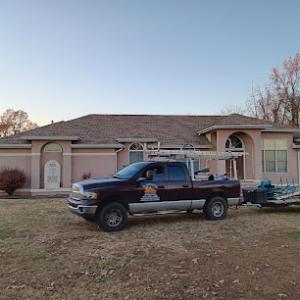
Plunkette Home Repairs
Serving
4.0 from 4 reviews
Roofing, Decks, Bathroom Remodeling, Additions, Flooring, Vinyl siding, Drywall repair, Roof Repair and more.
You know the rhythm well: hot, humid summers, freezing winters, and spring storms that roll in with hail or gusty winds. In this part of western Kentucky, storm events can tighten schedules quickly, especially when insurance timelines and installation demand collide. A roof in good condition can shrug off a few hail pings, but repeated exposure to wind-driven debris or freeze-thaw cycles will reveal itself over seasons. When planning repair or replacement, the decision hinges on whether minor fixes restore reliable protection or whether material breakdown and flashing failures signal a full rebuild is the wiser choice.
Dry, moderate weather windows are especially valuable here because they improve installation quality and reduce disruption from sudden spring rain. You want days with low humidity and minimal wind to protect underlayment integrity and ensure fasteners seat properly without warping panels or shingles. If a roof is nearing the end of its life, schedule during those dry stretches when crews can work without weather-assisted delays. In practice, that often means leaning toward late spring or early fall windows when the forecast looks calm for several days in a row.
The local roofing conversation is dominated by storm resilience and installation timing more than coastal corrosion or wildfire exposure. When a hail event occurs, the first question is whether the impact is cosmetic or structural. If dents or broken shingles expose felt or underlayment, or if there are granule losses in the gutter, a replacement may become a prudent long-term fix. Insurance-driven timing matters: many homeowners discover that waiting through a winter lull to align with a favorable dry season can pay off in better workmanship and a more durable result. If repairs are feasible and maintain the roof's integrity, a patch or partial replacement might be an option, but storm-damaged components often warrant a complete roof refresh to restore full protection.
The typical housing stock in Madisonville leans toward practical, durable options that withstand heat and sudden storms. Asphalt shingles remain a common, versatile choice, while metal roofing appeals for its wind resistance and longevity in a climate with heavy spring winds. If the structure shows signs of past hail impact or persistent leaks, a transition to a more resilient profile-such as certain metal or synthetic options-can offer better protection during future storms. Clay or concrete tiles can be appealing on specific home styles, but their weight and installation demands require careful assessment, especially in flood-prone or structurally older homes.
Maintain a proactive approach: keep an eye on shingle edges, flashing around chimneys and vents, and any signs of moisture in attic spaces after storms. A timely inspection after a hail event helps determine whether you can pursue repairs or should initiate a full replacement. In the end, the choice balances the roof's current condition, expected storm exposure, and the practical realities of scheduling crews during peak demand periods.
In this part of western Kentucky, hail and wind events are a common stress on roofs, and the weather pattern drives how homeowners approach a replacement. The roof must stand up to sudden impacts and gusts, then endure heat and freeze-thaw cycles through the year. A replacement plan should assume the storm season can tighten scheduling, especially when insurer-driven approvals come into play. This means choosing materials that tolerate rapid installation windows and that perform well after hail-related checks. When a hail event shifts into a claim timeline, consider how the chosen product handles impact resistance, wind uplift, and long-term durability without needing frequent tweaks right after the first season.
Asphalt shingles sit high in local preference because they align with the typical housing stock and the region's cost profile. They're familiar to crews, readily available, and generally easier to stage during tight windows after a storm. However, they're also the material most often scrutinized after hail and wind events, so selection should factor in how a shingle roof will be evaluated by adjusters and by ongoing maintenance needs. If hail damage is suspected or confirmed, asphalt can be a straightforward path to restoration, but expect closer inspection of granule loss, surface curling, or visible impact marks.
Metal roofing is common locally for its ability to shed rain efficiently and resist many storm-related issues. In the heat of summer, however, handling and installation pace can slow in the humid conditions, and long stretches of hot work may test crews and homeowners alike. For replacements pursued under insurer-driven timelines, metal often offers a solid lifecycle and faster inspection readiness, but plan for potential scheduling constraints tied to heat-related material handling and flashing work.
Clay tile, concrete tile, synthetic/composite shingles, and slate exist in the market, yet their higher weight or upfront cost can complicate decisions when storm claims push homeowners toward insurer-supported systems. Clay and concrete tile bring durability and a distinctive look but require structural checks for weight-bearing capacity and more careful roof framing assessment. Synthetic or composite shingles can mirror the look of heavier options with lighter handling demands, yet the performance in local hail patterns still hinges on the specific product's impact resistance and warranty terms. Slate delivers premium longevity but is among the heaviest and most expensive choices, often needing reinforced spacing and careful contractor coordination.
In practice, the timeline after a hail or wind event hinges on getting materials matched to the existing roof geometry and to the house's shedding and drainage profile. For the attic and ceiling spaces, ensure the insulation and ventilation strategy aligns with the chosen material; metal and ceramic-look options tend to pair well with proactive venting considerations in the region's hot summers. If a storm claim is involved, work with a contractor who can translate insurer communications into a clear installation plan that respects the weather windows and the local crew availability. The goal is a roof that holds its shape through winter freezes and summer heat, while also presenting a steady, inspectable surface for future evaluations.
Spring in this market can turn into a sprint. Hail and heavy rain events arrive with little warning, and tear-off crews are in high demand as homeowners seek to repair or replace damaged roofs before more moisture seeps in. When a storm hits, the timing of a replacement matters: a damaged roof left open invites interior damage and water intrusion that can complicate claims and push longer scheduling delays. If your shingles show bruising, missing granules, or leaks after a hail event, you'll want to prioritize an assessment and a plan that lines up with the next usable window. The key is to read the weather forecast in blocks of days rather than chasing a perfect week. In practice, that means aligning start dates with dry spells shortly after a storm, and having the contractor hold a tentative date that can adjust quickly if new hail threats reappear.
By late spring into summer, heat and humidity shape how a roof replacement unfolds. Daytime temperatures can slow crews, affect material storage on site, and complicate dew point concerns for underlayment and sealants. If a project requires shingling in asphalt-based systems, consider planning around the hotter parts of the day to protect sealant performance and installation quality. For metal or tile options, the heat can still challenge handling and safety, but the impact is often more on pacing than material performance. Scheduling a larger portions-of-the-day plan with a mid-morning start and a solid plan for midday breaks tends to keep crews efficient without sacrificing workmanship. Contingencies for sudden rain, common in humid stretches, are essential-storm-ready tarps and a clear plan for rapid protection are standard practice, not afterthoughts.
Fall brings a window of more predictable weather, which helps finalize loose ends from spring storms and summer projects. If a roof was postponed during peak demand, autumn can be the right time to wrap up before winter set-in, provided the forecast stays dry for a solid, uninterrupted work sequence. Pay attention to drying times for any sealants or coatings you're using, as the cooling air can slow cure times. A well-timed fall replacement often avoids the stricter scheduling pressures of late-year demand while still keeping you ahead of winter's first freezes.
Winter introduces freeze-thaw cycles that complicate shingle sealant performance and installation sequencing. When temperatures swing above and below freezing, sealants can struggle to cure properly, and shingle adhesives may lose their effectiveness. If you suspect your roof could fail or leak during a thaw, coordinate a plan that prioritizes warmer days, even if that means waiting for a narrow, dry window. In practice, this results in tighter scheduling and a push to complete critical balcony or attic penetrations before the coldest snaps. A measured approach during winter reduces the risk of call-backs and ensures the replacement holds up under the season's toughest conditions.
Typical Madisonville material ranges are about 350 to 700 USD per square for asphalt shingles, 700 to 1200 for metal, 900 to 1800 for clay tile, 1000 to 1900 for concrete tile, 450 to 900 for synthetic/composite shingles, and 1500 to 3000 for slate. In practice, your choice matters as much as weather timing. Asphalt shingles remain the most common starting point for a solid, functional replacement, while metal offers longer life with higher upfront cost. Tile options bring substantial weight and require structural considerations, and synthetic shingles sit between asphalt and more premium materials in both price and performance.
In this region, spring hail or wind events can tighten the market quickly, pushing project pricing and scheduling out of alignment. After a big storm, many homeowners file claims in a short window, and local crews can be booked weeks to months out. If a replacement is needed soon after a hailstorm, anticipate higher peak-season demand and limited contractor availability. Planning ahead, when storms are less active, can help secure production slots and reduce the risk of weather-driven delays.
Project pricing in Madisonville is also affected by permit requirements for full replacement, roof complexity, and whether heavier materials such as tile or slate require additional structural consideration. Clay tile and concrete tile bring distinct durability but add weight and installation nuance that can influence both price and scheduling. Synthetic/composite shingles offer a middle path with moderate weight and cost. For a typical home, cost guidance should align with the expected lifespan, local climate stresses, and the roof's existing structure to avoid overpaying for unnecessary specifications.
When storms have just passed, expect a rapid move from assessment to installation, with labor and materials in high demand. If timing allows, get multiple written estimates, verify installation scope (underlayment, flashing, and venting), and confirm the expected duration for waste removal and site protection. This approach helps protect against price surprises and keeps the project progressing through the Madisonville spring and early summer window.
A full roof replacement in this area typically requires a permit through the local building department, rather than being treated as a no-paperwork job. Skipping the permit can cause headaches later-whether during a resale, a lender review, or a surprise notice from code enforcement. Expect the contractor to handle the initial permit filing, but you should stay informed about what is being submitted and why. The permit record ties your project to the correct property and ensures the work meets local wind, fire, and roof-load requirements that matter in this climate.
The local review process generally includes contractor-filed permit paperwork, documentation of the installation method, and inspections at rough-in and final stages. Rough-in inspection checks that the deck, underlayment, flashing details, and fasteners meet code, while the final inspection confirms everything was installed as agreed and passes for occupancy or insurance purposes. In practice, you should expect clear communication from the contractor about pre-inspection steps and any adjustments the inspector may request. Keeping a folder of receipts and product specifications can streamline this process.
Because spring storms can create surges in roofing activity around Madisonville, inspection timing can become part of the project schedule rather than an afterthought. Peak weeks may push back permit reviews or delay the first and final inspections, so plan with the contractor to buffer time for weather-driven holds. Coordinating the permit timeline with material delivery windows and crew availability helps prevent long stalls once the work starts, and reduces the risk of overlapping storm-related delays.
This market runs on hail-and-wind claims that drive thorough documentation before approving a full replacement. Madisonville sits in a Kentucky pattern where insurers expect field evidence to match contractor estimates and photo records. The outcome hinges on how clearly damage is shown beyond the initial temporary fixes and cosmetic touches after a storm.
Homeowners should expect adjusters to inspect the property in person and to compare what they see with documented estimates and photos from your contractor. If you have a consistent photo log taken from multiple angles-roofs, gutters, vent pipes, and surrounding debris-along with a written timeline of the storm and any temporary repairs, you'll strengthen your case. Be ready to guide the adjuster to areas of concern that persisted after the rain stopped and winds eased. In Madisonville, this in-person review often determines whether the scope of work must stay narrow or expand to a full replacement.
State-level conditions can affect how quickly coverage is applied, so homeowners benefit from documenting damage immediately after storms and before temporary repairs obscure evidence. Keep dated photos, note any hail size evidence, and store meteorological data if available. A clear, organized file that ties specific damages to storm events helps align the adjuster's findings with the contractor's proposed scope. Missing or scattered records can lead to delays or partial coverage, especially when a neighboring home shows similar impact and your documentation stands out for its clarity.
In this area, the most common replacement triggers come from hail bruising, wind-lifted shingles, and water intrusion that follows spring storm sequences. Hail can leave pockmarks and bruising that weakens the surface, even if the damage isn't immediately visible from the ground. Wind events drive shingles upward, creating vulnerable edges where water can begin to penetrate. After the deluge of a typical Madisonville spring, melting ice and heavy rainfall can find those entry points and work their way deeper into underlayment and joints. The pattern is less about long-term wear and more about discrete storm-driven failures that progress quickly once the weather shifts to wet, windy conditions.
Winter weather in this region accelerates aging through freeze-thaw cycles. As temperatures swing above and below freezing, loose sealants and degraded tabs face stress that can open microcracks and weaken the roof deck's protective layers. Aging shingles become more susceptible to this cycle, and once a cold snap returns, those compromised spots can leak or fail to shed water properly. The effect is cumulative: a roof that has endured several harsh winters may exhibit wind and hail damage more readily, even if the surface looks mostly intact at a glance.
Fall wind events contribute another local risk factor. Branches, leaves, and grit driven by strong gusts can abrade shingles and expose edges to moisture more quickly than anticipated. This debris exposure can turn minor wear into leak pathways before winter, especially on roofs with shallow profiles or limited overhangs. Regular autumn inspections help spot frayed edges, lifted tabs, and debris accumulations that could become larger problems when the first winter storms arrive.
Look for visible bruising or smooth, rounded impact marks on shingles after hail, loose or curled edges, and granule loss in gutter debris. Water stains on ceilings or walls beneath attic rafters often indicate intrusion. If wind exposure is evident along ridges or eaves, investigate fascia and drip edge conditions for potential entry points. Prompt attention to any of these signs reduces the chance of cascading damage when spring rains return.