
Last updated: Apr 19, 2026
In Lafourche Parish, Thibodaux homeowners plan around the June-November hurricane season because active tropical weather can interrupt tear-off, dry-in, inspections, and material delivery. That means a full reroof must be timed with the weather calendar in mind. The window for a secure, dependable replacement tightens quickly once storms begin to churn in the Gulf. When a system is already wearing down from heat and humidity, a rushed job during peak season leaves you vulnerable to shingle failures, wind-driven leaks, and moisture intrusion during the first strong gusts after installation. The practical takeaway is clear: align your project to a stretch of calm, dry days, and avoid start dates that fall within the high-probability storm months.
Thibodaux sits in a climate where hot, humid summers and frequent rainfall push many homeowners to target the drier, cooler months for a full reroof. The smoother you make the dry-in process, the less exposure you have to wind-driven rain during installation and to heat-related roofing complications that can compromise materials and fasteners. In practice, that means scheduling your roof replacement for late fall through early spring, when lull periods are more predictable and crews can complete tear-off, installation, and inspections without repeated weather delays. When a calm stretch opens, capitalize on it, because delays compress the timeline and invite weather windows you cannot control.
Even though Thibodaux is inland relative to the Gulf, the storm track still brings wind and rain that can bite at exposed edges, flashed penetrations, and attic-to-ceiling transitions. Wind-driven rain can exploit even small gaps if the roof deck isn't fully dry yet, and ongoing heat cycles can stress underlayment and fasteners if installation lags into a humid morning or afternoon. This reality makes a tight, well-coordinated sequence essential: secure supplier deliveries, have all deck repairs completed, and verify underlayment compatibility before any dry-in step begins. A rushed dry-in is a cheap fix that quickly costs more in leaks and call-backs.
The hurricane season isn't just about the threat of a named storm; it's about the rhythm of moisture, wind, and access. Active tropical weather can stall tear-off and dry-in, delaying inspections and material delivery. If a storm watch is issued, your project should pause in a way that protects the work already done and minimizes exposure to blowing rain. Choose a start date that is forecast to stay clear for at least several days in a row, with enough buffer to complete critical steps before the next front moves in. In this region, a well-timed replacement leans on foresight: locking in a crew, coordinating material arrival, and ensuring the roof is ready for a dependable dry-in during the cooler, more predictable months.
You should confirm a firm, weather-contained schedule that prioritizes dry-in, with contingency plans for back-to-back rain forecasts. Develop a pre-install checklist focused on deck condition, ventilation, and flashing integrity so the crew can proceed without bottlenecks when a window opens. Ventilation performance matters in the heat and humidity, and ensuring accurate matchups for ridge lines, gutters, and drip edges reduces post-install vulnerability to wind-driven rain. Finally, coordinate delivery and staging on days with minimal risk of afternoon showers, so materials remain dry and ready for immediate, complete installation when the forecast holds. This approach minimizes downtime and maximizes the roof's resilience against the Gulf-derived wind and rain that make Thibodaux weather unpredictable, yet navigable, when timing is managed with urgency and precision.
Thibodaux's location along Bayou Lafourche means roofs stay exposed to persistent humidity that can shorten service life through moisture retention, algae growth, and slower drying after rain. This isn't just a cosmetic issue; lingering dampness inside attic spaces can compromise decking, underlayment, and even the fasteners that hold everything together. In practical terms, a roof that feels damp or shows greenish algae growth after a humid week is signaling a deeper problem: moisture is persisting where it should be drying out, inviting rot and structural stress over time. To counter this, prioritize assemblies that breathe without sacrificing weather protection, and ensure attic air can move freely from eave intake to ridge exhaust. Neglecting this balance invites softened sheathing and more frequent energy-driven cooling costs as insulation loses its effectiveness.
Regional coastal influence raises corrosion stress on exposed metal components and fasteners, which matters even in inland Lafourche Parish. Salt-driven oxidation doesn't respect property lines; it can creep into flashing, screws, and metal vents, especially where humidity lingers and rainwater stands after storms. The practical impact is not only faster wear but a higher chance of leaks around penetrations and degraded roof-to-wall connections. When a roof replacement is on the table, look for coatings, galvanization, and fasteners rated for corrosion resistance in coastal zones. If a contractor suggests a standard metal mix, double-check the corrosion warranty and ask about thicker-gauge fasteners or non-corrosive options for exposed edges and ridge lines. Small upgrades here can mean years of fewer maintenance bouts and less likelihood of recurring leaks after the next front moving in off the Gulf.
Ventilation and dry-in details carry extra weight locally because humid attic conditions can compound moisture problems under the roof covering. In Thibodaux, attic space often bears the brunt of outdoor humidity, and poor ventilation can turn a dry-in into a moisture trap. A well-engineered ventilation plan moves air across the entire attic, reducing condensation that can lead to mold, wood rot, and accelerated shingle aging. Dry-in details matter just as much as the roofing surface; if flashing or underlayment aren't protected with a proper dry-in system, moisture can migrate under the shingles during rain events and linger. Ask for a ventilation strategy that includes adequate intake at soffits and exhaust at the ridge or high vents, paired with a path for moisture to escape rather than accumulate.
Given the humidity and corrosion risks, material selection should account for long-term behavior in this climate. Asphalt shingles with quality organic or fiberglass bases can perform well when paired with reinforced underlayment and robust edge detailing, but metal components call for corrosion-resistant fasteners and protective finishes. Clay and concrete tiles offer durability, yet their weight and installation tolerances must be matched to attic structure and roof deck ventilation to prevent hidden moisture pockets. Wood shingles or shakes carry aesthetic appeal but demand careful moisture management to avoid warping and algae under favorable conditions for decay. Synthetic or composite shingles can provide a balanced option, blending moisture resilience with easier maintenance. The overarching goal is a roof system that dries quickly after rain, resists algae growth, and minimizes corrosion-prone connections, so the home can endure the Bayou climate without frequent, disruptive repairs.
Asphalt shingles and metal roofing are practical fits for many Thibodaux homes because they are common locally and align with the area's storm-focused replacement market. When evaluating shingles, look for products rated for high-wine wind exposure and ample nail line depth to resist uplift during a hurricane. Metal roofs, especially standing-seam designs, offer wind resilience and a longer service life in coastal-south Louisiana conditions, provided the panels are properly fastened and the underlayment is compatible with humid climates. If a retrofit is on the table, metal can pair well with existing venting and attic insulation upgrades that keep attic humidity under control.
Clay and concrete tile appear in parts of south Louisiana but require attention to structural load and wind detailing in a hurricane-risk parish. If you are considering tile, have a licensed structural engineer or roofer verify the roof deck and framing can handle the extra weight, and ensure the installation includes a robust underlayment and wind-rated fasteners. Wind performance hinges on properly sealed edges, penetrations, and hips and ridges that lock the system together. In high-wind scenarios, ensure the tile profile, fastener pattern, and edge clips are specified for the parish's hurricane exposure, and avoid overhanging eaves that can catch wind gusts.
Wood shingles and shakes face tougher moisture and maintenance challenges in Thibodaux's humid, rainy environment than in drier regions. If wood is chosen, select pressure-treated or naturally decay-resistant varieties and plan for proactive maintenance-treatments, staining, and prompt replacement of any warped or delaminated sections. Consider the longer-term upkeep and potential for mold or fungal growth in shaded or high-humidity corners of the roof. For any organic materials, ensure a meticulous cleaning schedule and moisture-control strategy to prevent premature deterioration.
The best choice often starts with your existing roof deck, attic insulation, and gutter system. Asphalt shingles offer quick, reliable performance for standard roof lines and can be upgraded with wind-rated fasteners and improved underlayment. Metal roofs deliver superior wind resistance and a cleaner look on modern homes, but require attention to panel seams and edge detailing. Tile options bring distinct aesthetics and durability if the structure can bear the weight and if wind detailing is explicitly addressed. In all cases, ensure the installation plan accounts for Bayou Lafourche humidity, frequent rain, and the hurricane-focused risk profile that drives replacements in Lafourche Parish.
Typical local material pricing runs about $350-$550 per square for asphalt shingles, $700-$1100 for metal, $1200-$1800 for clay tile, $900-$1500 for concrete tile, $550-$900 for wood shingles or shakes, and $420-$850 for synthetic or composite shingles. In Thibodaux, the exact number on the quote reflects not just the product itself but the hard realities of Lafourche Parish weather: salt spray, high humidity, and the need for wind-resistant fasteners. When you're planning, expect the upper end of each range if the crew talks about upgrading underlayment, corrosion-resistant accessories, or a wind-focused installation package. The cheapest option often means fewer protective upgrades, which can cost more later in repairs.
Storms drive scheduling and labor pressure in Lafourche Parish, and tropical events can tighten crews and push prices upward for a window after a major event. If a hurricane season hits, you'll notice longer lead times for materials and backlogs on standard shingle orders. Your best approach is to plan ahead on replacements that can be done in a calm window, rather than chasing a rush job immediately after a storm when crews are stretched thin. Have a short list of preferred installers ready, and confirm their material stock and crew availability before the peak season hits.
Corrosion-resistant accessories, upgraded underlayment, and wind-focused installation details are more likely to influence the total cost here than in inland markets. Expect to pay a little more for copper- or aluminum-imbued edging, sealed penetrations, and fasteners designed to resist salt air and gusts. A proper wind retrofit often includes nail patterns, hip-and-ridge detailing, and higher-grade underlayment to reduce the chance of leaks during a hard Northeast wind or a hurricane-induced surge. These upgrades are practical insurance for a roof that has to withstand frequent tropical exposure.
When budgeting, add a contingency for weather-related delays and material delays after a storm. Ask contractors for a breakdown that separates materials, standard installation, and any wind-focused upgrades. Look for warranties on both materials and installation, and confirm they address wind resistance and corrosion protection. In this market, a transparent quote that names corrosion-resistant accessories and upgraded underlayment as line items helps you compare apples to apples across bids. A well-structured estimate feels like a plan you can actually rely on when Lafourche Parish weather turns, not just a price sheet.
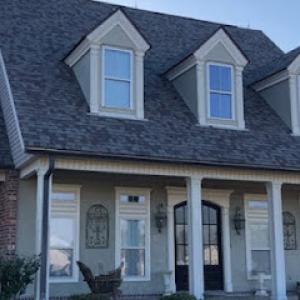
The Colonel Home Improvements
602 Parkside Dr, Thibodaux, Louisiana
5.0 from 2 reviews
Roofing and Home Improvements
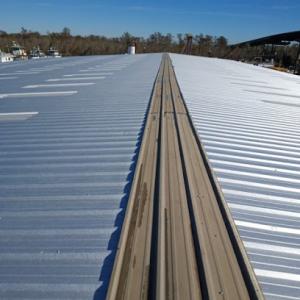
Indemnity Roofing
(337) 602-6092 indemnityroofing.net
1220 Canal Blvd, Thibodaux, Louisiana
5.0 from 1 review
Your insurance company has their roof guy in Thibodaux. Now, you have yours. Your insurance adjuster doesn’t work for you—he works for your insurance company. And your insurance company makes money by charging a lot and paying a little. So, they’re not incentivized to note all of your roof damage. In fact, we’ve seen insurance companies send checks for minor roof repairs to businesses & homeowners who needed whole roof replacement! So, we'll make sure you get the roof you need. And our roofing pros will help you choose the roofing materials that fit your needs, personality, and budget. We'll even show you a 3D model of your preferred roofing materials on your house—before you make your final decision. Call for your free roof inspection.
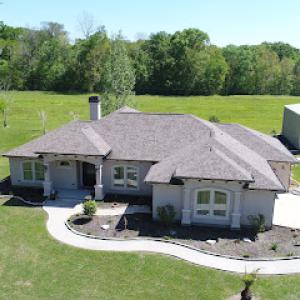
Accent Roofing & Construction
(985) 200-0726 accentroofinghoumala.com
Serving
5.0 from 5 reviews
BBB Accredited Business: Accent Roofing & Construction proudly serves all of Houma, La., and surrounding areas with a wide range of residential and commercial roofing and construction services.
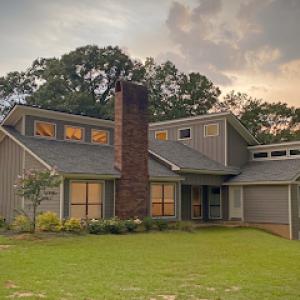
PES Roofing
Serving
5.0 from 9 reviews
Serving Louisiana with quality & integrity since 1995. BBB A+ Rating, No Money Down, Fair & Honest Pricing, Quality Craftsmanship Guaranteed. Financing Available LA License #883416
JET Roofing & Construction
Serving
5.0 from 5 reviews
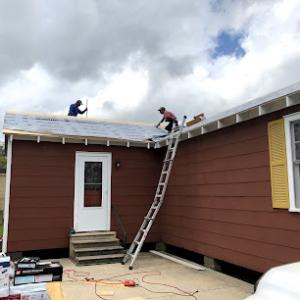
JET roofing is a locally owned and operated roofing company focused on not just quality work but also connecting with the customers to insure absolute satisfaction. We are a well equipped team capable of meeting all your roofing needs with 10+ years of experience so make like a JET and call us quick!!
Duralite Roofing & Foam
(866) 949-5516 www.duraliteroofing.com
Serving
4.4 from 8 reviews
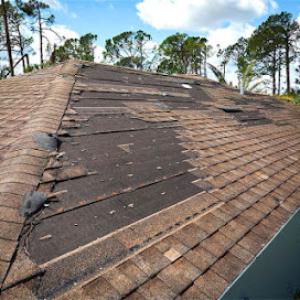
Duralite Insulators is a leading roof coating and spray foam contractor in South Louisiana, servicing areas along the southeast.
Rene the Tinner
(985) 872-1710 www.renethetinnerinc.com
Serving
4.3 from 8 reviews
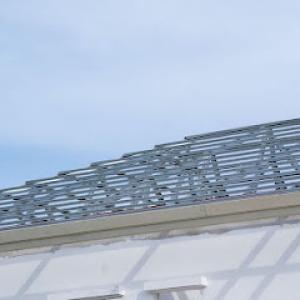
Since 1926, Rene the Tinner, Inc. has been dedicated to providing top-notch roofing services in Houma, LA, and the surrounding areas. As a fourth-generation, family-owned business, we pride ourselves on our commitment to excellence and attention to detail in every project we undertake.
Cross Construction
Serving
4.0 from 7 reviews
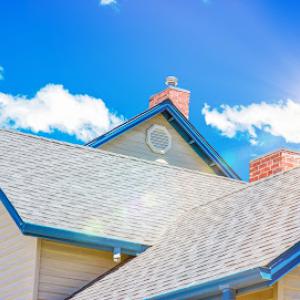
Cross Construction CO. INC is a family-owned and operated roofing company in Lake Charles, LA. We are ready to service all your residential and commercial roofing needs. We have been in the business since 1982, and we are committed to building or remodeling your roof to precisely fit your specifications, a task which we will complete efficiently and expediently.

Aspen Contracting
Serving
2.8 from 5 reviews
We specialize in residential and commercial roofing, siding and gutters services. Whether your home has experienced storm damage, you are building a new home, or your older roof requires some annual maintenance, we’re the best for the job. We have the expertise, products and services to answer your needs. We always provide a FREE inspection and estimate and we never request payments up-front. We use trained representatives and crews for the satisfactory completion of your home. Our work is backed by the Aspen Ironclad lifetime warranty. Our consultants specialize in the insurance claims process and are ready to help homeowners understand their policy and navigate the process to restoring their home.
Big Sky Restoration
(254) 266-1658 bigskyrestorationllc.net
Serving
BigSky Roofing & Restoration specializes in storm damage offering free estimates and inspections.
Ernie Smith & Sons Roofing - Houma
(225) 412-5539 www.smithandsonsroofing.com
Serving
Roof Repair and Roof Replacement Services
Houma Roofers
Serving
Houma Roofers, LLC is a registered company in Houma Louisiana. Specializing in Houma Roofs & Construction services. Our staff includes ex insurance adjusters and can help with all your storm repair needs. Free Easy Consultation. Why Not Call Us Now?
In Lafourche Parish, a building permit is typically required for a full roof replacement, and this governs reroof work for the Thibodaux area. The parish's permitting process is designed to ensure that new roofs meet local wind resistance, drainage, and ventilation standards that are critical in this low-lying, hurricane-prone region. Your project will be evaluated for compliance with wind load provisions and typical parish codes that reflect coastal Louisiana exposure. Knowing this early helps avoid delays when the contractor is ready to move.
The roofing contractor commonly handles the permit filing with the parish, rather than the homeowner tackling the paperwork alone. This arrangement streamlines coordination between the permit office and the installation crew, reducing back-and-forth and the risk of misfiling. Some contractors will provide a clear checklist of what the parish needs, including the project scope, roof venting plan, and any required drawings. If you prefer to review the permit package before submission, request a copy of all forms and approvals as part of the service agreement.
Expect the permit review to cover the proposed roof system, including materials, installation methods, and any alterations to ventilation or attic insulation. In Lafourche Parish, wind-related specifications are a focal point, so the plan should clearly document fastener types, underlayment, and edge detailing. The contractor should indicate how the roof will maintain proper attic ventilation and moisture control, which are essential for long-term performance in hot, humid conditions. Once permits are granted, the work can begin under inspection-ready guidelines aligned with local code expectations.
After the roof is installed, a final inspection is scheduled to verify installation integrity and code compliance. During this walkthrough, inspectors review wind-resistance features, flashing, hip and ridge details, and ventilation components to ensure they function as intended in the parish's climate. For homeowners, it's helpful to have a copy of the installation specs and the permit packet on hand for the inspector. If any issues are noted, the contractor will typically address them before the permit is officially closed, giving peace of mind that the new roof is prepared for the region's hurricane season and inland humidity.
Louisiana's insurance market volatility affects this area directly, with hurricane exposure driving higher deductibles and, in some cases, fewer carrier choices. That means your roof replacement timing and the robustness of the installation can influence whether a claim is honored or denied, especially after a storm when carriers scrutinize every detail. The landscape shifts quickly after a major event, so understanding how coverage can move from year to year is essential.
Insurers in this region often scrutinize roof age, material type, underlayment, and installation documentation when reviewing claims or underwriting coverage. A roof that shows strong evidence of quality materials and a proper, code-aligned installation stands a better chance of meeting stringent underwriting criteria. Conversely, gaps in deck condition, mismatched fasteners, or questionable underlayment can invite deeper post-storm scrutiny and potential claim friction. In practice, this means the way a roof was planned, documented, and executed matters as much as the actual weather events.
Permit records, contractor estimates, and dated photos of roof condition are especially important in Lafourche Parish because storm-related claim review can be documentation-heavy. Keep a clear, time-stamped trail: initial roof condition photos, material tags and installation details, and updates after any repair or replacement. If a storm hits, insurers will often request a record of the roof's evolution-proof of material type, warranty coverage, and evidence that the installation followed best practices. In a neighborhood with similar homes and shared weather challenges, a meticulous documentation routine can reduce friction and help support a timely, fair assessment.
In this area, tropical systems stress roofs differently than ordinary storms, and wind-driven rain can lurk where edges, penetrations, and flashing meet the deck. You may see dampness seeping in along rake edges or around skylights even when the main surface looks dry. The practical consequence is hidden deterioration that undermines shingles and underlayment. Treat edge detailing as a first line of defense: high-quality flashing, properly sealed step and counter flashing, and roof-to-wall transitions that shed water away from joints. If you notice staining near edges after a storm, investigate the flashing integrity before problems spread to sheathing.
Humid, coastal-influenced air accelerates corrosion on nails, screws, and metal accents. This isn't just cosmetic; compromised fasteners can loosen shingles, allow water entry at penetrations, and reduce the roof's wind resistance. Inspect visible metal components-drip edges, vent flashings, gutters-for chalky corrosion or rust spots. Replace corroded fasteners with corrosion-resistant options and ensure coatings match the local humidity cycle. The goal is a fastener set that resists rust long enough for the roof to endure season after season, even during hurricane season.
Long, hot seasons make moisture problems worse when attic ventilation is inadequate. Poor airflow traps heat and humidity, accelerating shingle aging, adhesive failures, and the breakdown of underlayment. If you notice peeling paint, warped sheathing, or attic condensation, address ventilation first. Consider soffit and ridge vent balance, and ensure baffles keep airflow across the entire attic. Proper ventilation reduces heat buildup, slows deterioration, and helps your roof hold up through rapid rain and wind events.
Small leaks near penetrations, loose shingles at corners, or recurring damp spots after storms deserve attention sooner rather than later. A proactive approach-annual inspections focusing on edges, flashings, and fasteners, plus timely resealing-can prevent larger repair bills and broader water intrusion in this climate. Keep an eye on gutters and downspouts for proper discharge away from fascia, especially after heavy rains.