
Last updated: Apr 19, 2026
Gonzales homeowners face a pronounced hurricane season plus frequent thunderstorms, making wind-driven rain and sudden leak exposure the most time-sensitive roofing issue locally. When a fast-moving front rolls in, shingles can shear loose, and gutters clog with leaves and debris that funnel water toward vulnerable edges. The first bite of heavy rainfall can expose attic spaces within hours, turning a minor cosmetic issue into costly interior damage if left unattended. In practice, that means you should treat any new drip, stain, or musty smell as a red flag and act quickly, especially if you've seen nearby homes buoyed by gusts or spent a night with pounding rain.
Heavy rain events in the area can delay tear-offs and leave exposed roof decking vulnerable if scheduling slips during active storm periods. If a storm window opens, don't wait for "the perfect dry day" to inspect. A visibly sagging edge, curling shingles, or damp spots on attic insulation or ceiling drywall signals that water has found a path through the roof system. When crews can't complete a full tear-off before another front hits, request temporary protective measures: tarping, plywood or OSB board placement to cover exposed valleys and seals, and rapid-deck stabilization. The goal is to keep moisture from penetrating the decking, which can compromise underlayment and insulation quickly in this climate.
Local contractor signals show unusually strong demand for storm damage, insurance claims, and emergency repair services, indicating that post-storm response is a core homeowner concern in this market. That means response times matter more than ever. If a crew isn't on-site within 24 to 48 hours after a pounding rain event, you risk escalating internal moisture damage, mold potential, and wood rot. Prioritize teams with demonstrated coordination for rapid tarping, temporary sealing, and a clear plan for assessment and stabilization before any permanent work begins. Ask for a written triage checklist that includes immediate leak mitigation, a temporary protective cover, and a staged repair timeline.
When you notice a leak or a compromised edge during a thunderstorm, take decisive steps. Place buckets under active drips, remove valuables from the affected area, and create a dry path for any action crew to access the roof quickly. Do not climb on a wet, slick surface or attempt a patch without proper fall protection. If you can safely access the attic, locate the source of moisture and press a temporary sealant or roofing cement along the most obvious path of water entry until a professional can seal it properly. Keep notes of weather exposure, including dates and times, so your insurance claim has precise context for the damage and urgency.
Storm claims and emergency repairs require careful timing, especially during hurricane season. Coordinate with your insurer to begin a claim immediately after the first signs of damage, but avoid delaying temporary fixes that stop further infiltration. Provide photos from multiple angles, dates, and close-ups of any hail marks or loosened seams. A documented sequence-initial triage, temporary protection, and planned permanent repair-helps protect your home and supports faster settlement. In this market, a proactive approach paired with a reliable local crew minimizes downtime and reduces the risk of secondary damage while the weather sits on the doorstep.
Spring brings milder temperatures after winter, making it a solid window for roof work. In this window, you'll find a balance between manageable heat and quicker drying times, which helps crews sequence tear-off, dry-in, and final installation without pushing materials to their limits. The shoulder season also means you can schedule more reliably before hurricane season ramps up, giving you room to address any minor repairs before storms arrive. For homes with asphalt shingles or metal roofing, this timing tends to minimize heat-related stress on installers and reduce the risk of adhesive failures on sensitive underlayments.
Springtime in the area isn't outright dry, and showers can roll in with little warning. That means scheduling needs a little buffer. Plan for potential delays by coordinating with your contractor on a flexible window and prepped material staging. Have a clear plan for protecting landscaping and vehicles during a rain event, and confirm that tarping and temporary weather protection are part of the initial site setup. If a storm seems likely during any planned window, you'll want a fast communication plan with your crew to adjust days without compromising the sequence of tear-off, dry-in, and final installation.
Although summer is technically outside the prime window, emergency repairs often occur during hurricane season. If timing pushes into early summer, prioritize projects with crews who can implement careful heat-minimizing practices: early-morning work, extended shaded periods, and strict hydration routines. And if a storm target reduces daylight hours, you'll benefit from a crew that can adapt without sacrificing the tear-off sequence. For any project that starts close to peak heat, ensure there is a clear plan for heat protection of underlayment and decking, and for materials that expand with heat during installation.
Autumn in this climate can bring rapid changes, which matters when scheduling around short forecast windows. In these weeks, tear-off, dry-in, and final installation must align with unpredictable days of sun and a sudden cool-down or rain. Work with a crew that can compress the sequence without compromising quality: efficient tear-off, prompt dry-in under a tested, weather-ready flashing plan, and a disciplined final inspection. Having a contingency day or two added to the schedule helps keep the project on track if a front moves through with gusts or a stray shower.
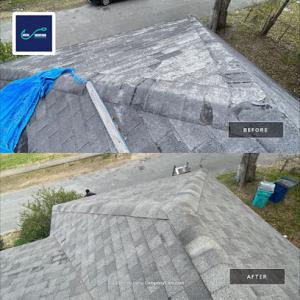
Hook Roofing & Construction
(225) 777-6711 www.hookroofingandconstruction.com
Gonzales, LA
4.9 from 56 reviews
Hook Roofing and Construction is your trusted partner for roofing, construction, and remodeling services in Baton Rouge, Louisiana, and the surrounding areas. We specialize in roof repairs, replacements, inspections, and storm damage restoration, providing durable solutions for both residential and commercial properties. Our remodeling services include kitchen and bathroom upgrades, home additions, and custom renovations to enhance your living space and add value to your property. With a commitment to quality craftsmanship and customer satisfaction, we deliver reliable roofing and remodeling solutions tailored to your needs. Contact Hook Roofing and Construction for free estimates and exceptional service today!
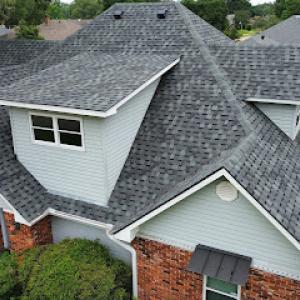
Cypress Roofing
(225) 238-6147 cypressroofingla.com
1802 S Sonny Ave, Gonzales, Louisiana
4.7 from 195 reviews
Cypress Roofing is a family-owned business providing services for roofing, gutters, and patios in Gonzales, LA and beyond.
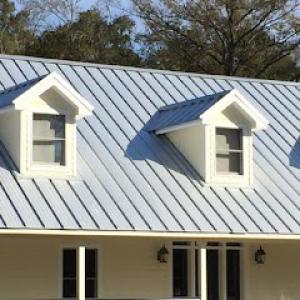
Livingston Roofing & Sheet Metal
(225) 644-5718 www.livingstonroofing.com
1123 E Hwy 30, Gonzales, Louisiana
4.8 from 55 reviews
Livingston Roofing is a roofing company in Gonzales, LA, and has been serving Baton Rouge and its surrounding areas for over 60 years. With our three generations of knowledge, we're confident in our abilities to repair or replace any commercial or residential roof. As experienced roofing contractors in Baton Rouge, we provide repair repair services, roof replacement, roof inspections and storm damage repair. If you feel that your roof has suffered any damage, be sure to contact us for a free roofing inspection! Call Livingston Roofing today to get the help of our experienced and licensed roofing contractors.
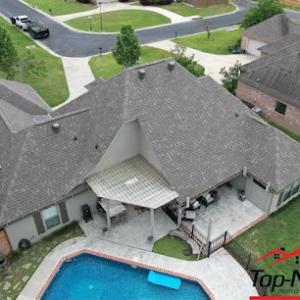
Top-Notch Roofing & Construction
(225) 270-8498 topnotchroofing-construction.com
40508 Cross Ridge Ave, Gonzales, Louisiana
4.9 from 32 reviews
A locally owned, licensed & insured roofing company guaranteed to provide the highest quality of services, along with exceptional communication skills and the accommodations of homeowners.

Coleman Roofing & Construction
(225) 379-7663 colemanroof.com
2008 Robert Wilson Rd, Gonzales, Louisiana
4.7 from 68 reviews
Coleman Roofing and Construction is Louisiana’s most reliable and respected roofing company specializing in commercial and industrial roofing and exterior construction services. Since 1982, we have been dedicated to being your trusted partner in maintaining and enhancing the durability and beauty of your property.
GreenCo Commercial Roofing & Steel
2807 S Ruby Ave, Gonzales, Louisiana
5.0 from 15 reviews
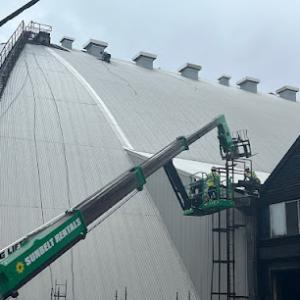
GreenCo Construction Services, Inc are specialist in the application industrial coatings and steel erection & repairs. Restoring steel roofs with solvent based, long lasting coatings as well as the application of corrosion coatings in a variety of industrial applications. We also offer Spray Polyurethane Foam applications for exterior insulation of existing steel roofs to greatly reduce heat gain, without disturbing work flow inside the building. We have 39 years of storm damage repairs and are preferred contractors for many commercial and industrial insurance companies. Contact us for more details about our extensive exterior industrial and commercial services.
Quick Roofing - Southeast Louisiana
(225) 407-9955 quickroofing.com
826 Louisiana 30 W Suite C, Gonzales, Louisiana
4.8 from 18 reviews
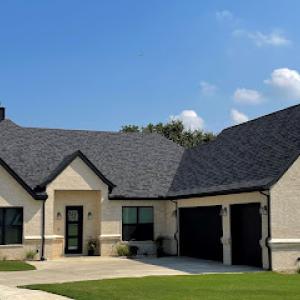
Quick Roofing is your one stop shop for all your residential and commercial roofing needs. With a local presence in the Southeast Louisiana area and a proven track record of over 34 years you can be confident in choosing Quick Roofing. Give us a call for your free no-obligation inspection.

J.e.s.
(225) 238-6310 www.jesincorporated.com
39266 Doyle Dr, Gonzales, Louisiana
4.7 from 14 reviews
J.E.S. Inc., a Louisiana based corporation, has been working across the U.S. since 1974 implementing our expertise in the full scope of Commercial and Residential Construction.
Redstick Roofing Gonzales
(225) 610-5575 redstickroofing.com
1330 S Brad Alan Ave, Gonzales, Louisiana
5.0 from 5 reviews
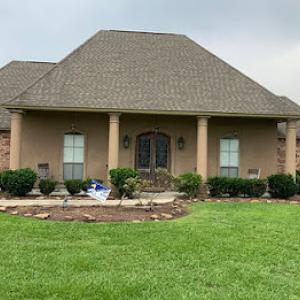
Red Stick Roofing is one of the top Gonzales roofing companies, offering exceptional services to meet all your roofing needs. With a team of highly skilled professionals, we specialize in roof installations, repairs, and maintenance. Our commitment to quality is reflected in our use of premium materials, ensuring long-lasting and durable results. Whether it's a residential or commercial project, we have the expertise to handle it with precision and efficiency. Customer satisfaction is our utmost priority, and we strive to exceed expectations in every aspect of our work. We go the extra mile to ensure a seamless experience. Choose Red Stick Roofing for reliable and professional roofing services in Gonzales.
Felipe's Management
(225) 390-2151 felipesmanagementllc.com
711 E Ascension St PMB271, Gonzales, Louisiana
5.0 from 2 reviews
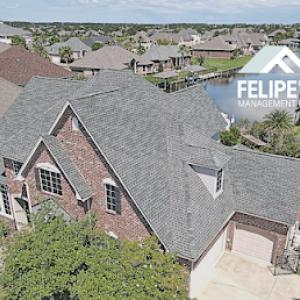
Welcome to Felipe’s Management, LLC, where we take great pride in providing exceptional care and attention to your home. We are dedicated to delivering the highest standards of Roofing services & quality, and we strive to be a reliable partner in your efforts to maintain and protect your property. As a Louisiana-based company that specializes in handling storm insurance claims, we have extensive experience and knowledge in navigating the complexities of the insurance industry. Our team is committed to guiding you through the process with ease and efficiency, and we are confident that we can help you achieve your Home improvement goals.
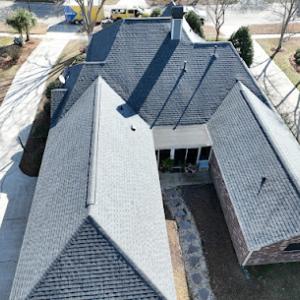
Tri-21 Roofing & Construction
(225) 362-1400 www.tri21roofing.com
Serving
5.0 from 117 reviews
When you choose Tri-21 Roofing and Construction, LLC, you are choosing a company that values and delivers the best possible services using the best possible products to every single customer. 100% customer satisfaction is our goal, and we will always stand behind that. We love serving others in our community, so when our daughter was born with Down Syndrome, we met even more amazing people in our community. A portion of our profits go to special needs organizations, events, and philanthropies. Not only do we get to provide a service to help you, but your decision to choose us means you are also choosing to help the special needs community. Please call, text, or message us today for a FREE quote!
Samayoa Roofing & Sheet Metal
(225) 313-3601 www.samayoaroofing.com
Serving
5.0 from 46 reviews
Samayoa Roofing & Sheet Metal, LLC has over 25 years of experience dedicated to providing affordable, high-quality and long-lasting roofing and sheet metal solutions in Baton Rouge and the surrounding areas. We understand your roof is one of the most critical components of your property, protecting your home or business from the elements and each project is taken seriously. Whether you need a new roof installation, repair, or replacement, WE’VE GOT YOU COVERED! Our sheet metal services include custom fabrication and installation of gutters, flashings, chimney caps, and other metal roofing components. We specialize in insurance claims and we provide and a 2-year unconditional workmanship guarantee! FREE ESTIMATES, call today!
Asphalt shingles and metal roofing are the dominant choices you'll see in this area, with most homes built or re-roofed using these two materials. Asphalt shingles deliver familiar aesthetics, quick installation, and solid performance for typical storm cycles. Metal roofing, on the other hand, is gaining traction because it can shed rain more efficiently, resist wind uplift better in severe storms, and stand up to the Gulf Coast heat in ways that newer homeowners appreciate. Tile, wood, and synthetic options exist but are noticeably less prevalent among local contractors, so selecting those materials may involve more limited sourcing, longer lead times, or higher install variability depending on the crew.
The hot, humid climate accelerates visible aging for some roofing materials, so material choice should factor in both heat exposure and repeated thunderstorm moisture cycles. Asphalt shingles can perform well when installed with a high-quality underlayment and proper attic ventilation to minimize heat soak, but they may show more curling and granule loss in areas with prolonged sun exposure. Metal roofs respond differently: they shed heat more efficiently, can lower attic temperatures, and resist the effects of heavy rainfall, yet color choice and panel profiles influence glare and thermal expansion. If you anticipate long storm seasons with quick successive repairs, metal can reduce maintenance downtime, while asphalt may offer economical, familiar aesthetics that blend with existing neighborhoods.
In a region with frequent storms, the roof assembly matters as much as the top surface. For asphalt, ensure the shingles are reinforced with a quality underlayment and that the roof deck is solid and dry before installation so aging under cycles of rain doesn't undermine adhesive performance. For metal, the coating system and fastener hardware quality matter because salt-laden air and high humidity can affect corrosion resistance and sealant longevity. A local contractor who understands Gulf Coast wind patterns can tailor fastener choices and panel profiles to your home's exposure-factors that influence both noise, expansion gaps, and debris impact resilience during hurricane season.
Metal roofing brings clean lines and a modern curb appeal that fits many Gonzales neighborhoods, and it can mirror some traditional architectural accents when paired with appropriate color palettes. Asphalt shingles continue to offer broad color variety and compatibility with the average property value in the area, making them a comfortable match for many early- and mid-century homes. Tile and wood alternatives, while less common, can provide distinctive textures and warmer finishes, though they require careful maintenance to manage moisture exposure and potential wind-driven damage from tropical storms. Synthetic composites aim to blend durability with the look of natural materials but may hinge on contractor familiarity and regional supply.
When choosing material, consider how often you anticipate roofing work during storm seasons and how quickly a repair can be scheduled. If ease of repair, familiar maintenance cycles, and broad installer networks matter most, asphalt shingles keep you within a predictable path. If you want superior wind uplift resistance and potential long-term energy savings, metal roofing is worth a closer look, especially with a panel profile that minimizes debris catchment and an architectural color that reduces heat gain. For homeowners exploring nontraditional looks, tile or wood can be viable in select neighborhoods where installation consistency and local crew experience align with your expectations, though be prepared for longer lead times and more frequent coordination with specialized contractors.
In this area, typical Gonzales material pricing runs about $350 to $600 per square for asphalt shingles, $450 to $900 for metal, $800 to $1500 for clay tile, $700 to $1300 for concrete tile, $500 to $900 for wood shingles or shakes, and $600 to $1000 for synthetic or composite shingles. When a storm hits and multiple homes need repairs at once, reroof pricing can push upward quickly. That means you'll often see price jumps reflect the surge in demand and the compressed timelines many locals are facing after wind events.
Storm-driven demand spikes in the Gonzales and broader south Louisiana market can tighten supply of crews and materials. If your roof is due for a replacement after a hurricane or severe thunderstorm, expect pricing to be less predictable than the off-season. Scoping a project right after a storm may require prioritizing what gets done first, since crews can book up fast and material orders get tight. If you're comparing bids, ask how each contractor accounts for pressed schedules and potential material delays, not just the per-square price.
Weather-related scheduling delays during rainy or hurricane-prone periods can affect total project cost and timeline locally. If rain is in the forecast, you may face small extension windows or temporary protective measures that add a modest amount to initial estimates. Conversely, when the market stabilizes after the peak storm window, you might find more favorable timing and tighter timelines. When you receive bids, look for clear timelines, contingencies for weather, and documented pricing ranges for the material type you're considering. This helps prevent sticker shock during the actual start date.
Don't let upfront costs delay a critical repair - these contractors offer payment plans to fit your budget.
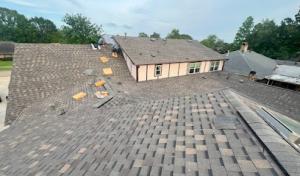
A building permit is commonly required for reroof projects in Gonzales. The permitting review is handled through the City of Gonzales or Ascension Parish permitting office depending on jurisdiction and project scope. The process is designed to align with the parish's hurricane-season realities, storm-damage repairs, and fast-response work, so plan for a clear path from start to finish.
Usually the contractor takes the lead on the permit application. This includes submitting project plans, material specs, and the proposed reroof timeline. The contractor also coordinates required inspections and keeps the project moving if weather or storm events trigger temporary hold-ups. If the project scope changes-such as adding attic ventilation, re-sheathing, or replacing fascia-the permit may require updated plans and an amended review. Your role is to provide access to the attic and roof area as needed for inspections and to confirm any safety requirements requested by inspectors.
Inspections are scheduled as the work progresses. Typical milestones include initial framing or deck inspection if applicable, underlayment checks, a mid-roof tear-off and installation check, and a final inspection to close the permit. In storm-prone seasons, inspectors may coordinate additional spot checks after heavy rain events or high-wind advisories to ensure the installation meets local wind and impact resistance standards. The contractor should plan for utility access, safe staging areas, and clear paths for inspectors to reach the roof and attic spaces without delaying other work.
The final inspection confirms that the reroof is installed to code, with proper nailing patterns, flashing, venting, and surface material installation. Once the inspector approves, the permit is closed, and the project can be officially finalized in the permit record. If deficiencies are noted, a reasonable correction period is provided, and the contractor will resubmit for a re-inspection. Having the reroof completed to code on the first pass reduces re-inspection delays, particularly during hurricane season when storm-related repairs peak.
Maintain open lines of communication with the contractor about inspection dates and required safety equipment. Track the permit number and keep a copy of all inspection reports and approvals on-site. If a storm claim drives urgency, coordinate documentation that shows the reroof scope, material type, and wind resistance features to support the claims process, while ensuring all permit requirements are still met. Expect the permit review to align with the local authority's schedule, and factor in potential weather-driven delays when planning large or multi-stage reroof projects.
If you live in Gonzales, Louisiana's frequent wind and storm losses push this market toward meticulous documentation. A single storm can trigger multiple claims across neighborhoods, so photos, dates, and a clear narrative of damage matter enough to influence how smoothly an adjuster moves through the file. You should photograph both the exterior and interior affected areas, note the exact time and date of the damage, and keep a running log of every contact with the carrier. Delays in reporting or gaps in documentation can complicate claim resolution when the next storm rolls in.
Coverage availability has fluctuated in Louisiana, so Gonzales homeowners often need to think about insurability and future premium impact when deciding between repair and full replacement. If a hail or wind event triggers multiple claims in a single season, insurers may revisit underwriting details and adjust policy terms. In practice, this can mean heightened scrutiny on the roof's overall condition, aging materials, and the likelihood of widespread damage beyond the visible area. The choice between patching up a concessionable area or pursuing a full replacement should weigh not only the present storm loss but how future storms could affect coverage.
Wind-mitigation-related roof details can influence premiums and claim outcomes in this region, making installation records and contractor documentation especially important. In Gonzales, installers who can verify the exact roof materials, fastening methods, and attic ventilation configuration can provide valuable wind-resistance evidence. Keep a detailed file of contractor notes, product manuals, and post-installation inspections. When a claim occurs, having ready-made, contractor-signed documentation can help clarify whether existing features meet expected wind-resilience standards and support the claim process.
Connect with contractors who help homeowners navigate the claims process from damage assessment to final approval.
Hook Roofing & Construction
(225) 777-6711 www.hookroofingandconstruction.com
Gonzales, LA
4.9 from 56 reviews
Cypress Roofing
(225) 238-6147 cypressroofingla.com
1802 S Sonny Ave, Gonzales, Louisiana
4.7 from 195 reviews
Top-Notch Roofing & Construction
(225) 270-8498 topnotchroofing-construction.com
40508 Cross Ridge Ave, Gonzales, Louisiana
4.9 from 32 reviews
In Gonzales, prolonged heat and humidity can speed up aging symptoms on some roof systems compared with milder climates. Asphalt shingles may soften, underlayment can brake down sooner, and exposed fasteners can become vulnerable as elevated moisture levels linger. The region's typical roof decks and ventilation patterns interact with the Gulf air to push fasteners and seals toward premature wear. For homeowners, the implication is simple: high heat years paired with humid spells can reveal issues that wouldn't be as visible in cooler environments, so periodic checks should prioritize edge flashing, vent boots, and the condition of any synthetic underlayment layers that may be closer to the surface.
Frequent thunderstorms in the area create repeated wetting cycles that can expose weak flashing details and any delays in dry-in work. When a roof is actively exposed during a storm sequence, moisture infiltration can occur at seam areas, chimney throats, and along rake lines if sealants or membranes were not given a proper cure window. In practical terms, you want to verify that temporary protections stay in place between storms and that the roof's dry-in phase is not rushed. Delays in drying times, especially on older homes with decades of moisture exposure, can lead to capillary wicking and hidden corrosion at metal components.
Because reroofing is a major local service category, many Gonzales projects involve replacing aging systems that have been stressed by years of Gulf-region moisture and storm exposure rather than only isolated defects. A reroof often uncovers multiple failing layers, including compromised underlayment, weakened battens, and deteriorated flashing. When planning repairs, prioritize a full or near-full replacement strategy if flashing details show signs of repeated wind-driven moisture during storms, as patchwork fixes tend to fail under Gulf humidity and hurricane-season stress.
Find contractors experienced in skylight installation, flashing, and leak repairs to bring natural light into your home.
Reliable Roofing & Construction
(225) 445-1220 www.reliableroofingbr.com
Serving
4.9 from 133 reviews
When a storm rolls through Ascension Parish, you want a contractor who can stabilize leaks and protect the interior fast. Look for a crew that offers on-site assessment within 24 hours and can set up temporary tarping or patching to limit water intrusion. In this market, crews that communicate clearly about their arrival windows and share real-time updates tend to minimize further damage and stress during the surge of storm-season work.
Local hiring patterns favor contractors known for quick response, especially after storms when leak stabilization and scheduling speed matter. Ask for names of recent clients who faced similar weather events and reach out to them about timeliness and workmanship. Check whether the contractor maintains a reliable after-hours line or emergency contact, and whether they can commit to a posted start date and a realistic project timeline that accounts for heavy weather days.
Cleanup is a prominent local expectation, which is important in reroof projects where repeated rain threats make site control and debris management more noticeable to homeowners. Confirm that the contractor includes a cleanup plan, daily workspace housekeeping, and a method for handling storm debris so your yard and street stay navigable during the project. A transparent project site policy helps prevent disputes about leftover material and tarp management after each rain event.
Established, affordable reroofing contractors have a visible presence in this market, suggesting homeowners balance price with proof that a company can handle storm-season volume. Look for demonstrated capacity through local references, portfolio photos showing storm restorations, and a reputation for coordinating with insurance adjusters during the busiest months. If a company can demonstrate steady workflow in peak season, that's a strong signal of reliability for your project.