
Last updated: Apr 19, 2026
June through November brings the Gulf's most punishing weeks, and that window shapes every decision about your roof. In this part of Terrebonne Parish, emergency tarping, rapid leak response, and post-storm replacement demand spike when a storm threatens or hits. Your roofing plan cannot be a one-and-done project; it must align with the seasonal rhythm, with contingencies baked in for weather delays, access restrictions, and the need to mobilize crews quickly after a hit. When the news starts buzzing about a system in the Gulf, you want your roof scenario dialed in before the first wind gusts, not after the first leak appears.
Wind-driven rain is a major local concern because storms affecting this parish can force water past vulnerable flashing, ridge details, and roof-to-wall transitions even when shingles aren't fully blown off. That means protecting every seam, cap, and edging becomes as critical as the choice of roofing material itself. A hurricane-ready plan emphasizes robust flashing at valleys, transitions, and penetrations (chimneys, vents, plumbing). It also prioritizes secure ridge lines and gull attachment methods that hold up under gusts that arrive with little warning. In many homes, the weak link isn't the main roof deck but the detailing around it; once those fail, interior damage follows quickly. Address this now with a partner who emphasizes detail work, proper sealants, and tested wind speeds for the exact house layout.
After major Gulf storms, replacement timing is shaped by contractor backlog, inspection workload, and insurer response delays rather than homeowner preference alone. Householders should accept that a targeted replacement may stretch beyond the ideal weather window if a storm has just slammed the coast. This reality requires pre-storm documentation and pre-arranged contingencies with contractors and insurers. Gather all needed records-photos of the current roof, attic ventilation status, and visible vulnerabilities-so a response can begin the moment the weather eases. Have a prioritized, telephone-enabled contact plan with your chosen contractor and insurer, so when a lull in the radar appears, work can start without scrambling.
Begin with a roofing inspection focused on weak points: flashing integrity around chimneys and walls, sealant condition on penetrations, and the state of ridge caps. If flashing shows any uplift or corrosion, address it before the season's rush. Consider reinforcing the roof-to-wall transitions with straps or clips recommended for high-wind zones, and confirm the roofing system's wind-resistance rating against the most likely local wind speeds. Document the roof with a dated, high-resolution photo log showing each elevation, slope, and detail that could be flagged during claims. Finally, establish a short list of preferred local crews known for timely mobilization and clear communication, so you're not left waiting when a storm warning triggers urgent action.
Louisiana's storm-heavy insurance environment makes pre-loss roof photos, maintenance records, and dated condition documentation essential for wind or hail claims. In Terrebonne Parish, a well-organized file can mean the difference between a smooth claim and needless delays. Keep a current photo log of the entire roof, including close-ups of gutters, flashing at perimeters, and any aging underlayment or damaged shingles. Store receipts for maintenance, attic vent checks, and any temporary fixes after a storm. When a claim comes, you'll want to hand insurers a concise timeline and visual proof showing what was present before the event.
Insurers in this market scrutinize wind-mmitigation features and installation quality more closely than in calmer climates. Documentation of underlayment, flashing, and fastening matters can move a claim from uncertain to supported. Take photos that reveal how valleys are sealed, how step-flashed edges are integrated with the siding, and where fasteners pass through hip and ridge lines. If an upgrade was made, keep records showing the product type, the fastening pattern, and any evidence of proper nail or screw spacing. A simple, well-documented photo sequence can preempt questions about performance during the next squall.
After widespread storms in Terrebonne Parish, adjuster timelines can slow significantly, which affects whether owners choose temporary repairs, partial replacement, or full re-roofing. If a hail event dents shingles or blows loose material, delay can compound leaks and interior damage. Have a plan for safe temporary fixes that minimize water intrusion while awaiting the adjuster's assessment. Communicate clearly with the insurer about thresholds for a temporary patch versus a full roof reevaluation. Understand that the decision ladder may stretch over weeks, so align expectations with advance documentation and a practical, staged approach.
Begin a comprehensive photo review of the roof's critical areas: ridge lines, hips, valleys, penetrations around chimneys and vents, and transitions to walls. Photograph the attic from multiple angles to show insulation, decking drainage, and visible moisture indicators. If maintenance has been neglected, address minor issues before they become claim-inflaming questions about age or prior repairs. When arranging a contractor, request a detailed, itemized narrative that notes installation methods for underlayment, flashing, and fastening. Keep a dated log of any weather-related damage and the contractor's on-site observations. In this market, having a clear, well-supported record reduces ambiguity and supports a faster, fairer claim resolution.
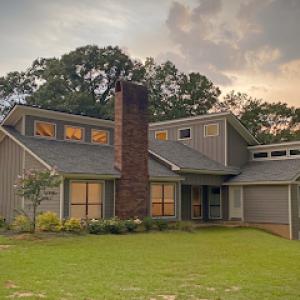
PES Roofing
1 Security Blvd, Houma, Louisiana
5.0 from 9 reviews
Serving Louisiana with quality & integrity since 1995. BBB A+ Rating, No Money Down, Fair & Honest Pricing, Quality Craftsmanship Guaranteed. Financing Available LA License #883416
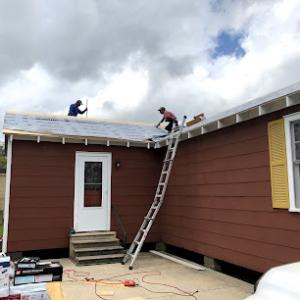
JET Roofing & Construction
450 S Hollywood Rd, Houma, Louisiana
5.0 from 5 reviews
JET roofing is a locally owned and operated roofing company focused on not just quality work but also connecting with the customers to insure absolute satisfaction. We are a well equipped team capable of meeting all your roofing needs with 10+ years of experience so make like a JET and call us quick!!
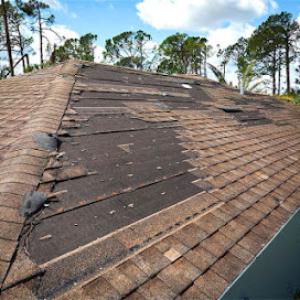
Duralite Roofing & Foam
(866) 949-5516 www.duraliteroofing.com
113 Venture Blvd, Houma, Louisiana
4.4 from 8 reviews
Duralite Insulators is a leading roof coating and spray foam contractor in South Louisiana, servicing areas along the southeast.
Rene the Tinner
(985) 872-1710 www.renethetinnerinc.com
7563 W Main St, Houma, Louisiana
4.3 from 8 reviews
Since 1926, Rene the Tinner, Inc. has been dedicated to providing top-notch roofing services in Houma, LA, and the surrounding areas. As a fourth-generation, family-owned business, we pride ourselves on our commitment to excellence and attention to detail in every project we undertake.
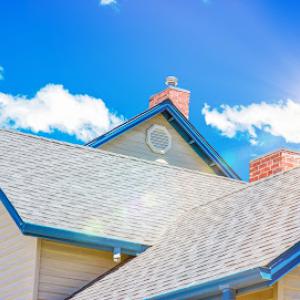
Cross Construction
1616 Coteau Rd, Houma, Louisiana
4.0 from 7 reviews
Cross Construction CO. INC is a family-owned and operated roofing company in Lake Charles, LA. We are ready to service all your residential and commercial roofing needs. We have been in the business since 1982, and we are committed to building or remodeling your roof to precisely fit your specifications, a task which we will complete efficiently and expediently.

Aspen Contracting
500 Corporate Dr Unit N & Unit O, Houma, Louisiana
2.8 from 5 reviews
We specialize in residential and commercial roofing, siding and gutters services. Whether your home has experienced storm damage, you are building a new home, or your older roof requires some annual maintenance, we’re the best for the job. We have the expertise, products and services to answer your needs. We always provide a FREE inspection and estimate and we never request payments up-front. We use trained representatives and crews for the satisfactory completion of your home. Our work is backed by the Aspen Ironclad lifetime warranty. Our consultants specialize in the insurance claims process and are ready to help homeowners understand their policy and navigate the process to restoring their home.
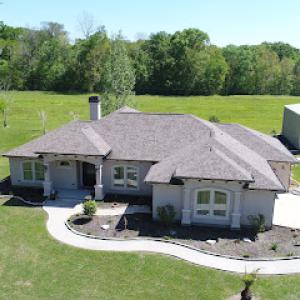
Accent Roofing & Construction
(985) 200-0726 accentroofinghoumala.com
Serving
5.0 from 5 reviews
BBB Accredited Business: Accent Roofing & Construction proudly serves all of Houma, La., and surrounding areas with a wide range of residential and commercial roofing and construction services.
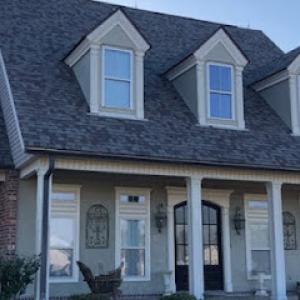
The Colonel Home Improvements
Serving
5.0 from 2 reviews
Roofing and Home Improvements
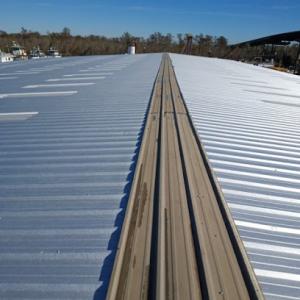
Indemnity Roofing
(337) 602-6092 indemnityroofing.net
Serving
5.0 from 1 review
Your insurance company has their roof guy in Thibodaux. Now, you have yours. Your insurance adjuster doesn’t work for you—he works for your insurance company. And your insurance company makes money by charging a lot and paying a little. So, they’re not incentivized to note all of your roof damage. In fact, we’ve seen insurance companies send checks for minor roof repairs to businesses & homeowners who needed whole roof replacement! So, we'll make sure you get the roof you need. And our roofing pros will help you choose the roofing materials that fit your needs, personality, and budget. We'll even show you a 3D model of your preferred roofing materials on your house—before you make your final decision. Call for your free roof inspection.
Big Sky Restoration
(254) 266-1658 bigskyrestorationllc.net
Serving
BigSky Roofing & Restoration specializes in storm damage offering free estimates and inspections.
Ernie Smith & Sons Roofing - Houma
(225) 412-5539 www.smithandsonsroofing.com
107B Venture Blvd, Houma, Louisiana
Roof Repair and Roof Replacement Services
Houma Roofers
2012 Langdon St, Houma, Louisiana
Houma Roofers, LLC is a registered company in Houma Louisiana. Specializing in Houma Roofs & Construction services. Our staff includes ex insurance adjusters and can help with all your storm repair needs. Free Easy Consultation. Why Not Call Us Now?
Asphalt shingles remain common, but Houma's heat, humidity, and frequent rain can accelerate granule loss, algae staining, and shorter real-world service life than homeowners expect from brochure estimates. If choosing asphalt, look for heavy-tab or architectural shingles with good algae resistance and a higher granule count. Expect more frequent inspections after the first couple of hurricane seasons, and plan for more rapid venting and attic moisture control to keep the shingles from curling in the heat.
Metal roofing is especially relevant in Houma because many owners prioritize wind performance, faster water shedding during heavy rain, and durability in a storm-prone coastal-parish environment. A properly installed standing-seam system with a ridge vent and well-sealed panels handles driving rain and uplift better than many other options. Pay particular attention to the attachment method, seam sealing, and flashing around chimneys, vents, and skylights. If long-term wind resistance is the goal, metal paired with a quality underlayment and corrosion-resistant coatings pays dividends during the next hurricane season.
Clay tile, concrete tile, slate, and copper appear in higher-end applications, but their weight, attachment method, and repair complexity matter more in a hurricane-exposed market where uplift resistance and flashing execution are critical. Clay and concrete tiles must be rated for uplift and installed with an appropriate structural check for the roof deck. Slate and copper offer longevity but require careful detailing at hips, ridges, and penetrations to survive strong winds. In coastal-parish conditions, ensure anchors, fasteners, and step flashing are geared toward resisting wind-driven rain and flying debris.
Regardless of material, roofing in this area benefits from a breathable, high-quality underlayment and explicit attention to ventilation in the attic. Heat and humidity stress decking and fasteners, so choose compatible combinations of underlayment, fasteners, and sealants. During installation, confirm proper nailing patterns, correct wind load ratings, and that all penetrations are flashed with corrosion-resistant materials. The goal is a roof that sheds rain quickly, resists uplift, and keeps attic temperatures as close to outside conditions as possible to protect sheathing and insulation.
Routine inspections after heavy rain and near-hurricane season are essential. Look for loose granules, lifted shingles, corroded metal fasteners, or flashing gaps around vents and chimneys. For any high-end or tile installation, arrange a thorough flashing check and a close look at ridge and hip caps. Documentation of materials, warranty terms, and installation details helps when navigating post-storm claims in a storm-prone parish. Keeping a clear record of roof age, product type, and service history supports quicker decisions when the next storm approaches.
In Houma, a full re-roof project is typically processed as a formal permit through the Terrebonne Parish building department rather than treated as informal maintenance. This distinction matters because the permit documents set the project scope, required inspections, and compliance expectations for wind resistance and flashing standards that are critical after the Gulf storms. The parish uses a permitting workflow designed to verify that the roof replacement will meet current code and parish-specific wind uplift requirements, which helps protect homes against hurricane events and the often humid, rain-heavy climate.
Applicants generally submit permit paperwork to the parish, pay a permit fee, and then coordinate required inspections tied to the roofing work. The process usually begins with a contractor or homeowner submitting project details, including roof type, dimensions, and proposed underlayment and fastener methods. Expect to provide evidence of material specifics, a drainage plan where applicable, and any manufacturer installation guides included in the project submittal. The parish may require a current property survey or site plan to confirm roof extension and overhangs align with setback and drainage considerations. Keep a clear line of communication with the permit office to track review status and to address any missing documents promptly.
Inspection checkpoints commonly include an in-progress review of underlayment or installation details and a final inspection, with flashing and wind-resistance considerations carrying added importance in this parish. During the in-progress review, officials will check that underlayment is installed correctly, seams are properly lapped, and flashing around chimneys, vents, and walls is integrated with the roof deck in a way that minimizes water intrusion. The final inspection confirms that the roof assembly meets wind uplift criteria and that fasteners, edge securement, and attic ventilation align with code requirements. Depending on parish policy, inspectors may also verify that roof penetrations, termite barriers, and gutter systems are installed to support long-term performance in Houma's humid climate.
After approvals, keep copies of all permits, inspection approvals, and any corrective work orders. In hurricane-prone seasons, having a complete, organized set of roofing documents can streamline future insurance reviews and any necessary repairs. If a contractor identifies deviations from the approved plan during work, address them promptly through the parish permit office to prevent delays or re-inspections. This documentation trail reinforces resilience against wind-driven rain and helps ensure the new roof performs under Terrebonne Parish conditions.
In Terrebonne Parish, after a major storm you'll feel the price shift in two ways: labor availability tightens and scheduling slips into less favorable weather windows. That means even if the same materials are chosen, the total outlay can creep up because crews are booked, and you may face shorter windows to get a full tear-off and replacement completed before the next round of weather. Asphalt shingles may still be the baseline option, but the surge affects both material ordering and crew timing, especially if decking damage is found once moisture exposure has taken its toll.
Material costs in this market reflect what homeowners tend to select for storm resilience and look of the neighborhood. Asphalt shingles sit around 320 to 550 USD per square, a practical choice when budget and storm durability are balanced. Metal roofing runs roughly 600 to 1000 USD per square, favored for wind resistance and longer lifespan. Clay tile can range from 1000 to 2200 USD per square, appealing if you're replacing in a high-wear area with strong wind exposure but it requires a compatible structure. Concrete tile clocks in at about 900 to 1900 USD per square, offering solid durability with added weight considerations. If you're weighing premium options, slate runs 1600 to 3000 USD per square, and copper is 2000 to 4000 USD per square.
Costs rise when you upgrade for wind resistance or when damaged decking is discovered during tear-off after repeated moisture exposure. If inspectors and inspection coordination in Terrebonne Parish add layers to the project, you'll see incremental increases, even if the same base materials are used. A practical approach is to plan for a mid-range material with an eye toward the long-term benefits of wind-rated products. Factor in the possibility of heavier decking replacement if moisture has compromised underlying layers, and set aside a contingency for weather-driven scheduling shifts that push work into tighter windows. Track price changes over a few weeks post-storm to catch any temporary spikes before committing to a supplier.
Your home's style, roof pitch, and existing structure influence material choice as much as the storm history. If you've faced repeated wind-driven rain, consider metal or high-wind engineered shingles that perform better under gusts and driving rain. For older homes with a more traditional look, clay or concrete tiles can provide durability with a distinct aesthetic-but ensure the roof is structurally ready for the weight. In all cases, you're balancing initial cost against long-term performance in a market where post-storm demand and weather constraints frequently redefine value.
Spring in this area can bring heavy rain and thunderstorms that interrupt tear-off and dry-in schedules. If a replacement must start in this season, plan for tight staging and close weather monitoring from day one. Have tarps and temporary coverings ready to protect exposed areas if a shower rolls through mid-tollow. Schedule crews to focus on sections with optimal drying windows, and build buffer days into the timeline for sudden downpours that pause work. A rain-safe staging plan helps keep project momentum without sacrificing the integrity of the roof deck or underlayment.
Summer installation is complicated by peak heat and humidity, which affect crew productivity, attic temperatures, and material handling on exposed roofs. Start early in the day to avoid the peak sun, and set up shaded staging when possible to reduce heat stress for workers. Communicate with homeowners about attic ventilation needs and temporary cooling tactics, such as breathable underlayment and staged removal of old roofing to minimize heat buildup. On high-humidity days, expect slower progress and longer dry-in periods; build contingencies into the schedule so dry-in and material curing aren't rushed when afternoon storms threaten.
Fall often offers the best scheduling window for planned replacement, but only if tropical activity does not disrupt contractor calendars or material supply. Keep an eye on tropical weather patterns and have a flexible plan that can slide a few days forward or back without derailing the entire project. Fall storms can pop up quickly, so secure roof sections with sturdy fasteners and temporary barriers to prevent wind-driven rain from compromising exposed areas during brief delays. Coordinate with suppliers for timely material delivery to avoid bottlenecks when the Atlantic activity intensifies. A prepared crew and a clear contingency plan keep the project on track when skies threaten.
In Houma, repeated wetting and high humidity make flashing defects and small penetrations more consequential because minor water entry can become chronic interior leakage quickly. A tiny drip at a vent boot or along a seam may crawl unseen for weeks, feeding mold and decking rot before a homeowner notices the stain on a ceiling. The humidity can also push fasteners to loosen gradually, especially around older shingles or metal edges, turning a once-simple repair into a larger moisture management challenge. Vigilant inspection after every heavy rain and after storms is essential, because what looks minor on the surface can translate into costly damage inside the attic and ceilings.
Wind damage in this area often shows up first at edges, ridges, and poorly secured components rather than as obvious whole-roof failure. Pay attention to lifted shingles, loose shingles at eaves, and any flashing that feels loose or cracked after a gusty event. Small gaps here become leverage points for rain and debris to penetrate, especially where trees lean over the roof or where older fasteners have corroded. A single blown nail or a bent starter strip can start a cascade of leaks, and the pattern can be uneven across the roof, making a spot repair insufficient if the rest of the roofing has seen more wear.
Homes that have been through multiple storm seasons may have layered repair history, making hidden deck deterioration and mismatched repair sections a recurring local inspection issue. The underlying plywood or OSB can suffer where previous patches overlapped with newer materials, creating weak points that moisture can exploit. When repair work is layered rather than integrated, fasteners and seals may fail at different times, producing a patchwork effect that looks fine from the ground but hides a creeping risk above living spaces. Regular, careful exploration of the attic and along flashings is essential to catch composite failures before they worsen.