Last updated: Apr 19, 2026
Mandeville sits on the north shore of Lake Pontchartrain, so tropical systems affecting southeast Louisiana bring wind-driven rain and storm interruptions that directly shape roofing timelines and repair urgency. When a storm spins up, you feel the impact hit your roof first-shingles peeled back, flashing lifted, and gutters overwhelmed. The clock starts ticking the moment winds shift from a watch to a warning, because the faster you respond, the less interior moisture and secondary damage you'll contend with. This section speaks to what you should do when the next big rain bearing system moves through, and how to keep your roof from becoming a bigger problem than the storm itself.
Local reroof planning is heavily influenced by hurricane season from June through November, when active storms can delay tear-offs, dry-ins, inspections, and final completion. Expect crews to stagger arrivals, power outages to interrupt tarping and temporary fixes, and supply chains to tighten as demand spikes. If you anticipate a storm or you've just survived one, map out the critical path: tarping first, rapid assessment second, and a clear sequence for repairs with your chosen contractor third. In practice, that means securing temporary protection before the next system arrives and coordinating with your roofer about what to prioritize in the post-storm window. Timelines tighten quickly once a hurricane forms, so you should be ready with a plan that prioritizes weather-ready materials, on-site safety, and a focused scope of work to avoid delays in the worst months.
The strongest local contractor specialty signals are insurance claims, storm damage, and emergency repair, showing that homeowners in this market commonly need post-storm assessment, tarping, and claim-ready documentation. When you're assessing damage after a heavy rain or a wind event, you need an honest, rapid appraisal that aligns with what insurance typically requires: clear photos, written damage notes, and a documented timeline of action taken. A trusted contractor should come prepared with storm-damage experience, understanding of how wind-driven rain can infiltrate around flashing joints, valleys, and chimney connections, and a plan to keep exterior moisture from migrating inside while a claim is processed. The emphasis is not only on restoring the roof but on setting up a durable barrier against the next impulse of wind and rain.
First, get eyes on the roof from inside and outside. If you notice active leaks, interior water staining, or daylight through shingles, you need swift tarping and temporary containment. A temporary tarp or cover should be laid over the most vulnerable area and secured with weighted edges or fasteners designed for outdoor use, ensuring it can withstand gusts without tearing loose. Document damage with timestamped photos from multiple angles-roof edges, hips, ridges, flashing around vents and chimneys, and any visible interior intrusion along ceilings or attic spaces. Prepare a concise damage summary for your insurer: when the storm occurred, what areas on the roof showed entry points, and what temporary protections you applied. Your goal is to minimize further water intrusion while you coordinate a permanent repair plan with a licensed contractor who understands how to prioritize wind-related damage and flashing vulnerabilities unique to our climate.
When selecting a contractor after a storm, prioritize communication speed, a clear scoping of work, and an established track record with insurance claim workflows. You want professionals who can translate roof damage into a claim-ready packet, including before-and-after photos, a written assessment, and a realistic repair schedule that aligns with potential weather windows. Storm damage work requires hands-on expertise in securing roof edges, managing attic ventilation during repair, and integrating new materials with existing layers so the roof remains watertight. In this market, the most successful homeowners partner with a team that combines urgent emergency repair capability with solid documentation for insurance settlement, ensuring you regain a secure roof quickly and with the best chance at a smooth claim experience.

Storm Guard Roofing & Construction
(985) 589-5855 www.stormguardrc.com
2020 N Causeway Blvd Ste F, Mandeville, Louisiana
5.0 from 72 reviews
Storm Guard Roofing and Construction is here 24 hours a day for top-quality roofing in Mandeville and the surrounding communities. We listen to what you need, determine the best options, and even provide all documentation for your insurance claim for you. You will have the mobile phone of a dedicated supervisor who will deliver multiple progress reports including photos. We provide high-quality weather-ready solutions, ensuring your home stays strong through storms. Whether it's roof repair or installing a new roof, we're dedicated to quality and satisfaction to keep your home safe. Find peace of mind with Storm Guard—let's fortify your home together against the elements! Get in touch today!
Relax Roofing
(985) 202-6204 relaxroofing.com
2615 N Causeway Blvd E-106, Mandeville, Louisiana
5.0 from 20 reviews
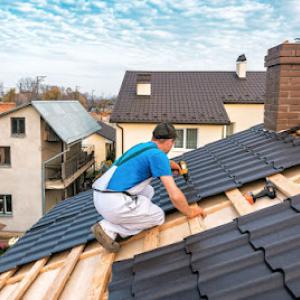
As a trusted roofing company in Mandeville, LA, Relax Roofing offers top-quality residential and commercial roofing services throughout Saint Tammany Parish. Our expert team specializes in roof replacement, roof repairs, roof inspections, and new roof installations to ensure your property is well-protected. Whether you're in Covington, Madisonville, or Abita Springs, we provide tailored roofing solutions designed to withstand the Louisiana climate. From shingle roofs to full re-roofing projects, we combine superior craftsmanship with high-quality materials. At Relax Roofing, we prioritize reliability, durability, and customer satisfaction. Contact us for a free roof inspection and experience roofing services you can trust!

Haven Exteriors
(985) 612-7555 havenexteriors.com
640 Tete L'Ours Drive, UNIT 32, Mandeville, LA
4.7 from 64 reviews
Haven Exteriors is a home improvement company that specializes in installation of roofing, siding, and gutters. At Haven, we have an in-house HAAG certified roofing inspector. Which makes us the go to contractor for evaluating hail or wind damage on roofs!! We advise/assist with insurance claims resulting in new roofs for hundreds of homeowners in our area. We also do roofing repairs and roof flashing for our clients. In addition, we also knock it out the park installing siding and gutter jobs. We take pride in our work and completing jobs right the first time. No job is too big or small! Need an estimate? Call us Today!!! We look forward to earning your business.
Land To Land Roofers
1116 Lafayette St, Mandeville, Louisiana
4.8 from 37 reviews
Land To Land, is a local legitimate Roofing Contractor based out of Mandeville, La. Celebrating their 20th. year in the roofing industry and have yet to receive a rating under 5-Stars! Their references are impeccable because of their strong passion for the roofing industry and ability to deliver quality results in a timely and professional manner. Land To Land, specializes in all aspects of residential roofing and insurance claims. Being Certified through all major manufacturers as applicators and being one of the few roofing contractors who actually offer roof repairs is how they developed their confidence and sought after reputation. This company is truly driven by a spirit of excellence!They produce quality roofs… every SHINGLE time!
JMC Roofing & Construction
(985) 674-6744 www.jmcebuilt.com
2315 Florida St BLDG 200, Mandeville, Louisiana
4.8 from 24 reviews
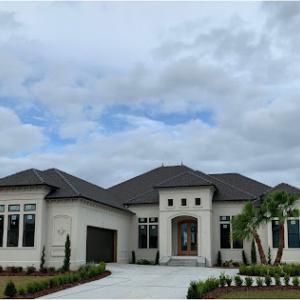
JMC Roofing & Construction has over 25 years of experience in the roofing industry and specializes in hail damage claims. Our knowledge and experience working with insurance companies and adjusters to get our client's claims paid is next to none! JMC Roofing & Construction is State Licensed and an A+ Accredited Member of the Better Business Bureau.
All Around Roofing
(985) 249-4908 www.allaroundroofingla.com
1990 Surgi Dr Suite B, Mandeville, Louisiana
4.7 from 29 reviews
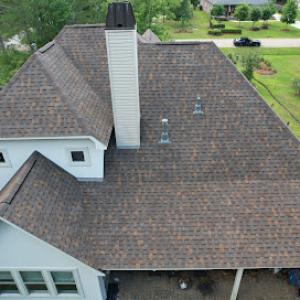
All Around Roofing, LLC is a 2nd generation, local roofing business. We specialize in roof replacements. It is our goal to service our community as professionally as possible.
Magnolia Roofing
(985) 789-4473 magnoliaroofing.com
1424 Girod St, Mandeville, Louisiana
4.6 from 38 reviews
Roof replacements and repairs. GACO and flat roofs. Fortified installer. Formed in July 2005, just a month before Hurricane Katrina struck, Magnolia Roofing has helped countless families get their homes re-roofed and repaired so that they could get on with their lives. We specialize in small roof repairs. Eckert Construction is a locally owned business serving in the construction industry since 2000 prior to taking over Magnolia's roofing business. With the services offered by Eckert Construction and Magnolia Roofing, all aspects of new roofing, roofing replacement and repair plus home improvement projects can be handled professionally at a fair price to focus on commercial roofing work. Member of the BBB. Owens Corning, Atlas, CertainTeed
H2H Roofing
(985) 778-0009 www.h2hroofing.com
2270 7th St, Mandeville, Louisiana
5.0 from 7 reviews
H2H Roofing is Here to Help! Providing Louisiana complete roofing solutions. H2H Roofing is here to help homeowners identify and replace roof, siding, gutter and fence damage. Whether brought on by weather or age, our goal is to walk you through the process from start to finish, from your insurance company claim to the replacement of your roof. Our team is informed, our work ethic unmatched, and our priority is to make certain your roof is replaced with the same craftsmanship as we would expect on our own roof. The communities we serve mean a lot to us, at H2H Roofing, we're here for you and your roof!
Kucaba Roofing
(337) 884-3660 www.kucabaroofing.com
1910 Labarre St, Mandeville, Louisiana
5.0 from 6 reviews
Kraig Kucaba and the team have years of experience in commercial and residential roofing. Even if it's specialized work, we make sure you get the best value at a great price. We are fully licensed and insured, so that means you know we mean business. We're more than just roofing! We provide remodeling and construction services as well. Anything from homes to churches, we can help with your next building/remodeling project!
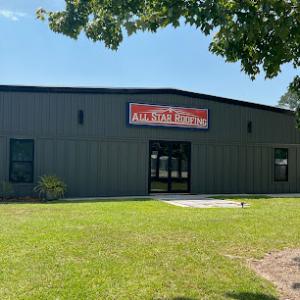
All Star Roofing
(985) 626-7663 all-starroof.com
2028 Spartan Dr, Mandeville, Louisiana
3.8 from 26 reviews
Looking for a reliable roofing company you can trust right here in Mandeville? We’ve got you covered! We handle everything from roof repairs and replacements to attic ventilation and storm restoration. Schedule an appointment at our showroom to see shingles, colors, and accessories from all the top manufacturers—we make it easy to find the perfect fit for your home. Our friendly team is here to answer your questions, walk you through your options, and make the process stress-free. Give us a call today—we’d love the chance to help protect your home with a roof built to last.
Richard Slade Roofing & Construction
(888) 516-1230 richardsladeconstruction.com
2063 Olvey Dr, Mandeville, Louisiana
5.0 from 2 reviews
As a general contractor, we know that a great project is the result of a great team. At Richard Slade Construction, we’ve been serving customers in and near Mandeville, LA, since 1982. We take pride in offering top-quality construction projects for our customers as we specialize in roofing and carpentry. Our team is dedicated to providing you with the best quality work available. We’ll work with your budget and schedule to get your project done right.
Asguard Roofing Company
(985) 999-7663 www.asguardroofs.com
Serving
5.0 from 17 reviews
Asguard Roofing specializes in the assessment of residential roofs. We work with homeowners insurance policy to replace damaged roof systems. We also provide roof repair services. We excel in processing roof insurance claims, ensuring a smooth and stress-free experience. As a preferred installer of GAF, ATLAS, and Owens Corning products, we are committed to delivering top-tier roofing systems that offer durability and long-lasting protection. Asguard Roofing will safeguard your home and save you money any way possible in the process. We are a top roofing contractor in Mandeville, Covington, Madisonville, Slidell, Abita Springs, Lacombe, Hammond, Ponchatoula, Baton Rouge and surrounding Louisiana & St. Tammany area.
The dominant local material mix includes asphalt shingles, metal roofing, clay tile, concrete tile, wood shingles or shakes, and synthetic or composite shingles, so material choice in Mandeville is broader than a simple shingle-only market. You see more than one system on single-family homes along the lakeside corridors, and that diversity matters when you're weighing performance under heat, humidity, and storm exposure. In practice, choose a solution that matches how often the roof is accessed for maintenance, the complexity of roof geometry (valleys, dormers, and protrusions), and how your attic is ventilated. A practical approach is to pair a robust waterproofing and flashing plan with a roof material that your crew can install with readily available fasteners and underlayment that resists moisture ingress.
Louisiana's hot, humid climate with frequent rain accelerates roof aging, making moisture tolerance and storm fastening performance more important in Mandeville than appearance alone. Prioritize roofing systems with tight seam integration and proven waterproof underlayment, especially for clay tile or concrete tile where installation detail matters. For metal roofs, look for fastener patterns and panel spacing designed to resist wind uplift on coastal profiles, along with corrosion-resistant coatings. When you plan, check that flashings at chimneys, skylights, and roof-to-wall transitions are continuous and sealed with high-quality sealant. Ventilation also plays a critical role: insufficient attic venting fuels heat buildup that can blister underlayment and speed shingle deterioration in this climate.
Metal roofing has an active specialty presence in this market, indicating a meaningful local demand for systems chosen for wind resistance and long-term performance in coastal Louisiana conditions. If wind resistance is the priority, consider metal panels with interlocking seams and reinforced edges, or concrete tiles with wind-rated underlayment and fastenings designed for uplift resistance. For asphalt and synthetic/composite shingles, choose products with higher wind uplift ratings and ensure the roof deck is clean, dry, and properly nailed down. In mixed neighborhoods, the best choice often combines solid fasteners, continuous eave protection, and well-sealed penetrations rather than choosing a single "best" material.
Whatever your material choice, the installation needs to reflect the local climate realities. Expect frequent sun exposure and high humidity, so pick underlayment that resists moisture absorption and dries quickly. Roofing systems should feature well-sealed valley treatments and double-locking or taped step-flashing around junctions and vents. In Mandeville, a tight, well-flashed roof reduces the risk of hidden leaks that can creep into attics and ceilings after a heavy rainfall. If you eventually replace a roof, verify that the chosen product is compatible with coastal environmental conditions and that the contractor uses corrosion-resistant fasteners and sealants appropriate for salt air.
Long-term performance hinges on proactive maintenance and timely weather-related checks. Inspect after hurricane season and after major storms for loose fasteners, lifted edges, and compromised flashing. Metal roofs tend to age gracefully with minimal mortar-like wear, but color fading and panel expansion can occur in heat; clay and concrete tiles may require occasional resealing and careful replacement of broken units. Wood shingles or shakes demand vigilant moisture control and treatment to prevent warping or rot in high-humidity months. Synthetic or composite shingles offer a balanced approach, combining forgiving installation with decent moisture resistance, but still require routine inspection of flashing and penetrations. Keeping a practical maintenance schedule will help extend the life of whichever system you select.
When you're budgeting a roof replacement, you'll see clear price bands by material. Asphalt shingles sit in the typical local range of about $350 to $650 per square. Metal roofing runs higher, roughly $700 to $1,200 per square, reflecting both the material and the faster installation some crews offer. Clay tile pushes toward the upper end, about $900 to $1,700 per square, with concrete tile following at $800 to $1,500 per square. Wood shingles or shakes come in around $550 to $1,000 per square, while synthetic or composite shingles sit near $430 to $900 per square. For a homeowner, a single square (100 square feet) can be a helpful unit for comparing bids, but remember that the overall project price is driven by roof size, complexity, and the chosen material.
Storm-driven demand spikes after hurricane events and hail across the northshore can tighten scheduling and push prices upward. Crews that are normally available become booked weeks out, and material shipments can experience backlogs. In practice, that means you may see shorter windows for financing and quicker decisions when a storm hits. If your roof shows early signs of damage after a storm, timing your replacement conversations with local pros matters-early bids can help lock in crew availability and prevent price jumps caused by high demand.
Several factors can tilt the bottom line beyond the base per-square price. Roof pitch and complexity (many houses here have multiple angles, dormers, or valleys) add labor time. Old decking conditions, such as warped or rotten plywood, require additional inspection and potential replacement, which adds to the cost. The choice of underlayment, flashing quality (critical for moisture management in this humid environment), and fascia updates all contribute to the final figure. The local housing stock here includes a mix of newer and older frames, which means some roofs need more prep work than others before a new layer goes on. Expect bids to reflect these site-specific nuances rather than a flat, one-size-fits-all number.
Begin with a realistic estimate by identifying the roof area you plan to cover and the material you prefer. If you're choosing asphalt shingles, you'll likely stay toward the lower end of the price spectrum, making it a common starter option for weather resilience without excessive upfront cost. For metal or clay tile, plan for higher material costs and longer lead times during storm seasons. Weather-sensitive scheduling means you should build in a contingency for possible delays and price fluctuations, particularly in late summer through early fall when hurricane season begins to ramp up.
Ask local contractors for itemized bids that separate materials, labor, and disposal. Request recent project references and photos of similar work in the neighborhood to gauge installation quality and flashing durability. Confirm color and shingle profile choices early to minimize last-minute changes that can alter the price. Keep the project timeline clear with your contractor so you're prepared for any weather-related delays and can coordinate staging and debris removal efficiently.
Get a clear picture of your project costs upfront - no commitment required.
In this locale, a full roof replacement typically requires a permit, with the application covering project scope and the roofing material being installed. That means you'll want to have a clear plan in hand before pulling permits: the exact material type, the number of square feet, underlayment choices, and any chimney detailing or vent work tied to the replacement. The permitting process is less about a mere signature and more about ensuring the roof is fastened and flashed to hold up against the bay winds and seasonal rain that define this area. A well-documented project scope helps the city review team quickly verify that the planned system aligns with local wind and moisture management expectations, reducing back-and-forth during the permit review.
Local inspection emphasis includes verification of nailing patterns and flashing details, which is especially important in a wind-exposed southeast Louisiana market. Expect the inspector to check fastening schedules, shingle or panel attachment points, and the integrity of transitions around penetrations such as vents, plumbing stacks, and skylights. Flashing at the eaves, rake edges, valleys, and chimneys should be scrutinized for continuity and corrosion resistance. In addition, the inspector may look for proper deck preparation and adequate attic ventilation to prevent moisture buildup. Having your contractor provide clear documentation of nailing charts, adhesive or sealant selections, and flashing methods can streamline the review and help confirm the roof is built to resist the hurricane-season pressure you'll face each year.
Inspection timing can be affected by hurricane-season weather delays, so homeowners should expect scheduling risk when replacing a roof during active storm periods. In practice, this means permit issuance and inspection windows can shift as surviving storm forecasts or actual events disrupt usual workflow. If a replacement is planned during late summer or early fall, coordinate closely with the contractor and the building department to anticipate potential pauses and to maintain the project's continuity once weather permits. Communicate contingency plans for temporary coverings or tarping if a delay pushes work beyond a typical window. Keeping a clear line of contact with the permit office and the roofer helps ensure that inspections occur promptly as soon as favorable conditions reappear, minimizing exposure to further moisture intrusion while work is paused. In Mandeville, staying proactive about scheduling and documentation supports a smoother path from permit approval to a weather-resilient roof.
Louisiana's homeowners insurance market sees claim surges after hurricanes and hail events, and that statewide volatility directly affects Mandeville roof decisions and replacement timing. When a storm season swirls through Pontchartrain winds and driving rain, insurers tighten their belts and re-evaluate coverage terms after the fact. This means what you thought would be a routine repair can become a longer process, with inspections, adjusters, and potential changes to your policy. In practice, that translates to a need for careful planning and a readiness to adapt as the market shifts.
Insurers may ask Mandeville-area homeowners for detailed roof documentation and wind-mitigation information, making pre-storm photos and contractor records especially valuable. A well-organized folder with recent roof scans, full replacement photos, and a record of all weather-related repairs can save weeks of back-and-forth when a claim comes in. If a contractor performed wind-resilience improvements, keep those receipts and any applicable certifications. Insurers often cross-check that information against vendor logs, so accurate, consistent records help prevent surprises during claim review.
Coverage terms and premiums can change after major storms, so accurate project records from inspections, repairs, and full replacements matter more in this market than in lower-claim regions. After a surge event, some homeowners face stricter deductibles, revised corrosion or wind-damage allowances, or adjusted depreciation schedules. Your best defense is proactive documentation: a dated timeline of roof health, maintenance, and any storm-related work, plus copies of all inspection notes and contractor communications. When a claim is filed, the thoroughness of those records often shapes the settlement timeline and the final scope of work.
Begin a simple, ongoing documentation routine: take clear photos from multiple angles after every major storm, and store them in a labeled, cloud-backed folder. If a roof professional recommends wind-resistive upgrades, ask for a written summary of how those changes influence future claims and depreciation. When you have an upcoming inspection or repair scheduled, request a concise, itemized report that you can share with your insurer. In the northshore climate, staying organized and ready with solid documentation helps you navigate insurance pressure with fewer delays and greater clarity when decisions about repairs, replacements, or timelines must be made.
Connect with contractors who help homeowners navigate the claims process from damage assessment to final approval.
Storm Guard Roofing & Construction
(985) 589-5855 www.stormguardrc.com
2020 N Causeway Blvd Ste F, Mandeville, Louisiana
5.0 from 72 reviews
Haven Exteriors
(985) 612-7555 havenexteriors.com
640 Tete L'Ours Drive, UNIT 32, Mandeville, LA
4.7 from 64 reviews

Fall to early spring is commonly favored for reroof projects in this part of Louisiana because it avoids the worst summer heat and the peak of hurricane disruption. You want a stretch with cooler days and less humidity so sealants cure properly and underlayment grips stay reliable. In practice, you're aiming for a window from late September through April, with a buffer around any known storm weeks. Scheduling inside this span gives your crew a steadier pace and reduces the risk of heat-related delays that slow the entire project.
Extreme summer heat and humidity can affect material handling and curing times, which changes how crews schedule and stage work in Mandeville. Plan early mornings for roof work when temperatures are lower and materials are easier to move up the ladder without warping or sweating under hot metal. If possible, have materials delivered in cooler parts of the day and store them under shade or in a covered area to prevent warping, moisture buildup, or mold growth on vulnerable products.
Frequent spring and fall storms can still interrupt jobs with sudden downpours, while periodic winter cold fronts can slow installation when temperatures drop. Build in 1-2 weather contingency days per week of active work during shoulder seasons, and have a quick-dry option for underlayment if a shower passes through. Communicate a plan with neighbors and the HOA if applicable, so you can coordinate with any lane closures, debris removal, or driveway access needed for large roofing materials.
Set a clear sequence with your contractor: roof decking and underlayment first, followed by fasteners, flashing, and final inspection-ready steps. In this climate, allowing for drying time between underlayment and shingle application during moderate days helps prevent backlogs. Keep a dedicated area on the ground for organizing bundles by material type to minimize trips up and down the ladder, and verify that crew trucks have safe access to bring materials without repeatedly crossing driveways or landscaping.
In the storm-prone stretches after hurricane season, the spots where flashing meets shingles and where nails hold the roof together become the most telling failure points. Local inspections pay close attention to these details, because missing or weak flashing can let wind-driven rain sneak in around chimneys, valleys, and vents. If nails lift or back out from seasonal swelling and drying cycles, the shingles above them lose their edge grip, and leaks quietly follow. Plan proactive checks after heavy rain or high-wind events.
The heat paired with humidity accelerates aging, especially for asphalt, wood, and composite layers. In this climate, your roof isn't just fighting wind; it's contending with continual moisture intrusion that encourages deck rot and mineral granule loss. Over time, this combination shortens service life relative to drier regions, meaning a careful, staged replacement plan often beats a rushed fix. Look for granule shedding, curling edges, and softened plywood during inspections, particularly after the hottest months.
Skylights are a smaller, active specialty in this market, yet they surface as common leak points because they introduce additional flashing and sealant interfaces. If skylight seals crack or flashing around the frame buries under weathered shingles, leaks can travel along the ceiling line before appearing in living spaces. A contractor with experience in skylight integration should inspect not only the skylight perimeter but also the surrounding roof plan for proper shingle overlap and flashing continuity.
Find contractors experienced in skylight installation, flashing, and leak repairs to bring natural light into your home.
Maverick National Roofing
(985) 801-9342 www.mavericknationalroofing.com
Serving
4.7 from 14 reviews