
Last updated: Apr 19, 2026
Acknowledge the reality: Covington sits in St. Tammany Parish on the Northshore, where roofs face wind-driven rain and high-wind exposure through the long June to November hurricane season. The area sees heavy humidity and persistent downpours, which stress the roof system above and around attic spaces. Because the city is inland from Lake Pontchartrain rather than directly on the Gulf, the typical culprits are wind damage, lifted shingles, flashing failures, and water intrusion rather than coastal salt spray. When a named storm rolls through southeast Louisiana, expectations shift quickly-from routine maintenance to urgent recovery. The result is a surge in contractor demand after storms, which can push inspections, temporary dry-in work, and full replacement scheduling into tight windows even if the damage isn't catastrophic.
After a hit, your first actionable step is solid documentation. Take clear photos of the entire roof line, attic signs of leaks, and any interior water intrusion near ceilings, walls, and insulation. Keep a dated log of weather events and contractor communications. Insurers want to see both the scope of exterior damage and the interior impact, including prior repairs that affect coverage. A detailed list of affected roof features-shingles that are blown, missing, or curled; flashing around chimneys, skylights, and vents; and gutter or fascia distortions-facilitates faster claim routing. When a storm ends, coordinate with a licensed local contractor who can provide a written assessment quickly; chasing temporary dry-in work before full replacement can prevent secondary damage in the wet season. In Covington, expect some delays after a named storm, so having a prepared claim packet minimizes back-and-forth and keeps the process moving.
In the days after a storm, the priority is limiting additional moisture intrusion. If shingles are lifted or flashing shows gaps, cover vulnerable roof openings with tarp or heavy-duty, water-resistant coverings secured well beyond wind gusts. Do not delay this step; even a small opening can funnel rain into an attic or ceiling during a passing shower. Inside the home, place buckets under drips and protect valuables if leaks appear in living spaces or ceilings. Safe access to the attic for temporary checks should be done with caution; if the structure feels unstable or if there is a strong odor of rotten wood or mold, call a professional right away. Scheduling a professional evaluation promptly is especially critical in Covington, where the window to dry-in before the next storm can be limited by demand spikes after a named event.
After a storm, local contractor demand spikes, and scheduling can slip. Prioritize firms with a proven track record in wind mitigation and high-wind roof exposure, and verify credentials, insurance, and references specific to the Covington area. Ask for a written scope of work, a phased plan that covers temporary dry-in followed by final replacement, and a realistic timeline that accounts for expected delays from weather and inspections. Be proactive about coordinating with an insurer's adjuster; align the contractor's assessment with the adjuster's findings to avoid duplication or gaps in coverage. In practice, this means you should secure a reputable estimate and lock in a start date as soon as the insurer approves the claim, with contingency plans for potential delays caused by subsequent storm activity.
Wind and heavy rain stress the roof edge systems first. Look for blistered or cracked shingles, loose or dislodged flashing around vents and chimneys, and compromised underlayment revealed by interior staining near ceilings. Gutters and downspouts that clog or pull away from the fascia can worsen water intrusion during heavy downpours, exacerbating attic moisture and mold risk. If a roof shows signs of alternating dry-in and wet-in cycles due to post-storm repairs, insist on a cohesive plan that transitions from temporary protection to complete replacement with proper wind-mitigation considerations. In this community, where the next storm may arrive quickly, a decisive, code-conscious, and weather-aware plan is the best defense against repeated damage.
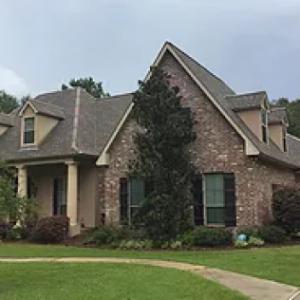
RBJ Roofing
(985) 273-8516 www.rbjroofing.com
13406 Seymour Meyers Blvd STE 12, Covington, Louisiana
4.8 from 223 reviews
RBJ Roofing is a licensed and insured Covington-based roofing contractor with over 15 years of experience. We specialize in repairs and replacements, prioritizing meticulous attention to detail for a long-lasting, sturdy roof.
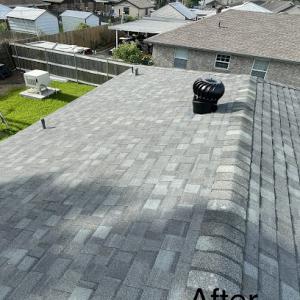
Peak Exteriors
(985) 304-8300 peakexteriorsinc.com
522 N New Hampshire St Suite 1, Covington, Louisiana
5.0 from 38 reviews
At Peak Exteriors, we pride ourselves on delivering top-quality roofing, siding, gutter, and painting services for both interior and exterior projects. As a family-owned and locally-operated business, we understand the importance of trust and reliability in creating lasting relationships with our clients. Our comprehensive offerings also include expert concrete work, ensuring that every aspect of your home's exterior is in capable hands. We're committed to enhancing your home's curb appeal and structural integrity with unmatched craftsmanship and personalized service.
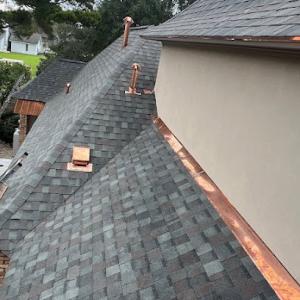
Premier South Roofing & Sheet Metal
(985) 308-0136 premiersouthla.com
74378 LA-25, Covington, Louisiana
4.9 from 35 reviews
Premier South Roofing & Sheet Metal is North Shore's trusted roofing expert, offering exceptional quality and service. We provide top-rated residential and commercial roofing services, including repairs, replacements, and metal roofing solutions. Our expertise extends to gutter and awning installations. But what truly sets us apart is our dedicated in-house installation crews, hand-nailing specialists for superior roof shingle installation, flexible financing options available, and dedicated project coordinators to support field estimators. From meticulous craftsmanship to comprehensive support, Premier South is committed to protecting and enhancing your property. Contact us to experience the Premier South difference.
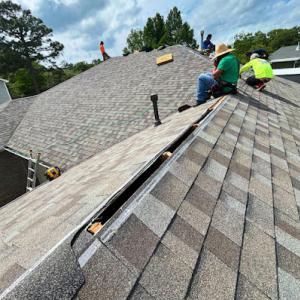
Asguard Roofing Company
(985) 999-7663 www.asguardroofs.com
106 Park Pl STE 204T, Covington, Louisiana
5.0 from 17 reviews
Asguard Roofing specializes in the assessment of residential roofs. We work with homeowners insurance policy to replace damaged roof systems. We also provide roof repair services. We excel in processing roof insurance claims, ensuring a smooth and stress-free experience. As a preferred installer of GAF, ATLAS, and Owens Corning products, we are committed to delivering top-tier roofing systems that offer durability and long-lasting protection. Asguard Roofing will safeguard your home and save you money any way possible in the process. We are a top roofing contractor in Mandeville, Covington, Madisonville, Slidell, Abita Springs, Lacombe, Hammond, Ponchatoula, Baton Rouge and surrounding Louisiana & St. Tammany area.
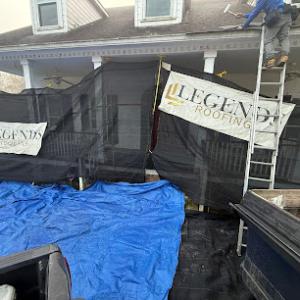
Legends Roofing
(985) 685-9367 www.legendsroofs.com
205 Holiday Blvd Ste 100, Covington, Louisiana
5.0 from 12 reviews
Legends Roofing is a professional roofing contractor providing high-quality residential and commercial roofing services. We specialize in shingle and metal roof replacement, roof repairs, fortified roofing systems, and commercial roofing solutions built for long-term performance. Our experienced team delivers reliable roof installations, detailed inspections, leak repairs, and storm-related roof repairs using durable materials and proven techniques. We focus on quality workmanship, structural protection, and roofing systems designed to withstand demanding weather conditions. Serving homeowners and businesses with honest assessments and dependable service in, We committed to protecting your property with precision, durability, and expe
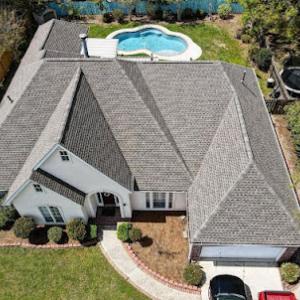
Tarpon Roofing
(877) 827-7664 tarpon-roofing.com
17145 Million Dollar Rd, Covington, Louisiana
5.0 from 11 reviews
Roofing contractor. Storm damage inspections. Residential roofing. Commercial roofing. Roof repair. Emergency tarping.
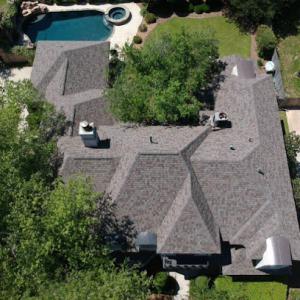
All American Roofing & Restoration
(985) 302-7789 allamericanroofingla.com
22327 Lowe Davis Rd, Covington, Louisiana
4.8 from 9 reviews
Your local roofing and restoration experts, proudly serving all of South, Louisiana. Licensed and Insured since 2016.

US Roofing Systems
2000 Preserve Lake Dr Ste B, Covington, Louisiana
5.0 from 2 reviews
US Roofing Systems, LLC (“US Roof”) is a general contracting company/roofing contractor that specializes in the repair and renovation of compromised commercial property nationwide. Its work spans across a large array of property types, including industrial, multifamily, commercial, retail, and a specialized proven record of providing hotel renovations and CAPX projects. US Roofing Systems, LLC is full-service recovery company with a commitment and vision to set the standard for customer service and employee satisfaction. US Roofing Systems, LLC has gathered a team of the most highly experienced workers in the industry.
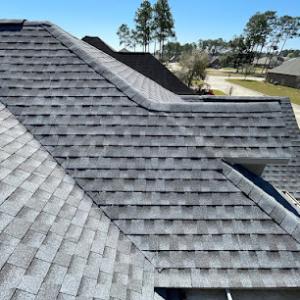
Coastal Roofing
(985) 338-4448 coastalroofing.com
22440 Ray Keen Rd, Covington, Louisiana
5.0 from 1 review
Coastal Roofing is your trusted roofing partner, proudly serving Covington, LA, and surrounding areas. Family-owned and operated, we are dedicated to delivering top-quality roofing solutions with a focus on reliability, safety, and customer satisfaction. Our skilled team specializes in residential roof installations, repairs, and maintenance to protect your home from the elements. With Coastal Roofing, you receive exceptional service and lasting results.
Roof Maxx of Mandeville, LA
Serving
5.0 from 6 reviews
Roof Maxx® is a scientifically formulated, and 100% safe, plant-based roof rejuvenating spray treatment that was developed by renowned scientists from the world’s largest private research and development company.
Brignac Roofing
(504) 717-5797 www.brignacroofing.com
Serving
5.0 from 51 reviews
Welcome to Brignac Roofing, your premier Louisiana-based roofing contractor! With state licensing and comprehensive general liability and workers' compensation insurance, we ensure your project is in safe and reliable hands. Whether you’re a homeowner or a business owner, we specialize in both residential and commercial re-roofs and repair work. Our expert team understands the unique roofing challenges in Louisiana, and we proudly collaborate with the Louisiana Fortify Homes Program to enhance the strength and durability of your property. Why choose us? 🔹 **Expert Craftsmanship:** Our team is dedicated to quality, ensuring your roof is not just functional, but a beautiful part of

David Clawson LLC Roofing & Renovations
Serving
4.9 from 33 reviews
If you call and recieve my voicemail, please leave a message. Due to robo calls, we will not call back unknown numbers. Thank you!
When a hurricane season hits the Northshore, your roof becomes a line of defense against relentless rain and humid heat that can hide trouble until it's expensive to fix. In this market, insurance companies scrutinize roof age, condition records, and a precise trail of photos before any repairs or replacement. If a late-model storm tore shingles or exposed decking, the adjuster will expect you to show a clear through-line from the initial damage to the finished result. That means you'll be expected to provide a paper trail that demonstrates what your roof looked like before the storm, what the damage looked like immediately after, and how the repair or replacement addressed every problem.
Adjusters here often tie inspection evidence to wind-damage patterns and installation details. Dated photos of shingles curling or blistering, flashing corrosion, decking exposure, and interior leaks are not decorative-they're critical. Take wide shots of the entire roof to capture the overall condition and close-ups of problem areas, including hips, valleys, and any mismatched patches from prior repairs. Interior photos of water intrusion-ceiling stains, warped drywall, sagging underlayment-help link the exterior damage to your claim. Keep a simple timestamped log of when each photo was taken and by whom, and preserve any materials you still have from before the storm. A careful photo record can reduce questions about whether damage existed prior to the event or occurred afterward.
Statewide insurer tightening affects how claims are evaluated, with underwriting often influenced by roof age, visible wear, and whether upgrades were completed to meet newer standards. The older your roof, the more scrutiny it faces, even if the visible damage seems straightforward. If your shingles show signs of aging alongside wind-driven damage, expect questions about the roof's overall condition and its ability to perform under future events. The adjuster may request details on the roof's installation history and any previous repairs, so you should be prepared to present records or a professional evaluation that documents condition independent of storm-related issues.
Begin with a straightforward inventory: what survived the storm, what failed, and what's now compromised by wind or moisture. Gather prior maintenance notes, contractor invoices, and any storm-damage inspections that existed before the event. For homeowners with older roofs, include any evidence of prior leaks or repairs that could affect liability or replacement decisions. When you meet the adjuster, your goal is to demonstrate a clear, uninterrupted timeline from pre-storm condition through post-storm results and into the proposed fix. Honest, well-organized documentation reduces back-and-forth and speeds the process, but it also sets realistic expectations about what the insurer may fund given age and code-upgrade considerations.
Because surrounding weather conditions can extend the life of a drying-in or complicate interior mitigation, timing becomes a practical concern. Wet subtropical weather means delays are possible, but a well-documented claim can still ride out the season with fewer surprises. If a repair or replacement is pursued, be prepared for questions about wind-damage patterns, fastening details, and how the new installation aligns with current standards. In this market, the better you can show a coherent story on why the roof needed attention now-and how the fix will withstand future storms-the more you'll steer the outcome toward a resolution that reflects actual conditions on your home.
Connect with contractors who help homeowners navigate the claims process from damage assessment to final approval.
RBJ Roofing
(985) 273-8516 www.rbjroofing.com
13406 Seymour Meyers Blvd STE 12, Covington, Louisiana
4.8 from 223 reviews
Peak Exteriors
(985) 304-8300 peakexteriorsinc.com
522 N New Hampshire St Suite 1, Covington, Louisiana
5.0 from 38 reviews
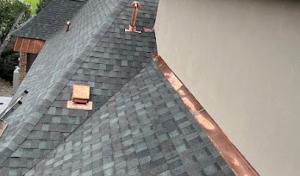
Premier South Roofing & Sheet Metal
(985) 308-0136 premiersouthla.com
74378 LA-25, Covington, Louisiana
4.9 from 35 reviews
Covington's hot, humid subtropical climate and frequent rainfall make dry, milder months the preferred window for planned replacement to reduce weather delays and moisture exposure during tear-off. Start planning for a roof window installation during the late spring to early summer lull, when afternoon thundershowers are less likely to stall a roof crew and when interior humidity is lower. If a replacement must occur in the shoulder months, pick a window with a forecasted dry spell, and arrange your crew to start early in the day to finish before heavy moisture moves in. In practice, you want a stretch of several dry days in a row to minimize decking moisture exposure and allow sealants to cure properly.
Summer heat on the Northshore accelerates algae staining and wear on shaded roof slopes, so homeowners often discover replacement needs after prolonged humid periods rather than after a single event. If your home sits under mature oaks or tall pines, plan for a window when shade is predictable and shade-driven glare is manageable-this helps crews work efficiently and reduces the risk of overheating materials or fasteners. For shaded or south-facing slopes, you may notice faster surface aging; scheduling conversion or window installation in a cooler morning block helps prevent heat-related material expansion that can complicate flashing and sealant setup.
Winter in this part of Louisiana is usually workable for roofing, but moisture and occasional freezes can affect decking dryness and installation timing. Before a cold snap, check existing decking dryness and confirm there is no standing moisture. If you detect damp decking, postpone until a dry spell returns or until a controlled indoor environment can facilitate curing of sealants and underlayment adhesives. When a winter window is unavoidable, coordinate with the contractor to shorten open roof exposure, protect interior spaces, and use rapid-curing sealants that tolerate brief cold exposure.
Before the crew arrives, clear a path to the work area and remove overhanging branches that could drop debris during a storm. Make sure attic spaces are ventilated so interior humidity doesn't trap beneath the deck during tear-off. Have a plan for temporary weather protection-tarps that secure well against gusts and heavy rain help keep moisture out of living spaces. Confirm access to electrical outlets for power tools and ensure piling areas for new underlayment and flashing are kept dry. Finally, coordinate with the contractor on debris containment and the sequence of flashing, window installation, and sealing to minimize the chance of wind-driven moisture during the critical phase of resealing the roof around the new window.
Asphalt shingles dominate many homes in this market because they fit the common residential re-roof cadence and framing. In a subtropical parish with year-round humidity and frequent rain, this material can be an economical baseline, but the local climate pushes certain drawbacks. Wind uplift can be a real concern during hurricane season, so you want to ensure the chosen shingles and underlayment are rated for high-wind performance, and that nailing patterns align with current wind-resistance guidelines. Algae growth is a frequent maintenance reality on the Northshore; look for laminates with algae resistance and plan for annual cleanliness if your roof faces substantial shade from trees or persistent humidity. Heat and humidity accelerate aging, so you'll want to verify the underlayment and ventilation strategy in coordination with the roof deck and attic space to minimize heat buildup and moisture retention. Regular inspections after heavy rains or storms help catch curling, lifting, or granule loss early, preserving the roof's protective functions in a climate that never fully dries out.
Metal roofing has a notable presence in Covington and the broader Northshore, reflecting homeowner interest in wind performance and rapid shedding of heavy rain during intense storms. Panels with proper fasteners and a sound sealant strategy can offer superior wind uplift resistance and a cooler roof surface, which helps combat heat-driven aging common to humid climates. This option shines when the pitch and structure support a clean installation and when you're aiming to minimize maintenance over time. If you're replacing after a storm season, metal can reduce long-term upkeep demand, but the weight and attachment details matter for older homes or those with existing structural quirks. Expect careful attention to flashing, edge detailing, and drainage alignment so rainwater flows efficiently off the roof, especially during those frequent tropical downpours.
Tile and wood choices exist in the market, but heavier clay or concrete systems can trigger structural and cost considerations on homes not originally framed for them. Clay and concrete tiles offer excellent longevity and a distinctive appearance, yet their added weight means a professional evaluation of the roof framing and potential reinforcement is prudent. If the home hasn't been upgraded to accommodate heavier loads, you may encounter siting, fastener, and inventory challenges that complicate installation. Wood products bring a warm, traditional look but face moisture-related maintenance in a humid, wet climate. Expect more attention to seamless ventilation, moisture barriers, and ongoing sealant or coating needs to prevent warping, cupping, or rapid degradation in high humidity. For Covington homes that are ready for the extra overhead, these materials can deliver long-term performance, but only when the structure is prepared to handle them and maintenance is kept regular.
In Covington, replacement work tends to tighten up when a hurricane season hits and after major storms. Labor availability can evaporate quickly, and emergency dry-in tasks can push full replacement timelines outward. That reality shows up in both scheduling and total cost, especially on projects that require extra coordination with insurance timelines or multiple trades. Expect shorter windows for securing crews right after a major hit, and plan for potential price jumps if crews are juggling multiple storm-damaged homes at once.
Material choice matters sharply here. Asphalt shingles run about 350 to 700 USD per square, metal 600 to 1100, clay tile 1100 to 1900, concrete tile 950 to 1700, wood shingles or shakes 700 to 1400, and synthetic or composite shingles 450 to 900. These ranges reflect Covington's mix of older, humidity-exposed roofs and newer homes with different aesthetic and performance goals. When evaluating proposals, look beyond the sticker price per square and compare warranties, wind resistance ratings, and expected life span for the specific product line. In wetter months, installers may suggest higher underlayment and better flashing details to mitigate moisture infiltration, which can add to the bottom line.
Costs in Covington can rise on older homes when underlayment, flashing, ventilation, or wind-mitigation upgrades are flagged during re-roofing. Older structures often require added attention to transitions around chimneys, skylights, and dormers, plus more careful attic ventilation work to meet the local climate. When a project touches these areas, you'll likely see incremental increases in both material and labor as crews take extra precautions to preserve long-term performance in a humid subtropical environment.
Wet subtropical weather means more careful project phasing. Expect longer dry-in periods or staged replacements if rain is steady through a planned window. In practical terms, this can mean rescheduling days, extending the project timeline, and banking a contingency for delays. If an insurance claim is involved, maintain clear communication with your adjuster about the adjusted schedule and any necessary upgrades to keep the roof performing well under Covington's heavy rain and humidity.
Start with a professional assessment that accounts for roof size, slope, and any add-ons like ventilation upgrades or enhanced flashing. Use the material cost ranges above to set a realistic ceiling for your preferred option, then add a contingency for weather-driven delays and potential surge pricing during peak season. For older homes, factor in a modest buffer for wind-mmitigation features or enhanced underlayment, which can improve long-term resilience in the face of frequent Gulf Coast storms.
Don't let upfront costs delay a critical repair - these contractors offer payment plans to fit your budget.
Premier South Roofing & Sheet Metal
(985) 308-0136 premiersouthla.com
74378 LA-25, Covington, Louisiana
4.9 from 35 reviews
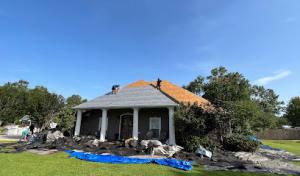
A full re-roof in Covington typically requires a permit through the local building department serving the city and St. Tammany Parish jurisdiction. The permit process is designed to ensure the new roof adheres to current wind, moisture, and ventilation standards that help withstand the area's wet subtropical climate. Before any nails go into the deck, check that the scope of work and materials align with parish requirements, and have the project details ready for inspection scheduling.
Inspections commonly occur during and after installation to verify underlayment, nailing patterns, flashing, and ventilation rather than only checking the finished roof from the ground. Expect an inspector to verify fastener spacing, hip and ridge flashing, valley protection, and eave detailing while the roof is still open. If a temporary vented or dry-in stage is required, plan for access and temporary measures so the crew can demonstrate compliance at each checkpoint. The timing of inspections may influence the project's overall schedule, so coordinate with the contractor to anticipate renewal documentation and any deficiencies the inspector notes.
Older homes may be asked to meet wind-mitigation or related code-upgrade expectations as part of the permit and inspection process. This can involve additional documentation or small retrofits, such as upgraded fasteners, improved hip and valley detailing, or enhanced attic ventilation. In practice, property owners should plan for potential adjustments to hardware or detailing that support wind resistance, even if the visible roof surface looks similar to neighboring homes. Working with a contractor experienced in parish expectations helps streamline this step and reduces the chance of costly rework after permit approval.
Have the project scope, photos of the existing roof, and manufacturer installation instructions on hand when applying for the permit. If wind-mitigation certificates or prior inspection records exist, include them to smooth the review process. Clear communication with the building department helps prevent delays that stall repairs during the hurricane season, when weather windows are narrow and moisture exposure is high.
On Covington roofs, repeated heavy rain exposes weaknesses first at flashing transitions, penetrations, valleys, and edges where wind-driven water can bypass aging materials. Those areas are the first line of defense against the subtropical deluge, and a small gap or lift there becomes a bigger leak once every storm rolls through. Pay close attention to chimney and vent collars, step flashing along walls, and the intersection where roof and gutter return meet. If water starts siphoning into the attic behind fascia boards or under underlayment at these junctions, the damage compounds quickly, especially after back-to-back storm events when membranes fatigue and fibers delaminate. The key is catching loose or buckled components before the next round of rain.
Shaded roof plains in this humid Northshore environment commonly show algae staining and retained moisture, which can hide deterioration and shorten the useful life of some shingle systems. Algae and moss can trap moisture against the deck, accelerating sawtooth wear on shingles and lifting tabs in high-wind moments. In shaded pockets, soft spots may develop earlier than expected, masking underlying rot or decking issues. Regularly inspecting the shaded zones for lifted granules, discoloration, and soft or spongy feel underfoot helps identify trouble before it becomes a leak mid-season.
Leaks after storms are often tied to uplifted tabs, fastener issues, and compromised flashing rather than obvious missing sections alone, which is why post-storm close inspection matters locally. After a heavy rain or hurricane gust, look for loose or torn shingles along ridges and eaves, corroded or popped fasteners at hips, and any shifting of flashing around vents or chimneys. A careful hand-inspection from the attic-checking for damp insulation, staining, or new daylight-can reveal the exact failure point, guiding targeted repairs that prevent a cascade of moisture problems through the rest of the season.
Find contractors experienced in skylight installation, flashing, and leak repairs to bring natural light into your home.

In Covington, the reroof-and-storm-work cycle drives most crews. Homeowners should expect contractors to emphasize cleanup, fast response, and residential service over niche, high-end roofing specialties. The right choice is a company that regularly handles storm debris removal, tarp repairs after heavy rain, and quick, on-site reprioritization when wind or rain interrupts a project. Look for signs of stability: years in business, a steady crew, and vehicles that show up ready to work rather than a one-off crew that only appears after a storm.
Hurricane-season exposure and damp subtropical weather mean you want a roofer who has handled roof failures caused by wind-driven debris, saturated underlayment, and mold risk from prolonged rain. Ask for recent references from homeowners who survived a major storm and a quick follow-up after a heavy rain event. Read reviews for notes on responsiveness, debris cleanup, and how well crews protected your property during work. Local homeowners often value how a crew minimizes disruption and leaves the yard cleaner than it found it.
Because the parish process often includes wind-mmitigation discussion and insurer documentation, pick a roofer who routinely documents work for insurers, schedules inspections promptly, and can provide a clear, itemized scope. Confirm they can supply photos, weather-tightness checks, and post-work warranty documentation tailored to Louisiana's climate. A contractor who coordinates scheduling with inspectors and keeps you informed about next steps saves time and reduces stress when storms have just passed.
Storm work can attract short-term operators; long-standing presence matters. Favor companies with a proven track record of reliable response times, thorough cleanup, and straightforward communication. Ask who will be your point of contact, how progress updates are delivered, and what the aftercare plan looks like if a follow-up issue arises. In Covington, a locally dependable roof team is measured not just by the first install but by how they stand behind it when humidity and rain demand ongoing attention.