
Last updated: Apr 19, 2026
Metairie sits in Jefferson Parish within the greater New Orleans storm corridor, so roof failures are often tied to tropical systems, wind-driven rain, and repeated post-storm repair cycles rather than isolated wear alone. In this climate, a damaged roof can switch from a cosmetic issue to interior moisture in hours during a hot, humid stretch. The hurricane season runs June through November, which directly affects inspection urgency, temporary dry-in needs, and contractor availability after named storms affecting southeast Louisiana. After a storm, delays in tarping or delayed assessment can mean moisture migration into ceilings, walls, and insulation, accelerating interior damage and mold risk.
When access to a roof is compromised, the first move is to secure a temporary dry-in. Your priority is tarping: a sturdy, wind-resistant tarp fastened well beyond the edges to resist gusts, with weight at the corners or secured with water-activated bags if rain is imminent. If you notice daylight or wind-driven rain pouring through attic spaces, seal penetrations around vents, dormers, and chimneys with heavy-duty tape or flashing, but avoid over-tighting, which can tear under high winds. Photograph every exposed area from multiple angles before any intervention; this creates a timeline that helps after-storm claims and avoids disputes. In the hot, humid climate of the region, moisture travels quickly, so the goal is to limit interior exposure within the first 24 to 48 hours whenever possible.
A clear, dated photo log is essential after a storm. Capture exterior roof sheathing, underlayment, vents, and any hail or wind damage. Inside, document water intrusion on ceilings, walls, and around light fixtures or electrical boxes. Keep invoices, receipts, and contact records for emergency services and any temporary repairs. If you can, create a simple map of damaged areas on a drawn plan or photograph the attic with a scale reference to show attic moisture spread. Insurers value a concise narrative that links the storm event to the current damage, plus a timestamped sequence of steps you took to mitigate further harm.
Initiate a claim promptly after the storm and maintain steady communication with your insurer. Provide your photo log, the storm date, and a record of all temporary measures-tarp installation, board sheathing protection, or attic dehumidification actions. When choosing a contractor for emergency work, prioritize ones who can begin tarping and quick repairs within a few days, acknowledging that post-storm demand surges can limit availability. Document all contractor communications and keep a running list of scheduled visits, scope of work, and any changes to the plan.
Because hurricane season stretches from June through November, expect a surge in contractor activity after named storms. That surge can mean feasible response times for tarping and urgent repairs but longer lead times for full roof replacements. Plan in advance for temporary fixes that stabilize your home while waiting for more permanent solutions. If you have a window of opportunity during calmer months, line up trusted crews ahead of the season so you're not scrambling in the immediate aftermath of a storm.
Hot, humid air accelerates interior moisture damage. Use dehumidifiers in accessible spaces, vent attics when possible, and monitor for condensation that could worsen insulation and drywall. If interior moisture is detected, prioritize quick closure of the envelope to slow moisture migration while permanent repairs are arranged. A proactive approach reduces the risk of mold growth and long-term damage in the region's challenging climate.
In a storm-prone suburb just across the parish line, you'll notice prices shift quickly after hurricane winds or a heavy thunderstorm surge. Metairie homeowners often face a tight window for temporary tarp and rapid shingle replacement, followed by the full replacement if roof decking was compromised. The goal is to control interior leaks first, then plan the full scope of work with a contractor who can manage storm-driven scheduling crunches and the inevitable surge in demand for tear-offs, dry-in crews, and replacement materials.
Provided local pricing ranges run about $420 to $800 per square for asphalt shingles, $800 to $1300 for metal, $950 to $1900 for clay tile, $900 to $1600 for concrete tile, $600 to $1100 for wood shingles or shakes, and $700 to $1200 for synthetic or composite shingles. These figures reflect the realities of a Metairie market where supply lines tighten and crews swing from one large storm job to the next. When you're evaluating bids, confirm whether the price quote is per square (100 square feet) or per square foot, and verify whether scaffolding, disposal, and any necessary underlayment are included in the base price.
Metairie pricing can spike after hurricanes and major thunderstorm events when southeast Louisiana demand surges for tear-offs, dry-in crews, and replacement materials. If a storm has just impacted your block, expect a short-term premium on both labor and materials as crews relocate from nearby neighborhoods and rush to complete urgent water control. The better plan is to build a contingency into your budget for an emergency leak control phase, followed by a full replacement window once the weather settles and crews can safely operate for an extended period.
Because heavy rains and heat accelerate interior damage, many homeowners prioritize emergency leak control in the immediate aftermath, then schedule a full replacement when daylight hours and temperatures cooperate. If you're coordinating with an insurance-adjusted project, keep in mind that the surge in demand can extend timelines for dry-in, inspections, and material delivery. Start with a clear price range for your chosen roofing type, and maintain a written plan with your contractor that outlines staged work: tarp and temporary leak stopping, then deck and underlayment inspection, followed by final installation. This staged approach helps you manage your cash flow and keep the project moving even when Southeast Louisiana weather or supply chain hiccups arise.
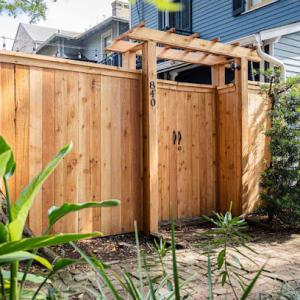
Zuppardo's Renovations Roofing, Siding, Fencing, Painting
(504) 493-7777 zuppardosrenovations.com
4405 Senac Dr, Metairie, Louisiana
5.0 from 223 reviews
We began as most renovation companies do, as sales and project managers for an esteemed home renovation company. Since then, we’ve fallen in love with helping this community turn their homes or business’ renovation dreams into reality. What makes Zuppardo's Renovations an exceptional company to work with is our focus on communication with our customers and team members. From our initial consultation and estimate to ordering materials, start times, daily/weekly planning all the way to the finished product we communicate with each and every customer.
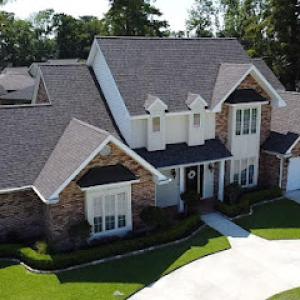
Home Pros Roofing
(504) 527-7663 www.roofwiththepros.com
3900 N Causeway Blvd #1200, Metairie, Louisiana
5.0 from 95 reviews
Home Pros Roofing is a leading provider of roofing services in the Greater New Orleans, offering clients services including roof repair, roof replacement, and skylight installation for residential and commercial buildings. Our team of skilled professionals is dedicated to providing the highest level of service, addressing your roofing needs with precision and care. Whether you need a minor repair, a full roof replacement, or a new construction project, our expert roofer bring the same level of dedication and expertise to every job.
Simplex Roof
(504) 384-0676 simplexroof.com
1 Galleria Blvd Suite 1900, Metairie, Louisiana
5.0 from 64 reviews
Simplex Roof is your trusted local roofing company serving New Orleans, Metairie, Kenner, Slidell, and surrounding areas. We specialize in roof repairs, roof replacements, storm damage repair, and roof maintenance for homes and businesses. From fixing leaks to installing new shingle, metal, or flat roofs, our licensed and insured team delivers quality workmanship, honest service, and fast response times. We treat every roof as if it were our own, making the process simple and stress-free. Call Simplex Roof today for a free roofing estimate and keep your property safe, dry, and looking its best.

Roof Squad
(504) 294-5800 www.roofsquad.com
2815 Division Street #202, Metairie, Louisiana
4.9 from 201 reviews
At Roof Squad we pride ourselves in being your local roofing contractors with more than 20 years of combined experience in residential and commercial roofing projects around the Greater New Orleans area. Thanks to our commitment to completing every job right on the first visit, we have become one of Louisiana's most trusted roofing contractors for repairs, replacements, and storm restoration projects. We are fully licensed, certified, bonded, and insured for your peace of mind. If you find your roof leaking or need an emergency repair, contact us and get a free roof inspection and a free estimate a. Our technicians can also guide you through a storm damage assessment process with your insurance if you need it.
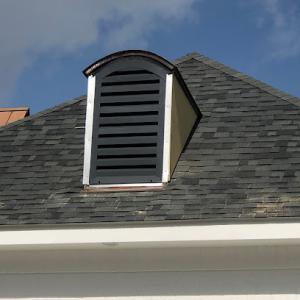
Raycon Contractors
(504) 442-1958 rayconcontractors.com
2910 Lausat St, Metairie, Louisiana
5.0 from 60 reviews
Raycon Contractors is a commercial and residential roofing contractor servicing the greater New Orleans and surrounding areas. We are dedicated to offering fair market pricing for our service in a way that is 100% lawful. Unfortunately, roofing contractors have a reputation for not having the licensing, insurance, and qualifications that they should before engaging in business transactions, leaving customers in situations that they should never be in. We believe that by holding ourselves the highest standard of honesty and workmanship, along with partnerships with industry leading brands to supply unrivaled material and labor warranties, Raycon Contractors will bring value that is worth considering for your roofing projects. Thank you.
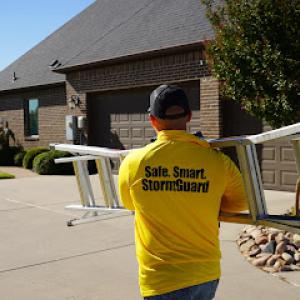
Storm Guard Roofing & Construction
(504) 420-0506 www.stormguardrc.com
2121 N Causeway Blvd Suite 166, Metairie, Louisiana
5.0 from 46 reviews
Storm Guard Roofing and Construction equals trust. We listen to what you need, determine the best options, and provide complete documentation for your insurance claim. You will have the mobile phone of a dedicated supervisor who will deliver multiple progress reports on your roofing project including photos. We provide high-quality, trusted weather-ready solutions, including Fortified Roof Replacement options, ensuring your home stays strong through storms. Whether it's roof repair or installing a new roof, we're dedicated to professionalism and satisfaction to keep your home safe. Let's fortify your home together against the elements. Most of what matters is under your roof.
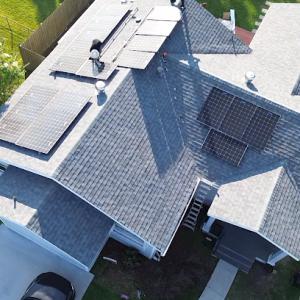
Olympian Roof
(504) 826-3341 www.olympianroof.com
1011 Lynnette Dr, Metairie, Louisiana
5.0 from 41 reviews
Olympian Roof is Southeast Louisiana’s trusted roofing contractor, proudly serving Metairie, New Orleans, Kenner, Mandeville, Covington, Slidell, Baton Rouge, and beyond. We specialize in roof replacements, repairs, and storm damage restoration — including FORTIFIED Roof installations built to withstand Louisiana’s toughest weather. Whether your roof has suffered wind, hail, or age-related damage, our experienced team provides durable, efficient solutions that enhance your home’s protection and value. With exceptional craftsmanship, reliable service, and timely completion, Olympian Roof ensures every project meets the highest standards. Call today for your free inspection and experience roofing done right.

Legacy Construction GNO
(504) 441-8671 www.legacyroofingconstruction.com
2817 Harvard Ave #208, Metairie, Louisiana
5.0 from 27 reviews
We're the best in our field, and it's all thanks to the incredible relationships we've formed with our clients. We're invested in developing a personal connection with each and every one of our customers, by providing quality service and being available to you 24/7. Get in touch with us when you're ready to learn more; we can't wait to meet you for your home improvement and roofing needs! Legacy Construction GNO, LLC is a Louisiana Veteran owned company serving the Greater New Orleans area. Licensed, Insured and Local.
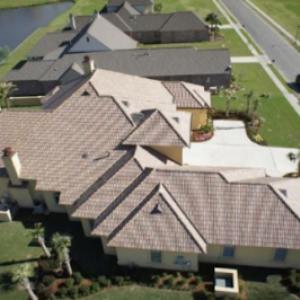
Garcia Roofing
(504) 229-7660 garciadidmyroof.com
1 Galleria Blvd Suite 1900, Metairie, Louisiana
4.7 from 93 reviews
Since 1992, the Garcia business group has been one of the largest roofing contractors in the state of Louisiana, servicing over 1600 customers a year with 50 employees. In addition to great installation service, Garcia offers beautiful custom fabricated copper awnings, iron scroll work, and other accents that turn a building’s hat into a crown.
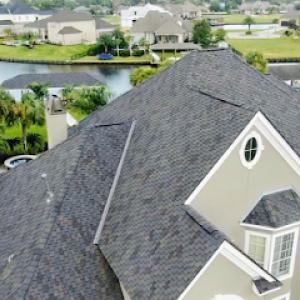
Structure Ace Roofing & Solar
3900 N Causeway Blvd #1200, Metairie, Louisiana
4.8 from 33 reviews
Residential and Commercial, Fully licensed, bonded and insured here to service all of your Roofing, Solar and Storm Restoration needs. Members and Certified by the National Roofing Contractors Association, BBB accredited, and Atlas Pros. Our shingle master certification through CertainTeed, North America's leading brand of exterior and interior building products, solidifies that our workmanship is beyond comparison. Here at Structure Ace we are committed to giving our clients the best of the best from materials to customer service. Call today so that we can bring out the ACE in you and your home and Business! #AceUP!
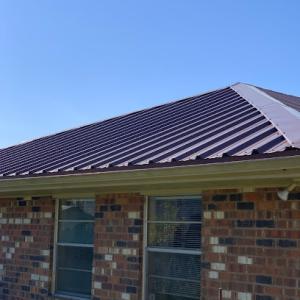
American Roof Professional & Restoration
(504) 298-0402 www.ameriroofprorestoration.com
609 Metairie Rd Ste. 220, Metairie, Louisiana
5.0 from 14 reviews
We are a professional Commercial & Residential Roofing and Restoration company. We have extensive experience, both in Roofing and Restoration. We can offer you insight and advice to help you through the process from start to finish.
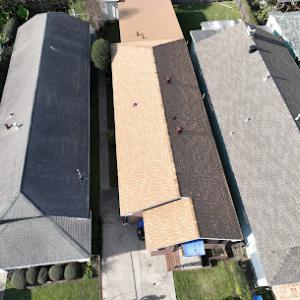
Voodoo Roofing
(504) 766-3466 voodooroofingnola.com
1717 Hullen St, Metairie, Louisiana
4.8 from 24 reviews
A female-owned, second-generation construction company based in the heart of New Orleans. Our team is passionate about delivering high-quality roofing repairs.
In this area, a full roof replacement is treated as a formal project by Jefferson Parish rather than ordinary maintenance. The permit process helps ensure storm-damaged roofs are rebuilt to current standards and can be critical for post-storm insurance evaluations. The permit requirements focus on weather resistance, proper flashing, and structural integrity, which matter deeply in the low-lying terrain and hurricane-prone climate.
Typically, the roofing contractor takes on the permit responsibilities and acts as the point of contact with the parish. That contractor will submit the necessary permit application, materials list, and project timeline to Jefferson Parish, then arrange inspections at the appropriate milestones. During the project, inspections are coordinated through the contractor and parish inspectors, not as a separate DIY process. Keeping the contractor as the liaison helps align inspection windows with the job schedule, which is especially important when rapid post-storm demand surges occur.
Parish inspections focus on critical installation details that affect longevity and wind resistance. Inspectors may review underlayment type and placement, flashing around valleys, penetrations, and roof-to-wall connections. They may also verify overall installation standards, fastening patterns, and adherence to applicable codes. On some properties, wind-mitigation documentation or attic-ventilation details may be requested. Having these elements properly documented can influence both performance and insurance considerations after a replacement.
Expect to provide project scope, roof surface area, and a materials list with exact products being installed. If wind-mitigation features exist or are being added, gather any certificates or method statements that demonstrate compliance. Attic ventilation details, including vent type and placement, may be requested. The homeowner should keep copies of all correspondences with the contractor and parish about permits, inspections, and any re-inspections that occur if a problem is found during initial checks.
Plan ahead for permit review times, which can vary with weather and demand. If the house has prior wind-mitigation work or unusual attic configurations, flag these early with the contractor so the correct documentation is prepared before inspections. In neighborhoods with rapid post-storm activity, some inspections may be tight on scheduling; having a clear project timeline and contact points can prevent delays. If a concern arises during an inspection, address it promptly and coordinate any required corrective work through the contractor, who should handle resubmission and re-inspection with the parish. This approach keeps the replacement moving and reduces the risk of weather-related setbacks in a storm-driven market.
Louisiana's storm-exposed insurance market produces heavy claim activity after hurricanes and hail, so roof condition and prior wear are closely scrutinized in this area. When a claim hits your doorstep after a big event, expect your carrier to want detailed photos, date-stamped records, and a thorough adjuster site visit before any major payouts are approved. The days of a quick cursory glance are gone; a meticulous record trail helps you avoid a low-ball result or a claim denial based on preexisting wear. In practice, that means taking clear, time-stamped photos of every angle of the roof, attic, and any interior leaks, then filing those images with your claim promptly. Keep a running log of roof-related maintenance, repairs, and any prior replacements, and share it when the adjuster asks.
This market tends to push for proof that damage is storm-driven rather than the cumulative result of aging or lack of maintenance. If shingles show curling or granule loss but the roof is already near end of life, the adjuster may limit coverage or suggest a more limited repair path. In coastal-risk Louisiana markets, coverage options can be tighter, so wind resistance and maintenance records carry extra weight at renewal time. Your goal is to demonstrate sustained upkeep: recent replacements, venting repairs, flashing maintenance, and any storm-related emergency mitigations you implemented, such as tarping or temporary leaks caused by a sudden event.
Prepare for the possibility of back-and-forth with the insurer. Have a trusted local roofer prepare an independent assessment focusing on wind resistance, flashing integrity, and deck condition. Share that independent report alongside your photos to present a clear picture of storm-related damage versus normal wear. If a discrepancy arises between the adjuster's findings and your documentation, request a re-inspection or an appraisal in line with policy provisions. The outcome shapes both the immediate repair plan and the renewal conversation when the time comes.
Connect with contractors who help homeowners navigate the claims process from damage assessment to final approval.
Zuppardo's Renovations Roofing, Siding, Fencing, Painting
(504) 493-7777 zuppardosrenovations.com
4405 Senac Dr, Metairie, Louisiana
5.0 from 223 reviews
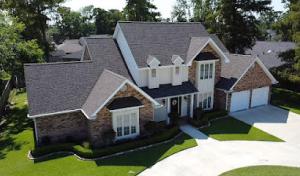
Home Pros Roofing
(504) 527-7663 www.roofwiththepros.com
3900 N Causeway Blvd #1200, Metairie, Louisiana
5.0 from 95 reviews
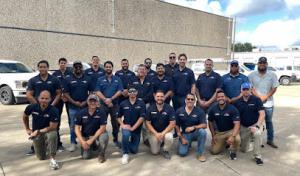
Roof Squad
(504) 294-5800 www.roofsquad.com
2815 Division Street #202, Metairie, Louisiana
4.9 from 201 reviews
The neighborhood pattern around New Orleans means storm-driven replacement cycles dominate the work calendar. Heavy humidity, heat, and frequent thunderstorms push scheduling to short dry windows, and anyone who has watched a roof go from tear-off to dry-in knows those windows can close fast. In this market, you plan around the worst moisture-prone spells and the pressure of a quick post-storm turnaround, especially when insurance work adds to the demand.
In late spring and early fall, you typically find the most reliable dry spells for roof work. Pick days that promise several consecutive dry hours, not just a single dry afternoon, so the crew can tear off, lay underlayment, and get a proper dry-in. Summer months should be treated as high-stakes windows: even if the forecast looks clear, a pop-up thunderstorm or tropical breeze can interrupt progress. When planning, target midweek slots if possible, avoiding weekends that flood with emergency calls after storms.
Tear-off should be scheduled when the forecast shows at least a two- to three-day stretch without rain. That gives enough time for deck inspection, underlayment application, and flashing setup to dry in before any evening humidity spikes. In a storm-prone area, you want to advance the sequence efficiently: remove old material, inspect for hidden damage, install the barrier, and secure vents and penetrations in one steady push. If a sudden rain threat appears mid-project, have a contingency plan to tarp exposed areas and protect interior spaces while crews pivot to a dry-in under favorable conditions.
Winter in this region is milder than northern markets, but moisture and cool spells can still slow drying and make some installation days less practical. Plan winter work during consistently mild periods and shield crews from the coldest mornings. Short, persistent cool spells can keep underlayment from fully curing, so avoid starting a critical dry-in late in the day when overnight dew remains heavy.
When a storm hits, prioritize rapid assessment and temporary leak control to minimize interior damage while coordinating with adjusters. If access is restricted by debris or elevated water, establish a clear path for material delivery and crew ingress. After approval, aim to complete the roof in the shortest feasible window that preserves quality, knowing that rapid turnover helps reduce secondary interior damage and supports faster claim closure.
In Jefferson Parish, the dominant local material mix includes asphalt shingles, metal roofing, clay tile, concrete tile, wood shingles or shakes, and synthetic or composite shingles. For a typical Metairie home, that mix translates into choices that balance appearance, weight, and availability after storm events. Your neighbor's roof might feature asphalt for quick repairs, while newer homes lean toward metal or tile for longer lifespans. Understanding how each material behaves in this climate helps target moisture control and wind resilience.
In this climate, summer heat and humidity accelerate expansion cycles and underlayment wear, so material choice is tied closely to moisture management and storm resilience. Asphalt and composite shingles can shed rain efficiently but rely on a solid underlayment and proper flashing. Metal roofs shed heat well but require careful sealing at seams to prevent condensation and leaks during heavy rain. Clay and concrete tiles offer roof longevity but add weight and must be secured to resist hurricane winds and post-storm debris impacts. Wood shakes provide distinct look but demand thorough treatment against rot and insects in humid air.
Heavier tile systems and premium alternatives must be evaluated in the context of local wind exposure and replacement logistics common in southeast Louisiana. Concrete and clay tiles require structural assessment and careful installation to withstand high wind uplift. A metal roof, while lighter than tile, can offer fast replacement after a storm but needs corrosion-resistant fasteners and edge detailing to survive salt air and humidity. Synthetic shingles provide a balance of weight, cost, and moisture tolerance, with easy patching after minor hail.
Lightweight options like certain synthetics can simplify roof replacement on older houses with marginal attic space, while tile systems demand a sturdier deck and careful ballast for the storm season. No matter the choice, plan for moisture control details-drainage, flashing, and venting-so quick post-storm fixes stay affordable and effective for years ahead.
Flat and low-slope roofing is a meaningful specialty in the local market, reflecting the mix of commercial properties and some residential additions found in Metairie. In this climate, frequent rain and thunderstorm runoff can overwhelm marginal drainage systems. A slow, shallow slope invites standing water after a heavy shower, which accelerates membrane degradation and invites early aging. You'll want to prioritize clear gutters, unobstructed scuppers, and a simple plan for rapid water discharge. When a roof looks "wet longer than it should," treat it as a warning sign rather than a curiosity.
Prolonged humidity and repeated storms test seam integrity more than you might expect. Low-slope sections rely on precise seam sealing and continuous flashings to keep out interior moisture. In Metairie, where occasional heat accelerates material expansion and contraction, little gaps can grow into leaks after a storm surge. Check for loose counterflashing around vents, skylights, and penetrations, and be wary of mismatched patch jobs that don't move with seasonal rhythm. If you see shiny new sealant that looks brittle or peeling, plan a careful reseal or membrane patch before the next rain event.
Flat-roof problems in this market often become urgent because trapped moisture and repeated storms can turn small failures into interior leaks quickly. A minor seam issue or a small ponded area can cascade into ceiling staining, mold, or insulation damage in short order when humidity stays high. You'll want a proactive eye: monitor corners, transitions to parapets, and any signs of swelling on plywood or insulation below. When leaks appear, address them promptly-delays multiply the costs and compromise living spaces.
Find specialists in TPO, EPDM, and built-up flat roofing systems for residential and commercial properties.
Simplex Roof
(504) 384-0676 simplexroof.com
1 Galleria Blvd Suite 1900, Metairie, Louisiana
5.0 from 64 reviews
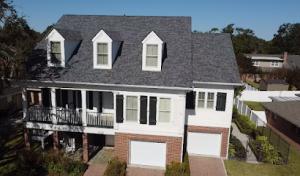
Peralta Renovations
(504) 388-3003 peraltarenovations.com
1908 Clearview Pkwy Suite 102, Metairie, Louisiana
5.0 from 61 reviews
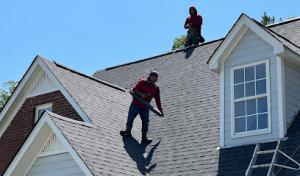
Capstone Roofing
(504) 302-0204 capstoneroofingco.com
2901 Ridgelake Dr #208, Metairie, Louisiana
5.0 from 9 reviews
In a high-claim storm market, how a roof is installed can influence not just leaks but how well the roof holds up under insurer scrutiny after the next big event. The long arc of Metairie weather-hurricanes, humidity, and rapid post-storm demand-means workmanship quality is scrutinized more than in milder markets. A solid warranty is only as reliable as the installation that backs it up, so focus on what happens after the contractor leaves the property.
Jefferson Parish inspections look closely at underlayment, flashing, and the connection points where the roof meets walls, chimneys, and vent pipes. Documentation of the completed system, including photos and a concise anything-left-behind checklist, adds measurable value. Ask the contractor for a comprehensive transfer packet that outlines every layer installed, the model or type of underlayment used, and the flashing method for all penetrations. Having this in writing helps during insurer review and future maintenance.
Local homeowners often prioritize established, licensed, and cleanup-focused contractors because re-roofing is common and storm-response hiring can be rushed. Favor crews with verifiable local references, a defined cleanup protocol, and a clear post-installation walk-through. A dependable crew will leave the job site broom-clean, with piles hauled away and all debris properly disposed of. Confirm that the team will conduct a thorough attic and exterior inspection after the installation to ensure no hidden gaps or overlooked flashing details.
Keep a durable copy of the warranty, the contractor's license verification, and the installer's contact during and after the project. Take dated photos of each stage: deck exposure, underlayment lay, flashing around penetrations, and the final edge details. If a future claim arises, these records help demonstrate that the system was completed to specification and that proper maintenance steps were addressed in writing.