
Last updated: Apr 19, 2026
Hammond sits in southeast Louisiana close enough to the Gulf storm track that tropical systems can bring both high wind and prolonged rain even without direct coastal landfall. The hot, humid subtropical climate and frequent thunderstorms mean roof systems are stressed by repeated wetting, not just one-off storm events. That pattern accelerates deterioration of shingles, flashing, vents, and underlayment. Expect wind-driven rain to find every seam, every gap, and every edge, especially during long downpours that don't fully let up. A roof that survives one big storm still needs to endure a dozen quick, heavy rains that follow in the weeks after.
Because the inland position still faces powerful winds, lifted shingles and flashing failures are common culprits in Hammond homes. The most vulnerable spots are along eaves, hips, ridges, and around vent pipes or skylights where moisture can infiltrate behind the surface layer. In homes with mature trees nearby, pine debris can clog gutters and swirl under any small opening, turning a minor leak into a serious interior problem. Flashing at chimneys, valleys, and transitions to walls must be continuous, corrosion-resistant, and properly sealed so wind-driven rain cannot force its way ahead of the flashing. When storms rumble in, make sure the roof's edge details-drip edges, underlayment, and starter courses-are intact and correctly installed to resist uplift and water intrusion.
Inspect the most exposed areas first: along the lower edge of the roof, valleys, and around any protrusions. Look for lifted or curling shingles, especially after a wind event, and note any loose or missing nails, damaged sealants, or deteriorated flashing. Ensure the roof deck is sound beneath the shingles, with no signs of soft spots from prolonged moisture exposure. Clean gutters and downspouts to prevent ice dam-like backing during heavy rains, and verify there's a clear path for water to exit the roof without pooling. If you notice wind-driven water intrusion, prioritize repairs to flashing and sealants around chimneys, vents, and transitions before the next storm. In pine-rich areas, keep a routine for removing clustered debris from the roof surface and gutters to minimize moisture retention and shingle displacement risk.
Choose roofing options with strong uplift resistance and durable weather seals. Asphalt shingles with reinforced underlayment and properly sealed starter courses provide robust first resistance to wind-driven rain. Metal roofing offers excellent wind resistance when panels are fastened with corrosion-resistant fasteners and a continuous eave and ridge seal is maintained. Clay or concrete tiles can deliver long-term resilience, but require precise installation to prevent water intrusion at joints and around penetrations. For homes with tight budgets and high wind risk, synthetic or composite shingles can deliver durability with fewer vulnerabilities at vulnerable seams. Regardless of material, insist on a high-quality flashing kit, corrosion-resistant metal flashing, and a continuous underlayment system underneath the final roofing layer for true water protection.
Establish a twice-yearly inspection cadence that aligns with hurricane season and the spring wet season. Before the peak of hurricane season, hire a local pro to verify edge details, flashing around vents and chimneys, and the condition of the underlayment, especially if there are known prior leaks. After heavy rains, perform a focused check for damp spots in attic spaces and along interior walls, which can indicate slow leak paths that patience or quick temporary fixes won't fix. Train homeowners in recognizing early signs of uplift-shingle edges peeling away, cupping along ridges, or nail pops-so repairs can be scheduled promptly. In Hammond's climate, the goal is not a perfect roof, but a relentlessly weather-tight roof that shrugs off wind and rain without letting moisture creep inside.
This part of Tangipahoa Parish sits on the Northshore side of southeast Louisiana, where Gulf moisture and heavy rainfall shape how roofs endure each hurricane season. The focus here is wind and water protection for steep-slope roofs, with quick response to how moisture moves through shingles, underlayment, and fasteners. In practice, that means choosing materials and detailing that shed water rapidly, resist uplift, and dry out promptly after storms. Expect higher humidity year-round, which can accelerate mold and algae concerns in shaded valleys and behind chimneys. A roof that dries quickly after a storm reduces the chance of moisture staying trapped in decking or under layers, helping compatibility with local summer storm cycles.
The tree cover in this area isn't just scenic; it shapes how roofs age. Pine needles and leaves accumulate in valleys, behind chimneys, and along gutters, where moisture can linger and encourage staining, moisture retention, and even early decay if not managed. In practice, that means roof edges, flashing details, and valley intersections deserve extra attention during installation and maintenance. Regular inspections after pine-heavy seasons help catch micro-damages before they compound. Ensure gutter systems are sized and pitched to move debris quickly toward downspouts, and consider enhanced back-vented underlayment in areas prone to debris buildup to keep the roof breathing even while the drainage stays clear.
Roof replacement activity tends to cluster in drier windows, because frequent summer storms and persistent humidity complicate tear-off scheduling and drying times. In the local climate, a well-timed project respects not only weather forecasts but also the time needed for deck and substrate drying after removal. Coordinating ventilation, moisture barriers, and rapid-dry sheathings can help keep projects moving through the best possible weather pockets. When planning, anticipate a slower pace during peak humidity and rainy spells, and align materials and crews to finish within those windows so the new roof can perform through the next storm season without delay.
Materials behave a bit differently when steep-slope roofs live with Gulf moisture and inland winds. Asphalt shingles shed water effectively when installed with proper ventilation and nailing patterns that resist uplift. Metal roofing can offer strong wind performance but benefits from careful panel overhangs and properly sealed fasteners to prevent water intrusion behind ridges. Tile options, including clay and concrete, need precise slope calculations and high-quality underlayment to avoid water seepage into valleys and along transitions. Wood shingles and synthetic options each bring distinct moisture dynamics; ensuring adequate substrate preparation and meticulous flashing around chimneys, skylights, and transitions helps these materials outperform in humid, storm-prone settings.
A proactive maintenance routine fits this climate best. Schedule inspections after major storms, especially when pine debris is heavy or after hurricane-season winds. Clean gutters and valleys regularly to prevent moisture pockets that can degrade decking or underlayment. Look for signs of algae growth in shaded sections and address them with appropriate cleaners and preventive treatments. Early attention to loose flashing, worn sealants, or lifted shingles prevents small issues from escalating into leaks during the next rain event. By pairing materials with thoughtful detailing and a disciplined upkeep cadence, roofs here can hold up against both the humidity and the wind-driven challenges that define this area.
Asphalt shingles fit the mainstream housing stock and are a practical first choice for Hammonds' humid southeast Louisiana climate. They go on quickly and keep upfront costs modest, which aligns with many neighborhood homes. The trade-off in this environment is algae staining and heat-related aging. To extend life, choose a laminated or architectural shingle with algae resistance and a fairly reflective shingle color to reduce heat buildup. Ensure adequate attic ventilation and a stout underlayment to help against persistent dampness and heavy rains. If you see moisture peeking through or staining on a sunny afternoon, it's a signal to re-check the underlayment and ventilation rather than assuming the shingles alone will carry the load.
Metal roofing becomes especially relevant for wind resistance and rapid water shedding during tropical downpours. In Hammons' humidity-driven storms, metal panels shed water quickly and resist the kind of wind-driven rain that can lift lighter materials. The key is installer quality around fasteners, penetrations, and edge details. Look for a contractor who uses hidden or sealed fasteners, comprehensive edge flashing, and proper sealant at vent and chimney penetrations. Metal roofs can age well in this climate if the paint finish remains intact and the substrate is kept dry. Proactive maintenance should target loose fasteners after the storm season and corrosion-prone areas around coastal exposure corners.
Clay and concrete tile appear in higher-end Gulf South architecture but require attention to structural load, underlayment durability, and storm repair logistics in a market where shingle crews are more common. The heavier weight means a professional assessment of roof framing is essential before installation. Underlayment should be upgraded to withstand prolonged dampness and occasional salt spray if the house sits near open water or large, storm-driven rain events. In Hammons' frequent rain cycles, tile roofs benefit from properly integrated ventilation at the roof deck to prevent moisture buildup and thermal expansion issues. When damage occurs, plan for targeted, tile-specific repairs rather than standard shingle methods to avoid cracking.
Wood shingles and shakes can offer a distinctive look, yet humidity and the pine debris common to the area demand regular maintenance. Treats against rot and insects must be scheduled, and fastener systems should resist corrosion in a humid environment. Synthetic or composite shingles provide improved moisture resistance and can mimic wood while reducing maintenance, but quality varies. In any choice, verify that the underlayment and flashing can tolerate high humidity and frequent downpours, and confirm that the system is compatible with the local hurricane-season demands. This ensures the roof remains a durable shield against both wind and water while preserving the home's character.
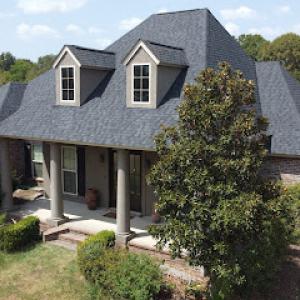
Louisiana Roof Crafters
(225) 327-6124 theroofcrafters.com
2770 W Church St Suite #6, Hammond, Louisiana
4.9 from 423 reviews
Louisiana Roof Crafters is a full-service roofing company performing roof repair & new roof installation in Hammond, Mandeville, Covington & North Shore areas of Louisiana. Roof Crafters is a Select Shingle Master certified roofer with the CertainTeed Corporation allowing unmatched roofing warranties to homeowners. LA Roof Crafters offers free roof inspections & free roofing estimates. Louisiana Roof Crafters has served Hammond and North Shore areas of Louisiana for many years and is fully insured with workers comp and general liability insurance. LA Roof Crafters specializes in roof repair, new roofs, skylight repair & metal roofs. LA Roof Crafters offers Louisiana’s longest roof warranties providing a five & ten-year workmanship warranty.
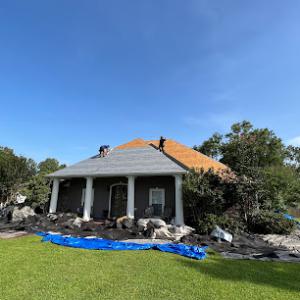
Hester Roofing
18021 N I-12 Service Rd, Hammond, Louisiana
4.8 from 110 reviews
At Hester Roofing, we have professionals with over 15 years of experience in the business specializing in commercial and residential roofing services.
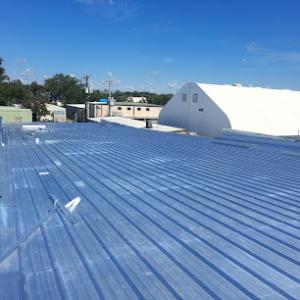
Pride Roofing
(855) 774-3316 prideroofingllc.net
110 E Coleman Ave, Hammond, Louisiana
4.3 from 60 reviews
Pride Roofing, a local roofing contractor in Hammond LA, serves Louisiana and Mississippi, including Albany, LA; Hammond, LA; Covington, LA; Lake Charles, LA; New Orleans, LA; Laurel, MS; and Gulfport, MS. When you need a licensed, bonded and insured expert roofer who is committed to customer satisfaction, contact Pride Roofing We can re-roof your home, put a roof on new construction, and repair damaged roofs for residential roofing and commercial roofing needs. We use only the best quality materials for roof repair and new roof installation to ensure you are happy with your new or repaired roof. And we are always on time and professional! A job well done is a job done with Pride!
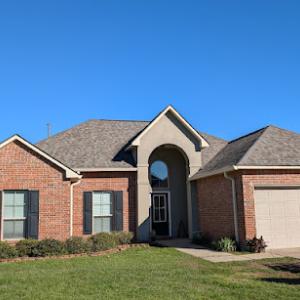
Absolute Roofing & Exteriors Of Louisiana
(985) 341-7663 absoluteroofsla.com
Serving
5.0 from 24 reviews
Absolute Roofing and Exteriors of Louisiana is your trusted partner for roofing solutions. Specializing in roof leak repair, emergency services, and roof repairs, we deliver prompt and reliable expertise. Our skilled team addresses leaks swiftly, ensuring your property is protected. With 24/7 emergency services, we handle unexpected issues promptly. From general wear to storm damage, our comprehensive roof repairs restore functionality. Count on us for quality materials, transparent communication, and efficient service. Choose Absolute Roofing and Exteriors for lasting solutions in Louisiana's diverse weather conditions.
Allied Xteriors
(985) 255-4339 alliedxteriors.net
Serving
5.0 from 8 reviews
Need a Roofing contractor you can count on? Backed by 36+ years of experience, Allied Xteriors is a veteran-owned leader in roofing, waterproofing, and metal building solutions across Louisiana, Mississippi, Alabama, Florida, and Arkansas. We specialize in roof replacements, restoration solutions, and new construction offering a variety of storm-resistant and energy-efficient roofing systems that effectively protect and/or restore residential and commercial roofs and substrates. As a certified contractor in the Louisiana Fortify Homes Program (LFHP), we not only offer flexible financing options but also help our clients access available grant opportunities to ensure your property receives the protection and improvements it deserves.
Roof Guardian
(985) 807-7663 roof-guardianllc.com
Serving
5.0 from 23 reviews
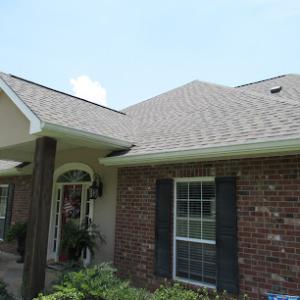
We specialize in Insurance Claim repair work. We help you fight the fight when battling your insurance carrier. Roof Repair or Replacement , Interior Damage , Gutter replacement, Siding repair or replacement and More. Roof Guardian, LLC can help you file your claim, work with your carrier to ensure the scope i Work is properly documented in order to bring your property back to pre-loss state. We will help you from start to finish because we understand your home is your most valued asset. Locally Owned and Operated. Roofing, Siding, Gutter & More.
Southeast Roofing Solutions
Serving
5.0 from 11 reviews
Roofing company located in Springfield, Louisiana with over 20 years experience in the roofing industry. Southeast Roofing Solutions is your local wind and hail damage specialist. You can always count on us for excellence in service.
JJ Roofing & Construction
Serving
5.0 from 8 reviews
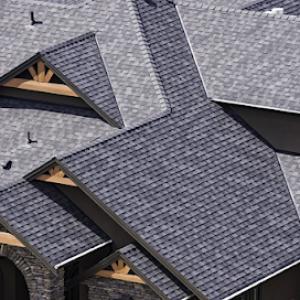
At JJ Roofing & Construction in Amite City, we specialize in top-quality roofing replacement and repairs to safeguard your home or business from the elements. With a focus on personalized service, our team offers detailed consultations to craft a roofing solution that aligns with your unique requirements. From cutting-edge installations to environmentally friendly upgrades, we're committed to a smooth and efficient process, ensuring each project is completed with the highest standards of quality. Our dedication to your satisfaction means we’re not done until your expectations are surpassed. Let us take the worry out of roofing replacement in Amite City. Get in touch to schedule your complimentary inspection today.
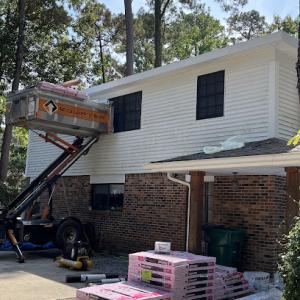
Brignac Roofing
(504) 717-5797 www.brignacroofing.com
Serving
5.0 from 51 reviews
Welcome to Brignac Roofing, your premier Louisiana-based roofing contractor! With state licensing and comprehensive general liability and workers' compensation insurance, we ensure your project is in safe and reliable hands. Whether you’re a homeowner or a business owner, we specialize in both residential and commercial re-roofs and repair work. Our expert team understands the unique roofing challenges in Louisiana, and we proudly collaborate with the Louisiana Fortify Homes Program to enhance the strength and durability of your property. Why choose us? 🔹 **Expert Craftsmanship:** Our team is dedicated to quality, ensuring your roof is not just functional, but a beautiful part of
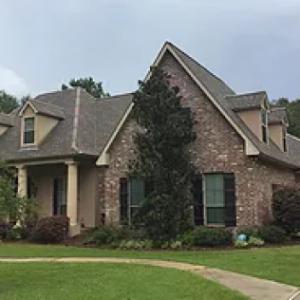
RBJ Roofing
(985) 273-8516 www.rbjroofing.com
Serving
4.8 from 223 reviews
RBJ Roofing is a licensed and insured Covington-based roofing contractor with over 15 years of experience. We specialize in repairs and replacements, prioritizing meticulous attention to detail for a long-lasting, sturdy roof.
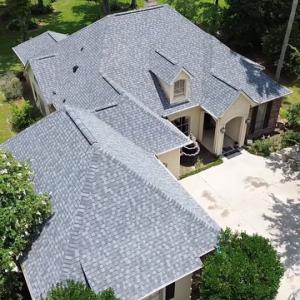
Preaux Geaux Roofing & Construction
Serving
5.0 from 28 reviews
Preaux Geaux Roofing & Construction is a BBB Accredited Business, serving as a licensed and insured local roofing contractor for Louisiana and the Gulf Coast. We offer expert roof repair, replacement, installation, and gutter cleaning and replacement. Our skilled team also provides interior and exterior construction services, including framing, drywall, flooring, and painting. Committed to quality workmanship and exceptional customer service, we guide you through the process. Understanding local challenges Louisiana homeowners face, we offer flexible financing through Wisetack. Contact us for a free roof inspection and experience working with a reliable local contractor.
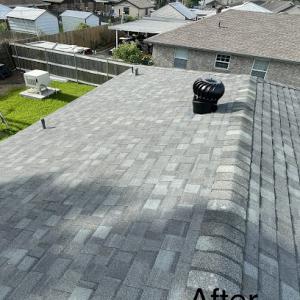
Peak Exteriors
(985) 304-8300 peakexteriorsinc.com
Serving
5.0 from 38 reviews
At Peak Exteriors, we pride ourselves on delivering top-quality roofing, siding, gutter, and painting services for both interior and exterior projects. As a family-owned and locally-operated business, we understand the importance of trust and reliability in creating lasting relationships with our clients. Our comprehensive offerings also include expert concrete work, ensuring that every aspect of your home's exterior is in capable hands. We're committed to enhancing your home's curb appeal and structural integrity with unmatched craftsmanship and personalized service.
In this climate, repeated rain exposure makes flashing transitions, pipe boots, valleys, and wall intersections more failure-prone than simple field shingle areas. You'll often see water finding small gaps at caulking joints, nail heads, or misaligned step flashing where two surfaces meet a wall or chimney. Left unchecked, a slow drip can migrate under shingles, scouring underlayment or decking and surfacing as a hidden leak days after the rain stops. The lesson is practical: inspect flashings after heavy rain events, especially where the roof meets vent pipes or metal valley channels, and treat any lift or movement promptly before it invites rot or mold.
High humidity paired with shade from mature trees creates a damp attic-to-roof microclimate that accelerates discoloration, organic debris buildup, and moisture retention on north-facing or low-sun roof sections. Moss, algae, and damp debris cling to shingles and aging underlayment, making concealed leaks more likely even when the visible surface looks intact. If you notice dark staining, persistent damp patches, or a soft feel to the roof deck in shaded areas after a rain, address it quickly: clean the debris, ensure adequate clearance for sun exposure, and verify that attic ventilation is not chronicly restricted. Those cooler, damper pockets are where problems quietly take root.
After tropical weather, local failures often show up as lifted tabs, ridge cap loss, soffit and fascia damage, and leaks that appear days later after underlayment or decking has stayed wet. The wind-driven rain and surge of moisture can pry shingles loose at the edges or loosen sealant around ridge caps. Soffits can swell, fascia boards may decay, and water can travel along roof-to-wall terminations to drips inside living spaces. The pattern is telling: if a storm has just passed and you see loose tabs or rising edge shingles, treat it as an urgent sign that the roof's protective envelope has been stressed and needs a careful inspection and targeted repairs.
Focus your checks on transitions, seams, and high-risk areas: around chimneys, skylights, and vent stacks; along valleys and eaves where runoff concentrates; and at wall intersections where roof and siding meet. After storms, walk the roof only if safe, looking for lifted shingles, rips, or displaced flashing, and examine attic spaces for sudden moisture, daylight through decking, or a musty smell. If any of these cues appear, coordinate a focused repair plan with a trusted contractor who understands how wind-driven rain and dense tree cover shape Hammond's roofing challenges.
Summer afternoons in this area spark powerful thunderstorms that can interrupt tear-offs and expose decking if crews don't stage work carefully. That means timing matters: you want to pick a stretch with reliable dry weather, but Hammond's climate also pushes projects to stretch into late spring and early fall. If a roof shows signs of ongoing leaks or widespread shingle failure, don't wait for the next storm to test the structure. A staged plan that blocks high-heat afternoons, avoids sudden downpours, and keeps decking dry during teardown reduces the risk of decking damage and interior intrusion.
A roof in good condition resists wind-driven leaks, stands up to heavy rain, and maintains a tight seal around penetrations. In this market, look for curling or cupping shingles, widespread granule loss in gutters and downspouts, repeated leaks around chimneys or vents, and any soft spots or visible roof deck exposure after a storm. If multiple sections show deterioration, replacement becomes more practical than patching a patchwork of repairs. In addition to visible wear, consider how often sealants need resealing or resealing timing shifts for certain systems, which can signal ongoing aging or mismatched installation.
Hurricane season runs June through November, creating both physical risk and contractor backlog risk. Homeowners often try to complete reroofs before peak late-summer storm activity. If possible, plan the project to start in late spring or early summer when weather is more predictable, and crews can stage safely. Delays can cascade: a late start increases exposure to wet weather, complicating material acclimation and installation timing. Have a contingency plan for temporary protection if a storm pulls in during tear-off, and ensure temporary tarping is managed by the foreman to prevent water intrusion.
Even though winters are mild in this area, occasional cold snaps can affect sealants and installation timing for some systems. Keep an eye on forecasts that indicate sudden temperature dips or cold nights during shoulder seasons. Cold or rapidly shifting temperatures can impact adhesive performance and shingle installation tolerances. If a window appears between dry spells and cooler nights, that can be an ideal time to advance sections of the roof that are most exposed to wind-driven rain, while avoiding nights with extreme low temperatures.
Assess structural age, decking condition, and ongoing interior moisture signs to decide whether to push for an earlier replacement or wait for a calmer window. If you must reroof during hurricane season, prioritize crews with staged tear-off plans, edge protection, and a clear sequence for minimizing decking exposure. Discuss wind-rated underlayment and fastener choices with the contractor, and confirm they have a plan to re-seal penetrations promptly to maintain the roof's resilience through Hammond's storm season.
A full reroof in Hammond typically requires a building permit through Tangipahoa Parish rather than being handled as an informal contractor-only job. The contractor generally submits the permit application and pays the associated fees, which means homeowners should confirm permit responsibility before work starts. In practice, that means asking for written confirmation who will file the permit and who will be the point of contact if issues arise during review. The parish expects proper documentation, including project scope, roofing material type, and a realistic timeline aligned with the hurricane-season window.
Because the parish processes can hinge on the project's scope and the chosen materials, it is wise to establish a clear schedule with the contractor up front. Ensure the permit reflects the actual materials to be installed, especially if wind-rated products are planned. If the job swells to include underlayment upgrades or deck repairs, confirm that the permit covers those changes. A quick check: the contractor should provide a copy of the submitted permit and any addenda so you know what the parish is reviewing.
Inspections are commonly scheduled with the parish building department for a rough stage after decking and underlayment and a final inspection at completion, with wind-rated products sometimes reviewed separately. Plan for the rough inspection when the underlayment and any required nailing patterns are in place, and be present or represented at that visit to address any questions about fasteners, flashing, or underlayment overlap. The final inspection verifies completion, drainage, and the integration of flashing around chimneys, vents, and eaves. If wind-rated products are used, anticipate a potential review specifically for those elements to ensure they meet local wind-resistance expectations.
Keep a centralized file with permit numbers, inspector notes, and any parish correspondence. After completion, obtain a stamped final inspection record and store it with your house documents. If conditions change mid-project (for example, an unanticipated deck repair or a material substitution), request a formal permit amendment promptly to avoid compliance gaps during future insurance reviews or potential code updates after a severe storm.
In this market, you'll see asphalt shingles priced roughly $350 to $800 per square, metal $600 to $1100, clay tile $900 to $1700, concrete tile $750 to $1500, and wood or synthetic/shingle options $500 to $900. Those numbers reflect Southeast Louisiana demand, where storms and high humidity push up material and labor costs. The ranges are a practical starting point for budgeting a steep-slope roof in this area.
After tropical storms, pricing can jump quickly as crews from the Northshore and New Orleans regional market compete for limited local work. If a project coincides with a surge, you may see material delays and higher crew mobilization charges. Factor in a contingency for a weather-heavy season so your timeline and cash flow don't get squeezed.
Moisture-damaged decking, common after heavy rains, adds material and labor. Steep or cut-up roof geometry is typical on suburban homes here and requires more hours per square. The need to sequence work around frequent rain means crews may return for multiple partial days, raising daily mobilization costs and potentially ticketed delays.
Start with a material choice that balances wind resistance and water shedding, knowing the price bands above. Build a timeline that allocates windows for dry days, and include extra square for decking and flashing work. Ask for a phased plan if the roof has multiple levels or complex transitions to keep the project moving when storms threaten.
With Hammond's humid climate, consider long-term maintenance as part of the price. Regular debris clearing, prompt flashing checks after heavy rain, and timely attic ventilation upgrades can extend life and reduce the chance of costly moisture intrusion during the next storm season. Plan for periodic inspections too.
Hammond homeowners operate in Louisiana's high-claim insurance environment, where hurricane exposure has driven premium volatility and tighter underwriting after major storms. Insurance decisions climb quickly when a storm hits, and the fine print often shifts toward older roofs or roofs with visible wear. Keep in mind that each renewal can hinge on the insurer's read of risk, not just a simple repair history, so the path from coverage to claim payout can feel stricter than in calmer markets.
Insurers in this market often focus heavily on roof age, documented storm damage, and wind-mitigation details when evaluating claims or renewals. A roof that's seen wind or rain damage in the recent past or one with incomplete maintenance documentation can become a red flag, even if the physical damage looks minor to the untrained eye. Understanding what the insurer considers a red flag helps you prepare and respond with a clearer, factual narrative when questions arise after a storm.
Because storm damage in Hammond may be wind-and-rain related rather than obvious catastrophic destruction, homeowners need dated photos, contractor findings, and records of interior leak timing to support claims. A well-kept file with dated photographs from multiple angles, notes from a reputable contractor, and a timeline of how leaks developed can make the difference between a smooth claim and a drawn-out process. Store these records in a secure, easily accessible location and share them promptly with your adjuster.
When a storm comes through, expectations should be measured against how insurers view wind-driven damage versus outright structural failure. If the roof shows aging signs or incidental hail impact, document everything before any temporary repairs. Having a proactive, organized approach reduces the guesswork insurers may need to fill in after a claim, and helps you stand on solid ground if a claim is denied or reopened later.