
Last updated: Apr 19, 2026
June through November hurricane season is the defining planning window for roof work in New Orleans, with active storms disrupting tear-offs, dry-in schedules, and material deliveries. Scheduling during this stretch requires ruthless timing and contingency planning. If a major system is forecast, expect shifts in crews, late arrivals, and delays that ripple through every step of a roof project. The urgency is real: a delayed tear-off can push a dry-in into a window where moisture intrusion is more likely, and that can complicate preservation goals for older structures that hold heritage value while needing storm hardening.
Wind-driven rain from Gulf storms is a major local failure mode, so leak paths often show up at flashing transitions, roof edges, penetrations, and around older decking rather than only at visibly missing shingles. In practice, that means a careful, site-by-site assessment must start at the flashing around chimneys, vent stacks, and skylights, then move to the eaves and soffit intersections, where wind pressure can push water under gaps. If the decking has age-related cupping, nail pops, or moisture staining, those vulnerabilities become pathways for creeping leaks even when surface shingles appear intact. The goal is to map likely leakage corridors before the first hammer falls, not after a storm reveals the damage.
Because New Orleans can see citywide post-storm demand spikes, homeowners often face longer scheduling delays and should document roof condition before storm season begins. Use a detailed, timestamped photo log that captures ridge lines, flashing integrity, and any soft decking or discoloration. Publish a concise summary of findings to a trusted contractor so they can allocate resources efficiently when demand surges. If a storm misses your area but nearby neighborhoods incur damage, don't assume your roof is safe-surges in crew availability and material backorders can still affect you. Anticipate back-and-forth communication and seed a rapid decision-making process for critical steps.
In historic or preservation-sensitive homes, the choice of roof system must respect existing aesthetics while delivering hurricane resilience. For new installs or replacements, consider materials that respond well to wind uplift and moisture exposure without compromising the building's character. Metal and synthetic options offer robust performance against wind-driven rain, while properly integrated flashing systems and underlayment choices are essential to minimize leak paths at transitions. For clay or concrete tile, ensure the installation design accounts for the high humidity and potential for moisture-stored heat, with secure fasteners and proper edge detailing to withstand gusts.
Post-storm replacement planning should be ready to pivot from immediate temporary protection to permanent restoration. Maintain a pre-season checklist that includes a clear map of vulnerable flashing details, a documented attic ventilation assessment, and a communication plan with preferred contractors who can mobilize quickly after a storm. When storms clear, begin a phased teardown and replacement plan that prioritizes compromised areas first-edges, penetrations, and flashing-while keeping in mind that dry-in schedules and material deliveries can extend timelines. In newer or retrofitted homes, verify that hurricane-rated upgrades align with original roof geometry to preserve both performance and curb appeal.
New Orleans has a large concentration of older housing and locally significant architecture, so some reroof projects may trigger additional historic review before work proceeds. That review can slow progress and push critical decisions into the off-season, when storms are more likely to catch you unprepared. When planning a replacement, align the timeline with potential review milestones, and expect extra conversations about how a new roof will look from the street and how it sits with the surrounding streetscape. The more your roof is visible from public view, the more careful the review tends to be about preserving the neighborhood's character.
Material choice and visible roof details can be more restricted on historic homes than on newer subdivisions, affecting whether homeowners can switch profiles or colors during replacement. For example, a profile that integrates with the home's existing architectural rhythm-like a specific ridge line, eave treatment, or tile shape-may be required to stay consistent. Colors that appear muted or that harmonize with the surrounding structures are often favored or mandated by preservation guidelines. Even seemingly minor changes, such as a transition from composite shingles to metal standing-seam or a different shingle grain, can draw scrutiny if the alteration affects the roof's perceived historic authenticity. Make sure every major exterior choice aligns with the survey of surrounding buildings and the preservation plan for the block.
Historic review can extend project timelines beyond the standard permit path, which matters when homeowners are trying to complete work outside peak storm season. The delay isn't only about approvals; it can affect ordering, lead times for specialized materials, and the coordination with weather windows that minimize moisture intrusion during the rainy season. In practical terms, the longer the review, the larger the chance of catching a late-season hurricane rehearsal or an unexpected storm surge event with a roof still open. If a roof must be replaced or substantially updated, build in slack for review-driven pauses, and prepare to adjust material selections to accommodate both preservation requirements and the realities of New Orleans' humid, storm-prone climate.
Find contractors who specialize in clay and concrete tile roofs, known for their durability and curb appeal.

Lapeyre Roofing
(504) 290-2911 lapeyreroofing.com
421 Ninth St, New Orleans, Louisiana
5.0 from 190 reviews
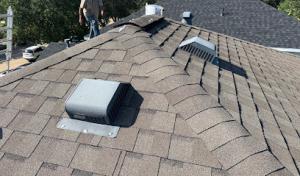
TinRoof Repair Expert & General Construction
(832) 651-5714 tinroofsolutions.com
New Orleans, Louisiana
5.0 from 23 reviews
Schwander Hutchinson Roofing
(504) 248-5922 www.shroofing.com
8032 Townsend Pl, New Orleans, Louisiana
4.6 from 45 reviews
In New Orleans, hot, humid air and frequent tropical rain mean tear-offs often uncover decking and insulation that already spent years absorbing moisture. What you see from the outside can hide softened wood, cupping plywood, or moisture-induced delaminations. Expect to find staining, warped edges, and spots where fasteners no longer bite as firmly as they should. Plan for a thorough inspection of every layer, not just the surface, when the old roof is lifted.
High ambient humidity and constant exposure to rain can keep roof assemblies damp for longer than you'd expect. Dry-in sequencing becomes critical: remove the old roofing, then dry-fit and vent the system while the attic is temp-controlled, if possible. Allow for extended drying time between steps, and prioritize getting a true dry-in before installing any underside weather barriers. A rushed dry-in invites moisture to linger behind flashing and around penetrations, which can compromise the new roof's life.
The climate puts extra emphasis on venting during replacement. The goal is to move damp air out of the attic quickly and prevent condensation that can rot sheathing from the inside. Check soffit and ridge ventilation for unobstructed airflow, and verify that any attic fans do not create negative pressure that pulls humid air into the roof assembly. In spray-foamed or insulated attics, confirm that vapor retarders or barriers are properly placed to avoid moisture trapping at the deck.
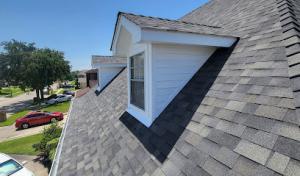
Flashing should be treated as a primary line of defense, not an afterthought. In hot, wet environments, sealant performance matters just as much as the flashing metal itself. Pay close attention to step and head flashing at valleys, hips, chimneys, and dormers. Ensure the transition from roof to wall is continuous and that flashing is integrated with any new underlayment. A small lapse here can become a big leak after a heavy storm.
Before reinstalling decking, look for grain separation, soft spots, and nail or screw corrosion. Push on edges to test for squeaks or movement that signals delamination. If you detect moisture-softened boards, remove and replace those sections rather than trying to bridge gaps. Verify that all deck boards are dry to the touch and free of mold growth, which can indicate previous moisture breaches.
Insulation that remains damp wastes energy and invites mold growth. If insulation is wet, it must be dried or replaced. Confirm that insulation is not compressed where it sits against vents or flashing, which can reduce its R-value. In older homes, be mindful of retrofits that may have altered attic ventilation; ensure any upgrades restore a balanced flow of air between soffits, baffles, and ridge vents.
After a major storm, the goal is to restore a dry, ventilated envelope quickly. If decking or underlayment shows lingering moisture or if flashing openings leak during a follow-up rain, treat the repair as a priority. The longer moisture sits around fasteners and seams, the higher the risk of rust, rot, or accelerated aging, even if the visible portion of the roof still appears intact.
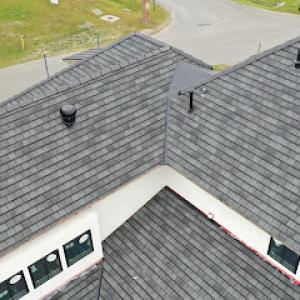
Asphalt shingles remain common because they are the lowest-cost option in the local market, but New Orleans heat, humidity, and storm exposure can accelerate aging compared with milder climates. For many older homes with traditional massing, asphalt provides straightforward replacement and familiar installation practices. When choosing this option, look for high-wumidity resistance and thicker asphalt bands, and plan for reflective or lighter-colored shingles to reduce attic heat gain. In practice, you'll want a shingle with good tolerance to driving rain and debris that can accompany hurricane season, plus a dependable underlayment system that can stand up to prolonged humidity between storms.
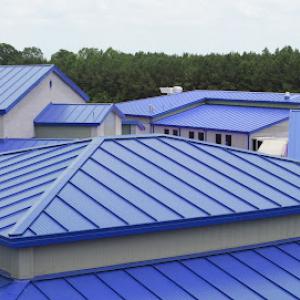
Metal roofing is especially relevant because many homeowners are balancing hurricane durability, fast water shedding in heavy rain, and long-term resistance to humid conditions. Metal panels can shed water quickly after a downpour, which helps reduce the risk of leaks during brief, intense bursts of rain. In neighborhoods with historic homes, metal can be integrated with careful detailing so the visual lines respect existing architecture while delivering modern performance. When selecting metal, consider coatings that resist salt air and mold growth, as corrosion resistance matters in exposed coastal climates. Ensure fasteners and seams are sealed with systems designed for high humidity and wind uplift, and coordinate with attic ventilation to avoid heat buildup under the roof deck.
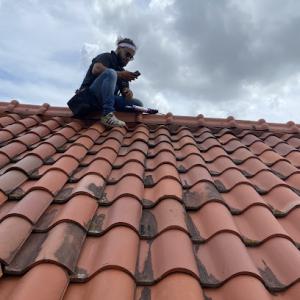
Clay and concrete tile appear on higher-end and architecturally distinctive homes in the city, but their weight and detailing make substrate condition and installation quality especially important on older structures. Tile roofs excel at shedding in heavy rain and can offer extended longevity when properly installed on a solid, well-ventilated deck. However, tile installations require precise framing, competent underlayment, and careful flashing around chimneys and dormers. Consider the potential for wind-driven uplift on vulnerable elevations and the need for a reinforced rafter system compatible with the tile weight. Historic homes may benefit from matchups that preserve aesthetic cues while upgrading to a more resilient tile pattern or profile. If opting for concrete tiles, verify that the substrate remains dry and structurally sound after storm events, and plan for maintenance of gutter lines and roof-to-wall transitions to prevent moisture intrusion.
Wood shingles or shakes bring a traditional texture often seen on Southern architectural details. They can perform well in humid conditions when properly sealed and maintained, but they may require more frequent upkeep to prevent rot, insect issues, and mold growth in shaded roof planes. Synthetic or composite shingles can offer improved moisture resistance and lower maintenance in some cases, yet alignment with historic aesthetics remains a consideration. For any wood-based choice, the substrate and flashing deserve extra attention during post-storm inspections to ensure that gaps or compromised zones do not trap moisture or encourage rapid aging.

Lapeyre Roofing
(504) 290-2911 lapeyreroofing.com
421 Ninth St, New Orleans, Louisiana
5.0 from 190 reviews
Lapeyre Roofing serves greater New Orleans with hurricane‑ready roofing solutions. As a GAF Master Elite and Fortified certified contractor, we specialize in standing‑seam metal, slate, tile, shingle and commercial flat roofs. Our team guides homeowners through the roof selection process, works intimately through the Fortified Roof process, and is a certified Louisiana LDI grant contractor. We maintain a net‑zero safety record, provide detailed photo documentation and back every shingle roof with the GAF Golden Pledge Warranty.
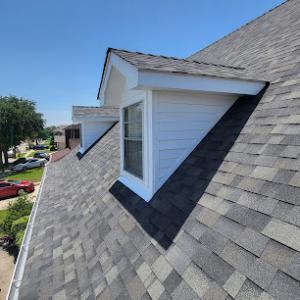
Anything & Everything Roofing
(504) 810-4691 www.anythingandeverythingnola.com
11151 Lake Forest Blvd, New Orleans, Louisiana
4.9 from 165 reviews
"At our company, we specialize in all aspects of roofing, siding, and gutters in the New Orleans area. We understand the importance of having a sturdy roof over your head and are dedicated to providing exceptional customer service. We offer free, transparent estimates and make the process of selecting materials easy for homeowners. Our services include roof inspections, repairs, and installations, as well as flat roofs, fascia and soffit, emergency repairs, seamless gutters, vinyl siding, hardie siding and more. We take great care in ensuring that your property is left clean and undamaged. Additionally, we offer financing options and can assist with insurance issues. For all your roofing, siding, and gutter needs, give us a call today!"
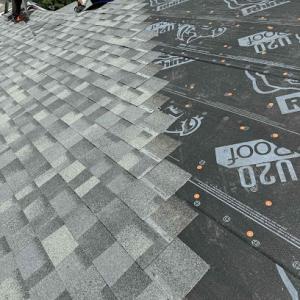
Shifflett Roofing
(504) 329-5665 www.shifflettroofing.com
201 St Charles Ave, New Orleans, Louisiana
4.9 from 239 reviews
Family owned New Orleans roofing company with the best roof warranty and customer experience. Whether you need a roof repair or new roof, we will provide you a through inspection with no cost or commitment.
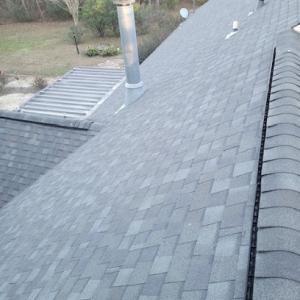
B&H Roofing
(985) 639-1552 www.facebook.com
New Orleans, Louisiana
5.0 from 41 reviews
At B&H Roofing we are a reputable roofing company dedicated to providing high-quality roofing.

Synergy Roofing
(504) 352-2466 roofingneworleans.net
New Orleans, Louisiana
4.9 from 64 reviews
We are expert roofers in New Orleans, LA. We offer residential roofing repair and replacement, commercial roofing repair and replacement, roof inspections, stucco work, gutter and drainage system installation and repair, and roof coating. We are well versed in working with a variety of materials and roofing styles. A roof is the most important part of the building because it is what keeps everything inside safe and structurally sound. Our roofers in New Orleans pride themselves on quality customer service. We put our best foot forward with every interaction so that you will feel taken care of and so that you will be able to make the best decision for your roofing project. If you’re in need of Expert Roofers in New Orleans Call Us!
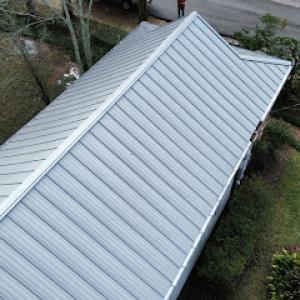
Priority Roofing
(504) 810-5346 www.priorityroofers.com
3701 Tchoupitoulas St #A, New Orleans, Louisiana
4.8 from 73 reviews
Fortified Roofing Certified! For more than 10 years, Priority Roofing has provided exceptional roofing services for the Gulf South, serving southern Louisiana and Mississippi. Your roofing needs are our priority. Since 2012 Priority Roofing has provided excellent roofing solutions to homeowners and businesses across the Gulf South. Priority Roofing is a licensed residential and commercial construction company specializing in the roofing industry. We’re proud to be locally owned and operated by founder Sean Killeen. Our team has over 50 years combined experience in the construction industry, and over 500 construction projects, have given them the expertise needed to complete high quality jobs on time.
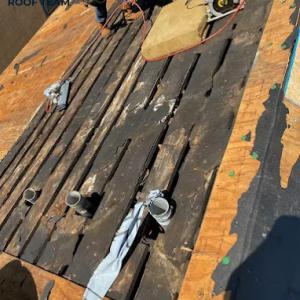
Big Easy Roof Team
(504) 285-5388 www.bigeasyroofteam.com
625 Celeste St 504 c, New Orleans, Louisiana
5.0 from 24 reviews
Big Easy Roof Team is a trusted, locally owned roofing contractor in New Orleans, LA providing professional residential and commercial roofing services. We specialize in roof repair, roof replacement, storm damage repair, and emergency roofing solutions for homes and businesses. Our licensed and insured roofing contractors offer thorough roof inspections and quality workmanship on every project. From fixing roof leaks to installing shingle, metal, and flat roofing systems, we focus on long-lasting results and clear communication. Proudly serving New Orleans and surrounding areas, Big Easy Roof Team delivers reliable roofing services with fast response times. Contact us today for a free roof inspection and estimate.
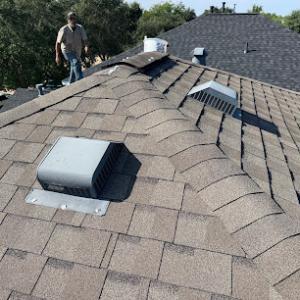
TinRoof Repair Expert & General Construction
(832) 651-5714 tinroofsolutions.com
New Orleans, Louisiana
5.0 from 23 reviews
TinRoof is a Houston-based roofing company dedicated to providing expert roofing solutions with a personal touch. 15 years of Roofing Experience and established in 2019. Tinroof is a very unique name and was adopted from family business in Tallahassee, Tinroof Stables, an extension of Founder and her son, my Brother in law Roy, who looked after Tinroof Stables and reflects Tinroof values and we are proudly Family owned and operated. Our values are First Hardworking, Honesty and family and Roofer always.

Fleur de Lis Roofing
(504) 975-7524 www.fleurdelisroofingneworleans.com
New Orleans, Louisiana
4.8 from 40 reviews
We offer professional and reliable roofing services in the New Orleans, Metairie, Kenner, river ridge and Harahan Louisiana.
Clayton Construction Service
(504) 641-6111 www.claytonconstructionservice.com
4902 Canal St #207, New Orleans, Louisiana
4.9 from 19 reviews
Clayton Construction Service is a family‑owned, locally‑operated New Orleans roofing and construction company with 25+ years of experience. We specialize in residential and commercial roofing, metal and flat roofing systems, storm and hurricane damage repair, and full roof replacement projects across the Greater New Orleans area. As a GAF Master Elite and FORTIFIED® certified contractor, we deliver superior craftsmanship, lightning‑fast response after storms, and transparent, no‑obligation quotes. Whether you’re addressing wind damage, upgrading to a metal roof, or simply scheduling maintenance, our dedicated team is ready to serve your home or business with integrity and excellence.
Garcia Roofing
(504) 229-7660 garciadidmyroof.com
609 S Al Davis Rd, New Orleans, Louisiana
4.6 from 193 reviews
"Since 1992, the Garcia business group has been one of the largest roofing contractors in the state of Louisiana, servicing thousands of customers a year with over 70 employees. We hold ourselves to a higher standard and focus on the customer experience from the first call to the final cleanup. Providing the people of New Orleans with quality roofing services has been our focus for decades. We've never stopped improving, and we never will. From roof repairs to roof replacements and more, you can trust Garcia to get the job done right."
Roof Nola
New Orleans, Louisiana
5.0 from 14 reviews
Woman Owned. Family Run. Fully Insured. We specialize in the exterior repair and replacement of all homes and buildings. If it's outside , count us in .
New Orleans includes many older urban buildings, additions, porches, and mixed-use properties with flat or low-slope sections that fail differently from steep-slope roofs during prolonged rain. In this climate, low-slope roofs are especially vulnerable to standing water, seam failures, and flashing leaks after repeated heavy rain events. The first sign of trouble is usually a damp ceiling spill or interior staining near exterior walls, not a missing shingle. Expect gutter overflow, sags, and-NOTICEABLE gaps around vent boots after a storm, and plan for inspection of all connected structures, including porches and interior courtyards.
Flat-roof systems on older stock often ride on aging decks, with multiple additions tying into the original envelope. Start with drainage: confirm that the roof plane drains toward scuppers or interior drains, and verify that drip edges and parapet walls are continuous. Look for ponding that lasts more than 48 hours after a rain event, and check seams, lap joints, and fabric or torch-down membranes for open seams or wrinkles. Flashing around penetrations-vents, skylights, and parapet terminations-must be tight and backed with counter-flashing. On porches and mixed-use spaces, inspect connection points where roof planes meet vertical supports; movement and settling commonly create hairline leaks along those transitions.
Repair strategy prioritizes moisture management over quick cosmetic fixes. If you have historic fabric, select membrane systems and flashing details that respect the original silhouette while providing reliable weathertight performance. Where feasible, improve slope or add discreet interior drains to reduce standing water without compromising historic appearance. For replacements, plan for a continuous, integrated drainage plan that coordinates with existing gutters, downspouts, and any nearby courtyards. Coordinate with any porch roofing to ensure consistent moisture control and to prevent hidden rot from spreading between connected structures.
Schedule seasonal checks after heavy rain and hurricane-season events. Pay attention to water infiltration around flashing, joints, and penetrations, and track any new staining or soft spots in the decking. Keep an eye on debris buildup in parapets and scuppers, and test edge seals after storms to catch small issues before they become interior leaks. Regular, targeted maintenance saves long-term headaches on flat or low-slope sections that carry a disproportionate share of moisture risk.
Find specialists in TPO, EPDM, and built-up flat roofing systems for residential and commercial properties.
Lapeyre Roofing
(504) 290-2911 lapeyreroofing.com
421 Ninth St, New Orleans, Louisiana
5.0 from 190 reviews
Anything & Everything Roofing
(504) 810-4691 www.anythingandeverythingnola.com
11151 Lake Forest Blvd, New Orleans, Louisiana
4.9 from 165 reviews
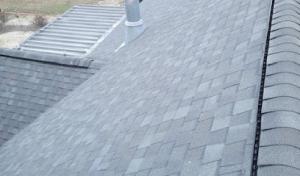
After a tropical weather event, local reroof pricing is heavily affected by storm-driven demand surges, which can tighten labor availability and extend lead times. Crews get booked quickly, and travel to denser blocks can slow down progress. In practice, expect mobilization and scheduling to stretch beyond typical timelines, especially for asphalt shingles or metal when several nearby homes are in line for replacement. Lock in a firm start date and a detailed sequence of work to minimize weather-related delays.
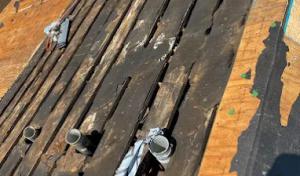
Historic-home requirements, older decking repairs, and moisture-related substrate replacement are more likely cost adders in this market than in newer, drier housing stock. Expect additional expense if boards need to be sistered, replaced, or treated to meet preservation guidelines, and if attic moisture has caused sheathing degradation. Materials like concrete or clay tiles bring higher upfront costs, but decking repair can disproportionately elevate the bill on older properties. Budget for a contingency to cover unforeseen rot or corroded fasteners uncovered during removal.
Complex rooflines on older city homes, access constraints in dense neighborhoods, and the need to schedule around wet weather can all influence final project cost. Narrow driveways, steep pitches, and tight stair access can slow crane or material delivery, elevating labor time and equipment rental. Coordination with adjacent property owners matters for shared ladders and staging zones. Expect longer installation windows during late summer, when humidity and intermittent showers are common, and plan for weather buffers in your estimate.
Get a clear picture of your project costs upfront - no commitment required.
Anything & Everything Roofing
(504) 810-4691 www.anythingandeverythingnola.com
11151 Lake Forest Blvd, New Orleans, Louisiana
4.9 from 165 reviews
Big Easy Roof Team
(504) 285-5388 www.bigeasyroofteam.com
625 Celeste St 504 c, New Orleans, Louisiana
5.0 from 24 reviews
Schwander Hutchinson Roofing
(504) 248-5922 www.shroofing.com
8032 Townsend Pl, New Orleans, Louisiana
4.6 from 45 reviews
A full reroof in the City of New Orleans typically requires a building permit through the Department of Safety and Permits. Before any shingles, tiles, or panels go up, you'll want to gather your project plans, confirm the scope with your contractor, and submit for permit review. In many historic districts, the local review process can add steps, so it helps to start early and keep your design aligned with preservation guidelines. The permit packet should clearly show roof height, ventilation strategy, underlayment type, and flashing details to avoid delays during review.
Inspections are commonly required before the roof is covered and again at final completion, with attention to underlayment, flashing, and venting compliance. The pre-cover inspection checks that the roof deck is sound, underlayment is properly installed, and any roof-to-wall connections meet local standards. The final inspection confirms that the installed materials and penetrations comply with code and the approved plans. Scheduling windows can hinge on weather and the inspection queue, so coordinate with the building department and your contractor to minimize downtime between steps.
Projects involving historic homes or certain overlay situations may face additional review steps that can affect approval timing. If the home sits in a preservation district or carries landmark status, expect consultations with preservation officials and possible design tweaks to meet compatibility requirements. Overlay zones may require accent materials, color restrictions, or specific flashing details to harmonize with surrounding structures. Communicate any alterations to origination patterns, such as dormers, galleries, or wraparound porches, to avoid conflicts with both permits and future inspections.
To keep the process moving, provide complete, organized submittals and respond quickly to any clarification requests from the permit office. Maintain documentation of all material specifications, installation methods, and ventilation plans, and share updates with your contractor so everyone remains aligned. A well-documented file helps prevent hold-ups during inspections and supports a smoother path from permit approval to a weather-safe roof.
Louisiana's high wind and hurricane claim environment affects homeowners directly through tighter underwriting, higher deductibles, and closer scrutiny of roof condition. After a Gulf storm, adjusters arrive with a sharp lens for any wear, patches, or prior repairs that could influence settlement. A roof that shows age, mismatched patches, or nonstandard materials can trigger lower recoveries or questions about whether the damage is storm-related. This is why understanding how your insurer evaluates a roof matters more than ever when storms dump heavy rains and gusty winds onto older structures and historic homes.
Adjusters in this market commonly want detailed photo documentation, material specifications, and clear pre- and post-storm condition records for roof claims. Take wide-angle exterior shots from multiple corners, then closeups of any lifted shingles, flashing, hips, ridges, and valleys. Capture the attic space as well, noting visible moisture or staining, and keep date-stamped images for your files. If a contractor has performed temporary repairs, photograph those details and note the date, materials used, and the temporary fix's duration. Material specifications should include shingle type, underlayment, and fasteners; if any go beyond stock choices, document exact brands and models. Store this material somewhere you can access quickly when an adjuster calls.
Because claim volume can spike after regional storms, New Orleans homeowners benefit from documenting damage immediately and preserving temporary repair records. If rain threatens further interior damage, cover with watertight tarps and note the start and end dates of any temporary measures. Keep receipts and take timestamped photos of every step, from tarping to any contractor visits. When the adjuster arrives, present a tidy, organized package: a clean record of pre-storm conditions where available, a clear narrative of post-storm changes, and a concise list of materials used in repairs. A mindful, well-documented approach can reduce back-and-forth hassles and help align the settlement with the actual storm impact on a roof shaped by Louisiana humidity and centuries of preservation.
Connect with contractors who help homeowners navigate the claims process from damage assessment to final approval.
Lapeyre Roofing
(504) 290-2911 lapeyreroofing.com
421 Ninth St, New Orleans, Louisiana
5.0 from 190 reviews
Anything & Everything Roofing
(504) 810-4691 www.anythingandeverythingnola.com
11151 Lake Forest Blvd, New Orleans, Louisiana
4.9 from 165 reviews
Shifflett Roofing
(504) 329-5665 www.shifflettroofing.com
201 St Charles Ave, New Orleans, Louisiana
4.9 from 239 reviews
In heavy rain, the wind-driven water that courses around the roof often targets skylights, vent pipes, chimneys, and transitions between roof planes. The city's mixture of historic homes and modern retrofits means flashing details can vary widely, and weak or aging flashing tends to become the first line of attack during a storm. In the context of post-storm weather, those penetrations are more likely leak points than the open field of shingles or tiles. In New Orleans, frequent heavy rain magnifies this pattern, and small gaps can accumulate moisture quickly when humidity keeps things damp.
After a storm, start by inspecting penetrations and transitions first. Look at skylight curb flashings, vent stacks, dormer joints, chimneys, and where roof planes meet walls. Water tends to travel along fasteners and sealant lines, so check around screws and sealants rather than assuming the field roofing is the sole source. From the attic, trace any visible staining or dampness back toward the penetrations, following moisture trails to their highest elevation point. Don't overlook edge seams where the roof meets the parapet or gutter lines, since wind-driven spray often enters there and travels along rafters or sheathing to appear in the attic or ceiling.
High humidity in this climate can mask small penetration leaks, making them harder to notice early. Moisture symptoms may blend with condensation or attic dampness, so pay attention to musty smells, cool or damp roof sheathing, and localized staining around penetrations even when the overall area seems dry. During sunny spells, those leaks can appear as damp spots that only show up under light when moisture moves with air currents.
Keep the skylight curb and flashing free of debris that can trap water against the seal. Inspect and replace deteriorated sealants around penetrations, and ensure step flashing beneath ridge lines and along transitions is secure and continuous. For metal flashings, look for loose fasteners and corrosion, and reseal with compatible products. Transitions where roof planes meet walls deserve focused attention, because wind-driven water often follows these seams. Schedule periodic checks before and after hurricane season, and verify that flashings and flash-tight joints remain continuous across all penetrations.
Find contractors experienced in skylight installation, flashing, and leak repairs to bring natural light into your home.
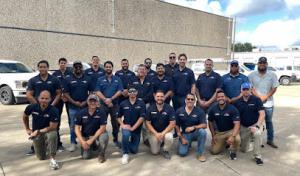
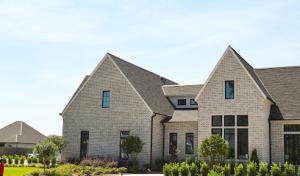
Westbank Roofing | Trusted Roofing Company in Harvey & New Orleans
(504) 340-4977 www.westbankroofing.com
Serving
4.7 from 150 reviews