Last updated: Apr 19, 2026
On the Lake Pontchartrain side of southeast Louisiana, roofs endure tropical-storm rain bands and hurricane wind events that hammer the northshore. The combination of humidity, salt-laden air, and frequent downpours accelerates shingle lift, flashing corrosion, and softened underlayment. In Slidell, roof damage isn't a matter of if, but when-a storm-driven hit can happen in a flash and leave you with exposure, leaks, and costly back-to-back repairs. The moment you notice loose shingles, lifted edges, or ceiling stains after a storm, treat it as an urgent warning sign. Proactive protection and rapid response save more interior damage and shorten repair cycles.
When a storm is looming or has just passed, a swift action plan matters. Secure loose components with sturdy steps that respect coastal wind patterns: tarps over vulnerable valleys, ridge lines, and HVAC equipment; weight-down edges with storm straps or boards if you're able, and clear out drainage paths to prevent standing water on flat or low-slope sections. If roofing crews are unavailable, do a temporary protective shield on the most exposed sections, prioritizing access routes to the attic and interior ceilings. After a storm, inspect for wind-blown debris, uplifted shingles, and misaligned flashing on attic access points, around chimneys, and along eaves. Salt spray can accelerate corrosion in metal components, so inspect metal flashings and vent caps carefully for pitting or discoloration and address promptly.
In a market with unusually strong demand for storm damage and insurance-help, rapid documentation matters. Start with a dated, time-stamped photo log from multiple angles: entire roof, edges, valleys, flashing, skylights, and any interior water intrusion points. Note roof age, material type, and visible wear patterns that correlate with last major storms. Create a simple event log that records dates of high-wind events, rainfall intensity, and observed damage. If a roof contractor is engaged, keep copies of all contracts, work orders, and communication, and photograph material deliveries and staging areas to prevent disputes. A clear sequence-pre-storm condition, post-storm findings, interim protection, and final repairs-speeds up insurance review and reduces back-and-forth delays. In Slidell, where post-storm response is a primary homeowner need, keeping this dossier organized helps you navigate emergency claims without losing valuable time.
Hurricane season runs June through November, and that window directly affects when tear-offs, dry-ins, and final inspections can safely occur. Plan major roof work to avoid the peak weeks of Florida-bound fronts and tropical disturbances, but also maintain readiness to stagger work around reliable weather windows. If a hurricane threat is forecast, postpone non-essential work and prepare for emergency tarping and temporary repairs first, then mobilize a local crew as soon as conditions allow. Local crews understand the peculiarities of coastal humidity and salt exposure and can prioritize flashing replacement, underlayment resealing, and nail-down patterns that resist uplift in Slidell's coastal wind regime.
Look for contractors who clearly document wind-rated repair strategies, flashing replacement, and a proven track record with coastal environments. Ask how they handle salt-laced air corrosion and frequent humidity in their materials and fasteners, and confirm they practice thorough inspection of attic ventilation and roof-to-wall interface details. In the wake of a storm, prioritize teams that can provide rapid emergency tarping, secure temporary repairs, and a transparent timeline for tear-off, dry-in, and final inspection visits within sensible post-storm windows. A reliable local partner understands the cadence of Slidell storms and can keep your project moving despite the next system on the horizon.
In this hot, wet climate, wind-driven rain can exploit lifted shingle tabs, exposed fasteners, ridge details, and flashing transitions long before a roof looks fully failed from the street. A single storm can push moisture under edges that seem intact, turning a small leak into a larger problem over weeks. Look for loose tabs, granule loss around eaves, and any bending at the drip edge after heavy bouts of rain or a coastal squall. If you notice recurring damp patches near ridges or peak vents, that's a telltale sign of fine pathways created by shifting wind and saturated sheathing rather than a single isolated shingle lift.
Coastal humidity and air salinity accelerate fastener corrosion and gradually weaken roof system components, especially on older installations. In Slidell, metals in the fasteners, straps, and even the nail heads can corrode faster than you'd expect from interior climates. That corrosion translates into looser connections, more micro-movements under wind load, and accelerated deterioration of underlayment and flashing. If a roof hasn't been updated in a decade or more, the risk of hidden rust and degraded sealant at step and curb flashings rises significantly. Pay attention to any rust colored staining around fasteners or any dulling of metal flashings, which can foreshadow bigger failures during the next hurricane season.
Inspectors in this market pay attention to ventilation, decking, and wind-resistance details after replacement, reflecting the way moisture and storm exposure interact on local roofs. After a replacement, it is not unusual for overlooked vent penetration gaps, undersized soffit vents, or inadequate decking support to become problem points once moisture cycles through. If attic ventilation is insufficient, you may notice higher attic temperatures and more rapid shingle degradation, which translates to faster wear on the roof surface outside. Look for ridges that show signs of movement or cracking in sealant beads, and for any gaps at valley transitions that might invite water to linger rather than shed cleanly.
Seasonal readiness means more than checking shingles after a storm. It means preserving the tight seals around penetrations-vent stacks, skylights, and chimney flashing-before a storm arrives. If a house shows older decking or questionable underlayment, wind and rain can exploit those weaknesses in a single event. Pay attention to the condition of the drip edge where roof meets gutter, and keep an eye on any water staining along interior ceilings near exterior walls, which can indicate a slow, creeping leak rather than a dramatic rupture.
Resilience comes from mindful maintenance and timely attention to areas where wind and water pressures concentrate. Prioritize the integrity of flashing transitions at corners, edges, and terminations; ensure ridge lines are properly sealed and secured; and verify that fasteners remain tight without compromising the roof's flexibility. In the months after a major storm, an honest, thorough inspection of ventilation, decking, and wind-resistance details will reveal how moisture exposure has interacted with local roofing materials, guiding sensible repairs that can extend a roof's life in this coastal climate.
Storm Guard Roofing of Slidell
(985) 202-9736 www.stormguardrc.com
330 Oak Harbor Blvd suite c, Slidell, Louisiana
4.9 from 189 reviews
Storm Guard Roofing and Construction of Slidell is here 24 hours a day for top-quality roofing in Slidell and the surrounding communities. We listen to what you need, determine the best options, and even manage your insurance claim for you. You will have the mobile phone of a dedicated supervisor who will deliver multiple progress reports including photos. We provide high-quality weather-ready solutions, ensuring your home stays strong through Slidell's storms. Whether it's roof repair or installing a new roof, we're dedicated to quality and satisfaction to keep your home safe. Find peace of mind with Storm Guard—let's fortify your home together against the elements! Get in touch today!
Bergens Roofing
(985) 200-5891 bergensroofing.com
1447 Lindberg Dr Suite 201, Slidell, Louisiana
4.9 from 172 reviews
At Bergens Roofing we make fixing your roof feel easy! Our family has provided a full range of residential roofing services to St. Tammany Parish for over 30 years. As a GAF Master Elite Roofing Contractor and IBHS FORTIFIED Roofer we are equipped to offer homeowners the most resilient roof systems available backed by the industries leading warranty. We pride ourselves on providing every homeowner with a detailed assessment, thoroughly educating them on all their options, and most importantly never using high pressure sales tactics to push a homeowner into making a decision they're not completely comfortable with. Call us today to experience the Bergens Roofing difference!
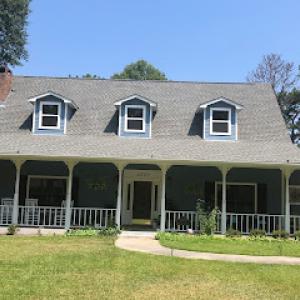
Advanced Roofing & Vinyl Siding, Gutters & Patio Covers
(985) 649-1742 thelocalroofpro.com
621 Pennsylvania Ave, Slidell, Louisiana
4.9 from 66 reviews
For over 33 years, Advanced Roofing has been recognized as a Top Roofing Contractor in the Greater New Orleans area. We’ve provided clients with a wide range of contracting services for all their remodeling and repairing needs. Be it commercial roofing, residential roofing, vinyl siding or gutter installations our experience and quality of work speaks for itself. We are excited for our recent expansion into South Mississippi where we offer the same quality and repair. We provide roof replacement, roof repair, siding, gutters and Patio Covers. We can service Slidell, Mandeville, Madisonville, Pearl River, Covington or anywhere in between. We offer the same great guarantees.
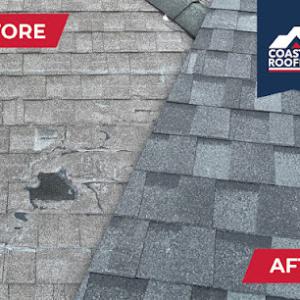
Coastal Roofing
(985) 214-2228 coastalroofing.com
100 Pinehurst Ct, Slidell, Louisiana
5.0 from 20 reviews
Coastal Roofing, LLC specializes in Residential, New Construction, Roof Repair, and Replacement, Roofing Accessories, Roof Cleaning, Commercial Shingles, and Commercial metal roofs.
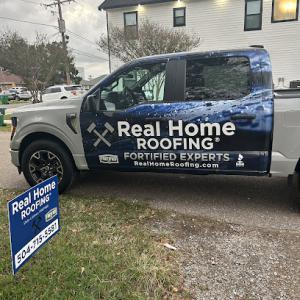
Real Home Roofing®
(504) 715-5581 www.realhomeroofing.com
1125 St Anthony St, Slidell, Louisiana
4.9 from 28 reviews
Fortified Roofing Experts installing Fortified Roofs in south Louisiana Real Home Roofing®. Fortified Grant Approved Contractor.
Brads Roofing
(985) 781-2582 brads-roofing.ueniweb.com
1897 Gause Blvd W Apt 5638, Slidell, Louisiana
4.7 from 23 reviews
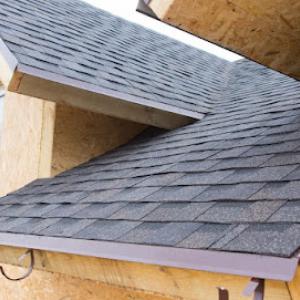
For over 28 years, Brad’s Roofing has provided reliable roof replacement and repair services across Slidell, LA and surrounding areas. We specialize in asphalt shingles, metal roofing, flat roofs, and storm damage repair. Our team is fully licensed and insured, committed to honest work, fair pricing, and dependable service you can count on. Whether you need a small leak fixed or a full roof replacement, Brad’s Roofing gets it done right the first time. Serving: Slidell, Pearl River, Mandeville, Covington, Lacombe, and nearby areas.
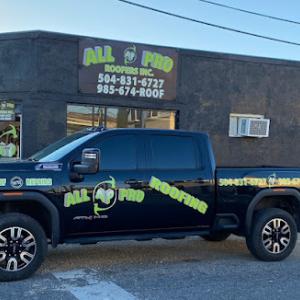
All Pro Roofers
(504) 831-6727 www.aproofs.com
1008 Mariners Cove Blvd, Slidell, Louisiana
4.5 from 17 reviews
ALL- Pro roofers has been in business 45 years and can handle any type of roof New Roofs or repair.. Has an A+ with the Better Business Bureau . Serving the Louisiana areas New Orleans 504-831-6727. Slidell 985-674-ROOF. Baton Rouge. 225-767-ROOF. . Call for you’re free estimate today.
Taylor Made Services Roofing
(985) 273-0010 taylor-made-services.com
Slidell, Louisiana
5.0 from 6 reviews
Licensed, bonded, and insured, our team has years of experience providing quality roof repairs and replacements. Offering golf fortified roofing options, you can ensure that you have the best product protecting you from inclement weather. While entire roof replacements can be expensive, our team is familiar with the insurance process to help make sure you maximize insurance opportunities. We're also up-to-date on grant opportunities and love helping taking advantage of these. For everyone else, we can help make such a major purchase more affordable through amazing financing options. Our team is here to help. Call anytime and you will reach one of our roofing specialists. From there, we will schedule you for your no-hassle free estimate.
Hot Roof
(504) 931-9187 www.hotroof.net
351 Huntington Dr, Slidell, Louisiana
5.0 from 6 reviews
Looking for a roofing and construction company that you can rely on? Look no further than our team of experts! With years of experience in the industry, we have built a reputation for providing top-notch services that are second to none. From roofing installations and repairs to construction projects of all sizes, we have the skills and expertise to get the job done right, every time. So if you want quality workmanship and reliable on-time service, choose us for all your roofing and construction needs.
Lone Wolf Roofing of Slidell
(504) 370-4653 www.lonewolfroofingslidell.com
2159 Gause Blvd E, Slidell, Louisiana
4.6 from 9 reviews
At Lone Wolf Roofing of Slidell, we pride ourselves on being the leading roofing specialists in Slidell, Louisiana, dedicated to delivering exceptional service and unmatched quality for both residential and commercial clients. With years of experience in the industry, our team combines technical expertise with a passion for excellence to ensure your roofing needs are met with precision and care.
Premier Slidell Roofing Company
(504) 669-5366 slidellroofingco.com
404 Fremaux Ave, Slidell, Louisiana
5.0 from 3 reviews
Slidell Roofing Company is your neighborhood roofing lead generation service in Slidell, Louisiana. Slidell Roofing Company was founded by a husband and wife who decided to help roofing companies by finding roofing work and giving jobs to only the best and most experienced roofers in Slidell. We believe quality craftsmanship, straight talk, and prompt customer service are the keys to a successful roofing business. We are committed to providing exceptional customer service in the roofing industry! We want homeowners and business owners to feel confident when hiring our contractors for their roofing services.
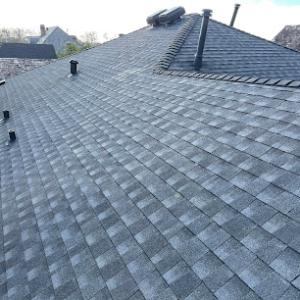
Allied Xteriors
(985) 255-4339 alliedxteriors.net
1513 Regatta Cove, Slidell, Louisiana
5.0 from 3 reviews
Need a Roofing contractor you can count on? Backed by 36+ years of experience, Allied Xteriors is a veteran-owned leader in roofing, waterproofing, and metal building solutions across Louisiana, Mississippi, Alabama, Florida, and Arkansas. We specialize in roof replacements, restoration solutions, and new construction offering a variety of storm-resistant and energy-efficient roofing systems that effectively protect and/or restore residential and commercial roofs and substrates. As a certified contractor in the Louisiana Fortify Homes Program (LFHP), we not only offer flexible financing options but also help our clients access available grant opportunities to ensure your property receives the protection and improvements it deserves.
Asphalt shingles remain a common choice for many homes with mainstream budgets, and they fit the typical Slidell street layout and age of houses. The heat, humidity, and storm exposure in this market can shorten service life compared with milder inland markets, so you should prioritize shingles with higher wind resistance ratings and a robust underlayment. When selecting asphalt, look for a thicker Luxury or architectural profile, and insist on a high-quality nailing strip and sealed perimeter to better withstand sudden wind gusts. In practice, a careful upfront installation that reinforces ridge lines, seals around penetrations, and uses corrosion-resistant flashing helps reduce maintenance calls after hurricane season. Pair the roof with a solid drip edge and a reflective coating or light color to manage heat buildup in July and August. If you anticipate frequent storms, you'll benefit from periodic inspections after heavy rain or wind events to catch loose shingles early before interior damage occurs.
Metal roofing is especially relevant due to Slidell's exposure to coastal winds and storm debris. Local notes often call out wind resistance and installation details as critical to performance, so choose metal panels or shingles from a reputable manufacturer with a proven wind uplift rating for your roof slope. Steel and aluminum options can resist salt-air corrosion when finished with a factory-applied coating designed for coastal environments. The installation matters as much as the material: correct panel attachment, proper sealing at seams and penetrations, and adequate attic ventilation to prevent condensation mold in humid months. If you opt for metal, plan for a roof that integrates well with existing gutters and fascia to avoid wind-driven water entry near the eaves. For storm readiness, a well-sealed, continuous edge system and, where possible, a seamless ridge cap reduce vulnerable seams where wind can pry panels loose.
Tile options are present in this market, but Slidell replacements may face added scrutiny for tile-specific requirements and must account for storm exposure and structural suitability. Clay and concrete tiles deliver strong impact resistance when properly installed, but weight considerations drive a need for structural evaluation and appropriate substrate support. In hot, humid conditions, tile roofs benefit from an underlayment that breathes and resists moisture intrusion, plus accurate flashing around chimneys, skylights, and vents to prevent leaks after heavy rains. When choosing tile, verify that the chosen product and fastener pattern are rated for wind speeds typical of hurricane season and that the roof deck can handle the extra load without compromising attic airflow. A well-installed tile roof that respects coastal wind flow and debris patterns can turn after-storm repairs into a quicker, cleaner process, provided the installation adheres to tile-specific guidelines and ensures a robust bond to the substrate.
Replacement costs run in a familiar pattern: asphalt shingles about 350 to 700 USD per square, metal 550 to 1100, clay tile 800 to 1500, concrete tile 700 to 1300, wood shingles or shakes 550 to 1000, and synthetic or composite shingles 500 to 900. Those ranges reflect local material availability and the demand pulse after storms. In practice, a simple asphalt roof on a modest ranch can come in near the low end, while a coastal-molded home with extra penetrations, attic venting work, or mismatched decking can push the total higher.
In this market a hurricane or heavy rain event can tighten scheduling quickly. The storm season can skew prices upward for a few weeks as crews book out and suppliers rush in coastal equipment. If a job is delayed until after a surge, you might see higher labor costs and shorter warranty windows due to back-to-back projects. Plan for potential lead times and confirm start dates with your chosen contractor the moment a claim is approved.
Coastal exposure means components with corrosion resistance are more common, and upgrades to wind-focused fasteners or clips are often recommended. If damaged decking must be replaced to pass inspection in your area, expect a material and labor bump. The need for better underlayment, synthetic underlayment, or integrated rain barriers can also add to the ticket. When choosing a roof style, note that tile and shake options come with heavier deck requirements and truss considerations that influence both cost and install time.
A typical asphalt job targets the lower end, while metal and concrete or clay tile drive the price up, especially if the existing structure needs reinforcement. If you're weighing durability against cost, metal roofing and concrete tile deliver strong wind performance but demand more decking and sometimes pruning of interior drywall if gaps exist. For hurricane-prone years, factor in potential anti-corrosion hardware and wind-rated fasteners as standard add-ons rather than afterthoughts. Synthetic shingles sit in the middle, offering resilience without the heft of tile.
Get a clear picture of your project costs upfront - no commitment required.
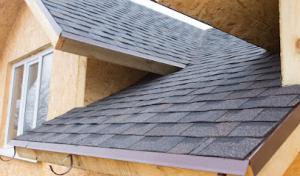
Brads Roofing
(985) 781-2582 brads-roofing.ueniweb.com
1897 Gause Blvd W Apt 5638, Slidell, Louisiana
4.7 from 23 reviews
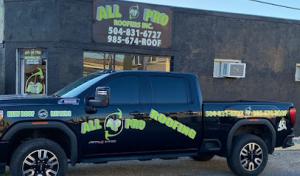
All Pro Roofers
(504) 831-6727 www.aproofs.com
1008 Mariners Cove Blvd, Slidell, Louisiana
4.5 from 17 reviews
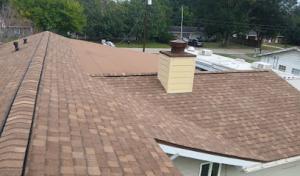
Taylor Made Services Roofing
(985) 273-0010 taylor-made-services.com
Slidell, Louisiana
5.0 from 6 reviews
In this coastal Louisiana community, a full roof replacement typically requires a building permit. The contractor generally handles permit submission rather than the homeowner filing alone, so you should expect clear communication from your roofer about which documents and approvals are needed. This process protects the structure from wind-driven debris and ensures the new roof meets local code requirements given Slidell's exposure to hurricane winds and humidity. Because the area sits near coastal wetlands, inspectors may look closely at how the new system accommodates ventilation, moisture control, and proper flashing around eaves, hips, and chimneys.
Your contractor will initiate the permit and coordinate with the local building department, so you won't need to navigate the paperwork solo. Expect a plan review that confirms roof framing, decking condition, and ventilation details align with current code and the anticipated wind loads for this market. If the roof surface uses tile or metal, the plan review may include more stringent details on fasteners, underlayment, and edge protection to withstand the area's higher wind pressures. Keep in mind that the permitting timeline can be affected by weather conditions and the department's workload, so plan for a window that accommodates potential delays without compromising emergency readiness after a storm.
Once the installation is complete, an inspection is scheduled so the local authority can verify decking condition, ventilation adequacy, and installation compliance before the job is considered complete. During this final check, inspectors will verify that roof deck sheathing is sound, eave and soffit ventilation is aligned with code, and flashing is properly integrated around penetrations and roof-to-wall transitions. If tile- or metal-specific components were used, expect additional scrutiny to ensure wind-resistance features, anchoring methods, and seam treatments meet the high-wind requirements found in coastal Louisiana. A pass at this stage confirms the roof is ready to withstand salt air, humidity, and seasonal storms.
In this market, wind-resistance details and tile- or metal-specific requirements may trigger additional code review compared with a basic like-for-like reroof. Some inspections may focus on fastener schedules, underlayment choices, and proper attachment to accommodate higher wind speeds and debris impact. It helps to have your contractor present during the inspection to address any questions on installation procedures and to provide test results or manufacturer specifications for tiles or metal systems. Understanding these nuances ahead of time reduces the chance of re-inspection and keeps the project moving toward a compliant, storm-ready roof.
Louisiana's storm exposure creates a high-claim environment, and Slidell homeowners often face more detailed adjuster review for wind and hail-related roof losses. That means evidence matters more than ever: the first days after a storm are not the time to be vague about what happened or when. An insurer will compare current damage to prior wind or hail events, and a roof's age or previous repairs can tilt the assessment. Plan for a slower, more thorough process than you might expect in milder markets, and approach every contact with your adjuster as a careful, documented conversation.
Because storm claims are common here, homeowners benefit from documenting date-stamped photos, interior leaks, temporary protection, and contractor findings immediately after a weather event. Take wide exterior shots that capture the roof's overall condition, then closeups of cracked or displaced shingles, lifted edges, and any visible granule loss. Interior photos of leaks, including ceilings and attic spaces, help demonstrate moisture pathways. Keep all contractor notes-measurements, observed damage, and recommended repairs-in a single, organized file that you can share with the insurer. A simple log noting when the roof was inspected and what was found reduces back-and-forth and helps protect the claim's credibility.
Carrier availability has tightened in coastal Louisiana, so roof age and prior storm history can affect underwriting and renewal decisions for properties. When a weather event hits, secure temporary protection promptly and document it with timestamps and visible weatherproofing materials. Any contractor findings should be shared quickly and in writing, including photos of repairs or temporary fixes. Clear, timely communication with the insurer can prevent misunderstandings that lead to claim delays or underpayments, especially when wind-driven damage is suspected but not immediately visible from the ground.
Connect with contractors who help homeowners navigate the claims process from damage assessment to final approval.
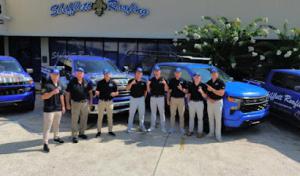
Shifflett Roofing
(504) 329-5665 www.shifflettroofing.com
4009 Pontchartrain Dr, Slidell, Louisiana
4.9 from 161 reviews
Storm Guard Roofing of Slidell
(985) 202-9736 www.stormguardrc.com
330 Oak Harbor Blvd suite c, Slidell, Louisiana
4.9 from 189 reviews
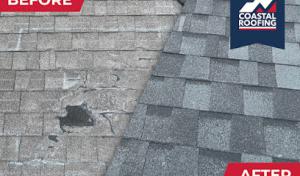
Coastal Roofing
(985) 214-2228 coastalroofing.com
100 Pinehurst Ct, Slidell, Louisiana
5.0 from 20 reviews
In Slidell, replacements are often planned for drier, milder months because summer heat and humidity can slow crews and complicate installation conditions. Homeowners typically target a stretch when days are longer, temperatures are reasonable, and humidity is manageable for shingle adhesives and sealants to set properly.
Spring and fall rains are common in southeast Louisiana, so even outside hurricane season, weather interruptions are a real scheduling factor. A replacement project should include buffer days for sudden downpours and high humidity, plus a plan for post-rain inspections to verify that decking and underlayment stayed dry during the process.
Residents often aim to complete replacement before peak late-summer storm activity rather than risk entering hurricane season with an aging roof. This means coordinating with crews to secure materials early, anticipate storm delays, and ensure temporary protection is in place if a tropical threat enters the Gulf.
If a roof is close to needing repair and the weather looks unsettled, weigh the risk of continued leaks against the likelihood of weather-driven delays. Short, strategic work windows with clear daily goals help crews maintain momentum without exposing exposed decking to rain longer than necessary.
Choose a date with a few dry days in a row, preferably after a cold front when temperatures are mild. Have a clear plan for site protection, including tarps and edge protection, so that even during a stray shower, interior spaces stay dry and crews can resume work quickly once skies clear.
Locally, contractors have sharpened notes on skylight and flat-roof work, even as pitched residential re-roofing still drives most bids. That specialty matters because the difference between a well-sealed curb and a sloppy one can show up after a heavy rain or a gusty wind-precisely the kind of weather that frequent rains bring to this coast-facing area. When a contractor teams up with a crew that understands both the skylight flashing and the surrounding roof deck, the result tends to hold up longer in Slidell's climate. The more you see experienced flat-roof crews advertising in your neighborhood, the more you should treat those services as essentials rather than afterthoughts.
In the wet climate, skylight curbs, flashing transitions, and low-slope drainage details deserve extra scrutiny because small defects can become recurring leak points. A curved or misaligned skylight curb is not just a cosmetic flaw; it can channel rainwater into the insulation and sustain mold-friendly conditions above living spaces. Flashing should extend beyond the curb and tie into the waterproof membrane with clean, continuous sealant lines. For low-slope sections, ensure drainage paths are unobstructed and that roof-to-wall transitions are properly flashed to resist wind-driven rain during storms.
Specialty systems in this market should be evaluated with the same post-storm urgency as standard roofs because wind-driven rain can expose weak transitions quickly. After a heavy event, inspect skylight seals and low-slope seams as part of a routine storm-check. If rain penetrates at a curb, sealant and flashing may need immediate attention to prevent deeper damage. When planning replacements or upgrades, prioritize integrated systems that address both the skylight curb and adjacent roof drainage to reduce the chance of recurrent leaks.
Find contractors experienced in skylight installation, flashing, and leak repairs to bring natural light into your home.
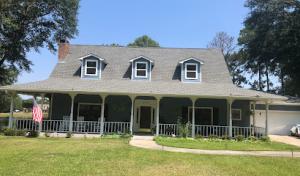
Advanced Roofing & Vinyl Siding, Gutters & Patio Covers
(985) 649-1742 thelocalroofpro.com
621 Pennsylvania Ave, Slidell, Louisiana
4.9 from 66 reviews
Real Home Roofing®
(504) 715-5581 www.realhomeroofing.com
1125 St Anthony St, Slidell, Louisiana
4.9 from 28 reviews