
Last updated: Apr 19, 2026
In the cold winters of this area, repeated freeze-thaw cycles are a primary driver of shingle aging, flashing movement, and leak development. The relentless swing between temperatures above and below freezing pushes water into tiny gaps, then freezes it into solid ice that can pry apart seams and lift edges. Asphalt shingles, metal, and even some lighter composite systems suffer from this stress, especially on roofs that already show age or have marginal flashing detail. The risk compounds when wind gusts drive snow into valleys and around chimney flashing, turning a quiet attic into a warning light for leaks you may not see from the ground.
Snow accumulation followed by daytime melting and nighttime refreezing makes eaves, valleys, and roof penetrations especially vulnerable in winter. As snow sits, heat rising from the house or radiant heat from the sun on a warm day can cause meltwater to flow toward the eaves. When temperatures drop again, that same water refreezes, forming ice dams that back up under shingles and into roof joints. In Concord's climate, those edge-and-penetration weak points become the first places to show trouble: loose shingle tabs, slipped flashing around vents, and seepage at soffits. If you can see water stains on ceilings after a thaw or notice moisture in attic insulation during a cold morning, you're seeing the iceberg tip of a larger problem brewing below.
Damage often becomes most obvious during late winter thaw and early spring inspections. Ice damming, granular loss on shingles, and small track marks where shingles have been bent or lifted can be early warning signs. Valleys-the converging lines where two roof planes meet-are especially at risk because water follows those channels toward interior seams. Penetrations such as vent pipes, chimneys, and skylights create additional fracture points where flashing can shift or lift under pressure. It's not just about shingles curling at the edges; flashing movement can allow moisture to bypass the protective layer entirely, seeping into attic spaces or walls if left unchecked.
Start with a focused inspection of eaves, valleys, and penetrations after the seasonal thaw when issues become easier to spot. Look for loose or lifted shingles, blunted granules in gutters, and any gaps at flashing seams. If you notice staining on ceilings or persistent dampness near vents, treat it as a warning sign rather than a cosmetic issue. Schedule a professional assessment after the late-winter thaw, so you can map out targeted repairs before spring rains and the next freeze cycle stress tests the roof again. Prioritize reinforcing or resealing flashing around chimneys and roof penetrations, and address uneven shingle alignment where wind-driven snow can exploit a vulnerability. Early intervention reduces the risk of widespread interior water damage, especially on homes with older roofs or mixed-material assemblies.
Because winter damage becomes more visible after the thaw, use early spring inspections to set priorities for replacement or repair. If flashings show movement, or if shingle tabs have separated or curled beyond repair thresholds, plan for timely remediation rather than waiting through another cycle. The goal is to reduce the days when ice damming is actively pushing water under the roof line and to restore a continuous, well-sealed roof envelope before the next heavy snow season hits. A proactive approach now protects attic spaces, preserves insulation effectiveness, and minimizes interior disruption when winter returns.
Winter problems don't just stay on the calendar after the snow melts. In Concord, winter roof problems often roll directly into spring storm claims, when wind-driven rain exposes damage created earlier by ice and freeze-thaw stress. The combination of heavy snow loads, repeated freezing and thawing, and brisk spring winds means shingles, metal panels, flashing, and skylight perimeters can fail without warning. A single storm can push preexisting weak spots over the edge, creating leaks that show up hours after rain starts or only after a warming day accelerates melting and water intrusion.
The local seasonal pattern includes spring storms and hail events that can damage shingles, metal panels, flashing, and skylight perimeters. Ice dams from winter leave uneven strips of wear along eaves and valleys; wind can peel back edges and loosen flashings around chimneys and vents; hail can ding soft metals and fracture coatings. In this climate, damage often hides under snow or is masked by new ice builds, only becoming obvious once the storm season exposes it. Expect accelerations in deterioration as roofs thaw, then refreeze, then rain-slam in quick succession. This is not a one-weather event-it's a sequence that compounds every time a thaw ends with a new round of wind and rain.
Because damage can be cumulative across winter and spring, Concord homeowners often need photo documentation from multiple dates rather than a single storm snapshot. Start a damage log as soon as you notice irregular damp spots, curling shingles, or unusual wind-driven spray along the eaves. Take wide shots of entire roof and close-ups of flashing, skylight perimeters, and vent footholds after each significant weather change. Keep timestamps and weather notes. Insurers and adjusters look for patterns across days, not just isolated incidents, so build a chronological record that connects specific storms to evolving leaks or panel gaps.
With safety in mind, walk the perimeter and review the most vulnerable details: chimney flashing seams, roof-to-wall transitions, and the edges of skylight frames. Look for lifted shingles, exposed fasteners, or granule loss in valleys and low-slope sections. Ice dam traces along gutters and fascia often precede wider damage; pull back a corner of loosened shingles to verify underlayment integrity where water stains appear. If you detect moisture inside ceilings or walls, document with photos from multiple angles, noting where the water comes in and after which storm. When in doubt, contact a local roofer who understands the seasonal cadence and can perform a targeted assessment before the next thaw ends up carrying more trouble across the roof.
Find local contractors experienced in assessing and restoring roofs after hail, wind, and severe weather events.
New Heights Roofing
(603) 548-4484 newheightsroofingnh.com
128 Hall St, Concord, New Hampshire
4.9 from 57 reviews
Complete Exterior
(603) 919-9155 www.completeexteriornh.com
78 Regional Dr Unit A-200, Concord, New Hampshire
4.9 from 95 reviews
Complete Exterior isn’t just a contractor—we’re a community partner dedicated to enhancing the beauty and functionality of homes across Concord, NH, and beyond. With deep roots in craftsmanship spanning three generations, we pride ourselves on delivering high-quality roofing, siding, windows, doors, and more. Every project we undertake reflects our commitment to family values, honest communication, and unmatched service. At Complete Exterior, our mission is simple: to protect and enhance the homes of our New Hampshire neighbors while building lasting relationships based on trust and quality. Whether you’re looking to preserve your home’s charm or modernize its exterior, Complete Exterior is here. Call us at (603) 919-9155 to learn more
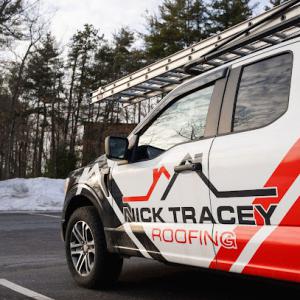
Nick Tracey Roofing & Exteriors
(603) 207-3608 nicktraceyroofing.com
20 Foundry St, Concord, New Hampshire
5.0 from 44 reviews
Nick Tracey Roofing & Exteriors is a trusted contractor serving the greater Concord area with expert roof replacements and exterior upgrades. We install asphalt shingles, standing seam metal roofs, and EPDM rubber systems, delivering long-lasting protection and curb appeal. Our siding services include premium vinyl and fiber cement options like James Hardie, along with custom PVC trimwork for a clean, maintenance-free finish. Whether you're replacing a roof or updating your home's exterior, we focus on quality craftsmanship, clear communication, and a smooth experience from start to finish.
New Heights Roofing
(603) 548-4484 newheightsroofingnh.com
128 Hall St, Concord, New Hampshire
4.9 from 57 reviews
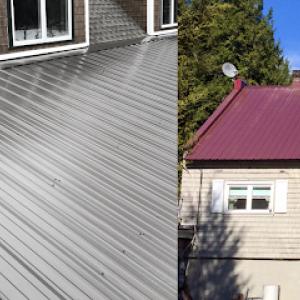
Your home is likely the largest investment you have ever made. But it is much more than an expensive purchase-your home is where your family builds priceless memories. That's why it deserves reliable protection from a roof designed to stand the test of time. At New Heights Roofing, we are here to take your home to new heights by providing roofing services you can rely on. We install and repair metal, asphalt, and rubber roofing, using top-quality materials and equipment. We also replace windows, as well as install windows for new construction.

F.B.I. Contracting
(603) 286-4414 www.fbillc1.com
18 Loudon Rd #85, Concord, New Hampshire
4.8 from 26 reviews
F.B.I. Contracting, LLC is New Hampshire’s premier home contracting service, specializing in metal roofing, windows, siding, skylights, and more. We strive to provide our customers exceptional service and the highest quality craftsmanship. From our vehicles to our employees, we are fully insured, and to maintain the highest level of quality, we do not subcontract any of our projects or jobs. We’ve built a reputation as skilled craftsmen and have received honors and awards for excellence. We pride ourselves in an unending effort to improve our company, so our team spends several weeks each year learning the latest techniques and achieving certification for the newest standards and regulations, implementing the latest technologies.
First Choice Construction
Concord, New Hampshire
5.0 from 6 reviews
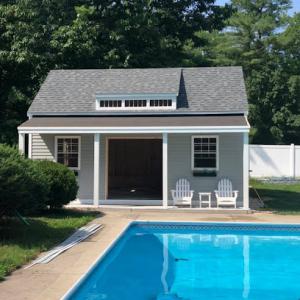
Here at First Choice Construction, our roofers consistently provide skilled workmanship to our customers in Concord and the surrounding areas. We're a locally owned and operated company that aims to earn your loyalty, so we'll search for ways to make your entire experience as stress-free as possible. We offer estimates that don't feature any hidden fees, and our rates are reasonable.
Eco Pro Roofing & Gutter
(603) 801-3705 www.ecoproroofing.com
Serving
5.0 from 25 reviews
Every home is different, and every home requires a unique roof. Our roofing team will work with you from start to finish, making sure that your certain roofing application meets your needs. When it comes to residential roofing, we have the expertise to give you the perfect roof for your home. Our roofs will stand the test of time, and leave your home looking great, and feeling safe! We install Owens Corning shingles and can provide 50 year labor and material warranty! And here at Eco Pro we are always Eco conscience and recycle our shingle waste to keep them out of landfills and reuse them in Asphalt applications.
Aj Roofing & Construction
(774) 223-9753 www.ajroofingconstruction.com
Serving
4.7 from 15 reviews
At AJ Roofing & Construction INC, we specialize in roofing, siding, windows, fascias, and gutters. We offer free inspections and free estimates, and we are fully licensed and insured for your peace of mind. Our team also assists with insurance claims, making the process easy and stress-free for you. With years of experience, top-quality workmanship, and professional service, we are your trusted choice for exterior construction and home improvement. Call us today to schedule your free inspection!
AJ Dowd Services
(603) 689-6086 www.ajdowdservices.com
Serving
5.0 from 8 reviews
AJ Dowd Services is a local, family-owned exterior remodeling company serving southern New Hampshire and northern Massachusetts. We specialize in roofing, siding, windows, and gutters for both residential and commercial properties. Our team is committed to delivering reliable solutions with the utmost craftsmanship and professionalism. We offer flexible financing options and special discounts for veterans and first responders. Contact us today for a quote and experience the AJ Dowd Services difference.
Amazing Metal Roofing
(774) 519-7390 amazingmetalroofing.com
Serving
5.0 from 18 reviews
Amazing Metal Roofing specializes in long-lasting metal roofs, crafted with over 20 years of experience. Their licensed and insured crews deliver exceptional craftsmanship, ensuring a dream home becomes a reality.
Adam Vaillancourt Roofing & Gutters
(603) 821-4761 www.adamvroofing.com
Serving
5.0 from 37 reviews
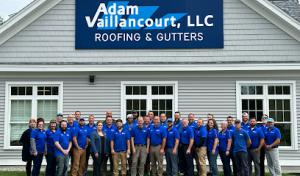
Adam Vaillancourt Roofing & Gutters is Bow’s go-to roofing contractor, proudly serving Southern New Hampshire, Northern Massachusetts, and Southern Maine. We specialize in residential and commercial roof replacement, roof repair, and roof maintenance—including asphalt shingles, flat roofing, and premium metal systems. Our team uses top-quality materials and industry-best installation practices to protect your home for the long haul. We also offer expert gutter solutions with Gutter Shutter® systems, professional roof cleaning and rejuvenation, skylight repair and replacement, and attic ventilation services. With a reputation built on trust, craftsmanship, and customer-first service, Adam Vaillancourt Roofing is committed to you.
Paramount Roofing
(603) 724-9662 paramount-roofing-nh.com
Serving
4.6 from 66 reviews
We specialize in every type of roofing related project. We also hold certificates of all the types of roofs we do that are fully insured for residential and commercial use. From repairs, roofing replacements and new construction we have solution for you.
In Concord, asphalt shingles are a dominant choice because they balance performance with practicality for the local housing stock. They handle the freeze-thaw cycle reasonably well when attic ventilation and moisture control are solid after winter moisture seasons. Look for fiberglass or polymer-modified shingle options that resist cracking from cold snaps, and confirm a proper underlayment and flashing details to minimize ice dam risk along eaves and valleys. If your attic runs cool and dry, asphalt can perform for a solid stretch; if attic ventilation is marginal, you'll want to upgrade soffit vents, ridge vents, or an intermittent attic fan to prevent moisture buildup that weakens shingles after a snowy season. In towns with mixed older homes and civic-era structures, the ease of retrofit and a wide selection of colors keep asphalt a practical baseline, but the choice should be paired with careful ventilation and effective ice barrier installation at the edges.
Metal roofing is especially relevant in the local market for homeowners seeking improved snow shedding and long-term durability through severe winters. A standing-seam or concealed-fastener system can shed snow more predictably than some other materials, reducing ice buildup on low-slope sections and in valleys. If you're replacing on a structure that experiences heavy winter loads or frequent freeze-thaw cycles, metal's stiffness and lighter weight help preserve the underlying structure while maintaining a tight, reliable seal. Pay attention to flashing at ridge and eave lines, as well as appropriate sealants where metal meets any existing penetrations. A metal roof that's correctly installed with a robust attic ventilation strategy can stay quieter in a windy winter and offer decades of service, making it a compelling option for the region's climate.
Slate remains locally relevant in central New Hampshire because older homes and institutional-style buildings in and around Concord may already have slate or be candidates for premium replacements. Slate delivers exceptional cold-weather performance when properly installed, with natural sloping and durable fasteners that resist movement in freeze-thaw conditions. If considering slate, diligence on roof deck condition, slope, and professional detailing of valleys and drip edges is essential. Slate is best suited for structures with appropriate roof geometry and a long-range maintenance plan, since repairs or partial replacements require specialized craft. For historic or original-material-focused properties, slate sometimes represents the most faithful and durable option, especially where a premium aesthetic aligns with existing architectural cues.
The best choice in this climate is not a single material but a thoughtful pairing of roof type, ventilation strategy, and flashing details tailored to the home's age, slope, and exposure to wind-driven snow. In practice, balance the attic's air movement, confirm moisture control, and plan for robust edge protection to minimize freeze-thaw wear across materials. If a remodel nudges you toward a material upgrade, consider how each option will handle seasonal meltwater, ice dam risk, and the long-term performance you expect from a Concord roof.
Explore specialists in steel, aluminum, and standing seam metal roofs built to last 50 years or more.

Nick Tracey Roofing & Exteriors
(603) 207-3608 nicktraceyroofing.com
20 Foundry St, Concord, New Hampshire
5.0 from 44 reviews
New Heights Roofing
(603) 548-4484 newheightsroofingnh.com
128 Hall St, Concord, New Hampshire
4.9 from 57 reviews

F.B.I. Contracting
(603) 286-4414 www.fbillc1.com
18 Loudon Rd #85, Concord, New Hampshire
4.8 from 26 reviews
Concord's long, snowy winters bring repeated freeze-thaw cycles that slowly rattle the seals and step flashing around roof openings. Flashing at chimneys and skylights is a recurring weak point, especially where sealants and step flashing have aged through multiple winters. That aging can hide itself until ice and snow push against joints and corners, splintering the protective layers just enough to leak when a thaw returns or a heavy snowfall settles in. In practical terms, a small crack or a loose flap today can become a noticeable drip next spring, sometimes after a period of dry weather has already passed.
Local contractor signals show skylight work is unusually common in this market, indicating homeowners frequently need repairs around roof openings rather than only full replacements. You'll observe that penetrations-whether for chimneys, skylights, vents, or vent stacks-often reveal shortcuts in installation that were acceptable in calmer summers but falter under winter stress. If you notice peeling sealant, misaligned flashing, or a wobbly skylight curb after a heavy snow, that's a sign the alignment or fastening may have been compromised by freeze-thaw movement.
Snow and ice movement around penetrations in Concord can expose installation shortcuts that may not show up during dry summer weather. Ice dams, for instance, can drive water toward edges and seams, forcing it under flashing where it rides up against a chimney or skylight curb. The result is often slow leaks that follow the path of least resistance, sometimes behind cabinets or along interior ceilings long after the outdoor snow has melted. It helps to periodically inspect the areas around openings after storms, paying close attention to any moisture staining or softened mortar joints around chimneys.
If a flashing detail looks suspect, treat it with thoughtful restraint and avoid temporary fixes that simply hide the problem. Clean and reseal only when dry weather allows, and consider upgrading to flashing that accommodates thermal movement rather than rigid sealants that crack with every freeze. Have experienced roofers verify the alignment of skylights and chimneys, especially where multiple winters have wrought movement. And when snow piles become heavy, a proactive edge assessment around penetrations can save more invasive work later.
Find contractors experienced in skylight installation, flashing, and leak repairs to bring natural light into your home.
Nick Tracey Roofing & Exteriors
(603) 207-3608 nicktraceyroofing.com
20 Foundry St, Concord, New Hampshire
5.0 from 44 reviews
New Heights Roofing
(603) 548-4484 newheightsroofingnh.com
128 Hall St, Concord, New Hampshire
4.9 from 57 reviews
F.B.I. Contracting
(603) 286-4414 www.fbillc1.com
18 Loudon Rd #85, Concord, New Hampshire
4.8 from 26 reviews
In Concord, the cost picture reflects a mix of asphalt shingles, metal roofing, synthetic/composite options, slate, and the occasional clay or concrete tile. Asphalt shingles remain the most common, with typical replacement costs around 350-700 USD per square. Metal roofing runs higher, roughly 700-1200 per square, while synthetic or composite shingles land in the 500-900 range. Slate projects can push well above 1800-3500 per square, and clay or concrete tiles, though less common, sit around 1000-1800 or 900-1500 per square respectively. For an older home with mixed roof components, expect the final bill to reflect both material choices and the complexity of integration with existing flashing and ventilation.
Costs in Concord can rise when winter damage creates spring scheduling surges, especially after storm events that increase demand for re-roofing and repair crews. If a late-winter thaw is followed by a sudden need for tarping, decking repairs, or re-flashing, crews may charge premium rates or prioritize faster but more expensive options. Plan for a potential premium if a storm timeline compresses your project into peak-season windows. Weather-driven delays can also extend labor hours, affecting overall cost.
Older Concord homes may add labor cost through tear-off complexity, decking repairs, chimney flashing work, and upgrades needed to improve venting before the new roof is installed. A full tear-off on a seasoned structure often uncovers rotten decking or mismatched original flashing details that require careful replacement. In such cases, the price per square inch climbs, and the project timeline lengthens. Budget for additional venting or attic insulation improvements if you notice condensation or poor intake/exhaust balance once the old roof is off.
Start with a materials plan aligned to your roof's pitch, exposure, and any historic detailing. For flatter, steeper, or multi-section roofs, get at least three detailed bids that separate tear-off, decking repair, and flashing work. If your home carries slate or clay remnants, confirm crew qualifications and scaffold access to minimize damage and delays. Finally, build a contingency of 10-15 percent for weather-related shifts common after long winters.
Get a clear picture of your project costs upfront - no commitment required.
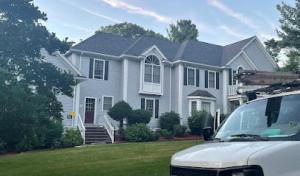
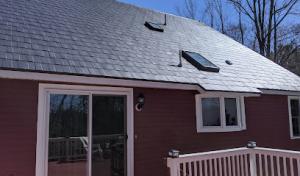
A full re-roof in Concord typically requires a permit through the local building department, with either the contractor or property owner applying. The permit ensures that the project meets structural, ventilation, and drainage standards needed to stand up to winter freezes and heavy snows. Before starting, confirm the responsible party with the permit desk and double-check whether any homeowner-initiated forms are required for changes to venting or flashing. In mature neighborhoods or civic-era blocks, expect a quick turn-around when plans show standard asphalt or metal roofing, but be prepared for a more detailed review if slate, tile, or custom details are proposed.
Concord-area roofing inspections commonly include a rough-in stage before the roof is covered and a final inspection after completion. The rough-in helps verify orientation of vents, attic insulation, and the placement of critical components like exhaust outlets and snow guards where applicable. A thorough rough-in reduces the risk of later leaks once the ice and thaw cycles begin. The final inspection focuses on confirming that flashing around chimneys, dormers, valleys, and skylines is properly integrated with the chosen roofing material and that ventilation continues to meet code requirements. Schedule both milestones with the building department and coordinate closely with the contractor to address any deficiencies promptly.
Local review attention may focus on venting and flashing details, and higher-end materials such as slate or tile may trigger additional plan review questions. If slate or tile are in the plan, anticipate inquiries about underlayment, substrate support, and flashings specialized for these textures. In snow-prone conditions, confirm that roof intersections, eave details, and gutter lines will handle ice dam construction and meltwater without compromising the envelope. Have drawings ready showing vent locations, chimney flashings, valley protections, and eave edge treatments, so the reviewer can assess how the design withstands freeze-thaw cycles and heavy snow loads.
In New Hampshire, wind and hail events are a meaningful source of roof claims, which matters in Concord because spring storms can follow winter-related roof weakening. After a harsh winter, missing granules or dented metal, loose flashing, and ice dam-related damage become more likely when a fast-moving spring storm hits. Understanding that sequence helps you spot claim triggers early and avoid disputes about pre-existing wear.
When you file, expect the insurer to want roof photos, material details, and a detailed estimate. Some adjusters will also request before-and-after documentation to prove what changed after the event. Make sure you have clear close-ups of shingles, flashing, and vent boots, plus a broad shot of the roof line. Note any sagging fascia or soffit damage that might indicate water intrusion. For material details, identify shingle type, metal gauge, or tile class, and share current roof age if known. The more organized the submission, the smoother the review.
Coverage outcomes can vary significantly by carrier and policy terms, so track both sudden storm damage and any visible progression after freeze-thaw periods. Freeze-thaw cycles can worsen hairline breaks into leaks over weeks, especially in less-protected eaves and valleys. Save repair receipts and service notes, and keep a simple timeline of events: when a storm occurred, when you noticed damage, and when you started temporary weatherproofing. This timeline helps demonstrate the link between an event and subsequent deterioration.
When adjusters visit, expect questions about previous maintenance and any prior repairs. Be ready to point to visible wind-driven impacts, hail pockmarks, or ice-dammed areas that align with storm dates. If a dispute arises about the extent of damage, request a second opinion or a supplement to the claim with new photos after a thaw. Clear documentation and prompt follow-up reduce the chance of gaps in coverage and help ensure the claim reflects the true condition of the roof.
Flat and low-slope roofing is not the dominant roof type here, but it remains relevant for porches, additions, garages, and some commercial properties. In a town with long snowy winters and frequent freeze-thaw cycles, the small height differences and near-flat surfaces on these sections can become pressure points for ice dams, wind-driven snow buildup, and ponding. If drainage lines get clogged or seams are not snug, meltwater can back up into edge details or into the structure over time. This is one of those cases where the most visible problem hides a slower, cumulative wear pattern.
Concord's snow load and freeze-thaw pattern make drainage and seam integrity especially important on low-slope sections attached to otherwise steep-slope homes. Water that sits on a low-slope roof longer than it should increases the risk of flashing failure, fastener loosening, and membrane degradation. Seams and edges are the first weak points to show trouble; a small leak here can migrate into attic spaces or into the interior sheathing without obvious signs on the surface. Regular attention to drainage paths, scupper and edge details, and the condition of any insulation beneath is a practical defense.
Mixed-roof homes in Concord often need different repair strategies for the main house roof and lower-slope rear additions. The main roof may have steeper angles and more traditional flashing, while the low-slope section relies on tight seam work and reliable drainage. When planning repairs, treat these areas as a system: ensure that the transition from steep to low slope is flashed correctly, and that any penetrations (pipes, vents) on the low-slope surface are sealed to resist ice-backed seepage. A measured, zone-by-zone approach helps prevent a patchwork fix from becoming a long-term vulnerability.
Find specialists in TPO, EPDM, and built-up flat roofing systems for residential and commercial properties.
Nick Tracey Roofing & Exteriors
(603) 207-3608 nicktraceyroofing.com
20 Foundry St, Concord, New Hampshire
5.0 from 44 reviews
Choosing a roofing contractor is about solving the right problem for a long, cold season. Start by matching the contractor's strengths to your roof's condition: ice dam risk, flashing needs, skylight interfaces, and the age of the system. In Concord, durable work hinges on handling freeze-thaw stress and the simple fact that temporary fixes won't last through a heavy snowfall.
In Concord, homeowners appear to value fast response and cleanup as much as price, reflecting a market where leak response and re-roofing logistics matter during short weather windows. The local market includes many re-roofing-focused contractors, with a noticeable mix of long-established and family-owned operators. Look for crews who can document emergency response times and mobilize quickly after a storm.
Because metal roofing, skylights, and emergency repairs are all active specialties in Concord, homeowners should match contractor experience to the actual roof problem instead of hiring only on price. Ask specifically about projects similar to yours: metal conversions, skylight sealing, or leak-driven repairs that require temporary containment while weather clears.
Schedule a site visit in dry conditions if possible, and request a written assessment that details ice-dam prevention, attic ventilation, and flashing integration with gutters. A good contractor will inspect soffit vents, insulation gaps, and roof penetrations before proposing a plan. Expect questions about snow load history and previous repairs that influence flashing replacement or resealing needs.
Compare proposals not by sticker price alone but by scope, materials, and timeline. Confirm the contractor will protect landscaping and clean up thoroughly after each visit, returning the area to a safe, usable state as quickly as the weather allows. In Concord, the best choices balance reliable workmanship with clear communication throughout the project. That clarity can cut delays when a window opens.
Once you select a contractor, set milestones for weather-impacted activities, such as debris removal, temporary tarping, and final sealing. Maintain a single point of contact for day-to-day adjustments, so the crew can adapt to sudden melt cycles or wind-driven debris. A neighborly, hands-on approach often yields the least disruption when winter pressure increases. Keep a written log of weather reminders and missed appointments to avoid delays.