
Last updated: Apr 19, 2026
Manchester's cold winters and frequent freeze-thaw cycles are a primary local driver of shingle wear, flashing movement, and leak development. As temperatures swing above and below freezing, thatRepeated thaw-refreeze cycle gnaws at roofing edges, gutters, and transitions where shingles meet flashing. Water can creep under lifted tabs, around chimney and vent penetrations, and behind misaligned flashing, then refreeze and push it all a step further. The result is accelerated wear on the uppermost layers and a higher likelihood of hidden leaks that show up only after a storm or a sunny afternoon with pooling meltwater. The practical consequence is simple: every warming trend followed by a hard freeze compounds stress on the roof deck, seals, and fasteners. Treat freeze-thaw as a structural issue, not a cosmetic one, and address symptoms promptly.
The roofing season is pushed toward late spring through early fall because winter conditions and spring moisture complicate tear-off, dry-in, and inspection timing. In this climate, attempting a full tear-off in the shoulder months still carries risk if storms roll through or temperatures plunge. The short, narrow window means you cannot delay critical steps: removing the old roof, ensuring a dry substrate, sealing penetrations, and completing a thorough, inspection-ready installation. Plan around forecasted warmth and dry days, but be prepared for sudden swings. A rushed job during a marginal window invites ice-dam friendly mistakes and premature wear. When a contractor communicates a realistic schedule that aligns with dry, stable conditions, that diligence saves you from a cascade of rework and comfort-sapping leaks later.
Ice-dam risk is a practical concern for homeowners because repeated thawing and refreezing can back water up at eaves and vulnerable roof transitions. The eaves, overhangs, and roof-to-wall interfaces are the most exposed during spring thaws and cold snaps. If ice forms at the gutter line, meltwater has nowhere to go but under shingles, around flashing, or into roof deck joints. Clogged or inadequate drainage compounds the problem. A small ice dam today can become a larger underwriting issue tomorrow, inviting interior staining, warped sheathing, and accelerated shingle deterioration. Proactive prevention matters: improved attic insulation, proper ventilation, and a deliberate approach to ice-and-water shield placement at vulnerable joints.
Talk with a trusted local roofer about reinforcing critical transitions before the next freeze-cycle. Prioritize ensuring all penetrations-vents, valleys, chimney flashing-are properly sealed and flashed with materials rated for freeze-thaw cycles. Install or enhance an ice-and-water shield at eaves and along transitions where meltwater tends to back up, especially on roofs with colder northern exposures or shallow slopes. Schedule inspections after the heaviest melt events or mid-winter thaws, and request a careful assessment of the deck, underlayment, and flashing movement. In Manchester, where timing is tight and moisture is persistent, a measured, preventative approach saves you from costly emergency repairs and disruptive repairs during a comparatively short re-roof window. Stay vigilant about meltwater patterns after storms and monitor problem areas annually to nip damage in the bud before it spreads.
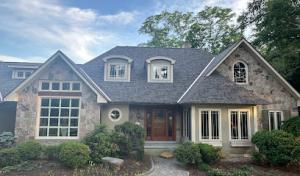
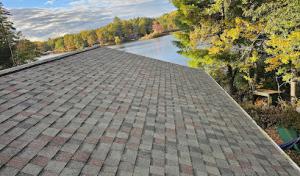
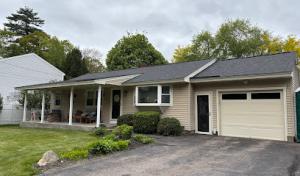
Asphalt shingles are the dominant local choice, aligning with the large re-roofing market and moderate replacement budgets. In this climate, you get a practical balance of installation speed, familiar carpentry, and broad contractor availability. When a re-roof window opens after winter melt and before spring storms, asphalt crews tend to move quickly, reducing exposure to seasonal weather delays. For most homes with standard dormers, gables, or mid-pitch roofs, standard composition shingles provide solid protection, easy maintenance, and straightforward attic ventilation integration to chase ice-dam risk. If you're replacing a roof that already uses asphalt, matching profiles and granule color helps maintain neighborhood curb appeal and resale value.
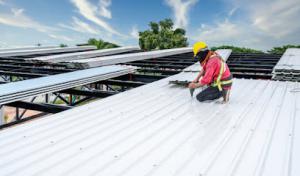
Metal roofing has a meaningful local presence and is often considered by homeowners looking for better snow-shedding and durability through winter weather cycles. Standing-seam or exposed-fastener metal options shed snow more effectively and can reduce ice dam pressure on overhangs and eaves. If your home has limited attic insulation or a history of ice damting, metal can be a proactive choice, especially for steeper slopes or new additions where a clean, long-lasting look is desired. Keep in mind that metal systems can require more precise installation, particularly around valleys, vents, and chimneys, to prevent condensation and water intrusion. In Manchester's freeze-thaw cycles, a correct underlayment and an integrated ice-dam blocking strategy are essential components of a successful metal installation.
Tile options exist in the market but are far less common locally than asphalt and metal, making installer availability more limited in Manchester than for standard shingle systems. Clay and concrete tiles can deliver distinctive aesthetics and excellent longevity, but they demand a stronger roof deck, careful framing, and precise flashing details to handle freeze-thaw movement. If you're considering tile, plan for a longer scheduling window and verify that local contractors have recent experience with the specific tile type you want. Lead times and service access during heavy snowfall seasons can influence project timing, so align expectations with your contractor early in the process.
When choosing among these options, focus on how each system handles moisture, ice dams, and the short reliable re-roof season typical in this area. Asphalt offers reliability and broad support, metal provides superior shedding and resilience for winter pressure, and tile offers a high-end, long-lived look with specialized installation needs. Consider your current insulation, ventilation, and attic heat management as you plan, since these factors directly affect ice-dam risk and long-term roof performance. If you already know your roof line or add-ons are nearing the end of their life, a staged approach that coordinates with interior upgrades can minimize disruption and maximize the effectiveness of the chosen material.
Patriot Roofing
(603) 722-5149 patriotroofingnh.com
591 Mast Rd, Manchester, New Hampshire
5.0 from 410 reviews
The team at Patriot Roofing has decades of experience in residential and commercial roofing. We have worked with some of the most talented architects and stringent building envelope consultants in New England to provide high quality and long-lasting roofing and cladding systems. We’ve taken the best of what we have learned along the way and apply it to every job no matter how big or small. We only use the best material and go above and beyond on every job to make sure it’s done right. At Patriot Roofing, we pride ourselves in helping our valued clients navigate which roofing solution will be the best fit for your home or business!

Pyramid Roofing
(603) 641-5500 pyramidroofingne.com
324 Seames Dr, Manchester, New Hampshire
4.9 from 375 reviews
In business since 1985 Pyramid Roofing has provided Manchester New Hampshire residents and business owners with high-quality roofing services. All of our roofers are manufacturer trained and certified, and we guarantee that subcontractors are never employed to do our job for us. Boasting over 12000 reviews across all major review sites like Google, Angieslist, HomeAdvisor and GAF we are proud of the reputation and work hard to make our customers 100% happy! The next time you need roofing services, think of Pyramid Roofing first.
A1 Siding & Roofing
(603) 627-7339 www.a1sidingandroofing.com
34 Laurier St, Manchester, New Hampshire
5.0 from 129 reviews
A1 Siding & Roofing is a trusted, family-owned roofing company serving Manchester, NH, and surrounding areas since 1978. With a commitment to excellence and customer satisfaction, we specialize in residential and commercial roofing systems, siding projects, and restoration of older structures. Certified by major manufacturers, we back our work with solid warranties and exceptional attention to detail, ensuring every project is completed to the highest standards. Our team prioritizes a seamless, stress-free roofing & siding experience. We handle setup, cleanup, and disposal—meaning you won’t have to lift a finger. When you choose A1 Siding & Roofing, you’re getting quality craftsmanship & reliable service. Contact us today!
Master Roofers
(603) 623-4973 www.masterroofers.com
162 S Main St, Manchester, New Hampshire
4.9 from 237 reviews
Since 1942, over 83 years, Master Roofers has provided our neighbors in New Hampshire, Southern Maine and North Shore Massachusetts with roofing systems that are professionally designed, installed, and backed by industry leading warranties. Professional roofing consultants and roofing and skylight craftsmen ensure a world class experience and superior value. Master Roofers uses highest quality materials from the top manufacturers to help ensure superior quality roofs for your home or business. Our team will take the time to explain the roofing and skylight installation process and how all the components work together as a system to protect your largest investment.. your home or business. "There are roofers.. and there are Master Roofers!"

Joe's Roofing Construction
(603) 952-1684 joesroofingconstruction.com
511 Spruce St, Manchester, New Hampshire
5.0 from 68 reviews
Joe's Roofing handles roof repairs, replacements, and exterior work throughout Hillsborough and Rockingham Counties. Based in Manchester since 2020, our licensed team serves Nashua, Derry, Londonderry, Bedford, Goffstown, Merrimack, Hooksett, and Salem. We fix leaks, replace roofs, install siding and gutters, repair skylights, and respond to storm damage. All roof inspections are free with no obligation. We help with insurance claims—documenting damage and working directly with adjusters to get you covered. Emergency service available 24/7 for urgent repairs that can't wait.
Garon-teed Roofing
(603) 785-4998 garonteedroofing.com
478 Youville St, Manchester, New Hampshire
5.0 from 51 reviews
For skilled roofing contractors in Manchester, NH, look no further. At Garon-teed Roofing, we offer a full range of professional services including emergency roof repair, flat roof installation, and shingle roof repair near you. Our expert team provides quality vinyl siding service in your area, metal roofing solutions, and trusted wood siding repair services. We also specialize in thorough roof inspection service, roof damage repair service, and commercial siding projects. Whether you need a residential roofing company or one of the best siding contractors in Manchester, NH, our experienced professionals are here to help you with our reliable solutions. For reliable and efficient service, call us today!

All Weather Exteriors
(866) 469-0972 www.myallweatherexteriors.com
251 Pine St, Manchester, New Hampshire
4.8 from 153 reviews
Are you looking for quality roofing services in Manchester? All Weather Exteriors is your reliable choice for roofing projects. Our team of highly skilled roofers uses durable materials to ensure your roofing investment lasts. As a local company, we understand Manchester's climate and the unique challenges it presents to your roof. We pride ourselves on offering dependable services and convenient solutions. Choose us for your Manchester roofing installation needs and enjoy long-lasting results. Contact us today to get started!
Marquis Roofing & Exterior Design
(603) 825-4137 marquisroofing.com
106 W River Dr Ste 4, Manchester, New Hampshire
4.8 from 101 reviews
Marquis Roofing has been a trusted roofing contractor in New Hampshire since 2001, proudly holding an A rating from the Better Business Bureau and earning numerous five-star customer reviews. We specialize in asphalt shingle and metal roof replacements, serving Central and Southern New Hampshire, including Manchester, Concord, Nashua, and the Lakes Region. Committed to exceptional customer service, our experienced team delivers professional roofing solutions with efficiency and care, always respecting your property. Contact us today to schedule your free estimate!
Appleton Construction
(978) 483-8756 www.appletonconstructionma.com
1000 Elm St Ste #344, Manchester, New Hampshire
5.0 from 22 reviews
Appleton Construction is a leading roofing contractor in Manchester, NH, offering emergency roof repair services, Roof replacements gutter installation and repair, siding installation and repair, and comprehensive roofing services. Our experienced team is dedicated to providing top-quality materials and exceptional craftsmanship to protect your home or business. Contact us for a free consultation and let us help ensure your investment is safeguarded with a durable and beautiful roof.
Ridge Roofing
(978) 648-0781 www.ridgeroofingcompany.com
277 Sullivan St, Manchester, New Hampshire
5.0 from 14 reviews
Ridge Roofing, established in 2024, is a young and energetic roofing contractor based in Manchester, New Hampshire. With a strong commitment to customer satisfaction, they dedicate themselves to providing exceptional roofing and exterior services that surpass expectations. Their skilled crew is dedicated to delivering high-quality workmanship, ensuring an honest and positive experience for homeowners, with each project completed to the highest standards. Their motto, "Above & Beyond," reflects their passion for consistently exceeding expectations and providing long-lasting roofing solutions that elevate any property.
Five Star Roofing
(603) 782-1253 www.fivestarroofingnh.com
290 McGregor St, Manchester, New Hampshire
5.0 from 13 reviews
Dreaming of a home transformation? Five Star Roofing, a family-owned business established in 2022, is your trusted partner for elevating your home's exterior. Specializing as a roofing contractor, we go beyond just roofs, offering comprehensive services from inspections and repairs to complete replacements. Enhance your home with our expert siding, skylight, deck, and window installations. No matter your project, Five Star Roofing is dedicated to bringing your vision to life with quality craftsmanship and exceptional service. Ask about our 0% APR Financing options!
Clear Choice Home Improvements
(603) 836-9031 www.clearchoicehomeimprovement.com
8025 S Willow St #107, Manchester, New Hampshire
4.2 from 630 reviews
Clear Choice Home Improvements is New Hampshire’s largest and one of New England’s fastest-growing home improvement companies. As a family-owned business, we’re committed to delivering personalized remodeling solutions with exceptional quality and care. We specialize in replacement windows and doors, siding, roofing, bathroom remodeling, and gutter installation, using only the best products in the industry. Every installation is done with the same attention to detail as if it were our own home. And if you ever need service, you can count on us to be there. At Clear Choice, your home is our priority—because great home improvements start with a team you can trust.
Spring storms bring heavy rain and gusty winds that stress roofing seams, flashings, and underlayment. In Manchester, failed underlayment exposure or incomplete flashing work can line up with wet weather to create leaks fast. That combination-quickly soaking sheathing and vulnerable edges-turns a normal rain into a homeowner's alarm. The rapid melt of a spring thaw later in the season can compound this, pushing moisture deeper before a proper seal is resealed. This is not a distant worry; it's a near-term issue that spikes as storms roll through.
When you've had a storm, walk the attic access and ceilings with a flashlight. Look for damp insulation, yellowing or staining on plywood or gypsum, and any musty odor that lingers after the rain stops. Outside, keep an eye on visible flashing at chimneys, vents, and dormers; warped metal, loose sealant, or lifting shingles near roof edges are red flags. If gutters are overflowing or downspouts are pointing toward the foundation, runoff can back up under the edge and find vulnerable nail lines and underlayment seams. In Manchester, a sudden rain event followed by a cool snap often means leak pathways that weren't visible yesterday.
If active rain is still falling, avoid climbing onto the roof yourself. Instead, place a bucket under the drip, move valuables away from the leak path, and protect ceilings with plastic sheeting from the inside if you can access the attic safely. Document the leak with photos and timestamps after the rain ends, then schedule a follow-up inspection as soon as conditions allow. Weather-related delays are a recurring local quirk during active projects, which matters in Manchester because inspections may also be pushed by conditions. Having a written plan with a professional ready to mobilize when the storm lightens helps minimize damage.
Cover exposed underlayment with a sturdy tarp anchored away from edge leaks, but only if it's safe to do so and you can safely reach the area. Clear clogged vents and ensure attic exhausts aren't blocked, since poor ventilation can accelerate moisture problems. If you notice ice dams later in the season, that signals a separate set of risks, but early spring rain can mimic those issues if heat leaks exist in the attic.
A quick-response repair demand is strong in this market, matching the local prevalence of emergency repair and storm-damage specialties. If you observe persistent leaks after rain, multiple drip points, or visible gaps along flashing, contact a reputable roofer with storm-damage experience immediately. A trained eye can determine whether a temporary seal is sufficient or a more durable fix is needed before next round of weather.
When you can't wait, these contractors offer fast response times to stop leaks and prevent further damage.
Joe's Roofing Construction
(603) 952-1684 joesroofingconstruction.com
511 Spruce St, Manchester, New Hampshire
5.0 from 68 reviews
Garon-teed Roofing
(603) 785-4998 garonteedroofing.com
478 Youville St, Manchester, New Hampshire
5.0 from 51 reviews
Marquis Roofing & Exterior Design
(603) 825-4137 marquisroofing.com
106 W River Dr Ste 4, Manchester, New Hampshire
4.8 from 101 reviews
Provided local cost ranges run from 350 to 700 USD per square for asphalt shingles, 600 to 1100 for metal, 1000 to 1800 for clay tile, 900 to 1400 for concrete tile, 520 to 900 for wood shingles or shakes, and 450 to 750 for synthetic or composite shingles. In practice, the choice you make affects not just the upfront price but the season you'll aim for, especially if ice-dam risk is a concern and timing becomes tight.
Pricing and scheduling tighten during the late spring through early fall, the prime roofing window in this area. That compression matters in Manchester because a rushed ascent to shingle finalization can push crews to stage mechanically and coordinate inspections in a narrow weather pocket. If a spring storm or autumn wind event crops up, expect small delays to ripple into staging and protection measures, which can nudge the project toward the higher end of the local cost ranges.
The harsh winter cycle makes freeze-thaw damage a real risk, so planning to complete the replacement ahead of the ground's first hard freeze is prudent. A prolonged spring rain or late-season heat wave can disrupt ventilation, underlayment protection, and ice-dam prevention measures, curtailing the available days for a clean, code-compliant re-roof. To minimize surprises, align material selection with a realistic window for weather protection, staggered deliveries, and on-site inspections, recognizing that costs can rise when weather extends staging or adds protective workflows.
If tight timing is unavoidable, focus on a material with a favorable install temperature range and proven performance in cold starts, while confirming that underlayment, venting, and ice-guard details are locked in before the first warm spell. Expect some premium for expedited delivery or weekend work during peak season, and plan a contingency for inspection readiness once the roof is in place.
Don't let upfront costs delay a critical repair - these contractors offer payment plans to fit your budget.

All Weather Exteriors
(866) 469-0972 www.myallweatherexteriors.com
251 Pine St, Manchester, New Hampshire
4.8 from 153 reviews
Ridge Roofing
(978) 648-0781 www.ridgeroofingcompany.com
277 Sullivan St, Manchester, New Hampshire
5.0 from 14 reviews
Five Star Roofing
(603) 782-1253 www.fivestarroofingnh.com
290 McGregor St, Manchester, New Hampshire
5.0 from 13 reviews
A building permit is typically required in Manchester for a full re-roof, with applications handled by the City of Manchester Building Department. Skipping this step or trying to push work through without proper channels can lead to costly delays and potential work stoppages, especially during the short, weather-sensitive re-roof window that Manchester's freeze-thaw cycle dictates. Plan ahead so the project aligns with the city's seasonal constraints and avoids the last-minute scramble that can mean icy days and cold nights left exposed.
The city may require plan details or contractor qualification information as part of the permit review for roofing work. Having precise roofing specifications, venting layouts, underlayment choices, and flashing details ready helps the review move smoothly. If the contractor isn't properly registered or lacks current credentials, expect questions or a hold in approval. Verifying that your contractor's documentation is complete before submission can prevent back-and-forth delays that stall your project during the narrow re-roof season.
Manchester inspections are scheduled during and after the job to verify underlayment, flashing, ventilation, and code compliance, and failed inspections can trigger re-inspection. The inspector will look for proper underlayment installation, correct flashing around chimneys and dormers, adequate attic ventilation, and adherence to current code provisions that affect long-term durability in cold snaps. If anything doesn't pass muster-whether it's an improper venting plan or an error in flashing a roof-to-wall transition-prepare for a re-inspection and additional corrective work. The consequences aren't merely cosmetic: missed requirements can compromise energy efficiency and ice-dam resilience, especially during Manchester's abrupt thaws and rapid freeze cycles. Plan contingencies for weather-related delays and ensure the project schedule accommodates authorized inspection windows so you're not left with a partially completed roof when the next frost hits.
In this local context, claims tend to follow wind and winter storm events rather than extreme, year-round catastrophes. The typical driver is freeze-thaw damage that compounds over a season, plus spring moisture that aggravates existing weak spots. This means adjusters will look for evidence of pre-existing conditions and a clear link between the event and the roof damage. Photos should capture overall roof health, attic ventilation, and any sagging decking or ice-related staining inside the attic. A well-documented history of previous repairs can help demonstrate how this season's events compounded wear.
Carriers commonly want clear photos and documentation of the roof's prior condition and the exact replacement scope. For Manchester, where storm patterns can shift quickly, detailed before-and-after photos are essential. Shoot the entire roof from ground level with a wide-angle view, and then close-ups of shingles, flashing, gutter lines, and vents. Include photos of any ice dam evidence, such as staining along the eaves or warped decking, and document attic signs like condensation or mold. A simple, dated checklist showing recent weather events and notable damage helps the adjuster compare conditions across timelines.
Well-documented Manchester projects can move more smoothly when coordinating contractor timelines, adjuster review, and any weather-related scheduling changes. Provide the insurer with a proposed project timeline that accounts for typical thaw windows and forecasted storms. Include contractor contact information, material lead times, and a plan for temporary protection if a mid-season delay is possible. If winter damage is involved, emphasize shutoffs for any active leaks and temporary tarping strategies that prevent moisture intrusion while waiting for approval. Clear lines of communication between homeowner, contractor, and adjuster reduce back-and-forth and help align the replacement scope with actual on-site conditions.
Connect with contractors who help homeowners navigate the claims process from damage assessment to final approval.
Joe's Roofing Construction
(603) 952-1684 joesroofingconstruction.com
511 Spruce St, Manchester, New Hampshire
5.0 from 68 reviews
Mr Kennedy Roofing
(603) 860-8617 www.mrkennedyroofing.com
186 Main St, Manchester, New Hampshire
4.9 from 13 reviews
Skylights are common in local homes, and their flashing is a frequent source of trouble after harsh winters. The curb around a skylight and the metal flashing that ties into the roof deck can crack or separate when freeze-thaw cycles push against the seal. In your attic, you'll notice moisture tracking along the dimples of the insulation or a musty odor that wasn't there last season. In practice, the weakest link isn't the pane but the flashing transitions where glass meets asphalt or metal, and where the curb sits on a ridge of warm roof heat. Expect that these areas require careful, precise flashing repair or replacement during a re-roof, and understand that misjudging a skylight's integrated curb can invite hidden leaks for months.
Chimneys sit at a natural fault line in the roof, and their mortar joints aren't forgiving if the roof moves even slightly during freeze-thaw cycles. The intersection where masonry meets the roof deck is a hotspot for flashing failure, especially if the chimney cap or cricket isn't coordinating with venting and attic airflow. In practice, Manchester homes often show dried, hairline cracks in lead or aluminum counters, or cracked mortar joints that allow wind-driven moisture to bypass the outer layer. When a contractor handles a re-roof, those flashing details around the chimney require extra scrutiny, otherwise a leak can hide behind a counter-flash or step-flash and only reveal itself after a heavy thaw.
Manchester inspections place special emphasis on flashing and ventilation at transition points. During a re-roof, the inspector will scrutinize skylight and chimney details, looking for tight seals, proper slope continuity, and clear ventilation pathways. If flashing looks aged or warped, or if the attic shows moisture staining near these penetrations, expect a focused fix rather than a quick cover-up. The consequence of overlooking these zones is persistent dampness that undermines insulation, raises mold risk, and shortens roof life. Stay prepared for targeted work around skylights and chimneys when the re-roof season arrives.
Find contractors experienced in skylight installation, flashing, and leak repairs to bring natural light into your home.
Patriot Roofing
(603) 722-5149 patriotroofingnh.com
591 Mast Rd, Manchester, New Hampshire
5.0 from 410 reviews

Pyramid Roofing
(603) 641-5500 pyramidroofingne.com
324 Seames Dr, Manchester, New Hampshire
4.9 from 375 reviews
A1 Siding & Roofing
(603) 627-7339 www.a1sidingandroofing.com
34 Laurier St, Manchester, New Hampshire
5.0 from 129 reviews
Flat and low-slope roofing is present but not dominant in Manchester, reflecting a secondary local need rather than the city's main residential roofing pattern. In spring, heavy rain can push water toward the edge membranes, and in winter the same edges are exposed to freeze-thaw cycles. When evaluating a low-slope area, focus on drainage redundancy-readily accessible scuppers, clear transition zones, and secondary drains that won't back up during storms. Pay attention to edge termination details where the membrane meets coping or metal edging, as those spots are most vulnerable to ice dam formation and wind-driven leaks. In a typical late-walling addition or porch with a low-slope section, verify that fasteners and flashing are sized for both wind loads and seasonal temperature swings, and consider a slightly steeper micro-drain slope if feasible to maintain a reliable pathway for water.
Mixed rooflines on additions, porches, and attached structures can create different replacement timing and detailing needs within one property. A single roof line can hide two or three drainage realities: a steeper main roof, a flatter extension, and a perched edge over a covered entry. In practice, this means labeling and protecting each edge as a separate drainage cell during replacement planning. Use continuous low-profile flashing along transitions, and ensure edge coatings or sealants are compatible with the adjacent materials. When planning replacements, tie the membrane system across the different slopes in a way that prevents water from bridging from one section to another under spring runoff or winter melt, especially where gutters are undersized or misaligned.
Spring storms and winter weather demand a careful, staged approach to maintenance. In Manchester, the short reliable re-roof season makes pre-season inspections essential, especially on low-slope areas where ice dam risk is highest. Inspect for seam integrity, worn edge fasteners, and any deterioration at penetrations or vent stacks. Create a simple inspection map marking every flat or low-slope section, so a homeowner or contractor can quickly verify that drainage paths remain unobstructed after storms. Finally, verify that additions or porches with flat components were properly integrated with a continuous drainage plan that won't let meltwater spill onto higher-risk zones.
Find specialists in TPO, EPDM, and built-up flat roofing systems for residential and commercial properties.
A1 Siding & Roofing
(603) 627-7339 www.a1sidingandroofing.com
34 Laurier St, Manchester, New Hampshire
5.0 from 129 reviews
Garon-teed Roofing
(603) 785-4998 garonteedroofing.com
478 Youville St, Manchester, New Hampshire
5.0 from 51 reviews
Appleton Construction
(978) 483-8756 www.appletonconstructionma.com
1000 Elm St Ste #344, Manchester, New Hampshire
5.0 from 22 reviews
The local market signals that homeowners need contractors who can handle the unique rhythm of Manchester winters-freeze-thaw cycles, spring moisture, and a tight re-roof window. You want a crew that treats cleanup as part of the job, not an afterthought. Ask for a detailed cleanup plan: daily debris removal, tarp management for meltwater, and a firm post-project haul-away schedule. Prioritize responders who can commit to timely responses after storms or leaks, since quick triage minimizes interior damage and interruption during the short re-roof season.
A notable share of Manchester-area contractors are long-established or family-owned, which often translates to steadier crews, familiar equipment, and a sense of accountability. When evaluating bids, look beyond the first impression and check references from neighbors with similar house types and exposure to the Merrimack Valley climate. Visit a recently completed job if possible and note how the crew protected landscaping, managed ice near eaves, and stabilized temporary coverings during melt events. Local history with a contractor can be as valuable as a formal portfolio.
Manufacturer-certified and warranty-offering contractors are present but not universal in this market. Treat certification as a practical hedge: ask for current manufacturer designations, explicit coverage terms, and a clear process for warranty claims if issues arise after installation. Read the warranty language carefully-pay attention to what constitutes workmanship coverage, the duration, and requirements for regular inspections. In this climate, a written maintenance plan paired with warranty information helps ensure a reliable roof performance through another cycle of freeze-thaw and spring moisture.