Last updated: Apr 19, 2026
Rochester's cold winters mean repeated freeze-thaw cycles that wear edges of shingles, spur flashing movement, and push leaks into living spaces. The mix of older homes and newer subdivisions often translates to uneven roof lines, flashing details, and attic joints that become weak points when the temperature swings from below freezing to warm afternoons. Heavy snowfall compounds the risk: thick ice layers along eaves and gutters act like dam walls, forcing meltwater to back up under shingles. This local pattern accelerates aging and makes damage harder to spot until a leak appears inside the ceiling.
In these conditions, edge wear on shingles accelerates because water repeatedly freezes and expands at the most exposed seams. Flashing moves when ice and snow push against it, creating new gaps that allow water to intrude. Leaks often start as pinholes in attic spaces or along interior ceilings near exterior walls-symptoms that look minor but indicate a broader moisture problem. The winter ice damming is a seasonal risk that doesn't just leak; it undermines roof integrity by forcing water to back up behind shingles, often finding its way into attic insulation and rafters. With snow piling up, roofs shoulder a heavier load, and any preexisting weakness becomes a failure point in mid-winter.
Because projects tend to be scheduled from late spring through early fall, winter leak problems frequently begin as emergency stabilization jobs. Quick fixes may stop immediate dripping, but they seldom address the underlying deterioration caused by freeze-thaw cycles. That emergency patch often converts into a full replacement later in the year, once weather windows allow. Delayed attention means higher risk of moisture intrusion into ceilings, wall cavities, and attic spaces, which can lead to mold and structural concerns if left unresolved.
If a leak shows up mid-winter, prioritize stabilization: keep access routes clear, trap doors secured, and call for temporary tarps or boards to minimize active water intrusion until a safer repair window opens. Inspect attic insulation and ventilation; inadequate soffit-to-ridge airflow worsens ice dam formation by keeping roof areas warm enough to melt but not dry enough to prevent refreezing. Seal obvious exterior gaps around dormers, vents, and chimney joints to slow water entry. If snowload is heavy, avoid walking on the roof yourself-ridging and ice can shift suddenly, heightening the risk of a fall or additional damage. For preventative care, plan a dedicated roof and attic inspection after the last heavy snowfall but before temperatures rise, focusing on flashing, edge shingles, and underlayment integrity. Addressing these points can limit the rate of deterioration once spring comes.
Winter damage often dictates a longer timeline for a full replacement. The goal is to stabilize first, then replace the roof when daylight hours and temperatures cooperate. In Rochester, that sequence keeps the interior dry and minimizes exposure to further freeze-thaw cycles. When spring arrives, inspect for mismatched or lifted shingles, corroded flashing, and any sign of moisture damage in the attic. A thorough, early-season assessment helps set a clear plan to restore roof performance, extend the roof's life, and prevent a repeat of last winter's ice dam pattern.
Asphalt shingles and metal roofing are the dominant practical choices in Rochester, aligning with the local contractor market where both specialties are actively represented. If a home has a traditional shape or a tight lot, asphalt shingles provide straightforward installation, good weather resistance, and a broad service network for repairs. Metal roofing, on the other hand, brings solid snow-shedding behavior and longevity, which can translate into fewer re-roof cycles in heavy winter seasons. For most neighborhood homes that aren't pursuing an ultra-custom look, these two options quickly deliver dependable performance without overcomplicating maintenance.
Freeze-thaw cycling in this area makes underlayment quality, flashing execution, and ventilation more consequential than material alone, especially on older homes. A robust synthetic underlayment paired with correctly sealed flashing at valleys, chimneys, and vents helps resist leakage when ice dams start to form. In practice, that means paying close attention to the transition points where roof meets wall, and ensuring any existing drip edge is intact and properly integrated with the gutters. Ventilation becomes a real-line safeguard: a balanced intake and exhaust path keeps attic temperatures closer to the outside, reducing snow melt inside the roof plane and limiting ice dam risk. For older houses with flatter or poorly insulated attics, a targeted add-on vent strategy can save a lot of headaches in March and April.
Higher-end materials like slate, clay tile, concrete tile, and wood shakes exist in the market but require structure, detailing, and repair expertise that is less prevalent locally than asphalt and metal work. If choosing one of these options, plan on a project timeline that includes structural assessment and a qualified installer capable of addressing local climate quirks-especially heavier snow loads and freeze-thaw cycles. In Rochester, those details show up most in how the roof edges, hips, and dormers are framed and flashed, since improper coordination between material choice and existing geometry can invite leakage after long winters. If a home has significant architectural character or is of a late-19th to early-20th century vintage, slate or clay tile may offer aesthetic alignment, but the installation and ongoing care must be done with a craftsman who understands the climate-driven stresses specific to this area.
When evaluating a roof, start by confirming the current underlayment and flashing are in good condition, and inspect attic ventilation during a dry, mild day. If a roof is due for replacement, prioritize a system that emphasizes a high-quality underlayment, properly sealed penetrations, and a ventilation plan that accounts for the attic's volume and insulation. For those leaning toward metal or asphalt, focus on the quality of the installer's detailing in corners and at roof-to-wall junctions, since these are common failure points after deep freezes. Finally, maintain clear gutters and downspouts to support snow melt management; clogged or sagging gutters invite ice dam formation and backflow into eaves.
In this climate, the right material paired with sound installation often yields the best long-term performance. Asphalt remains a practical baseline, while metal offers resilience under frequent freeze-thaw cycles. Any dwellings seeking higher-end appearances should weigh the added complexity against the local expertise available for proper detailing. The overarching aim is a roof that reliably sheds snow, keeps water out at the seams, and holds up through Rochester's characteristic mix of cold snaps, thaw periods, and spring rain.
Autumn wind storms in this area are a named seasonal risk that can strip shingles, loosen ridge components, and tighten contractor availability before winter hits. Those gusty days can expose vulnerable roof edges and allow small leaks to become bigger problems quickly once freezing temperatures set in. If a storm window opens and a contractor is short on crews, the timing problem compounds: delayed repairs after a damaging wind event can leave vulnerable underlayment and decking exposed to late-season moisture and wind-driven debris. The practical takeaway is to plan for a proactive inspection right after the leaves have fallen and the winds settle. Look for torn shingles, lifted ridge vents, or granule loss along gutters and eaves. Addressing issues promptly preserves the roof deck and reduces the chance of ice dam formation once the freeze-thaw cycle returns.
Spring thaw and frequent rainfall can complicate tear-offs or major repairs. When weather swings linger between cold and warm, crews may push back full replacements to avoid working on a soggy roof. That delay can leave underlayment and decking exposed to repeated moisture intrusion, especially if the house has an older roof line or mixed sheathing. If a project must pause during the transition from winter to spring, schedule a mid- to late-spring assessment to verify that the roof is dry and that decking remains structurally sound before any tear-off begins. Poor timing can roll moisture into attic spaces and insulation, which may threaten interior comfort and long-term energy efficiency. Keeping communication open with the crew helps ensure a window with dry, workable conditions is used for the most critical steps.
The insurance environment includes occasional storm and wind-related claims, so homeowners benefit from documenting damage immediately after weather events. Take clear photographs of damaged shingles, lifted flashing, and any roof penetrations from multiple angles. Note dates of storms and any accompanying rain or hail. If a contractor advises temporary protection, arrange it promptly to prevent further moisture intrusion. When filing a claim, use the documentation trail to support the scope of work and avoid miscommunications about what was observed before and after the event. At the moment of inspection, a homeowner should also check attic spaces for signs of moisture intrusion, soft spots, or unusual smells that could indicate unseen damage. Acting with punctuality helps preserve the roof's integrity through Rochester's seasonal cycle and reduces the risk of cascading problems as winter approaches.
Find local contractors experienced in assessing and restoring roofs after hail, wind, and severe weather events.
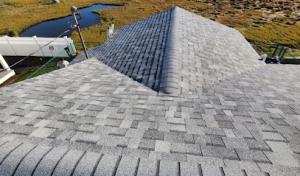
Clayton & Sons Construction
(603) 482-6750 www.claytonandsonsconstruction.com
14 Split Rock Dr, Rochester, New Hampshire
4.9 from 52 reviews
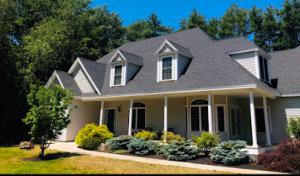
A.W Browns Contractor Services
(603) 247-8678 brownscontractorservices.com
Rochester, New Hampshire
5.0 from 25 reviews
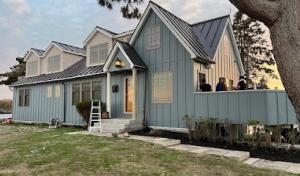
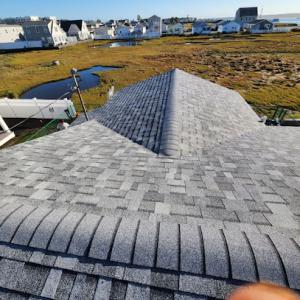
Clayton & Sons Construction
(603) 482-6750 www.claytonandsonsconstruction.com
14 Split Rock Dr, Rochester, New Hampshire
4.9 from 52 reviews
Clayton & Sons Construction provides roofing and siding installation and repairs in Strafford and Rockingham County, NH.
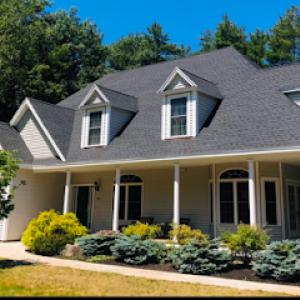
A.W Browns Contractor Services
(603) 247-8678 brownscontractorservices.com
Rochester, New Hampshire
5.0 from 25 reviews
WHY SHOULD YOU CHOOSE US? If you're searching for a dependable gutter, siding or roofing contractor, look no further than Browns Contractor Services. Homeowners in the Somersworth, NH area trust us to take care of their properties. We're known for our competitive pricing, and we even offer financing options for emergency services. If you're insured, we guarantee to beat any other company's pricing by 10%.
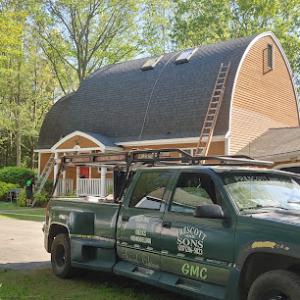
Prescott & Sons
(207) 206-5823 www.prescottbuilt.com
8 Phillips Ln, Rochester, New Hampshire
4.8 from 35 reviews
Prescott & Sons has provided exceptional general contractor services in lebanon, ME. Our objective is satisfying our customers by extending affordable, high quality and professional services to the next job since we know how good it feels to see your dream change into reality. The central point of our mission is providing an excellent client experience. We would like you to be happy with the workmanship and final product. Irrespective of your job type or size, Prescott & Sons can create a design, devise a strategy, and deliver amazing completed results.
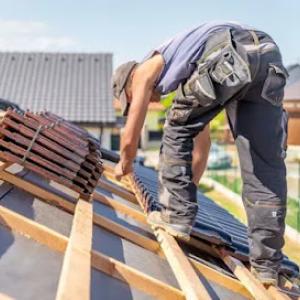
Rochester Roofing Company
109 Portland St, Rochester, New Hampshire
5.0 from 8 reviews
Established in 2012, Rochester Roofing Company has been a trusted name in Rochester, New Hampshire's residential and commercial roofing for over a decade. They specialize in providing high-quality roof repairs and replacements, ensuring the safety and integrity of your property.

New England Roofing
(603) 330-1970 www.bestroofingnh.com
20 Crown Point Rd, Rochester, New Hampshire
4.4 from 22 reviews
New England Roofing has worked hard to earn its reputation of impeccable honesty and integrity. Our pride in workmanship, fair business practice, superior customer services, and unsurpassed safety records are just a few reasons why New England Roofin
Armor Metal Roofing (Barrington NH)
(603) 964-7667 www.armormetalroofing.com
Serving
5.0 from 6 reviews
Strafford County New Hampshire’s Premier Metal Roofing Experts – Standing Seam & Aluminum Shingles Since 1986, our award-winning, family-owned business has been New Hampshire’s trusted leader in metal roofing installation. Specializing in standing seam metal roofs and aluminum metal shingles, we deliver long-lasting, energy-efficient roofing solutions tailored to withstand the Granite states harsh weather conditions. Voted “Best Roofing Contractor in 2024 from th Seacoast Media Group Community Choice Awards, we pride ourselves on exceptional craftsmanship and honest, transparent service. When you work with us, you deal directly with the owner—no sales commissions, no middlemen—just high-quality roofing from certified technicians. Call us!!
C.M.L Roofing & General Contracting
Serving
5.0 from 44 reviews
CML Roofing & General Contracting is a local roofing and exterior remodeling contractor serving New Hampshire, including the Seacoast (Dover & Portsmouth), Rochester, Wakefield, and nearby towns. We specialize in roof replacement and repair, skylights, siding, gutters, decks, windows, and doors. Our hard-working team brings decades of experience and backs your project with a 25-year workmanship warranty. With free, accurate quotes, financing options, and a focus on quality craftsmanship, we treat every home as if it were our own. Whether you need a minor roof leak repair or a full roof replacement, our local New Hampshire roofing company is here to help year-round.
Seacoast Roofing of NH
(603) 617-4829 www.seacoastroofingnh.com
Serving
4.7 from 87 reviews
Protecting Seacoast Homes (like yours) since 1987. With our Team of 21 Professionally Trained Installers we are known as... The "One-Day" Roofing Specialists. There is no magic, because we have learned how to perfect the art of Systems and training to offer Outstanding service. Because we install many roofs, we are able to charge less money for a complete Roofing System that will protect your home with Lifetime Warranty Architectural Shingles. Chances are great that we have already installed new roofing on many of the people you know - friends, coworkers, and family members refer us as the Local Roofing Experts. We are here for you, and appreciate the opportunity to earn your Business. Requesting a Free Roofing Proposal is Easy. Thank you
New Hampshire Roofing & Carpentry
Serving
5.0 from 5 reviews
30+ Years of Local, Dependable, Affordable Roofing! A Family run Company that you can count on for All Your ROOFING Needs. Call Today for a Free Estimate!
Mighty Dog Roofing of Southern New Hampshire
(603) 869-7087 www.mightydogroofing.com
Serving
4.8 from 24 reviews
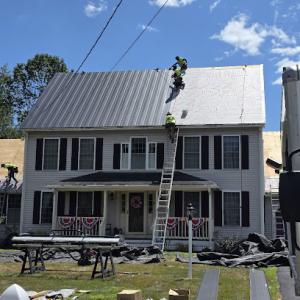
When it comes to your home’s exterior, Mighty Dog Roofing delivers top-of-the-line services matched with the neighborly customer care our clients have come to love. Our team of skilled experts will conduct a free, detailed inspection of your home, treating it as our own. Whether your home needs a simple repair or a full roof replacement, expect to receive the transparent guidance you deserve. Whatever the case, our team will work to meet your safety and budget needs. We take pride in operating with quality materials, hiring skilled roofers, and providing our customers with a high-quality experience. See for yourself; our reviews say it all. Schedule your free, home inspection today!
Murphy Roofing & Siding
(603) 750-0000 www.murphyroofing.net
Serving
4.9 from 58 reviews
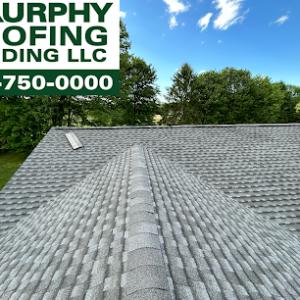
Murphy Roofing is a top-rated roofing contractor specializing in roof replacement, siding installation, and energy-efficient windows. We serve Southern and Seacoast New Hampshire, Southern Maine, and Northern Massachusetts—including Dover, Portsmouth, Rochester, Exeter, and surrounding areas. Most roofing projects are completed in just one day. We’re fully insured and committed to quality, offering a 15-year workmanship warranty on every job. Whether you need asphalt shingle roofing, vinyl siding, or new windows, Murphy Roofing delivers expert service, competitive pricing, and lasting results. Free estimates available.
Paragon Exteriors
(603) 393-1040 www.paragonexteriorsnh.com
Serving
5.0 from 32 reviews
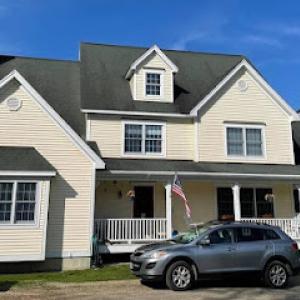
Paragon Exteriors is a trusted general contractor located in the beautiful Lakes Region, specializing in roofing, siding, and exterior repairs for both residential and commercial properties. With over 20 years of experience, our GAF-certified team is committed to quality craftsmanship and exceptional customer service. We tailor our solutions to meet your unique needs, ensuring your property is built to last. Our commitment to utilizing the finest materials and employing skilled professionals sets us apart in the industry. We believe in building lasting relationships with our clients through open communication and personalized service. Ready to elevate your home's exterior? Contact us today for a free estimate!
Asphalt shingles run roughly 350 to 700 USD per square, metal roofs 700 to 1200, clay tile 1000 to 1800, concrete tile 900 to 1500, wood shingles or shakes 600 to 1100, and slate from 1200 to 2600 per square. Those figures reflect the inland Seacoast climate Rochester faces, where long freeze-thaw cycles stress the roof and snowfall adds load that can reveal weak spots. When you choose higher-end materials, expect the incremental improvement in durability and wind resistance, but the upfront price can push multi-quote totals into the higher end of the ranges. Locally, your final material choice will shape not only the initial outlay but also long-term maintenance needs, especially under repeated winter cycles.
Rochester's workable roofing season is concentrated in late spring through early fall. Winter damage can create a spring backlog, so prices can rise as contractors juggle frozen egress, snow removal, and tighter schedules. If you're racing against thaw cycles or a late spring melt, timing becomes part of the cost equation. Proactively planning ahead, scheduling during shoulder months, and confirming a firm start window can reduce the risk of premium-demand rush charges. In practice, you may see shorter lead times for materials like asphalt and metal, with longer waits for clay or slate when winter wear has created urgent needs across town.
Costs shift when an older roof needs decking repair after snow, ice, or moisture intrusion. If the roof deck shows rot or damage, crews will replace sections before underlayment and finish materials go down, which can add a notable lift to the price. Flashing around chimneys or skylights often needs replacement if corrosion or cracking has occurred; this work can be necessary even on otherwise solid roofs and can swing the total 5-15% or more depending on complexity. In short, the local mix of ice dam risk, snow load, and aging homes means budgeting for decking and flashing repairs alongside the chosen roofing material.
Get a clear picture of your project costs upfront - no commitment required.
For a full reroof, a building permit is typically required to ensure that the work aligns with local codes and the region's harsh winter conditions. Patch repairs and minor roofing fixes may fall outside the permit scope, but when the project involves removing and replacing substantial sections or the entire roof, the permit process kicks in. The city's building department reviews these projects with an eye toward wind uplift, snow load, ventilation, and flashing transitions around chimneys, skylights, and vent pipe penetrations. If your plan includes changing roof pitch, venting configuration, or reworking eave and rake details to better handle icicles and ice dam risks, include those changes in your permit package. Keeping a detailed plan with roof type, underlayment, nailed fastener schedule, and flashing details helps the review go smoothly.
The final inspection occurs after the reroof is completed and all components are installed and ready for evaluation. In this inspection, the inspector checks that the roofing system is installed according to code and manufacturer specifications, with particular attention paid to proper flashing, ice dam mitigation measures, and venting integration. Because this area endures long freeze-thaw cycles and heavy seasonal snowfall, the inspector will look for backer board compatibility, proper kick-out flashing at walls and stacks, and the correct termination of shingles at roof-to-wall interfaces. The process is not just a formality; it confirms that the installation can withstand Rochester's corrosion from salt and moisture, as well as wind-driven rain during spring storms. Be prepared to show the final material list, scope of work, and any changes from the original plan.
Documentation of scope changes is especially important in this climate, where a misstep in flashing detail or ventilation can lead to repeated ice dam problems. If any adjustments were made during the project-such as changing ridge venting, adding or relocating drip edges, or modifying valley flashing-keep a clear record of approvals, contractor notes, and revised drawings. The final inspection will review these items, so having up-to-date documentation reduces the chance of a re-inspection or delays. Before the inspector arrives, perform a final walk-around to verify all penetrations are properly sealed, all flashing is secure, and snow guards or other protective installations are correctly installed if included in the plan.
Coordinate with your contractor to schedule a pre-inspection review a few days before the final inspection. Have gutters, downspouts, and any temporary coverings removed so the system can be assessed in its completed state. Ensure access to the attic is clear to inspect ventilation and insulation around the new roof deck. If there were any scope changes, assemble the updated plans and note revisions on-site to present to the inspector. A thorough, well-documented submission reduces questions and supports a timely final sign-off.
New Hampshire does not currently have a broad insurer pullback affecting homeowners here, unlike some higher-volatility states. That means most Rochester claims move through standard homeowners policies without the acute insurer retreat seen elsewhere. Understanding that backdrop helps you plan ahead: the goal is to protect your roof and your home without leaving coverage gaps exposed during winter storms or spring thaw.
Rochester experiences occasional wind and storm events more than a constant severe-claim environment. That pattern shapes how insurance conversations unfold after a damaging event. Wind-driven shingle lifting, hail impacts, or a stubborn ice dam can prompt a claim, but sustained, heavy-weather pressure is less typical than in coastal or urban centers with larger storm systems. This nuance matters when you're evaluating repair timelines and communication with your adjuster.
Because adjuster review is a realistic part of the local process, you should expect an on-site assessment after you file. The goal is to quantify damage, confirm the scope of repairs, and verify mitigation steps taken to prevent further leaks. Being prepared with clear documentation helps both you and the adjuster stay on the same page, reducing back-and-forth and keeping repairs on track.
Photograph exterior damage from multiple angles, especially areas showing missing shingles, lifted edges, or signs of ice dam activity. Inside, capture leaks or staining on ceilings and walls, as well as any attic moisture or condensation issues. If temporary mitigation is possible, such as tarping or diverting water away from the most vulnerable spots, document those efforts too. Clear, timely photos can be the easiest way to demonstrate the scope of work before a contractor steps in.
When the adjuster arrives, have your project notes ready, including dates of when you first noticed damage, related weather events, and any temporary fixes you implemented. A concise timeline helps the reviewer understand the sequence of events. After the inspection, expect a written scope of repairs and, if necessary, a path for supplemental documentation if new issues surface during the mitigation or initial repairs.
Connect with contractors who help homeowners navigate the claims process from damage assessment to final approval.
In Rochester, the contractor market shows strong emphasis on quick response and cleanup included, signaling that speed and control on the jobsite matter to homeowners facing freeze-thaw cycles and heavy snow. You'll find this baked into the local practice more often than specialized luxury focus, which aligns with practical, replacement-driven needs.
When you call in prospective roofers, prioritize clarity of scope, documented cleanup commitments, and a straightforward post-job inspection plan. Emergency and storm-focused operators may promise rapid arrival, but solid estimates, defined milestones, and follow-through on any incidental repairs matter just as much in a snow-heavy climate.
Look for firms that specify arrival windows, on-site supervision, and a written plan for protecting your home during winter weather. Ask how they handle debris containment, stair and ground protection, and how cleanup is verified at completion. A contractor that photographs progress and documents final checks tends to keep timelines honest.
Before work begins, confirm a tarping or temporary cover strategy for snow and ice, along with a clear sequence for shingle removal, disposal, and underlayment inspection. Request a single point of contact for weather-related adjustments and a concise notification process if a thaw or freeze event disrupts the schedule.
Because Rochester homes range from older New England builds to newer subdivisions, ensure the chosen firm can adapt to varying roof lines and attic ventilation needs. A locally experienced crew will anticipate common snow-load challenges, ice dam risks, and the value of a thorough post-installation inspection to confirm proper flashing and drainage.
Get a clear picture of your project costs upfront - no commitment required.
Solar-integrated roofing has appeared in the Rochester market, but it remains a niche option when compared with mainstream asphalt and metal reroofing. For homes with long freeze-thaw cycles and heavy snow loads, the combined approach of roof and solar needs careful alignment between panels, flashing, and the underlying deck. Expect emphasis on wind uplift and how the system interacts with existing ice dam risk. If you're considering solar shingles or solar-mitted metal panels, plan for a staggered installation approach that keeps long-term roof integrity in focus.
Tile and other specialty systems sit at a much higher cost tier and require installers who bring targeted experience. In this market, contractor prevalence is thinner than for standard residential reroofing, so finding a crew with proven success on snow-heavy roofs matters. When specialty options are pursued, compatibility with insulation, attic ventilation, and drip edge becomes a decisive factor in performance during winter storms. If a home has older framing or mixed roofing components, specialty systems demand extra attention to weight, attachment methods, and weather-tight flashing details.
Homeowners considering specialty systems should account for inspection scrutiny around flashing and installation quality because final review is part of the local process. Snow and ice can exploit gaps at chimneys, valleys, and skylight penetrations, so robust flashing integration and seam sealing are essential. Any deviation from standard roof-to-wall transitions or venting alignment can lead to accelerated wear from freeze-thaw cycles. Work with a contractor who can document every flashing detail and provide a clear plan for water management across seasons.
When evaluating options, weigh roof geometry, existing attic conditions, and your home's exposure to coastal-influenced weather. For many Rochester homes, conventional asphalt or metal replacements offer predictable performance under winter loads and permit a more straightforward installation timeline. If a solar or specialty route is appealing, request a thorough site assessment, a staged installation plan, and a transparent warranty discussion that addresses both the roof and any integrated energy components.
Find contractors who integrate solar panels or solar shingles into your roof for long-term energy savings.
Mighty Dog Roofing of Southern New Hampshire
(603) 869-7087 www.mightydogroofing.com
Serving
4.8 from 24 reviews