Last updated: Apr 19, 2026
South Portland sits right at the edge of Casco Bay, where coastal winds routinely punch harder than inland Maine. That exposure pushes on shingle edges, flashing, and ridge lines in ways that other towns away from the water simply don't see. A roof that looks sturdy from the street can present subtle weaknesses up close when wind rips along the shore, lifting and flexing edges and seams. You'll notice fasteners working loose, shingles curled at the edges, and flashing that looks tight but has tiny gaps that allow wind-driven rain to work its way under the roof system. South Portland homes often mix older coastal design with newer, energy-efficient builds, and those combinations can hide vulnerable detail work behind a fresh-looking surface. The practical implication: wind-driven stress isn't a single-season problem. It's a creeping wear pattern that accelerates edge deterioration and can undermine the integrity of ridge vents and snow guards if not addressed early.
The winter climate here compounds that wind stress with repeated freeze-thaw cycles. Snow melts on roof surfaces, often concentrated at the eaves where warmth from the attic leaks up into the roof deck. In coastal Maine, those eaves are exposed to gusts that drive cold moisture into shingles and underlayment at odd angles. The result is ice dams that back up meltwater and create slow leaks that sneak into soffits, fascia, and attic penetrations. On older homes with uneven attic temperatures, this pattern is magnified: some rooms stay drafty while others trap heat, creating inconsistent roof temperatures that encourage ice dam formation and persistent moisture intrusion. The danger isn't just a drip; it's the potential for water damage to roof decking, insulation, and interior walls around late winter into early spring. If a roof has a history of ice damming, that risk compounds with any wind-driven uplift, because dammed water can back up under shingles and cause edge delamination in spots that were already stressed.
Locally, the practical reroofing window runs from late spring through early fall. Winter snow load, spring moisture, and autumn wind all complicate tear-offs and dry-in. Asphalt and metal surfaces can cope with the shoulder seasons, but South Portland's blend of coastal moisture and wind gusts makes timing critical. Scheduling outside the late-fall to early-winter push minimizes the risk that a fresh roof is exposed to a harsh wind storm or rapid temperature swings before sealants and underlayment have a chance to cure properly. If a tear-off is attempted in the heart of winter, ice and snow complicate access, and drying-in becomes unreliable as the bay wind pushes moisture into the attic during the dry-in phase. A well-timed project also reduces the likelihood of early edge damage from wind while the roof is still exposed and vulnerable.
Start with a focused exterior inspection: check along the eaves for curled or missing shingles, pay close attention to the edges where flashing meets the fascia, and inspect ridge lines for any loose or shifting components. Observe attic temperatures during cold snaps: large temperature differences between spaces can signal uneven insulation that predisposes the roof to ice damming. If you detect consistent ice damting or suspect edge damage, prioritize a professional assessment that specifically evaluates wind-rated edge and flashing performance, ridge details, and the underlayment's condition. Plan ahead for a reroofing project during the late spring to early fall period, coordinating with a contractor who can guarantee proper ice-and-water shielding at eaves and around penetrations to withstand coastal wind and winter moisture. Finally, reinforce maintenance routines that keep gutters clear of blockages, ensure attic ventilation is balanced to prevent hot spots on the roof deck, and schedule pre-winter inspections to catch evolving vulnerabilities before the first major nor'easter. This approach reduces the chance of costly repairs from ice dams and wind-driven edge damage when the seasons shift.
Asphalt shingles and metal roofing are the two workhorse options you'll see most around Casco Bay. They align with the local contractor landscape, meaning you'll find skilled crews who can install and repair them efficiently, and you'll have dependable service networks for maintenance. Asphalt shingles are familiar, forgiving in variable winter conditions, and they pair well with a broad range of home styles common in older coastal neighborhoods and newer suburbs alike. Metal roofing, on the other hand, tends to hold up well against coastal wind and ice buildup, with the added benefit of lighter weight on older roof decks and the potential for longer service life when installed with proper underlayment and fasteners. In practice, these two options cover the majority of needs for South Portland homes facing frequent wind gusts, snow loads, and the thaw-freeze cycles that come with Maine winters.
Clay and concrete tiles do appear in the broader material mix, but they are less naturally aligned with Maine snow load and freeze-thaw conditions than lighter systems used on many local homes. If you're leaning toward tile for aesthetics or durability, plan for conservative slope and extra structural checkups to avoid problems with weight and movement during freeze cycles. Tiles can handle wind when properly installed, but they demand careful detailing around vent pipes, chimneys, and eaves to prevent wind-driven moisture intrusion. For most homes in this area, tile is a thoughtful design choice rather than a first-choice mainstream solution, unless your roof has the appropriate framing, pitch, and climate-control measures to manage typical Maine winter stress.
Wood shingles and shakes can fit coastal New England aesthetics, especially on homes with the character-rich curb appeal you often see near historic districts and harbor-adjacent streets. In practice, though, South Portland's salt air, wind-driven rain, and long winter wetting cycles increase the moisture exposure of wood products. If you choose wood, you'll want a high-quality moisture barrier, meticulous ventilation, and rigorous maintenance to prevent rot and warping. Regular treatments and prompt restoration of any grain splitting or surface wear become essential, particularly on roofs that face prevailing coastal winds. The payoff is authentic texture and a warm, traditional look, but the maintenance profile is higher and the risk from salt spray is nontrivial in exposed locations.
Coastal wind and winter ice stress mean selection should emphasize edge protection, secure fasteners, and robust underlayment. Asphalt shingles paired with a wind-rated, ice-dam-resistant system deliver dependable performance for most exposures around the Bay. If you opt for metal, ensure it's paired with a solid installation plan that includes proper panel laps, sealants, and attic ventilation to prevent condensation problems during long cold spells. For any wood option, plan for proactive moisture management and regular inspections, especially after winter thaws or heavy winds. In this climate, the best roof type is the one that couples proven coastal performance with a maintenance routine you can sustain year after year.
In this coastal town, the installation window is tightly tied to late spring through early fall. South Portland homeowners should expect local reroof pricing to move with seasonal demand because the workable installation window is concentrated from late spring into early fall. Weather windows are shorter than you'd think, with gaps around heavy spring snows and late fall freezes that can push crews into crowded calendars. Planning ahead for the shoulder months can help lock in a more favorable rate, but you'll still feel pressure during peak demand when crews are juggling multiple steep or complicated jobs. Expect cost shifts to track how many jobs are competing for the same slots, and be ready to move quickly once a lead time is available.
Coastal exposure drives more than just wind. For a South Portland roof, contractors may need upgraded fastening patterns, more robust flashing work, or added wind-resistance documentation for permit review. If your home sits on an exposed shoreline street or in a bluff-driven neighborhood, expect higher labor and material spend to address wind uplift potential and the extra ice-damming risks that come with harsh Maine winters. Asphalt shingles generally remain the most economical entry, but you'll see incremental cost increases when a project includes upgraded fasteners, additional ice-and-water shield at eaves, and continuous flashing around hips, valleys, and chimneys. Metal roofing can shoulder these stresses well, though it commands a higher upfront per-square price; the decision often hinges on how long you plan to stay and how aggressively you want wind resistance proven in writing for future insurance or resale.
Older South Portland housing stock can increase labor costs when tear-offs reveal deck repairs, ventilation corrections, or chimney and flashing work common in established neighborhoods. If a deck beneath the roof deck or a rotted eave edge surfaces during tear-off, expect crews to haul away debris, replace sputtering decking, or correct ventilation pathways that may have degraded over decades. These hidden costs don't always show up on the initial bid, but they become real once the roof comes off. In practice, that means the price per square foot might be lower on a straightforward cap-and-shingle job, and higher if the teardown reveals structural or ventilation needs that require careful coordination with existing attic layouts. It's not unusual for the project to balloon by a few hundred dollars per square if these issues arise, especially in older neighborhoods with complex rooflines.
Across common options, the installed costs you'll see in this market sit near the following ranges: Asphalt Shingles from roughly 350 to 650 USD per square, Metal Roofing from 700 to 1200 USD per square, Clay Tile from 1000 to 1800 USD per square, Concrete Tile from 900 to 1500 USD per square, Wood Shingles/Shakes from 700 to 1100 USD per square, and Synthetic/Composite Shingles from 500 to 900 USD per square. For coastal properties, more robust flashing and wind-resistant detailing can push you toward higher ends within these bands. In some cases, a higher upfront cost yields better long-term resilience and fewer callbacks after a nor'easter, which can matter in this climate. When requesting bids, ask for a clear breakdown: roofing material, fasteners, flashing, underlayment, ventilation checks, and any extra work tied to existing deck or chimney conditions.
C.M.L Roofing & General Contracting
145 Sawyer St, South Portland, Maine
4.9 from 221 reviews
CML Roofing & General Contracting is a local roofing and exterior remodeling contractor serving Southern Maine, including Portland, Falmouth, Cape Elizabeth, Westbrook, and nearby towns. We specialize in roof replacement and repair, skylights, siding, gutters, decks, windows, and doors. Our hard-working team brings decades of experience and backs your project with a 25-year workmanship warranty. With free, accurate quotes, financing options, and a focus on quality craftsmanship, we treat every home as if it were our own. Whether you need a minor roof leak repair or a full roof replacement, our local roofing company is here to help year-round.
Horch Roofing
(207) 223-7022 horchroofing.com
184 Main St, South Portland, Maine
4.9 from 168 reviews
Horch Roofing is a trusted provider of residential and commercial roof replacement, installation, and maintenance, as well as skilled gutter cleaning and installation. Whether you want rubber, asphalt, or metal roofing, we're the go-to choice. Since 2003, we've been ensuring properties in Falmouth, South Portland, Brunswick, Scarborough, Bath, Cumberland County, Freeport, Portland, Cape Elizabeth, and the area have the highest quality roofing. With our team of vetted roofing contractors and installers, you'll protect your home or business for many years to come and even improve its value. We're competent, efficient, and committed to providing you with eco-friendly services that will not only meet but also exceed your expectations.
James & Whitney
(207) 869-5062 jameswhitneyco.com
800 Main St, South Portland, Maine
4.9 from 141 reviews
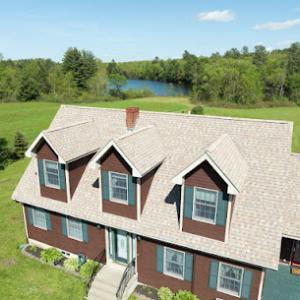
James & Whitney, Maine’s trusted exterior specialists since 2008, proudly serves homeowners with expert roofing, siding, and gutter installations. Our dedicated team is committed to clear communication, innovative solutions, and delivering results that exceed expectations. We provide seamless service at every phase of your project—from the initial consultation to final installation—ensuring an exceptional experience and lasting quality.
HRM Roofing & Construction Company
(207) 776-9844 www.hrmroofingcompany.com
753 Main St, South Portland, Maine
5.0 from 34 reviews
HRM Roofing is here to assist with all your roofing needs. Our roofing contractors in Portland, ME, ensure quick and efficient service delivery within the city. Make a note of our location and reach out to us for reliable and professional roofing services.
David J. Deschaine Roofing
(207) 774-9200 www.theroofjob.com
Serving
4.8 from 70 reviews
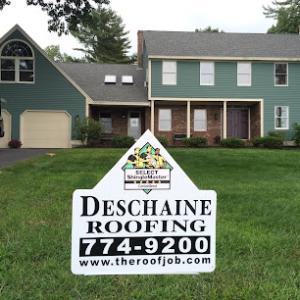
David Deschaine Roofing offers professional roof replacement & roof repair services for both residential & light commercial properties in Southern Maine. We also install vinyl siding, replacement windows and seamless gutters. Our installation crews will get you new roof or siding installed quickly and professional to help make your home look beautiful. We are fully insured and have thousands of references of happy customers. Call Us Today For A Free Estimate or go to our website and schedule you appointment online.
E.W. Cole Home Improvements
(207) 415-8289 www.ewcolehomeimprovements.com
Serving
5.0 from 9 reviews
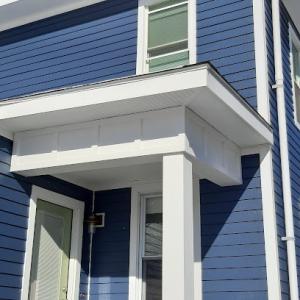
E.W. Cole Home Improvements is a general contractor specializing in roofing and siding installations in the Greater Portland, ME area. We install all types of roofing - metal roofing, shingle roofing, rubber roofing, as well as all types of siding - vinyl siding, cedar siding, fiber cement siding, etc. We also provide our customers with services that include door & window installation, deck & railing installation, roof inspections, and roof repairs, as well as many other contracting services. Contact us today to schedule an appointment.

A&J Construction
(207) 423-8797 aj-constructionme.com
Serving
5.0 from 31 reviews
Need trusted roofing help for your home or business? We offer fast and reliable roof repair and replacement. As a leading roofing contractor in Portland ME, we handle all types of roofing problems. From storm damage to leaks, we fix it all with care. A and J Construction takes pride in delivering quality work at fair prices. Our team works with shingles, metal, flat roofs, and more. We make sure your roof is strong and safe. Whether you need a small repair or full roof replacement, we are ready to help. Many homeowners and businesses choose us for lasting results. We also work with top construction contractors in Portland ME to complete every job the right way. Call now and schedule your free estimate with our team.

B's Roofing & Construction
(207) 502-0513 bsroofingandconstructionllc.com
89 Bonnybank Terrace, South Portland, Maine
5.0 from 1 review
We specialize in all roofing areas. Whether its a new construction build, roof replacement, or a repair WE GOT YOU COVERED.
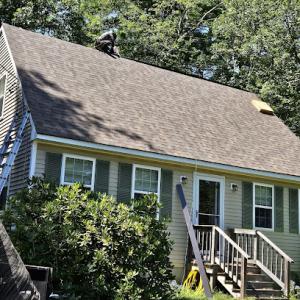
Superior Roofing
(207) 702-7663 superiorroofingofmaine.com
Serving
4.9 from 792 reviews
The crew at Superior Roofing provides reliable roofing solutions for homes and businesses. We work with shingle, rubber, and asphalt roll roofs, offering quality installations and long-lasting repairs. Whether you need a new roof for a construction project or a reroofing service to replace an aging system, we have the skills to handle it. If you're looking for a roofing contractor Windham, our team is ready to get the job done efficiently. No matter your roofing needs, we focus on delivering dependable service. Contact Superior Roofing today to schedule an appointment or get a quote!
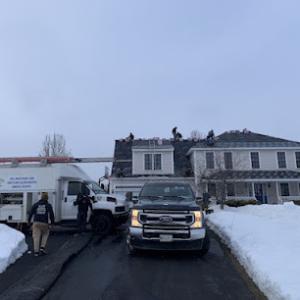
M & Son Construction. Residential & commercial
(207) 956-1528 www.mandsonconstruction.com
Serving
4.8 from 72 reviews
M and Son Construction. Commercial and residential is a Contractor located in Portland, ME. We offer Roofing, Residential Roofing, Commercial Roofing, Metal Roofing, Siding, Windows, Framing, Doors, Interior Renovations, Exterior Renovations, Masonry, Decks, Commercial Services, Residential Services, Interior Painting, Exterior Painting, and other Contractor Services. We have a large, ready to work, crew! When we work for you, you are not only a customer but a friend. Call us now

Mandette Roofing Plus
(207) 292-5555 www.mandetteroofing.com
Serving
4.9 from 70 reviews
Mandette Roofing Contractor. Roofing and Siding expertise in Portland ME and Nearby Cities. With over 20 years of combined experience in the roofing industry, Amanda and Eli founded Mandette to provide homeowners with the peace of mind they deserve. They understand that a roof is more than just shingles and nails - it's about protecting what matters most to you. That's why their team is dedicated to delivering exceptional client experiences and lasting results. We assist with insurance claims by performing repairs or replacements as specified by your insurance company. Our team will guide you through each step of the claims process and work directly with your insurance adjuster to ensure you receive the coverage you need for storm damage.
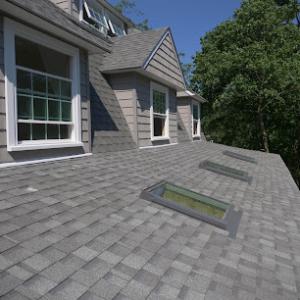
Southers Construction
(603) 506-4367 www.southersconstruction.com
Serving
4.8 from 68 reviews
At Southers Construction, we focus on providing quality roofing, siding, window, deck, and door work for residents in and around Southern Maine, New Hampshire and Northern Massachusetts. Our services cover maintenance, repairs, and installations for all properties, residential or commercial. Our local and talented team of experts are here to help, providing free estimates that give you detailed information about your home. Call or contact us online today for your free estimate!
In this area, a full roof replacement is not something to handle informally through the contractor alone. A permit through the City of South Portland Building Department is required for a complete roof replacement. This ensures that the project complies with local codes, safety standards, and neighborhood wind-resistance expectations. When planning, expect that the city will want to see more than just a completed roof; the review often hinges on how the new roof will perform under coastal winds and winter ice conditions.
Coastal exposure and winter weather stress make wind-resistance and structural compatibility particularly important in this city. The Building Department may request wind-resistance specifications or structural notes depending on the chosen roofing method and material, especially for heavier options. If an engineered truss or upgraded fastener schedule is proposed, have those calculations ready. For homes with existing weaker framing or limited attic ventilation, the inspector may focus on reinforcement details to ensure long-term performance against ice damming and wind uplift. Provide clear documentation from your roofer on the roof's attachment method, underlayment, and any venting or attic insulation improvements tied to the replacement.
A typical project will move through city review and permit issuance in a window that you should plan for, roughly one to two weeks before work begins. Once the permit is issued, the city will expect inspections at key stages. The rough-in inspection generally occurs after the roof deck and underlayment are installed but before shingles or other final coverings go on. This allows the inspector to verify deck integrity, underlayment quality, and flashings are correctly installed in ways that resist wind-driven moisture and ice buildup. A final inspection is conducted after the roofing material is installed and any penetrations, vents, or pipe-flashings are sealed and weather-tight. Scheduling these inspections promptly helps avoid delays that can stretch into the seasonal window for reroofing.
Coordinate with your contractor to submit all required documentation early, including wind-resistance notes or structural details when applicable. Have a concise summary ready of the roof framing, any upgrade work to trusses or joists, and the planned drainage and ventilation improvements. If the project involves heavier materials, be prepared for additional notes or requirements from the inspector about fastener types or sealants designed for cold, windy conditions. On coastal homes, confirm that the permit package explicitly addresses wind exposure considerations and any local snow-load expectations, so the city can review with these realities in mind. Communicate openly with the roofer about scheduling the rough-in and final inspections to align with the project's concrete milestones.
In Maine, standard dwelling policies commonly cover roof replacement when damage is caused by a covered event, but South Portland homeowners should expect insurers to ask for roof age, prior claims, and detailed photo documentation. The more you can show the insurer about the roof's condition before a storm, the more smoothly the claim tends to move. When a claim is filed, an adjuster will look for a plausible link between the event and the damage, not just a general "wear and tear" assessment. Being ready with a clear timeline of maintenance, previous repairs, and any prior leaks can help anchor your claim in reality rather than dispute.
Because South Portland faces both winter weather and coastal wind exposure, claim timing and scope can be influenced by whether damage is tied to a single storm event or to long-term wear. A single high-wind, ice-laden day can create immediate, visible failures, while frequent nor'easters over a season may lead to cumulative damage that complicates coverage. If a roof fails after a stretch of winter weather, insurers may scrutinize whether the failure was sudden and storm-driven or the result of progressive deterioration. Anticipate potential gaps between weather events and the time insurance needs to review the claim in detail.
Documentation is especially important locally when leaks appear after wind-driven rain, snow, or ice events, since insurers may closely review underlayment and maintenance history. Take comprehensive photos from multiple angles, including eaves, flashing, and penetrations, both before and after any visible wind event if possible. Keep a dated record of any interior moisture, stains, or attic condensation, and note any attic ventilation checks or missing shingles observed during routine inspections. If a windstorm or ice dam contributes to damage, provide evidence of how long the issue has been developing and where water infiltration first appears. A meticulous file reduces ambiguity and strengthens a claim's credibility.
Connect with contractors who help homeowners navigate the claims process from damage assessment to final approval.
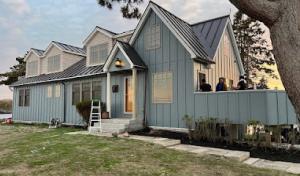
C.M.L Roofing & General Contracting
145 Sawyer St, South Portland, Maine
4.9 from 221 reviews

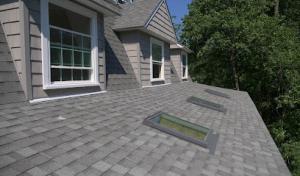
South Portland's older homes often feature chimneys that create flashing complexity and are a recurring source of leak calls in the local contractor market. When inspecting or planning repairs, pay close attention to the transition from chimney to roof deck, where step flashing meets counter flashing and where the chimney chase penetrates the roof plane. Common failure points include crown and mortar deterioration, cracked sealants at the chimney base, and improper integration with adjacent shingles or metal flashing. A practical approach is to verify that flashing arms extend well onto the chimney and into clean, dry mortar joints, and to test for moisture intrusion around the chase during a mid-winter thaw. If a chimney is near a valley or roof-to-roof intersection, prioritize reinforcing the flashing with compatible metal and ensuring proper apron flashing at the base to shed ice and water during freeze-thaw cycles.
Skylight work is a meaningful specialty locally, suggesting homeowners in South Portland frequently need repairs where coastal rain and winter ice stress curb and flashing details. When a skylight is involved, treat it as a two-part system: the curb flashed to the roof and the glazing unit itself. Look for signs of moisture around the skylight flange, notably overhangs where wind-driven spray meets the sealant. In coastal climates, silicone-based sealants with UV resistance and long-term elasticity are preferable, and the curb should be sealed with a continuous bead of exterior sealant that bridges the transition from curb to roofing. Check for degraded shingle-to-skylight flashing and ensure any penetrations through the curb are properly sealed with gaskets or flashing boots designed for roof penetrations.
Leak diagnosis in this market often centers on transitions and penetrations rather than just field shingles, especially after wind events or freeze-thaw movement. After a storm or rapid temperature swing, inspect around all penetrations: vents, plumbing stacks, skylights, and chimney bases. Leaks frequently travel along deck joints and misaligned flashings, appearing several feet away from the actual intrusion point. A practical diagnostic approach is to trace water trails from the interior up to the highest suspect transition, then test each flashing seam with light air pressure or a gentle water spray while watching from the attic or crawlspace. Prioritize resealing and resealing strategies that maintain a continuous, waterproof path across transitions, and replace degraded counter flashing where it taps into older roof materials.
Find contractors experienced in skylight installation, flashing, and leak repairs to bring natural light into your home.
C.M.L Roofing & General Contracting
145 Sawyer St, South Portland, Maine
4.9 from 221 reviews
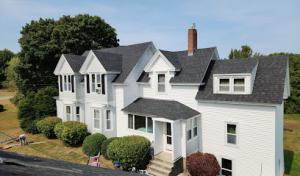
Horch Roofing
(207) 223-7022 horchroofing.com
184 Main St, South Portland, Maine
4.9 from 168 reviews
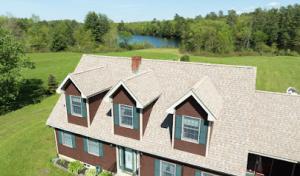
James & Whitney
(207) 869-5062 jameswhitneyco.com
800 Main St, South Portland, Maine
4.9 from 141 reviews
While steep-slope reroofing dominates locally, some South Portland homes and mixed residential-commercial properties include low-slope sections over porches, additions, or attached spaces. These areas sit in the wind zone near Casco Bay and endure cold winters and spring thaw exposures that are unique to this coast. Drainage and seam integrity matter more than on standard pitched roofs, because water and melt runoff can back up along seams and flashings during rapid thaw cycles and coastal rain events.
Low-slope and flat sections in additions require careful attention to crawl lines and drainage paths. Consider a roofing assembly that prioritizes reliable seam sealing, redundant drainage, and slope transitions that direct water toward gutters or scuppers without creating ponding. For South Portland's mixed stock, be prepared for a broader selection of materials used in low-slope applications, with emphasis on products known for good seal performance and wind resistance. Compatibility with the existing roof system is critical: ensure flashings blend with the main roof, and that penetrations through the low-slope area are treated with robust sealing details to withstand winter ice buildup and wind-driven spray.
Spring thaw is the time to inspect low-slope sections for seam lift, nail pop, and flashing integrity. After heavy coastal rain, check for unusual ponding or slow drainage across porch roofs and add or rework scuppers if needed. In winter, monitor for ice dams forming along transitions between higher and lower roof planes; proactive insulation and ventilation balance across the entire roof assembly helps manage this risk. Regular, targeted inspections can prevent minor issues from escalating under coastal winter stress.
South Portland's mix of residential and commercial roofing activity means some contractors do handle flat or low-slope systems, but it is a smaller specialty than mainstream reroofing. When choosing a contractor, verify experience with low-slope assemblies, ask for examples from similar additions, and confirm workmanship warranties cover seam and flashing performance under coastal conditions. A knowledgeable local roofer can tailor details to your specific porch or addition, ensuring a durable, weather-tight result.
Find specialists in TPO, EPDM, and built-up flat roofing systems for residential and commercial properties.