
Last updated: Apr 19, 2026
Dover's cold winters regularly bring snow followed by thawing and refreezing, a pattern that can open shingle seals and expose flashing details to repeated movement. That repeated cycling is more than a nuisance-it can loosen tabs, lift edges, and widen small gaps where water can penetrate. When the wind carries a nor'easter along the coast, those marginal points become pressure points, driving moisture deeper into the roof system than a simple rain event would. The consequence is a roof that looks sound from the ground but hides a fragile core that cannot withstand a single additional freeze.
Many homes in this area are older New England structures where aging roof decks, chimneys, and wall intersections make winter leak paths more likely than on simpler newer roofs. The deck boards may have warped, nails may have loosened, and through-roof joints can drift over time. Flashing around chimneys and vents tends to develop micro-movements with each freeze-thaw cycle, creating tiny pathways that become channels when spring rain arrives. In short, what seems like a small crack or a loose shingle today can become a full-on leak after a day of sleet and sun.
Because Dover also sees regular precipitation outside winter, small winter failures often show up again during spring rains before homeowners realize the roof system was compromised. A light drizzle can reveal drips at joints you barely noticed in December. A mid-Matinee shower may chase water along the fascia and into attic spaces where insulation sits snugly against a cold roof deck. The telltale signs aren't always dramatic-a damp spot on the ceiling, a musty odor in an attic, or stained soffits-but they are warning flags that the sealants and flashing have already given way to winter's stress.
Start with a careful, ground-level scan for lifted shingles, especially along edges and near chimneys. Look for dark, damp patches in the attic that follow a line from roof penetrations; these are classic signs of sealant failure. If any shingle tabs are loose, or if flashing seems to have pulled away from vents or the chimney, address it promptly with targeted sealing and, where necessary, flashing replacement. Keep gutters clear and ensure downspouts drain away from the foundation to prevent standing water from wicking back under roof edges during the thaw period. Schedule a professional inspection after a thaw-to-rain cycle so you can see how the roof behaves under real weather stress and catch problems before they escalate.
Spring to fall is the preferred window for a roof replacement in this area. Winter snow and the repeated freeze-thaw cycles make tear-offs and sealing more challenging, slowing progress and increasing the chance of ice dam issues during the job. Planning a project for the shoulder seasons-when temperatures are moderating and crews can work consistently-helps keep materials from becoming brittle and ensures asphalt shingles, metal, or other roof systems can seal properly without the looming threat of a deeper freeze. In practice, a mid-season schedule often means clearer access to the roof, safer working conditions on ladders and scaffolding, and fewer interruptions from rapidly shifting weather.
Heavy spring rains and the spring snowmelt in this region can push projects back even after the crew has begun. Moisture on decking is not uncommon once old roofing is removed, and hidden rot or moisture buildup can become evident only after lift-off. That moisture can slow staging, complicate temporary protection, and require additional drying time before new underlayment and shingles can be installed. Because of that, it is wise to build a little extra buffer into the schedule for decking checks and potential repairs. In practice, you may find yourself needing to adjust timelines once the old roof is off and the attic is ventilated, so factor in a contingency plan with your contractor.
Fall nor'easters are a real planning issue where storms can pop up with little warning and bring gusty winds and driving rain. If a project drags toward late autumn, weather interruptions become more likely, potentially leaving a roof only partly finished as winter approaches. Homeowners who wait too long risk not getting the job fully wrapped before storms threaten to complicate the finish and cause additional wear on exposed components. Early to mid-fall is often the sweet spot: enough daylight, cooler temperatures for sealants and underlayment, and a better chance to complete the work before the first round of winter winds.
Get a clear picture of your project costs upfront - no commitment required.
Murphy Roofing & Siding
(603) 750-0000 www.murphyroofing.net
15 Morgan Way, Dover, New Hampshire
4.9 from 58 reviews
Seacoast Roofing of NH
(603) 617-4829 www.seacoastroofingnh.com
18 Richmond St, Dover, New Hampshire
4.7 from 87 reviews
Mighty Dog Roofing of Southern New Hampshire
(603) 869-7087 www.mightydogroofing.com
104 Washington St #136, Dover, New Hampshire
4.8 from 24 reviews
Murphy Roofing & Siding
(603) 750-0000 www.murphyroofing.net
15 Morgan Way, Dover, New Hampshire
4.9 from 58 reviews
Murphy Roofing is a top-rated roofing contractor specializing in roof replacement, siding installation, and energy-efficient windows. We serve Southern and Seacoast New Hampshire, Southern Maine, and Northern Massachusetts—including Dover, Portsmouth, Rochester, Exeter, and surrounding areas. Most roofing projects are completed in just one day. We’re fully insured and committed to quality, offering a 15-year workmanship warranty on every job. Whether you need asphalt shingle roofing, vinyl siding, or new windows, Murphy Roofing delivers expert service, competitive pricing, and lasting results. Free estimates available.
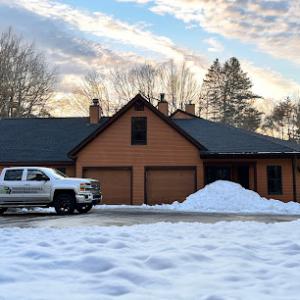
Professional Roofing Company
(603) 749-8998 www.bemyroofer.com
44Q, Dover Point Rd, Dover, NH
4.9 from 56 reviews
No need to continue patching your roof when you can ensure the life of a new roof with our 50-yr Warranty. If you value things like quality, craftsmanship, respect, professionalism, information, and that win-win feeling you get in a fair deal when you got what you paid for, then Professional Roofing looks forward to earning your trust and your business. We offer residential and commercial asphalt, rubber membrane, solar skylights and chimney removal/repair.
Seacoast Roofing of NH
(603) 617-4829 www.seacoastroofingnh.com
18 Richmond St, Dover, New Hampshire
4.7 from 87 reviews
Protecting Seacoast Homes (like yours) since 1987. With our Team of 21 Professionally Trained Installers we are known as... The "One-Day" Roofing Specialists. There is no magic, because we have learned how to perfect the art of Systems and training to offer Outstanding service. Because we install many roofs, we are able to charge less money for a complete Roofing System that will protect your home with Lifetime Warranty Architectural Shingles. Chances are great that we have already installed new roofing on many of the people you know - friends, coworkers, and family members refer us as the Local Roofing Experts. We are here for you, and appreciate the opportunity to earn your Business. Requesting a Free Roofing Proposal is Easy. Thank you
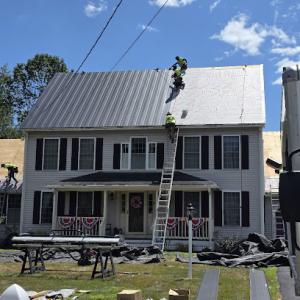
Mighty Dog Roofing of Southern New Hampshire
(603) 869-7087 www.mightydogroofing.com
104 Washington St #136, Dover, New Hampshire
4.8 from 24 reviews
When it comes to your home’s exterior, Mighty Dog Roofing delivers top-of-the-line services matched with the neighborly customer care our clients have come to love. Our team of skilled experts will conduct a free, detailed inspection of your home, treating it as our own. Whether your home needs a simple repair or a full roof replacement, expect to receive the transparent guidance you deserve. Whatever the case, our team will work to meet your safety and budget needs. We take pride in operating with quality materials, hiring skilled roofers, and providing our customers with a high-quality experience. See for yourself; our reviews say it all. Schedule your free, home inspection today!
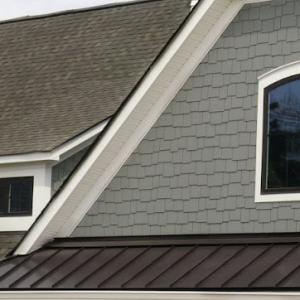
Scout Roof Rescue
(603) 420-9071 roofrescuerepair.net
11 Gage St, Dover, New Hampshire
4.6 from 9 reviews
Scout Roof Rescue is a roof rejuvenation and repair company located and serving the Seacoast NH areas. We specialize in providing comprehensive roof repairs, replacement, and maintenance services, ensuring the longevity and durability of your roof throughout its entire lifespan. Whether you require minor repairs, routine maintenance, lichen removal, roof rejuvenation, thorough cleaning, or a complete roof replacement, Scout Roof Rescue has the expertise and resources to handle it all. Our services cater to both residential and commercial properties. Call us to schedule a consultation and experience our top-notch craftsmanship and customer care!
Mainely Roofing
(207) 351-7663 www.mainelyroofing.com
Serving
5.0 from 16 reviews
MAINELY ROOFING takes pride in its quality, efficiency, customer service and communication. Contact us for all roof repair or installation needs!
Signature Roofing
(603) 319-6125 www.signatureroofingco.com
Serving
5.0 from 74 reviews
Your roof is our business! Fast, reliable, roofing solutions!! Signature Roofing provides roofing services to residential and commercial customers throughout coastal Maine, New Hampshire, and Massachusetts. New roofs, roof repair, and roof replacement, Signature Roofing specializes in all types of roofing.
Clayton & Sons Construction
(603) 482-6750 www.claytonandsonsconstruction.com
Serving
4.9 from 52 reviews
Clayton & Sons Construction provides roofing and siding installation and repairs in Strafford and Rockingham County, NH.
Shoreline Renovations
(603) 957-1279 shorelinerenovationllc.com
Serving
4.8 from 17 reviews
Shoreline Renovations offers expert roofing services for residential and commercial properties. From cutting-edge installations to meticulous repairs, we prioritize quality, innovation, and customer satisfaction. Our skilled team ensures durable, high-performance roofing systems using advanced techniques and top-quality materials. With comprehensive inspections, proactive maintenance, and 24/7 emergency services, we safeguard your property year-round. Trust Shoreline Renovations for unparalleled craftsmanship, reliability, and peace of mind. Contact us today for a consultation.
A.W Browns Contractor Services
(603) 247-8678 brownscontractorservices.com
Serving
5.0 from 25 reviews
WHY SHOULD YOU CHOOSE US? If you're searching for a dependable gutter, siding or roofing contractor, look no further than Browns Contractor Services. Homeowners in the Somersworth, NH area trust us to take care of their properties. We're known for our competitive pricing, and we even offer financing options for emergency services. If you're insured, we guarantee to beat any other company's pricing by 10%.
United Home Experts
(603) 314-8800 unitedhomeexperts.com
Serving
4.8 from 65 reviews
We are an exterior home and building improvement company, grounded by great people that love the craft. Our niche is long-term, low-maintenance roofing, siding, windows, doors and painting solutions. We’re changing the face and reputation of the home improvement industry by uniting top quality products, 25+ years of experience on New England homes, innovative technology and some of the most talented and kind people on earth. Founded in 1998, we are family owned and professionally operated, servicing Southern New Hampshire, Massachusetts, Rhode Island, and Northern Connecticut. Our passion is creating a company people love to work for and customers are proud to refer.
James & Whitney
(603) 828-4457 jameswhitneyco.com
Serving
5.0 from 73 reviews
James & Whitney is Portsmouth's trusted roofing and exterior company, proudly serving the Seacoast NH region. We specialize in roofing services, including roof repairs, replacements, and inspections, as well as exterior solutions like siding and gutters. Our expert team is dedicated to protecting and enhancing your home with durable, high-quality materials and superior craftsmanship. Whether it’s fixing a leaky roof, upgrading your siding, or ensuring your gutters are functioning properly, James & Whitney delivers results you can trust. Serving homeowners and businesses throughout Portsmouth and the Seacoast, we’re committed to exceptional service and customer satisfaction.
Asphalt shingles are common in this area because they fit the city's large stock of traditional residential homes and offer the lowest entry cost among the dominant materials used locally. In the winter, freeze-thaw cycles stress the roofing system, so regular maintenance of field shingles and careful attention to flashing around chimneys, vents, and skylights matters more here than in milder regions. A well-seamed, properly vented asphalt roof helps reduce heat buildup in attic spaces, which in turn lowers the risk of ice damming along eaves during late-season thaws. If a roof is already showing hairline cracks or curling edges on older homes, a targeted repair or shingle replacement around problem bays can prevent leaks before a winter storm arrives. For new installs or major repairs, choose architectural or upgraded 30-year shingles with a thicker nailing area and better wind resistance to stand up to local Nor'easter winds.
Metal is especially relevant in a snow-prone climate because it handles winter weather differently than asphalt, shedding snow more predictably and resisting impact from freeze-thaw cycles. In this climate, metal roofs can offer excellent longevity, but the detailing around penetrations, edges, and transitions remains critical in windy storms. Plan for continuous, high-quality underlayment and precise flashing at valleys and junctions to control moisture intrusion during stormier seasons. Seams and fasteners deserve extra attention in midwinter wind events, since loose fasteners or compromised seals can become leak paths quickly after a heavy gust. A well-installed metal roof also benefits from robust ventilation in the attic to keep the deck cold and reduce condensation. If full replacement is planned, metal offers a lightweight option with potential long-term savings on maintenance, but the initial installation requires meticulous workmanship to navigate unique local wind patterns and roof geometries common on older homes.
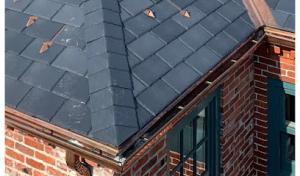
Slate, copper, clay tile, and synthetic products appear in Dover's mix partly because the city includes older and more architecturally varied homes than many inland New Hampshire communities. Slate and clay tile bring a refined look and strong durability, yet they demand careful structural assessment. Older houses may need additional roof framing to carry the weight, and underlayment choices should be matched to the local freeze-thaw exposure to prevent delamination. Copper and other metal accents can provide long-lasting curb appeal and resilience at critical edges, but flashing detail around dormers, chimneys, and transitions remains a top priority during installation. Synthetic shingles and composites offer a lighter-weight alternative that mimics traditional materials while simplifying installation at complex geometry. When selecting these options, verify compatibility with existing roof deck and ensure that the fasteners and sealants are rated for colder climates and wind-driven rain. Regardless of material, prioritize a balanced system: solid deck integrity, high-quality underlayment, proper ventilation, and meticulous sealing at penetrations to minimize the risk of leaks driven by freeze-thaw cycles and winter storms.
Dover blends straightforward suburban roofs with older homes that feature chimneys, dormers, and more elaborate flashing details. That mix drives labor time up because crews must tailor flashing, step-flashing around chimneys, and roof-to-wall transitions on uneven, older framing. In practical terms, a simple, gable-only roof will cost noticeably less per square than a roof with multiple penetrations, valley work, and complex edge treatments. The presence of dormers often means you're paying for additional roofing surfaces, flashing around knee walls, and careful integration with soffits and ventilation. The result is a broader price range within a single neighborhood block, and a need to plan for contingencies when the roof line includes chimneys or skylights.
Seasonal patterns strongly influence cost and scheduling in this area. After nor'easters and winter damage, contractor availability tightens, and you'll see tighter windows for materials delivery, inspection, and crew mobilization. The main spring-through-fall window can fill quickly, especially after storms that stress older homes already dealing with wear on flashing and ventilation. If your project hits this peak period, expect higher demand-driven prices and a potential premium for expedited service or after-hours work to keep your project on track. Proactively budgeting for a spring start, with a contingency for a faster-than-expected program due to weather setbacks, helps prevent delays from pricing shocks or backlogs.
Higher-end materials like slate and copper are not just vanity options; in older neighborhoods with historically appropriate replacements, they can be the most practical long-term choice. Slate offers durability against freeze-thaw cycles, while copper flashing and accents resist heavy winter moisture and coastal salt exposure. Dover homes with premium needs will see material costs that reflect not only the initial price per square but also longer lead times for specialty products and specialized installation skills. If the home features multiple dormers or a distinctive cornice line, premium materials may be the most cost-effective path over the life of the roof, avoiding frequent replacements that fail to blend with the original architectural language.
Labor time in this market scales with roof complexity and the condition of aging components. Expect more hours for thorough attic ventilation assessments, sealing of cold roofs, and meticulous flashing around chimneys and dormers. A crew's ability to work efficiently on older framing without creating cold-weather damage risk hinges on careful staging, weather windows, and the coordination of multiple trades when necessary. When budgeting, allocate a higher per-square cost for complex details and potential rework on flashings or ridge caps. In Dover, the right crew respects both material integrity and the house's character, delivering a durable result that suits landmark features and modern performance alike.
Don't let upfront costs delay a critical repair - these contractors offer payment plans to fit your budget.
A.W Browns Contractor Services
(603) 247-8678 brownscontractorservices.com
Serving
5.0 from 25 reviews
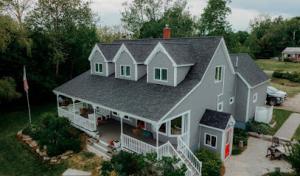
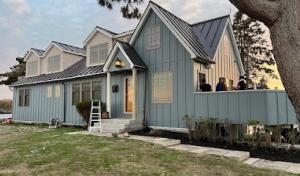
A full re-roof in Dover typically requires a permit filed with the city building department rather than being treated as a no-paperwork project. That means you'll need to pull the appropriate permit before any tear-off begins, and the project may face scrutiny from multiple angles beyond the contractor's word. The process isn't just a formality; failing to secure a permit can lead to fines, stop-work orders, or a requirement to undo work if a later inspection uncovers gaps in documentation or compliance. Expect the application to call out details such as the proposed underlayment, ventilation strategy, and flashing approach, not merely the surface shingles.
Dover inspections are commonly scheduled during and after the job, with attention to underlayment, ventilation, and flashing rather than only the finished shingle surface. A typical sequence involves an initial inspection during the tear-off or early deck preparation, a mid-project check to verify ventilation and attic conditions, and a final review after installation to confirm the roofing system is sealed and weather-ready. The inspector will look closely at how gutters and drip edge are installed, how roof penetrations like vents and skylights are flashed, and whether proper attic ventilation is in place to prevent future ice damming and moisture buildup. Prepare to show continuity between the roof assembly and the house's existing moisture controls, since mismatches can trigger a second visit or corrective work.
Some Dover neighborhoods may add HOA or local review constraints, so permit submissions may need supporting notes beyond the basic roofing scope. That can include details about attic ventilation calculations, ridge vent placement, or frost-proofing measures for areas prone to freeze-thaw cycles. Because the inland Seacoast climate pushes harsh winters and strong winds, the documentation you provide should emphasize how the chosen materials and flashing choices address those local conditions. If an HOA is involved, check their exact submission requirements early, and be prepared to adjust the plan to satisfy both city and neighborhood expectations. Missing or inconsistent notes can slow the permit process and push the project schedule back, so coordinate closely with your contractor and the building department.
New Hampshire insurers generally still offer broad roof coverage in Dover, so you're usually dealing with documentation standards rather than a collapsed insurance market. After a storm event, carriers expect a clear, chronological record of what happened, not a single photo that shows a problem after repairs. Because the local weather creates repeated stress-winter freeze-thaw cycles, Nor'easter winds, and aging housing stock-the focus is on whether symptoms align with a covered event rather than a dramatic single incident.
After the storm, start gathering material while damage is fresh. Take dated photos from a safe vantage point, capturing both the roof surface and any interior signs of leakage. Note the weather conditions and the date of the event. Obtain a roof assessment from a licensed professional that documents observed damage, potential causes, and recommended repairs. Collect contractor estimates for repairs or replacements. This documentation matters most before temporary repairs conceal underlying issues, so do not delay obtaining an independent assessment or permit scheduling a contractor visit.
Claim files benefit from a clear link between symptoms and a covered event rather than a general deterioration narrative. Keep a running log of leaks, cracks, or missing shingles tied to specific storms or freeze-thaw cycles. If the roof shows patterns of damage after multiple storm events, document each incident separately with dates and photos. Include accessibility notes that show your ability to inspect and document safely. Your file should present a coherent story: weather-driven stress, resulting damage, and expert assessments that tie the symptoms to the event.
Before submitting, organize the packet so a desk reviewer can follow the sequence: event date, observed damage, professional assessment, and contractor estimates. In Dover, this approach helps avoid delays and supports a straightforward path through the claim review, aligning with how carriers traditionally document and validate weather-related leakage and related repairs.
Connect with contractors who help homeowners navigate the claims process from damage assessment to final approval.
Professional Roofing Company
(603) 749-8998 www.bemyroofer.com
44Q, Dover Point Rd, Dover, NH
4.9 from 56 reviews
Chimneys are a chronic source of trouble when winter returns and wind-driven rain pummels the roofline. Many homes still rely on masonry chimneys that shed water differently than modern, sealed flues. The result is recurring leak points where the brick, flashing, and roofing meet. In Dover's freeze-thaw cycle, mortar joints crack and expand, driving gaps open at the base of the chimney and along the flashing. You'll notice dark staining, efflorescence, or damp spots that appear after a nor'easter or a heavy snow melt. A fix that looks good from the ground often hides deteriorating kick-out flashing or step flashing beneath shingles. The practical move is to treat chimney flashing as a long-term structural detail, not a cosmetic patch. Inspect the area annually, especially after major storms, and address gaps, lapped flashing, and sealant failures before they migrate into the roof deck.
Skylights are a meaningful specialty in the local market, reflecting how many Dover homes use light to brighten aging interiors without dramatically altering rooflines. Where glazing meets curb details and the surrounding shingles, failures almost always begin at the flashing, the seal between curb, flashing, and glass, or the fastener points that hold the curb in place. Snow drift can push against skylight edges, driving leaks inward along nail lines or through compromised sealants. If you notice condensation, water stains around the skylight, or a damp ceiling below, treat the skylight-roof junction as an active leak risk. Replacement or careful re-sealing, with compatible flashing proud of or integrated into the curb, is typically needed to restore reliability.
On older Dover roofs, transitions around dormers, sidewalls, and additions are often more failure-prone than the field shingles themselves. Dormer junctures create tight, multi-plane corners where ice dams can form and where flashing must negotiate different materials and angles. The risk isn't the shingles on the dormer alone but the apron and ridge intersections that can crack under freeze-thaw pressure. Look for wavy or loose flashing, gaps where shingles pull away, and discoloration where moisture lingers. A cautious, targeted fix here-properly integrated flashing that bridges the dormer and the main roof with consistent sealant and lapped shingles-can stop leaks before they spread into attic spaces. Regular checks after heavy snows or high winds save you from costly interior damage.
Find contractors experienced in skylight installation, flashing, and leak repairs to bring natural light into your home.
Professional Roofing Company
(603) 749-8998 www.bemyroofer.com
44Q, Dover Point Rd, Dover, NH
4.9 from 56 reviews
Seacoast Roofing of NH
(603) 617-4829 www.seacoastroofingnh.com
18 Richmond St, Dover, New Hampshire
4.7 from 87 reviews
The Dover market strongly favors contractors advertising cleanup included, which reflects homeowner concern about nails, debris, and protecting established residential lots. When you compare bids, look for specifics about ground protection, dumpster containment, and a disciplined debris removal plan. Clear guarantees around nail pickup and post-project yard checks go a long way in this coastal climate, where high winds and squalls can scatter shingle fragments across neighboring yards. A crew that treats cleanup as part of the service rather than a vague finish will save you time and protect your landscaping and driveway from stray fasteners.
Quick response is one of the strongest local signals, showing that Dover homeowners often hire based on how fast a roofer can inspect leaks or storm damage. If a contractor can be on-site within hours after a leak report or storm event, you gain critical leverage against further interior damage and costly repairs. Prioritize firms that offer a rapid triage process: a remote or on-site assessment within 24 hours, a documented assessment of likely problem areas (flashing, valleys, and vent penetrations), and a transparent plan for next steps. In this climate, timing matters because freeze-thaw cycles can turn minor issues into major ones in a few cold nights.
Re-roofing is far more prominent than niche new-construction specialization in Dover, so homeowners are usually choosing among crews experienced in replacement work on existing homes. Look for a track record of projects on aging, two- and three-layer roofs, and homes with traditional New England profiles. Ask for references from neighbors with similar houses and for examples of how they addressed common Dover concerns-ventilation, underlayment choice for freeze-thaw conditions, and flashing around chimneys and skylights. A crew comfortable with older materials and historical detailing can deliver a more durable roof that stands up to Nor'easter winds and repeated cycles of freezing and thawing.