
Last updated: Apr 19, 2026
Portsmouth winters combine snow cover with repeated freeze-thaw swings, a pattern that commonly drives ice dam formation at eaves and around valleys. When meltwater refreezes at the colder edge of the roof, it backs up under shingles and into the attic through any small gap or compromised flashing. With the salty air and coastal winds, aging roofs in this area are particularly vulnerable to thaw-refreeze cycles that create stubborn ice dams and costly leaks.
Older Portsmouth homes near the downtown core and South End often have complex rooflines, dormers, chimneys, and tight attic conditions that make heat loss and backup leaks harder to control. The combination of multiple roof planes, exposed valleys, and crowded ventilation paths invites heat to escape into the roof deck, especially around dormers and knee walls. In addition, limited attic space can trap heat near the roof deck, feeding the very ice-dam formation you're trying to prevent. Expect more than a single eave dam-angles, flashing, and transitions become failure points when the roof is stressed by winter weather.
Wind off the Piscataqua River and nearby Atlantic shoreline can push rain and melting snow under shingles and flashing, especially on aging roofs with exposed edges. Those gusts can lift loosened shingles just enough to drive water under the flashing at valleys, chimneys, and rake edges. On tight, older roof geometries, this wind-driven intrusion creates internal leaks that mimic poor insulation, making detection tricky until staining or moisture appears in the attic or ceiling.
Focus on cutting heat loss at the source. Seal gaps around attic hatches, soffits, and around dormer knee walls with appropriate sealants and bypass-resistant insulation. Improve insulation in the attic floor to reduce heat permeation to the roof deck, and ensure the attic has adequate ventilation so warm air doesn't pool near the underside of the roof. Prioritize repairs to flashing around chimneys and valleys, because those are the path of least resistance for meltwater when the dam forms. If roof edges and rake edges show wear, address exposed metal and shingles promptly to keep wind-driven water from finding new routes into the decking.
For complex rooflines, plan a targeted inspection of valley flashings and step-flashings along every transition. Look for loose fasteners, lifted shingles, or corroded metal near the fascia where wind can pry material upward. In tight attic spaces, verify that insulation is not compacted along eave lines and that baffles or soffit vents are free of obstruction to maintain a field of airflow that discourages warm attic pockets.
Noticeable ice on eaves with interior damp spots or brown stains on ceilings beneath dormers signals a dam is growing or a flashing failure is letting meltwater intrude. If you see new gaps at roof-to-wall intersections after a thaw, treat them as urgent-water seeking its path will follow the easiest opening, and that may be through a vulnerable joint in a dormer or around a chimney.
Keep a robust edge-to-valley strategy, not just a single-area fix. A well-sealed attic, well-insulated eave lines, and properly flashed transitions create resilience against the combined assault of snow, wind, and freeze-thaw cycles that define this coast. Regular seasonal checks-before the heart of winter and after the first thaw-help catch small problems before they become costly leaks.
Spring and autumn Nor'easters slam in with wind-driven rain that hammer roofs and can stall tear-off work. In Portsmouth, those storms don't just test shingles; they expose underlayment weaknesses and misfit flashing the moment crews pause to wait out the gusts. If a contractor short-cuts a tear-off during a Nor'easter window, you're left with exposed decking and weathered underlayment just as the rain returns. When the wind shifts from harbor spray to landward gusts, a roof edge becomes the first line of defense-and the first avenue for trouble if it isn't properly anchored and flashed.
Coastal exposure means inspectors will scrutinize flashing details with a critical eye during roof replacement approvals. Fancy vents and fancy waterfalls of membrane aren't enough if the apron flashing at valleys, chimneys, and dormers isn't tightly secured and properly integrated with the underlayment. In practice, that means verifying every step where water could migrate: step flashing at sidewalls, counter-flashing behind cresting trim, and continuous drip edges along eaves. Wind-driven rain finds the path of least resistance, so any minor gap becomes a leak hotspot after a Nor'easter rolls through. For older homes with mismatched materials or retrofits, attention to how flashing integrates with existing ventilation and attic space moisture control is non-negotiable.
Homes perched near the harbor or perched on open coastal lanes feel gusts stronger and more relentless than sheltered inland styles. If your roof sits along a waterfront block or a wide, unshielded exposure, you should plan for higher wind loads and more frequent edge failures. Look for loose or uplift-prone shingles, loosening fasteners, and any signs of wind-driven movement around the ridge and eave lines. In such settings, a robust underlayment system paired with continuous metal flashing and a well-sealed ridge line is not a luxury-it's a practical shield against repeated Nor'easter hits.
Prior to a replacement, insist on a wind-resistance-focused plan that documents edge and valley flashing, chimney and vent boot integrity, and a continuous drip edge. Schedule work for periods when storms are not forecast in the near term, and have a plan to pause and cover exposed sections if a Nor'easter rolls in unexpectedly. After work concludes, arrange a quick post-install inspection that specifically checks for proper alignment of flashing, secure fasteners, and evidence of wind-driven water testing. If you hear creaks, whistles, or see light at the eave after a storm, don't wait-the first inspection should recheck flashing integration and underlayment health before the next Nor'easter arrives.
Find local contractors experienced in assessing and restoring roofs after hail, wind, and severe weather events.

James & Whitney
(603) 828-4457 jameswhitneyco.com
280 Heritage Ave UNIT B, Portsmouth, New Hampshire
5.0 from 73 reviews
James & Whitney is Portsmouth's trusted roofing and exterior company, proudly serving the Seacoast NH region. We specialize in roofing services, including roof repairs, replacements, and inspections, as well as exterior solutions like siding and gutters. Our expert team is dedicated to protecting and enhancing your home with durable, high-quality materials and superior craftsmanship. Whether it’s fixing a leaky roof, upgrading your siding, or ensuring your gutters are functioning properly, James & Whitney delivers results you can trust. Serving homeowners and businesses throughout Portsmouth and the Seacoast, we’re committed to exceptional service and customer satisfaction.
Signature Roofing
(603) 319-6125 www.signatureroofingco.com
1 New Hampshire Ave #125, Portsmouth, New Hampshire
5.0 from 74 reviews
Your roof is our business! Fast, reliable, roofing solutions!! Signature Roofing provides roofing services to residential and commercial customers throughout coastal Maine, New Hampshire, and Massachusetts. New roofs, roof repair, and roof replacement, Signature Roofing specializes in all types of roofing.

United Home Experts
(603) 314-8800 unitedhomeexperts.com
155 Fleet St, Portsmouth, New Hampshire
4.8 from 65 reviews
We are an exterior home and building improvement company, grounded by great people that love the craft. Our niche is long-term, low-maintenance roofing, siding, windows, doors and painting solutions. We’re changing the face and reputation of the home improvement industry by uniting top quality products, 25+ years of experience on New England homes, innovative technology and some of the most talented and kind people on earth. Founded in 1998, we are family owned and professionally operated, servicing Southern New Hampshire, Massachusetts, Rhode Island, and Northern Connecticut. Our passion is creating a company people love to work for and customers are proud to refer.
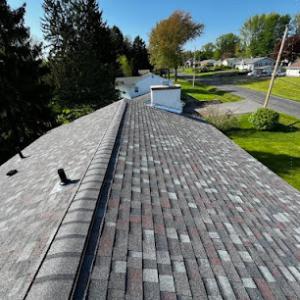
Rudy Roofing
6 Airfield Dr Suite 202, Portsmouth, New Hampshire
5.0 from 2 reviews
Rudy Roofing provides personalized roof repair and replacement solutions to homeowners in New Hampshire and Southern Maine.
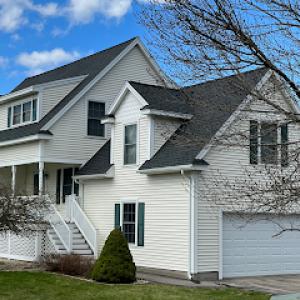
On Course Remodeling
(603) 498-2204 www.oncourseremodeling.com
Serving
5.0 from 15 reviews
Established in 2006, and growing ever since. On Course Remodeling is family owned and operated, and only hires local individuals with experience, who are trustworthy, and honest. The Levesque family and our On Course Remodeling team take pride in perfection; pride ourselves in producing a first-quality product in a highly efficient and cost-effective manner.
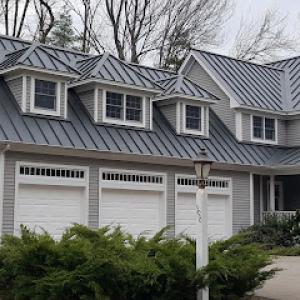
Armor Metal Roofing
(603) 964-7667 armormetalroofing.com
Serving
4.7 from 51 reviews
New Hampshire’s Premier Metal Roofing Experts – Standing Seam & Aluminum Shingles Since 1986, our award-winning, family-owned business has been New Hampshire’s trusted leader in metal roofing installation. Specializing in standing seam metal roofs and aluminum metal shingles, we deliver long-lasting, energy-efficient roofing solutions tailored to withstand the Granite states harsh weather conditions. Voted “Best Roofing Contractor of 2024” in the Seacoast Media Group Community Choice Awards, we pride ourselves on exceptional craftsmanship and honest, transparent service. When you work with us, you deal directly with the owner—no sales commissions, no middlemen—just high-quality roofing from certified technicians.
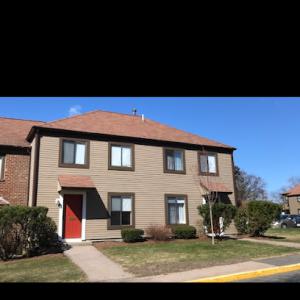
KTM Exteriors & Roofing
(603) 895-0400 www.ktmroofingboston.com
Serving
4.8 from 64 reviews
KTM Exteriors & Roofing provides roofing installation, siding installation, window installation, roofing repairs and commercial roofing to the Hampstead, New Hampshire area.
Advanced Metal Roofing
(603) 679-2466 www.advancedmetalroofing.com
Serving
4.6 from 77 reviews
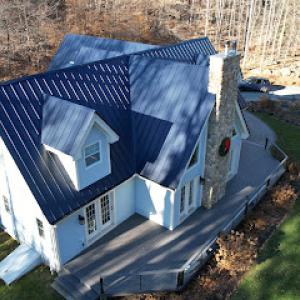
Since 1966, our family-owned business, Advanced Metal Roofing, has remained dedicated to superior metal roof installation and replacement services as well as replacement metal, composite and vinyl siding installation. We use the best quality materials, installed by our well-trained roofing and siding crews, and backed by our warranties for your peace-of-mind. Our licensed and bonded professionals are ready to give you a free in-home consultation and complete your new metal roof replacement and siding installation. We have been serving all of New Hampshire, Northern Massachusetts and Southern Maine with excellence and integrity since 1966.
MG General Construction
(207) 606-0033 www.mggeneralconstructioncorp.com
Serving
4.9 from 42 reviews
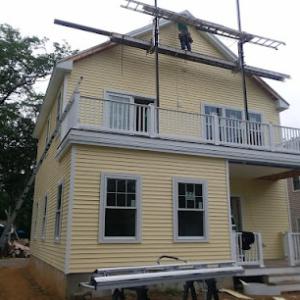
WELCOME! MGGCC, (MG GENERAL CONSTRUCTIOIN CORP.) A well established, leader in the roofing, siding, gutters, windows, residential and commercial industry. as well as so much more to offer for clients in a bind. Our success has been born out of "Listening" to valued clients' questions, concerns, needs, and desires. By listening to the needs of our valued clients, we can always offer a mutually agreed upon solution. Our clients, both current and past, as well as our future clients, are our most valuable resource to our continued success. We invite the opportunity to earn your trust. We provide to you, options, solutions and leave you with smiles on your face. Feel free to call, text, message, or write to us!
Roofing King
(888) 997-6635 roofingking.com
Serving
4.9 from 44 reviews
Roofing King–home of the highest quality roofing & home improvement services on the East Coast, with various locations throughout Massachusetts & New Hampshire. We are a family-owned and operated Roofing Contractor serving NH, MA, & ME for over 15 years, providing honest and reliable service you can trust. Services: Roofing, Roof Replacement, Siding, Windows, Skylights, & more. 100% Financing Available
Murphy Roofing & Siding
(603) 750-0000 www.murphyroofing.net
Serving
4.9 from 58 reviews
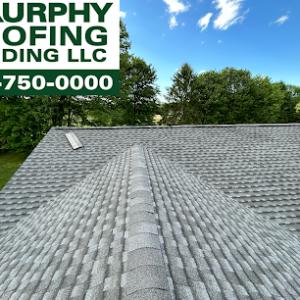
Murphy Roofing is a top-rated roofing contractor specializing in roof replacement, siding installation, and energy-efficient windows. We serve Southern and Seacoast New Hampshire, Southern Maine, and Northern Massachusetts—including Dover, Portsmouth, Rochester, Exeter, and surrounding areas. Most roofing projects are completed in just one day. We’re fully insured and committed to quality, offering a 15-year workmanship warranty on every job. Whether you need asphalt shingle roofing, vinyl siding, or new windows, Murphy Roofing delivers expert service, competitive pricing, and lasting results. Free estimates available.
Professional Roofing Company
(603) 749-8998 www.bemyroofer.com
Serving
4.9 from 56 reviews
No need to continue patching your roof when you can ensure the life of a new roof with our 50-yr Warranty. If you value things like quality, craftsmanship, respect, professionalism, information, and that win-win feeling you get in a fair deal when you got what you paid for, then Professional Roofing looks forward to earning your trust and your business. We offer residential and commercial asphalt, rubber membrane, solar skylights and chimney removal/repair.
Asphalt shingles and metal roofing dominate replacements because they fit the mix of older wood-frame homes, capes, colonials, and practical re-roof budgets. Asphalt shingles match the historic streetscape while offering straightforward repairs and reliable wind resistance when installed with proper nailing patterns and drip edge. Metal roofing, in turn, answers for durability in salt spray and seasonal gusts, with panels that can shed wind-driven water more predictably on some capes and bungalows. For a homeowner facing modest reconstruction on a wood frame, these two options stay in step with the scale and character of nearby neighborhoods.
Slate and clay tile appear on select older or higher-end properties, but their weight and repair complexity matter more on aging housing stock than in newer suburban markets. If the existing structure hasn't been reinforced for heavy loads, slate or clay tile can force costly retrofits or limit the lifespan of the installation. When choosing among materials, inspect the attic for solid roof sheathing and clear ventilation channels; older homes in windy, salty environments benefit from a roof system that can accommodate attic insulation and ventilation without trapping moisture. For many projects, upgrading underlayment and flashing matters more than chasing a premium surface, because the region sees both freeze-thaw cycles and seasonal wind exposure.
EPDM is relevant on low-slope sections, porches, additions, and mixed roof designs where older homes have flat or nearly flat transitions. In Portsmouth, a flat or nearly flat feature often accompanies an addition or a side porch, and EPDM provides a seam-friendly option that resists pooling water when ice and snow melt - provided it's properly clamped and has a robust edge detailing. When considering EPDM, prioritize a thorough edge seal, clean flashings at transitions to steeper sections, and a sound parapet or parapet cap to minimize wind-driven water entry. If a flatter area connects to a more traditional pitched roof, ensure the transition detail remains continuous and visible for routine maintenance.
Work with a contractor who understands coastal exposure, including the need for corrosion-resistant fasteners and rated underlayment. Confirm that the chosen system includes well-sealed vent boots and flashing around chimneys, dormers, and skylights, since these are common failure points in aging roofs. In this climate, a thoughtful combination of the right material, proper sealing, and robust ventilation reduces the risk of ice dams and wind-driven leaks, preserving the home's historic character while keeping maintenance straightforward.
Portsmouth's dense, historic housing stock often wraps around chimneys, masonry walls, dormers, and narrow side-yard transitions with intricate flashing puzzles. What looks like a simple roof edge can hide a maze of step-flashing, toe-boards, and counter-flashing that must work in harmony with brick and stonework that has settled over a century. In practice, that means a routine visual from the curb seldom reveals the true state of the flashing. If a contractor treats these areas with generic details, the result can be repeated leaks and ice-dam work that shifts with the seasons. Expect careful flashing design tailored to each feature, with reinforced seals where walls meet the roof and extra attention paid to the dormer-to-shed transitions that often carry wind-driven spray from the coast.
Older Portsmouth homes frequently reveal multiple roof layers beneath the visible surface, along with aged decking and ventilation shortcomings that aren't obvious from the street. A shingles-only assessment might miss sagging decking, warped planks, or compromised underlayment that has endured years of freeze-thaw cycles and salt-laden air. Ventilation can be uneven across steep pitches and narrow roof planes, creating hot pockets in summer and cold, damp pockets in winter. When ice dam risk rises, underlayment and attic intake/exhaust balance become decisive factors, not a cosmetic re-shingle. The prudent approach is to expect a full up-front assessment of attic ventilation, decking condition, and any signs of previous repair iterations before choosing a new roof system.
Material choice on older homes is often guided by preserving architectural character while improving weather resistance. That preference can complicate the selection, as classic looks may clash with modern performance needs for wind and moisture control. The goal is a solution that respects the era and details-the rhythm of cedar-barrel tiles, slate textures, or historically faithful asphalt profiles-while incorporating upgraded underlayment, robust flashing, and ventilation that tackles coastal exposure. In practice, this balance demands thoughtful detailing at edge metal, ridge lines, and around dormers, with a plan that mitigates wind-driven infiltration without erasing the home's historic voice.
Before committing to a replacement, expect a close-up inspection of chimney and wall transitions, all dormers, and the narrow side-yard roofs that often escape cursory reviews. Document prior layer configurations, assess decking integrity, and map ventilation paths to ensure the new system will resist salt spray and freeze-thaw effects. When choosing materials, weigh not just curb appeal but the long-term compatibility with Portsmouth's climate and the home's architectural cues. The right approach combines respect for history with proven performance against wind and ice.
Provided local averages run about $350 to $650 per square for asphalt shingles, $700 to $1200 for metal, $900 to $1500 for clay tile, $1400 to $2500 for slate, $450 to $750 for fiber cement shingles, and about $4 to $7 per square foot for EPDM. In practice, a residential tear-off and replacement in this market follows that spectrum, with asphalt remaining the most common, and metal or slate pushing the upper end of the budget. For a neighborhood with tight-to-access roofs and historic detailing, that spread helps you compare bids without guessing what "per square" means in the field.
Costs in Portsmouth can rise on older in-town homes where access is tighter, roof geometry is more complex, and hidden deck or flashing repairs are common once tear-off begins. Roofs tucked between brick facades often demand careful safety setups and scaffold configurations, which adds labor minutes and sometimes ancillary debris containment. Hidden damage behind old flashing or vent networks can surface as the tear proceeds, turning a straightforward replacement into a multi-day project. When a contractor discovers delamination, compromised sheathing, or deteriorated cursive-style cornice details, it's common to see a modest uptick in material orders and crew staging time to preserve the building's historic character.
Seasonal demand can push pricing and lead times higher when homeowners rush to book work between late spring and early fall, the main local replacement window. If a project spills into shoulder months due to weather or supply delays, you may encounter tighter material availability or premium scheduling fees. For older coastal homes, a tight window can also mean compressed tear-off schedules, increasing the risk of weather-related surprises. Planning ahead with a clear target start date helps lock in materials before peak demand and may yield more favorable procurement and labor terms.
When budgeting, consider not just the per-square price of materials but the possibility of deck or flashing repairs uncovered during tear-off, and the need for enhanced ventilation in a coastal climate. Ice-dam control and wind-driven water intrusion prevention factor into both material choices and detailing. If the project involves heavier materials like clay tile or slate, the labor intensity, equipment needs, and potential for accessory work (underlayment, drip edge, or ridge vents) should be reflected in the overall estimate.
Get a clear picture of your project costs upfront - no commitment required.
Mighty Dog Roofing of Southern New Hampshire
(603) 869-7087 www.mightydogroofing.com
Serving
4.8 from 24 reviews
A full roof replacement is typically treated as a building project rather than casual maintenance. Before any bench work starts, you submit the project details to the city, including materials, scope, and penetration changes, and you pay the applicable fee. This early step helps ensure the plan accounts for the salt air, freeze-thaw cycles, and the historic housing stock common downtown and near the waterfront. Expect the department to review roof venting, flashing transitions, and any changes to drainage or ice-dam mitigation strategies.
Once the permit is issued, you coordinate inspections through the local building department process. Plan for at least a mid-point inspection during shingle or metal installation and a final inspection when the work is complete. Keep access clear for inspectors and provide diagrams of flashing, sealant joints, and ventilation pathways. In a dense neighborhood, inspectors may note nearby structures and overhangs that affect wind exposure and vent placement.
Inspections emphasize durable flashing at chimneys, valleys, and dormers, plus proper ventilation to prevent moisture buildup under cold, windy conditions. Wind-resistance compliance is checked in new roof assemblies, especially on higher pitches and near waterfront exposures. Fire-safety requirements will be reviewed for attic and mechanical penetrations, with attention to clearance, ignition barriers, and spark-resistance when applicable. Completing the project to code minimizes post-install weather intrusion risks and helps align the work with local climate challenges.
Coordination with historic considerations is common in the older downtown fabric, where roofs may have skylights, delicate vents, or cedar shakes in select blocks. During the permit review, you may be asked to show how the replacement preserves the look and preserves historic fabric while upgrading sealant walls and drip edges to modern standards. Scheduling around street closures or driveway access helps avoid blocking sidewalks, especially near waterfront seasonal activity. When climbing onto a roof, inform the building department of fall-protection measures and ladder access, and share manufacturer details for wind-rated underlayment and ventilation products that perform well in salty air. This proactive communication reduces revision cycles and keeps the project on track through the local climate's variable spring and winter transitions. Your permit history helps future projects run smoother.
After a wind or hail event, insurers in this coastal region typically expect photo documentation and adjuster verification before processing a claim. That means you should take clear, timestamped photos of shingles, flashing around vents and chimneys, skylights, and any interior leaks that appeared. A timely, organized file helps the claim move faster and reduces the chance of misinterpretation by an adjuster who is evaluating mixed damage patterns caused by coastal storms.
Claims can affect future premiums and deductibles, and some policies in the region now carry higher wind or hail deductibles or tighter contractor rules after a loss. If a claim is filed for wind-driven damage, expect insurers to review the type of roof, the age of components, and recent maintenance history more closely. The ripple effects can extend beyond the current year, influencing renewal terms and eligibility for certain coverage options.
Because coastal storms can produce mixed damage patterns, homeowners benefit from documenting shingles, flashing, skylights, and interior leak points immediately after an event. Start outside with a walk-around to capture wind-stripped edges, lifted tabs, and any flashing gaps near the sea-facing elevations. Then indoors, photograph signs of leaks around ceilings, attic insulation, and visible stains. Keeping a chronological record helps distinguish new damage from pre-existing conditions and supports a clearer narrative for adjusters handling a storm-related claim.
In practice, collect and store images in a single, organized folder labeled by date and event, and note weather conditions and the storm path if known. When meeting with an adjuster, point to specific images that correspond to reported areas, and be ready to share any contractor assessments that confirm the damage patterns typical of salt-laden air, freeze-thaw cycles, and wind-driven impact. This careful approach reduces friction and supports a smoother claim outcome in a climate where coastal exposures shape every roof.
In Portsmouth, winter snow and freeze-thaw cycles complicate tear-offs and sealing. If a project stretches into early spring, the ground thaw residuals and lingering ice make temporary protection essential. Crews focus on mobilization while roofs still hold snow drifts, prioritizing projects with solid drainage plans and lead-in work for underlayment and flashing. Early spring can bring lingering Nor'easters, so staging and weather buffers matter. Plan for a cautious kickoff: confirm membrane and ventilation readiness, then proceed when conditions allow safe access and material handling.
Spring Nor'easters can delay starts, and wind shifts complicate ladder setup and scaffold stability along older facades. On dense historic streets, crews coordinate with neighboring properties to minimize disruption while preserving delicate trim and flashing lines. Ventilation strategies become critical as roofers balance attic air exchange against moisture control. If a re-roof begins in this window, expect a tight sequence: tear-off, dry-in, and protection against wind-driven spray from harbor breezes. Have a contingency plan for delays caused by rain and salt-spray exposure on exposed fasteners.
As coastal humidity rises, installation moves toward mid-season rhythms. Metal or asphalt projects benefit from consistent daytime drying conditions, but salt-laden air can corrode exposed components if workmanship lapses. Historic roofs with complex hip-and-valley layouts require meticulous detailing at hips, valleys, and chimney flashings to prevent wind-driven water intrusion. Crews may adjust hand-sealing windows of installation to avoid heat-driven expansion issues on attic spaces.
Summer humidity can slow crews and affect material handling during installation. Heat affects membrane pliability and adhesive performance, especially on steeper pitches. This window still fits for re-roofs on houses with good tree cover or reflective materials, but expect slower progress on high-contrast detailing around aging dormers and coastal return lines. Schedule around the hottest afternoons, and ensure shade and water access for crews to maintain quality through long days.
Autumn remains workable but windy storm windows can tighten schedules as homeowners try to finish before winter ice-dam season returns. Cooler air improves set times for sealants, yet coastal gusts demand careful staging of materials on racks and securement of edge metal. The goal is to complete under a protective roof skin before the first hard freeze, with attention to proper attic vent balance to minimize ice-dam risk in the months ahead.