
Last updated: Apr 19, 2026
Jackson sits in Southeast Missouri, where spring hail and wind events regularly drive sudden roof damage and a spike in insurance activity. The weather window for storms can compress fast, and roofs that look fine at first glance often hide hidden leaks, compromised underlayment, or fibrous damage from hail strikes. In this market, emergency repair and storm-damage services are unusually prevalent among local contractors, reflecting how often homeowners need immediate tarping and leak control after storms. Understanding that immediacy is part of the process helps you stay ahead of damage that can worsen with the next rain.
After a storm, your priority is to control leaks and prevent further interior damage. If safe to do so, cover any visibly compromised areas with sturdy plastic and a tarp to ride out the next round of weather. Do not delay temporary fixes to wait for a full inspection when water is actively entering; tarping buys precious time until a permanent repair can be scheduled. If there is a downed tree on the roof or a visibly breached area, keep clear of the area and call a professional roofing crew with storm response experience. Local contractors frequently run on-call teams after big hail events, and securing a prompt response can prevent more extensive interior and structural damage in a rapid Missouri spring.
Because claim volume rises after regional storms, homeowners in Jackson benefit from taking date-stamped photos and preserving shingle, metal, or tile impact evidence before temporary repairs begin. Photograph all angles of the roof from ground level and from ladders where safe, focusing on dented gutters, curved or cracked shingles, and any granule loss on asphalt products. Capture interior signs of damage such as ceiling stains, warped walls, or attic condensation. Keep a simple repair log: dates, times, contractor names, and a brief description of the observed damage. If possible, obtain a written note from the contractor about the exact area treated by temporary tarps and the type of damage found on the roof. This documentation makes it easier to align with your insurer and speeds up the adjustment process when a full repair is scheduled.
In this market, it is common to encounter multiple options for emergency tarping and quick leak control. Prioritize a contractor who can provide both rapid tarping and a clear path to permanent repair, including a staged plan that matches the weather window. Request a transparent assessment: what damage is present, what is only cosmetic, and what requires replacement or reinforcement. Ask about their process for ladder safety, debris containment, and a timeline that fits the spring weather pattern. Given the frequency of hail, a local crew with lasting relationships in the community is often the most dependable choice, capable of returning to complete a full roof restoration once conditions stabilize.
After the initial response, establish a repair calendar that accounts for fluctuating Missouri weather. Secure temporary protection before each predicted storm, and schedule permanent repairs during a dry stretch. Maintain the evidence trail from the first day through the final warranty validation, keeping all photos, written estimates, and notes in one accessible folder. When the next storm rolls in, you want to move quickly, not scramble for the basics - a reliable local partner, documented evidence, and a preplanned sequence for tarps, partial repairs, and full replacement will make all the difference in a tough spring season.
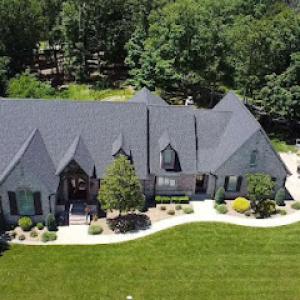
Daniel's Roofing
(573) 238-3131 www.danielsroofingestimates.com
528 E Jackson Blvd, Jackson, Missouri
4.8 from 328 reviews
Daniel's Roofing provides residential and commercial roofing repairs, installations, and replacements throughout the Southeast Missouri area.
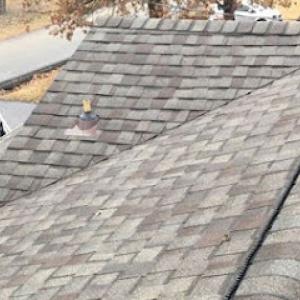
Cardwell Roofing
(573) 318-0733 www.cardwellroofing.net
1460 Bella Vista Dr, Jackson, Missouri
5.0 from 44 reviews
Cardwell Roofing offers quality affordable roofing services in Southeast Missouri and Southern Illinois. We install Landmark Certainteed roofing products and are fully licensed and insured.
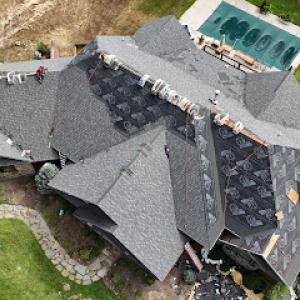
Rivertown Roofing & Exteriors
(573) 987-8102 rivertownroofing.com
Jackson, Missouri
5.0 from 10 reviews
Local roofing contractor specializing in reliable roof repairs and replacements with professional, high-quality service.
Todt Roofing & Construction
(573) 275-3168 www.todtroofing.com
Serving
4.8 from 233 reviews
Todt Roofing & Construction has protected homes and businesses in Southeast Missouri for over 20 years with uncompromising craftsmanship and integrity. As a GAF Master Elite® contractor, we deliver roofs backed by the strongest 50-year product and labor warranties in the industry. From emergency repairs to large-scale commercial projects, our team combines local trust with national-level expertise to keep your property safe, secure, and built to last.
1st Choice Roofing & Construction
(573) 587-1013 www.1stchoiceroofingconstruction.com
Serving
4.9 from 128 reviews
1st choice roofing and construction is a licensed and fully insured businesses, we are known for our professional services and quality work, We will give you the roof you deserve.
Old Town Roofing & Paint
(573) 228-5412 www.oldtownroofingandpaint.com
Serving
5.0 from 88 reviews
We are a local family owned company striving for the top in workmanship and customer service. We provide roofing repairs, maintenance, and complete installs with great warranties on products and labor. We also offer seamless gutters, siding and exterior paint.
Sears Appliance Repair
(573) 381-0184 www.searshomeservices.com
Serving
4.4 from 108 reviews
Sears Appliance Repair is the top choice for fast and reliable appliance repair near you in Cape Girardeau, MO. Our local technicians are trained to fix all major home appliance brands and their service comes with a workmanship guarantee. With convenient same-day and next-day appointments and repair and maintenance services that cover a wide range of home appliances, including refrigerators, washers, dryers, stoves, ovens, dishwashers, and more, Sears Appliance Repair in Cape Girardeau makes it easy to get your home appliance fixed quickly and efficiently. Call or visit our website to schedule your appliance repair today!
MO Roofing & Construction
(573) 335-3380 moroofingandconstruction.com
Serving
5.0 from 20 reviews
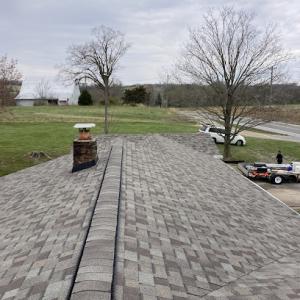
MO Roofing & Construction is a locally owned and operated roofing and construction company proudly serving homeowners and businesses across Southeast Missouri. We specialize in roof replacement, roof repairs, storm damage restoration, siding, gutters, and general construction services. Our team is committed to high-quality craftsmanship, honest pricing, and dependable service you can trust. Whether you need a small repair or a full roof replacement, we work efficiently and stand behind our work. Call today for a free estimate and experience reliable Missouri craftsmanship done right.
Missouri Commercial Roofing
(573) 388-0383 www.missouriroofingco.com
Serving
5.0 from 13 reviews
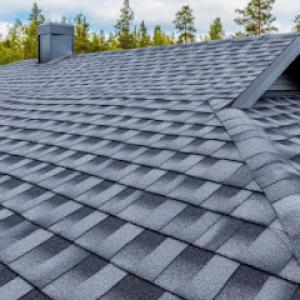
Missouri Commercial Roofing in Cape Girardeau specializes in high-quality commercial roofing solutions, offering installation, replacement, leak detection, and roof coatings. With over 20 years of experience, our team provides dependable service for all roofing types, including metal, shingle, and flat roofs. As a trusted, locally owned company, we’re proud to serve Cape Girardeau and surrounding areas with durable, energy-efficient roofing systems that protect your business.
Riverside Roofing Company
(573) 803-4028 www.riversideroofingcompany.com
Serving
4.7 from 6 reviews
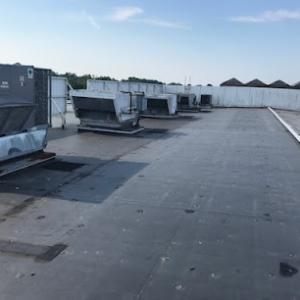
Riverside Roofing is a Commercial and Industrial Roofing Contractor specializing in flat roof systems. We are licensed, insured and bonded. Riverside Roofing services many commercial buildings in the Southeast Missouri Region with total roof replacement and roof patching.
Bradley Roofing & Construction
Serving
5.0 from 6 reviews
At Bradley Roofing and Construction, we understand the importance of a strong and reliable roof that protects your home or business. Our team of skilled professionals is committed to providing top-notch roofing solutions tailored to meet your specific requirements. Whether it's a minor repair, a complete roof replacement, or a new construction project, we've got you covered
Spring hail is a persistent challenge in this market, and the roof you choose must stand up to repeated impacts while keeping attic heat under control during hot, humid summers. Asphalt shingles are common here because they align with the local re-roofing landscape, but hail exposure makes granule loss and impact resistance a primary local concern. Attic heat from the humid season accelerates aging of asphalt shingles during installation and early life, so choosing shingles with good heat tolerance and proper attic ventilation is a practical first step. In winter, freeze-thaw cycles test flashing details and underlayment performance, so interplay between shingles, underlayment, and flashing should be evaluated together during selection and installation.
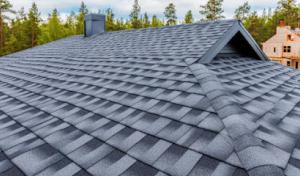
Asphalt shingles dominate the market, and that choice makes sense for many Jackson homes because of value and re-roof timing. When selecting asphalt, look for higher impact-resistant options and verify ratings that address hail performance. The local climate means you should prioritize shingles with robust granule retention and a reflective or cool-roof finish to mitigate attic heat gain. Pay attention to installation details that support effective sealant and shingle alignment during spring winds and hail storms. Ensure attic ventilation is adequate; heat buildup in the attic compounds aging of shingles and underlayment, especially on east-facing or sun-exposed roofs.
Metal, tile, synthetic, and slate options do appear in the market here, but each brings distinct handling needs. Metal can perform well against hail and fire resistance, yet proper panel seams and attic breathing are essential to prevent condensation and thermal stress in the summer. Tile and slate provide longevity and a certain aesthetic, but heavier systems demand a look at structural suitability on homes not originally framed for those loads; retrofit scenarios should be evaluated for girder and rafter capacity, fastener selection, and potential for roof deck reinforcement. Synthetic or composite shingles offer a balance of hail resistance and weight, often delivering improved impact performance with simpler installation than heavier tile or slate.
Given the hot, humid summers, ensure roof solar exposure is considered in the installation plan so attic temperatures remain manageable. Venting, insulation, and air flow should be coordinated with the chosen material to prevent rapid aging from heat buildup. In spring, plan for efficient inspection and rapid response after storms to confirm shingle integrity, sealant performance around penetrations, and flashing continuity. With winter's freeze-thaw cycles, check that underlayment and flashing are continuous and that flashing transitions at walls and chimneys are solid to minimize water intrusion during thaw cycles. The goal is a material choice that pairs with proper ventilation and a robust installation approach to weather Jackson's distinctive seasonal stresses.
In this market, replacement timing often centers on spring and fall. Jackson's summer heat and winter snow or ice can complicate installation quality and crew productivity, so you'll often see crews aimed at mild weather windows for best results. If hail hits in spring, the rush to recover can push schedules tight and push material lead times longer. Planning around the shoulder seasons helps keep projects moving without sacrificing quality or warranty coverage on underlayment and flashing.
Storm-driven demand in Southeast Missouri can tighten labor availability after hail events, which affects both pricing and scheduling. After a major hail event, you may notice price bumps tied to material demand and crew availability, even for standard shingles. If a project starts soon after a big hail storm, expect faster pace but a tighter window to lock in crews and materials. For homeowners with limited flexibility, securing a firm start date within a week or two of choosing a contractor can prevent costly delays.
In this region, the market leans toward affordable re-roofing rather than highly specialized custom work. Cost differences often come down to storm demand, roof complexity, tear-off scope, and whether the home uses standard shingles or premium systems. For quick budgeting, look at the typical ranges: asphalt shingles run roughly 350 to 600 USD per square, while metal roofing spans 700 to 1200 USD per square. If premium materials are considered, clay or concrete tiles push higher, around 900 to 1800 USD per square for tiles, with slate climbing further. Synthetic or composite shingles sit in between, about 450 to 900 USD per square. The choice between a full tear-off versus a layover (if code and structure permit) also shifts totals, as does the roof's complexity and the number of penetrations.
First, contact a few local contractors to gauge availability for the season you're targeting. If spring hail damage is suspected, request a clear, itemized estimate that includes tear-off, disposal, underlayment, flashing, and any attic ventilation adjustments. Ask about weather contingencies-how delays will be handled if a heat spike or a cold snap crops up, and whether price holds if crews need to return for a mid-project fix. Have a backup window in mind for fall if spring becomes too tight; it often yields steadier scheduling and, sometimes, better material vendor lead times. When choosing materials, weigh the long-term value rather than just the upfront cost-premium systems may deliver longer lifespans and fewer maintenance calls, which matters when summer heat and winter freeze-thaw cycles are factored in.
A full roof replacement in this city typically requires a building permit through the local building department rather than being treated as purely informal maintenance. The process is designed to ensure that new roofing systems meet local code requirements, handle the unique climate stresses of spring hail and summer heat, and accommodate the housing stock common to this area. Knowing that a permit is part of the job helps set expectations for timing, paperwork, and inspections, especially during busy storm seasons when post-storm work surges.
In this city, the permit review and scheduling timeline tends to be longer than you might anticipate. Homeowners should expect roughly a 1 to 2 week lead time for permit review and inspection scheduling in Jackson, which can affect start dates during peak storm seasons. Prepare for the possibility that the building department may request documentation such as project scope, material specifications, and proof of contractor licensing as part of the review. Submitting a clear, complete package up front can keep the process moving smoothly. If you're coordinating a storm-damaged replacement, have photos of the damaged roof and a written scope from your contractor ready to accompany the permit application to avoid back-and-forth delays.
Jackson's process includes inspections during and after the project, with a final inspection needed to close out the permit. Expect at least one inspection while the work is underway to verify that materials, nailing patterns, and roof deck conditions meet code requirements. A separate final inspection confirms that the installation is complete, safe, and compliant before the permit is closed. The inspector may check vents, underlayment, flashing, and drainage details to ensure proper function through freeze-thaw cycles and hail recovery. Plan around these inspections by coordinating with your contractor to ensure access, bring relevant documentation, and address any issues promptly so work is not held up.
To reduce friction, maintain open lines of communication with the local building department and your contractor's permit liaison. Before submitting, double-check that your contractor's information is current and that the project description reflects a full roof replacement, not minor repairs. When possible, align the start date with a confirmed inspection window so scheduling gaps are minimized. If spring storm activity is imminent, flag the need for expedited handling with the permit office and your contractor, but be prepared for standard review timelines. The goal is to have a compliant, weather-ready roof installed as quickly as possible while maintaining documentation for a clean permit closeout.
Missouri's frequent hail and wind losses shape a high-claim roofing environment where insurers closely review storm dates, damage patterns, and prior claim history. In this area, a single hail event can leave mixed damage across multiple homes, and carriers often look for a clear link between the storm date and the condition of the roof. That means the timing of the hail season, the exact day storms rolled through, and the sequence of reported issues across nearby properties can influence how claims are funded or challenged. Your roof's age and the surrounding damage patterns matter because they feed into the insurer's sense of whether issues stem from a recent event or from long-term wear.
In Jackson-area claims, thorough pre-loss and post-loss photos, written scope details, and adjuster-ready documentation matter because coverage decisions can hinge on whether damage aligns with recent local storm activity. Take clear, dated photos of the entire roof surface, gutters, and any interior signs of water intrusion before you file, if possible. After a storm, capture close-ups of dented shingles, lifted edges, granule loss, and any visible roof openings around vents or chimneys. A written scope that itemizes each area of suspected damage, the materials involved, and the observed condition of flashing and underlayment can help the adjuster see the issue clearly. Keep a concise record of dates, storm reports, and neighbor observations to illustrate a pattern rather than a single snapshot of wear.
Homeowners replacing older roofs after repeated Southeast Missouri storms should expect insurers to scrutinize wear versus sudden storm damage more closely than in lower-claim regions. If the roof already shows aging signs-soft spots, curling shingles, or dark staining-those elements may be weighed against a new hail claim. Approach the process with specific, storm-aligned evidence: a damaged shingle edge that aligns with a known hail event, or new granule loss emerging after a particular storm date. In practice, claims decisions often hinge on the match between reported damage and the local storm history, making precise records essential.
When a storm hits, prioritize rapid evaluation and documentation. Schedule a professional roof inspection soon after the last round of hail, ideally within a close window to the event date. Ask the contractor to photograph both the outer surface and interior attic signs of leakage, and to provide a written summary that ties any observed issues to the storm with explicit references to dates and wind directions when available. This approach helps ensure that the documentation supports a coherent narrative for the insurer and reduces the chance that wear is mistaken for isolated storm damage.
Connect with contractors who help homeowners navigate the claims process from damage assessment to final approval.
Daniel's Roofing
(573) 238-3131 www.danielsroofingestimates.com
528 E Jackson Blvd, Jackson, Missouri
4.8 from 328 reviews
1st Choice Roofing & Construction
(573) 587-1013 www.1stchoiceroofingconstruction.com
Serving
4.9 from 128 reviews
Jackson's cold winters bring snow that sits atop steep-slope roofs, then faces quick swings to below-freezing temperatures. Those freeze-thaw cycles push water into eaves and vulnerable flashing transitions, where ice dams can form and force leaks inside during the coldest months. If gutters are clogged or valleys and roof-to-wall joints aren't properly sealed, a small snowfall can become a costly water problem by spring. The best defense is proactive inspection after the last winter thaw begins but before the next storm season, focusing on flashing around chimneys, skylights, and vent piping, and on any sagging or loose shingles that could invite water infiltration.
Fall wind events in this part of Missouri can scatter debris onto roofs, complicating a timely response if a leak starts after the growing season. Debris buildup can hide damaged sections until a later storm, turning a simple repair into a bigger project as temperatures drop. Before winter weather closes the best replacement window, take advantage of clear days to address loose fasteners, damaged shingles, and any flashing gaps that leave eaves exposed. A quick audit now can prevent a scheduling bottleneck when winter winds pick up.
Homes that make it through summer without replacement often face a narrow local decision point in fall: replace before winter or risk leak escalation during snow and ice periods. If your roof shows curling shingles, compromised flashing, or granule loss on the lower slopes, the risk of concealed damage rises quickly once snow begins. Plan for a measured, deliberate fall inspection and, if needed, a targeted repair or replacement that prioritizes critical flashings and eave protection for the harsh months ahead.
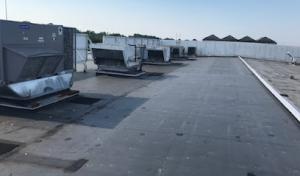
Although Jackson is primarily a steep-slope residential market, some homes and mixed-use buildings still have low-slope sections where drainage and membrane detailing become a separate maintenance issue. In a Southeast Missouri climate, those flat or near-flat pockets are where spring hail, summer heat, and winter freezes converge. Freeze-thaw cycles especially magnify weaknesses around penetrations, transitions, and low-slope drainage points faster than on simple gable roofs. For porches, additions, or commercial-style sections, assume these areas require distinct attention when inspecting after a storm and during routine maintenance.
In Jackson, the obvious spots to check are around roof penetrations (vents, chimneys, skylights), transitions to higher-slope roofs, and any flat or low-slope drains and curb edges. Look for memory-foam like settling around flashings, blisters in membrane, or chalky granules near seams. After a hail event, pause on the obvious damage and also inspect the hidden spots where hail can push micro-dings into the membrane or where ponding water can force slow leaks. If a low-slope section exists near a porch or addition, verify that the contractor routinely handles those assemblies, not just standard steep-slope work.
When a storm hits, document the entire low-slope area first-up close along edges, around penetrations, and at transitions. Take clear photos of fasteners, flashing, and any staining or staining patterns on ceilings beneath. If water shows up after a storm, prioritize sealing or temporary tarping on the low-slope portion to stop water intrusion while a full assessment is scheduled. In Jackson, coordination with a contractor who understands both membrane details and drainage is essential to prevent small issues from becoming costly repairs.
Find specialists in TPO, EPDM, and built-up flat roofing systems for residential and commercial properties.
In this market, most homeowners are hiring for re-roofing rather than niche new-construction work, so look for crews with solid tear-off, cleanup, and fast-scheduling records. A contractor who can consistently manage a complete tear-off, protect interior spaces from spring hail, and wrap up in a tight timeline is more valuable than broad marketing claims. Ask for recent jobs in your neighborhood and visit the sites if possible to verify how debris is controlled and how waste is handled.
Quick response after a storm is a high-value signal in this area. When you call, you should receive a concrete window for assessment and a clear plan for tarp protection if needed. A reputable crew will map out a cleanup plan with daily progress notes and a final walk-through. Pay attention to how they protect landscaping, gutters, and vehicles, and how they handle debris and nails-sharp evidence of careful, responsible cleanup.
A smaller share of local contractors emphasizes licensing, insurance, manufacturer certification, and warranties, so verify those items directly rather than assuming they are standard. Request a copy of insurance certificates, current licenses, and any manufacturer endorsements relevant to the chosen roofing system. For warranty details, ask for written terms, including coverage for workmanship and any conditions that could affect claims after installation.
Coordinate a predictable schedule that minimizes disruption to living spaces and avoids plugin delays during aggressive spring storms. The crew should provide a milestone calendar, a plan for weather contingencies, and clear communication channels for updated timelines. Confirm who will be on-site daily, how material deliveries will be managed, and how attic and interior spaces will be protected during the removal and installation phases.
Ask for referrals from neighbors with similar homes and climates, preferably those who have experienced post-storm repairs. A crew familiar with Jackson's typical storm patterns will understand the urgency of leak calls and the need for efficient moisture management, especially after freeze-thaw cycles and humid summers.