
Last updated: Apr 19, 2026
Spring hail and severe thunderstorms are a recurring roofing concern along the Mississippi River bluff-and-valley edge that sits just northeast of the main St. Louis metro line. In this corridor, roofs take the brunt of sudden wind gusts and hard hail events that leave fresh impact marks, loose granules, dented flashing, and sometimes compromised underlayment. This is not a theoretical risk-it's a pattern homeowners know well after each storm season. Because the local contractor scene clusters around storm damage, insurance claims, and emergency repair, the post-storm window becomes a defining moment for protecting your home and your wallet. Your roof and you are in a race against time and paperwork, and every storm leaves a trace worth capturing while it's fresh.
Missouri sees high hail and wind claim activity, so insurers expect clear, date-stamped proof of damage, inspection notes, and solid damage documentation after a storm. The fastest path to a fair claim starts with gathering verifiable evidence within 24 to 72 hours: date-stamped photos of uniformly across-the-roof damage, close-ups of hail impact on shingles, dented metal gutters, damaged vent boot seams, and any sagging or lifted edges. Take wide shots to show the roof's overall condition and focused shots to reveal impact patterns on numerous shingles rather than a single blemish. Record the angle and distance of the sun to help insurers see the true condition, and note any visible granule loss in gutters and downspouts. Keep a simple timeline: storm date, when the damage was first noticed, and when you began documenting it.
From there, prepare inspection notes that align with typical roofing systems seen in Arnold. If you have asphalt shingles, look for rounding or bruising on edges, soft or lifted areas, and any adhesive or tab damage. Metal roofs should be inspected for punctures, seam separations, or kinking in panels. Clay or concrete tiles, common on a few mid-century and newer homes, require careful attention to cracked or hollow-sounding tiles and any underlying deck damage. Wood shingles and shakes need to be checked for curling, splitting, or rapid granule loss at the ridges. Synthetic or composite shingles should be evaluated for inconsistent surface sheen, missing granules, or torn flashing. In all cases, note where the damage is most concentrated, and whether water shows signs of infiltration inside the attic or ceilings.
Because claims in this region tend to spike after storms, insurers will push for rapid, organized documentation. Expect requests for: dated photos and a clear photo log, an assessment note from a professional roofer or a licensed contractor, and a concise description of how the damage affects the home's structure and weather-tightness. You should respond with a focused packet: the storm date, the type of damage observed, and a summary of recommended measures, including whether immediate temporary repairs (tarps or boards) are advised to prevent interior damage. If an inspector arrives, offer access to the attic and ceilings to confirm any water intrusion, and provide the contractor's written findings to support the claim. Do not rely on a single photo or a casual note-build a small, complete dossier that tells the full damage story from the first storm to the present moment.
In Arnold, the post-storm window is a critical decision point. Immediate actions should prioritize safeguarding the home: cover exposed areas with tarps, secure loose debris, and arrange temporary repairs if safety or further damage is a risk. Simultaneously, line up a local roofing professional who understands the storm pattern here and can deliver a thorough, documentation-backed assessment. A reputable contractor will walk through the property with you, ayudar you interpret hail tracks, wind damage, and flashing integrity, and provide a written estimate that clarifies the scope, materials, and sequence of work. Given the clustered signal around storm damage, insurance-driven repairs, and rapid emergency responses, coordinating timing between your contractor's report and the insurer's adjuster visit is essential. Your goal is to keep the claim moving with clear, detailed evidence while preventing secondary damage from delaying legitimate repairs.
Be wary of rushed promises, unlicensed "storm chasers," or contractors who demand upfront payment before documenting damage. Prefer a local reference network and require written scopes of work and warranty terms before any permit submission or material purchase. Keep copies of every communication, including dates, names, and the exact scope discussed. In a high-stakes post-storm environment, your best defense is a precise, timely, and well-documented claim file that reflects the true condition of a roof that bore the brunt of Arnold's spring weather.
Find local contractors experienced in assessing and restoring roofs after hail, wind, and severe weather events.
Element Roofing & Exteriors
(314) 420-6983 www.elementroofingmissouri.com
2405 Rosswood Ln, Arnold, Missouri
5.0 from 76 reviews
Shelby Roofing & Exteriors
(800) 646-1663 www.shelbyroofing.net
4011 W Outer Rd, Arnold, Missouri
4.9 from 171 reviews
Howard Roofing & Home Improvements
(636) 296-1057 www.hhiroof.com
526 Jeffco Blvd, Arnold, Missouri
4.8 from 129 reviews
Element Roofing & Exteriors
(314) 420-6983 www.elementroofingmissouri.com
2405 Rosswood Ln, Arnold, Missouri
5.0 from 76 reviews
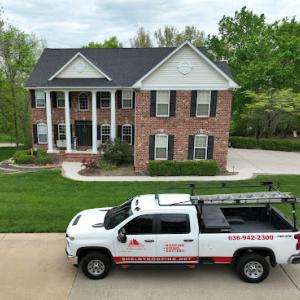
We are a local full service Roofing, Siding and Seamless Guttering company for Residential & Commercial properties. Message us today to help Protect your biggest investment tomorrow. We specialize in handling Hail/Wind Insurance Claims.
Shelby Roofing & Exteriors
(800) 646-1663 www.shelbyroofing.net
4011 W Outer Rd, Arnold, Missouri
4.9 from 171 reviews
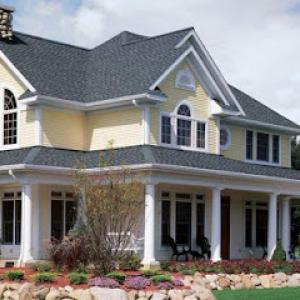
Shelby Roofing & Exteriors is Arnold, MO's most trusted choice for exterior renovation for more than three decades. Call us today to learn more!
Howard Roofing & Home Improvements
(636) 296-1057 www.hhiroof.com
526 Jeffco Blvd, Arnold, Missouri
4.8 from 129 reviews
Since the mid-1960s, Howard Roofing has been helping local homeowners in the St. Louis and St. Charles area to improve the beauty, comfort, and value of their homes. Specializing in the design and installation of advanced roofing systems, we also offer a wide range of top quality roofing and siding services, each one performed by a highly skilled, factory trained professional.
Serenity Roofing Solutions
(314) 485-7663 www.roofwithserenity.com
1403 Jeffco Blvd suite B, Arnold, Missouri
5.0 from 34 reviews
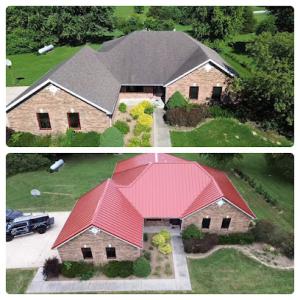
Serenity Roofing Solutions is a local woman/family owned business with over 15 years of experience. We are fully insured, manufacturer certified, BBB Accredited, and dedicated to top notch customer service. Our goal is to make even the most difficult projects a serene experience.
Meyers Construction & Consulting
(314) 804-9281 www.meyersconstructionandconsulting.com
2063 Southway Dr, Arnold, Missouri
5.0 from 26 reviews
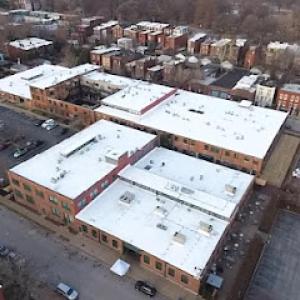
Dreaming of a new roof or need expert guidance on a commercial construction project? Since 2018, Meyers Construction & Consulting has been building trust and quality in the St. Louis area. With over 15 years of roofing expertise, we utilize cutting-edge technology and a commitment to on-time, on-budget project completion. More than just roofing contractors, Meyers offers comprehensive commercial construction and management, ensuring your vision becomes a reality. Choose Meyers Construction & Consulting for roofing solutions and construction done right, backed by a solid workmanship and Johns Manville warranty.

Altmann Roofing & Construction
(636) 282-7215 altmannroofingandconstructionllc.com
5101 Dominion Dr, Arnold, Missouri
4.6 from 64 reviews
Altmann Roofing and Construction stands as your industry-leading roofing and general contractor, serving Arnold, MO, and its surrounding areas. With the expertise and experience to be your trusted roofing contractor, we are committed to consistently upholding our high-efficiency standards in roof services, customer satisfaction, and professionalism. Our skilled team is here to assist you, whether you need repairs or installations for your property.
1st Choice Construction
(636) 282-0090 1stchoicestl.com
3969 W Outer Rd, Arnold, Missouri
4.7 from 35 reviews
Welcome to 1st Choice Construction! We are a family owned and operated company committed to excellence in exterior remodeling and customer service. We pride ourselves on being your 1st Choice for roofing and exteriors in the St Louis area.
Revolve Construction
(314) 400-8006 revolve.construction
Serving
4.8 from 24 reviews
Revolve Construction is a roofing contractor based in 7601 River Walk Ct, St. Louis, MO 63129, serving residential and commercial clients in the Greater St. Louis area. With 17 years of experience, our team provides roof repair, roof replacement, flat roofing, attic insulation, and storm damage repair. We focus on reliable workmanship and thorough inspections to help protect homes and businesses.
Performance Roofing
(314) 487-3028 performance-roofing.com
Serving
4.9 from 35 reviews
Performance Roofing has been a trusted, family-owned roofing contractor since 1976, serving both commercial and residential clients. Known for our reliability, unique techniques, and long-term customer relationships, we’re often told we’re the best our clients have ever worked with. We specialize in leak repairs and maintenance—helping you extend the life of your roof instead of replacing it too soon. We manage millions of square feet of roofing in the St. Louis area and take pride in maximizing value for every client. Contact us today for expert roofing services!
W&W Roofing
(314) 714-0274 wwroofingstl.com
Serving
4.7 from 43 reviews
W&W Roofing, a reputable roofing, siding, and gutter contractor, proudly serves St. Louis, Missouri, from their Oakville location. Committed to excellence and customer satisfaction, they boast an impressive A+ rating from the Better Business Bureau, alongside numerous 5-star reviews that attest to their superior craftsmanship. With a passion for every project, W&W Roofing aims to deliver unparalleled quality and exceptional service to ensure your home's exterior is impeccably protected and visually stunning. W&W Roofing completes roof repairs, roof replacements, top rated roofer
Skyline Roofing & Solar
(314) 675-8600 www.skylineroofsolar.com
Serving
4.8 from 19 reviews
Skyline Roofing & Solar provides high-quality roofing and solar energy solutions for residential and commercial properties in St. Louis. Our services include new installations, replacements, repairs, and customized commercial roofing solutions. We use top-tier materials and advanced techniques to ensure safety and efficiency. With a focus on customer satisfaction through clear communication and professionalism, Skyline Roofing & Solar guarantees excellence in every project. Choose us for reliable, efficient, and top-notch roofing and solar solutions to enhance the value and functionality of your property. Contact us today for a consultation.
Maverick Roofing Company
(314) 876-0378 maverickroofingco.com
Serving
5.0 from 13 reviews
At Maverick Roofing, we’re redefining roofing services in St. Louis. Our focus is on delivering top-quality craftsmanship while putting customer satisfaction first. With every project, we ensure attention to detail, open communication, and results that stand the test of time. We’re called "Maverick" for a reason—because we’re not here to follow the status quo. We push the boundaries of what’s expected, bringing fresh solutions and innovation to every job. Whether it’s residential or commercial roofing, trust us to provide a unique, customer-centered experience that challenges the norm and exceeds expectations.
Arnold roofs have to handle Missouri's combination of hot summers, winter cold, and repeated freeze-thaw stress, which affects shingle aging, flashing movement, and fastener performance. Those cycles drive how you evaluate durability, air- and water-tightness, and the way materials respond to expansion and contraction. In practice, that means you're balancing resistance to hail, wind, and thermal movement with the long-term look you want on a home that sits above the bluff-and-valley exposure and sees sudden storm gusts off the river corridor.
Asphalt shingles dominate practical replacement decisions in Arnold, but metal, tile, wood, and synthetic options each face different performance tradeoffs under hail, summer heat, and winter expansion-contraction cycles. Asphalt shingles are familiar, cost-effective, and easy to repair, with good wind resistance when installed with proper flashing and nail patterns. They age more quickly under repeated freeze-thaw cycles, and heat can accelerate granule loss in sun-facing spots. If you expect frequent hail, choose a composite or architecture-grade profile with a higher impact rating and reinforced nailing zones. Asphalt can still be a solid choice when paired with upgraded underlayment and rainproof flashing details.
Metal roofing offers outstanding longevity and storm resilience in this climate, especially if you prioritize hail resistance and a fast, secure install. In hot summers, metal sheds heat quickly on the surface, so you'll want a finish that reflects solar gain and a panel profile that minimizes noise and movement during wind events. Midlife performance depends on proper sealant and fastener diameter, plus good attic ventilation to reduce thermal expansion stress. Metal can mimic the look of shingles or tile, which helps with curb appeal while delivering robust performance against hail and driving rain.
Clay and concrete tiles bring a distinctive, long-lasting appearance, but their weight and stiffness require a solid structural assessment before installation. In Arnold's freeze-thaw environment, tile movement can strain fasteners if a roof isn't braced for seasonal shifts. Tiles excel in heat resistance and can deliver excellent wind performance if properly secured, but impact resistance varies by tile thickness and profile. If you're leaning toward tile, verify substructure strength, appropriate underlayment, and a reliable fixative system for fractured units.
Wood shingles and shakes have a classic look, yet they are more sensitive to moisture and temperature swings. Freeze-thaw cycles can cause splitting or cupping, while hail can dent softer faces. If you prefer wood for appearance, choose a dense species, high-quality installation, and a protective coating that helps resist moisture intrusion. Regular maintenance to address any cupping or warping is essential in this climate, where rapid weather shifts are common.
Synthetic or composite shingles provide a middle ground, blending durability with flexible aesthetics. They can perform well under hail and temperature swings, and some lines offer enhanced impact resistance. Look for warranties that reflect performance in freeze-thaw cycles and ensure the product's resistance to UV exposure and thermal expansion.
The local material mix is broader than many nearby markets, so homeowners in Arnold need side-by-side comparisons that account for storm resilience as much as appearance. If a storm-damaged roof is already in your sights, prioritize systems with robust flashing, reinforced nail lines, and a proven track record in hail-prone environments. For visible upgrades, select colors and profiles that maintain curb appeal while meeting your resilience goals. In all cases, plan for a roof system that accommodates the annual stressors of heat, cold, and wind without compromising sealing integrity or fastener performance.
When evaluating options after a hail event, focus on impact resistance, underlayment compatibility, and attachment methods that endure freeze-thaw cycles. Check for proper flashing around chimneys, valleys, and vents, since those connections are common failure points under repeated temperature swings. For upgrades, work with a contractor who can justify panel or shingle choices based on local wind zones and anticipated river-influenced storm patterns, ensuring your chosen system sustains performance through Arnold's signature weather cycles.
The most popular roofing material in the US. Find pros who install, repair, and replace asphalt shingles.
Element Roofing & Exteriors
(314) 420-6983 www.elementroofingmissouri.com
2405 Rosswood Ln, Arnold, Missouri
5.0 from 76 reviews
1st Choice Construction
(636) 282-0090 1stchoicestl.com
3969 W Outer Rd, Arnold, Missouri
4.7 from 35 reviews
Late spring and fall are typically the best roof replacement windows in Arnold because they avoid the worst summer heat and winter cold while still fitting local weather patterns. These shoulder seasons provide more predictable temperatures and humidity levels, which help shingles cure properly and minimize wind-driven complications. In practical terms, aiming for a replacement window in late May through June or September through early November tends to yield fewer weather-related delays and a smoother installation process. If the goal is steady progress without racing Mother Nature, these are the periods to target and plan around.
Spring in this area brings the highest immediate damage risk from hail and thunderstorms, which can shift projects from planned replacement to insurance-driven emergency work. If a hail event or strong storm rolls through, you may see rapid damage assessments and urgent claims practice. For homeowners, the practical takeaway is to schedule a post-storm inspection promptly-ideally within a week of any major storm-so you can document hail impact and wind exposure while the evidence is fresh. Delays creep in when crews get pulled into emergency work elsewhere or when insurers push up the timeline to assess and authorize replacements. Having a prepared replacement plan that can shift quickly to a priority status helps reduce downtime and exposure to further weather.
Autumn wind events and winter freeze-thaw cycles can both delay installation schedules and expose weak flashing or aging shingles before the next storm season. Windy spells in the fall can complicate roof prep and safety, while freezing temperatures slow adhesive sets and complicate shingle installation. If a roof is already showing curling edges, granule loss, or blistering, aim to lock in a fall start date before late-season weather hardens. In winter, short daylight hours and frozen decking can push jobs into extensions or rescheduling. The practical approach is to build in a no-surprise timeline: buffer windows for weather, keep the crew on standby during shoulder seasons, and verify that critical components like underlayment and flashing can lay down properly when temperatures are workable.
Look for pronounced shingle distortion, persistent leaks after rain, or widespread granule shedding on sidewalks and gutters. If you've noticed recurring porch or attic leaks that track with wind-driven rain, or if multiple roof areas show patchwork repairs, replacement becomes more sensible than incremental fixes. In Arnold, where bluff-and-valley exposure can magnify wind and hail effects, aging shingles and compromised flashing tend to cluster; addressing them in a coordinated replacement saves time and reduces the risk of repeat damage through the next storm season. If any of these indicators align with your roof, prioritize scheduling and prepare for a window that minimizes weather-related disruption.
Coordinate with a pro who understands local wind patterns and hail histories, and confirm preferred replacement windows that balance traffic, sun exposure, and temperature. Have a clear plan for post-storm documentation and photo records to support any insurance processing. Ensure access and debris containment measures are set to handle spring storms or fall wind events without delaying cleanup. By aligning project timing with Arnold's seasonal realities, you can achieve a durable roof that withstands Mississippi River bluff-and-valley weather and the area's characteristic storm cycles.
When a full roof replacement is on the table, this is treated as a permit-required project rather than informal maintenance. In Arnold, the permit process helps ensure the roof structure, underlayment, and venting meet local expectations and withstand Mississippi River bluff-and-valley exposure. Before any shingle or tile work begins, a permit should be secured through the local building department, with the replacement plan clearly showing the scope, materials, and roof dimensions. The emphasis is on a documented project rather than a casual repair, so gathering the right paperwork early saves delays down the line.
The typical Arnold permit package asks for concrete project details and proof of license from the contractor or from the homeowner if performing the work independently. Having current licensing and insurance readily available speeds up the review. The application usually requests a description of the roof system being installed, including underlayment type, ventilation strategy, and fastener method. Be prepared to provide a simple sketch or plan of the roof layout, plus any attic details that relate to ventilation and baffle placement. Keeping these items organized reduces back-and-forth with the permit office.
Inspections in Arnold are commonly scheduled during installation and again after completion to verify key elements beyond just the visible surface. The inspector will look at nailing patterns to confirm the shingles are secured properly against wind uplift, confirm the underlayment is continuous and well-seated, and verify ventilation components are correctly installed to promote attic airflow. These checks are especially important for bluff-and-valley terrain where temperature swings and storm-driven winds can stress roof assemblies. Plan for a few inspection windows, and coordinate with the contractor to ensure access and any required adjustments can be made promptly.
After a hail or wind event, a timely post-storm assessment becomes critical. The inspection plan should anticipate not only the visible roof surface but also attic and vent work that may reveal hidden damage. If an issue is found, Arnold's inspection approach supports addressing it before the final permit sign-off. Keeping a clear line of communication with the roofing contractor, the inspector, and the permit office helps prevent slowdown and ensures the project passes all required checkpoints. For homeowners, retaining copies of permit approvals, inspection reports, and any corrections requested by building officials creates a transparent record for future references or possible insurance interactions.
Arnold homeowners commonly compare asphalt shingles at 350 to 650 USD per square, metal at 800 to 1200, clay tile at 1100 to 1800, concrete tile at 900 to 1500, wood at 600 to 1000, and synthetic/composite at 700 to 1200. In practice, the exact quote varies with roof pitch, accessibility, and the contractor's crew availability after a big hail or wind event. When planning, think in terms of cost per square and how much waste or additional framing work might be needed if the roof is damaged. Asphalt remains the most economical upfront choice, but hail-prone seasons in the Missouri bluff country can tilt decisions toward harder-wearing metals or composites, especially for steeper or more exposed sections of the roof.
Storm-driven demand spikes after major hail or wind events can push scheduling pressure and labor competition higher in Arnold. If a hail storm hits, expect busy crews within days, with possible delays for material delivery and inspection windows. This isn't unusual for neighborhoods with similar storm exposure, where longer drive times and crew routing add to the wait. Plan for potential lead times, and align weather windows with material availability to avoid delays that drag into weeks.
Clay tile and concrete tile offer strong durability against hail, but weight and roof structure must be suitable, which can influence total cost and installation time. Metal roofs provide excellent wind resistance and longevity, but color selection and panel details can affect price. Wood shingles, while visually appealing, can be more susceptible to moisture and require more maintenance in Arnold's climate. Synthetic/composite shingles balance durability with a familiar look and often land in the middle of the cost spectrum, making them a practical midrange option for storm-impacted homes.
After a storm, thorough documentation helps with speedier adjustments and clear contractor communications. Take clear photos of damaged shingles, gutters, and any exposed decking, noting date, time, and weather conditions. Keep a simple ledger of observed damage, note any nearby trees or debris that may have contributed, and share this with the contractor during the initial inspection. In Arnold, where storms can be followed by quick scheduling demands, having organized records helps ensure the right materials are proposed and that the project proceeds without unnecessary back-and-forth.
Get a clear picture of your project costs upfront - no commitment required.
Gallagher Bros Construction
(314) 742-7371 gallagherbrosconstruction.com
Serving
4.9 from 638 reviews
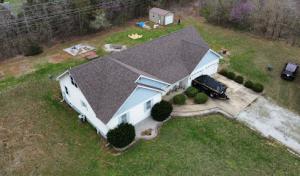
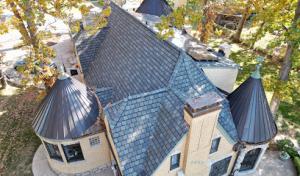
In Arnold, the Missouri insurance landscape means hail and wind endorsements can materially affect what roof damage is covered. You are not dealing with a plain, blanket claim-adjusters may look for specific wind-driven shingle loss, hail impact patterns, and even installation quirks that influence coverage decisions. The result is that a straightforward "my roof is damaged" claim often needs careful substantiation to avoid gaps or surprise after the check arrives.
Detailed inspection reports, photos, and an itemized damage record are your best defense when a storm claim lands on the desk of an adjuster. In this market, contemporaneous notes and clear timelines help prevent vague conclusions about whether damage existed prior to the storm or after the dry spell. Capture wide and close-up shots of shingles, vents, edge details, and any granule loss. Keep a running file of dated photographs and a simple diary of when you noticed issues and who you spoke to.
Adjusters in Arnold often scrutinize storm-related roof claims closely, especially when a significant storm event is involved. Be prepared to walk through the property with the adjuster, point out quarter-sized impact marks, curling shingles, or lifted edges, and refer to your photo log. If something isn't documented clearly, request a re-inspection rather than assuming it will be understood from memory or a quick glance.
Insurance decisions often intersect with permit-triggered full replacement work, making scope accuracy important before installation begins. Have your contractor and insurer align on the replacement scope, the chosen roofing system, and any ancillary components. Missing or disputed scope at the outset can become a snag that drags out the project and complicates claim outcomes. Maintain a precise, itemized agreement and keep all updates recorded in writing.
Connect with contractors who help homeowners navigate the claims process from damage assessment to final approval.
Element Roofing & Exteriors
(314) 420-6983 www.elementroofingmissouri.com
2405 Rosswood Ln, Arnold, Missouri
5.0 from 76 reviews
Shelby Roofing & Exteriors
(800) 646-1663 www.shelbyroofing.net
4011 W Outer Rd, Arnold, Missouri
4.9 from 171 reviews
Howard Roofing & Home Improvements
(636) 296-1057 www.hhiroof.com
526 Jeffco Blvd, Arnold, Missouri
4.8 from 129 reviews
In this freeze-thaw climate, flashing around skylights and chimneys acts like a repeated hinge. Expansion and contraction during every thaw and freeze create micro-movements that gradually open up small gaps. Over time, those gaps become pathways for moisture, especially after a brisk storm passes through. A seemingly sound seal can betray you after a season of cycles, so treat skylight and chimney flashing as the quiet weak points that deserve regular scrutiny.
Local contractor signals show meaningful demand for skylight and chimney-related roof work, indicating homeowners here often need repair expertise beyond field shingles alone. Pay attention to rusty flashing, tar halos around joints, or granular loss near penetrations. If a leak shows up only after wind-driven rain or during a thunderstorm that carries heavy rain at steep angles, the culprit may be the flashing rather than the shingles themselves. A careful inspection that trails moisture back to the penetrations can save bigger damage later.
Wind-driven rain during St. Louis-area thunderstorms can expose penetration details that may not leak during lighter weather. Even when ceilings appear dry after a shower, a vigilant homeowner should re-check skylights and chimneys after a storm with strong gusts. Look for staining around the flashing, soft spots in the roof deck near penetrations, or damp insulation in attic corners. The combination of wind and pressure changes can push moisture through seals you didn't suspect.
If you notice recurring moisture near a skylight or chimney, start with a close-up inspection of the flashing and sealant lines. Clean and reseal only after confirming the flashing is intact and properly flashed to the roofplane. For stubborn or recurring leaks, call in a local roofer who specializes in penetrations to re-flash or replace flashing components rather than patching the surface. This targeted approach reduces the chance of hidden damage masking a larger problem.
Find contractors experienced in skylight installation, flashing, and leak repairs to bring natural light into your home.
Element Roofing & Exteriors
(314) 420-6983 www.elementroofingmissouri.com
2405 Rosswood Ln, Arnold, Missouri
5.0 from 76 reviews
Storm Guard Roofing & Construction of SW St. Louis
(636) 429-4099 www.stormguardrc.com
Serving
4.9 from 393 reviews
Although Arnold is primarily a pitched-roof residential market, local contractor signals show a real low-slope service segment for additions, porches, garages, and mixed residential-commercial structures. Those sections sit closer to the ground and sit under longer roof eave runs, which means more exposure to winter wind-driven spray and sun-driven membrane aging. In practical terms, a small low-slope detail can become a big leak path if it isn't treated like a full roof system, not a quick patch.
Freeze-thaw cycling is punishing on low-slope sections because water can pond, refreeze, and push at flashing and seams. In Arnold, storm water management matters more on these planes than on steeper main roofs. The key telltale signs are pooled water after rain, slow drainage toward scuppers, and hairline cracks in sealants around perimeters. Address these early by verifying slope, ensuring proper deck drainage, and inspecting edge metal for corrosion after major storm events. A dedicated drainage plan for porch or garage entries helps keep meltwater away from living spaces.
Homeowners with hybrid rooflines need contractors who can address both steep-slope replacement and low-slope detailing on the same property. In practice, that means coordinating flashing transitions between membranes and shingles, matching colors and textures, and ensuring that fasteners and sealants tolerate both high sun exposure and winter wind. Expect higher attention to parapets, skylight perimeters, and door/overhang intersections to prevent waterfall effects from mixed roof surfaces.
For quick post-storm checks, start on the low-slope areas first: look for loose flashing, bubbling sealant, and any visible membrane gaps. During routine maintenance, test drainage outlets and confirm there is no standing water near low-slope transitions after a heavy rain. For additions or porches, request a comprehensive detail set from the contractor that includes flashing continuity, membrane compatibility, and warranty coverage that spans both the steep and low sections.
Find specialists in TPO, EPDM, and built-up flat roofing systems for residential and commercial properties.
Meyers Construction & Consulting
(314) 804-9281 www.meyersconstructionandconsulting.com
2063 Southway Dr, Arnold, Missouri
5.0 from 26 reviews
Altmann Roofing & Construction
(636) 282-7215 altmannroofingandconstructionllc.com
5101 Dominion Dr, Arnold, Missouri
4.6 from 64 reviews
1st Choice Construction
(636) 282-0090 1stchoicestl.com
3969 W Outer Rd, Arnold, Missouri
4.7 from 35 reviews
Storms blow through with hail and strong winds, and Arnold homeowners are hiring heavily in the re-roofing market. In the days after a storm, you'll notice a rush of crews; prioritize quick response and thorough cleanup alongside price. A contractor who returns calls promptly, arrives with a tarp plan for exposed areas, and commits to hauling away debris the same day is a reliable sign. Look for a crew that protects landscaping, seals gutters, and won't leave nails scattered across driveways or lawns. The faster a team can secure the site, the less further damage you'll see from wind-driven moisture.
Long-established, family-owned, and locally owned companies have a visible footprint in Arnold's contractor mix. This pattern isn't accidental: it signals accountability, steady service after installation, and a willingness to stand by workmanship. When you're vetting bids, ask for a list of neighboring projects and references they can arrange quickly. A locally rooted crew tends to handle common regional issues-hail dings on asphalt shingles, wind-lifted edges, and bluff-area drainage quirks-more predictably than transient outfits.
Because Arnold requires project details and proof of license for permits, verify that the roofer can handle city paperwork cleanly before work starts. Ask for copies of their current license, bonding, and any required sub-contractor certifications. A responsible firm will walk you through the permit submission steps and provide a clear timeline for when notices will arrive and how inspection milestones will be communicated. If a contractor hesitates on documents or asks you to chase permits, consider it a red flag.
On the job, watch for transparent daily progress updates, a defined point of contact, and a clean, organized workspace. Reputable crews walk the property with you at key milestones, document damage visually, and use quality-fastening methods that hold up to Missouri's wind and hail. In Arnold, a steady, accountable team that aligns with your post-storm expectations tends to deliver less drama and steadier results.