
Last updated: Apr 19, 2026
The St. Louis metro area brings a steady rhythm of hail and high-wind events that trigger frequent roofing claims. In this market, carriers often scrutinize damage more closely and require robust documentation to approve full replacements. Claim decisions hinge not only on what happened to the roof, but on the surrounding history-when the roof was installed, what repairs have been done, and what the current condition looks like in photos. Depreciation timelines and payout structures can vary by carrier, so understanding the pattern in your specific insurer matters as soon as a storm passes.
When a spring hail event hits, you cannot assume a contractor will be free to start right away. Schedule a prompt, independent roof inspection to document all damage before contractors' calendars fill across the metro. A quick, professional assessment helps you capture the scope-shingle bruising, granule loss, flashing dislodgement, and any interior signs of leakage. Take photos from multiple angles, include the entire roof line, and capture the attic condition if visible. Your goal is to build a clear before-and-after narrative that aligns with what the insurer will expect to see if a claim is filed. If you have recent maintenance records or prior repair notes, gather those as well; they can influence how the insurer views wear versus storm-caused damage.
In this market, photo evidence, repair history, and age documentation carry real weight. Insurers commonly request proof of the roof's age and a record of previous fixes before granting a replacement. Keep a simple file: dated photos of storm damage, a dated summary of inspections, and notes on any temporary fixes you've implemented to prevent further interior damage. If a contractor notes that damage appears consistent with a single event rather than widespread wear, document that distinction clearly. When you communicate with your insurer, present the most complete timeline you can-storm date, inspection date, repair date, and any correspondence with adjusters.
Hail and wind storms drive the pacing of roof replacements in this metro area, especially after a major event. Expect a surge in demand after spring storms, followed by a gradual cooldown as crews move through the backlog. It helps to prepare for a crowded schedule by securing a reputable local contractor early, but only after you've completed a thorough inspection and gathered your documentation. Do not let a favorable forecast lure you into delaying a necessary inspection, as timing can influence both claim acceptance and the contractor's ability to deliver a proper installation sequence with proper nailing, flashing, and ventilation checks.
Before you engage a contractor or file a claim, ask how they document damage post-storm and how they coordinate with insurers. Confirm they will produce a detailed, itemized inspection report with timelines and photos that align with insurer expectations. Verify they have experience handling the peculiarities of the local climate-strong wind gusts, hail scoring, and the freeze-thaw cycle that stresses underlayment and fasteners. A trusted installer will also help you understand how the age of the roof intersects with depreciation and repair history, and they will guide you through a transparent, risk-aware plan that prioritizes a durable, code-compliant restoration.
iRestore Stl
(618) 641-9533 www.irestorestl.com
2331A Old Collinsville Rd, Belleville, Illinois
4.8 from 282 reviews
iRestore Stl is a team of full-service insurance restoration professionals. We specialize in storm damage roof repair services, especially hail and wind damage assessment. We take pride in our abilities to negotiate with insurance companies to bring you the most efficient repair. At iRestore Stl, we return your property to better than it was before the storm hit. We are proud to be certified installers of the GAF Lifetime Roofing System. This means that when we replace your roof, it is guaranteed to be free of defects, backed by a lifetime warranty.
Knipp Roofing & Exteriors
(618) 233-1303 knipp-roofing.com
15 S 10th St, Belleville, Illinois
4.6 from 164 reviews
Knipp Roofing and Siding was founded in 1947 in Belleville, IL. Over the years Knipp has been handed down from one roofing expert to the next. In 2016, John & Sandy Haggerty acquired ownership of Knipp Roofing & Exteriors to carry out the mission of protecting a business' investments and making St. Louis area homes beautiful while protecting their most important assets.

Geissler Roofing
(618) 598-1009 geisslerroofing.com
612 S 3rd St, Belleville, Illinois
4.6 from 33 reviews
Geissler Roofing, Inc provides commercial roofing repairs, reroofing, roof inspections, roof coatings, and maintenance to the Southern Illinois and Missouri area. With certifications from leading manufacturers like CertainTeed and GAF, and industry bodies such as NRCA and NCCCO, Geissler Roofing stands out for our expertise and reliability. Choose our roofing contractors for a responsive, dependable service that prioritizes your safety and satisfaction. Call or text us today to get started!
Central Development
11 Madonna Ct, Belleville, Illinois
4.7 from 3 reviews
Central Development provides Roofing, Siding, Window Replacement, and Thermal Windows to the Belleville, IL area.
L&L Exteriors
8400 IL-15, Belleville, Illinois
5.0 from 2 reviews
We are a small family owned and operated roofing company. We can meet all your roofing needs whether it is commercial, industrial, or residential homes. Gives us a call 24 hours a day and in an emergency! We give free quotes!
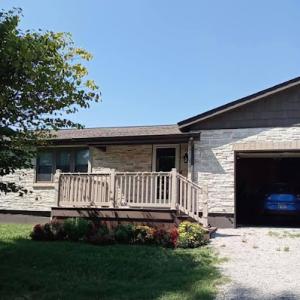
Js & Sons Construction - Belleville
(888) 457-6632 www.jsandsonsconstruction.com
205 S Illinois St, Belleville, Illinois
3.7 from 3 reviews
Family owned, licensed, bonded, and insured roofing contractor.
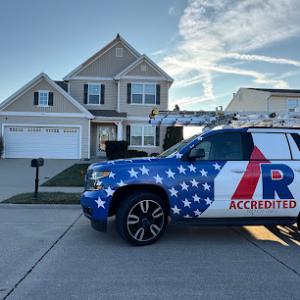
Accredited Roofing
(618) 616-7515 accreditedroofing.net
Serving
4.9 from 297 reviews
Accredited Roofing is a trusted leader in roofing and storm damage restoration, specializing in roof replacements, hail and wind damage repair, and comprehensive exterior solutions. Serving residential and commercial properties, we provide expert services in roofing repairs, vinyl siding replacement, gutter installations, tuckpointing, and soffit and fascia. With a reputation for excellence, authenticity, and unmatched customer service, Accredited Roofing ensures quality workmanship and durable solutions for every project. As storm damage restoration experts, we work closely with insurance claims to simplify the process. Contact us today for reliable, top-rated roofing and exterior restoration services.
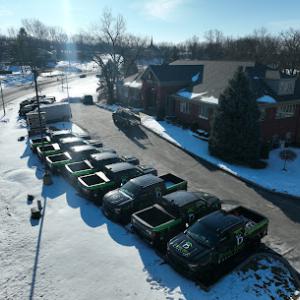
Brody Allen Exteriors
(618) 228-3118 brodyallenexteriors.com
Serving
5.0 from 32 reviews
At Brody Allen Exteriors, every project starts with listening to you. Whether it’s a small repair or a brand new roof, you’ll receive services matching your specific needs and desires. We know how important your home is to you, which is why we commit to using only the best materials and methods that align with your vision. From the initial consultation to the final installation, your preferences are our top priority. With Brody Allen Exteriors, you can rest assured that your roofing project is in skilled hands dedicated to making your vision a reality.
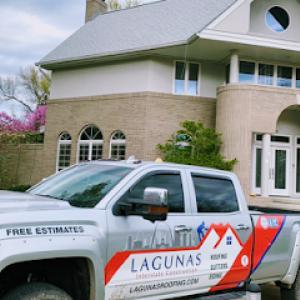
Lagunas Roofing
(618) 300-5661 lagunasroofing.com
Serving
4.7 from 253 reviews
Lagunas Roofing is a full-service roofing company specializing in residential and commercial roofing. We cater to roofing, gutters, siding, and other roofing services. We are a family-owned and operated business founded in O’Fallon, IL. Over the course of 15 years, we have built our reputation as an esteemed roofing company in the Metro St. Louis region by working closely with our customers to provide the highest quality work. Trust your home to a local expert in roofing.
Brandon J Roofing
(618) 368-4721 www.brandonjroofing.com
Serving
4.9 from 97 reviews
Brandon J Roofing is a trusted roofing company in O'Fallon, IL and the surrounding areas. We cover roof replacement, metal roofing, hail & storm damage repair, and more!
Matterhorn Exteriors
(618) 541-4738 www.matterhornexteriors.net
Serving
5.0 from 37 reviews
Matterhorn Exteriors provides residential roofing, window, siding, and storm damage services to Shiloh, IL, and surrounding areas.
Hero Roofing & Exteriors
(618) 852-9704 heroroofingexteriors.com
Serving
5.0 from 42 reviews
Roofing Contractor in O'Fallon, IL Specializing in New Roofing Installation & Roofing Repair Hero Roofing and Exteriors is a proud veteran-owned company. We bring the same hard work and honesty to our jobs that we gave while serving our country. Our business is run with strong family values, treating every home like it’s our own. We care deeply about the local community. That’s why we live here, work here, and serve here. From the first call to the final clean-up, we focus on quality work and friendly service. Every roof, gutter, and siding job we do is built to last and made with care.
In Belleville, hot summers, cold winters, and repeated freeze-thaw cycles directly affect roof lifespan and the timing of replacement decisions. The calendar follows practical weather windows: the more you can align to moderate temperatures and dry conditions, the longer a new roof will perform without early issues. The typical rhythm is to push non-emergency projects toward the warmer, drier months when shingles lay flatter, nails seat correctly, and flashing can be sealed without freeze-thaw interference.
Winter ice, snow, and cold are known to slow or suspend roofing work locally, which can push non-emergency projects into spring. Between December and February, crews routinely encounter days too cold for adhesive activation and for asphalt shingle granules to seat properly. Ice dams are a sign that interior heat loss and roof edge protection need attention, but they do not replace the need for a planned replacement when the roof is at end of life. If a hail event happens and a prompt replacement is possible, the process slows only if temperatures stay below freezing for extended periods. In practice, the cold season acts as a natural brake that preserves the roof's structural integrity, but it also compresses scheduling flexibility for spring-start conversions.
As temperatures rise, attention shifts to dry days with solid ventilation, which is crucial in Belleville's climate. The spring window is ideal for final assessments after winter storms, when crews can verify nailing patterns, flashing readiness, and attic ventilation. A detailed inspection should identify compromised underlayment, missing or damaged drip edge, and any wind-driven damage from the prior season. This is the time to map out the sequence of work, including roof deck replacement if needed, so the project progresses without weather-driven delays.
Summer is the primary installation season. Long, dry days help shingles seat properly and ventilation systems operate at peak efficiency during the hottest months. In neighborhoods with mature trees and varied roof pitches, daily schedules reflect sun exposure and runoff patterns. High heat can affect adhesive-based products, so plan for early starts and finish objectives that minimize mid-afternoon heat exposure. The goal is to complete installation with ample curing time for sealants and flashings before autumn storms return.
By late summer into early fall, site accessibility remains favorable, and temperatures are typically within a comfortable range for crew safety and material handling. This is a practical taper point: remaining touch-ups, vent reseals, and drip-edge inspection wrap up while weather still allows clean, uninterrupted work. If a replacement lags into late fall, ensure the project remains practical for a longer curing season into early winter rather than risking exposure to sharp freezes or wind-driven rain.
Coordinate with neighbors aware of Belleville's busy spring-to-fall rhythm. Schedule non-emergency work after major storms or hail events to leverage post-event inspections while avoiding peak heat. Maintain a flexible response plan for weather-induced pauses and understand that effective ventilation, flashing integrity, and nail patterns become the decisive factors for a durable, long-lasting roof.
When you can't wait, these contractors offer fast response times to stop leaks and prevent further damage.
iRestore Stl
(618) 641-9533 www.irestorestl.com
2331A Old Collinsville Rd, Belleville, Illinois
4.8 from 282 reviews
Knipp Roofing & Exteriors
(618) 233-1303 knipp-roofing.com
15 S 10th St, Belleville, Illinois
4.6 from 164 reviews
A full re-roof in Belleville typically requires a permit issued by the city rather than being handled informally. This isn't a step to gloss over, because the permit process helps ensure that the work meets local standards for drainage, ventilation, and long-term durability. If your plan is to replace shingles on your home's main roof, expect to line up documentation, confirm material compatibility, and coordinate timelines with the city's building division.
After completion, a final inspection is standard practice. Inspectors commonly verify underlayment installation, nailing patterns, ventilation, and flashing for code compliance. They'll also check that the new roof deck is properly supported and that fasteners are driven at the correct intervals. In practice, the inspection acts as a safety net: it confirms that the roof will perform under typical Belleville weather, including freeze-thaw cycles and spring hail. Anticipate possible questions about attic ventilation balance, intake and exhaust, and whether any vented soffits or ridge vents were tied in correctly with the new system. Being prepared with a clear, labeled venting plan and a note on any deviations from the original deck conditions can smooth the day-of-inspection experience.
Projects that change structural elements or venting may trigger plan review in addition to the standard permit and inspection path. If the re-roof involves altering roof geometry, modifying the ridge or valley configurations, or adjusting attic ventilation strategy, expect the city to request scaled drawings or a written description of the changes. This is especially common if your roofline feeds into complex drainage details or if there are unusual flashing requirements around soffits, chimneys, or dormers. Plan review adds time to the project, so factor this into your scheduling from the outset. Work with a contractor who can translate on-site conditions into clear submissions and who has experience navigating Belleville's review expectations.
From the moment you decide to re-roof, treat the permit as a fixed milestone rather than a hurdle to dodge. Delays in obtaining the permit or securing a final inspection can push completion into adverse weather windows, which increases the likelihood of call-backs or resealing after issues are discovered. A well-documented plan, a scheduled inspection window, and a contractor who respects the city's scrutiny criteria reduce the risk of rework. If you receive a notice requesting additional information, respond promptly to avoid compounding delays. In the end, staying on top of permit and inspection requirements protects your home's value and reduces the headaches that come from post-work compliance concerns.
In Belleville, homeowners commonly choose among asphalt shingles, metal roofing, clay tile, concrete tile, synthetic/composite shingles, and slate rather than relying on a single dominant material type. The weather pattern-spring hail and fall wind events-shapes what gets installed and how it performs over time. Freeze-thaw cycles emphasize water-shedding and durability, so the best choice balances weather resilience with long-term maintenance, not just curb appeal.
Asphalt shingles remain a practical, widely available option that handles Belleville's freeze-thaw cycles with reasonable resilience. Look for intently designed shingle profiles that promote rapid shedding of moisture and strong granule adhesion to resist wind uplift during autumn storms. When hail comes, the ability of the surface to shed impact and the attic ventilation behind the shingles become important factors, because properly vented roofs help prevent moisture-related damage after hail events.
Metal roofs excel in wind resistance and hail durability, with the added benefit of fast shed-off during storms. In this climate, metal's light weight combined with a solid underlayment can reduce stress on the roof deck during freeze-thaw periods. Choose panels with properly sealed seams and a corrosion-resistant coating suitable for high-humidity conditions. The aesthetic palette can also help certain homes maintain character while delivering a proactive storm response.
Clay tile provides timeless curb appeal and excellent compression strength, but weight is a critical consideration in Belleville's climate. Tile systems shed water well when installed with proper underlayment and back-sealed flashing, yet freeze-thaw cycles demand attention to expansion joints and crack resistance. When hail is a concern, ensure tiles are rated for impact resistance and that the roof structure is reinforced to handle the increased load.
Concrete tile shares many advantages with clay, including a strong life expectancy and good water shedding. It often handles hail better than some composites if installed with secure fasteners and appropriate underlayment. In freeze-thaw conditions, proper edge detailing and ventilation help minimize moisture ingress. Weight remains a practical consideration, and care should be taken with flashing and rafter space during re-roofs.
Synthetic or composite shingles offer varied looks and improved impact resistance relative to traditional asphalt, which can be advantageous in hail-prone springs. They often balance weight, durability, and ease of installation, making them a flexible option for mixed housing stock. Ensure the product line chosen has proven performance in local freeze-thaw cycles and compatible underlayment.
Slate delivers exceptional longevity and a distinctive finish, but the weight and installation complexity require a solid structural assessment. Its water-shedding performance suits cold conditions when paired with a meticulous flashing plan. In windy seasons, slate's hardness helps resist hail, yet edge protection and proper fastener selection remain essential to prevent wind-driven damage.
In Belleville, after a big hail or wind event, you're likely to see higher contractor demand and tighter scheduling. Typical pricing for asphalt shingles runs about $350 to $650 per square, and metal roofs generally land in the $700 to $1200 per square range. If your home leans toward clay or concrete tile, expect the ballpark to move into the higher ranges-clay tile commonly sits between $1200 and $2500 per square, while concrete tile is usually about $900 to $1800 per square. Synthetic or composite shingles come in around $500 to $900 per square, and slate climbs significantly, from $2000 to $4000 per square. These figures reflect Belleville's mix of midwest freeze-thaw stress and the demand spikes that follow major storm activity.
After a storm, repair crews and replacement teams may stretch thin. Scheduling can push out a bit, especially if inspectors flag ventilation, flashing, or decking issues discovered during a post-storm assessment. If your roof is a straightforward re-roof with no extra fixes, the timeline may stay relatively tight. If the inspection uncovers ventilation or flashing corrections, or decking repairs, expect additional coordination and time, which can also affect cost slightly due to material or labor adjustments. In practice, a smooth, no-surprises project tends to ride the storms better: a clean replacement path begins with a solid diagnosis, then a measured scope of work.
A basic re-roof that doesn't reveal hidden problems typically follows standard material pricing, with asphalt shingles being the most economical choice. When a storm reveals ventilation or flashing corrections needed to meet the local roof line and flashing standards, or decking replacements become necessary, the project either stays within the upper end of the typical asphalt range or shifts toward mid-to-upper tiers for the chosen material. For example, clay and slate, already at premium pricing, can rise further if structural corrections are required. In Belleville, acknowledging these contingencies up front helps prevent surprise costs once the crew removes shingles and exposes underlying conditions.
Before committing, get a written assessment that distinguishes between a straightforward re-roof and a scope that includes ventilation, flashing, or decking corrections. If you can, schedule during a window with fewer storm-projects in the queue to secure earlier start times and avoid premium rush rates. For insulation and ventilation improvements, coordinate with the project's scope so these items are treated as integral fixes rather than add-ons. Finally, compare bids not just on price, but on the clarity of the scope, anticipated timelines, and how potential corrections are priced. In Belleville, that clarity often saves the most headaches once the weather dries and contractors re-balance their schedules.
Get a clear picture of your project costs upfront - no commitment required.

In Belleville, freeze-thaw cycling makes small water-entry points more consequential because repeated expansion can worsen flashing and edge-detail failures over time. A tiny crack around a vent boot or a seam at a valley may seem inconsequential after a chilly morning, but every cycle drives a little more separation. When flashing is not fully sealed or nailed correctly, those micro-leaks become paths for moisture that pushes up under shingles and toward interior wood. If you're evaluating a re-roof after a rough winter, look closely at where the roof meets walls, chimneys, and vents; these are the spots that quietly become big problems.
The city's inspection emphasis on flashing, ventilation, and nailing reflects the areas most likely to create performance problems if a re-roof is rushed after storm season. Poorly installed or missing nail patterns can loosen shingles during spring winds, while inadequate ventilation invites heat and moisture buildup that ages sheathing prematurely. If there is any sign of lifted corners, wavy areas, or damp undersides around eaves and attic vents, address them before covering with new material. A proper nailing pattern through multiple fastener lines and correct placement of shingles relative to the edge can prevent edge curl and nail pops that invite leaks later.
Spring hail and fall winds create a local pattern where surface damage and loosened components may not leak immediately but still shorten service life. Hail dents, bruised edges, or granule loss can loosen protective coatings, allowing rain intrusion after every strong front passes. Even if water isn't actively entering the home after a storm, the compromised surface invites accelerated aging, especially along the eaves and near flashings. Regular post-storm inspections focusing on these areas can catch problems before they cause interior damage.
Find contractors experienced in skylight installation, flashing, and leak repairs to bring natural light into your home.
Knipp Roofing & Exteriors
(618) 233-1303 knipp-roofing.com
15 S 10th St, Belleville, Illinois
4.6 from 164 reviews
When a hail or wind event hits, preparation matters. In Belleville, insurers often expect detailed, date-stamped photos and records of prior repairs. Start with a clear log: note the date and time of the storm, then capture the roof from several ground angles and from an extension ladder if safe. Close-ups of damaged shingles, flashing, and vents help support a claim later. If a professional visit occurs, get a written scope that distinguishes new damage from preexisting wear.
Photographs should show the entire roof and the specific problem areas. Include street views to establish the storm date, then zoom in on issues like lifted tabs, granule loss, and any interior signs of leakage around penetrations. Keep copies of any receipts for temporary tarps or repairs, plus notes from contractors about the age of the roof and its previous repairs. In a neighborhood with mixed materials, document material type and color changes to prevent confusion during settlement.
Documentation is especially important if depreciation affects recovery, a common carrier stance after a regional hail event. Expect the insurer to assess depreciation based on the roof's age and remaining life. Track all communications, deadlines, and the timeline from initial report to final decision. If weather clusters occur, claim processing can extend beyond a single week; having a precise timeline helps avoid gaps in coverage or payment.
Cosmetic concerns can be real indicators of deeper issues after a known hail event. In this market, insured homeowners should emphasize any patterns of staining, shingle blistering, or granule loss that align with the storm. Provide before-and-after comparisons from the same sections when possible, so the adjuster can correlate appearance with documented impact.
As the claim progresses, maintain a running folder of all new photos, contractor notes, and any re-inspection reports. If additional damage is found upon nail-studied inspection, record the new findings promptly with dates. This ongoing detail supports a smoother adjustment and reduces back-and-forth once a settlement is proposed.
Connect with contractors who help homeowners navigate the claims process from damage assessment to final approval.
iRestore Stl
(618) 641-9533 www.irestorestl.com
2331A Old Collinsville Rd, Belleville, Illinois
4.8 from 282 reviews
Knipp Roofing & Exteriors
(618) 233-1303 knipp-roofing.com
15 S 10th St, Belleville, Illinois
4.6 from 164 reviews
Belleville's contractor market is noticeably skewed toward re-roofing and storm work, not specialty-only roofing segments. That means many crews are ready to move fast when hail or wind hits, and they know how to handle the typical storm-driven job from tear-off to finish. You'll notice bids that emphasize quick mobilization, solid cleanup, and a straightforward return-to-service timeline. This environment rewards contractors who can schedule around weather windows, protect landscaping, and keep streets tidy during material drops.
Quick response and cleanup are unusually prominent hiring priorities in this market. Look for crews that annotate a practical removal plan, containment to limit debris, and a proven track record of post-storm sites left in neat condition. Long-established, family-owned, and residential-focused firms are meaningful signals when homeowners compare post-storm bids. Those firms tend to prioritize relationships, punctual communication, and a predictable hand-off from project start to finish.
When you canvass bids, ask who handles the project from start to finish and how scheduling will accommodate weather delays. Request a named project manager, a clear cleanup protocol, and a written storm-response timeline. Check references from nearby neighborhoods that faced similar hail events, and verify that the crew has substantial experience with the typical shingle, metal, or tile systems common in the area. Pay attention to whether the bid accounts for flashing, ventilation, and nail patterns, which are scrutinized in the local permit-driven process.
Choose a contractor with a demonstrated record of responsible storm work, clear communication, and a defined cleanup standard. Favor firms that can provide detailed milestones, a realistic mobilization window, and a straightforward warranty path. In evaluating bids, weigh the stability of the company, the clarity of the contract, and the continuity of the team assigned to your roof-from tear-off through final roof inspection.