
Last updated: Apr 19, 2026
Collinsville sits in the St. Louis metro insurance zone, where periodic hail and wind events drive elevated roof claim activity compared with calmer Illinois markets. When spring storms roll through, the damage isn't always obvious at first glance. A hail-dented shingle or a wind-tear at a vent can be the quiet start of a larger issue that worsens with every thunderstorm. The peak activity you'll see in this city comes from the late spring into early summer, when insurers and adjusters swing into action and crews flood the area. That means the window for evaluating, documenting, and initiating repairs can close faster than you expect, especially if a second round of storms hits before a previous claim is settled. In practice, stronger hail years translate to more simultaneous repairs, longer scheduling backlogs, and a tighter pace to secure what you need before the next round of weather.
Spring hail and thunderstorms are the city's most disruptive roofing season, creating both direct shingle damage and contractor scheduling backlogs. The reality is that many homes in this market face storm-damage decisions within a compressed time frame. You're navigating not only the physical repair but the flow of communication with insurers, adjusters, and local contractors who are prioritizing a flood of similar claims. That means patience and a clear plan are assets. If a roof shows signs of recurring leaks, missing granules, or dented edge metals after a storm, don't stall the assessment. Quick triage matters: identify the most vulnerable spots-attic signs of moisture, sagging ceilings, and interior staining-and start conversations early with a contractor who understands how the claim process interacts with their scheduling. The aim is to avoid a prolonged repair window that stretches into late summer, when hot weather, scheduling backlogs, and supply issues can complicate the outcome.
In this climate, timely action keeps you out of a squeeze when multiple homeowners pursue repairs in the same season. Start by documenting every storm impact with dated photos and notes, focusing on fast-moving symptoms like obvious leaks, curling shingles, or lifted flashing. Photographing the interior after a rain gives you leverage when discussing damage with your insurer. Contact a contractor with a local track record of handling hail and wind claims in the St. Louis metro area, and request a thorough roof inspection after the first round of storms so you have a solid baseline for your claim. Maintain a concise file of communications with your insurer and contractor, including dates of inspections, estimates, and any follow-up requests. If a contractor hears about additional claims in the same neighborhood, plan for possible timing shifts but stay proactive with your own schedule, because the first window after a storm is often the most efficient for securing materials, crew availability, and a smooth inspection process.

Edwards & Sons Roofing
(618) 476-1480 edwardsrestore.com
106 S Chestnut St, Collinsville, Illinois
5.0 from 115 reviews
At Edwards and Sons Roofing Services, ensuring our customers are completely satisfied is our number one goal. We are dedicated to delivering outstanding quality, professionalism, and unparalleled customer support. Our comprehensive range of construction services is designed to cater to your specific needs, whether it’s conducting hail or storm damage assessments, providing roofing solutions for both residential and commercial properties, installing siding, offering guttering services, or general contracting. Our team of experts is committed to excellence, managing to complete most roofing projects within a single day to minimize any inconvenience to your daily routine. Choose Edwards and Sons Roofing Services for all your external constr...
Riverside Restoration
(844) 767-6691 riversiderestoration.net
2211 Vandalia St, Collinsville, Illinois
4.7 from 226 reviews
Riverside Restoration is a premier roofing contractor proudly certified as an Owens Corning Preferred Contractor. Our expert team delivers exceptional roofing services using only the finest Owens Corning materials. This prestigious partnership gives our clients exclusive access to premium products and extended warranties, ensuring superior roofing solutions for every project. Our commitment to craftsmanship, integrity, and customer satisfaction sets us apart in the industry, as we consistently exceed expectations on every installation and repair. With our specialized expertise and Owens Corning's trusted support, Riverside Restoration confidently provides homeowners with the highest quality roofing solutions for their investment.
LDL Roofing & Construction
(618) 900-8399 ldlroofingandconstructionil.com
850 Vandalia St #120, Collinsville, Illinois
5.0 from 22 reviews
🏗️ Experience Unmatched Quality, Trust in Our Legacy! LDL Roofing and Construction is your premier destination for top-notch roofing and construction services. ✅ We pride ourselves on delivering exceptional quality, unmatched craftsmanship, and impeccable attention to detail. ✅ As a trusted industry leader, our team works diligently to meet your unique needs and exceed expectations. ✅ With years of experience, we specialize in: 🏠 Residential Roofing 🏢 Commercial Roofing 🛠️ Construction Projects …and much more! 📧 Contact Us Today: ✉️ ldlroofingandconstruction@gmail.com ✉️ info@ldlroofingandconstructionil.com
Lakeside Roofing
(618) 344-2800 www.lakesideroofing.com
2205 Vandalia St, Collinsville, Illinois
4.3 from 34 reviews
Lakeside Roofing, established in 1972, has a solid reputation for excellence in the roofing industry. Our philosophy is focused around a relentless commitment to customer service, quality products and outstanding workmanship.
UpRight Construction
(314) 374-1343 uprightconstruction.biz
5742 Old Keebler Rd, Collinsville, Illinois
4.3 from 22 reviews
We supply the client with the utmost effective satisfaction and quality of service. We work for you based on your insurance companies estimate to replace any damaged roof, siding or exterior.
Gumball Roofing
(815) 486-2255 gumballroofing.com
1019 Vandalia St, Collinsville, Illinois
5.0 from 4 reviews
At Gumball Roofing, we’re proud to serve our local community with dependable roofing you can trust. From small repairs to full roof replacements, we focus on quality workmanship, clear communication, and long-lasting results.
Madison County Roofing
(618) 876-4309 madisoncountyroofing.com
5 Harmon Ln, Collinsville, Illinois
5.0 from 4 reviews
At Madison County Roofing & Home Improvement, we take roofing and exterior home improvement seriously. Established in 1937, we’ve thrived because we pride our products fairly and we work hard to ensure the complete satisfaction of each customer. Our team is experienced, skilled and all technicians have been with the company for 10+ years, which means you can count on quality craftsmanship from individuals that are dedicated to excellence. Our owner, Mark Eck, is on every job site to ensure that our high standards for quality are being met. This allows him to meet our valued clients and address any questions or concerns, directly. Lastly, we’re fully licensed, bonded and insured for the safety of you, your home and our employees.
Allen Roofing & Siding
(618) 343-1117 www.aroofing.net
Serving
4.3 from 46 reviews
For over 50 years, Allen Roofing has been one of the leading roofing companies in the Southern Illinois and the Greater St. Louis metropolitan area. We are committed to putting our customers first with our combined experience and customer service. No job is ever too big or too small for your roofing, siding, gutter, or tuckpointing needs!
RTJ Construction
(618) 631-3445 rtjconstructionllc.com
107 Middlegate Ln, Collinsville, Illinois
5.0 from 1 review
At RTJ Construction, our contractors have two decades worth of experience providing expert roofing and home improvement services to residential and commercial properties in Madison and St. Clair Counties. Whether you’re looking to completely replace your roof or restore the siding on your home, our team can handle any project, big or small. With a passion for excellent customer service and quality results, you can rely on RTJ Construction to get the job done right the first time. Reach out to our roofing professionals today to get an estimate on your roofing, siding, windows, and doors, or storm damage repair needs, and we’ll work within your budget to guarantee quality results.

D & S Scurry Construction
(618) 346-4997 danscurryconstruction.com
Serving
4.6 from 10 reviews
D & S Scurry Construction provides roofing, remodeling and more to customers throughout the Metro-East area. As a family-owned business, we take great pride in serving our local community with superior craftsmanship and a range of exterior remodeling services. With over 30 years’ experience, you can trust our commitment to excellence and our commitment to the customer, pricing products fairly and working hard to make sure you get exactly what you want.
Accredited Roofing
(618) 616-7515 accreditedroofing.net
Serving
4.9 from 297 reviews
Accredited Roofing is a trusted leader in roofing and storm damage restoration, specializing in roof replacements, hail and wind damage repair, and comprehensive exterior solutions. Serving residential and commercial properties, we provide expert services in roofing repairs, vinyl siding replacement, gutter installations, tuckpointing, and soffit and fascia. With a reputation for excellence, authenticity, and unmatched customer service, Accredited Roofing ensures quality workmanship and durable solutions for every project. As storm damage restoration experts, we work closely with insurance claims to simplify the process. Contact us today for reliable, top-rated roofing and exterior restoration services.
Lagunas Roofing
(618) 300-5661 lagunasroofing.com
Serving
4.7 from 253 reviews
Lagunas Roofing is a full-service roofing company specializing in residential and commercial roofing. We cater to roofing, gutters, siding, and other roofing services. We are a family-owned and operated business founded in O’Fallon, IL. Over the course of 15 years, we have built our reputation as an esteemed roofing company in the Metro St. Louis region by working closely with our customers to provide the highest quality work. Trust your home to a local expert in roofing.
In this metro, insurers frequently demand a thorough, date-stamped record of the roof's condition, including photos that clearly show the extent of damage from a recent storm. When you assemble your file, organize it so a claims adjuster can follow the progression from the initial damage to the present condition. Separate new storm damage from prior wear with dated notes and timestamps on every photo. This helps prevent disputes that can stall a claim or trigger depreciation questions later on.
Take wide exterior shots that capture the overall roof layout and any visibly failed areas, then close-ups of hail impacts, lifted shingles, and damaged flashing. Include images of the attic if there is roof-related water intrusion, with timestamped notes describing any staining, mold, or ceiling leaks. Before temporary repairs or debris removal, photograph the site as-it-was, and store copies of those images separately in your claim file. The adjuster visit often depends on a clean before-and-after trail, so precision in timing matters.
Adjuster visits are a routine feature of larger hail and wind claims in this market. Having clear records before temporary repairs and debris removal minimizes back-and-forth later on. If repairs are needed to prevent further interior damage, document each step with receipts, dates, and a brief description of what was done and why. A well-maintained diary of events-timed to the storm date and subsequent mitigation measures-helps align the claim with the actual damage chronology.
Depreciation can materially affect claim outcomes in this environment, making roof age, prior patching, and maintenance history especially influential in claim files. Keep a concise maintenance log that notes when shingles were replaced, patches were made, or flashing was resealed. If you have evidence of proactive upkeep, include it alongside the damage narrative. Insurers frequently scrutinize prior work to determine whether preexisting conditions contributed to the current failure, so honest, organized records can prevent misunderstandings that slow settlement.
Before any debris removal or temporary stabilization, hold a detailed photo session and compile a condition report. If there is any doubt about whether a given feature is storm-related damage or preexisting wear, document it with photos dated on or near the storm date and add a brief, objective note explaining the observed difference. When communicating with the insurer, present a cohesive bundle: the condition report, the photo chronology, and the maintenance history, all clearly labeled and easy to reference. This disciplined approach protects your claim from depreciation penalties and keeps the process moving toward a resolution that reflects the actual storm impact.
Connect with contractors who help homeowners navigate the claims process from damage assessment to final approval.

Edwards & Sons Roofing
(618) 476-1480 edwardsrestore.com
106 S Chestnut St, Collinsville, Illinois
5.0 from 115 reviews
Riverside Restoration
(844) 767-6691 riversiderestoration.net
2211 Vandalia St, Collinsville, Illinois
4.7 from 226 reviews
LDL Roofing & Construction
(618) 900-8399 ldlroofingandconstructionil.com
850 Vandalia St #120, Collinsville, Illinois
5.0 from 22 reviews
A full re-roof in Collinsville requires a permit issued by the Collinsville Building Department. Before any tear-off starts, you must line up the submission of complete material details, project scope, and contractor information. The city's process often hinges on getting the right paperwork in early, so your plan should mirror the sequence you expect the inspectors to review: deck safety notes, ventilation counts, shingle or panel type, underlayment, and any drainage or venting modifications. Building a careful, organized package helps prevent delays once the crew is ready to begin.
The city may require licensed contractors, and plan review times can vary. That means you should not assume a quick approval simply because a crew is available. In practice, that translates to securing your contractor's license evidence, liability coverage, and a detailed material list before you schedule the tear-off. The plan review can introduce a window where materials are procured and staged, while ensuring the project aligns with Collinsville code and local wind and hail considerations. Have your contractor submit exact roof dimensions, the chosen system (shingles, metal, or another material), and any ancillary components like ice-damming barriers or roof-to-wall flashings.
Inspections in Collinsville are scheduled during installation and again after completion. That means the project sequencing must account for municipal sign-offs rather than just crew availability. Expect a mid-project check as the new roof goes on, with a subsequent final inspection after temporary protections are in place and the job site is cleaned. To avoid backtracking, plan for inspection points to coincide with key milestones: scaffold or ladder safety, vent alignment, and flashing integration. If a deviation from the approved plan arises (for example, a vent relocation or a switch in underlayment), that change should be captured and resubmitted for a quick re-review rather than waiting for the next scheduled inspection.
Spring hail and wind seasons can compress schedules, so coordinate closely with the contractor to maintain compliance with the permit timeline. If storm recovery influences the project window, keep the Building Department informed about any temporary suspensions or accelerations. The inspectors will want to see that all required weather-resistant details-ice barriers in the eaves, proper attic ventilation, and secure fastenings-are in place before the project proceeds beyond the initial phases. Having a clear, written sequence of work and a single point of contact for the permit office helps keep the job moving within Collinsville's regulatory rhythm.
Late spring through early fall is typically the preferred roofing window for this area because it avoids the worst freeze-thaw installation complications. You'll find that asphalt shingles, metal, and synthetic options install more reliably when temperatures sit in a moderate range and moisture is manageable. If a storm disrupts the spring schedule, aim for a window soon after the last big hail event and before heavy summer heat sets in, so panels and underlayment aren't stressed by prolonged heat exposure. In mid-summer, days with cooler mornings are helpful for sealing and ventilation, but the overall heat can still push crews to move faster and may affect long-term performance if ventilation isn't carefully managed.
Winter freeze and thaw cycles can interfere with installation quality and material performance, especially when emergency replacements cannot wait for warmer weather. If you must tackle a roof repair in late fall or winter, plan for a longer, more weather-tight process. Expect extra precaution with ice and snow removal around the eaves and a temporary heat plan if temps dip below what the chosen materials tolerate. When a windstorm or hail damage forces a quick replacement, prioritize projects with temporary protective measures and moisture control so water intrusion is minimized during the freeze-thaw transition.
Summer heat in this area raises ventilation demands and can affect both material expansion and crew productivity on exposed roofs. Proper attic or underneath-deck ventilation helps control heat buildup, reduces deck temperatures, and supports sealant performance. Discuss with the crew how flashing and ridge vents will be coordinated with ventilation strategy, especially on roofs with complex shapes or multiple elevations. Materials with different expansion rates may respond uniquely to heat, so ensure fasteners and sealants are chosen to accommodate those changes and maintain a tight, wind-resistant seal through the hottest days.
Coordinate your replacement window to begin with dry days and mornings when temperatures are rising but not extreme. Have a contingency plan for late spring storms-staging a portion of the work nearby and protecting interior spaces can save time and reduce weather-related setbacks. Choose a crew that emphasizes breathable underlayment and proper ventilation placement to support long-term performance in the Collinsville climate.
Get a clear picture of your project costs upfront - no commitment required.
Vital Construction & Roofing
(618) 328-0334 www.vitalconstruction-roofing.com
Collinsville, Illinois
5.0 from 9 reviews

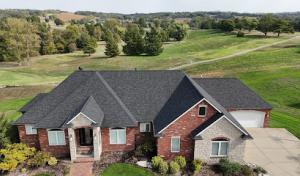
In Collinsville, asphalt shingles are the practical backbone of most re-roofs after spring hail and the accompanying wind bouts. The market favors a balance of reliable performance, repairability, and straightforward matching to existing homes in neighborhoods built over decades. When a hail event or wind damage hits, asphalt systems tend to be quicker to assess, patch, and replace without forcing homeowners into a longer wait for specialty stock or labor. For many homeowners, that means quicker insurance-driven recovery and fewer days with exposed decking. The material also integrates well with the typical roof pitches found in Collinsville, which helps maintain a cohesive street appearance after storms. In short, asphalt shingles stay the workhorse because they align with the local repair cadence and the common housing stock.
Metal roofing stands out as a meaningful upgrade path for homeowners who want confidence against gusty springs and the heat of St. Louis metro summers, followed by the cold swings of winter. When wind is a primary concern, metal's fast installation, dimensional stability, and high-resistance fasteners offer tangible advantages. Metal panels shed hail impact and resist denting relatively well, and their longevity can translate into fewer callbacks after the next severe weather cycle. For homes with steeper pitches or older structures that can tolerate heavier assemblies, metal can also help with long-term performance through temperature extremes. Still, the choice should consider existing roof framing, attic ventilation, and the ability to accommodate a heavier system if the structure isn't reinforced.
Clay tile, slate, wood shakes, and synthetic products exist in the local marketplace, but the region's hail exposure shapes practical decisions around impact vulnerability, repair matching, and replacement logistics more than style alone. Tile and slate offer distinct curb appeal and long lifespans under ideal conditions, but hail can fracture these materials, leading to more intricate repair scenarios and potential mismatch issues with surrounding shingles. Wood shakes carry a compelling look and decent durability in dry periods but struggle with moisture, mold, and impact in wet springs. Synthetic products promise enhanced impact resistance with lighter handling than natural stone and tile, yet they still need careful assessment for wind uplift and color stability after sun exposure. In Collinsville, the emphasis remains on ensuring that whatever premium option chosen aligns with reliable repair possibilities, consistent insurance claim handling, and the ability to blend with neighboring roofs when a storm triggers a full replacement cycle.
When evaluating materials after a hail event, consider how quickly a system can be inspected, matched, and replaced within the insurance-driven timeline typical to the St. Louis metro area. If the goal is rapid restoration with a proven track record of post-storm performance, asphalt remains the default. For homes where wind resilience and long-term performance take priority, metal offers a compelling upgrade with predictable handling of seasonal extremes. For anyone weighing premium options, focus on how each material behaves under hail impact, how easy it is to source compatible repairs, and how well the finish and texture will integrate with the neighborhood aesthetic after a full replacement cycle.
Asphalt shingles in this area typically run about $350 to $600 per square, metal from roughly $700 to $1200 per square, clay tile $900 to $1600 per square, wood shingles or shakes $600 to $1100 per square, synthetic or composite shingles $550 to $1000 per square, and slate $1100 to $1900 per square. These ranges reflect local material choices and the way Collinsville homes are built, many with 3:12 or steeper pitches and various deck conditions. If a contractor is pushing a premium underlayment or special venting, you'll see numbers climb within those bands, not outside them by much.
Spring hail and wind drive up pricing regionally as crews get booked in advance to meet storm demand. In practice, that means if your replacement work is scheduled soon after a large hail event, you should expect higher bids and possibly shorter lead times. If your project can be planned for a lull in the spring rush, you'll see more competitive pricing and potentially quicker scheduling. Budget for a small contingency if you're timing around peak demand, especially for asphalt or metal options where material and crew availability shift quickly after a big week of storms.
Final totals aren't just about the shingle choice. The path from "new roof" to a finished job often depends on whether the project stays a straightforward re-roof or expands to storm-related decking or flashing repairs. If roofing decking, fascia, or structural purlins need work, the price can jump, and the crew might need an extra inspection bite to verify protection and ventilation are up to spec. Dry-in quality and proper flashing around chimneys, vents, and walls matter, and can materially change the project total even if the same square footage is being replaced. In Collinsville, a careful early assessment that tees up the right scope helps keep final costs aligned with your plan.
Don't let upfront costs delay a critical repair - these contractors offer payment plans to fit your budget.
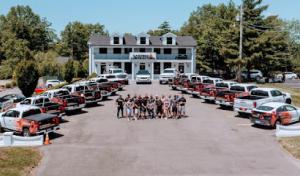
After spring thunderstorms and hail, shingles can lift or loosen even if the roof looks intact from the ground. In Collinsville, the most urgent risk is wind-driven uplift that creates active leaks, often while a full replacement is still pending due to backlogs. Start by inspecting the attic for steady dripping, feel around ceiling corners for moisture, and check for soft spots on the roof deck if you can safely access the attic with daylight. If you can't locate the source, assume any darkened area or damp insulation is a sign to act fast.
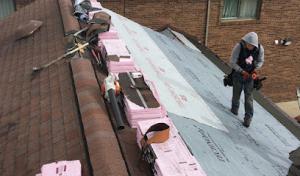
Temporary tarping is the bridge solution when the storm wind and hail damage hits during peak season and a full repair window hasn't opened yet. Tarps should cover all visibly damaged sections and extend several feet over intact shingles to curb further water intrusion. Secure tarps with boards or weighted fasteners on the edges to resist Collinsville winds. Do not climb on a wet, slick roof; call a local pro to apply the first tarping and verify the underlying structure is sound before tarping again. This buys time while the market catches up on inspections, adjustments, and scheduling.
Fast response matters in winter as well, when freeze-thaw cycles can turn a small active leak into interior damage before a repair window opens. If you've already secured a temporary fix, prioritize a prompt permanent assessment once weather allows. A trained roofer will locate the exact source, assess deck integrity, and plan a full repair or replacement that minimizes the chance of repeat leaks. In a tight market, document all damage, keep photos ready, and maintain clear lines of communication with your insurer and contractor to prevent delays from backlogs.
When you can't wait, these contractors offer fast response times to stop leaks and prevent further damage.

When a spring hail or wind event hits your roof, the first place leaks often show up is not the skylight itself but where the roof meets the chimney, vents, or transitions around skylights. In this area, the field shingles may look intact while water works its way through the sealant and flashing at those edges. A careful eye on penetrations can save you from hidden damage that surfaces after the storm claim is closed.
Seasonal temperature swings here can be rough on flashing and seal details around penetrations. Metal flashings contract and expand with the heat and cold, rubberized seals can dry out, and caulk can deteriorate faster than you expect. Skylight flanges and vent stacks are particularly prone to hairline gaps that become real leaks after a heavy rain or a strong wind gust. The safest approach is to treat every penetration as a potential trouble spot, even if the shingle field looks fine.
During repair or replacement, have the contractor document the condition of all penetrations clearly. Note the type of flashing, sealants used, and any transitions where shingles meet skylights, vent pipes, or chimneys. Take photos from multiple angles, especially of the flashing bases and edge details. When the job is complete, ensure the new sealant and flashing are spelled out in the documentation so inspection and insurance records align.
If a skylight is being replaced or resealed, insist on a flashing upgrade that matches the roof profile and uses compatible sealants for Collinsville's climate. Ask for a transitional detail that covers both the skylight curb and the surrounding shingles. After a storm, schedule a quick follow-up inspection focused on penetrations to confirm there are no overlooked gaps that could lead to leaks during the next thaw or rainstorm.
Find contractors experienced in skylight installation, flashing, and leak repairs to bring natural light into your home.
Riverside Restoration
(844) 767-6691 riversiderestoration.net
2211 Vandalia St, Collinsville, Illinois
4.7 from 226 reviews
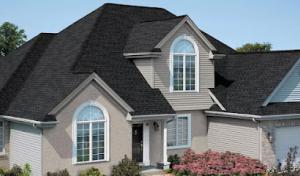
The Collinsville market is heavily oriented toward re-roofing rather than niche specialty work, so homeowners should expect many bids centered on replacement after storm wear or claim events. After spring hail and wind, crews arrive quickly, but the best firms balance speed with solid workmanship, proper cleanup, and reliable follow-up. In this environment, it is common to see contractors who specialize in storm-response and insurance-driven projects, rather than small, high-precision roofing crafts. The right choice will prioritize a complete, high-quality roof replacement that stands up to the region's weather pattern while not losing sight of debris and leak concerns that spike during active leaks.
When a bid arrives, treat it as a roadmap, not a price tag. Look for a clearly defined scope that covers decking inspection, ice and water shield where needed, proper underlayment, ventilation checks, and shingle or material substitutions appropriate for the hail-prone climate. The fastest quote is not automatically the best choice; a thorough bid that lists tear-off vs. layover, waste disposal, and a realistic timeline to completion shows discipline. Quick response and cleanup are unusually prominent hiring priorities in Collinsville, reflecting the frequency of leaks and insurance-driven timelines; prioritize teams that promise a concrete plan for tarp, temporary containment if needed, and a staffed crew to minimize exposure to rain and debris. Verify that the contractor's crew will handle debris removal and site protection as a standard part of the project.
Because the city may require licensed contractors for permitted work, Collinsville homeowners should verify licensing status and not assume every storm-response crew is equally qualified for local permit closeout. Request current proof of license, carrier coverage, and a solid reference list from recent local jobs. Ask about storm-specific experience, including handling insurance claim documentation, photo-documented progress, and a warranty that covers workmanship and material integrity beyond the initial installation. A dependable contractor will walk you through anticipated issues from hail-driven damage to wind-related edge fastener concerns and present a transparent, written plan for addressing each item.