
Last updated: Apr 19, 2026
Spring in this part of the Midwest brings a repeat pattern of sudden hail events and wind-driven damage. You'll notice a rushed cadence every year as local crews and adjusters surge into town to handle storms that chew at edges of shingles, flashing, and underlayment. The cycle drives a fast-moving repair and replacement market, and it's easy to get caught in a scramble if a claim lags or an inspection is delayed. The risk is real: hail can puncture tabs, loosen granules, and lift shingles enough to invite leaks when the heat of summer follows behind. In Marion, the weather mix turns a brief storm into a longer-term roof concern if attention isn't timely.
This climate is a two-front scenario. Winter ice exposure can stress roof edges, vent flashing, and underlayment, while the spring blows in storm damage from hail and wind. A roof that survived last winter may still harbor hidden issues that only reveal themselves after a spring hail event. When you start your evaluation, treat shingles with granule loss or visible hail hits as a warning sign rather than a one-off blemish. Check around the chimney line, dormers, and flashing details where ice damming and freezing nights can create micro-leaks that grow the moment sunny days return and moisture expands a tiny puncture. In practice, that means you're looking for fresh impact marks, lifted edges, and any soft spots that weren't there before the last freeze. Do not overlook underlayment or roof deck exposure if a broad hail hit occurred-damage can ride under the surface and pop up later as leaks.
After a storm, the local pattern is for insurance activity to spike quickly, pulling in adjusters and contractors with a tight timeline. The window between a hail event and a completed replacement can tighten fast, especially as summers heat up and aging roofs respond to stress from both sun and storm exposure. You must protect your home by initiating inspections promptly and documenting every affected area. A delayed repair becomes a bigger problem once hot humid conditions accelerate aging, granular loss accelerates, and small punctures turn into larger leaks. The key is to secure a professional assessment soon after a storm arrives, and to coordinate with your insurer so the claim path doesn't stall while the weather rides out the next round of heat and humidity.
Begin with a thorough, daylight inspection focusing on hail spots, edge damage, and flashing around vents and chimneys. Photograph damage before any temporary fixes, and keep a simple log of dates, observations, and people you've spoken with. If a contractor urges a rapid scope, ask for an independent inspection or second opinion to confirm scope and weather exposure considerations. When in doubt, don't let a pending spring storm cycle linger-timely assessment often saves you from progressive damage and a longer, more disruptive repair later in the season. Maintain a visible plan for temporary protection if you notice active leaks, so weather won't compound the problem while you navigate your options.
Home Re-Nu
(618) 964-9100 www.homere-nu.com
1406 Cornell Ave Suite B, Marion, Illinois
4.9 from 375 reviews
“Our mission is to help our customers protect what matters most and serve them with character and purpose that brings honor to God.”
Borum Roof Company
(618) 922-7980 www.borumroofco.com
1704 E Main St, Marion, Illinois
4.9 from 67 reviews
We provide roofing solutions to local families and businesses, serving with dignity and respect.
Reynolds Exteriors & Coating
(618) 889-1115 roofingbyreynolds.com
807 E Main St, Marion, Illinois
4.7 from 180 reviews
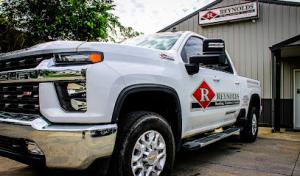
With a rich history of serving Southern Illinois and Southeast Missouri since 2015, Reynolds Exteriors and Coating offers a wide range of expert services. As a trusted Owens Corning Platinum Preferred Contractor, they specialize in residential and commercial roofing, siding, and gutter installations. Their skilled team also provides professional painting, drywall, and concrete resurfacing, along with reliable excavating services. For over a decade, Reynolds Exteriors and Coating has been the go-to name for comprehensive exterior and interior solutions, delivering top-quality results with every project.
American Shield Roofing
(618) 926-1745 www.american-shield-roofing.com
2402 N Skyline Dr, Marion, Illinois
5.0 from 18 reviews
We offer FREE residential inspections & estimates. Local & Veteran owned. Protecting your roof, Shielding your home”
Armorguard Coatings
(618) 833-0724 armorguardit.com
9336 Foyt Rd, Marion, Illinois
4.8 from 34 reviews
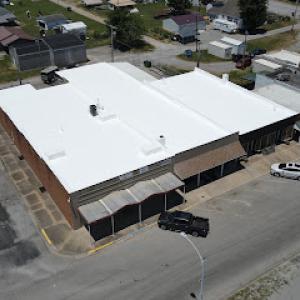
Polyurethane spray foam and all other types insulation needs. Also providing polyurea protective coatings, basement waterproofing, container waterproofing, concrete leveling, injection foam, seamless roofing systems, and much more! Just give us a call!
Vaughns Roofing
(618) 964-1845 vaughnsroofinginc.com
12663 Quarter Horse Rd, Marion, Illinois
4.9 from 12 reviews
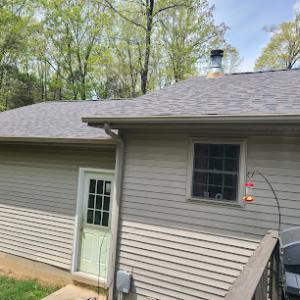
Open since 1982, Vaughn's Roofing, Inc. is a locally owned and operated roofing company in Marion, Illinois, providing roofing services customizable for each individual project. We are well-known for taking great pride in all work performed and our commitment to outstanding results. Our team looks forward to building lasting relationships with each customer and guarantees your satisfaction.
Renovate 618
(618) 353-7602 www.facebook.com
2802 Outer Dr, Marion, Illinois
5.0 from 4 reviews
Complete Home care & repair services
S I Roofing & Siding
(618) 971-1457 bestillinoisroofing.com
1102 W Main St, Marion, Illinois
5.0 from 2 reviews
SI Roofing & Siding is the leading roofing contractor in Southern Illinois, renowned for our exceptional service and expertise. We provide a comprehensive range of roofing solutions for both residential and commercial properties. We are committed to delivering top-quality workmanship. We understand that roofing projects can be stressful, which is why we approach every job with the care and attention as if it were for our own homes. Whatever your roofing needs, you can rely on our skilled roofers to get the job done right the first time. We customize our services to match the specific requirements of your home or business, ensuring both lasting durability and visual appeal. Call Now!
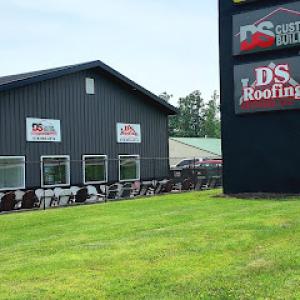
DS Roofing & Custom Builders
(618) 985-4519 dsroofingsystems.com
Serving
4.8 from 23 reviews
DS Roofing & Custom Builders is a top-rated roofing company in Carterville, IL, providing reliable residential and commercial roofing services across Southern Illinois. We specialize in shingle and metal roof installation, roof repairs, storm damage inspections, and full roof replacements for homeowners and businesses. Locally owned & trusted in Carterville, IL Expert shingle & metal roofing solutions Residential and commercial roof replacement Fast, free roof estimates & honest pricing Storm damage inspections & emergency leak repair Financing available 5-star rated by homeowners throughout Williamson County If you’re searching for a roofer near Carterville, Marion, Herrin, or Carbondale—our team is ready to help. Contact us today!
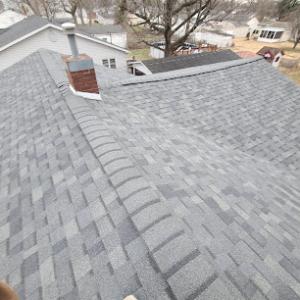
JL Construction
(618) 964-0787 roofingbyjnl.com
Serving
4.8 from 55 reviews
JL Construction in Southern IL is here to help you with your Roofing and all exterior needs also including concrete snd dirt work. Expect friendly and careful service from our professional team. Expect to get the job done right the first time. Contact us now for your next Roofing or Siding project. After October we start inside work. We are your #1 choice our work is unmatched. We are fixing some of our competitions mistakes no names mentioned but we are the top of the line. (618) 964-0787 Making roofing Great again *New Roof * Roofing Contractor * Roofing Services * Roof Installation * Roof Repairs * Asphalt Shingle Roofing * Roof Replacement * Metal Roofing * Flat Roof Repair *Roofing Company *Storm damage repair *Siding contractor
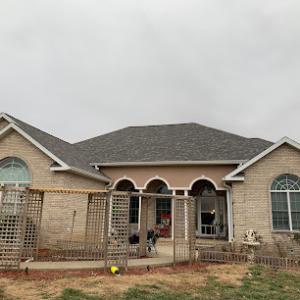
Cardinal Claim Consultants
(833) 527-8676 www.cardinalclaimconsultants.com
Serving
5.0 from 9 reviews
Cardinal Claim Consultants is a licensed, bonded and fully insured roofing contractor located in Pittsburg, IL. We have over 20 years of experience in residential roofing. We specialize in working with insurance companies to help homeowners restore their roof after a storm. We also work with homeowners who need roof repairs or want to update their homes exterior. Call for your free, no obligation roof inspection and estimate today!

John Beal Roofing
(618) 549-0800 johnbealroofing.com
Serving
2.0 from 9 reviews
Our mission at John Beal Roofing Carbondale is the provide the best residential and commercial roofing repair across the Carbondale area. Our roofing contractors are trained experts and provide outstanding customer service from start to finish. John Beal Roofing Carbondale takes a job from initial inspection through job completion, while focusing on satisfying our customers with excellent workmanship and value. We make it our business to continue to set the standard for quality and customer service excellence for every job.
Asphalt shingles are common in Marion, and their affordability makes them a practical first choice for many homes. The area's hot summers and humidity accelerate aging compared with cooler parts of Illinois, so expect faster granule loss and color fading under repeated heat cycles. In practice, this means more frequent inspections after long heat waves or heavy summer storms, and closer attention to edges, valleys, and protrusions where heat can accelerate wear. When inspecting, look for curling, missing granules, and exposed roofing felt, as these signs can creep up after a Marion summer and early fall storm season. A well-vented attic and properly sealed penetrations help mitigate attic heat that hastens shingle deterioration.
Metal roofing is a practical fit in Marion because it handles freeze-thaw swings and sheds snow and ice better than many heavier or more moisture-sensitive systems. In the winter, metal edges stay relatively quiet during freeze-thaw cycles, and the reflective surface can reduce heat buildup in the attic during the humid months. When choosing metal, focus on panel attachment and underlayment, as strong wind-driven hail can stress panels and fasteners. Look for a solid deck and careful flashing where roof planes meet walls or vents. In Marion's climate, a metal roof that's properly sealed at perimeters and penetrations tends to resist ice damming better than standard shingles, but it still requires reliable sealing around chimneys and skylights to prevent leaks during thaw events.
Tile, wood, and synthetic roofs appear in the market, but winter freezing conditions make flashing quality, deck condition, and attachment details especially important on these less common systems. Clay and concrete tiles require a solid substrate and correct nailing patterns to resist movement in freeze-thaw cycles; cracked tiles in spring hail can expose underlayment and decks to moisture intrusion. Wood shingles and shakes bring a aesthetic and insulation advantage but are more sensitive to humidity, insects, and rapid aging in hot summers. Synthetic shingles mimic many of the performance traits of natural materials while offering better resistance to impact and rot, but attachment systems and flashing still need to be compatible with Marion's freeze-thaw demands. When evaluating these options, ensure the manufacturer's flashing and warranty terms align with local winter conditions and the typical hail loads seen in spring storms.
Spring storm damage is a key concern in this area. Hailstones can compromise the surface of asphalt and metal roofs, while underlying decks and underlayments can suffer unseen damage. An early-season hail inspection after a significant storm helps catch damage before it progresses into leaks or accelerated aging. For any roof type, the condition of the deck, the integrity of fasteners, and the adequacy of flashing around chimneys, vents, and skylights determine how well the system will perform through the next thaw cycle. If hail damage is suspected, document impacted areas with photos and note missing granules, dented metal, or cracked tiles before making decisions about repairs or replacement.
In Marion, proactive maintenance pays off. Regularly clear debris from gutters and downspouts to prevent moisture buildup around fascia and underlayment. Check attic ventilation to avoid residual heat buildup in summer that accelerates aging. After hail events or heavy storms, perform a quick surface inspection from the ground and, if safe, from the roof edge to identify visible impact or displacement. For less common roof types, schedule professional inspections that include a close look at flashing quality, deck condition, and attachment details to ensure the system remains weather-tight through the region's freeze-thaw cycles and storm seasons.
Marion experiences cold winters with snow and ice, making ice damming a real roof edge and gutter-line concern rather than a purely northern Illinois issue. When snow sits on the roof and melts during milder spells, the water can refreeze at the eaves, building a dam that prevents proper drainage. In this area, rapid temperature swings from sunny days to frigid nights accelerate that cycle, especially on roofs with solar exposure, improper insulation, or aging underlayment. The result is water sneaking under shingles and flashing, often showing up as staining, new mildew, or damp ceilings inside the attic.
Freeze-thaw cycling in Marion can expose weaknesses at eaves, flashing transitions, and underlayment laps after winter weather. Focus your checks at the overhang and along any valleys or joints where heat leaks from the attic may have softened roofing materials. Look for loose or curling shingles near the eave, lifted metal flashing along chimney or vent stacks, and any granule loss at the gutter line. Inside the attic, inspect for dark, damp spots or a thin ice layer along the decking that hints at moisture migrating from the exterior. A close look at attic insulation can also reveal why heat isn't staying put, promoting dam formation.
Winter installation access in Marion can be limited by freezing temperatures, so timing and temporary protection matter when repairs are needed before spring storms. If ice dams are already forming, temporary measures-such as protecting vulnerable openings with tarp or boards and ensuring downspouts remain clear-can buy time. But think safety first: working on a frozen roof is hazardous. If snow or ice is heavy, wait for a safer window or call a contractor who uses fall protection and cold-weather methods. For leaky spots from dam-related damage, assess whether interior water intrusion has reached critical areas like ceilings or insulation, and plan repairs for a day when surface conditions allow safe access.
Preventive actions center on keeping the roof deck dry and minimizing heat loss from the attic. Improve insulation and seal air leaks around penetrations to reduce the warm attic air that travels toward the cold roof. Maintain clear eaves and gutters so melting water can escape rather than pool against the fascia. If a dam forms, address it promptly by removing the ice at the edge with proper tools and ensuring the underlying flashing and underlayment are intact. For trusted guidance in Marion, pairing a diagnostic inspection after heavy storms with a plan for targeted repairs helps curb recurring damage and protects interior spaces until spring storms arrive.
When you can't wait, these contractors offer fast response times to stop leaks and prevent further damage.
Borum Roof Company
(618) 922-7980 www.borumroofco.com
1704 E Main St, Marion, Illinois
4.9 from 67 reviews
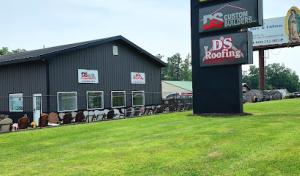
Typical Marion pricing runs about $350 to $700 per square for asphalt shingles, $700 to $1200 for metal, $900 to $1800 for clay tile, $800 to $1500 for concrete tile, and $500 to $900 for wood or synthetic/composite roofing. If you're comparing bids, use these per-square ranges to sanity-check quotes, and remember that a square is 100 square feet. Heavier systems like clay or concrete tile will push the project well above asphalt, even before any deck repairs or flashing work are added. The exact total depends on the roof layout, attic access, and the condition of the existing decking.
Spring storm-driven surges in demand can push scheduling pressure and replacement pricing higher than calmer periods. After a hail event or a strong storm, contractor backlogs can compress the timeline from assessment to installation. That rush often raises values for quick tear-off and expedited ordering of materials, especially if a particular profile or color is in demand. If your roof is a straightforward re-roof with minimal deck repair, you'll still see competition for dates, but the price impulse is most noticeable when a storm has created widespread need in the neighborhood.
Costs in Marion also move with material choice, roof deck repairs found during tear-off, flashing replacement needed to satisfy inspection, and whether the project is a straightforward re-roof or involves heavier systems like tile. Tear-off debris disposal, underlayment upgrades, and insulation or ventilation adjustments add to the bottom line. Hail-damage inspections can reveal hidden rot or fastener issues that weren't visible from ground level, which in turn adds labor days and material for decking or anti-corrosion measures.
If you're replacing mostly asphalt shingles with a simple shape and intact deck, plan toward the lower end of the asphalt range, plus a modest amount for removal and disposal. If metal or tiles are chosen, expect higher material costs and potentially longer install timelines because of specialized crews and equipment. For a storm-damaged home, budget for a potential upgrade to better underlayment, improved flashing, and targeted deck repairs once the old roof is lifted. In practice, you'll want two detailed bids: one for a straight re-roof and one that accounts for decking or flashing substitutions, so you can compare apples to apples when the inspector signs off.
Get a clear picture of your project costs upfront - no commitment required.
American Shield Roofing
(618) 926-1745 www.american-shield-roofing.com
2402 N Skyline Dr, Marion, Illinois
5.0 from 18 reviews
Cardinal Claim Consultants
(833) 527-8676 www.cardinalclaimconsultants.com
Serving
5.0 from 9 reviews
A full roof replacement in Marion typically requires a permit through the City of Marion Building Department. This isn't just a box to check; the permit helps ensure that the work meets local building codes, wind uplift standards, and fire safety guidelines that are tailored to the area's freeze-thaw winters and storm-driven wear. When a contractor initiates the permit process, it signals that the project will be reviewed against Marion's code expectations for roof deck integrity, ventilation, and proper installation methods. Skipping this step can lead to delays, fines, or problems when you go to sell or insure the home. Knowing that the city tracks roof work also means that your project benefits from a clear record of what was done and when.
For standard re-roofs in Marion, the contractor usually submits the permit application with project scope and selected roofing materials, and plan review is generally minimal. The plan review tends to focus on the overall compatibility of the chosen system with local climate conditions, especially how underlayment, flashing, and attic ventilation are integrated with the existing structure. It is helpful to have documentation on the deck's condition and any needed repairs identified before submission, as this can streamline approval and prevent interruptions during installation. If hail damage or wind-driven failures are in play, be prepared for the reviewer to ask for additional detail or temporary protections to mitigate exposure during construction.
Marion inspections occur after installation and at final completion, with attention to roof deck condition, underlayment, and flashing compliance. The inspector will verify that the roof deck is sound, that underlayment is continuous and correctly oriented, and that flashing around penetrations, chimneys, and vents adheres to code requirements. Expect checks on ice and water shield placement in valleys or eaves when relevant to the season, and confirmation that fasteners and nailing patterns meet the manufacturer and code specifications. If the project reveals concealed damage in the decking or rafters, the inspector may require corrective work before final approval.
Coordinate with the contractor to align the permit timeline with the weather, especially after severe spring storms when crews are in high demand. Request a pre-inspection acknowledgment so you understand what the inspector will emphasize during the final review. After completion, be present for the final inspection or ensure the contractor is, so any minor adjustments can be addressed promptly. Keeping the permit file organized with the project scope, material lists, and any warranty documentation helps smooth the process should questions arise later, including when pursuing insurance claims related to storm damage.
Claim activity in this area tends to track spring and summer storm patterns, so homeowners often need prompt documentation after hail or wind events. When that storm hits, a quick response to gather evidence can shape the entire claim process. A rapid photo log of the roof from multiple angles, plus any visible interior signs of leakage, helps establish the scope before conditions change with rain or heat. In practical terms, keep a simple file ready: photos, a dated note of the event, and the exact time you first noticed damage.
Illinois insurers generally cover weather-related roof damage, but in this market, outcomes still hinge on roof age, pre-loss condition, and whether maintenance records exist. A newer roof with clean gutters and no prior patches can ease approval, while an older roof showing wear may require more evidence of storm impact. If the roof has existing issues, the claim may be scrutinized more closely for pre-existing damage. The more you can document the roof's condition before the event, the more clearly the claim outcome aligns with actual storm damage.
Adjusters commonly want photos, a recent inspection, and evidence of prior upkeep, which makes pre-storm documentation more valuable in this market. A clearly dated set of images from the current season, paired with a recent professional assessment or contractor estimate, can streamline the review. Keep records of any immediate repairs or temporary measures taken after the storm-tarps, resealing, or nail patching-as these show proactive steps to mitigate further damage. If you've had a prior roof service, gather invoices or notes that demonstrate ongoing maintenance. Present a coherent narrative: storm event, observable damage, pre-loss condition, and the preventive actions you undertook.
Connect with contractors who help homeowners navigate the claims process from damage assessment to final approval.
Borum Roof Company
(618) 922-7980 www.borumroofco.com
1704 E Main St, Marion, Illinois
4.9 from 67 reviews
Reynolds Exteriors & Coating
(618) 889-1115 roofingbyreynolds.com
807 E Main St, Marion, Illinois
4.7 from 180 reviews
American Shield Roofing
(618) 926-1745 www.american-shield-roofing.com
2402 N Skyline Dr, Marion, Illinois
5.0 from 18 reviews
In Marion, the market is strongly re-roofing focused. Homeowners are often hiring for replacement execution rather than niche new-construction roof design, so contractors who can deliver a clean, complete roof swap with coordinated communication tend to win trust quickly. The emphasis is on a solid installation routine, not flashy detailing, and on reliable project turnover from start to finish.
Quick response and cleanup are prominent expectations in Marion, reflecting how homeowners call after storms and want fast stabilization with minimal debris left behind. A good contractor demonstrates availability, clear scheduling, and a ramped-up crew that can secure a project site promptly. Cleanup should be thorough: tarps secured, debris hauled, and streets kept clear during and after work to minimize neighborhood disturbance.
The local market includes several locally owned and some long-established firms, so homeowners in Marion often compare responsiveness and storm-process experience as much as price. When evaluating bidders, look for a track record of storm-related claims handling, documented workmanlike safety practices, and a willingness to coordinate with insurers during a busy spring season. Referencing prior weather-event projects in the area can reveal how a contractor manages hail-related inspections and rapid replacement scheduling.
A good fit aligns with Marion's typical housing stock and climate: rapid assessment after hail, clear identification of damage, and a straightforward replacement plan that minimizes further exposure during spring thaw and summer heat. Ask for a staged plan that covers inspection cadence, debris containment, on-site communication, and a defined finish date, so timing stays predictable even amid insurance-driven scheduling pressures.