
Last updated: Apr 19, 2026
Western Kentucky sees frequent hail and wind events that drive roof claim activity and make post-storm inspections a major homeowner concern in Murray. After a hailstorm, shingles can look fine from ground level but suffer granular damage or hidden delamination that only a careful inspection reveals. Wind can peel shingles back and lift edge flashing, creating micro leaks that worsen with each passing storm. Because these damages accumulate, a neighborly heads-up on how your roof actually performed during the last round of weather can save you from surprise leaks when the first heavy rain hits. In practical terms, this means acting fast after a hail event, documenting everything, and understanding that what looks minor from the curb may be a sign of underlying damage.
Insurers in this market often ask for detailed roof condition reports and photo documentation, and may send independent adjusters after major weather events. To avoid delays, take wide, high-resolution photos of all roof surfaces before any temporary repairs, focusing on hail hits, granule loss, curling shingles, lifted tabs, and cracked or worn flashing. Photograph attic signs as well: water stains, dark spots on sheathing, and condensed moisture around penetrations. Keep a dated record of any wet-weather days following a storm, since moisture progression can complicate even a straightforward repair decision. When possible, have a professional roof inspector provide a written assessment that clearly ties observed damage to the recent weather event. This kind of documentation helps an insurer understand the scope without second-guessing and can establish a foundation for repairs or replacement when the time comes.
After a major weather event, independent adjusters are commonly deployed to verify damage and confirm the extent of coverage. Expect a comprehensive on-site review that includes roof surface, flashing, chimney and vent seals, gutter connections, and interior signs of water intrusion. Answer questions directly, share your documentation, and point to specific areas of concern you've identified. If a dispute arises over the severity of damage, request a supplemental inspection or a second opinion from a licensed local roofer who can provide a concise, written brief that reinforces your claim. Keep a meticulous paper trail of every communication, including dates, names, and what was agreed upon, because these records matter during settlement discussions or any subsequent appeals.
After larger regional storm events, underwriting requirements can tighten and coverage terms may shift, affecting whether repair is feasible before replacement becomes necessary. That means a repair-only path may be harder to secure if the insurer suspects ongoing, hidden damage or if the shingle age and overall roof condition elevate risk. In Murray, these shifts can influence whether you pursue a staged approach-document, repair what is safe, then reassess-or push straight to full replacement to restore long-term protection more reliably. The practical consequence is that timing decisions should be guided by the combination of contractor findings, adjuster input, and your insurer's evolving position post-event. Do not let paperwork delays stall essential attention to leaks or structural concerns that could worsen with the next storm.
Begin with a same-day roof check after a hail or wind event, and schedule a professional inspection within 48 to 72 hours if visible damage exists. Create a centralized file with all photos, written assessments, and correspondence. If a claim is filed, promptly provide the insurer with the documentation and request the listed items from the adjuster's checklist to prevent gaps in coverage recognition. In high-risk periods, plan ahead by aligning with a trusted local roofer who understands the common materials used in Murray and the typical failure modes seen after hail and wind. Preparing now reduces the risk of back-and-forth delays and supports a smoother path toward replacement when that becomes the most prudent option for long-term protection.

Fit Roofing & Restoration
(270) 226-4258 www.fit-roofing.com
3111 Midway Rd, Murray, Kentucky
5.0 from 175 reviews
Fit Roofing & Restorations is a family owned and operated company. Contact us today for an estimate for your roofing or construction project.

Woodall Roofing & Exteriors
(270) 761-7663 www.woodallcompanies.com
713 River Rd, Murray, Kentucky
4.8 from 186 reviews
Founded in 2005 and based in Murray, Kentucky Woodall Roofing & Exteriors is ready to give your home or building the roofing and exterior services it needs. Woodall Roofing & Exterior delivers hassle-free roofing with no deposit upfront, clear communication, and a seamless experience from start to finish.
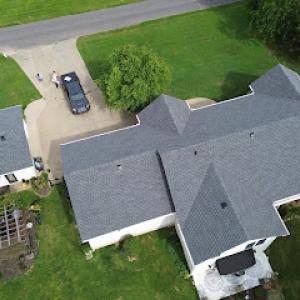
SGC Roofing
(270) 293-0713 www.sgcroofing.com
909 Pogue St, Murray, Kentucky
4.9 from 45 reviews
SGC Roofing is a top-rated, locally owned roofing company based in Murray, KY, serving homeowners in Paducah, Benton, Grand Rivers, Princeton, Boaz, Eddyville, Calvert City, Hopkinsville , Paris, Mayfield, and Martin, along the KY–TN border. Homeowners searching for the best roofer near them trust our team for roof replacement, roof repair, and storm damage inspections. We regularly work throughout Western Kentucky and Northern Tennessee, helping property owners address hail and wind damage, prevent leaks, and complete full roof replacements with quality workmanship. Known for honest inspections, clear communication, and insurance claim assistance, we deliver dependable roofing solutions built to protect homes across the region.
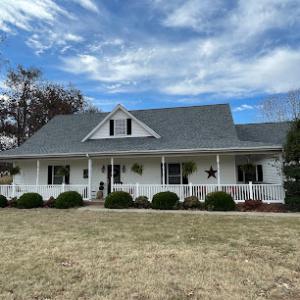
Mccuiston roofing
(270) 293-1924 www.mccuistonroofing.com
4505 KY-121 N, Murray, Kentucky
4.8 from 58 reviews
McCuiston Roofing is the premier roofing company in our service area. We are local, licensed and fully insured. All of our installers are factory trained and certified insuring you a quality roof that you can count on. We offer up to a 50 year non-prorated Labor and Material manufacturers warranty on shingle roofs (in addition to manufactures lifetime pro-rated warranty) and up to a 20 year leak free warranty on flat roofs. Both warranties are backed by the manufacturer. McCuiston Roofing was awarded the 2016 Kentucky contractor of the year award!

Exceptional Roofing
(888) 425-0725 www.exceptionalroofing.com
1000 KY-121, Murray, Kentucky
5.0 from 14 reviews
25+ years building commercial roofing legacies. We specialize in high-square-footage properties and multi-building portfolios, offering expert inspection, maintenance, and replacement. Committed to excellence, integrity, and meeting our clients’ unique commercial goals.
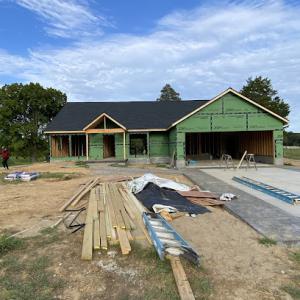
D. Prescott Roofing
(270) 227-1106 prescottroofingky.com
190 Highland Rd, Murray, Kentucky
5.0 from 13 reviews
We are a small, homegrown company located in Murray, KY with over 40 years of experience in the roofing industry. We value old school transitions and attention to detail which guarantees our work is quality to the last shingle! Honest and accurate estimates with up front pricing.
Mathis Roofing
(270) 227-4646 mathisroofingllc.com
431 Turner Rd, Murray, Kentucky
5.0 from 12 reviews
Family owned and operated roofing company with over 15 years of service. Give us a call for a free inspection and estimate today.

Concept 2 Completion & Team Concept
Serving
4.2 from 10 reviews
Established in 2002, Concept 2 Completion & Team Concept is a general contractor based in Mayfield, Kentucky. We specialize in just about everything when it comes to residential remodeling, including roofing, electrical maintenance, repair work, plumbing, and more. With over 15 years of experience, we value providing quality service at an affordable price. Contact us today for more information!
Sunset Roofing Solutions
Serving
5.0 from 1 review
Trust Us With Your Commercial Roofing Needs GET IN TOUCH WITH OUR ROOFING CONTRACTOR IN SEDALIA & MAYFIELD, KY AND SURROUNDING AREAS Does your commercial building need a new roof? Reach out to the professionals at Sunset Roofing Solutions for help. We're a roofing contractor in Sedalia, KY that'll get the job done right. You can count on us to install a roof that'll protect and beautify your building. We'll use top-notch materials to ensure that your roof is built to last. Call to schedule services with our roofing contractor today.
In Murray, the hot, humid summers and frequent spring precipitation create a narrow window for tear-off and roof work. Spring storms and hail can interrupt tear-off schedules just as demand surges after a weather event, so the work pace often shifts from week to week. If a storm hits, crews may pause to protect finished decking and exposed underlayment, then resume as conditions dry. Homeowners should plan for occasional delays and keep a flexible target date for the final seal-down. A practical approach is to align the initial tear-off with a stretch of dry days and secure a nearby alternative date for follow-up work, recognizing that weather in this season can swing quickly. Documentation of damage and a clear line of communication with the contractor help keep the process on track during weather-driven pauses.
Fall winds and early winter cold shorten workable installation windows locally, making timing especially important for seal-down performance and inspection scheduling. As temperatures drop, adhesive and sealant behavior changes, and crews must avoid extreme conditions that hinder proper sealing around penetrations and valleys. If a late-season storm moves through, expect a compressed schedule and tighter contingency planning for weather days. Planning with the contractor for a firm seal-down target during the mild stretch of late September to early November helps secure a completed roof before harsher conditions take hold. It is wise to review ventilation and attic condensation considerations ahead of the final phase so moisture management stays aligned with seasonal shifts.
Storm damage documentation is a practical tool in this market. Photograph damaged edging, shingles, gutters, and any interior signs of water intrusion, dating each shot. Keep a running log of weather delays, including dates and expected intervals before rescheduling. When insurer-driven work becomes the focus, having a clear, chronological record supports timely decisions about replacement timing and the scope of tear-off. Having an accessible plan for sequencing-tear-off, dry-in, seal-down, and final inspections-helps prevent misaligned expectations between homeowner, contractor, and insurer.
Clear, proactive communication reduces the impact of spring interruptions and fall timing pressure. Discuss acceptable windows for tear-off and seal-down, and confirm what constitutes acceptable weather for each stage. If a surge in demand follows a regional weather event, establish a prioritized schedule based on critical weatherproofing milestones (deck protection, underlayment integrity, and flashing installation) to minimize hold times between stages. In Murray, coordinated timing with the crew, insurer, and any inspected milestones shortens the path from damaged roof to a properly sealed, inspected result.
When you can't wait, these contractors offer fast response times to stop leaks and prevent further damage.
Fit Roofing & Restoration
(270) 226-4258 www.fit-roofing.com
3111 Midway Rd, Murray, Kentucky
5.0 from 175 reviews

Woodall Roofing & Exteriors
(270) 761-7663 www.woodallcompanies.com
713 River Rd, Murray, Kentucky
4.8 from 186 reviews
Mccuiston roofing
(270) 293-1924 www.mccuistonroofing.com
4505 KY-121 N, Murray, Kentucky
4.8 from 58 reviews
Murray's mix of summer humidity, frequent rain, hail exposure, and winter cold means a roof must handle moisture, impact, and temperature swings without sacrificing performance. The right material should resist hail dents, shed rain quickly, and maintain a solid seam or fastener system through freezing cycles. In this climate, a roof that breathes well enough to avoid moisture buildup while staying tight against wind-driven rain is momentum you'll feel over the life of the roof. The goal is a system that stays durable through Western Kentucky's storm cycles and remains serviceable during seasonal install windows.
Asphalt shingles remain the practical everyday choice because of familiar installation, repair familiarity, and decent performance under typical hail and wind. They're forgiving for homeowners who want reliable, straightforward replacement and a wide service network. In storm years, you'll appreciate how quickly asphalt can be installed or repaired and how compatible the typical roof deck is with a broad range of installers. Metal roofing, on the other hand, delivers standout resistance to impact and wind and tends to shed hail with less dent risk and can offer longer service life in harsh weather. If a storm-heavy year is likely or if the house is inclined toward longer-term durability, metal can pay off in fewer replacement cycles and improved weather performance. Think of metal as a shield that maintains structural integrity when hail is forecast and winter temperatures bite. For many homes with standard attic space and roof geometry, metal provides a straightforward retrofit path from asphalt when replacement becomes necessary, preserving the underlying deck and insulation while upgrading the performance envelope.
Tile options exist but are less common for everyday replacements around here, mostly due to weight, installation constraints, and the typical retrofit or replacement context. Clay and concrete tiles are durable against sun and heat but can be vulnerable to hail impact and require sturdier framing. Wood shingles or shakes bring a distinct look but demand careful moisture management and can be less forgiving in wet seasons or rapid temperature changes. Synthetic or composite shingles sit between asphalt and higher-end products, offering some resilience and lighter weight, but the long-term hail performance and wind behavior can vary by product line. If a tile or wood path is appealing for aesthetics, assess the roof's structural readiness, ensure compatible installation details, and be prepared for maintenance realities in a climate with high humidity and occasional heavy rains.
When storms arrive, documenting the damage promptly helps insurance conversations and scheduling. Start with clear photographs showing shingles, flashing, gutters, and any visible leaks or interior signs. Keep a simple log of dates, weather events, and any temporary mitigations you've added, like tarping or boards. The timing of a replacement in western Kentucky often follows the cadence of storm cycles, so understanding the insurer's timelines and required milestones is essential. If you're weighing asphalt versus metal, align the material decision with documentation outcomes and the projected window for installation, aiming to minimize prolonged exposure to weather during a claim-and-repair process. A well-documented claim with precise, dated images can smooth the path to a timely, weather-resilient replacement that aligns with the house's existing square footage and roof geometry.
Typical pricing for asphalt shingles sits around 350 to 700 USD per square in this area. Metal roofing tends to run higher, generally 900 to 1500 per square, with clay tile often in the 900 to 2400 range and concrete tile 800 to 1800 per square. Wood shingles or shakes usually fall between 700 and 1500 per square, while synthetic or composite shingles wind up in the 700 to 1300 per square bracket. Those numbers reflect the local market and the way crews bid projects here, not a nationwide average. When storm season hits and a lot of homes need work at once, you'll see bids creep higher as crews balance demand with material flow and scheduling.
Storms that roll through western Kentucky can tighten the calendar in a hurry. When the phone starts ringing off the hook after hail or high-wind events, crews may stretch timelines and push start dates back by days or even weeks. In Murray, that pressure translates into tighter access to crews, longer on-site days, and occasional changes in material availability. If a weather event triggers a rush, expect the possibility of higher labor rates or expedited-material surcharges on quotes, especially for popular profiles like architectural asphalt, metal panels, or larger tiles. The practical effect is a longer project horizon and a tighter window to lock in a crew with the right equipment and insurance coverage.
Your roofing material choice will drive both cost and schedule. Asphalt shingles keep the project more affordable and generally faster, while metal or tile can extend the build time because of specialized installation steps and handling. In rough terms, higher-end options such as clay or concrete tiles bring premium price, but also benefit from strong weather resistance when properly installed. Across any system, expect that a storm-driven spike in demand can compress the typical start window and compress the crew's daily progress unless an early, firm schedule is set and adhered to.
For a homeowner facing a replacement in this climate, pairing a mid-range material with a sensible installation crew is a prudent approach. If storm season is looming, request detailed timelines, a staged payment plan tied to key milestones, and a transparent breakdown of material-upcharge scenarios. Getting bids from two or three local crews who understand the local weather patterns and common housing stock can help you gauge whether a quoted price reflects the actual risk and labor intensity you're facing.
In Murray, a permit is typically required for a full roof replacement rather than being treated as a purely informal maintenance job. The local building department reviews permit applications and conducts an inspection after tear-off and another after installation to verify compliance. This two-step inspection cycle means that the project is not simply "doing the roof," but a timed sequence that must align with weather, material delivery, and crew availability. If the permit is not secured or the inspections are delayed, the project can be halted, with potential penalties or requirements to redo portions of the work. Understanding this flow ahead of time helps prevent costly backtracking once the crew is already on site.
After tear-off, an inspection confirms that the underlying decking, ventilation, and flashing meet code and are ready for new material. The post-installation inspection then ensures that the finished roof aligns with the permit scope, that nailing patterns and warranty-conscious details are in place, and that all penetrations and edges are properly sealed. Delays can occur if modifications are needed to meet weather-related constraints or if hiccups in material delivery occur. Because inspections hinge on a clear, complete substructure, neglecting underlayment or venting requirements during the tear-off stage can trigger rework and longer timelines.
Processing times in Murray can vary with workload and season, which matters more during spring and fall when local roofing demand is concentrated. A crowded permit desk or a busy contractor calendar can push inspection appointments further out, extending the overall project duration. Planning ahead to align delivery of materials, crew scheduling, and inspector availability reduces the risk of idle days between teardown and installation. If a permit application is incomplete, processing can stall quickly, so gather all required documents-blueprints or scope of work, contractor license details, and proof of insurance-before submitting.
Communicate early with the roofing contractor about the permit timeline and required documentation. Contact the Murray building department promptly to confirm specific submittal requirements and typical inspection windows during the season. Build a realistic buffer into the project calendar for potential delays between tear-off and final installation inspections. Finally, treat the permit as a project milestone rather than a box to check, since failing to pass the inspections can mean rework, added costs, and a longer path to a compliant, weatherproof roof.
The most relevant failure pattern in this area is storm-related damage from hail and wind, not coastal salt exposure, wildfire ember intrusion, or heavy snow loading. Hail hits can bruise asphalt shingles or dent metal panels, creating microleaks that expand with each passing thunderstorm. Wind can peel shingles, lift flashing, and shift vent seals, leaving vulnerable edges exposed. In homes with older decking or worn underlayment, a single severe gust can start a cascade of leaks that isn't obvious until a rain event tightens its grip. Recognize the signs early: dark lines along ridges, granule loss in gutters, or curling edges on shingles. These aren't cosmetic flaws-each marks a path for water.
Frequent summer thunderstorms and spring storm systems in this part of Kentucky can turn minor vulnerabilities into active leak problems before full replacement can be scheduled. If a storm hits, secondary damage from granule loss or damaged flashing can appear days later, even after the rain has stopped. Delays to full replacement amplify risk, because the existing roof remains a constant doorway for water intrusion during every shower. Stay vigilant after storms, especially in roofs with aging sealant lines, vent collars, or valley joints, where moisture travels fastest.
Because insurers in this market scrutinize condition evidence, Murray homeowners need photo documentation of shingle, metal panel, flashing, and accessory damage soon after storms. Capture close-ups of hail impacts, bent or peeled flashing, cracked vent seals, torn step or counter-flashing, and any water staining on ceilings or attic insulation. Keep a dated photo log and organize it by roof section. This record supports timely decisions on repairs and helps prevent delayed recoveries when the next weather event rolls in.
Find contractors experienced in skylight installation, flashing, and leak repairs to bring natural light into your home.
Fit Roofing & Restoration
(270) 226-4258 www.fit-roofing.com
3111 Midway Rd, Murray, Kentucky
5.0 from 175 reviews
Woodall Roofing & Exteriors
(270) 761-7663 www.woodallcompanies.com
713 River Rd, Murray, Kentucky
4.8 from 186 reviews
In Murray, crews that get hired repeatedly after storms tend to be the crews you'll see cleaning up quickly and finishing roofs without dragging out the project. Look for contractors with a steady local presence, preferably family-owned or long-established, who can reference past storm jobs and provide local testimonials. The goal is continuity and familiarity with the neighborhood houses, which translates into predictable scheduling and fewer surprises on teardown and reinstallation.
When a storm wave hits, many homes go into the same queue. A reliable Murray crew should demonstrate a track record of prompt on-site assessments, prompt material staging, and daily cleanup during tear-off and re-roofing. Ask for a typical on-site daily routine: start time, debris management plan, daily progress photos, and end-of-day site tidying. If the crew struggles to keep the site free of nails and trash, that pattern often repeats through the project and into final inspections.
Storm season brings a rush of claims, and local crews with deep roots understand the rhythm: prioritizing established insurance-ready teams, coordinating with adjusters, and maintaining a predictable pace. Inquiries should focus on how the crew folders work, how they handle sudden shifts in start dates, and how they communicate with homeowners when weather windows tighten. Favor teams that provide a clear, realistic timetable and keep a single point of contact for daily updates.
Documentation is a practical backbone in Murray's market. Expect a crew to deliver thorough before-and-after photos, a written scope of work, and a simple, honest record of changes if the plan shifts. The best local operators maintain a transparent flow: written confirmations of material deliveries, a daily progress log, and a concise final inspection checklist. When questions arise, you want a crew with a patient communicator who can explain what happened at each step and why.