Roofing in Henderson, NC
Last updated: Feb 28, 2026
In Henderson, NC, the Piedmont sun can turn a roof into a daily test of shade and stamina. Hot, humid summers push shingles to their limit, and sudden afternoon storms roll in with wind and rain that can rattle loose fasteners and loosen flashing. Fall brings leaves that love to clog gutters, and winter can bring a sharp freeze-thaw cycle that stresses edges and seals. Here, a roof isn't just a matter of curb appeal—it's a practical shield against moisture, heat, and energy loss. The best approach blends common-sense maintenance with materials and details that stand up to Henderson's seasonal quirks. When you're informed and prepared, you'll notice fewer surprises and more peace of mind all year long.
On this Henderson page, you'll find practical, neighborly guidance tailored to our conditions. We preview how Henderson's climate influences roof choices, highlight materials that perform well here, touch on popular local styles and architectural trends, outline typical costs with permits and labor in mind, address common roofing problems and solid fixes, share maintenance routines you can actually fit into a busy schedule, and offer clear guidance on when to repair versus when to replace—and when it's time to bring in a licensed professional. All advice is anchored in local resources to help you plan with confidence.
Think of this as guidance from a trusted neighbor who happens to be a licensed roofer: it respects Henderson's codes and permitting processes, references local suppliers and contractors, and aligns with how homes in Vance County are built and cared for. The goal is practical, actionable help you can use right away, with a reminder to verify specifics with local authorities and professionals as needed.
With that foundation, let's start by grounding our approach in how Henderson's climate and landscape shape roof design and routine care.
Local Climate & Its Impact on Roofs
Henderson's climate snapshot
- Humid subtropical climate with hot, humid summers and mild winters.
- Average annual precipitation is high, with frequent afternoon storms and a noticeable humidity level.
- Hurricanes and tropical storms can bring heavy rain and strong winds from late summer through early fall, even inland.
- Snow and ice are uncommon, but occasional winter freezes can occur during cold snaps.
Weather risks that stress your roof
- Heat, sun, and UV exposure accelerate shingle aging and granule loss, especially on darker surfaces.
- Humidity promotes algae, moss, and mold in shaded or tree-covered sections, which can lift shingles and deteriorate seals.
- Strong winds from thunderstorms and tropical systems can lift fasteners, curl edges, or blow debris onto gutters and flashing.
- Heavy rain and hail events can cause leaks, denting, or accelerated wear on softer shingles and metal seams.
- Ice dams are possible during rare cold spells when attic insulation is insufficient, leading to water backups under shingles.
- Trees and debris near the roofline pose ongoing risk during storms, potentially damaging shingles or gutters.
Material choices and design fixes for our climate
- Asphalt shingles (especially algae-resistant and impact-rated options) remain a common, cost-effective choice for Henderson roofs.
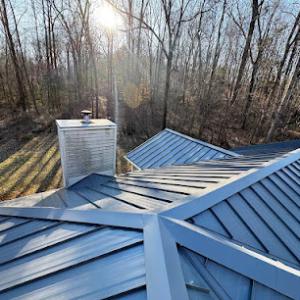
- Metal roofs offer excellent wind resistance, reflective cooling, and long life, but require proper flashing and ventilation.
- Light-colored or cool-roof finishes reflect more solar heat and can reduce attic temperatures.
- Ventilation matters: balanced attic ventilation (soffit intake with ridge or turtle vent exhaust) minimizes heat buildup and reduces the risk of ice dams in rare cold spells.
- Underlayment and flashing should be high-quality and properly sealed to withstand humidity and driving rains.
Maintenance priorities for a humid, storm-prone climate
- Inspect twice annually and after major storms for lifted shingles, damaged flashing, and deteriorated seals.
- Clean gutters and downspouts regularly; remove leaves, needles, and debris to prevent water backup and ice dam risk.
- Trim branches that overhang the roof to reduce impact risk and keep debris away from vents and flashing.
- Watch for algae or moss growth on shaded slopes; address promptly with roof-safe cleaners and proper ventilation.
- Check attic insulation and ventilation to control heat buildup and moisture; aim for a well-sealed, breathable attic.
Step-by-step actions to protect your Henderson roof
1. After a storm, perform a quick roof check from the ground (look for lifted shingles, damaged flashing, or missing granules) and secure loose debris from gutters.
2. Verify attic insulation and ventilation; ensure soffit vents are clear and that intake/exhaust paths aren't blocked.
3. Schedule a professional roof inspection after large storms or hurricane remnants pass through the area.
4. Maintain gutters, fix any leaks promptly, and replace damaged shingles or flashing before the next season.
Warning signs that require prompt professional attention
- Curling, cracking, or missing shingles; exposed roof underlayment.
- Visible granule loss in gutters or on the ground near downspouts.
- Interior water stains on ceilings or walls following rain.
- Persistent dampness, mold, or mildew in attic spaces despite ventilation.
Local risks and official resources
- Monitor severe-weather alerts and hazards for North Carolina: National Weather Service Raleigh hazards page –
- Hurricane preparedness and safety guidance: FEMA –
- Roof material guidance and energy-saving considerations: Energy Star Roofing materials –
- Humidity, dampness, and mold safety information: CDC –
- Attic ventilation and building-performance tips: U.S. Department of Energy –
- Local extension and homeowner guidance (NC State Extension):
Recommended Roofing Materials for Henderson
Henderson homeowners typically reach for asphalt due to cost, availability, and decent performance in our climate. Architectural (dimensional) shingles are preferred over 3-tab for wind resistance and longer life.
- Pros:
- Affordable upfront and easy to install
- Wide color options to match homes
- Architectural shingles offer better wind resistance (often rated around 110–130 mph)
- Cons:
- Lifespan generally 20–30 years, shorter in harsh weather or poor ventilation
- Susceptible to algae staining in humid summers without protective coatings
- Tips:
- Choose shingles with algae resistance and a good wind rating
- Pair with a synthetic underlayment and proper attic ventilation to maximize life
- Consider a reflective or lighter color to reduce heat gain
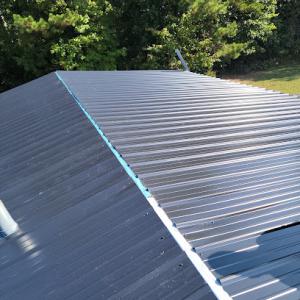
Metal roofs (steel or aluminum) excel in our humid, storm-prone climate. Standing-seam styles provide the best protection against leaks and wind.
- Pros:
- Long lifespan (40–70 years) and strong wind/ hail resistance
- Excellent energy savings due to reflective coatings
- Lightweight and quick installation; low maintenance
- Cons:
- Higher upfront cost; noise can be noticeable in heavy rain unless well insulated
- Dents can occur with hail, depending on material and thickness
- Tips:
- Use a standing-seam system for the best performance in wind
- Opt for coatings with cool roof properties to reduce heat load
- Ensure professional installation to seal edges and penetrations
Fiber cement (e.g., Hardie) blends durable performance with a familiar shingle look and is well-suited to Henderson's weather.
- Pros:
- Fire resistance and termite resistance
- Holds color well and resists rot in humid air
- More impact-resistant than standard asphalt in many cases
- Cons:
- Heavier than asphalt; requires proper framing and skilled installation
- Moderate-to-high cost, but often less than premium options over time
- Tips:
- Confirm the installer uses fiber cement-rated fasteners
- Pair with acetate or polymer underlayment for moisture barriers
Wood Shingles and Shakes: Rustic Beauty, Higher Maintenance
Cedar and other wood shakes offer authentic character but demand maintenance in our humidity and pests.
- Pros:
- Distinctive, natural look
- Good insulation properties
- Cons:
- Prone to rot, mold, and insect damage in humid climates
- Higher ongoing maintenance (stains/sealers) and shorter average lifespan in NC
- Tips:
- If chosen, select decay-resistant species and apply protective coatings
- Schedule regular inspections, especially after storms
Clay and concrete tiles are durable and fire-resistant; they can perform beautifully in sunny Henderson conditions.
- Pros:
- Long life, excellent fire resistance, wide color options
- Good thermal performance when properly vented
- Cons:
- Very heavy; may require structural reinforcement
- Susceptible to cracking in hail; higher installation costs
- Tips:
- Confirm your roof can bear the weight with a structural engineer if needed
- Use impact-resistant tiles for areas prone to hail
Slate offers unmatched longevity and curb appeal but comes with stiffness and cost.
- Pros:
- Lifespan of a century or more in many cases
- Very durable and fireproof
- Cons:
- Extremely heavy and expensive; requires skilled, specialized installation
- Limited local availability and higher repair costs
- Tips:
- Only consider if your home is already built to support it and you plan for high-end maintenance
Low-Slope and Flat Roof Options
If you have a garage, sunroom, or a distinct flat section, consider low-slope systems like EPDM, TPO, or modified-bitumen.
- Pros:
- Good for waterproofing on low pitches
- Modern membranes can be highly reflective and energy-efficient
- Cons:
- Typically need professional installation and periodic seam maintenance
- Susceptible to membrane puncture or seam failure if poorly installed
- Tips:
- Prioritize heat-reflective or white membranes in direct sun exposure
- Ensure proper flashing around edges and penetrations
Local Factors to Consider
- Algae and wood rot are common in humid summers; choose materials with algae resistance and consider zinc/copper edge strips.
- Wind uplift is a concern in storm seasons; opt for high wind-rated products and proper fasteners.
- Hail risk varies; choose impact-resistant options if you've had hail events.
- Ventilation and underlayment matter as much as the exterior material; plan an integrated system with attic ventilation and moisture barriers.
Steps to choose the right material (quick guide)
1. Set a budget and desired lifespan for your roof.
2. Evaluate structural weight limits and ensure proper decking and framing.
3. Consider local climate factors: humidity, wind, hail, and algae exposure.
4. Compare warranties, upkeep, and energy efficiency of each option.
5. Hire a licensed local roofer to assess your home's pitch, vents, and flashing needs.
Popular Roof Styles & Architectural Trends in Henderson
Traditional Henderson Roof Styles
In Henderson, you'll see a lot of classic shapes that balance curb appeal with practical durability. The most common roof plans are gable and hip, both versatile for varied lot sizes and weather patterns. Gable roofs are straightforward and cost-effective, but a well-built hip roof tends to perform better in high-wind events and heavy rain. Some homes feature cross-gable layouts or Dutch hip designs to add architectural interest without sacrificing drainage.
- Gable roofs: clean lines, straightforward loads, easy to retrofit insulation and ventilation.
- Hip roofs: sturdy against winds, smoother silhouette for rain shedding.
- Cross-gable and Dutch hip: creates dimension on the façade while preserving drainage and attic space.
Materials & Shingle Choices
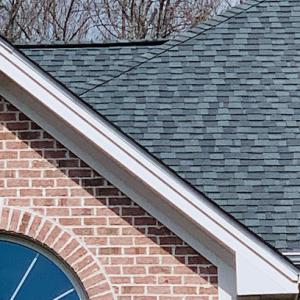
Local homes predominantly use asphalt shingles, often in architectural or dimensional varieties that mimic the texture of wood or slate. These offer strong wind resistance when installed with proper underlayment and sealing coefficients. Metal roofs are rising in popularity for longevity and reflective cooling, especially on newer constructions or outbuildings. Clay or concrete tile appears on higher-end or Mediterranean-inspired designs and adds weight considerations and maintenance needs. Wood shingles or shakes are less common due to higher maintenance in our humidity, but they still turn up on some craftsman-style homes.
- Asphalt architectural shingles: durable, wind-rated, better aesthetic than basic three-tab.
- Metal roofs: long life, excellent wind resistance, energy savings, higher upfront cost.
- Tile (clay/concrete): stylish for certain styles, heavier and costlier to install.
- Wood shingles/shakes: attractive but higher maintenance and humidity considerations.
Popular Architectural Styles You'll See in Henderson
The city's neighborhoods mix traditional Southern charm with modern comforts. Here are styles you'll encounter, plus what to expect from the rooflines and materials.
- Craftsman: low-pitch gable with wide eaves, exposed rafter tails, and large front porches. Roofs often use architectural shingles or metal accents.
- Ranch: single-story layouts with gentle slopes and wide, low-profile roofs that complement open interior plans.
- Colonial Revival: symmetrical façades, balanced window placement, medium-pitch roofs, and dormers that add light.
- Tudor Revival: steeply pitched roofs, decorative half-timbering, and varied rooflines that create texture on the upper story.
- Farmhouse / Modern Farmhouse: prominent porches, gable-forward massing, and practical rooflines designed for attic space and future additions.
- Traditional Southern: brick or siding with medium-pitch roofs, sometimes with dormers to bring light to upper rooms.
Modern Trends & Practical Considerations
Henderson homeowners are embracing designs that pair aesthetics with performance. Expect to see more energy-conscious choices and smarter roof planning.
- Energy efficiency: cool roofs with lighter colors or reflective pellets, better insulation, and sealed underlayment.
- Solar-ready and solar-compatible designs: layouts that simplify mounting and optimal tilt for future panels.
- Enhanced ventilation and moisture control: ridge vents, soffit vents, and moisture barriers to combat humidity.
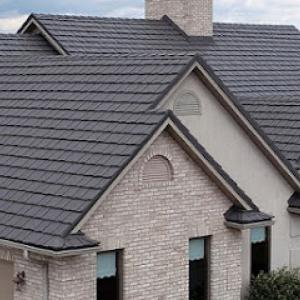
- Color and texture trends: charcoal and gray tones with lighter trims, sometimes contrasting with wood or stone elements.
- Roof upgrades for storms: higher-quality underlayment, wind-rated shingles, and improved fasteners for NC's storm activity.
Quick Reference for Henderson Homeowners (Planning Steps)
1) Identify your preferred roof shape (gable vs hip) based on wind exposure and attic space goals.
2) Select a material that fits climate, budget, and maintenance tolerance (asphalt architectural shingles for value; metal for longevity; tile for style).
3) Check wind resistance ratings and ensure proper underlayment and ventilation for our humidity and storms.
4) Consider energy efficiency: cooler colors, reflective coatings, and the possibility of solar-ready layouts.
5) Plan for a professional, local installer who understands Henderson's weather patterns and code requirements.
Average Roofing Costs in Henderson
Typical cost ranges by material
- Asphalt shingles (most common in Henderson):
- Basic 3-tab: $4.50–$5.50 per sq ft installed
- Architectural/dimensional: $5.50–$7.00 per sq ft installed
- Per square (100 sq ft) ranges: roughly $450–$700 for basic, up to $700–$900 for architectural
- Note: if a roof tear-off is needed, add about $1.00–$2.00 per sq ft
- Typical 1,500 sq ft roof (about 15 squares): roughly $6,800–$11,000 depending on style and complexity
- Metal roofing:
- $8.00–$12.00 per sq ft installed
- Per square: $800–$1,200
- Great for longevity and wind resistance, but higher upfront cost
- Tile or concrete tile:
- $10.00–$18.00 per sq ft installed
- Per square: $1,000–$1,800
- Heavier and requires a solid structural assessment
- Wood shingles/shakes:
- $6.00–$9.00 per sq ft installed
- Per square: $600–$900
- Distinct look, requires maintenance and potential fire-rated considerations
Local considerations that affect price in Henderson
- Roof pitch and complexity:
- Steeper or multi-dormer roofs raise labor time and safety requirements
- Complex layouts with skylights or venting add flashing and sealing work
- Old roof removal:
- Tear-off costs typically $1.00–$2.00 per sq ft on top of new roof installation
- Climate impacts:
- Humidity and occasional severe storms in the area mean higher wind-bearing and waterproofing standards
- Local codes may require upgraded underlayment and ventilation
- Architecture and style:
- Ranch-style, colonial, and townhomes each have distinct roof lines and flashing needs
- Hip roofs or numerous valleys cost more than simple gable designs
- Local labor market:
- Availability of skilled roofers in the Henderson area can influence bids and timelines
- HOA and permitting:
- Some neighborhoods require permits and HOA approvals; permit fees typically range from $75–$200
- Tear-off and disposal of old roofing: $1.00–$2.00 per sq ft (if needed)
- Ventilation and underlayment upgrades:
- Upgrading attic ventilation or adding ridge/exhaust vents: $200–$600 or more, depending on roof size
- Flashing, boot replacements, and skylight sealing:
- Small projects: $150–$500 per item
- Structural reinforcement:
- If the roof is very damaged or undersized for heavy material, expect $1,000–$5,000 for reinforcement
Steps to estimate your Henderson roof cost (quick guide)
1. Measure your roof area (in square feet) and estimate roof pitch.
2. Choose a material type (asphalt, metal, tile, etc.) and level (standard vs architectural for asphalt).
3. Decide on tear-off vs. re-roof (and count removal if needed).
4. Consider ventilation, flashing, and any necessary underlayment upgrades.
5. Get at least 3 bids from licensed local roofers and verify angles for wind resistance and local code requirements.
Local nuances that influence budgeting
- Neighborhood aesthetics and materials available locally can steer material choices toward what fits the area
- Availability of skilled installers in Henderson can affect timing and price
- Weather windows in spring and fall can impact scheduling and potential overtime rates
Quick reference ranges for planning
- Low end (simple asphalt, no tear-off): around $6,000–$8,500 for a typical mid-size home
- Mid-range (architectural asphalt, standard removal): roughly $8,500–$12,500
- High end (tile, metal, or complex structure with full tear-off): $12,000–$20,000+ depending on area and material
Permits & Local Regulations
Do I need a permit for a roof replacement in Henderson, NC?
Yes, in Henderson most roof work that involves structural changes, new decking, ventilation, or changing roof framing will require a building permit. Even reroofs can require review to ensure underlayment, flashing, ventilation, and wind-load requirements meet code. If you're only doing a small, non-structural repair, a permit may not be needed, but it's best to check first with the Henderson Building Inspections Division to avoid fines or having to undo work later.
Where to apply
- Contact the Henderson Building Inspections Division to confirm permit requirements for your project.
- Applications are typically accepted in person at City Hall or through the city's official online permit portal.
- The portal will guide you to the correct form for roofing work and can show you what documents are required.
What you'll need to submit
- Property address, parcel ID, and a brief description of the scope of work.
- Estimated project value or cost, plus a materials list (shingles, underlayment, flashing, etc.).
- Contractor information, including license status (if using a contractor) and proof of liability insurance.
- Plans or drawings if you have changes to decking, venting, skylights, or structural components.
- Proof of ownership or authorization if someone else is filing on your behalf.
- Any HOA approvals or covenants that pertain to roofing materials or appearance (if applicable).
The process (step-by-step)
1. Confirm permit necessity with Henderson's Building Inspections Division.
2. Gather the required documents and, if using a contractor, have them submit the permit package or help you assemble it.
3. Submit the application and pay the permit fees (fees vary by project value and scope).
4. Receive the permit and post it at the work site; begin work only after the permit is active.
Inspections & compliance
- Inspections are required to verify each major stage and code compliance: typically underlayment/roofing installation, venting and flashing details, and a final inspection.
- If an inspection fails, address the issues and schedule a re-inspection.
- Do not cover or conceal work without an authorized inspection; improper work can lead to rework or fines.
- Keep the permit card visible at the job site until all inspections are complete and the project is closed.
HOA & neighborhood rules
- Check with your Homeowners Association (if you have one) before starting. HOAs may impose rules on roofing material, colors, or types, and some require architectural review.
- Even with a permit, HOA approvals can influence material choices and appearance, so align HOA approvals with city permitting.
Local codes & energy efficiency
- Henderson follows the North Carolina State Building Code, based on the International Code Council family, with local amendments. Your project must comply with the current edition adopted by the city.
- Expect energy efficiency requirements (insulation levels, proper ventilation, and sealed penetrations) and wind-load standards relevant to the region.
- If you plan to install skylights or other penetrations, or if you're replacing decking, document compliance with these codes as part of the permit package.
Quick tips to avoid delays
- Start with a quick call or email to confirm permit needs before purchasing materials.
- If you're hiring a contractor, have them pull the permit and coordinate inspections; homeowners can pull permits for their primary residence in many cases, but specifics vary.
- Double-check required documents one week before submission to prevent delays.
- Schedule inspections promptly after you reach each milestone to keep the project on track.
Common Roofing Problems in Henderson & Solutions
Worn or aging asphalt shingles
In Henderson, hot summers and heavy rain accelerate shingle wear. Curling edges, cracking, or missing patches are common signs.
- Symptoms:
- Curling or cupping shingles
- Missing shingles after a storm
- Granules washing into gutters
- Causes:
- UV/heat exposure and weathering
- Wind uplift or improper nailing
- Inadequate attic ventilation leading to speedier aging
- Solutions:
- Replace damaged shingles; upgrade to architectural or impact-resistant options if the roof is near the end of its life
- Inspect decking for soft spots or sagging and repair as needed
- Improve attic ventilation to slow aging and reduce heat buildup
- Steps:
1) Visually inspect for wear from a ladder or binoculars view.
2) Remove damaged shingles and install new ones with proper nails and spacing.
3) Seal edges and re-seat neighboring shingles to prevent lift.
4) Have a professional assess overall roof age and decking health.
Leaks around flashing
Leaking around chimneys, vents, or skylights is a frequent issue when flashing fails or wasn't installed correctly.
- Symptoms:
- Stains on ceilings near roof penetrations
- Damp spots around vents or chimney bases
- Causes:
- Cracked, corroded, or improperly tucked flashing
- Gaps at joints or compromised sealant
- Solutions:
- Reseal and replace faulty flashing; ensure counter-flashing overlaps properly
- Re-point brick around chimneys if masonry is compromised
- Use high-quality sealants rated for roof use
- Steps:
1) Dry the area and confirm the leak path inside the attic.
2) Remove damaged flashing and install new flashing with proper termination bars.
3) Seal joints, install counter-flashing, and re-shingle as needed.
4) Test with a controlled rain or hose run to confirm no further leaks.
Poor attic ventilation and insulation
Excess heat and moisture in the attic can cause premature roofing problems and higher energy bills.
- Symptoms:
- Excessive attic heat, mold or mildew in the attic, or high cooling costs
- Causes:
- Blocked soffit or ridge vents and undersized ventilation
- Insufficient or compacted insulation
- Solutions:
- Add or repair soffit and ridge vents; ensure balanced airflow
- Increase attic insulation to recommended levels for Henderson
- Steps:
1) Inspect attic vents and insulation levels.
2) Install baffles where needed to improve airflow.
3) Add or upgrade insulation to meet current standards.
4) Schedule a professional energy audit if problems persist.
Clogged or damaged gutters and downspouts
Water that overflows or leaks at the fascia can rot roof edges and fascia boards.
- Symptoms:
- Gutter sagging, leaks, or water spilling over
- Fascia damage and roof edge rot
- Causes:
- Leaf and debris buildup; shingle grit in gutters
- Poor slope or detached sections
- Solutions:
- Clean gutters regularly; repair or replace damaged sections
- Install gutter guards and ensure downspouts drain away from the foundation
- Steps:
1) Remove debris from gutters and downspouts.
2) Re-secure or replace loose sections.
3) Ensure a proper slope and minimal obstructions.
4) Extend downspouts to direct water at least 3–4 feet from the foundation.
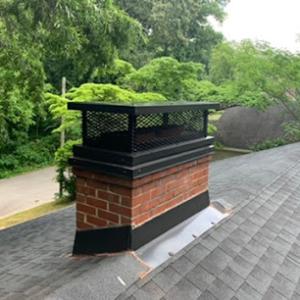
Chimney and vent pipe flashing failures
Chimneys are common leak points if flashing or mortar deteriorates.
- Symptoms:
- Water intrusion at the chimney line; staining near the chimney
- Causes:
- Deteriorated flashing, cracked masonry, missing or degraded mortar
- Solutions:
- Replace flashing and seal joints; repoint masonry as needed
- Inspect vent pipes for loose or damaged boot flashing
- Steps:
1) Inspect the chimney and flashing from a safe vantage point.
2) Replace flashing and reseal joints with compatible roofing sealant.
3) Repoint damaged masonry and replace any deteriorated vent boots.
4) Re-check after a heavy rain for any remaining leaks.
Moss, algae, and staining
Shaded, humid areas promote growth that can loosen shingles and spoil appearance.
- Symptoms:
- Dark streaks or green/buzzy moss on the roof
- Causes:
- Humidity, shade, and lack of airflow
- Solutions:
- Gentle cleaning with roof-safe cleaners; avoid high-pressure washing
- Install zinc or copper strips along the ridge to inhibit moss growth
- Trim tree canopies to increase sun exposure
- Steps:
1) Broom away loose moss; apply a roof-safe cleaner per product directions.
2) Rinse with low pressure, avoiding damage to granules.
3) Add zinc/copper strips or improve airflow with vents.
4) Monitor and treat as needed every season.
Storm damage (wind, hail)
Henderson sees heavy storms that can lift shingles or damage flashing.
- Symptoms:
- Missing or damaged shingles after a storm
- Dented edges or warped flashing
- Causes:
- High winds and hail impact
- Solutions:
- Document damage for insurance; perform timely repair or replacement
- Inspect decking for punctures or water intrusion and address promptly
- Steps:
1) Do a post-storm roof check; photograph any damage.
2) Contact your insurer if you have covered losses.
3) Replace damaged shingles and repair underlying decking.
4) Schedule a comprehensive roof inspection to prevent hidden leaks.
Wood rot on eaves and fascia
Humidity and rain can cause wood rot at the roof edges.
- Symptoms:
- Soft, crumbly fascia boards; paint peeling or bubbled along the edge
- Causes:
- Water intrusion and poor drainage at the eaves
- Solutions:
- Replace rotten sections with treated wood or durable alternatives (PVC/aluminum)
- Repaint or seal after installation to protect against moisture
- Steps:
1) Inspect fascia and eaves for soft spots.
2) Cut out and replace rotted wood.
3) Re-seal, prime, and paint; maintain with periodic checks.
Maintenance & Repair Tips for Henderson
Regular Inspections
- Perform a light roof check twice a year and after severe storms. In Henderson's hot summers and occasional heavy rains, quick wear can appear fast.
- Look for: curling or cracking shingles, missing tabs, damaged flashing around chimneys, dormers, or vents, and any signs of water entry on ceilings or walls.
- Inspect gutters and downspouts for obstructions, granule loss, and proper drainage away from the foundation.
Gutter and Debris Maintenance
- Clear leaves, pine needles, and debris from gutters at least twice a year (preferably after fall and in spring) to prevent clogs.
- Ensure downspouts extend at least 5–6 feet from the house to keep water away from the foundation.
- Check for loose hangers and rust; repair or replace damaged sections and reseal joints as needed.
Shingle Care and Repairs
- Spot-check shingles for curling, blistering, cracking, or loss of granules. If more than 15–20% show damage, plan for repairs or replacement.
- For isolated damaged shingles:
1) Lift the shingle next to the damaged one,
2) Re-nail with and seal the nail heads with roofing cement,
3) Slip a new shingle into place and reseal edges.
- For loose or missing tabs due to wind or hail, replace the affected shingles and reseal with appropriate flashing cement.
- If you notice granules in gutters after a storm, it's a sign of accelerated wear—have the roof inspected to determine if replacement is near.
Flashing and Ventilation
- Inspect flashing around chimneys, skylights, roof-to-wall joints, and vent boots for gaps, rust, or lifting.
- Re-seal any gaps with compatible sealant and ensure flashing seams are properly folded and bedded with roofing cement.
- Check attic soffit and ridge vent openings for obstructions. Proper ventilation reduces heat buildup and moisture, extending roof life.
Attic Insulation and Ventilation
- Verify adequate attic insulation to control attic temperatures and moisture. In Henderson's climate, aim for a balanced setup that minimizes condensation in winter and reduces attic heat in summer.
- Ensure intake vents (soffits) and exhaust vents (ridge or turbine) are clear and functioning.
- If you notice damp insulation or a musty odor, investigate for potential leaks and improve ventilation.
Moss, Algae, and Lichen Control
- Shaded or humid areas can develop algae or moss. Clean carefully to avoid damaging shingles.
- Use a mild cleaning solution or a roof-safe cleaner; never power-wash, which can lift granules and damage seals.
- For long-term prevention, install zinc or copper strips along the ridge to inhibit growth, and prune nearby trees to reduce shade and debris accumulation.
Leak Troubleshooting and Quick Repairs
- If you see water stains or hear dripping inside, locate the drip line from the attic and assess the exterior roof for the source.
- For small leaks, temporarily secure with roofing cement and a patch or tape while you arrange a proper repair.
- Document the area with photos before a repair, especially after storms, to help a professional diagnose the issue.
When to Call a Pro
- Fractured, buckled, or missing large areas of shingles; widespread flashing failure; or sagging roof deck.
- Leaks that persist after a basic DIY seal and meager interior staining.
- If you're uncomfortable with heights or the slope is steep, or if you lack proper safety equipment and fall protection.
Henderson-Specific Considerations
- Henderson experiences hot summers and occasional heavy rainstorms; protect roof edges and ensure tree limbs overhanging the roof are trimmed back to reduce debris and moisture buildup.
- Storms can bring hail or strong winds—inspect after severe weather and address any damaged shingles or flashing promptly.
- Prolonged humidity can accelerate mold growth on wooden decking; keep attic ventilation optimized to minimize moisture buildup and wood deterioration.
Maintenance Checklist
- Schedule an annual professional inspection and after major storms.
- Clean and inspect gutters twice a year; verify proper drainage.
- Inspect flashing around chimneys, vents, and walls; reseal as needed.
- Trim overhanging branches and remove roof debris promptly.
- Check attic insulation and ventilation, adjusting as needed for season.
When to Repair vs. Replace
Henderson climate reality and what it means for your roof
Henderson, NC sits in a humid subtropical area with hot summers, heavy rain events, and occasional winter weather. Those conditions stress shingles, flashing, and underlayment differently than drier climates. Trees nearby can drop needles and sap, and shade can promote moss in damp spots. In short: plan for more frequent inspections, especially after storm seasons, and prioritize roof components that handle moisture, ventilation, and temperature swings.
When to repair is a good move
- Local damage is isolated: a few missing shingles, a loose vent, or a small flashing issue that doesn't extend beyond 15–30% of the roof area.
- Roof is relatively young: if your shingles are under 15–20 years old (typical asphalt shingle lifespans) and the decking shows no rot, a targeted repair often makes sense.
- Cost favors repair: if the repair cost is a small fraction of a full replacement (roughly under 30–40% of replacement cost) and can restore watertight performance, repair is prudent.
- No widespread leakage: one or two leaks that can be traced to a specific flashing or penetration, with intact surrounding shingles, can be fixed without a full tear-off.
- Warranties and materials: if a repair preserves existing manufacturer warranties or does not trigger new warranty requirements, it's a safer bet.
- Ventilation and attic health: leaks are linked to poor attic ventilation or insulation rather than roofing material failure. Fix the ventilation/insulation alongside a targeted repair.
When to replace is the better long-term choice
- Age exceeds expected life: asphalt shingles reaching 20–25 years, or more for other materials, are a strong signal to consider replacement, especially if performance is declining.
- Widespread damage: curling, cupping, missing large areas of shingles, granule loss across the roof, or repeated leaks across multiple sections point to a failing roof.
- Structural concerns: sagging sections, rot in sheathing, or widespread moisture damage in the attic indicate decking and framing issues that are safer to address with a full roof replacement.
- Poor overall condition: multiple leaks, advanced moss or algae growth causing material deterioration, or consistently high energy bills from heat gain suggest replacement with modern, better-insulated options.
- Underlayment and flashing neglect: if the underlayment shows extensive wear, or flashing around chimneys and vents is corroded, replacement ensures long-term reliability.
- Insurance and resale: when planning a remodel, insurance coverage may be more favorable for a new roof, and a newer roof can improve resale value and curb appeal.
Practical decision framework ( Henderson-specific)
1. Chart the damage: photograph issues, estimate affected area, and note any decking concerns.
2. Get a local roofer's assessment: ask for a written estimate that includes area-based costs per square and decking checks.
3. Weigh costs and lifespan: compare repair cost vs. full replacement cost, factoring in the remaining life of current materials.
4. Check warranties and insurance: verify coverage limits, whether repairs will void warranties, and what an insurer will approve.
5. Consider future performance: include improvements like better ventilation, upgraded underlayment, or reflective shingles to reduce heat and extend life.
Henderson-specific material and efficiency tips
- Choose weather-rated asphalt shingles or metal designed for NC conditions; consider impact-resistant options in hail-prone seasons.
- Look for high-ventilation designs and reflective, cool-roof colors to curb attic heat gain.
- If you already have mature trees nearby, plan for regular debris clearing and consider protective roofing upgrades in high-shade areas to slow moss growth.
Quick checklist
- Age of the roof and expected remaining life
- Extent and location of damage
- Deck integrity and evidence of rot
- Current ventilation and insulation status
- Leaks frequency and sources
- Warranty status and insurance options
- Replacement vs. repair cost ratio
- Local climate considerations and material choices
When to Hire a Professional
Red flags that mean it's time to call a pro
- Missing or severely curled shingles, exposed underlayment, or visible roof deck damage.
- Sagging sections or uneven roof lines that could indicate structural issues.
- Persistent leaks after a localized fix or heavy rainfall.
- Granule fallout in gutters, downspouts, or driveway meaning the shingles are near the end of their life.
- Age over 20–25 years with recurring leaks or shingle deterioration.
- Signs of poor ventilation, moldy attic spaces, or condensation problems.
- You're not comfortable or safe working on a roof.
After a severe Henderson storm
- Winds can lift shingles and flashings around chimneys, vents, and valleys.
- Hail can crack or dent shingles and bend metal components; hidden damage may show up as leaks weeks later.
- Contractors may flock to the area; beware “storm chasers.” Stick with local, established firms.
- If you suspect structural damage or large sections of shingles are compromised, don't delay a professional inspection.
Permits, codes, and local concerns in Henderson
- In Henderson, roof work typically requires a building permit. Verify requirements with the City of Henderson Building Inspections or the appropriate local authority; if you're outside city limits, check Vance County guidelines.
- North Carolina requires roofing contractors to hold a valid license for certain projects. Look for a C-39 Roofing Contractor license or the applicable NC General Contractor license and verify status with the NC Licensing Board for General Contractors (lcb.nc.gov).
- Ask your contractor for a copy of their license, current insurance (general liability and workers' compensation), and a copy of the permit once filed.
- Ensure disposal plans are included in the contract (tarps, dumpsters, or debris removal) and that waste is handled per local ordinances.
How to evaluate a roofing contractor
1. Gather at least 3 written bids with detailed scope and materials list.
2. Verify licensing and current insurance for each candidate.
3. Check references from Henderson-area homeowners and look for projects similar to yours.
4. Confirm warranty terms on both materials and workmanship; ask about roof-accessories like underlayment, ventilation, and flashing.
5. Ask about lead times, project timeline, and weather-related contingencies.
6. Request a written contract with scope, materials, total price, payment schedule, and cleanup plan.
7. Confirm disposal method and whether old shingles are recycled or properly disposed.
Questions to ask a contractor (Henderson-specific considerations)
- What experience do you have with Henderson's climate and local codes?
- Do you handle permit applications and inspections, or is that my responsibility?
- Will you provide a Permanent Certificate of Insurance and Workers' Comp coverage?
- What brands and types of shingles or metal are you recommending, and why for our exposure (sun, rain, storms)?
- How will you protect landscaping, gutters, and HVAC units during the job?
- What ventilation and underlayment approach do you use to prevent moisture issues in our attic?
Common scams and how to avoid them
- Highly discounted bids that seem too good to be true; insist on written bids with scope and warranty details.
- Door-to-door offers from unfamiliar companies; prefer local neighbors' referrals and established Henderson businesses.
- Pressure to sign immediately; take time to review licenses,insurance, and references.
Quick decision steps if time is short
1. Confirm the contractor is licensed and insured for NC and holds a local Henderson address.
2. Get 3 written bids with clear material specs and warranty terms.
3. Check references and online reviews from the Henderson area.
4. Ensure permits are filed and a final inspection will be completed.
Putting A Lid On It: Roof Maintenance, Repair, and Replacement in Henderson
Henderson's warm, humid climate, frequent summer storms, and lush tree-lined streets put roofs through a lot of wear. Regular upkeep isn't just about looking good—it protects your home from leaks, keeps energy bills in check, and extends the life of your shingles and flashing. A proactive approach now saves big headaches later.
Your roof's best defense is a simple, steady routine. With a little preventive care, you can catch issues early, minimize damage from wind-driven rain, and keep attic conditions balanced for comfort and efficiency. Think of maintenance as a short seasonal habit that pays dividends in peace of mind and long-term value.
Seasonal upkeep at a glance
- Spring: after storm season, inspect for damaged shingles, loose flashing, and clogged gutters. Trim overhanging branches to reduce debris and plant growth on the roof.
- Summer: verify flashing around chimneys and vents is sealed, check for granule loss, and ensure attic ventilation remains adequate to limit heat and moisture buildup.
- Fall: clear gutters again, reseal critical seams, and assess insulation in the attic to protect against winter moisture and heat loss.
- Winter: after any heavy weather, look for leaks from interior ceilings and address obvious damage promptly. If ice or snow accumulates, remove only safely and with caution.
Common issues you can spot or prevent
- Missing or curled shingles
- Lifted flashing around chimneys, vents, or skylights
- Granule loss revealing bare asphalt
- Gutter blockages causing water back-up
- Moisture in the attic or on ceiling surfaces
When to call a pro
- Visible sagging or significant cracking
- Recurrent leaks after basic fixes
- Dark stains or persistent attic dampness
- Damaged flashing or venting that you can't securely seal
- If you're unsure about roof integrity after a major storm
Repair vs. replacement quick guide
- Small, localized damage or a few missing shingles can often be repaired without a full re-roof.
- Widespread curling, widespread granule loss, or shingles nearing the end of their expected life may indicate replacement is the smarter long-term choice.
Choosing a trusted local pro
- Look for licensed, insured roofers with Henderson-area references.
- Ask about warranties on labor and materials.
- Request a written assessment and a transparent estimate before work begins.
Final thought
Our roofs are part of what makes Henderson feel like home—strong, welcoming, and enduring. With regular care, you can enjoy a beautiful, lasting roof and sleep a little easier knowing your family and belongings are protected. Here's to local expertise, quiet confidence, and a roof that stands up to the decades—and the weather—ahead.