
Last updated: Apr 19, 2026
Rain happens year round, so planning around a dry season doesn't apply here. The signal you should watch is not a single heavy storm, but clusters: spring storm bursts, the heat-driven humidity of midsummer, and those fall tropical remnants that bring sudden gusts and wind-driven rain. Inland exposure matters here-even without hard coast salt exposure, wind can peel shingles and push water under edge flashing when a storm hits with enough velocity. In summer, the heat and humidity act like a slow-mo dehumidifier on attic spaces, but once water penetrates, those same conditions make drying out stubborn and slow. This is not a city where leaks mark themselves with a dramatic cry; leaks often hide and fester in attic and underlayment until a big rain event finally reveals them.
Storms that arrive with wind from the south or southwest can slam shingles loose or lift gaps around flashing. A late-summer squall can push rain deep into eaves, around vent pipes, and along hips where older roofs have settled. Fall tropical remnants bring shorter but intense rain bursts coupled with wind that can drive water under compromised ridge lines or along deteriorated fascia. Because moisture moves quickly in hot, humid air, existing leaks tend to widen and more rapidly affect decking and insulation. In practice, that means the window for addressing a rising problem is narrow once moisture is present, and delayed action compounds interior damage and the cost of repair.
If a roof shows signs of age or repeated past leaks, plan replacement before the next major storm cluster hits, not after. However, "before" should be aligned with a forecast window that minimizes the risk of extreme heat during installation and allows sufficient time for drying between work stages. The key is to avoid doing major work during peak heat and humidity, which slows ventilation and drying of the attic, and to avoid late-fall installs when residual tropical moisture can linger and complicate underlayment cure. If a roof is near the end of its service life, a phased approach-teardowns, moisture checks, then full replacement-can reduce the window of exposure to active leaks during the process.
Hot, humid summers amplify attic moisture; a roof that leaks even marginally into an unvented or poorly vented attic creates a cascade of problems. Ensure attic vents are clear, soffit and ridge venting are balanced, and insulation is dry and properly installed. Use a moisture meter in the attic after a heavy rain to gauge how quickly water dissipates. If readings stay elevated for longer than a few days after a storm, it's a sign that the roof and attic envelope aren't drying effectively, and remediation should proceed without delay. In older assemblies, even small leaks can travel along rafter bays and show up far from the original entry point, so don't chase a single drip-follow the moisture trail.
Inspect after every major rain event, focusing on flashing, ridge caps, skylight surrounds, and vent terminations. Look for dark staining on sheathing or unusual musty odors in the attic, which indicate hidden intrusion. If roof stretches across multiple planes, check intersections where wind-driven rain can pool and seep. Schedule a professional roof assessment that includes a moisture survey and roof deck evaluation, especially if the roof is more than a couple of decades old. Acting quickly on both surface leaks and hidden moisture is your best defense against the storm-driven reality of this climate.
Richmond's housing mix presents a unique blend: older city neighborhoods showcase steep, architecturally prominent roofs that crown historic homes, while surrounding suburbs lean toward asphalt shingles for straightforward replacement. This contrast influences both the materials you'll see and the repair approach you'll need. In the older districts, rooflines aren't just coverings but defining architectural statements, making careful matching and preservation more important than quick tear-offs. In the suburbs, you'll encounter more standardized slopes and quicker-to-install solutions, but even there, the local climate and storm pattern push toward durable, weather-resilient choices rather than purely aesthetic decisions.
The city's meaningful slate and tile presence reflects older, higher-character housing stock where repairability and material compatibility matter more than simply replacing a roof with the lowest immediate cost. Slate on a large, steep pitch or clay tile on a historic residence isn't a cosmetic choice-it's a function that impacts how leaks are detected, how fast a repair can be integrated with the existing roofscape, and how long a patch will perform under Richmond's humid, rain-heavy climate. When a historic roof tile or slate is damaged, matching materials and careful integration can prevent a cascade of leaks that would otherwise emerge from mismatched flashing, underlayment, or slope changes.
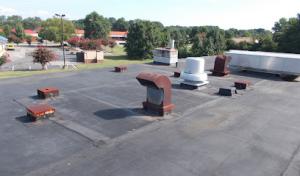
Beyond steep-slope realities, low-slope porch roofs, additions, and certain multifamily or mixed-use buildings create a parallel demand for flat-roof expertise. These areas can be particularly vulnerable to sustained moisture intrusion during storm events, so you'll want to prioritize reliable waterproofing details, proper drainage, and the selection of materials that hold up under long, rain-soaked periods. In Richmond, flattening the roof isn't a trick; it's a strategic choice to reduce the risk of standing water and gradual seepage that can undermine underlying deck or structural components if not addressed with durable membrane systems and attention to edge details.
In neighborhoods with historic or high-character housing, the choice of roofing material should account for repairability and seamless aging. Slate and clay or concrete tiles, when appropriate to the structure, offer long service life and a distinctive look that matches the character of the residence. However, those materials demand precise installation, compatible underlayment, and careful flashing around chimneys, dormers, and intersections. In newer subdivisions or less ornate homes, asphalt shingles still do a reliable job; the challenge there is ensuring adequate attic ventilation, proper attic-to-exterior detailing, and the ability to replace damaged sections without disrupting the visual flow of the roofline.
The climate pattern-humid air, year-round rain, and occasional tropical-system wind events-means leak prevention hinges on continuous edge and seam protection, robust flashing at roof-to-wall transitions, and meticulous ridge and valley work. For steep roofs, prioritize durable sealants and weatherproofing at all penetrations, plus a keen eye for any signs of creep in the valley areas after storms. Flat or low-slope sections should emphasize reliable drainage and membrane integrity, with regular checks for punctures, blisters, or seam separations following heavy rain or wind events. In all cases, the surrounding roof geometry-whether a dramatic Victorian peak or a modern gable-demands tailored maintenance plans that respect the existing architectural language while delivering dependable protection against moisture ingress.
In this climate, algae staining and moisture-related aging are more relevant long-term concerns for asphalt roofs than severe snow-load damage. You'll notice dark streaks and a mossy film forming along the rakes and gutters where moisture lingers after rain. Regular cleaning and a light maintenance cadence help, but the real guardrail is keeping the shingles from staying damp for days at a time. If you see persistent staining after a rain event or after humid spells in late summer, consider evaluating the uppermost shingles for coating wear and checking how well the granules are protecting the surface from sun and moisture. Address any signs of abnormal curling or soft spots early, since those indicate the protective layer is failing and inviting deeper moisture intrusion.
Repeated wetting from frequent rain can expose flashing weaknesses around chimneys, valleys, and wall intersections on older homes before the field shingles fully wear out. The flashing is the first line of defense against interior leaks, and heat-driven expansion and contraction can crack a sealant or misalign metal around these joints. Inspect vertical and horizontal transitions after storms with gusty winds. Look for loose or dislodged flashing, gaps at the base of chimneys, and metal that has pulled away from substrate. If you spot any displaced material or dark staining at these joints, treat it as an immediate warning sign and plan targeted flashing reseal or re-flashing rather than waiting for a complete roof replacement. A common early fix is resealing with a compatible sealant and re-fastening any fasteners that have worked loose.
Summer heat combined with humidity can stress sealants, underlayments, and attic ventilation performance, especially on dark roofs with limited airflow. When the attic is air-starved, you'll notice higher interior temperatures, more rapid roof surface aging, and greater moisture buildup in the decking. Check soffit and vent openings for obstruction after heavy rains or in high-humidity spells. Ensure the attic ventilation paths are clear and unobstructed, and verify that the underlayment remains properly bonded to the deck beneath. If the attic feels damp or if you observe condensation on the underside of the decking after a warm night, this can point to compromised ventilation or underlayment that needs replacement to prevent hidden leaks from progressing.
Develop a practical post-storm check routine. After a heavy rain, walk the attic access points if available and inspect for dampness or musty odors directly above the roof line. On the exterior, run a quick glance along valley intersections and around flashing once daylight returns; look for new staining, lifted shingles, or visible gaps. When you identify any of these patterns, plan a staged repair rather than a full replacement if the field shingles still hold. Timing improvements often hinge on catching these seep points before interior damage sets in, especially in areas where humidity accelerates deterioration.
Find contractors experienced in skylight installation, flashing, and leak repairs to bring natural light into your home.
Richmond VA Roofing
(804) 621-5404 www.richmondvaroofing.com
511 Ryland St #5, Richmond, Virginia
5.0 from 63 reviews
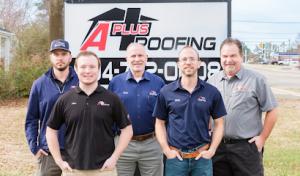
A Plus Roofing
(804) 752-0008 aplusroofing.com
2907 Hungary Spring Rd, Richmond, Virginia
4.8 from 230 reviews
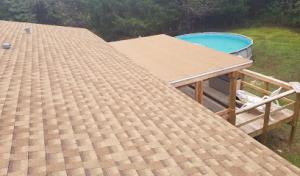
In this market, material pricing follows familiar ranges, but the exact figure on your street can shift with roof geometry and the age of the house. Typical Richmond material pricing runs about $350 to $650 per square for asphalt shingles, $700 to $1300 for metal, $900 to $1800 for clay tile, $800 to $1600 for concrete tile, $450 to $900 for wood shingles or shakes, and $1500 to $3000 for slate. Those numbers give you a baseline, but real quotes will reflect the specifics of your roof and the contractor's waste and disposal needs.
Older homes with steep rooflines, multiple dormers, and chimneys drive both labor time and waste. When you have to match slate or tile, the cost can rise because you're paying for precise cuts, careful flashing details, and potential bring-downs from interior walls to match the ridge lines. In practice, you'll see higher per-square costs on these jobs, especially if there's existing lead flashings that need removal and re-sealing. The Richmond climate amplifies this with year-round rain that can slow work and push crews to schedule around weather windows.
Scheduling pressure after major storm periods can tighten contractor availability in the Richmond market and push up pricing or lead times even without a broad insurance-market retreat. If a storm hits, plan for a mid- to late-year rush that may push start dates out by a few weeks. This is not just supply; skilled labor is also in demand when steep repairs and quick turnarounds are needed to prevent leaks.
Given the humid climate and frequent rain, you'll want a system that prioritizes reliable flashing, solid underlayment, and proper nail spacing. Asphalt remains a practical default in many neighborhoods, but for steep historic rooflines or areas with high wind events, metal or concrete tile can offer longer-term performance. Budget accordingly, since the upfront choice will ripple through labor needs and potential waste removal charges.
Get three local bids and ask each to itemize waste disposal, flashing, and drip-edge work. Confirm whether the estimate assumes full replacement of underlayment and any necessary drip-edge upgrades. If your home has multiple dormers or a chimney, request a separate line item for chimney flashing and ridge venting. Finally, align your schedule with the storm calendar to avoid peak rush periods that drive prices up.

Retex Roofing & Exteriors
(804) 485-1796 retexroofing.com
7608 Hull Street Rd N, Richmond, Virginia
4.9 from 341 reviews
Retex Roofing & Exteriors is a family-owned and operated residential roofing and home exterior business in the Greater Richmond, VA region. We offer top-quality services and unmatched customer service with a focus on education, clarity of communication, and meticulous attention to detail. Our professional and experienced team of Richmond exterior experts is at your disposal for roof replacement, roof repair, shingle roofing, metal roofing, window replacement, siding replacement, and gutter repair and replacement services. We offer complimentary estimates for all of our services. Give us a call or visit our website to learn more about how we may be able to help you with your next roofing or home exterior project.
Pyramid Roofing
(804) 823-9577 pyramidroofing.com
3400 Formex Rd, Richmond, Virginia
4.9 from 158 reviews
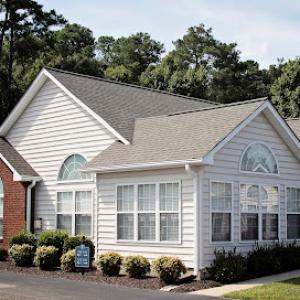
Pyramid Roofing is a trusted residential roofing company since 1986. Proudly serving the Greater Richmond Region, Hampton Roads, Middle Peninsula, and Virginia Beach areas. Now offering roof replacement & gutter estimates! You can find more information about us through the BBB. As a BBB accredited business, we are proud of our A+ rating! *Drug Screened, Background Checked and Factory Trained Technicians *100% Satisfaction Guarantee *Financing Available
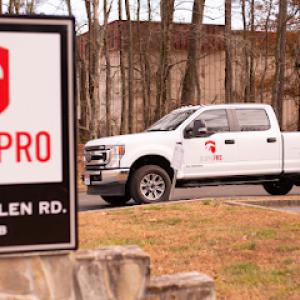
SlopePro Roofing
(804) 585-3141 slopeproroofing.com
4305 Sarellen Rd, Richmond, Virginia
4.9 from 135 reviews
SlopePro Roofing is a professional roofing company in Richmond, VA servicing the greater Richmond area. As a family-owned and operated company, we are committed to helping you make better roofing investment decisions. Our professional roofers specialize in both residential and commercial roof repairs and roof replacements. Call us today to schedule an inspection.
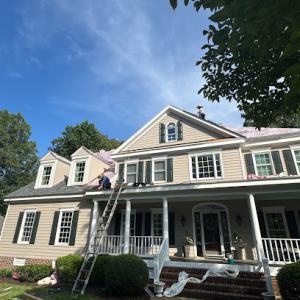
Mighty Dog Roofing of Richmond
(804) 376-8955 www.mightydogroofing.com
2010 Chamberlayne Ave, Richmond, Virginia
4.9 from 107 reviews
When it comes to your home’s exterior, Mighty Dog Roofing delivers top-of-the-line services matched with the neighborly customer care our clients have come to love. Our team of skilled experts will conduct a free, detailed inspection of your home, treating it as our own. Whether your home needs a simple repair or a full roof replacement, expect to receive the transparent guidance you deserve. Whatever the case, our team will work to meet your safety and budget needs. We take pride in operating with quality materials, hiring skilled roofers, and providing our customers with a high-quality experience. See for yourself; our reviews say it all. Schedule your free, home inspection today!
Richmond VA Roofing
(804) 621-5404 www.richmondvaroofing.com
511 Ryland St #5, Richmond, Virginia
5.0 from 63 reviews
Richmond VA Roofing is a new roof, roof replacement and roof repair contractor for the greater Richmond VA area. We also serve the surrounding areas such as Chesterfield, Powhatan, Henrico, Mechanicsville, Petersburg and more. With Richmond VA Roofing's knowledge, experience, and expertise in roofing, we will meet the needs of all of our clients. We take pride in our work, and strive for perfection on each roof. We accurately complete each job with ultimate care and excellent customer service. Our roofing services will keep your home or office looking new for years to come. Even if you are looking to repair your current roof, Richmond VA Roofing will be there to complete the task!

Bumble Roofing of Richmond
(804) 207-8332 bumbleroofing.com
Richmond, VA
5.0 from 36 reviews
Bumble Roofing of Richmond makes roofing easy with expert solutions tailored for both homeowners and businesses. Our trusted roof contractors are committed to delivering quality workmanship with honesty and transparency. With over 60 years of combined experience and more than 2,700 successful roof installations, repairs, and replacements, we’ve built a reputation you can count on. We offer one clear, upfront price and a full, detailed roof report—no haggling, no hidden fees, no gimmicks. Whether you need a simple repair or a full roof replacement, we’re here to make the process smooth, reliable, and stress-free. Visit us today and experience the Bumble Roofing difference.
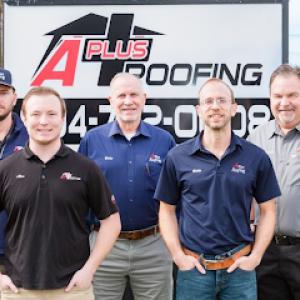
A Plus Roofing
(804) 752-0008 aplusroofing.com
2907 Hungary Spring Rd, Richmond, Virginia
4.8 from 230 reviews
A Plus Roofing is a team of fully licensed and insured roofing contractors in Richmond, VA, helping homeowners and businesses since 2007. With a wide range of services, including expert gutter, siding, and trim installation, we have the solutions to nearly all of your exterior renovation needs. Locally owned and operated, our contractor business has quickly grown to become one of the top roofing contractors in the Richmond metropolitan area. A second-generation family business, we offer dedicated, personal service from our initial inspection straight through the installation. Our services include, but are not limited to Roof Replacement, Asphalt Roofing, Metal Roofing, Atlas Shingle Installation, and Siding Installation.
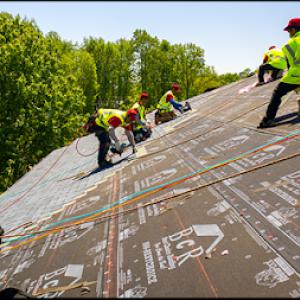
Best Choice Roofing
(804) 207-9897 bestchoiceroofing.com
425 Southlake Blvd #5B, Richmond, Virginia
4.7 from 289 reviews
Best Choice Roofing is your trusted roofing expert and the Best Choice when it comes to choosing a roofing company with a commitment to impeccable customer service in Richmond. In business since 2009, Best Choice Roofing’s industry-leading contributions to the roofing industry include a customer-first mentality, a dedication to top-quality products and a leadership team focused on the growth of its people. Because of this framework, we have created a loyal base of customers all over the United States.
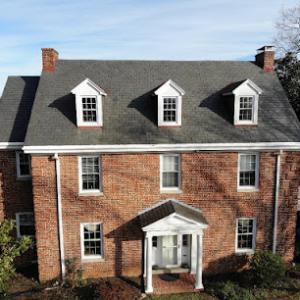
Hammersmith Roofing & Construction
(804) 372-8285 hammersmithrva.com
1100 Welborne Dr Suite 203, Richmond, Virginia
4.9 from 71 reviews
Hammersmith Roofing & Construction - Richmond’s Trusted Roofing Experts. SPECIALIZING IN SLATE, METAL & LOW SLOPE ROOFS. Serving Greater Richmond since 2017. If your home or commercial property needs roof repair or replacement, trust a licensed and insured team with over 20 years of hands-on experience. Hammersmith Roofing is known for expert craftsmanship, honest service and deep knowledge of Richmond’s historic roofing styles. We specialize in Slate Roofs, Metal Roofs, Historic Roof Restoration, Low-Slope Roofs, Traditional Shingle Roofs, and Warranty Work across the Richmond Metro Area. Call now to get started with one of our roofing experts!
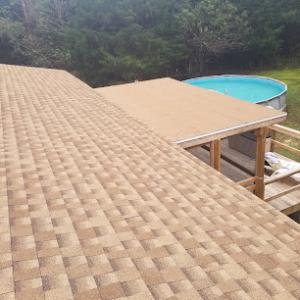
4 Seasons Roofing
Richmond, Virginia
4.8 from 63 reviews
4 Seasons Roofing, LLC is a locally owned and operated roofing company proudly serving Richmond, Glen Allen, Henrico County, and the surrounding communities. We provide expert roof repairs, complete roof replacements, storm and wind damage restoration, leak detection, flashing repairs, gutter solutions, and preventative maintenance. Our team is committed to fast, reliable service, clear communication, and top-quality workmanship on every project. Whether you need an emergency repair, a full reroof, or a professional inspection, you can count on 4 Seasons Roofing, LLC for honest recommendations, fair pricing, and long-lasting results.
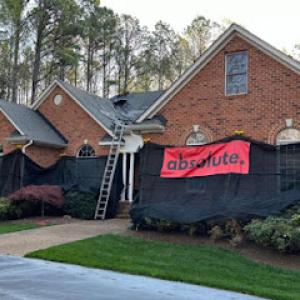
Absolute Roofing
(804) 531-5832 absoluteroof.co
2307 Westwood Ave, Richmond, Virginia
4.8 from 48 reviews
Absolute Roofing, proudly serving Southern Virginia, brings over a decade of industry expertise to your roofing needs. From meticulous repairs to flawless installations and transformative renovations, we offer a wide range of services to ensure your roof stands strong and secure. Contact us today to learn more about our services and schedule your appointment!
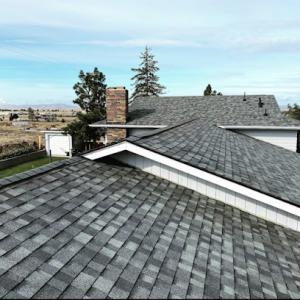
Revival Restoration
(804) 999-2054 revivalrestoration.com
10825 Midlothian Tpke, Richmond, Virginia
4.7 from 119 reviews
REVIVAL RESTORATION is one of the fastest growing roofing & exteriors contractors serving NC, VA & MD. We specialize in Storm damage restoration- getting your project paid for by your insurance company getting you what your rightfully owed. We specialize in re-roofs, metal & flat roofs, as well as full replacement siding, soffit, fascia, & cladding solutions. We are a fair-sized company with a large service department, so no job is too big for us! We offer free inspections for property owners to let them know if they qualify for full replacement. If you don't have enough hail or wind damage, we also offer the most competitive financing available. Call us for a free no hassle estimate. Revive your property, call REVIVAL!
In this city, a full re-roof typically requires a building permit rather than treating replacement as minor maintenance. Skipping or rushing the permit step can lead to stop-work orders, penalties, or a failed final inspection. A contractor who signs off without pulling the permit risks you on liability and warranty issues if leaks occur later. Before any shingles come off, verify that the permit documents reflect a genuine full re-roof with the chosen material and underlayment. Richmond's storm-driven climate makes accurate scope critical, since a missed detail can leave you exposed to moisture during a rainy season. If your home sits in a historic or district-heavy area, expect the permitting process to include a quick plan check focused on line-of-sight and historic compatibility, so it pays to align your material and profile early.
Plan review is generally based on basic project information and roofing material specifications. That means material identification and scope clarity are important before work starts. If the plan shows asphalt shingles but the crew intends wood shakes, misalignment with the permit can trigger reviews or rework. Have the supplier invoices, product data sheets, and installation guidelines ready, and ensure the chosen underlayment, flashing, and venting match local expectations. The goal is a permit package that reflects the actual roof build so inspectors have confidence when they swing by. In neighborhoods with steep historic rooflines, detailing roof pitch, drip edge design, and moisture barriers up front helps prevent mid-project changes that stall work and invite moisture infiltration.
A final inspection is standard after completion, and some projects may also receive a mid-roof inspection depending on job details, district, or inspector expectations. Mid-roof checks are more common when the roof line is steep or historic, or when multiple roof planes are being replaced at once. If a mid-roof is requested, be prepared for access constraints and temporary safeguards for occupants during work. Post-installation, a careful walkthrough with the inspector helps catch drainage, venting, and flashing issues that could otherwise lead to leaks during the humid fall and storm season. Keep in mind that in some districts the mid-roof review can trigger adjustments to flashing details or attic ventilation, so coordinate timelines with both your contractor and the inspector to avoid rain-related delays.
After a storm rolls through, insurers in this market want clear evidence of what was replaced and how. Virginia insurers commonly want documentation of the replacement itself and may ask for wind-resistance or underlayment details when setting or renewing policy terms. In practice, that means you should be prepared to show what was installed, not just that a leak occurred. One hurried repair won't always satisfy a lagging claim if the work doesn't clearly align with typical Richmond roof construction and history.
In Richmond, claims activity tends to spike after major storms rather than from a constant hail-driven pattern, so date-stamped photos and prompt leak records are especially important after wind and tropical-remnant events. Keep a simple leak log with dates, locations, and the sequence of responses-temporary tarps, temporary fixes, and permanent repairs. Photograph roof and attic conditions from multiple angles as soon as possible after a storm, and capture any wind-blown debris or missing shingles. This documentation helps avoid disputes about when damage occurred and supports a faster, clearer evaluation by adjusters.
Adjuster reviews in this market typically focus on roof age, compatibility of replacement materials, and whether the proposed system matches what the structure can properly support. When planning a replacement, ensure the chosen materials align with roof slope, deck condition, and any existing ventilation or underlayment that affects wind resistance. If a claim hinges on a particular system or layer, be ready to demonstrate how the installation meets the house's design and loading realities rather than a generic specification.
Connect with contractors who help homeowners navigate the claims process from damage assessment to final approval.
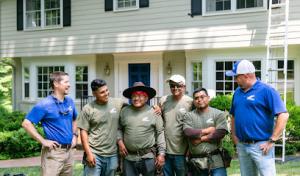
Tredegar Construction
(804) 718-0510 tredegarconstruction.com
1625 N Hamilton St, Richmond, Virginia
4.9 from 146 reviews
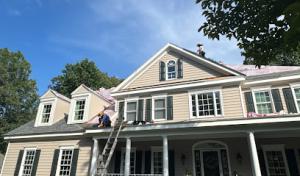
Mighty Dog Roofing of Richmond
(804) 376-8955 www.mightydogroofing.com
2010 Chamberlayne Ave, Richmond, Virginia
4.9 from 107 reviews
Richmond VA Roofing
(804) 621-5404 www.richmondvaroofing.com
511 Ryland St #5, Richmond, Virginia
5.0 from 63 reviews
In this city, the contractor scene blends long-standing family-owned firms with newer locals, and the emphasis is on speed, cleanup, and practical problem-solving after leaks or storms. After a bad rain or a tropical wind event, you'll see crews mobilize quickly, secure the site, and aim for solid temporary protection before diving into a permanent fix. Expect many firms to excel at replacement logistics rather than custom build sequencing.
When you're evaluating roofers, prioritize those with demonstrated capacity to move fast without sacrificing quality. Ask for recent storm-response timelines, and check how they manage debris and weather-related delays. In this market, a strong rapport with crews that can coordinate material deliveries, scaffold setup, and waste removal in a tight window often matters more than fancy, one-off techniques.
Most homes here feature established roof profiles and older materials common to mature neighborhoods, so look for contractors who understand these specifics and can propose practical, code-friendly replacements rather than templated solutions. A firm that can tailor its approach to clay tile, slate, or asphalt shingle realities-while preserving curb appeal and neighborhood character-tends to perform best when leaks strike after a storm.
If a leak becomes persistent after a storm, prioritize a firm with a clear, phased plan: secure, temporarily protect, remove damaged sections, and install a durable, suitable replacement that matches the home's style. Clear communication about timelines, cleanup expectations, and site protection keeps the job from escalating into a longer disruption for neighbors and residents.
Get a clear picture of your project costs upfront - no commitment required.
Richmond VA Roofing
(804) 621-5404 www.richmondvaroofing.com
511 Ryland St #5, Richmond, Virginia
5.0 from 63 reviews
Revival Restoration
(804) 999-2054 revivalrestoration.com
10825 Midlothian Tpke, Richmond, Virginia
4.7 from 119 reviews
Old Dominion Roofing & Construction
(804) 225-7164 www.olddominionroofing.com
3709 Goodell Rd, Richmond, Virginia
4.5 from 11 reviews