
Last updated: Apr 19, 2026
Storm-driven winds in this inland stretch of Granville County push rain in aggressively when tropical remnants and severe thunderstorms roll through. That combination can lift shingles, peel tabs, and rattle flashing without leaving obvious signs on the ground-especially on a roof that's already nearing the end of its expected life. Because there's no coastal salt exposure or storm surge to muddy the picture, insurers will look closely at whether damage matches a storm event or simply age-related wear. Your roof's vulnerability is compounded by hot, humid summers that punish attic ventilation, making timely diagnosis and documentation critical to getting a fair adjustment.
After a wind event, the first action is photography with purpose. Take wide, then close-up shots from safe ground and with a ladder when it's secure to do so. Capture lifted tabs, missing granules, torn or damaged flashing around the chimneys, vents, and skylights, and any edge asphalt fractures along the eaves. Photograph any visible interior signs of wind intrusion, such as water stains in attic rafters or along ceiling lines, as these often accompany missing roof components. Maintain a dated log of when the damage was observed and who inspected it. If a local contractor or roofer confirms storm-related issues, obtain a written note that links the observed damage to the wind event.
Keep a complete timeline of the roof's age, the materials used, and any previous repairs. This includes the type of shingles or other coverings, their installation date, and the results of earlier inspections. Insurers regularly compare current damage to what was already known about the roof's condition; a clear, organized record increases credibility. Include any prior quotes, invoices, or estimates that indicate preexisting conditions. If a roofing professional notes that flashing was damaged or improperly installed previously, have that documentation ready to explain whether it could be a preexisting condition or a storm-induced issue. The goal is to tell a precise, verifiable story: what happened, when it happened, and what parts of the roof were affected.
Insurance adjusters in inland Oxford will weigh whether missing tabs, lifted shingles, or flashing damage can be reasonably attributed to a storm event rather than general wear. That means you should not downplay minor issues that appeared during the storm, nor inflate them. A ledger of what components were intact before the event and what changed afterward helps avoid disputes. If the roof was nearing the end of its life, be prepared to show that the storm damaged specific elements beyond typical aging. Photos should align with your written observations, and any professional assessment should clearly connect the observed damage to the wind or hail event rather than to gradual deterioration.
Establish a routine: conduct a quick cursory roof check after heavy storms when safe and feasible, focusing on edges, flashing, and any protrusions. Ensure attic ventilation is performing well during the hot season to mitigate heat-driven stress on roof joints and underlayment. Store all storm-related documentation in a single, organized folder, both digitally and in hard copy, so that when the next weather event hits, you can present a concise, compelling claim package. If a claim is filed, designate a single point of contact-your selected roofing professional or public adjuster-so you have consistent, objective interpretation of post-storm damage. This focused approach helps ensure your documentation speaks clearly to wind-induced damage and reduces the risk of misclassification as mere age-related wear.
In this part of the year, the attic is more than just an unused space-it's a heat chamber. The hot, humid summers push attic temperatures well above the living space, and that trapped heat paired with moisture can speed up shingle aging and accelerate deck and underlayment deterioration. In practice, this means that ventilation isn't a luxury; it's a core part of preserving roof life. You'll notice faster granule loss on asphalt shingles, more warm air at the eaves, and higher humidity readings in the attic on muggy days. The consequence shows up as more frequent attic warm-up events during storms and more cycles of expansion and contraction in roof components. The goal is to keep the attic as close to ambient outdoor conditions as possible, while still enabling proper attic function.
Because local inspections for re-roof work are used to confirm compliance with roofing and ventilation requirements, ventilation upgrades can become part of the project rather than an optional add-on. That means when a contractor pulls in for a replacement, the conversation should include a clear assessment of how the attic is ventilated now and what changes would meaningfully extend the roof's life. In practical terms, that translates into balancing intake and exhaust paths, avoiding dead zones, and ensuring soffit, ridge, or turbine systems are not blocked by insulation or new decking. The intent is to create a steady path for air to move, not to chase a single vent into a corner of the attic. Start by mapping existing vents and comparing them to the roof's size and slope. If the attic feels stuffy or drafts feel uneven at the eaves, that's a sign to revisit venting.
Replacement timing in this climate favors spring and fall. The peak summer heat and regular storm activity can disrupt installation, slow curing times for sealants, and complicate the drying and sealing of new components. If a roof reaches the point of deterioration where water intrusion or rapid aging is obvious, planning the swap for a shoulder season reduces risk and helps the new system establish itself before the next extreme period. In Oxford, coordinating with a roofer who understands how heat and humidity drive moisture into decking is crucial. A well-timed replacement also gives installers a window to seal and dry each layer more effectively, which contributes to longevity when the summer storms roll through again.
An actionable approach starts with a pre-roof ventilation assessment. Have the contractor review attic height, insulation depth, and the presence of any moisture staining near the decking or rafters. Check for proper baffles that keep insulation from blocking intake vents and ensure ridge or exhaust vents aren't obstructed by solar reflectance materials or snow drift in winter. If the attic air isn't moving well, arrange for elevating the vent count or upgrading to a combination of soffit and ridge vents, keeping in mind the roof's geometry and solar exposure. The goal is a consistent, quiet ventilating flow that minimizes hot pockets and humidity buildup, which translates into slower aging of shingles and a longer-lasting seal over the underlayment.
Finally, weatherized performance matters beyond the attic. A slate of storm-driven cycles means shingles endure more rapid aging when heat and moisture are trapped. The recommended practice is to integrate ventilation improvements with the re-roof plan, so upgrades aren't a last-minute add-on but a defined part of the project scope. This integrated approach helps the roof recover its strength after each surge in heat and moisture and keeps the overall system healthier for the next round of storms.
In inland storms and hot, humid summers, the roof you choose in Oxford needs to handle frequent thunderstorm winds, scorching attic heat, and the daily toll of humidity. Asphalt shingles remain a dominant choice around town, but the long-term service life hinges on proper nailing, sealing, and ridge ventilation to counter the steady summer punishment. The wind-driven blows from inland storm bands can stress edges and fasteners, so installation details matter as much as the material itself. For metal roofs, the appeal is clear: strong wind shedding and rain resistance during heavy squalls. Yet the quality of flashing and how penetrations are finished can make or break performance when those storms arrive with heavy rain. When considering clay tile, concrete tile, wood shakes, or synthetic/composite options, the key questions center on structural load, moisture behavior, and how each product handles local wind events and debris exposure. The goal is a roof that stays intact, vents effectively, and keeps attic heat from baking the living space below.
Asphalt shingles suit Oxford's housing stock and climate, offering a familiar profile and decent cost efficiency. The real payoff comes from attention to detail: ensure a solid dry deck, correct nailing pattern for the chosen shingle type, and a ridge ventilation strategy that keeps attic temperatures from expanding fast. In humid summers, poor attic venting accelerates shingle deterioration and can lift edges in gusty storms. If you go with asphalt, pay special attention to the ridge line and look for a ventilation plan that pairs with sealing strategies at eaves and hips. A well-ventilated roof reduces heat buildup and extends the life of the shingles, gutters, and surrounding deck areas.
Metal is well-suited to the storm-prone conditions here, especially for shedding rain quickly and resisting high wind pressure. The critical factors lie in the installation: flashing around chimneys, vents, and transitions must be seamless, and penetrations need leak-proof seals that survive rapid temperature shifts. A professional who understands inland storm bands can install metal with cleats, fasteners, and sealants that stay effective during heavy summer downpours.
Clay tile, concrete tile, wood shakes, and synthetic/composite products exist in the market, but their suitability turns on how well the roof deck supports the weight, how moisture interacts with the material, and how each product stands up to wind-driven debris. Tile and wood options demand solid structural assessment and careful attachment details to resist uplift and moisture ingress. Synthetic or composite products can offer lower maintenance and increased impact resistance, but installation quality remains a decisive factor.
When evaluating materials, pair the product's performance with your roof's specific exposure: prevailing wind paths, typical debris loads, and how the attic is vented. Ask local installers about proven configurations for ridge and eave ventilation, flashing approaches around penetrations, and warranty terms tied to climate performance. In Oxford, the best choice is a system that stays tight under wind, breathes well to keep the attic cool, and remains resilient through repeated storm-driven cycles.
Oxford homeowners should expect material pricing to follow the provided local ranges, with asphalt shingles generally the lowest-cost dominant option and tile systems the highest-cost category. In inland North Carolina, storm activity can push prices higher as regional demand surges and labor tightens after severe thunderstorms or tropical systems. The shape of a project's final price will often hinge on whether decking repairs are found during tear-off and whether ventilation or flashing corrections are needed to pass local inspections in the Oxford or Granville County permitting process.
Asphalt shingles remain the practical workhorse for most Oxford homes, especially on more modest roof configurations or where a quick, straightforward tear-off is desired. The typical cost range you'll see is about 350 to 600 dollars per square, depending on shingle quality, underlayment, and the complexity of the roofline. If a storm-driven surge hits the area, expect some upward pressure on both materials and crew time, even for a straightforward install. A standard tear-off with basic ventilation and flashing often lands toward the lower end of the range, while additional attic improvements or higher-end shingle lines push prices into the middle or upper portions of the interval.
Metal options bring longevity and wind resistance, which can be appealing when inland winds and heat stress are concerns. The price range here tends to be 700 to 1300 dollars per square. In Oxford, labor availability after a derecho-like event or tropical system can tighten quickly, nudging prices upward and possibly extending lead times. If the roof deck is sound and the install stays mechanically straightforward, costs stay near the lower-to-mid end; if decking repairs, accessibility challenges, or enhanced flashing are needed, anticipate pushes toward the higher end.
Clay tile is a premium choice that addresses heat and appearance but requires a solid deck and careful framing. Expect roughly 1200 to 2600 dollars per square. The impact of storm activity can be felt more acutely here, as heavier roofing crews and specialized trades may be diverted to flood-prone or heavily damaged areas nearby, tightening scheduling and driving up labor costs. Cracked or uneven decking uncovered during tear-off will also lift the total, sometimes significantly.
Concrete tile sits between clay and standard shingles in cost, roughly 1000 to 2100 dollars per square. In this market, high wind and heat can test tile integrity, prompting more frequent inspections and potential repairs during installation. As with other premium systems, storm-driven demand and the need for careful deck evaluation and ventilation adjustments can nudge pricing toward the upper end of the range.
Wood options offer a traditional look with strong wind performance when properly installed, but they carry maintenance nuances. Costs typically run from 450 to 900 dollars per square. Inactive or slow seasons may keep prices stable, yet post-storm demand can tighten availability for specialty crews, inching prices higher and potentially extending project duration. Deck repairs or ventilation fixes on wood systems can add to the total as repairs are integrated with tear-off work.
Synthetic or composite shingles blend durability and curb appeal with a middle-to-upper cost profile, commonly 700 to 1500 dollars per square. Storm activity can magnify both material and installation costs due to quicker scheduling pressure and the need for precise underlayment and flashing to meet local drift and wind resistance expectations. If decking shows wear or requires reinforcement, expect that to push the price over the mid-point of the range.
Fishing Creek Roofing & Repairs
4060 Peaces Chapel Rd, Oxford, North Carolina
3.5 from 2 reviews
Roofing services Home Exterior repairs and more
JALC Pro Roofing
(252) 306-2770 jalcproroofing.com
Serving
4.4 from 20 reviews
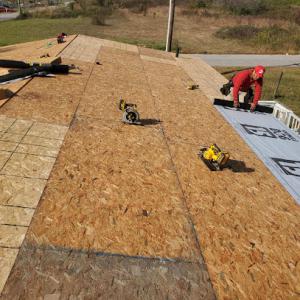
JALC Pro Roofing is a professional roofing contractor in Henderson, NC. We offer residential roofing services at the best price! We specialize in metal and shingle roofs. We also offer laminated floors, hardwood floors, foundation repair, door and window installation, porch building, emergency tree cutting, tree removal, temporary roof cover. If you are interested in our services, call us now for more details.
B&C Roofing & Repair
(919) 475-8841 ncroofingservice.com
Serving
4.8 from 34 reviews
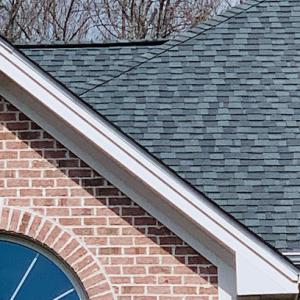
The roof is your home's main defense against the elements and B&C provides homeowners with the knowledge and experience necessary to choose the best roofing option to fit their home's needs. From beginning to end, B&C will take care of everything so that you don't have to. From insurance claim submission, if necessary, to installation and cleanup. Installing a lifetime architectural roof with as little money out of your pocket as possible is our ultimate goal. Specializing in Certainteed Integrity Roof Systems. A roof is only as good as the roofer that installs it. B&C Roofing and Repair, LLC is certified, insured and BBB Accredited with an A+ rating. Don't trust your home to just anyone; trust B&C.
Roofstruction
(919) 268-8928 roofstruction.com
Serving
4.9 from 251 reviews
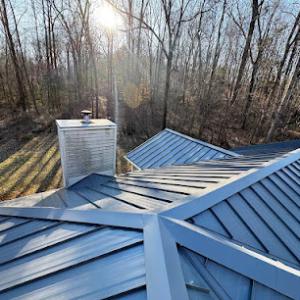
Roofstruction specializes in roof replacements, shingle roofing, Metal Roofing, Cedar Shake, Roof repairs, Gutters, & Gutter Guards. We manufacturer metal roofs and gutters onsite. We are highly-qualified and trained according to the latest Atlas, CertainTeed, Owens Corning, and GAF standards, ensuring quality roofing systems no matter your needs. We offer fair & affordable pricing for roofing replacements & repair services, along with multiple financing options, subject to approved credit. And since Roofstruction is available to you 24/7, you can rest assured that your home or business in the Wake County & Surrounding areas, Wake Forest, Raleigh, Youngsville, Cary, Rolesville, and Apex NC areas is in good hands.
Precise Roofing & Exteriors
(919) 631-1187 www.preciseroofingnc.com
Serving
4.9 from 98 reviews
Roofing contractor serving the Triangle and surrounding areas!
ABJ Roofing - Wake Forest Roofing
(919) 671-4418 abjroofinginc.com
Serving
5.0 from 119 reviews
ABJ Roofing is a family owned roofing company with over 25 years of experience. We have been servicing in Raleigh, NC and the surrounding areas. We are specialists in roof replacements. We use high quality materials and advanced manufacturing methods that excels the standard of excellence. ABJ Roofing is certified by CertainTeed as a ShingleMaster. As a ShingleMaster our job is to focus on superior worksmanship, and exceed customer satisfaction. To excel from our competition we use high performance integrity roof system, which allows our customer to get non-prorated coverage for material and labor. Using this system our customers gain an extra protection on their investment.

Affordable Roofing
Serving
4.9 from 7 reviews
Affordable Roofing Repairs for Roxboro, Rougemont, Bahama, and surrounding local area's. 40 years roofing in NC. Leak and Roof Repair Specialist for walk-able and low slope roofing. Affordable plus unbeatable warranties. Commercial and residential roof repairs.
Tri-Star Construction
Serving
4.2 from 5 reviews
We cover it all from Repairs, Full Roof Replacements, and New Construction
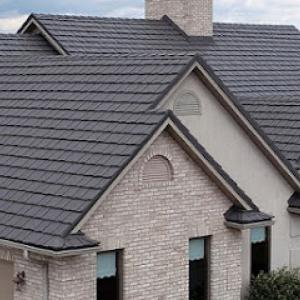
Antonio Roofing & Plus
(252) 272-0372 roofingcontractorhendersonnc.com
Serving
5.0 from 3 reviews
Antonio Roofing & Plus: Henderson, NC's roofing experts. We offer roofing services including installation, replacement, and repair. Get a free estimate today!
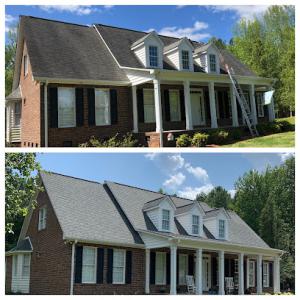
A&R Roofing & Exteriors
(984) 369-4721 arroofingnc.com
Serving
4.8 from 18 reviews
We are a family owned & operated roofing company working primarily in the Triangle & surrounding areas. We are licensed, bonded and insured for all your roofing needs. Give us a call today for a free inspection!
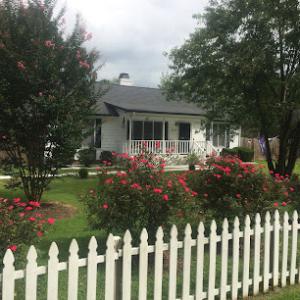
Morganti Roofing
(919) 240-1535 www.morgantiroofing.com
Serving
5.0 from 10 reviews
ALL ASPECTS OF ROOFING. OVER 35 YEARS OF EXPERIENCE IN ROOFING and HOME IMPROVEMENT.
This city places a strong emphasis on keeping storm-damaged and aging roofs solidly secured, especially when inland winds and hot summers push attic temperatures. A full re-roof typically requires a building permit, and the permit responsibility can switch between the City of Oxford Building Department or Granville County depending on where the property sits. You should confirm the jurisdiction before starting so you don't end up with delays or a stop-work order.
The permitting process here is more about paperwork than mystery. Plan review is common, and that review can flag ventilation, deck integrity, and flashing configurations before any fasteners penetrate the roofline. The process often includes permit fees and a clear schedule of required inspections, so you plan around about how the job will unfold rather than waiting for a single final sign-off. Being proactive with you contractor on submittals helps keep the project moving.
Inspections are not a courtesy step; they are an embedded part of the work. As you progress, expect staged checks that verify decking and underlayment meet local standards, confirm proper flashing around chimneys and vents, and ensure ventilation details align with current code requirements. Skipping or rushing these inspections can leave gaps that undermine the roof's ability to shed heat, manage moisture, or withstand a sudden storm, and that risk compounds with the area's exposure to severe weather.
Timing and coordination matter, especially in a climate where long, humid summers amplify attic heat and stress roof systems. Work with a contractor who understands the local inspection cadence and who can align tarps, securing methods, and vent checks with the review schedule. The end result should be a system that not only looks sound but also passes final compliance tests for decking, underlayment, flashing, and ventilation as the project closes out.
If questions arise about which department is overseeing the permit, a quick call to the appropriate building office can save days of confusion. Staying ahead of these steps helps avoid unexpected holds, keeps your re-roof on track, and supports a durable, storm-ready roof that stands up to the unique climate of this area.
Spring and fall are the preferred replacement windows in Oxford because they avoid the worst summer heat and reduce exposure to regular thunderstorm interruptions. If you're planning ahead, aim for a stretch when daytime temperatures won't push underlayment and shingles into near-heat-stress conditions. A calm stretch also helps the crew track drying times without sudden rain delays.
Summer roofing can be slowed by thunderstorms and high heat, which can affect crew productivity and underlayment drying conditions. The inland hurricane-season winds add a layer of risk that can shorten daily work windows, so practical scheduling through May or September often yields fewer interruptions. If a summer tear-off is unavoidable, prepare for potential brief pauses and plan for extra time to protect newly exposed wood from sudden pop-up storms.
Fall offers more predictable weather and less humidity, reducing the chance of moisture-related setbacks during installation. This season also helps quality control on attic ventilation, which is crucial after a roof replacement to curb heat buildup in hot summers ahead. If a replacement drifts toward late fall, ensure the crew has a clear plan for protecting materials against early frost and occasional rain.
Winter is milder than in northern markets, but occasional freezes and rain can still delay tear-off, dry-in, and inspection scheduling. When winter work is necessary, expect shorter workdays and more weather-related pauses. In Oxford, aligning the schedule to tempos of thawed days helps keep the project on track without compromising installation quality.
In North Carolina's weather-claim environment, Oxford homeowners should keep dated photos, installation invoices, permit records, and product information because insurers may ask for proof of condition and material type. This neighborhood often bears the brunt of inland hurricane-season winds and fast-moving thunderstorms, so documenting the roof before and after events helps avoid a later dispute about what was original versus what happened during a storm track through Granville County or the surrounding area. Clear records also make it easier to explain unusual wear that isn't immediately visible from the street.
Adjusters reviewing Oxford-area claims may look at prior damage history and roof age when deciding whether wind damage from thunderstorms or tropical remnants is covered versus attributed to wear. A seasoned adjuster will compare the current claim with past weather events and any prior repairs, so precise dates and details matter. When a storm rattles the attic at night and shingles lift or the edge metal shifts, each of these observations should be traceable to a specific date and source, not recalled as a vague memory years later. Submitting a concise packet of evidence can tilt the discussion toward coverage rather than depreciation.
Wind mitigation details and clear post-storm documentation are especially useful in Oxford because inland storm damage can involve lifted shingles, flashing movement, and water entry without dramatic visible destruction. A small wind-driven lift near the roofline or a loosely seated valley flashing may be the telltale sign an insurer needs to understand the full story. Keep a simple log of wind events, roof surface changes, and any interior signs of moisture, then pair it with photos taken within days of the event for the strongest credibility.
In practice, organize files so they are easy to navigate: a date-stamped photo set, a one-page summary of the roof's material type, and notes tying each image to a location on the ascent or flashing. This approach helps ensure that a difficult, wind-related claim moves through the process with fewer delays and less room for misinterpretation.