
Last updated: Apr 19, 2026
Spring thunderstorms roll across the Blue Ridge edge like clockwork, delivering heavy rain, hail, and sudden wind gusts that can beat up steep-slope roofs fast. In Mount Airy, the local roofing risk is driven more by repeated thunderstorm events than by coastal hurricane surge concerns, so impact damage, lifted shingles, and flashing leaks are the daily reality homeowners contend with. The hillsides and residential slopes here mean wind channels can drive hail into exposed panels and seams, especially on older or lighter roofs. Understand that damage can be incremental: a few loose tabs or a misaligned step flashing might not look dramatic at first, but sitting weather-tight over days of soaking rain accelerates interior staining and wood rot. Recognize that the climb from attic to ridge is where this weather shows up first, so inspections should start at the top, work downward, and focus on flashing around chimneys, vents, and skylights.
When a spring storm hits and you hear hail, feel vibration in the attic ceiling, or see new dark stains after a downpour, act without delay. Rapid tarping is the difference between a minor repair and a major water intrusion event. If you can access the roof safely, place a temporary tarp over the damaged area to seal it from ongoing rain, wind-driven spray, and continued hail impact. If climbing isn't safe, seal the interior side with plastic sheeting and painter's tape to dampen the risk while arranging a temporary roof cover from a professional. Time matters: every hour of exposure increases the chance of insulation saturation, mold growth, or stain spreading across ceilings. And in the foothills, storms often linger into fall, so anticipation matters as much as response.
When you tarp, prioritize the most vulnerable spots first: edges where shingles are missing, around vents and chimneys, and along any ridge lines where wind can lift material. Use a heavy-duty tarp that can withstand wind flutter and secure it with plywood panels or weighted bags-don't rely on loose cords that can whip free in gusts. Overlap tarps by several inches and extend them well beyond the damaged zone to prevent wind-driven rain from sneaking underneath. If the roof pitch is steep, use safety gear and fall-protection practices; slippery slopes and slick spring rain raise risk. After tarping, take photos from multiple angles and document the extent of damage for insurance clarity and contractor triage. Mount Airy sees concentrated storm activity in spring; a well-secured tarp is your first line of defense until the roof can be fully repaired.
Photographs tell the story when interior staining starts spreading with regular rainfall. Capture wide shots of the roof from the ground and close-ups of lifted shingles, loose flashing, and damaged edging. Include interior shots of ceiling stains, buckling wallpaper, and any signs of moisture near vents or chimneys. Maintain a simple timeline: storm date, roof area affected, tarp placement, and subsequent rainfall days with any observed leakage. This precise record supports faster assessment and reduces back-and-forth with contractors, who know that Mount Airy's weather can shift quickly from dry to soaking-often in the same afternoon. If you suspect hidden water damage, rely on a professional roof and attic inspection to identify compromised insulation or deck rot before repairs begin.
Steep slopes common to Mount Airy homes demand experienced crews with proper equipment. If roof damage includes lifting shingles, compromised flashing, cracked vent booting, or pooled moisture around skylights, engage a reputable local roofer promptly. Spring and fall storms can create a rush on urgent repairs; securing a trusted contractor who can perform a thorough tarping, damage assessment, and then a targeted repair plan helps minimize further risk. In the foothills, timing is crucial-the longer a leak lingers, the greater the chance of interior damage and recurring wind-driven issues during subsequent storms. A professional inspection after the initial response ensures the right fix at the right scope, tailored to the terrain, roof type, and typical Mount Airy weather cycles.
In this foothill town, the roof endures a mixed stress pattern that shapes how quickly components wear. UV exposure and attic heat push shingles and underlayment toward faster aging in summer, while the cool season brings freeze-thaw cycles that stress flashing, fasteners, and ridge lines. This combination accelerates brittleness in some areas and encourages moisture migration in others, so attention to edge details and attic ventilation pays dividends over time. The typical steep-slope homes here often show faster wear along the rake edges and near valleys where sun exposure and moisture converge, making proactive maintenance critical.
Weather in these hills can flip in a hurry, and that matters when drying in a roof or completing an exposed tear-off. Spring storm activity can shift from a calm window to heavy rain and hail with little warning, while late winter thaws can create ice-related setbacks that stall work and invite leaks if not managed carefully. Crews plan for a safe dry-in when temperatures cooperate and winds stay low enough to maintain seal integrity on underlayment and starter courses. The result is a schedule that favors shorter, well-ventilated work blocks rather than prolonged exposure, and it highlights the value of pre-season roofing checks that address vulnerable details before the first storms.
Steep-slope residential roofing is the norm, which makes choice of material more consequential here than on flatter terrain. The combination of wind uplift risk, hail exposure, and rapid weather shifts in this area means fasteners, sealants, and flashing must be selected with a margin for extended wind events and freeze-thaw cycles. In practice, this translates to prioritizing products with proven uplift resistance and ensuring that fasteners are driven to the correct depth and spacing for steep pitches. Valley and roof-to-wall intersections deserve extra attention, as water can press against those seams under fast-moving spring showers. Periodic inspections after high-wind or hail events become part of the routine, not an afterthought.
Your neighborhood roofs often meet the Blue Ridge foothill climate with a diverse set of materials. Asphalt shingles can perform reliably when reinforced by proper nailing patterns and compatible underlayment, especially on steeper sections where wind can loosen edge tabs. Metal roofing offers resilience against hail and temperature swings when panels are properly sealed at seams and fasteners are rated for high wind. Clay and concrete tiles bring long service life but require solid substrate support and careful installation on slopes to avoid micro-cracks from freeze-thaw. Slate and copper deliver exceptional durability but demand skilled installation to manage slope, fastener choices, and flashing details in this climate. Each option benefits from thoughtful venting, attic insulation, and an exterior detailing approach that anticipates the rapid weather shifts typical of Mount Airy's foothill setting.
In Mount Airy, the local climate shapes what works best on steep-slope roofs perched at the foothills. Spring storms, hail, regular rain, and winter freeze-thaw cycles all press on roofs built for steep pitches. The material choice should align with how these conditions play out on the typical homes in the area and how repairs respond to wind-driven events.
Asphalt shingles remain the practical default in Mount Airy because they fit the area's common steep-slope homes and are easier to repair after localized wind or hail events than tile or slate systems. When choosing asphalt, look for high wind resistance and impact resistance ratings suitable for spring hail exposure. A shingle roof with a well-sealed overhang and properly flashed valleys handles short-lived downpours and rapid temperature swings without long-term edge damage. Regular inspections after storms are wise, focusing on loose or missing tabs near edges and in hipped or valley sections where wind tends to funnel.
Metal roofing is especially relevant in this foothill climate because it sheds rain quickly and performs well on steeper pitches, but detailing at penetrations and edges matters during wind-driven storms. If choosing metal, concentrate on robust flashing around chimneys, skylights, and vents, and ensure fasteners are corrosion-resistant and professionally sealed. In storm-prone stretches, the clean, straight lines of metal edges help resist wind uplift, and the material's light weight reduces stress on older sheathing. For homes with attic spaces that respond to heat quickly, metal can also moderate interior temperature swings with less expansion-contraction strain on fasteners, provided installation details are precise and matched to the roof's pitch.
Clay tile, concrete tile, slate, and copper appear more selectively and require attention to structural load, specialized labor, and repair matching-important in an older North Carolina town with established housing stock. Tile and slate bring a distinctive look and long life, but their weight often demands structural reinforcement, especially on mid-20th-century framing. Copper and high-end tiles offer excellent resistance to impact and wind, yet the edge detailing and flashing must be carefully matched to the overall roof geometry to prevent leaks after hail or heavy rain. If a home in the area already carries a substantial attic load or has irregular roof shapes, these materials should be planned with an experienced roofer who understands the local quirks of tile alignment and splice work on steep slopes.
Regardless of material, planning around spring storms means inspecting exposed edges, ridge caps, and penetrations after storms are common. In older houses, ensure roof-to-wall transitions remain tight and look for signs of wind-driven dust or hail impact on tiles or shingles. Schedule timely repairs that preserve the roof's weather-resilience and avoid overloading any single area with concentrated patchwork. A steady, neighborly approach-tackling small issues before they become larger leaks-serves most Mount Airy roofs best when spring winds arrive.

Bill Norman Construction
(336) 786-7354 billnormanconstruction.com
Serving
5.0 from 5 reviews
Our residential and commercial services include New construction Fire restoration Roofing Complete remodeling for residential and commercial. *Kitchens *Bathrooms *Basements *Additions *Roofing
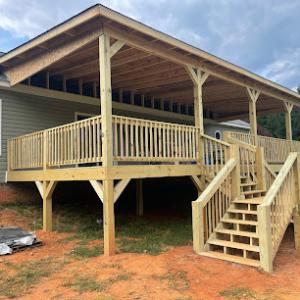
ABS Roofing & More!
(336) 888-9385 www.abettersolutionroofingandmore.com
Serving
5.0 from 11 reviews
We are a family owned and operated business. We been in business for 4 years offering you a excellent quality roof replacement at a good price. Give us a call for your free estimate!
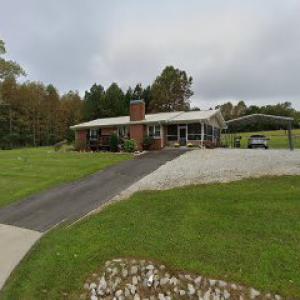
E.c.e. Services
(336) 351-8300 www.ece-services.com
Serving
4.3 from 6 reviews
E.C.E. Services is a locally owned and operated the professional full-service company. ECE Services was started in 2006, by Eric Easter who is still the owner, operator, and installer, although now having a number of employees to work on contracts. We do both residential and commercial construction, working for several property management companies along with many residential homes. Call us today for a free no obligation estimate.
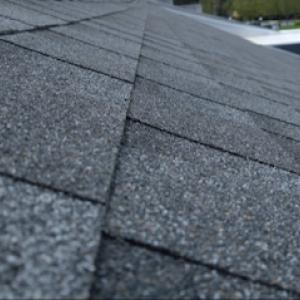
vanguard roofing
Serving
Full service general contractor licensed and insured for PA in roofing, hail and storm damage, insurance restoration, commercial roofing, siding and decks. Here to help you with all your home improvement needs. Contact our team at Vanguard Roofing llc.
Typical local material ranges are Asphalt Shingles 350-550 USD per square, Metal Roofing 900-1500, Clay Tile 1100-1800, Concrete Tile 900-1500, Slate 1200-2400, and Copper Roofing 3000-7000. In Mount Airy, those figures sit against a foothill climate that drives decision points beyond the numbers: storms in spring, hail exposure, and freeze-thaw cycles that matter more when roofs slope steeply. Use these ranges as a baseline for planning and as a starting point when you gather bids from crews.
For most steep-slope homes with standard attic space, asphalt shingles remain the most common choice here. Expect pricing in the 350-550 USD per square band, depending on shingle quality, underlayment, and optional attic ventilation improvements. If your roof is visibly steep or has unusual profiles, crews may quote toward the higher end to account for safety gear, more laps, and longer installation time. In older homes with mixed decking, the price can climb modestly if decking repair or replacement is needed after a leak.
Metal Roofing typically runs 900-1500 USD per square, offering quicker install and better hail resistance on Blue Ridge foothill exposures. Clay Tile sits around 1100-1800 USD per square, with weight and underlayment considerations pushing the project toward the higher end on older homes. Concrete Tile ranges 900-1500 USD per square and shares some weight and structural questions with clay. Slate is 1200-2400 USD per square and requires careful framing and fasteners for the steep slopes found around the valley. Copper Roofing is the premium option here, from 3000-7000 USD per square, valued for longevity but demanding a robust structural and budget readiness.
Costs in Mount Airy can rise after spring storm clusters when regional demand surges across Surry County and nearby foothill communities, tightening crew availability and extending schedules. That pattern often translates into higher bids or longer project windows immediately after hail events or high-wind drafts, so plan with a contingency for labor spikes if a storm sequence hits your area.
Pricing also shifts with steep roof geometry common in the area, the need for storm-related decking or flashing repairs after leaks, and whether heavier materials require structural review on older homes. If your roof slope or attic loads push the structure toward the upper end of safe limits, an engineer's assessment may be prudent, and that can influence both material choice and overall project timing.
A permit is commonly required for a full roof replacement, and project details are expected to be submitted before work begins. The local process expects you to file a scope of work, lift plans if structural changes are involved, and confirm material choices. If the project stays within the same material and slope, some jurisdictions may still require a permit for new underlayment or vent work, so double-check with the county office before pulling anything. Having the paperwork ready helps avoid come-back visits and last-minute hold-ups when crews are ready to start. Expect that the permit review will look for proper eave overhangs, attic venting, and any alterations to drainage or weight-bearing elements.
Inspections are typically verified at final, with possible intermediate checks when structural work is involved rather than a simple same-material recover or replacement scope. If rafters, sheathing, or decking are replaced or braced, an intermediate inspection can be scheduled to confirm framing and attachments meet code and manufacturer requirements. Final inspection confirms proper installation of underlayment, ice and water shield in appropriate locations, and venting to support moisture control. Keep in mind that weather can affect inspection readiness; inspectors may ask for a clean, accessible attic and clear access to the roof line to review flashing, chimney or vent ties, and rain diverters.
Scheduling can be affected by inspector availability during peak roofing seasons, which matters in Mount Airy because storm-driven replacement demand often bunches work into spring through fall. Plan ahead by coordinating start dates with both the contractor and the inspection office, allowing for weather delays and the possibility of plan revisions if a storm hits. If a structural upgrade is planned, factor in additional lead time for framing and permit amendments. Maintain a clear line of communication with the inspector and your contractor so any required corrections are addressed promptly, reducing the risk of project stoppages.
In this foothill area, roof claims most often arise from thunderstorms, hail, and wind rather than coastal catastrophe patterns. Homeowners should document shingle bruising, lifted tabs, flashing damage, and interior leaks immediately. Waiting too long can blur the line between preexisting wear and new damage, complicating the claim submission and settlement.
North Carolina insurers may request detailed photos, timelines, and supporting documentation, and some claims involve added scrutiny around wind mitigation or endorsements even though coverage remains broadly available. A careful file helps prevent misinterpretation of what caused a leak or failure and speeds the adjuster's evaluation. Keep dated records that tie specific events to visible damage, and organize notes by storm date to show progression rather than episodic troubles.
Because repeated storm events can hit the foothills in a single season, homeowners should separate old wear from new storm damage with date-stamped photos and notes taken after each event. Take close-ups of bruised shingles, curling edges, and any missing granules, and pair them with a wide shot of the roof line. If leaks appear after a storm, photograph the interior impact area and track any water intrusion with timestamped notes. This approach reduces ambiguity when insurers review multiple incident histories.
After a severe weather event, perform a quick, careful roof scan from ground level and from accessible ladder points. If you notice exposed underlayment, displaced flashing, or localized roof deck staining, document immediately and contact your insurer or a trusted roofer for a professional assessment. Prompt, organized documentation protects you when settlement discussions begin and supports a smoother resolution.
Spring is the highest-risk season for emergency repairs. Heavy rain and hail can interrupt tear-offs and create backlogs for both contractors and inspectors. Plan ahead for potential delays by scheduling windows that avoid the peak of spring storms, and keep a small, weather-ready toolkit for temporary protection until crews can safely work. After a storm, inspect for missing granules, dented flashing, and damaged ridge caps. If you spot sudden leaks, prioritize a temporary tarp and a dry-in plan that keeps interior spaces above the waterline while crews mobilize. Debris from frequent spring storms is common on steep slopes, so keep a clear path to attic vents and ensure gutters are free to move water away from the eave line.
Summer heat and humidity can shorten productive work windows on exposed roofs, especially on dark asphalt systems that become difficult to work safely later in the day. For steep slopes, plan early-morning or late-afternoon sessions to avoid peak heat and radiant glare. Material handling on metal and tile can be hazardous when temperatures rise, so ensure workers have hydration breaks and sun protection. Contingencies for heat-related delays are normal, so maintain communication with the crew about daily progress and safety checks. Inspect after dry, calm days and record any fastener or sealant concerns before the next round of hot weather.
Winter freezes and occasional snow or ice in this foothill city can delay access, slow sealant performance, and complicate replacement timing even when full snow loads are not constant. Keep an eye on forecasts that bring sudden cold snaps, and plan for gradual material installation when nighttime temperatures threaten adhesive and sealant cure. Ice on the scaffold lines and roof edges requires careful movement and fall protection discipline. Schedule short, focused work sessions to minimize exposure times when temperatures hover near freezing, and verify rubber boots and traction devices are ready for icy patches. After storms, check for shingle lifting or ice dam risks near eaves and repair promptly to prevent interior moisture intrusion.
Spring thunderstorm season in this foothill neighborhood brings sudden gusts that can lift asphalt shingles along exposed ridges and overhangs. When shingles peel, granules begin to shed, and the underlayment below is exposed to repeating moisture. Leaks tend to show up first at flashing transitions where vertical walls meet the roof plane, around chimneys, vent stacks, and skylights. The result is a slow drip that invites rot behind the fascia and damaged sheathing if left unchecked. The practical safeguard is to pay attention to any loose or cupped shingles after a heavy wind event and to ensure step flashing and apron flashing are continuously sealed where the roof meets sidewall framing.
Hail can bruise shingles without obvious surface loss, especially on south-facing slopes that take the brunt of storms. Bruising weakens the granule surface, accelerating granule loss and exposing the underlayment to UV and moisture. Look for dark, shallow dimples on smooth-surfaced shingles and inspect gutters and downspouts for accelerated granule buildup after hail. In Mount Airy's climate, repeated hail exposure can create a pattern of moisture intrusion along ridges and at penetrations, where moisture can trap and migrate behind flashing if minor gaps exist.
Cool winters bring freeze-thaw cycles that widen small gaps around penetrations such as vent pipes, skylights, and chimney collars. Even minor moisture that enters through hairline cracks can freeze and expand, turning a quiet drip into a recurring leak every time temperatures swing below freezing. Edge details and valley intersections are common trouble spots, especially where sealants have aged or been compromised by sun and wind.
On slate, tile, or copper, the local challenge is more about finding skilled repairers than simply sourcing panels. A small misstep in matching materials or tailoring a fix to the roof's curvature can leave a visible seam or a failed repair. In this market, a thoughtful repair plan that preserves the roof's character-while addressing the root of the leak or lift-pays off in longevity. For homeowners in Mount Airy, that means prioritizing craftsmen with demonstrated experience in steep-slope systems and local weather patterns.