
Last updated: Apr 19, 2026
Morganton sits in the North Carolina foothills near the Blue Ridge, so roofing schedules are heavily affected by frequent rain events and lingering humidity rather than a single long dry season. This means that timing a roof replacement around the weather calendar is not a simple spring-before-summer task. Instead, each season brings its own moisture challenges: spring storms can linger, summer humidity makes drying slower, fall cold fronts bring sudden temperature swings, and winter ice risk adds a rigid constraint. When planning, look for windows that promise several days of dry weather with low humidity to maximize dry-in and minimize moisture exposure.
In this climate, moisture exposure is as much a roof-life issue as a scheduling issue. Dry-in speed determines how long the roof deck sits exposed to rain and humidity, which can degrade underlayment and decking before shingles or tiles are installed. The goal is to keep the roof dry from the day the old roofing is removed to the day the new roofing is secured. That means aligning production with a string of dry days, choosing crews with a ready-to-go inventory, and coordinating delivery so there is no idle exposure time. If a forecast begins to show a stretch of wet days, it's wise to pause until a safer window opens. Quick, decisive action during clear gaps helps prevent moisture ingress that can compromise underlayment performance.
Given the local moisture profile, underlayment selection should prioritize robust moisture resistance and rapid installation. Synthetic or advanced self-sealing underlayments that shed water quickly and tolerate humidity well are prudent choices. The emphasis is on a tight, continuous layer that prevents capillary moisture movement to the sheathing, paired with careful nailing patterns and attention to edge detailing. In practice, crews should protect exposed deck sections with tarps or temporary coverings during any short delays, and ensure rake and valley areas are sealed promptly as work resumes. Ventilation considerations matter; a well-vented attic helps control interior humidity and reduces the risk of condensation on cold, damp mornings.
Spring timing in Morganton often means a sequence of storms that can stall work or force short pauses. If a replacement starts in late spring, anticipate frequent weather interruptions and plan for potential re-timing. Summer tasks benefit from long days, but high humidity can slow deck drying and edge sealing, so the focus shifts to securing a dry-in window and maintaining continuous protection on any open decking. Fall brings cooling fronts and drier pulses, which are ideal for steady progress, but a sharp drop in temperature at night can affect adhesive cure times and material handling. Winter introduces real ice risk; even short periods of refreezing can jeopardize the installation sequence, so projects should be postponed until temperatures consistently stay above freezing with dry forecasts.
For homes with mixed roofing materials common to the area, prioritizing rapid deck drying and clean edge seals reduces future maintenance calls. Before starting, inspect the existing deck for moisture saturation and plan for any necessary deck or sheathing repairs. During replacement, keep tarps secured over exposed areas during any expected shower or high-humidity period. After removing the old roof, shield the structure from overnight humidity by covering openings and ensuring flashing returns are dry and ready for reinstallation. Finally, coordinate with the crew to target a continuous installation rhythm, minimizing pauses that expose the roof deck to Morganton's humid, rain-driven climate.
Spring storms and heavy rain are a known local scheduling risk in Morganton and can turn small roof defects into active interior leaks before full replacement can be completed. The foothill climate means sudden downpours, shifting humidity, and stray hail can stress aging shingles or flashing in ways that aren't obvious until water shows up inside walls. If a roof edge or vent boot shows even a minor crack, a fast response is crucial to keep attic space dry and to prevent wood rot in soffits and rafters. Storm timing matters: a Saturday storm can push a tight repair window into a weeklong delay, and those delays amplify interior damage risk during wet seasons.
Because local contractor signals show meaningful emergency repair and quick-response demand, homeowners in Morganton often need temporary protection before a full re-roof can be scheduled. Start with a simple, sturdy tarp setup that covers the most vulnerable area-valleys, seams, and any flashing near the chimney or vents. Secure tarps with nails or deck screws, then weigh edges with boards to resist gusts. Don't rely on water-poof tape alone in windy spring winds. If you notice active leaks, place a bucket under the drip and a waterproofed tarp nearby to limit secondary damage while you arrange a professional response. Have a short list of 2-3 local emergency roof firms ready so that you can trigger a rapid assessment as soon as rain starts to threaten interior spaces.
Storm-related roofing demand can surge locally after severe weather, affecting availability for inspections, tarping, and permanent repairs. You may see a backlog of calls, so act quickly when you detect moisture: call a local contractor with a record of rapid response, and request a first-available inspection rather than waiting for a preferred time slot. If a contractor can't get to the site within 24 hours, consider scheduling interim protection with a reputable handyman service that can secure temporary tarps and reinforce loose flashing, while you await the main repair crew. Document all leaks with photos and dates, and share them with the contractor to prevent miscommunication about the leak's path. In between storms, maintain a small evidence trail of how water moves inside the attic-this helps a pro trace the entry point faster and reduces the time the home stays exposed to ongoing moisture.
When you can't wait, these contractors offer fast response times to stop leaks and prevent further damage.

Home Remedy USA Roofing, Gutters & Windows
(828) 544-5231 www.homeremedyusa.com
127 Wamsutta Mill Rd, Morganton, North Carolina
4.9 from 150 reviews
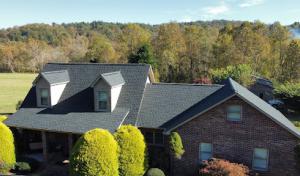
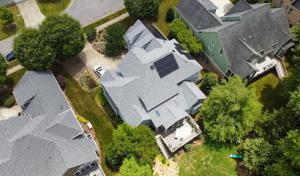

Home Remedy USA Roofing, Gutters & Windows
(828) 544-5231 www.homeremedyusa.com
127 Wamsutta Mill Rd, Morganton, North Carolina
4.9 from 150 reviews
Home Remedy USA Roofing, Gutters, Windows is a fully insured Master Elite Certified Contractor. We are not your high-pressure sales company, with the “hit’em high and see where they land pricing”, which is so common in our industry today. When you call and request an estimate, we work around your schedule, a courteous and professional estimator will come to your project site, properly measure your project, and provide you with a free “No Hassle” estimate. You will find this to be a pleasant experience from start to finish. So whether you need a small repair or a complete overhaul, call Home Remedy USA for all your Roofing / Gutter or Window Needs!
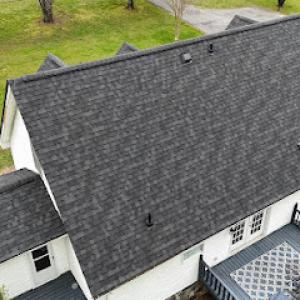
Woot Roofing
(828) 655-7999 www.wootroofing.com
2425 US-70, Morganton, North Carolina
4.8 from 69 reviews
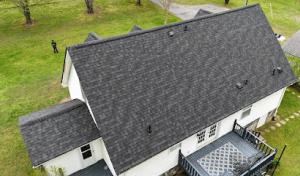
Woot Roofing, LLC is a full-service residential roofing company based in Morganton, North Carolina, serving Western NC and surrounding areas. Founded by industry veterans with over 18 years of construction experience, we deliver honest, durable roofing solutions—from inspections and repairs to full installations of shingle or metal roofs and seamless gutter systems. As an Owens Corning Preferred Contractor, we use premium materials and back our work with a 50-year un-prorated warranty, ensuring long-term performance and reliability.
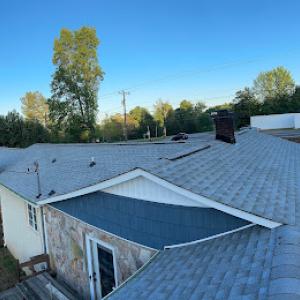
B&C Roofing Construction
(828) 334-7962 bcroofingconstructionllc.com
Morganton, North Carolina
5.0 from 7 reviews
B&C Roofing Construction began its journey 5 years ago in Morganton, NC, with a vision to redefine roofing standards. Over the years, we've grown into a team of experienced professionals committed to serving our community. Our mission is to protect homes and businesses with durable, reliable roofing solutions. Our success is rooted in our commitment to quality and customer satisfaction. With Morganton, NC as our home, we understand the unique roofing needs of our region. Our experts bring a wealth of experience to every project, ensuring your roofing needs are met with precision and care.
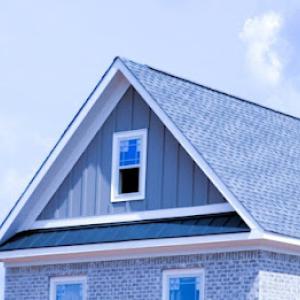
Element Control Roofing
Morganton, NC
4.1 from 38 reviews
A premier contracting company specializing in residential and commercial roofing services, helping you process your insurance claims, plus we are dedicated to providing customer service that is second to none.
Roof Maxx of Hickory, NC
(828) 212-4838 makemyrooflast.com
Serving
5.0 from 22 reviews
Roof Maxx offers a revolutionary roof restoration service, providing an eco-friendly, cost-effective solution for extending your roof's life. Specializing in roof rejuvenation, our innovative treatment revitalizes aging shingles, ensuring they remain flexible and waterproof. Ideal for roofs over 7 years old, Roof Maxx's unique formula penetrates deep into shingles, restoring their original functionality. This process not only enhances roof durability but also postpones the need for expensive replacements. Our professional maintenance services further protect your investment, keeping your roof in top condition. Trust Roof Maxx for sustainable, efficient roofing solutions.
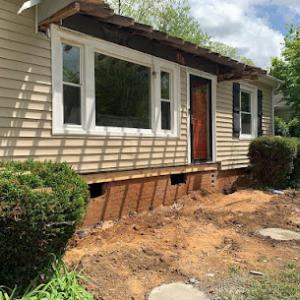
K&L Dunrite Roofing & Restoration
Serving
3.9 from 37 reviews
Founded in 2009, KL Dunrite Roofing and Restoration is a pioneering women-led roofing service that specializes in top-notch storm damage restoration, roof repair, and gutter services. We have built a reputation for unmatched craftsmanship and customer satisfaction. Our dedicated team brings a fresh perspective to the industry, delivering comprehensive inspections, repairs, replacements, and gutter installations. With a focus on diversity and personalized solutions, we are committed to exceeding your expectations. Choose KL Dunrite Roofing and Restoration for excellence, empowerment, and a brighter future in roofing and gutters.
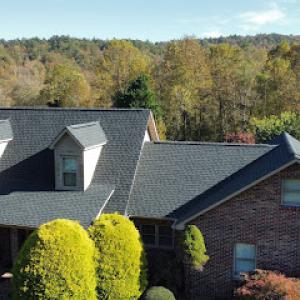
A Plus Roofing - Lenoir
(828) 851-6440 aplusroofingnc.com
Serving
4.9 from 57 reviews
A Plus Roofing is your trusted provider of roofing and gutter solutions in Lenoir, NC and the surrounding areas. Since 2021, we've specialized in residential roof installations and seamless gutter services—including repairs, replacements, and gutter guard installations. As your dedicated partner, we offer free roof inspections and work directly with insurance companies to ensure a smooth experience when dealing with storm damage. Our efficient team promises next-day service on your roof. Contact us today to handle all your roofing and guttering needs with exceptional care.
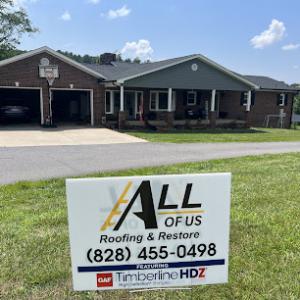
All Of Us Roofing & Restore
(855) 766-3268 allofusroofing.com
Serving
4.9 from 114 reviews
All Of Us Roofing and Restore is your local go-to roofing company in Taylorsville, NC that is built and focused on making our customers a part of our team! Focused on integrity and building a strong foundation for all your roofing needs! We offer a variety of services such as roof repair, fascia installation, siding replacement, and more for both residential and commercial properties. We even offer interior painting and drywall services! Contact us today to learn more or for your free estimate!
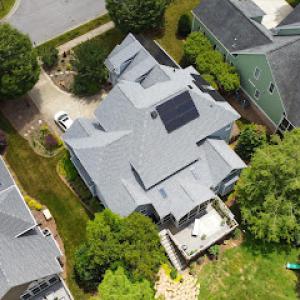
Premiere Roofing & Gutters
(828) 640-7320 premiereroofingnc.com
Serving
4.9 from 237 reviews
Many homeowners experience issues with their roofing system that leave them overwhelmed. Instead of neglecting potentially serious damages, hire a professional roofer to handle repair and replacement services. Premiere Roofing & Gutters is a commercial and residential roofing company in Hickory & Blowing Rock, NC. We also offer seamless gutter installation, and repair services. You can trust our eight years of industry experience for your roof repair, replacement, metal roofing installation and more. We appreciate our troops and veterans. That’s why we’re proud to work with Operation Homefront in keeping our veterans employed.
Roof Worx
(828) 490-9581 roofworxpros.com
Serving
4.9 from 59 reviews
Roof Worx: Your Top-Rated Roofing Contractor in Hickory, NC 🏠 Looking for a reliable & professional roofing contractor in Hickory, NC? Look no further than Roof Worx! We are proud to offer exceptional residential roofing services and commercial roofing services to the Hickory, NC Community. Our commitment is to prioritize our customers and deliver the highest quality of service. Whether you require roof repair, roof replacement, or new roof installation, we have you covered. Book your FREE Roof Inspection directly with us today to get started. Our team of experts is ready to assess your roofing needs and provide the best solution tailored to your requirements.
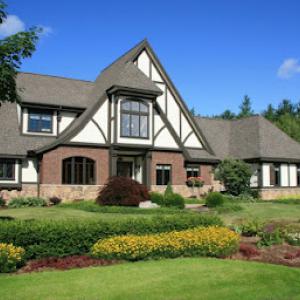
Landmark Roofing
(828) 855-2464 www.landmarkroofingllc.com
Serving
4.8 from 115 reviews
The roof over your head does more than just keep rain and snow from leaking into your home. It protects you, your family, and everything you hold dear. Ensuring that your roof is well-maintained and performing optimally can give you crucial peace of mind and is an important part of being a homeowner.
Powerhouse Construction
(828) 202-9527 www.pwrhouseconstruction.com
Serving
5.0 from 38 reviews
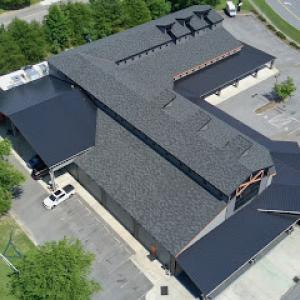
Powerhouse Construction offers expert roofing services, specializing in residential and commercial projects. From roof repairs to full installations, our experienced team delivers high-quality craftsmanship and reliable solutions. We use top-grade materials to ensure durability and safety, all while providing exceptional customer service. Trust Powerhouse Construction to protect your property with a roof built to last!
The dominant roofing materials in Morganton include asphalt shingles, metal roofing, clay tile, concrete tile, wood shingles or shakes, and synthetic or composite shingles. In this Blue Ridge foothill setting, the combination of frequent rain, humidity, and seasonal temperature swings means each option handles moisture and thermal movement a bit differently. Asphalt shingles are common for their balance of performance and ease, but in a humid climate they benefit from a solid underlayment and proper ventilation to minimize moisture wicking and algae staining. Metal roofs offer excellent rain shedding and durability, yet proximity to humidity can drive condensation concerns on colder mornings if attic ventilation isn't up to par. Clay and concrete tiles provide long-lasting form and a distinctive look, yet their weight and moisture behavior call for careful structural assessment and precise flashing around dormers and chimneys. Wood shingles or shakes bring a traditional texture but demand more maintenance in wet periods to prevent mold growth and fastener corrosion. Synthetic or composite shingles aim to mimic natural looks while enhancing moisture resistance and dimensional stability, offering a practical middle ground for variable weather.
With persistent humidity, a well-sealed roof deck and a robust underlayment become crucial, especially for tile and wood options. The moisture load in this climate can influence attic temperatures and extend dwell time for condensation; adequate attic ventilation and a balanced ridge intake help keep deck temperatures closer to outside air and reduce mildew risk. Metal roofs, while excellent at shedding bulk rain, still rely on a breathable attic and proper eave details to prevent ice damming and condensation indoors during colder snaps. If choosing tile systems, ensure the roof frame is rated to handle the tile weight and that waterproofing around penetrations is comprehensive, given the damp summers and cool, damp winters.
Seasonal temperature swings cause every roof type to move differently. Asphalt and synthetics generally handle expansion well when installed with proper gaps and compliant fasteners. Concrete and clay tiles, being heavier, respond to heat and cold with subtle movement that stresses fasteners and flashing if not accounted for in the design and installation. In a climate where heat can intensify moisture-driven expansion, close attention to flashing around chimneys, skylights, and vent stacks helps prevent leaks and prolongs service life. Wood shingles and shakes require additional attention to fastener corrosion and sealant wear due to humidity fluctuations; periodic inspection becomes part of routine maintenance.
Clay and concrete tiles deliver durability but can demand more maintenance attention around seals and penetrations, especially where branches or debris accumulate during storm-driven rain events. Asphalt shingles are relatively forgiving but benefit from regular cleaning and moss control in shaded, humid corners of the roof. Metal systems resist rot and insect damage but need corrosion checks at welds and fasteners in coastal-influenced air paths or where runoff deposits mineral residue. Synthetic shingles offer low-maintenance appeal, though UV exposure and weathering curves still necessitate periodic inspections. In all cases, a proactive inspection cadence after heavy storms helps catch moisture-related issues before they escalate.
Explore specialists in steel, aluminum, and standing seam metal roofs built to last 50 years or more.
Woot Roofing
(828) 655-7999 www.wootroofing.com
2425 US-70, Morganton, North Carolina
4.8 from 69 reviews
In this Blue Ridge foothill area, asphalt shingles sit at roughly 350 to 650 USD per square, while metal roofs run about 700 to 1200 per square. Clay tile prices span from 1200 to 2600 per square, concrete tile from 900 to 1600, wood shingles or shakes 500 to 1100, and synthetic or composite shingles 400 to 900 per square. These ranges reflect the mix of older, tree-filled neighborhoods and newer homes that sit higher on slope where access can influence crews' time on the roof. When planning, think in terms of a square as 100 square feet; most homeowners replace 20 to 30 squares in a typical reroof job.
Typical Morganton pricing can shift upward when weather slows progress or storm demand tightens scheduling. Rainy spells, high humidity, and seasonal swings push tear-off and dry-in sequencing into longer windows, so crews may bill more to preserve materials and timeline alignment. If a storm brings urgent demand, crews may be booked out, which can push contractor pricing or compel shorter notice work, especially on steeper slopes where safety and staging become more complex. In practice, this means that a project planned in a wet month could carry modestly higher mobilization or crew standby costs.
For asphalt shingles, expect a straightforward project with predictable timelines, but keep a cushion for weekend rain delays that can compress drying time. Metal roofing, while faster to install in dry conditions, may incur higher up-front material costs but can offer longer-term performance in humid, damp springs. Clay and concrete tiles add weight and require structural considerations; pricing reflects not just material but the added labor and potential reinforcement checks. Wood shingles or shakes bring a distinct look and beneficial insulation, but moisture can complicate install and may influence warranty language. Synthetic or composite shingles provide flexibility and often do well with variable Morganton weather, with cost mid-range between asphalt and metal.
When comparing bids, confirm the listed price per square includes removal of old roofing, disposal, underlayment, flashing, and basic ventilation upgrades compatible with your home's footprint. Local jobs commonly include standard tear-off sequencing, but if the existing deck or sheathing shows moisture damage, expect pricing to rise due to additional repair or reinforcement needs. In practice, price awareness means pairing a clear materials choice with a realistic window for weather-related scheduling, so the final figure aligns with the climate-driven realities of the Blue Ridge foothills.
Get a clear picture of your project costs upfront - no commitment required.
Home Remedy USA Roofing, Gutters & Windows
(828) 544-5231 www.homeremedyusa.com
127 Wamsutta Mill Rd, Morganton, North Carolina
4.9 from 150 reviews
A full roof replacement in Morganton typically requires a building permit through the City of Morganton Building Department. Before any shingle, tile, or metal goes on, you need to submit the project for review so the city knows the scope and the impact on the structure. This is especially important in a foothill climate where moisture management and storm readiness are key. The permit process helps ensure the roof will perform under frequent rain and seasonal temperature swings, not just look right from the street.
The city evaluates the project scope to confirm it aligns with local codes and the existing structure. During installation, inspectors will visit to verify that fasteners, underlayment, ventilation, and flashing meet current standards for Morganton's humid, rain-prone environment. After the roof is completed, another round of inspections confirms that the installed materials and workmanship comply with code requirements and that the roof will withstand the timing and intensity of Atlantic-influenced storms common to the Blue Ridge foothills.
A basic roof replacement is covered by the standard permit, but if the project includes structural work-such as reinforcing a sagging deck, altering loads, or changing framing-expect an added level of review. Structural changes can require calculations and documentation to show the framing can support the new roof's weight and wind loads. In practice, that means more plan checks and possibly longer lead times before work can begin.
Expect inspections at key milestones: pre-installation, mid-project to verify underlayment and ventilation details, and a final inspection once installation is complete. In the middle inspection, the city checks that the deck and roof sheathing are sound and that the chosen roof system is compatible with local climate demands. The final inspection confirms that the project meets all code requirements and that no work remains exposed or incomplete. If issues arise, address them promptly to keep the project on schedule and avoid delays when storms are in season.
After the final inspection passes, the Building Department issues final approval and your project is closed in their system. Keep the permit card and any inspection records handy for future refits or insurance questions. In this climate, having clear documentation helps when presenting proof of proper moisture management and compliant installation to future buyers or lenders.
The foothill area around the Blue Ridge brings frequent rain, high humidity, and rapid weather shifts, all of which interact with roof age and overall system health. In this environment, insurance markets have tightened and rates have risen, so the timing of a claim matters as much as the damage itself. A roof that has endured multiple wet seasons can lead to stiffer scrutiny, and carriers may weigh the current climate risk as part of their decision. In Morganton, neglecting moisture-related wear can turn a routine repair into a more consequential claim.
Insurers commonly want a clear record: dated photos that show the progression of weather-related damage, prior damage history, and precise roof-age details. Expect adjuster site visits and the use of supplemental estimates to capture the full scope when conditions reveal hidden issues. Having a tidy file with before-and-after images, notes from professional inspections, and a calendar of rainfall events helps prevent disputes about what occurred and when. In this market, completeness can shorten timelines and reduce back-and-forth.
Carriers may scrutinize both how quickly a homeowner responds after damage and what replacement materials are selected. On a practical level, choosing products that perform reliably in wet springs and humid summers matters. In a Blue Ridge foothill climate, the decision between aging shingles and a more moisture-tolerant option can trigger questions about risk, warranty coverage, and long-term durability. Fast-tracking upgrades without considering the deductible, depreciation, and load compatibility can backfire when the claim is reviewed.
After damage is observed, document promptly with clear, dated photos from multiple angles and note any interior signs of leaks or mold. Gather roof-age records, prior repair receipts, and a concise timeline of weather events relevant to the damage. Contact the insurer soon to initiate the claim, and request a detailed, itemized supplemental estimate if the initial assessment omits hidden issues. Choosing durable, climate-appropriate materials and coordinating with a trusted local roofing contractor can help align replacement plans with insurer expectations.
Connect with contractors who help homeowners navigate the claims process from damage assessment to final approval.
Woot Roofing
(828) 655-7999 www.wootroofing.com
2425 US-70, Morganton, North Carolina
4.8 from 69 reviews
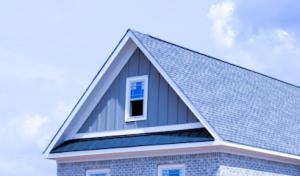
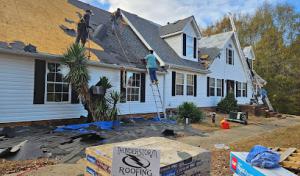
In a city shaped by frequent rain and humidity, penetrations and transitions become high-attention leak points during wet periods. Skylights sit right at the crossroads of daylight and vulnerability, where flashing, curb details, and the surrounding roof plane meet the sky. When a storm front rolls in or a humid spell lingers, even small gaps can channel moisture into attic spaces or ceiling cavities. The consequence isn't always immediate mold or staining; more often it's slow, creeping damage that weakens insulation, invites ice damming in shoulder seasons, and quietly drives up repair complexity.
Local contractor signals show an active skylight specialty presence, indicating that skylight-related repair work is a meaningful part of the roofing service mix here. If a roof system relies on multiple skylights or newer curb-mounted units, expect more frequent maintenance notes: flashing upgrades, frame sealing, and careful waterproofing around the penetration. When you're interviewing an installer, ask for examples of projects in similar moisture cycles and for a quick walk-through of their preferred flashing sequence around skylights. A solid crew will treat skylight work as part of the roof's moisture-management strategy, not as an afterthought.
Leak investigations in Morganton often need to distinguish between storm-entry water and moisture problems that worsen over repeated humid and rainy cycles. Look for telltale signs: condensation on the interior pane after a rain, slow seepage at the rake edge during humid nights, or staining that appears after several wet days in a row. Effective diagnoses start with a close inspection of flashing integrity, shingle-to-flashing transitions, and the seal around the skylight curb. Anticipate that persistent humidity can worsen marginal seals even when rainfall itself seems sporadic.
Find contractors experienced in skylight installation, flashing, and leak repairs to bring natural light into your home.
Home Remedy USA Roofing, Gutters & Windows
(828) 544-5231 www.homeremedyusa.com
127 Wamsutta Mill Rd, Morganton, North Carolina
4.9 from 150 reviews
In Morganton, homeowners often choose contractors who include cleanup as part of the service package. That means a real post-job site condition is a genuine hiring factor, not a minor add-on. Expect crews to sweep, bag debris, and haul away most waste daily, but confirm that full debris removal and thorough surface cleaning are part of the agreement. Note how the crew handles nails and shingle scraps around mature landscaping and driveways-these details can save you from scrapes or punctures on the first sunny day after a storm.
Warranty messaging is present but not universal in this market, so you should verify both workmanship coverage and any manufacturer-backed eligibility before signing. Ask for a written statement that outlines coverage length, what qualifies as a claim, and what maintenance may void the warranty. Pay attention to whether the warranty requires regular inspections, specific installation methods, or seasonal tie-ins to keep the coverage active.
Because much of the local market centers on re-roofing existing homes, warranty terms should be checked against any deck repairs or moisture-related exclusions discovered during tear-off. If underlying decking or sheathing is revealed, verify who covers repairs and whether moisture damage discovered post-installation affects warranty eligibility. A careful review of these exclusions can prevent disputes years later when humidity and seasonal rains test the roof's performance.
Get a written warranty certificate, including the model and serial if applicable, and a contact for service calls. After installation, keep all documentation organized with the project notes from tear-off through final inspection, so you have a clear trail if a warranty matter arises.