Last updated: Apr 19, 2026
Storm season in this area moves fast. Spring through early fall brings the highest storm interruption risk, with wind-driven rain and hail capable of punching through weaker shingles in a matter of minutes. In Concord, wind and hail claims are common enough that insurance documentation and adjuster coordination are central to many roof replacements. The fastest path to a solid repair or full replacement starts with recognizing where the risk lives: storm-driven damage that isn't visible from ground level, but that accelerates through weeks of rain and heat. Delays can turn a manageable leak into attic mold, rafters softened by moisture, or plywood sheathing warped enough to require a larger-scale job later. If a leak is noticeable inside the house, act now-water finds the path of least resistance, and that path rarely improves on its own.
Look for fresh granule loss in gutters or downspouts after a storm, dark streaks or staining on ceilings near the roofline, and any curling, cracked, or missing shingles. In convective storm cells that produce hail, there may be pitting on metal vents, denting on flashing, and bruising on asphalt shingles that isn't immediately visible from the ground. A professional roof inspection should occur within days of the event if there was hail or strong wind, even when the surface looks okay from curbside. Spotting damage early helps keep the claim straightforward and reduces the chance of a later, more invasive replacement being triggered by deeper rot or sheathing issues. If you've just weathered a storm and notice a new odor or damp spots in the attic, treat that as a red flag requiring a quick, documented assessment.
In Concord, the adjuster's visit is a critical hinge point for any replacement plan. Gather recent maintenance records, photographs from before and after the event, and a dated log of any leaks or water intrusion you've observed. Ensure the adjuster has access to the attic, attic vents, and any skylights or penetrations that could be contributing to moisture migration. Clear, precise documentation speeds the process and reduces the risk of "concealed damage" complicating a later claim. If a contractor notes pre-existing wear or hidden damage around ventilation penetrations, that information should be clearly reflected in the claim narrative. Timely follow-up with the insurer is essential, because weather windows tend to close quickly and a longer lag can push the project into off-season weather or scheduling bottlenecks.
When a storm claim points toward a full replacement, the weather calendar becomes the project calendar. The goal is to secure a weather-safe window for stripping and roofing without waiting for perfection in late-season forecasts. Coordinating with the insurance timeline-knowing when the adjuster signs off and when funds are released-helps prevent mid-project delays. Have the chosen roof system ready to install immediately after approval, and prepare for a two- to three-day peak weather slot if the house is a typical North Carolina Piedmont home with moderate roof pitch and standard decking. If a leak is currently active, prioritize temporary protective measures, such as tarping or rapid-waterproofing, to minimize interior damage while awaiting the go-ahead. A faster, well-documented claim can translate into a smoother replacement process and fewer surprises once the crew is on site.
Begin with a storm-damage evaluation within days of a significant event. Photograph affected areas, log dates, and contact a trusted local contractor who understands the Piedmont weather pattern and its effect on residential roofs. Schedule an insurer-driven assessment promptly, ensuring all damage, including ventilation and flashing, is on the record. If a full replacement is recommended, secure a timber- and vent-appropriate plan that matches the home's existing architecture and the typical Concord housing stock. Finally, maintain steady communication with the insurer and the contractor throughout the process, with a clear checklist of milestones to avoid weather-induced hold-ups and ensure a resilient roof that stands up to the next round of Piedmont storms.
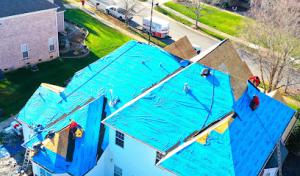
Find local contractors experienced in assessing and restoring roofs after hail, wind, and severe weather events.

Tier One Roofing Solutions
(980) 409-4826 tier1roofingsolutions.com
11 Union St S STE 228, Concord, North Carolina
5.0 from 68 reviews
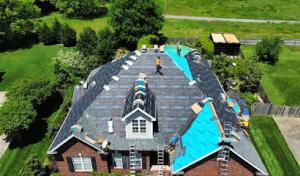
Max Roofing NC
(704) 412-7663 max-roofing.com
8410 Pit Stop Ct NW #133, Concord, North Carolina
4.9 from 188 reviews
C&B Home Solutions
(704) 942-7202 www.cbhomesolutionsclt.com
5411 Village Dr NW, Concord, North Carolina
5.0 from 46 reviews

Tier One Roofing Solutions
(980) 409-4826 tier1roofingsolutions.com
11 Union St S STE 228, Concord, North Carolina
5.0 from 68 reviews
Tier One Roofing Solutions in Concord, NC, provides expert roof replacement and repair services tailored to the needs of local homeowners. Concord’s hot summers and seasonal storms can lead to roof wear, leaks, and shingle damage, making timely replacement essential for protecting your home. Our team handles every project with precision and care, ensuring durable, weather-resistant results. From inspections to full roof installations, we deliver quality craftsmanship and lasting value. Choose Tier One Roofing Solutions, trusted roofing contractors in Concord known for professionalism, reliability, and commitment to customer satisfaction.
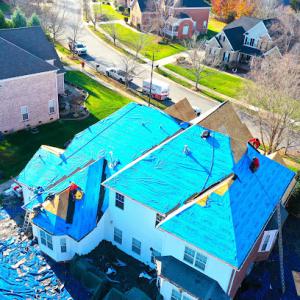
Max Roofing NC
(704) 412-7663 max-roofing.com
8410 Pit Stop Ct NW #133, Concord, North Carolina
4.9 from 188 reviews
Residential Licensed Roofing Contractor. HAAG Certified. Roofing repairs.Installations. ROOF INSPECTIONS Claims Specialist.
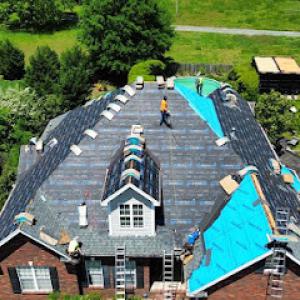
C&B Home Solutions
(704) 942-7202 www.cbhomesolutionsclt.com
5411 Village Dr NW, Concord, North Carolina
5.0 from 46 reviews
General contractors specializing in roofing, gutters/downspouts installation, siding installation, drywall installation/repair, interior/exterior painting, and concrete. Our crews have 18+ years of experience to help guide you through any project you set your mind on.
Good Roofing & Restoration
(704) 737-2102 www.goodroofing.org
Concord, North Carolina
5.0 from 43 reviews
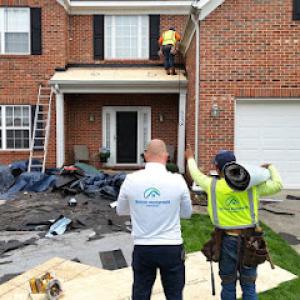
At Good Roofing & Restoration, we’re all about making sure you feel secure and cared for. We know roofing is a big step, so we keep things simple: no payments upfront — just quality work, every time. Our team treats your project like it’s our own, focusing on every detail to give you the protection and peace of mind you deserve. We’re here to listen, answer your questions, and guide you through the process with care. Good Roofing isn’t just our name — it’s our promise!
Guardian Exterior Pros
(980) 621-9151 guardianexteriorpros.com
Concord, North Carolina
5.0 from 36 reviews
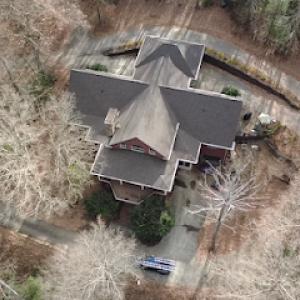
Protect Your Home with Trusted Roofing, Siding & Gutter Experts – Free Inspections & Estimates Always Looking for reliable roofing, siding, or gutter services near you? Our locally owned and operated company specializes in high-quality exterior home services designed to protect, enhance, and increase the value of your home. We proudly offer FREE roof inspections, no-obligation quotes, and expert help with insurance claims — because peace of mind should never come at a price.

Premier Roofing Company
(704) 601-7663 www.premier-roofing.com
4950 Stough Rd, Concord, North Carolina
4.9 from 53 reviews
Premier Roofing Company in Concord, NC, is your trusted local expert for asphalt shingle roofing and hail damage roof replacement. Serving homeowners, businesses, and multi-family communities across the Concord and greater Charlotte area, our skilled roofing contractors deliver exceptional craftsmanship, high-quality materials, and reliable solutions. Choose Premier Roofing Company in Concord, NC, for superior asphalt roofing services, personalized care, and lasting protection for your property.
Resilience Roofing
(704) 516-7700 www.resilienceroofing.com
Concord, North Carolina
4.9 from 51 reviews
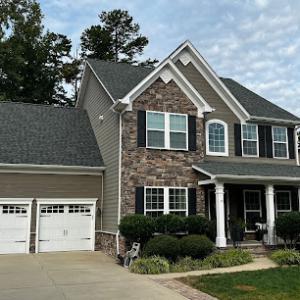
We are a locally owned and operated roofing company currently serving Harrisburg, NC and surrounding communities. We offer roofing, gutter & gutter guards services.
Guy Roofing
298 Church St N, Concord, North Carolina
4.7 from 504 reviews
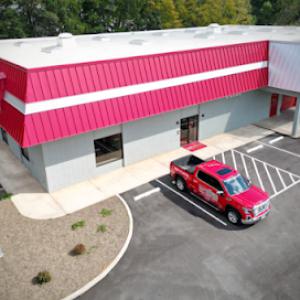
Guy Roofing is a residential and commercial roofing contractor serving Upstate South Carolina and Charlotte, NC for residential projects, with nationwide commercial roofing, repair, and maintenance services. The company specializes in roofing, siding, gutters, windows, and emergency roof repairs, with a focus on fast response, quality workmanship, and clear communication.
Trueguard Roofing Pro
(980) 369-8332 www.trueguardroofingpro.com
2652 Thistle Brook Dr, Concord, North Carolina
5.0 from 29 reviews
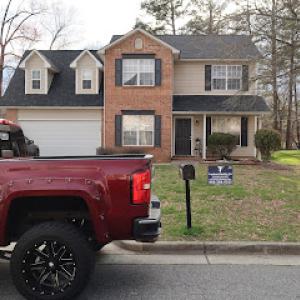
Discover excellence with TrueGuard Roofing Pro! With years of expertise, we bring top-tier solutions to residential and commercial roofing. Our commitment to quality, safety, and customer satisfaction is most crucial. Contact us for a free estimate and/or roof inspection! 🌟🏠 #TrueGuardRoofingPro #RoofingContractors #RoofReplacement #RoofRepairs #ClaimSpecialist #Gutters #GAF #Certainteed #OwensCorning
MCI Roofing
(704) 941-5815 www.mciroofing.com
782 Union St S, Concord, North Carolina
4.9 from 44 reviews
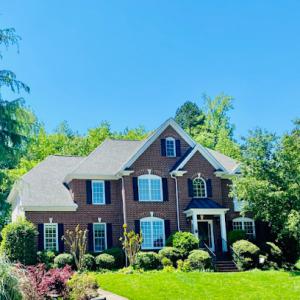
As a homeowner, you want a roof that will keep you and your family safe from the elements. In order to have that, you need a high-quality roof that you can rely on but finding a trustworthy roofing company for the job can be stressful. At MCI Roofing, we understand the importance of selecting a roofing company that provides an honest approach. With over 20 years of roofing experience in Charlotte, we've built lasting relationships with material suppliers and our crews. We will provide you with a high-quality roof so you can have the peace of mind you and your family are protected. Schedule Your Roof Evaluation Today!
All American Restoration & Roofing
(828) 638-5083 www.aaroofingandrestore.com
541 Tarlton Pl NW, Concord, North Carolina
4.9 from 56 reviews
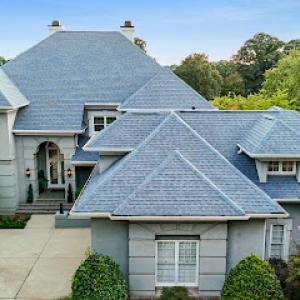
With All American Roofing & Restoration, you have a trusted restoration team on your side at all times! When disaster strikes, we know how hard it is to make a full recovery, especially if you can’t use your home or business following the event. With 24/7 emergency service available, help is always a phone call away, and we promise we’ll restore the safety and health of your property in no time.
1st Class Roofing
(704) 915-8559 www.1st-class-roofing.com
57 Union St S # 1008, Concord, North Carolina
4.8 from 34 reviews
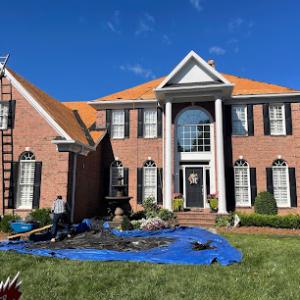
1st Class Roofing is a family and veteran owned business that has been servicing neighborhoods in North Carolina for years. Our team consists of roofers and insurance claim experts who are fully licensed and insured. We have 24 hour services available, so contact us today to schedule your FREE roof inspection.
Asphalt shingles dominate replacements because they fit the area's common suburban housing stock and sit at the lowest local cost range among the listed materials. In practice, they install quickly on standard roof geometries and work well with existing attic venting and underlayment setups found on most tract homes. If you are replacing after a wind or hail event, asphalt remains the most straightforward path to a predictable, reliable return-to-function. Look for architectural or dimensional options if you want a longer life and better wind resistance without moving to a premium price tier, and verify that the shingle depth and granule blend match the texture of neighboring roofs to minimize a "new roof, old street" mismatch.
Metal roofing has a visible specialty presence in this market and is often considered by homeowners trying to reduce heat stress and improve storm durability in the Piedmont climate. In practical terms, metal can shed wind well and reflect sun, which helps in hot summers. It also handles hail differently than shingles, sometimes offering longer service life in severe storms. The key here is structural compatibility: confirm your deck or roof framing can support the weight and the fasteners chosen for metal. Aging homes with aging fascia should be evaluated for retrofit needs before installation. If heat, durability, and a standout roofline are priorities, metal is worth a close look, but expect it to be a more deliberate project with a higher upfront scope compared to standard shingles.
Clay and concrete tile are available in the market, but their higher local square costs make structural suitability and installation expertise more important than on standard shingle jobs. These materials bring distinct aesthetics and long life, but they demand a compatible roof deck, proper substrate, and experienced crews familiar with handling, setting, and potential weight-bearing implications. In homes with shallow roof pitches or limited attic space, tile can pose installation challenges that affect both performance and longevity. If your home has the appropriate roof slope and you want a tile look with durability and fire resistance, consult a contractor who specializes in tile work to ensure the framing, underlayment, and drainage plan are optimized for this heavier option. For many neighborhoods, tile is a thoughtful upgrade when a builder-grade shingle replacement would otherwise be repetitive, but it requires careful planning to avoid premature wear or structural strain.
In Concord, asphalt shingles sit in a familiar middle ground, roughly 350 to 550 USD per square. Metal roofing runs higher, about 600 to 1100 USD per square, while clay tile climbs from 1000 to 2100 USD per square. Concrete tile and synthetic options fill the middle-to-upper ranges, with concrete around 900 to 1700 USD per square and synthetic/shingle alternatives often between 350 and 700 USD per square. Local pricing tends to reflect the Piedmont climate and housing stock, where many homes were built to accommodate wind loads and show a mix of original and updated roofing decks. When estimating, you're balancing material upfront cost with a roof's expected lifespan, maintenance needs, and how a given option will perform in hot, humid summers and sudden storm swings.
Concord homeowners can see pricing pressure after regional storm activity because a large share of the local market is geared toward re-roofing and storm-response work. After a wind or hail event, the pool of available crews tightens, and supply chain hiccups can push labor costs higher for a short window. In practice, that means bid timing matters: getting lined up quickly after a claim can help lock in material choices and reduce last-minute price shocks. If you're weighing materials, be prepared for a scenario where premium options like clay or concrete tile may see higher demand and longer lead times, even as asphalt remains the most budget-friendly path in many cases.
Weather drives the calendar here more than you might expect. Hot, sunny stretches invite long days on the roof but raise worker fatigue risk and cooling costs, while sudden rain or lightning shifts can stall progress and extend the project timeline. Plan for a window that avoids peak heat hours, but also be flexible enough to accommodate short weather delays without letting the project drift into a season where crews become scarce. Your crew should sequence materials that tolerate local storms well, particularly if you expect active spring and early summer patterns. The right timing minimizes downtime and can prevent price creep caused by last-minute shifts or weekend work.
If your goal is to maximize value in Concord, asphalt shingles remain a practical baseline, with total project costs typically lower even when factoring into a longer-term replacement cycle. For longer lifespans and distinct curb appeal, metal, clay, or concrete tiles offer durability against wind and hail, but their higher per-square cost and sometimes longer installation timelines should be weighed against expected remaining life and local climate stresses. Synthetic or composite shingles give a middle-ground option, combining resilient performance with moderate cost. Regardless of material, expect a full replacement to involve more than just the price per square: underlayment quality, flashing upgrades, and proper ventilation all feed into longer-term performance-and ultimately into how often you'll face costlier repairs down the line.
Get a clear picture of your project costs upfront - no commitment required.
C&B Home Solutions
(704) 942-7202 www.cbhomesolutionsclt.com
5411 Village Dr NW, Concord, North Carolina
5.0 from 46 reviews

Guardian Exterior Pros
(980) 621-9151 guardianexteriorpros.com
Concord, North Carolina
5.0 from 36 reviews
Trueguard Roofing Pro
(980) 369-8332 www.trueguardroofingpro.com
2652 Thistle Brook Dr, Concord, North Carolina
5.0 from 29 reviews
A full roof replacement generally requires a building permit. This isn't just a bureaucratic checkbox-the permit helps ensure the installed materials and workmanship meet local code and withstand the Piedmont storm cycles that reach Concord's hot, humid summers. Before scheduling any tearing or replacement, make sure the project plan clearly shows roof scope, venting, underlayment, and ventilation details. If the project involves changes to load-bearing structures or venting pathways, have those specifics ready for the plan review to avoid delays.
Permit applications are typically handled through the City of Concord's online portal rather than an in-person-only process. Accessing the portal from a laptop or smartphone is convenient, and many common questions can be answered through the portal's guidance or help desk links. Have your contractor's information, roof dimensions, and material type at hand when starting an application. Many homeowners choose to have their licensed contractor initiate the submission to ensure all technical details align with local code requirements. After submission, you'll receive updates through the portal, and any code references or plan comments will appear there if adjustments are needed.
Concord inspections include a final inspection to verify proper installation, and permit issuance commonly occurs within about a week when there are no plan review issues. Plan for the final walk-through as part of a broader project timeline, so that any minor corrections can be addressed quickly. It helps to keep a clean site and ensure that temporary protections, like roof edge safety and material storage, are managed in the days leading up to inspection. If the inspector notes deficiencies, address them promptly and reschedule the final inspection as soon as possible to keep the project on track.
Coordinate with both the contractor and the building department to align weather windows with permit milestones. In storm-prone shoulder seasons, the online portal can speed up communication, but prepare for possible rain delays that affect inspection scheduling and sequencing. Keep a centralized folder of permit notices, inspection dates, and any plan-modification communications you receive through the portal. If a permit is held up by plan review issues, use the portal's messaging to request clarifications quickly; small document tweaks often resolve common delays without extensive re-submittal. Remember, the permit process is part of ensuring your new roof stands up to the region's fast-moving Piedmont wind and hail cycles.
The hot, humid summers and fast-moving Piedmont storm cycles put attic moisture management at the forefront of practical roof maintenance. When moisture lingers in the attic, it can accelerate wood rot, soften roof sheathing, and invite mold growth that travels into living spaces. In this climate, ventilation isn't just about comfort; it's a safeguard against hidden deterioration that quietly undermines insulation value and the overall integrity of a roof replacement. Poor moisture control can also compromise attic vents, speeding the aging of underlayment and decking.
Local climate notes specifically flag attic humidity as a factor that can influence ventilation needs during roof replacement. If a project runs through spring or fall, timing can help manage moisture without inviting peak summer heat to skew measurements and performance. When the weather window is narrow, prioritize balanced attic ventilation that supports continuous air exchange during the work. This means ensuring intake and exhaust pathways are clear before, during, and after any deck or sheathing work so moisture doesn't get trapped under new materials.
Concord's summers demand attention to humidity control during both teardown and installation phases. Install temporary ventilation or sealing strategies that resist heat buildup but allow moisture to escape, especially on days with high dew points. Consider cloth or foam baffles to keep soffit vents effective while new decking or underlayment is staged. After installation, rapid turnover of hot, humid air should be maintained until the attic reaches a stable, dry condition. Skipping this can lead to lingering humidity that undermines insulation performance and a newly replaced roof.
A well-ventilated attic supports the longevity of any roof system, from asphalt shingles to metal or tile options. Proper airflow helps prevent ice damming, reduces attic temperatures that can accelerate aging of roof components, and maintains indoor air quality. In the aftermath of a Piedmont wind or hail event, elevated attention to exhaust flow and intake balance becomes a practical habit rather than a one-time fix. A proactive stance on ventilation now pays dividends by preserving the roof's condition through many hot, humid summers to come.
Spring is the first practical window after winter moisture settles and before the heat ramps up. In Concord, the mild days and cooler evenings help roof crews work safely, protect materials, and reduce the risk of heat-related delays. Plan replacement after the last hard freeze but before the late spring thunderstorms ramp up, so a completed roof can dry and settle before summer stresses.
Fall offers a stable, predictable period when humidity levels drop and temperatures stay comfortable. This window minimizes heat exposure for crews and keeps asphalt shingles and other materials from expanding or contracting too quickly. A fall replacement aligns well with typical outdoor accessibility and reduces the chance of wind-driven setbacks from the hurricane-like late-season storms common in the Piedmont.
Summer installation in Concord can be complicated by heat, humidity, and frequent storms that affect both crew safety and material handling. Heat can accelerate drying times in ways that stress underlayment and fasteners, while pop-up storms interrupt work and pressure plywood and shingles. If summer is the only option, schedule with contingency days and ensure crews have shade, hydration, and a clear plan for storm holds.
Winter in the area is milder than in mountain regions, but occasional Piedmont freezes, sleet, and ice can still disrupt scheduling and installation conditions. Colder mornings slow sealant sets and can affect ridge vent performance. If winter work is pursued, expect occasional pauses and shorter workdays tied to forecasted freezes and moisture.
Coordinate a window with a dry forecast, especially after anticipated wind events. A steady, dry stretch avoids back-to-back disruption and helps ensure a smoother process from tear-off to final inspection.
In the Concord market, carriers commonly want roof age records, photos of damage, and an adjuster inspection before approving claim-related roof work. The claim process often hinges on timely, organized documentation that proves both the onset of damage and the condition of the roof prior to the event. Gather the records that show when the roof was installed, the system used, and any prior repairs. Having a clear trail helps prevent back-and-forth delays, especially after a windy or hail-heavy storm. If an insurer requests interior evidence, be prepared with dates and locations of leaks, including transcripts from any temporary fixes.
Because roof claims are common locally, Concord homeowners benefit from documenting storm dates, interior leaks, and exterior damage before temporary repairs alter the evidence. Take dated photos from multiple angles, capturing shingles, vents, skylights, and any visible granule loss. Keep a simple storm diary that notes when winds peaked, hail started, and what you observed inside the home (stains, attic condensation, or warped decking). When possible, photograph the roof from ground level and from a ladder safe vantage so the overall condition is clear. Do not rely on memory alone-timely photos reduce disputes about when damage occurred or how severe it was. If a temporary tarp is applied, document its placement and condition as it could affect the claim evaluation.
Claim-related roof work in Concord still needs to meet current code and installation standards rather than simply matching the previous roof. Expect the adjuster to compare damage to the current roof system and to verify that any proposed replacement complies with modern requirements for wind-resistance and water shedding. Keep builder notes handy that describe roof layers, underlayment type, and venting configuration. Have records ready of any prior wind or hail incidents that might influence the scope of replacement or upgrade. Clear, organized documentation helps align the claim with actual needs and reduces the chance of fights over scope and approval timing.
Skylight service appears often enough in the contractor market to merit special attention during replacement planning and leak diagnosis. In a storm-prone Piedmont environment, wind-driven rain can exploit marginal flashing around these penetrations. When you plan a replacement, verify that the skylight flashing is integrated with the roof's drip edge and shingle line, not tacked on as a separate add-on. Have the contractor review the curb, sealant continuity, and the transition to surrounding shingles so that nothing sits exposed to driving rain.
Chimney-related work is a recurring local signal, suggesting many homeowners need flashing coordination rather than roof-only repairs. The intersection between chimney flashing, step flashing, and the roof deck is where leaks most often start after a storm. Expect counter-flashing to extend down the masonry and overlap where needed. Don't assume the brick or stone veneer will bear the load alone-properly sealed seals and a continuous waterproof saddle can prevent wind-driven water from tracking under shingles.
In a storm-prone market, penetrations such as skylights and chimneys are common places where wind-driven rain can expose flashing weaknesses. When a severe wind event hits, inspect these areas promptly for lifted shingles, gaps, or displaced flashing. A quick, targeted inspection after a storm can catch problems before they cascade into interior leaks.
During dry spells, look for granule loss near skylights and small gaps along flashing seams. Listen for unusual hail-related nicks on the skylight frame or chimney cap. If a leak is suspected, prioritize a flashing-focused assessment rather than a full roof-only fix to avoid recurring damage.
Find contractors experienced in skylight installation, flashing, and leak repairs to bring natural light into your home.

Premier Roofing Company
(704) 601-7663 www.premier-roofing.com
4950 Stough Rd, Concord, North Carolina
4.9 from 53 reviews

Guideline Roofing & Construction
(980) 866-4740 www.guidelineroofing.com
39 Market St SW, Concord, North Carolina
4.6 from 12 reviews