
Last updated: Apr 19, 2026
Roanoke's location in the Blue Ridge Valley brings regular spring and early summer storm activity that drives a steady pattern of roof-related claims in the area. When a storm blasts through, missing shingles, lifted flashing, or hail bruises can hide leaks that worsen quickly with every freeze-thaw cycle. If you hear rain noise inside or notice dark spots on ceilings after a storm, treat it as an active leak. Your first move is to limit interior damage: place a bucket under the drip, move valuables away from soaked areas, and keep kids and pets away from the roof edge and attic access. Do not climb onto a damaged roof yourself; steep slopes, slick surfaces, and hidden structural damage raise serious risk.
Local contractor signals show unusually strong demand for emergency repair, storm damage service, and insurance-claim help compared with niche roof specialties. Starting documentation promptly is essential. Grab clear, timestamped photos from ground level if you can do so safely, then document with interior photos of stains and attic moisture. Create a simple timeline that includes when you first noticed the leak, when the storm occurred, and any temp fixes you applied. This evidence helps claims adjusters separate wear-and-tear from storm damage and supports replacement recommendations when the insurer reviews you for a full roof recovery. If a contractor arrives, ask for written assessment that identifies damaged areas, suggested temporary protections, and whether any decking or ventilation components were impacted.
During the busy storm window, inspections can be delayed, so you must act to slow the spread of damage. Use tarps or heavy-duty plastic over exposed roof areas if it's safe to do so, securing edges with roofing nails or weights. Make sure the tarp covers all vulnerable zones and extends several inches beyond the damaged edge to minimize wind uplift. In the attic, seal entry points around penetrations with temporary closures like painter's tape and silicone-backed caulk where accessible, and ensure standing water is redirected away from electrical panels and insulation. If ventilation path integrity is compromised, place a temporary vent plug to reduce rapid drafts that can worsen interior moisture damage until a professional can restore proper airflow.
With the surge in emergency repair demand, scheduling can lag behind need. Reach out early to a few seasoned local roofers who handle storm damage and insurance documentation, not just cosmetic repairs. Ask for a written scope that prioritizes safe stabilization, leak stopping, and a plan for rapid temporary protection while arranging a formal assessment. When a contractor arrives, ensure they provide a concise, photograph-backed assessment and a phased plan that prioritizes the most vulnerable areas first. Keep a single point of contact for updates to avoid miscommunication as weather patterns shift and inspection slots fill up.
Find local contractors experienced in assessing and restoring roofs after hail, wind, and severe weather events.
IBC Roofing Roanoke
(540) 358-3058 www.ibcroanoke.com
4423 Pheasant Ridge Rd SUITE 110, Roanoke, Virginia
4.9 from 61 reviews
Clear Choice Exteriors
(540) 206-9026 www.clearchoiceexterior.com
4533 Brambleton Ave Suite 14, Roanoke, Virginia
4.9 from 109 reviews
220 Roofing & Restoration
4855 Hollins Rd, Roanoke, Virginia
4.9 from 76 reviews
Cenvar Roofing - Roanoke
(540) 202-4364 www.cenvarroofing.com
2124 Loudon Ave NW, Roanoke, Virginia
4.9 from 682 reviews
We are roofing experts in Roanoke, VA. Since the Roanoke branch opened in 2016, we have provided high-quality roofing service to thousands of members of the Roanoke community. We prioritize customer satisfaction above everything and this is evident throughout each step of the process, from conception to completion. If you are in need of a roof repair or replacement in Roanoke, VA, request a free estimate appointment. We would be happy to serve you!
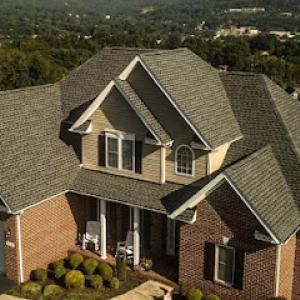
Big Lick Roofing
(540) 352-7989 biglickroofing.com
305 Campbell Ave SW, Roanoke, Virginia
4.9 from 139 reviews
Big Lick Roofing is Southwest Virginia’s trusted Master Elite roofing company. Here at Big Lick Roofing our mission is to provide you with superior roofing installations with outstanding customer service you can count on. We’re here to build a relationship with you and exceed your expectations. Your roof is our proof! GAF Master Elite Certified GAF Presidents Club GAF Solar Certified Locally Owned & Operated Licensed & Insured Quick Turnaround Times Unmatched Workmanship & Material Warranty 100% Customer Satisfaction Guarantee Financing Available Online Estimates Available
IBC Roofing Roanoke
(540) 358-3058 www.ibcroanoke.com
4423 Pheasant Ridge Rd SUITE 110, Roanoke, Virginia
4.9 from 61 reviews
As a leading family-owned business in the Roanoke area, IBC Roofing specializes in professional and dependable roofing services. Their experienced team is committed to excellence, handling everything from minor repairs to complete roof replacements with unparalleled skill. They focus on quality craftsmanship and attention to detail, ensuring every project is executed to perfection. Trust IBC Roofing for all your residential and commercial roofing needs, where their dedication to exceptional results guarantees your roof receives the best possible care.
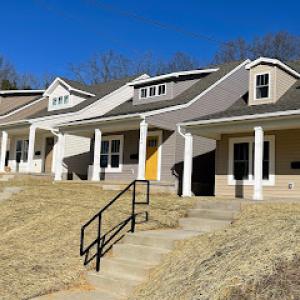
Clear Choice Exteriors
(540) 206-9026 www.clearchoiceexterior.com
4533 Brambleton Ave Suite 14, Roanoke, Virginia
4.9 from 109 reviews
Clear Choice Exteriors is an experienced roofing company providing Roanoke area homeowners with high-quality repairs and replacements for their home's roof. We have over a decade of experience as contractor, holding ourselves to the highest standards of quality in everything we do.
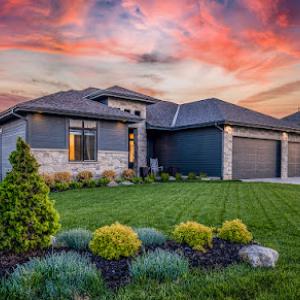
220 Roofing & Restoration
4855 Hollins Rd, Roanoke, Virginia
4.9 from 76 reviews
220 Roofing and Restoration is a roofing contractor in Roanoke serving Botetourt County, Salem, and nearby areas. Our roofing company offers residential roofing, asphalt shingle roofing, metal roofing, commercial roofing, and more. Customers love us because of our comprehensive roof warranties and our affordable roofing system options. We also have industry affiliations and certifications with manufacturers like Atlas, CertainTeed, Tamko, and Owens Corning. If you want to experience how your most trusted Southwest Virginia company embraces our motto "The 220 Difference!", call us now for an estimate!
Best Choice Roofing
(540) 274-0970 bestchoiceroofing.com
2840 Hershberger Rd NW, Roanoke, Virginia
4.6 from 322 reviews
Best Choice Roofing is your trusted roofing expert and the Best Choice when it comes to choosing a roofing company with a commitment to impeccable customer service in the Roanoke, VA area. In business since 2009, Best Choice Roofing’s industry-leading contributions to the roofing industry include a customer-first mentality, a dedication to top-quality products and a leadership team focused on the growth of its people. Because of this framework, we have created a loyal base of customers all over the United States.
Southern Roofing & Restoration
(540) 263-0300 www.southernroofingandrestoration.com
7308 Maple Ct SW, Roanoke, Virginia
5.0 from 22 reviews
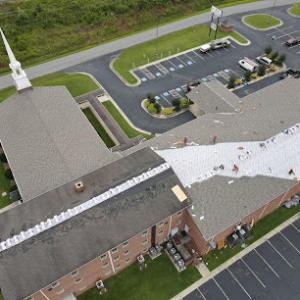
Southern Roofing and Restoration is a GAF Master Elite certified roofing company located in Southern Virginia. We offer high-quality roofing services, including repairs and installations, using only the best materials available. With a commitment to excellence and a reputation for providing exceptional service, Southern Roofing and Restoration is the go-to choice for all your roofing needs.
Skywalker Roofing Company
(540) 418-3545 skywalkerroofingnc.com
308 2nd St SW Ste B, Roanoke, Virginia
4.8 from 64 reviews
Skywalker Roofing has been the trusted name in exterior home improvements providing exceptional service in Roanoke, Virginia for more than 25 years. As a local and experienced contractor, they provide residential and commercial customers with services for roof repair and replacement, siding and window installation, gutters, insulation, and soffit and fascia work. They are the best, most-awarded home exterior company in the area, having served over 30,000 homes and businesses. Read their hundreds of 5-star reviews to see why they are the #1 local roofing contractor. They serve Danville, South Boston, Martinsville, Roanoke, Stuart, Cana, Fancy Gap, Galax, Woodlawn, Hillsville, and everywhere in between.
Appalachian Roofing
(540) 632-6938 appalachianroofingva.com
4627 Eton Rd SW, Roanoke, Virginia
4.9 from 17 reviews
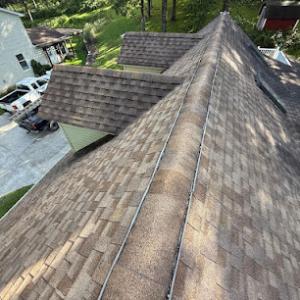
🏠 Appalachian Roofing is a trusted roofing company in VA, specializing in 🛠️ residential & commercial roof installation, repair & replacement. We handle 🧱 asphalt shingles, 🔩 metal roofing, 🔧 leak repairs, 🌪️ storm damage, 🕵️ roof inspections & maintenance. Fully licensed & insured ✅, we use top-quality materials and offer 💬 free estimates. Whether it’s a small repair or full replacement, our expert team delivers honest, reliable service across Virginia. 📞 Contact Appalachian Roofing today for your free quote!💪😊
John T. Morgan Roofing & Sheet Metal
(540) 342-7498 www.johntmorganroofing.com
1620 6th St NE, Roanoke, Virginia
4.8 from 6 reviews
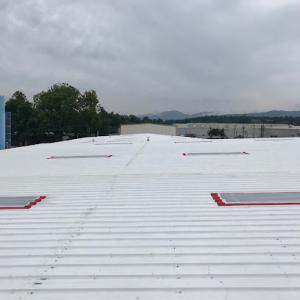
John T. Morgan Roofing specializes in the installation, repair and maintenance of commercial & residential roofing systems. Since 1933, we have been a family business (4th generation) located in Roanoke, VA. Our goal is to exceed the expectations of our customers and provide them with the most beneficial solution on every project. We believe our quality sets us apart as evidenced by earning the 2018 Carlisle Perfection Award and 2018 Firestone's Partner In Quality Award. In addition, we are a Carlisle Hall of Fame contractor with over 250 'perfect 10' roof installations. Whether you’re in need of a new roof, leak repair or preventative maintenance we’re here to help!
ZJ Home Improvements
3403 Glen Rock Ln, Roanoke, Virginia
4.6 from 9 reviews
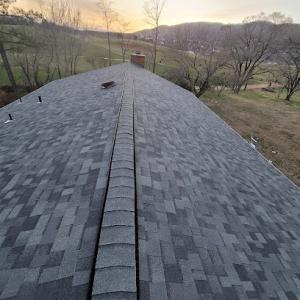
We are a Class A contractor company we do residential and commercial jobs, our company is in Roanoke, Virginia, but we can travel two hours. We can help you in your needs by doing quality work. We are experts in home renovations, roofing, siding gutters, commercial and residential services, When it comes to your home, we can handle anything.
Shenandoah Roofing
(540) 774-0177 www.shenandoahroofing.com
4502 Vest Dr, Roanoke, Virginia
4.2 from 17 reviews
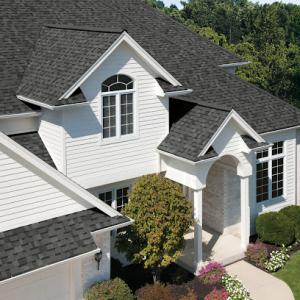
Personalized service for roof replacements and vinyl siding installations.
Roanoke's four-season pattern drives a practical rule of thumb: aim for a full roof replacement in spring or fall. The valley's mountain-driven weather can push peak summer heat and winter freeze cycles into harsh conditions that complicate tear-off, installation, and sealing. Scheduling a replacement during milder shoulder seasons helps the crew maintain steady progress, reduces the risk of heat-related material behavior, and lowers the chance of weather-related delays that stretch the project into late weeks. In practice, plan for a window where several dry, moderate days in a row are forecast, with nights staying above freezing to protect underlayment and flashing details.
Spring in the Roanoke area often brings a mix of warming days and lingering moisture. A spring reroof makes use of the better daytime temperatures for consistent asphalt or synthetic shingle adhesion, and it aligns with post-winter storm cycles where shingles, underlayment, and venting components can be inspected and refreshed before the heavy spring rains. The key is to coordinate a window that avoids late-season cold snaps and frost heaves that can slow adhesive-setting or sealing of vent boot seams. If winter damage was observed, completing the replacement early in the season reduces exposure to lingering moisture and increases the chance that interior ceilings stay dry during the process.
Fall offers a complementary window of reliable, moderate weather before freeze-thaw cycles set in. The Roanoke Valley can deliver sunny, cooler days with lower humidity, which supports consistent shingle seating and faster completion. Fall work also minimizes the risk of wind-driven rain that can complicate tear-off and waste management. The goal is to finish before the first substantial cold spell, so that protective membranes and flashing have ample time to settle before winter temperatures threaten seal integrity. If a late-summer heat wave pushed work into early fall, adjust the schedule to the gentler conditions rather than forcing a hot-day pace.
Winter ice, snow, and freezing temperatures can pause tear-off work and affect how materials are handled and sealed. If winter conditions intrude, crews may shift to interim repairs or temporary coverings to prevent interior moisture intrusion, then resume full replacement as conditions improve.Summer heat and humidity can reduce crew productivity and affect installation conditions for some roofing products. Heat can slow adhesive cure times and make fasteners harder to drive evenly, which translates into a longer project timeline and tighter quality control checks. In the Roanoke Valley, plan for shorter daily shifts during peak heat and schedule critical sealing and flashing tasks for cooler morning hours.
Seasonal mountain storms can bring sudden leaks and wind-driven debris that reveal roof weaknesses. In the wake of a damaging event, document the condition promptly, decide whether a temporary patch is sufficient, and coordinate a reroof window that minimizes water intrusion while allowing for proper tear-off sequencing. Insurance documentation becomes a practical step here-collecting photos, notes on impacted areas, and a clear timeline helps align the repair or replacement with a feasible spring or fall start. When ordering materials, ensure that delivery timing aligns with the chosen shoulder-season window to avoid storage and exposure risks on sheltered sites.
Most full reroof projects in the City of Roanoke require a building permit through the City of Roanoke Building Safety process. The permit is not a formality to check a box; it sets the project up for inspections that catch weatherproofing gaps, ventilation issues, and proper installation. If a contractor suggests skipping the permit to save time, push back. The time saved on the front end can become extended delays or costly redo work after a mandatory inspection reveals shortcomings. Understand that the permit also aligns with local requirements for temporary safety barriers, material storage, and debris containment, all of which matter near Roanoke's mountain-adjacent neighborhoods where storms can bring rapid changes in conditions.
Roanoke inspections are typically scheduled after tear-off and again after completion to verify installation, ventilation, and weatherproofing. The first inspection after tear-off confirms that the old roof is fully removed, that usable deck or sheathing is sound, and that attic ventilation pathways are present and ready for the new system. The second inspection, after completion, checks that the new roof system is installed per code, with proper nailing patterns, flashing at valleys and penetrations, and adequate ventilation under the roof deck. The timing of these inspections matters: if weather, supply delays, or busy season backlogs push the schedule, the process can stall even when the permit itself is routinely issued. Plan on the calendar being more fluid during peak storm season, when inspectors and crews are in higher demand across multiple projects.
Inspection timing in Roanoke can be delayed during busy seasons, which affects project scheduling even when the permit process itself is routine. Mountain-weather patterns bring sudden rain, freeze-thaw cycles, and upticks in storm activity that can slow work progress and push inspection slots further out. If a crew is advancing with tear-off in late spring or early fall to capitalize on weather windows, expect tighter inspection calendars and potential minor delays between steps. Communicate clearly with both the contractor and the Building Safety office about preferred windows for inspections, and document weather interruptions that may justify temporary hold points. A delayed inspection is not a sign of poor work; it often reflects the season's demand and the local focus on ensuring long-term weather resistance.
Begin by confirming with the contractor that the permit application is filed and that all required information-plans, material details, and site specifics-are ready for submission. Track the permit number and the scheduled inspection dates, and set aside contingency time around weather forecasts when planning tear-off and re-roof work. Prepare the attic and interior spaces for inspection day, ensuring access to ventilation points and clear sightlines for inspectors to review ventilation, flashing, and insulation details. After the final inspection, keep the disclosure and permits documents organized for any future property transactions or insurance reviews, since these records come in handy when storms test the roof's resilience. In the city context, following these steps minimizes the risk of rework and reduces the chance that a storm-damaged season amplifies the consequences of a rushed or incomplete installation.
In this market, asphalt shingles and metal roofing are the workhorses. Asphalt shingles run roughly from 350 to 700 USD per square, while metal roofing sits from 700 to 1400 USD per square. Tile options are more expensive and less common locally, with clay tiles typically 1100 to 2400 USD per square and concrete tiles from 900 to 1900 USD per square. Wood shingles and synthetic composites sit between asphalt and tile in pricing, about 600-1200 and 550-1000 per square respectively. When planning, a square equals 100 square feet, so multiply by your roof's square count to estimate project totals.
Roanoke reroofs often need permit-worthy work, and inspection timing can influence both cost and schedule. Expect potential delays if a project crosses peak inspection windows, especially after storm events. This can push crews off the job for days or weeks, which can in turn affect mobilization and waste-disposal charges. Build in a cushion for these steps when you're budgeting and coordinating weather-dependent work.
Storm-driven demand spikes after active weather periods push pricing higher and extend lead times. After a strong storm, you may see more roofers inquiring about jobs, longer wait lists, and expedited materials charges. If you're timing a replacement, consider targeting a window after the spring thaw or fall dry spells, when storms are waning and crews are more available. Having photos of the damage and a documented timeline can help speed insurance-related decisions, reducing idle days.
Concrete and clay tiles are rarer in this market, so specialist availability matters. Expect longer lead times for tile installs and higher labor costs when tiles are used, due to careful handling and weight considerations. Asphalt and metal show the strongest local presence and typically offer the most predictable schedules and pricing. If storm damage is the driver, insist on a written scope and a clear material specification to avoid substitutions that complicate warranties.
Start with a conservative budget that accounts for a 10-20% cushion for inspection delays and storm surges. For repair work after leaks, document the damage promptly and align with your insurer's preferred timelines to minimize out-of-pocket exposure. Prioritize scheduling in late spring or early fall to balance steady crew availability with reasonable weather, keeping in mind Roanoke's mountain weather patterns.
Get a clear picture of your project costs upfront - no commitment required.
Cenvar Roofing - Roanoke
(540) 202-4364 www.cenvarroofing.com
2124 Loudon Ave NW, Roanoke, Virginia
4.9 from 682 reviews
Appalachian Roofing
(540) 632-6938 appalachianroofingva.com
4627 Eton Rd SW, Roanoke, Virginia
4.9 from 17 reviews
Commonwealth Roofing Specialists
(540) 988-4888 www.commonwealthroofingllc.com
Serving
4.9 from 239 reviews
Asphalt shingles and metal roofing dominate the local reroof market because they balance durability, ease of installation, and ongoing maintenance in four-season conditions. In Roanoke's four-season pattern, you'll experience hot summers, cold winters, and regular rainfall, all of which push for materials that handle moisture movement and expansion-contraction without warping or becoming brittle. Shingles provide straightforward, cost-effective performance and strong wind resistance when installed with proper nailing patterns and underlayment. Metal roofs, meanwhile, excel at shedding moisture quickly and resisting ice damming potential on steep pitches, while offering a longer service life in a climate that swings between heat and cold. For many homes, a well-installed asphalt or metal system delivers dependable protection with predictable maintenance needs.
Your attic and roof deck experience seasonal movement from temperature shifts, which stresses fasteners, seals, and flashing. In the Roanoke valley, ventilation becomes a frontline defense: good soffit vents paired with ridge or balanced exhaust help reduce condensation and prevent attic moisture from compromising roof decking. If you choose shingles, ensure your roof deck is clean, dry, and solid before installation, and consider upgraded underlayment and hip-and-valley detailing where storm runoff is heavier. If metal is chosen, look for a through-fastened or concealed-fastener panel system with corrosion-resistant coatings and proper expansion gaps at panels joints. Both paths benefit from precise attic ventilation and a well-sealed ridge with capable venting to slow the cycle of heat buildup and cooling.
Clay and concrete tiles do show up in the broader material mix, but local signals point to far fewer tile specialists than shingle or metal installers. If considering tile, weigh the increased weight, the need for a reinforced structure, and the potential for breakage during heavy snow and hail events. In the field, tile homes in this area often rely on contractors who bring tile experience alongside a solid understanding of moisture movement and flashing around chimneys and vents. Tile can be appropriate where architectural style and longevity are priorities, but the installation and ongoing maintenance demand a higher level of craftsmanship.
From a practical standpoint, the most critical steps are proper flashing at penetrations and transitions, a roof deck in sound condition, and a ventilation strategy that matches the chosen material. In regions with frequent thunderstorm activity, ensure edge and valley detailing can shed water efficiently and resist wind-driven uplift. For asphalt shingles, confirm the nail pattern aligns with roof pitch and exposure; for metal, verify panel seams, sealants, and fastener spacings are correct for the slope and climate. In all cases, select a contractor with demonstrable experience in multi-season cycles and a clear plan for seasonal maintenance visits, so storm stress and freeze-thaw cycles don't quietly undermine the roof over time.
The most popular roofing material in the US. Find pros who install, repair, and replace asphalt shingles.
Cenvar Roofing - Roanoke
(540) 202-4364 www.cenvarroofing.com
2124 Loudon Ave NW, Roanoke, Virginia
4.9 from 682 reviews
Big Lick Roofing
(540) 352-7989 biglickroofing.com
305 Campbell Ave SW, Roanoke, Virginia
4.9 from 139 reviews
220 Roofing & Restoration
4855 Hollins Rd, Roanoke, Virginia
4.9 from 76 reviews
The Roanoke area experiences a steady cadence of storm-related roof claims tied to mountain-driven weather and seasonal freeze-thaw cycles. This means that damaging events are not rare exceptions but a familiar pattern homeowners should expect to navigate-especially after heavy spring rain, autumn winds, or winter ice. Planning for a timely inspection after a storm helps prevent small leaks from becoming widespread interior damage, which can complicate claims and extend restoration timelines.
Insurers serving Virginia homeowners typically require a clear, organized package before approving major roof work. This includes high-quality photos showing both the overall roof condition and close-ups of damaged areas, a dated record of the storm event, and a professional roofing estimate from a licensed contractor. The goal is to demonstrate that the damage is storm-related and that the proposed repair or replacement aligns with current roofing standards. Missing or inconsistent documentation often leads to delays or disputes about coverage.
Proper wind and ice mitigation matters in Roanoke claims because adjusters may review whether the roof system and weatherproofing were installed to current standards. A roof that lacks appropriate fasteners, underlayment, and ventilation can become a target for denial or reduced payout if wind uplift and ice dam resistance are questioned. If prior maintenance or upgrades were skipped, consider scheduling a professional assessment before filing a claim. Adhering to recognized best practices for flashing, attic ventilation, and ice barriers can strengthen a claim and expedite recovery.
After a storm, capture damage as soon as it's safe, then contact a licensed roofer to document conditions and prepare a publishable estimate. Keep a dated record of communications with the insurer and the contractor, and ensure the estimate reflects current standards for the roof type in place. This approach helps avoid back-and-forth delays and supports a smoother determination of coverage.
Connect with contractors who help homeowners navigate the claims process from damage assessment to final approval.
IBC Roofing Roanoke
(540) 358-3058 www.ibcroanoke.com
4423 Pheasant Ridge Rd SUITE 110, Roanoke, Virginia
4.9 from 61 reviews
220 Roofing & Restoration
4855 Hollins Rd, Roanoke, Virginia
4.9 from 76 reviews
Best Choice Roofing
(540) 274-0970 bestchoiceroofing.com
2840 Hershberger Rd NW, Roanoke, Virginia
4.6 from 322 reviews
In Roanoke, skylight work appears frequently enough in contractor signals to stand out as a real local service category rather than a rare add-on. You will notice pros routinely scheduling skylight spot checks during reroofs and seasonal inspections, not just when a leak shows up. That frequency means you can expect experienced crews to bring a predictable toolkit: proper flashing, step-flashing around curbs, and careful sealing where the roof line intersects the skylight. Plan on daylighting checks as part of the initial roof assessment, so you know where to address potential trouble spots before they leak.
The regular rainfall and winter freeze-thaw cycles make flashing and weatherproof transitions around penetrations especially important. In practice, that means the seal around the skylight should be integrated with a continuous, corrosion-resistant metal flashing system, not a single-layer sealant. The curb or curbless installation must be squared and plumb, with shingle laps correctly oriented to shed water away from the stack. Pay attention to apron flashings and penetration boots; in Roanoke's climate, a small overlook here becomes a big drip later if not sealed and reinforced with appropriate sealant and metal flashing that resists temperature swings.
Because city inspections check weatherproofing and ventilation on reroof projects, detail work around skylights and similar penetrations has practical permitting consequences in Roanoke. Ensure the soffit and ridge ventilation paths remain clear after any skylight work, and verify that attic insulation remains continuous to prevent condensation from forming on skylight domes or ceiling offsets. A careful test for water runoff direction during simulated rain helps confirm that the installation won't channel water toward interior ceilings during heavy spring storms.
Find contractors experienced in skylight installation, flashing, and leak repairs to bring natural light into your home.
Cenvar Roofing - Roanoke
(540) 202-4364 www.cenvarroofing.com
2124 Loudon Ave NW, Roanoke, Virginia
4.9 from 682 reviews
IBC Roofing Roanoke
(540) 358-3058 www.ibcroanoke.com
4423 Pheasant Ridge Rd SUITE 110, Roanoke, Virginia
4.9 from 61 reviews
Skywalker Roofing Company
(540) 418-3545 skywalkerroofingnc.com
308 2nd St SW Ste B, Roanoke, Virginia
4.8 from 64 reviews
In a market with many long-established contractors, credentials matter more than a flashy website. Look for manufacturer-certified, licensed, and insured status, but don't assume it's universal in listings. Call the office to confirm active licenses and current insurance certificates, and ask for proof of coverage. A local roofer who handles storm follow-up will understand the need for rapid, documented responses after a mountain-weather event.
Roanoke homeowners often need work tied to seasonal storms and freeze-thaw cycles. Ask for recent reroofing projects that involved storm-related leaks, hail impact, or wind damage. Request specifics about how they handled water intrusion, ventilation adjustments, and temporary tarping during the wait for repairs. A contractor with proven success in similar conditions will be more reliable when spring storms roll in.
Reach out to neighbors or HOA contacts who recently reroofed. Focus on projects with similar roof types and materials to yours. A company with longstanding local roots can usually share local warranty service experiences and how they handled follow-up after severe weather. Ask about cleanup efficiency-quick debris removal and minimal disruption are common Roanoke expectations.
Locals hire for fast response and thorough cleanup, not just new systems. Inquire about typical on-site arrival windows, how they protect landscaping, and their plan for weather-related delays. Confirm that the crew will cover tarping, edge protection, and safe disposal of old materials. A contractor with a reliable storm-response routine reduces the chance of lingering leaks.
Insurance paperwork after seasonal events is a recurring need. Ask how they document workmanship, include before-and-after photos, and provide detailed scope of work with material specifications. Their documentation should align with typical insurer requests, making your claim smoother.
Discuss material warranties and workmanship guarantees, and insist on written terms. Clarify who handles warranty work, expected response times, and how long a post-installation service window lasts. A durable Roanoke roof often depends on a contractor who will stand by the work years after the install.