
Last updated: Apr 19, 2026
Wake Forest sits in the inland storm path where spring hail and high-wind episodes are common, followed by fall tropical systems. The first indicators of trouble are wind-lifted shingles, damaged ridges, and water entry that shows up long before a visible leak drips from the ceiling. If shingles look blown back or lifted at edges, or if granules litter the gutters after a storm, treat that as a weather-to-damage signal. Delays in response can turn a contained issue into a structural concern, especially when those winds drive moisture under underlayment or into roof penetrations. Acting fast protects attic ventilation, insulation, and interior finishes that in Wake Forest homes often share common hallway and ceiling stack points where leaks first become noticeable.
Insurers pay close attention to roof age, prior repairs, and storm documentation in this market. After hail, wind, or tropical rain, claims spike and adjusters rush to review multiple homes in a similar zip code within a short window. That surge can create bottlenecks in inspections, temporary dry-in decisions, and full replacements. Your window to preserve evidence is narrow: you need professional photos of the entire roof surface, close-ups of damage to shingles and flashing, and a dated log of weather events that coincide with the damage. If a storm hits on a weekend or during a holiday, anticipate a backlog, and plan for escalation routes with the insurer-knowing who to call for expedited triage can shave days or weeks off the process.
When the forecast remains unsettled or a claim is in progress, securing a dry-in becomes a priority. In this market, temporary tarping and wind-rated coverings can prevent rain from infiltrating attic spaces while awaiting a full replacement or re-roof decision. The goal is to minimize interior moisture intrusion during North Carolina's volatile spring and fall transitions. Coordination with the insurer and the roofing contractor should outline weather contingencies: what constitutes a safe dry-in, how long it will stay in place, and what precursors trigger a full roof recovery. If a storm recurrence is possible within a short span, plan for rapid resealing strategies to limit repeat exposure.
Because Wake Forest is in a high-growth part of northern Wake County, storm demand can spike quickly after regional weather events and delay inspections, temporary dry-in, and replacement scheduling. Expect tighter calendars and longer wait times for crew availability, especially after back-to-back storms. Proactive communication with the insurer and the contractor is essential: confirm available inspection slots, confirm that photos and documentation meet the insurer's submission standards, and establish a clear sequence for assessment, dry-in, and final replacement. If a claim stalls, request escalation through a supervisor and document every contact, noting dates, times, and decisions to keep the process moving and prevent a repeat of avoidable delays. Notation of local storm patterns-spring hail, high winds, and tropical rain-helps vendors prioritize cases with the greatest risk of interior damage.
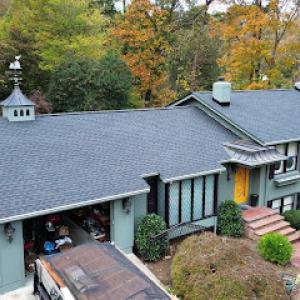
Skybird Roofing
(919) 343-5120 www.skybirdroofing.net
525 S White St, Wake Forest, North Carolina
5.0 from 201 reviews
Skybird Roofing
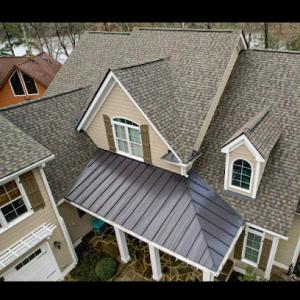
ABJ Roofing - Wake Forest Roofing
(919) 671-4418 abjroofinginc.com
12801 Camp Kanata Rd, Wake Forest, North Carolina
5.0 from 119 reviews
ABJ Roofing is a family owned roofing company with over 25 years of experience. We have been servicing in Raleigh, NC and the surrounding areas. We are specialists in roof replacements. We use high quality materials and advanced manufacturing methods that excels the standard of excellence. ABJ Roofing is certified by CertainTeed as a ShingleMaster. As a ShingleMaster our job is to focus on superior worksmanship, and exceed customer satisfaction. To excel from our competition we use high performance integrity roof system, which allows our customer to get non-prorated coverage for material and labor. Using this system our customers gain an extra protection on their investment.
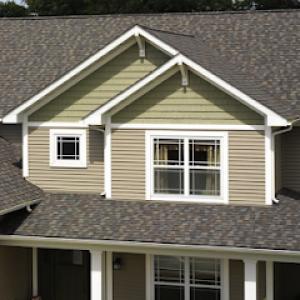
Lifetime Roofing & Exteriors
(919) 792-8572 www.lifetimeroofingandexteriors.com
120 Capcom Ave Suite 102E, Wake Forest, North Carolina
4.9 from 76 reviews
Lifetime Roofing And Exteriors located in Wake Forest, North Carolina, specializes in professional roofing solutions to last a lifetime. From architectural shingle roofs to seamless aluminum gutters and guards, their experienced team of professionals is dedicated to delivering unparalleled quality and craftsmanship. With a commitment to using only the finest materials and adhering to the highest standards of workmanship, every installation is backed by a rock-solid Craftsmanship Warranty that reflects their dedication to integrity and customer satisfaction.
Precise Roofing & Exteriors
(919) 631-1187 www.preciseroofingnc.com
Serving
4.9 from 98 reviews
Roofing contractor serving the Triangle and surrounding areas!
Roofstruction
(919) 268-8928 roofstruction.com
Serving
4.9 from 251 reviews
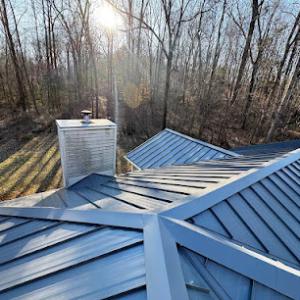
Roofstruction specializes in roof replacements, shingle roofing, Metal Roofing, Cedar Shake, Roof repairs, Gutters, & Gutter Guards. We manufacturer metal roofs and gutters onsite. We are highly-qualified and trained according to the latest Atlas, CertainTeed, Owens Corning, and GAF standards, ensuring quality roofing systems no matter your needs. We offer fair & affordable pricing for roofing replacements & repair services, along with multiple financing options, subject to approved credit. And since Roofstruction is available to you 24/7, you can rest assured that your home or business in the Wake County & Surrounding areas, Wake Forest, Raleigh, Youngsville, Cary, Rolesville, and Apex NC areas is in good hands.
Gutter Done
(919) 395-9470 quotebestguttersnc.com
Serving
5.0 from 147 reviews
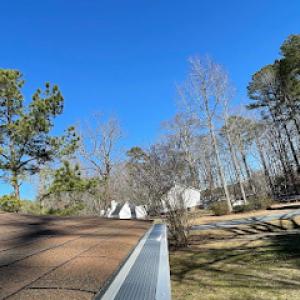
Whether you’re looking to install new gutters, repair your old gutters, or simply need the best gutter cleaning and protection services, we’re your one-stop gutter shop in Raleigh, North Carolina. Established in 2005, we have a long history of quality work and satisfied customers. Our lifetime of work in gutter service is fueled by a passion for the industry and by the simple joy of a job greatly done. We love what we do, and we know you will love our work as well.
Simple Construction Roofing
(919) 576-9420 simpleroofingnc.com
Serving
5.0 from 138 reviews
We’re Simple Construction Roofing, a trusted Roofing contractor based in Raleigh, North Carolina, proudly serving the local community since 2020. We offer professional roof repair, roof replacement, roofing inspections, roofing maintenance, gutter services, and gutter guards, all delivered with care, attention, and the highest quality materials. We utilize superior shingles, durable gutter components, and innovative techniques to protect, enhance, and elevate the look of your property. Our experienced team handles every job with precision and personalized service, ensuring seamless, satisfying results from start to finish for your home improvement needs.
Wilson & Sons Roofing
(919) 787-3253 www.wilsonandsonsroofing.com
Serving
4.9 from 120 reviews
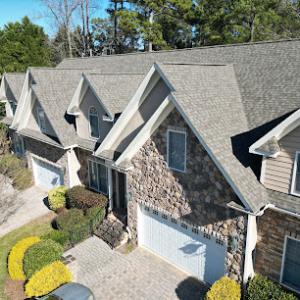
Wilson and Sons Roofing, established in 1996, is a local family-owned and operated roofing company based in Raleigh. We offer free roof inspections and installation of numerous roofing systems in the residential and commercial community. In addition, we offer full service gutter and gutter guards installation.
Roofwise
Serving
4.7 from 47 reviews
With our passion for delivering great roofing services at affordable prices, we want you to feel confident in turning to our team here at Roofwise to help you with your residential roofing needs in the Raleigh, North Carolina area. Because our team has nearly a decade of experience working with a variety of roofing materials and services, we are able to handle almost any roofing need you have. We specialize in replacement roofing. If you’d like to learn more or would like a free estimate on our services, please contact us today!

A&M Premier Roofing & Construction
Serving
5.0 from 800 reviews
A&M Premier Roofing & Construction is a GAF Certified, locally owned and operated roofing contractor serving Raleigh and surrounding areas. We specialize in residential and commercial roofing, storm damage roof repair, hail and wind damage, roof replacements, and insurance claim assistance. We are recognized by The News & Observer as a Raleigh’s Best roofing company (2023–2025). Our experienced team provides free inspections, honest recommendations, and workmanship-backed installations, with flexible scheduling including weekend appointments by request.
K&D Roofing
(919) 977-4074 kanddroofingnc.com
Serving
4.9 from 304 reviews
K&D Roofing is one of Raleigh’s most trusted roofing companies, known for quality workmanship and honest service. Our experienced team provides expert roof installation, roof repair, and roof replacement for homes and businesses across the Triangle. Every project is handled with care, precision, and a commitment to lasting protection. We use top-quality materials and proven techniques to ensure your roof stands strong through North Carolina’s changing weather. As a locally owned company, we take pride in helping our Raleigh neighbors protect what matters most—their homes, families, and peace of mind. At K&D Roofing, trust, craftsmanship, and customer satisfaction come standard with every job.
New Testament Roofing
(919) 500-5760 www.newtrfg.com
Serving
5.0 from 90 reviews
At New Testament Roofing, we are committed to providing Raleigh homeowners with exceptional roofing services, including roof installation, repair, and replacement. Our team of skilled professionals utilizes the latest roofing technology to ensure your home is well-protected against the elements. In addition to roofing, we offer gutter and skylight installations, chimney flashing, metal roof installation, and comprehensive roof inspections. We also specialize in addressing storm-related roof damage and assisting with insurance claims. With a focus on quality craftsmanship and customer satisfaction, New Testament Roofing is dedicated to securing your home's future. Contact us today to experience peace of mind with our roofing solutions!
In this market, asphalt shingles dominate, but the real hurdle is the sultry, humid summers paired with frequent spring rain. That combo makes attic ventilation and proper sealing essential. If the attic breathes poorly, heat and moisture build up, speeding shingle deterioration and activating algae staining on the roof surface. Start with a balanced ventilation plan: aim for both intake vents near the eaves and exhaust at the ridge, and consider a powered vent or attic fan if the attic temperature routinely soars. Pair this with an ice-and-water barrier along eaves and at any roof-to-wall transitions to prevent capillary leaks during heavy tropical rain events. Choose asphalt shingles with algae resistance and a sealed, 3- or 4-inch drip edge to keep moisture from wicking under flashing. This combination helps keep the roof's deck dryer longer, which matters when the Triangle region plugs in a storm duty cycle every summer.
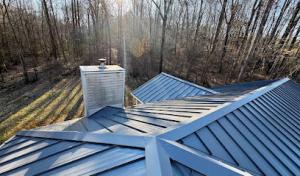
Metal is a practical upgrade for homes in this area that endure repeated storm seasons and heavy downpours. Metal sheds water quickly, reducing standing moisture and related deck rot in the wake of tropical rains. It also tends to hold color longer and resists algae staining on the surface, which can be a common issue with flat, damp normals under unvented decks. When considering metal, focus on a ribbed profile that channels wind-driven rain off the panels and a sealed panel-to-panel assembly to minimize leaks at fasteners. Plan for a roof-to-wall flashing detail that's robust enough to resist the Triangle's wind gusts, and ensure the fasteners and sealants are rated for high humidity. For homeowners thinking long term, metal means fewer mid-season repairs after hail or heavy rain, which are common in this area. If the structure is already oriented to support a lighter or heavier roof, metal can be a straightforward upgrade that reduces the risk of storm-related leaks, while still aligning with a home's curb appeal.
Tile and slate systems exist in the market, but they are less common in this neighborhood and usually tied to higher-end homes where roof structure and flashing detail can be more complex. A clay or concrete tile roof can shed heavy rain effectively, but it demands careful underlayment and matching flashing at penetrations to avoid leaks during the region's wet seasons. Slate delivers durability but requires a solid substructure and precise installation; a misstep here can complicate replacements if a tile breaks and needs to be paged for a roof with existing storm damage. Wood shingles or shakes bring a natural aesthetic, but they are more prone to rot in humid climates without meticulous ventilation and maintenance of decay-resistant coatings. For any of these options, the common thread is that installation details, flashing around chimneys, skylights, and vents, plus proper sealing, become more critical in Wake Forest due to humidity and frequent rain. If a homeowner leans toward tile or slate, the project should emphasize reinforced underlayment, integrated gutter and downspout planning, and a flashing plan that accounts for potential thermal expansion.
Storm response should be a practical, repeatable routine. After a heavy rain or hail event, inspect attic access points first for signs of moisture intrusion, then check the roof surface for displaced or damaged shingles, lifted flashing, or broken tiles. Document issues for insurance conversations, and keep a photo log that captures the before and after conditions. For any roof choice, ensure the edge details, ridge line, and penetrations are sealed to resist wind-driven rain. In a climate with humid summers and tropical rain, ongoing maintenance-cleaning gutters, clearing algae growth, and re-sealing around flashing-helps the roof perform through multiple storm seasons without escalating costs or damage.
In this area, asphalt shingles are the most common choice, and you'll typically see about 350 to 700 USD per square installed for a standard asphalt job. Metal roofs run higher, roughly 600 to 1200 USD per square, with the lighter-weight panels and modern finishes pushing the upper end. If clay tile is on the board, expect 900 to 1800 USD per square, and concrete tile generally lands between 800 and 1500 USD per square. For wood shingles or shakes, the range is 450 to 900 USD per square, while slate sits higher still at 1200 to 2500 USD per square. These figures reflect Wake Forest's suburban housing stock and the common slopes you'll see in newer builds as well as established neighborhoods.
Wake Forest experiences humid summers, spring hail and wind, and fall tropical rain, so storm events aren't unusual. When a regional storm hits, demand climbs across Wake County and adjacent Raleigh suburbs at the same time. That surge tightens labor availability and can extend lead times for materials and scheduling. If you're facing a nav-to-nail replacement after a surge, expect both longer waits for crews and higher likelihood of price bumps on the same materials you'd otherwise choose. Having a plan for temporary weatherproofing and a concrete replacement window can help stabilize the project timeline amid a busy period.
The local climate-hot, humid summers with heavy rainfall and occasional hail-favors durable, wind-resistant options. Asphalt shingles remain the most cost-conscious baseline, but if high wind or hail risk is a concern, metal can offer better long-term performance, sometimes with lower maintenance needs, especially on steeper pitches. Tile options (clay or concrete) bring a distinct look and energy considerations, but they come with higher upfront costs and heavier decking needs. Wood shingles/shakes and slate are less common on the average Wake Forest street due to weight and cost, but they're still viable in certain architectural styles or historic districts.
Beyond the chosen material, the scope can rise quickly if decking needs reinforcement, ventilation adjustments, or wind-resistance upgrades are required. A full replacement that includes upgrading attic ventilation, adding proper underlayment, or reinforcing rafter or sheathing connections can increase the overall price, even if the material itself is within the lower end of its range. If the shingles you select have specialized underlayment or class 4 impact resistance for hail, plan for higher per-square pricing. Financing or phased replacements can also affect overall out-of-pocket, especially after a storm-driven spike in demand.
Get a clear picture of your project costs upfront - no commitment required.
Carolina Dumpster Rentals & Roofing
(919) 621-2602 carolina-dumpsters.com
Serving
5.0 from 84 reviews
A full roof replacement in this area typically requires a building permit through the Town of Wake Forest Development Services, rather than being treated as a no-paperwork job. That means you'll need to submit the project scope, obtain plan approvals if required, and pay the permit fee before work begins. The permitting process helps ensure materials, installation methods, and ventilation meet local codes and weather patterns common to the area, including the humid summers and storm-driven wind events that can stress a roof. If you're dealing with storm damage or a rapid replacement, start the permit path early to avoid delays once crews are mobilized and weather windows tighten.
Local inspections generally include rough-in and final inspections as standard practice. Rough-in verifies that the roof structure, decking, and underlayment are in place and correctly secured before the finished layers are applied. The final inspection confirms the completed system meets code and passes the jurisdiction's review. When structural work is part of the project-such as replacing decking, upgrading framing, or adjusting the rafters-additional inspection steps may be added to verify that the structural components align with engineering requirements and wind-resistance expectations. Planning for these extra checks helps prevent hold-ups at the end of the job and reduces the risk of needing follow-up corrections.
The local review may look closely at ventilation and wind-resistance compliance. That means changes to the project scope involving decking or framing can affect approval timing. If your replacement involves upgrading vents, soffits, or attic baffles to improve airflow, or if wind-rated sheathing or engineered trusses are being installed, be prepared for additional documentation or calculations to accompany the permit. Have your contractor relay any proposed ventilation improvements and wind-resistance upgrades early in the permit review so the plans examiner isn't surprised by the changes after work has started.
Coordinate with a licensed contractor who is familiar with Wake Forest requirements and the Development Services staff expectations. Before work begins, confirm exactly which drawings, calculations, or engineered details are needed for the permit package, and keep a copy of every submitted item. During construction, schedule inspections promptly and ensure access for the inspector so the rough-in can be evaluated before coverage hides any defects. If weather or insurance matters press urgency, communicate any proposed scope adjustments-especially those involving decking or framing-to the permit office early to avoid timing conflicts with the approval sequence.
In this area, hail, wind, and tropical systems generate regular roof claim activity and insurer scrutiny. A storm can leave visible and hidden damage that isn't obvious at first inspection, and insurers will look for a pattern of risk that affects coverage decisions. You should expect thorough questions and a careful review of your roof's recent history. The goal is to establish a clear, truthful picture of how the roof has performed under North Carolina weather over time.
Homeowners here should expect adjusters to ask for roof age, maintenance history, and records of prior repairs because underwriting and claim decisions often turn on condition and documentation. If you've kept scattered notes or scattered receipts, gather them into a single, chronological file. Photos dated before and after storms, contractor invoices, and any contractor notes about flashing, fascia, or sealant conditions can become crucial evidence. A well-documented narrative that links known issues to weather events helps prevent disputes about the extent of damage and the need for replacement versus repair.
Start by compiling a current roof condition snapshot: a brief description of materials, roof pitch, and visible wear, plus any known vulnerabilities like aging shingles or metal seams. Include maintenance items such as cleaning gutters, resealing flashing, or addressing moss and moisture traps. If you've had prior repairs, record who did them, when, and what was fixed. For Spring hail and wind events, keep a record of the exact dates, even approximate times, and any related leaks or attic moisture. In a market with frequent adjustments to coverage terms, having a clear history helps support a claim and can influence the insurer's assessment of future risk.
Material choice can affect premiums or coverage terms in this market, especially where insurers are evaluating wind mitigation and moisture-related risk. If your roofing decision involved materials with different wind performance or moisture resilience, have documentation ready on the rationale, installation methods, and any wind-rated features. Insurers may scrutinize how a chosen system has performed in previous storms, so your records should reflect both the material's expected behavior and its actual performance after weather events. Being proactive about this documentation can smooth the path when a claim arises.
Connect with contractors who help homeowners navigate the claims process from damage assessment to final approval.
Skybird Roofing
(919) 343-5120 www.skybirdroofing.net
525 S White St, Wake Forest, North Carolina
5.0 from 201 reviews
ABJ Roofing - Wake Forest Roofing
(919) 671-4418 abjroofinginc.com
12801 Camp Kanata Rd, Wake Forest, North Carolina
5.0 from 119 reviews
Lifetime Roofing & Exteriors
(919) 792-8572 www.lifetimeroofingandexteriors.com
120 Capcom Ave Suite 102E, Wake Forest, North Carolina
4.9 from 76 reviews
Wake Forest's humid subtropical pattern means summer heat and humidity can soften some asphalt adhesive behavior while also increasing the importance of drying potential in the roof assembly. In practical terms, that means you may see slower set times for shingles after installation or repair, and a higher tendency for sweat and condensation to form under warm attic spaces. Pay attention to attic venting and insulation: if there's inadequate airflow, heat builds up, adhesives can soften, and small leaks become bigger problems. If you notice lifted shingles on hot afternoons or curling at the rakes, consider a quick inspection of the nail line and adhesive seams before a rain event hits.
Frequent rainfall in the area can shorten roof life when flashing, valleys, and penetrations are marginal, especially on aging shingle roofs. In practice, inspect flashings around chimneys, vent pipes, and transitions after heavy storms. Look for loose caulk, gaps, or rusting metal that signals water entry points. Valleys should shed water cleanly without pooling; if you see algae staining or dark streaks along valley lines, that can indicate slow leaks. On older roofs, plan targeted resealing or flashing upgrades before the next storm season rather than waiting for a visible leak.
Winter cold snaps and freeze-thaw cycles are not constant here but are enough to expose underlayment and moisture-management weaknesses on older roofs. Concrete and clay tiles, in particular, can develop hairline cracks that admit moisture during unusual cold snaps. If you have a modest attic humidity issue, you'll notice more condensation on the underside of sheathing when heaters run, which can accelerate wood rot. Focus on a robust vapor barrier and ensure the underlayment remains dry and intact during the shoulder seasons.
Schedule a post-storm check after any significant spring or tropical rain event, and do mid-summer walkthroughs to verify that shingles remain firmly fastened and that flashing lines aren't signaling wear. If a leak is suspected, dry the area promptly, document with photos for future reference, and consult a roofer to confirm if a fast-tix repair or full replacement is needed.
In this area, rain-heavy springs and tropical storm remnants push water toward the most vulnerable joints long before it travels far across a shingle field. Complaints consistently center on flashing transitions rather than just worn field shingles. Pay attention to around skylights, chimneys, and where the roof meets softened exterior walls. If a roof has multiple penetrations in close proximity, the odds of a slow drip near one of those transitions rise quickly after a heavy downpour.
The local contractor market shows meaningful demand for skylight work, suggesting homeowners regularly need repair experience around glazed roof penetrations. Skylight flange seals, curb flashing, and curb-to-roof transitions endure more than a few seasonal temp swings. When glazing details age or are disturbed by wind-driven rain, you'll see water tracking along the flashing rather than seeping straight through a shingle line. That pattern means a failed seal often signals a more extensive flashing issue, not just surface wear.
Repeated storm exposure makes sealant-only fixes less reliable when flashing details are already compromised. Sealants can stretch, split, or fail under repeated cycles of heat, humidity, and rain. In practice, a quick caulk job may buy a season, but drainage and flashing integrity usually demand a more thorough repair to restore reliable rain resistance. If you notice repeated dampness near a transition after strong storms, treat it as a sign that flashing components should be evaluated and possibly renewed.
If you're chasing a leak around a transition, prioritize a closer look at the flashing conditions where roof meets wall, chimney, or skylight. Check for loose fasteners, uplifted step or counter-flashing, and any movement at the sealant joints. Large or repeated leaks near glazed penetrations often require professional assessment and targeted flashing repairs rather than cosmetic shingle fixes. In this climate, timely attention to flashing details can prevent more extensive damage and interior staining.
Find contractors experienced in skylight installation, flashing, and leak repairs to bring natural light into your home.
ABJ Roofing - Wake Forest Roofing
(919) 671-4418 abjroofinginc.com
12801 Camp Kanata Rd, Wake Forest, North Carolina
5.0 from 119 reviews

In this market, there is a mix of fast-response storm operators and established firms with a longer local track record. After a hail or tropical rain event, you'll see a surge of quick responders. Prioritize firms that can show ongoing local presence, sustained crews, and a documented history of managing insurance-backed projects without sacrificing dry, weather-tight results. A reputable contractor will explain how they plan to stabilize your roof, protect your home, and coordinate with your insurer.
Cleanup quality matters just as much as the initial repair. In dense suburban neighborhoods, driveway protection and debris control are not cosmetic details-they prevent additional damage and Keep your property clean. Look for contractors who include magnet sweeps to collect fasteners and offer daily site tidying during the project. Ask how they protect landscaping, downspouts, and vehicles, and verify they commit to a daily cleanup routine and transparent communication.
Manufacturer certification signals a partner that knows the product specifics and installation requirements. Written warranties offer real remedies if a latent defect or installation issue emerges after the storm. Given the likelihood of insurance involvement, you want a contractor who can provide durable material compatibility guidance and a clear warranty path. Confirm who is responsible for warranty claims and how service after installation is handled.
Ask for a minimum of three Wake Forest-area references with projects completed within the last few years. Contact former clients about response times, problem resolution, and any post-installation surprises. Visit a completed roof if possible, and inspect workmanship around penetrations, flashing, and transitions. A firm that can connect you with local homeowners who endured similar storm events will help you gauge reliability under our seasonal conditions.
Request business licensing details, proof of insurance with appropriate coverage, and a written plan for storm-season contingencies. Confirm their long-term maintenance approach and whether they offer a dedicated point of contact. A well-vetted choice will align scheduling and documentation with insurer expectations while keeping your home protected throughout the process.