Ultimate Guide to Frequent Repairs Needed
Last updated: Feb 28, 2026
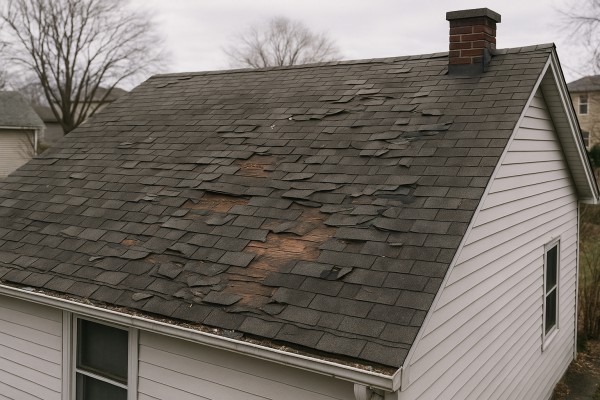
Introduction: Frequent Repairs Are Needed
Homeowners often notice that roofs demand attention more than other parts of the house. Weather swings, aging materials, and installation quirks all contribute to a steady pace of maintenance. This page helps you understand which repairs show up most often, why they happen, and how to approach them with practical, down-to-earth steps.
Is this urgent or common?
- Urgent signs that require immediate attention: active leaks or dripping inside the home, visible daylight through the attic, sagging roof decking, or shingles lifting in high winds. If you see any of these, treat them as a priority.
- Common, non-urgent repairs you'll encounter: replacing a few damaged shingles after a storm, resealing flashing around chimneys or vents, addressing ice dam damage, cleaning and reattaching gutters, or replacing cracked vent boots. These tend to recur as roofs age and endure weather.
High-level next steps
1) Do a quick, safe inspection from the ground or a sturdy ladder. Note signs of damage and snap a few photos for reference.
2) Prioritize safety and leaks. If water is actively entering the home or any structural concerns exist, focus on preventing further intrusion first.
3) Gather options. Talk to a few licensed roofers for written assessments and estimates, or use a reliable homeowner guide like this to understand typical repair scopes.
4) Compare proposals. Look for clear scope of work, material quality, warranties, and realistic timelines.
5) Plan maintenance. Set a practical schedule for seasonal checks and budget for upcoming repairs to reduce surprise costs.
What repairs show up most often
- Damaged or missing shingles: blistered, curled, or outright blown away by wind.
- Flashing failures: leaks around chimneys, vents, skylights, and where roof planes meet walls.
- Ice dam damage and water intrusion: clogged gutters, poor insulation, and improper ventilation can drive leaks.
- Gutters and eaves issues: clogs, sagging hangers, leaks at joints, and overflowing water.
- Roof penetrations and vent boots: cracked, cracked or displaced boot seams.
- Ridge caps and valleys: loose or damaged cap shingles requiring resealing or replacement.
- Localized soft spots or sagging: often a sign of underlying rot, water damage, or structural stress that warrants careful assessment.
Quick preventive maintenance
- Schedule seasonal inspections to catch small problems before they widen.
- Clean gutters and downspouts regularly to prevent standing water and ice build-up.
- Trim tree branches that rub or overhang the roof to reduce impact from wind and debris.
- Check attic ventilation and insulation; ensure warm, moist air isn't contributing to condensation on the underside of the roof.
- Seal and reseal flashing where you notice hairline gaps or paint peeling around penetrations.
When to act fast
1) If leaks persist after a rain, address the source promptly to limit interior damage.
2) If you notice a soft, spongy feel on the roof deck, stop further load on the area and assess for rot.
3) After a major storm, inspect for missing or damaged shingles and flashing around vents.
4) If you're unsure about safety or how to access roof components, prioritize expert guidance to avoid injury or incorrect repairs.
Are Frequent Repairs Needed an Emergency?
Quick assessment: Is it an emergency right now?
- Active leaks or visible water entering the home: treat as an emergency and act quickly to minimize damage.
- Sagging, buckling, or a newly exposed roof area or decking: signs of structural risk that require immediate attention.
- Exposed electrical wiring, outlets, or signs of electrical hazards in the attic or near the roof: dangerous— prioritize safety and contact professionals right away.
- Large storm damage with many missing shingles or debris falling from the roof: urgent situation that can worsen with weather.
- Any strong odor of gas near the roof line or home: evacuate if directed by authorities and call the gas emergency line immediately.
- There is active water intrusion into living spaces (drips, staining, or pooled water).
- The roof shows visible sagging, bending, or there is a collapse risk in the attic or ceiling.
- Electrical hazards are present (exposed wiring or sparking) or there are fire-related signs near the roof.
- A substantial portion of shingles is missing or the plywood decking is exposed to the elements.
- Damage occurred during a storm with high winds, hail, or rapid weather changes and you can't verify a temporary fix will hold.
Monitor if
- Water intrusion is limited to one small area and only appears during heavy rain or wind gusts.
- There are damaged shingles or granules in gutters but no active leaks indoors at the moment.
- The roof handled a recent storm and you don't see new leaks after a few dry days.
- The weather is calm and the area isn't actively getting hit by another storm soon.
Can wait if
- The damage is cosmetic: a few loose or curling shingles without leaks or signs of water entry.
- The roof is older but shows no new leaks, sagging, or decking exposure, and you have a dry forecast ahead.
- You can schedule repairs in a dry window without risking further water intrusion or structural issues.
- Step 1: Keep people and pets away from the damaged area; avoid stepping on or under a visibly compromised roof section.
- Step 2: If it's safe, place a sturdy tarp or heavy-duty plastic over the damaged spot to slow water ingress and protect interiors.
- Step 3: Move valuables away from leaks and water paths; protect electrical devices and outlets if feasible.
- Step 4: If you suspect electrical hazards or a gas issue, exit the building and call the appropriate emergency numbers before re-entering or attempting a temporary fix.
What to tell the roofer when you call
- Exact location of the leak and rooms affected; include ceilings or walls with staining.
- When the damage began and under what conditions (storm event, high winds, hail).
- Photos or videos showing the damaged area, missing shingles, or exposed decking.
- Access details: attic entry, driveway space, pets, and any security considerations.
Common Causes of Frequently Needed Repairs
Your roof endures the fiercest tests from nature. Wind, hail, heavy rain, and the freeze-thaw cycle all wear materials down over time.
- Shingles curling, lifting, or tearing in high winds.
- Hail bruising or granule loss that speeds aging and leaks.
- Water intrusion during heavy rain when flashing or seams are stressed.
- Ice dams forming in colder climates, backing water up under shingles.
Symptoms to watch: uneven patches, sudden leaks after storms, black streaks from moisture intrusion.
Aging Materials and Design Lifespan
All roofs have a lifespan, and repairs become more frequent as materials near the end of their rated life.
- Asphalt shingles commonly last 15–30 years; aging ones crack, lose granules, or peel.
- Metal roofs can develop worn fasteners, rust, or coating degradation.
- Flat roofs rely on membranes that deteriorate, seam leaks, or punctures.
- Sealants and flashing degrade with sun exposure and temperature swings.
What this means in practice: expect more frequent minor fixes as the clock ticks, and plan for eventual replacement.
Installation Quality and Original Design
Poor installation or a mismatch between design and climate leads to recurring issues.
- Inadequate nailing patterns or insufficient fasteners can cause wind uplift.
- Flashing around chimneys, vents, or skylights may be loose or improperly sealed.
- Underlayment or vapor barriers chosen for the wrong climate can fail early.
- Roof slope and material choice that don't pair well with your climate increase wear and leaks.
Assessment tip: a well-installed roof usually shows fewer recurring leaks and fewer flashing problems in the first 5–10 years.
Ventilation, Insulation, and Moisture Control
Moisture hiding in the attic accelerates deck rot and shingle deterioration.
- Poor intake or exhaust ventilation creates condensation on the underside of the roof.
- Ice dams form when warm attic air melts snow at the ridge while eaves stay cold.
- Inadequate insulation lets attic heat reach the roof deck, accelerating wear.
What to do: verify balanced attic ventilation (intake near eaves, exhaust at the ridge) and seal air leaks around penetrations into the attic.
Flashing and Penetrations
Flashing is a small part of the roof with a big job—keeping water out where walls meet the roof.
- Loose, corroded, or improperly sealed flashing around chimneys, vents, and skylights.
- Sealants that have dried out or pulled back, creating gaps for water.
- Poor integration between flashing and roofing material.
Inspection tip: regularly check for lifted edges, dark stains, or wicking moisture at penetrations.
Gutters, Downspouts, and Drainage
Water management matters as much as the roof surface itself.
- Clogged or sagging gutters slow water off the roof, inviting leaks at fascia boards.
- Downspouts that dump close to the foundation direct water into the soil or basement.
- Seams and joints in gutters can leak during rainstorms.
Maintenance habit: keep gutters clean and sloped, and redirect downspouts away from the house.
Debris, Moss, and Biological Growth
Shade and moisture foster growth that traps moisture against shingles.
- Moss or algae holds moisture and lifts shingles, accelerating wear.
- Fallen leaves and branches clog vents and gutters, promoting rot.
- Growth in valleys or flashing corners hides leaks until they become bigger problems.
Prevention steps: keep roof clear, trim overhanging branches, and treat moss growth with appropriate products.
Maintenance Neglect and Early Warning Signs
Small issues left unaddressed compound into frequent repairs.
- Skipping annual inspections or minor fixes.
- Ignoring a small leak, granule loss, or a loose shingle.
- Delaying flashing repair after a weather event.
Practical approach: perform seasonal checks, address minor problems promptly, and schedule professional inspections before the next severe season.
How Roof Materials Affect the Frequency of Repairs
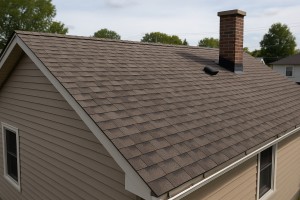
- Why frequent repairs show up: The most common roofing material, asphalt shingles are affordable and easy to install, but their surface wears down from sun, wind, and temperature swings. Granules shed over time, shingles curl or cup, and high winds can lift edges or blow shingles off. Flashing around chimneys, vents, and skylights also ages and leaks if not maintained.
- Common repair triggers:
- Granule loss exposing matting, which accelerates aging and increases micro-leaks.
- Curling or buckling at edges or on steep pitches, creating potential leaks.
- Wind damage causing lifted or missing shingles.
- Flashing and valley deterioration leading to concentrated leaks.
- Moss or algae growth retaining moisture and accelerating damage.
- Quick maintenance steps to reduce repairs:
1) Inspect twice a year and after hail/wind events.
2) Replace damaged shingles promptly to prevent deck exposure.
3) Keep valleys and flashing clean and sealed; reseal weathered areas as needed.
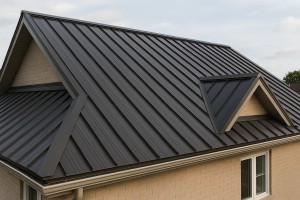
- Why frequent repairs show up: Metal is durable and fire resistant, but it relies on fasteners, seams, coatings, and proper attic ventilation. Improper fastening, coating wear, and panel movement from temperature shifts can create leaks or corrosion sites.
- Common repair triggers:
- Loose or failed fasteners and clips around edges, chimneys, and skylights.
- Leaks at seams where panels meet or at roof-to-wall intersections.
- Coating wear or corrosion on exposed steel, leading to rust and pinhole leaks.
- Punctures or dents from hail affecting integrity and sealants.
- Condensation or improper underlayment causing moisture buildup in attic.
- Quick maintenance steps to reduce repairs:
1) Have a pro inspect fasteners and sealants every few years.
2) Maintain coatings or repaint sections showing wear.
3) Clear debris in gutters and inspect edge details to prevent water ingress.
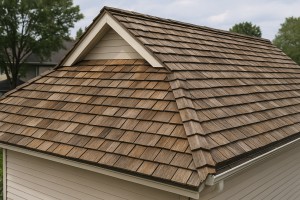
- Why frequent repairs show up: Natural wood is beautiful but absorbent and vulnerable to moisture, rot, insects, and UV. Rapid wear from sun, wet climates, and physical impact increases repair needs.
- Common repair triggers:
- Rot around eaves, valleys, or near penetrations due to moisture intrusion.
- Splits, cracks, and warping from sun exposure and freeze-thaw cycles.
- Insect damage and fungal decay compromising structural integrity.
- Moss growth that traps moisture against the wood surface.
- Quick maintenance steps to reduce repairs:
1) Keep shading and vegetation away from the roof line.
2) Apply regular resealing/maintenance coatings where appropriate.
3) Replace severely damaged sections and inspect underlayment for moisture.
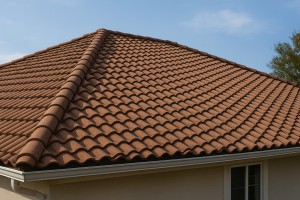
- Why frequent repairs show up: Tile roofs are durable when intact but brittle. Impact from hail, foot traffic during maintenance, or structural movement can crack or break tiles, allowing water intrusion and damage to underlayment.
- Common repair triggers:
- Cracked or broken tiles creating leaks and water intrusion points.
- Loose or slipped tiles at ridges and hips.
- Underlayment deterioration caused by cracked tiles or improper installation.
- Heavy weight stressing the decking and fasteners.
- Quick maintenance steps to reduce repairs:
1) Inspect after hail storms and replace damaged tiles promptly.
2) Use proper footwear and avoid stepping on tiles during inspections.
3) Check flashing and sealants around penetrations; reseal as needed.
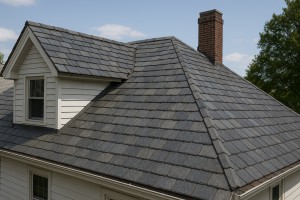
- Why frequent repairs show up: Slate is exceptionally durable but brittle. When damaged, a single cracked tile can lead to leaks, and repairs require skilled masonry work or slate replacement.
- Common repair triggers:
- Cracked or displaced slate from hail, foot traffic, or freeze-thaw cycles.
- Loose ridges and flashing wear at valleys and transitions.
- Deteriorated nails or fasteners that allow slate movement.
- Quick maintenance steps to reduce repairs:
1) Schedule periodic inspections by a slate specialist.
2) Replace cracked slates with identical thickness and profile.
3) Inspect and reseal valleys and step-flashing where slate meets other materials.
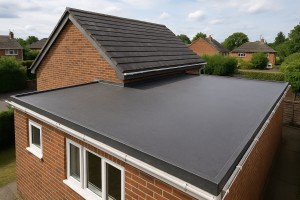
- Why frequent repairs show up: Flat or low-slope roofs rely on a continuous membrane and sealed seams. Punctures, seam separations, and flashing failures are common trouble spots, often aggravated by ponding water and UV exposure.
- Common repair triggers:
- Punctures from foot traffic, equipment, or fallen debris.
- Seam failures or lifting edges at flashings and penetrations.
- Deterioration of edge details and edge metal or termination bars.
- Ponding water increasing membrane stress and potential leaks.
- Quick maintenance steps to reduce repairs:
1) Keep surfaces clear of debris; address ponding with proper slope and drainage.
2) Inspect seams and penetrations twice a year and after major weather events.
3) Have a pro re-seal or patch exposed weak spots and replace damaged flashing.
Common Roofing Materials and Repair Drivers
- Asphalt shingles: granule loss, curling, wind damage, flashing leaks.
- Metal: loose fasteners, seam leaks, coating wear, corrosion.
- Wood shingles/shakes: rot, insects, splits, moss growth.
- Clay/concrete tile: cracking, broken tiles, underlayment wear.
- Slate: brittle, cracked tiles, flashing concerns.
- Flat membrane (EPDM/TPO/PVC): punctures, seam failures, ponding-related stress.
The Risks of Ignoring Repairs That Are Frequently Needed
Hidden damage that compounds
Even small issues can climb quickly. A loose shingle or worn flashing might not seem serious, but water finds paths under the roof deck and travels into the attic. Over time, that concealed moisture rots sheathing, weakens rafters, and invites mold.
Common risks to homeowners when repairs are ignored
- Water intrusion and wood rot that spreads from the roof deck into framing
- Mold and mildew growth impacting indoor air quality and causing health concerns
- Structural damage that can compromise ceiling integrity and load-bearing capacity
- Higher energy bills due to failed seals, attic gaps, and insulation moisture
- Electrical hazards from moisture near wiring, outlets, and fixtures
- Pest access and debris buildup that worsen decay
- Ice dam damage in cold climates leading to gutter and fascia deterioration
- Reduced roof lifespan and significantly higher replacement costs later
Financial and safety implications
Ignoring frequent repairs can escalate costs and create risky conditions. The longer a leak goes untreated, the more extensive the repair work becomes, often requiring professional assessment, replacement of larger roof sections, and possible interior remediation.
- Replacement costs rise as damage spreads beyond the initial area
- Insurance claims may be delayed or denied if maintenance history is poor
- Warranties for roof components can be voided if regular maintenance is not documented
- Personal safety risks increase with weakened rafters and hidden water damage
Signs that you should not delay a repair
- Active leaks or dripping sounds inside the attic
- Missing or curled shingles or flashing gaps
- Odors of mold or mustiness in upper spaces
- Sudden drafts or unusually high attic temperatures
Practical steps to prevent problems from spiraling
1. Inspect the roof after heavy storms and in the spring; document issues with notes and photos
2. Prioritize high-risk items (leaks, damaged flashing, missing shingles) for quick repairs
3. Schedule a licensed roofer or contractor to assess structural damage and flashing
4. Maintain attic ventilation and insulation to prevent moisture buildup
5. Keep records of all repairs, warranties, and inspections for future reference
How the Need for Frequent Repairs Is Diagnosed
What homeowners notice first
- Recurring leaks in the same area or multiple locations after storms
- Shingles that curl, buckle, blister, or shed granules quickly
- Flashing that's corroded, loose, or unable to seal properly
- Moisture stains in ceilings or attic condensation that returns after repairs
- Dark streaks, mold, or musty smells in the attic or upper walls
- Soft or sagging decking feel when walking on the roof or in the attic
The professional diagnostic process
1) Gather history and pattern
- Collect repair records, recent weather events, and seasonal timing.
- Note whether leaks occur after heavy rain, freeze–thaw cycles, or wind-driven debris.
2) Comprehensive roof and attic inspection
- Inspect shingles, underlayment, flashing, vents, and valleys.
- Check attic insulation, ventilation, ridge lines, and signs of moisture intrusion.
3) Non-destructive testing and data collection
- Use moisture meters to map damp areas at decking, sheathing, and insulation.
- Employ infrared thermography or thermal imaging to identify hidden moisture or temperature differences.
- Perform dye or dye-and-water tests to trace leak paths without unnecessary demolition.
4) Leak tracing and structural assessment
- Identify whether leaks follow a roof line, seam, or penetration.
- Assess decking integrity, joists, rafters, and attic framing for rot or weakening.
5) Evaluate repair history against roof age and design
- Compare current repairs to the roof's expected lifespan and past performance.
- Consider environmental exposure (sun, wind, hail, moisture) that drives repeated issues.
6) Synthesis and decision point
- Combine findings to determine if frequent repairs stem from a single root cause or multiple contributing factors.
- Decide whether ongoing repairs make sense or if replacement is a more economical long-term option.
- Moisture meters and bore probes for early rot detection
- Infrared camera or thermal imaging to spot hidden dampness
- Dye tests to confirm leak paths
- Visual inspection tools for shingles, flashing, and vent penetrations
- Attic assessment tools for ventilation balance and insulation level
Interpreting the data: when it signals underlying issues
- Repaired leaks appear in multiple seasons or locations, pointing to a systemic problem.
- Recurrent moisture after repairs suggests poor ventilation, insulation gaps, or high-slope drainage issues.
- Damaged decking or framing that continues to deteriorate indicates structural concerns beyond surface repairs.
- Consistently rapid granule loss or widespread shingle failure points to installation defects or inferior materials.
- Age-related wear combined with frequent repairs often signals that replacement is more cost-effective than continued patchwork.
Common underlying causes flagged during diagnosis
- Improper or aging ventilation and attic moisture management
- Inadequate flashing at valleys, chimneys, skylights, or roof-to-wall transitions
- Poor attic insulation leading to condensation and ice damming
- Structural sag or decking weakness from rot or prolonged water exposure
- New damage from weather events on an already stressed roof
- Incorrect installation or mis-sized components from the original build
Documentation and homeowner communication
- A formal report with a roof map, photos, and marked trouble spots
- Measured moisture readings and progression notes over time
- Clear cost estimates for recommended repairs, remediation steps, and potential replacement
- A prioritized plan showing quick fixes versus long-term strategies
Special considerations for older roofs
- Hidden damage is common; what looks fine on the surface may conceal rot or compromised decking.
- Frequency of repairs often accelerates as roofs age, making a replacement more practical.
- Insurance and warranty factors can influence how repairs are pursued and scoped.
Repair Options for Frequently Needed Repairs
Temporary fixes
- Tarp-and-bar: Cover the affected area with a heavy-duty tarp, extending at least 2–3 feet beyond the leak. Secure edges with roofing nails or heavy-duty staples and place 2x4s along the edges to prevent wind uplift.
- Quick sealant patches: Apply roofing cement or silicone sealant over small cracks or gaps from the outside. For small punctures, press a patch of metal or self-adhesive membrane over the spot, then seal the seams.
- Interior protection: Line up buckets, trays, or plastic sheeting under the leak to protect ceilings and belongings. Move furniture and valuables away from the area.
- Penetration protection: Seal around vent pipes or skylights with waterproof sealant as a temporary measure, then plan a proper fix soon.
- Safety first: Avoid walking on a wet or damaged roof. Use fall protection, keep weather in mind, and don't climb if conditions are slick.
Minor repairs
- Common targets: loose or damaged shingles, curled tabs, loose flashing around penetrations (vents, chimneys), and minor nail pops.
- Step-by-step:
1) Inspect the area and gather materials: matching shingles, galv. nails, roofing cement, a pry bar, utility knife, and flashing sealant.
2) Re-nail loose shingles: drive 4–6 galvanized nails per loose tab, spacing them evenly and flushing with the shingle surface; seal nail heads with a dab of roofing cement.
3) Replace missing/damaged shingles: carefully lift surrounding shingles, remove the damaged piece, and slide in a new one. Nail through the tab and seal the edges with roofing cement.
4) Flashing touch-ups: reseat flashing at vents or chimneys; clean any debris, seal joints, and replace damaged sections if needed.
5) Seal penetrations: apply a bead of sealant around pipes or vents to stop minor leaks.
6) Clean and recheck: remove debris, and test with a light drizzle to confirm the repair holds.
- Quick tips: match shingle color and profile, seal all nail heads, and don't over-tighten nails that could crack the shingle.
Partial replacement
- When to choose: localized damage in one section or a roof valley that can be isolated without replacing the entire roof; the rest of the roof is sound.
- Step-by-step:
1) Assess scope and materials: identify the damaged zone, measure area, and order matching shingles/tiles and underlayment.
2) Remove damaged section: carefully lift surrounding shingles, remove the damaged area down to the decking, and discard the waste.
3) Deck inspection: check sheathing for rot or mold; replace any compromised boards with treated plywood.
4) Underlayment installation: lay new underlayment to create a moisture barrier, overlapping seams per manufacturer specs.
5) Shingle replacement: install new shingles in courses that align with existing rows; nail per shingle pattern and seal edges.
6) Flashing and sealant: reseat or replace flashing at edges and penetrations; apply sealant where appropriate.
7) Final inspection: verify water shedding, ensure flashing is tight, and clean up debris.
Full roof replacement
- Indications: widespread wear, frequent leaks across multiple sections, or an aging roof approaching the end of its rated life.
- Step-by-step:
1) Evaluation and plan: assess roof condition, confirm decking integrity, choose new material (asphalt, tile, metal, etc.), and check permits and warranties.
2) Tear-off: remove all existing roofing layers down to the decking; dispose of materials properly.
3) Deck repair: replace any rotten or delaminated decking and ensure a solid, clean surface.
4) Underlayment: install a durable underlayment (felt or synthetic) with correct laps and ventilation considerations.
5) Roof installation: begin at the eaves, work in uniform courses, maintain proper overhang and alignment, and secure with approved fasteners.
6) Flashing and ventilation: install continuous flashing around perimeters, vents, and chimneys; verify attic ventilation is adequate.
7) Finishing touches: install ridge caps, trim, and any accessory components; seal seams as required by the material.
8) Cleanup and inspection: remove all debris, perform a final inspection for fascia, drip edges, and flashing tightness; confirm warranty terms are understood.
Typical Costs to Fix Frequent Repairs
Minor repairs
These fixes cover small issues that prevent bigger problems later. They're usually quick, relatively simple, and don't require removing large roof sections.
- Description: Minor shingle damage, loose nails, small sealing gaps around vents or flashing.
- Typical cost: about $150–$500, depending on material and accessibility.
Examples:
- Replacing a few missing/damaged shingles: $150–$350
- Sealing or resealing minor flashing around vents or penetrations: $200–$500
- Tightening or replacing a handful of loose nails and addressing light curling: $150–$400
Moderate repairs
Moderate repairs address more noticeable wear or localized failures that could lead to leaks if left unchecked. They often involve more labor and some component replacement.
- Description: Several shingles to replace, improved sealing, or localized flashing work; possible small deck inspections.
- Typical cost: about $500–$2,000, influenced by roof type and access.
Examples:
- Replacing a larger section of shingles and resealing: $500–$1,500
- Repairing or replacing flashing around chimneys, vents, or skylights: $600–$2,000
- Localized roof deck patch where plywood is soft but not widespread rot: $600–$2,000
Major repairs
Major repairs are needed when damage is widespread or compromises structural elements. These jobs require careful assessment, more material, and often longer timelines.
- Description: Significant leaks, multiple penetrations, damaged roof deck, or large-scale flashing systems needing overhaul.
- Typical cost: about $2,000–$8,000+, with higher-end jobs for complex roofs or extensive deck replacement.
Examples:
- Extensive leak repair across a wide area or several penetrations: $2,000–$5,000
- Replacing damaged roof deck and substantial flashing work: $3,000–$8,000
- Partial roof replacement in a large area or on a high-pitch roof: $5,000–$8,000+ (varies by material and access)
What factors affect cost
- Roof size
- Access
- Material type
- Extent of damage
- Local labor rates
1) Roof size
- Larger roofs require more material and labor, pushing costs higher across minor, moderate, and major repairs.
2) Access
- Steep pitches, attics, or difficult-to-reach areas add safety time and equipment, increasing labor costs.
3) Material type
- Asphalt shingles are typically the least expensive; metal, tile, or slate can add substantial material and installation costs.
4) Extent of damage
- Localized issues stay within minor to moderate ranges; widespread damage or deck replacement can shift a project into major repair territory.
5) Local labor rates
- Prices vary by region and contractor demand; urban areas or high-demand markets often see higher labor costs.
Quick planning steps (illustrative)
1) Document suspected issues with photos and notes.
2) Get at least 2–3 bids from licensed local roofers.
3) Ask about warranties on labor and materials.
4) Confirm whether decking work is included and if permits are needed.
5) Schedule repairs in favorable weather to minimize delays.
How Long Can You Wait? What Frequent Repairs Mean for Your Timeline
Urgent attention (0–7 days)
A roof issue flagged as urgent usually won't fix itself. The smallest leak or flashing gap can quickly widen with a couple of storms or a heavy wind event.
- What happens if you wait: leaks penetrate attic insulation, drywall, and ceilings; mold and mildew can start within 24–72 hours in humid spaces; interior damage compounds quickly.
- Typical scenarios: moisture intrusion after a heavy rain, missing shingle edges, blown-off ridge cap.
- Immediate actions: cover the area with a tarp, place buckets under drips, and call a roofer for a fast temporary fix if weather blocks a full repair.
Short-term waiting (1–2 weeks)
If you're delaying beyond the first puffs of water intrusion, the roof is drawing on more of its protective layers.
- What happens if you wait: flashing and sealant wear accelerates; minor leaks widen and may affect adjacent joists; attic temperature swings become more pronounced, pulling on insulation.
- Potential costs: temporary repairs may become more involved; additional fretting around gutters, underlayment, and soffits can increase labor time.
- Practical impacts: ongoing energy loss, higher utility bills, and a greater chance of interior staining or ceiling sag in severe cases.
Moderate waiting (2–4 weeks)
Two to four weeks of delay starts to push repair into a more involved job. The roof deck and framing become more exposed to moisture and sun.
- What happens if you wait: plywood or OSB decking can soften or warp; fasteners wear, causing shingles to loosen at edges; mold growth can become visible in the attic or upper walls.
- Cost and planning: you may be looking at a larger repair or partial replacement rather than a patch; scheduling with a contractor becomes tighter as seasons shift.
- Safety and warranty notes: certain leak patterns can affect roof warranties if the issue is left festering beyond a manufacturer's timeline, and insurance claims can get more complex with delayed response.
Longer waiting (1–3 months)
Waiting a month or more moves from repair to restoration. Moisture damage compounds, and hidden problems surface.
- What happens if you wait: dry-rot risk climbs in framing; insulation loses R-value; interior finishes (stains, warping, paint peeling) demand attention; pest activity can exploit compromised entry points.
- Structural risk: softened decking or compromised rafters can necessitate bigger structural work; you may end up replacing larger roof areas rather than just the problem spots.
- Budgeting: you'll likely see higher material costs, more labor hours, and a longer project window if weather tightens schedules.
Long-term waiting (3+ months)
Chronic neglect turns a repair into a major project or even a replacement, especially in storm-prone or humid climates.
- What happens if you wait: a complete roof failure becomes plausible during severe weather; you risk interior water damage, electrical hazards from leaks, and safety concerns for occupants.
- Cost surge: the gap between patching and full replacement widens; permits, inspections, and potential code upgrades can add to the bill.
- Risk profile: homeowners face recurring emergency calls, more intrusive cleanup, and higher anxiety about weather events.
Quick decision-guiding steps
1. Assess severity: is there active dripping, visible buckling, or suspected structural compromise?
2. Get a professional assessment: two or three roofers should identify leak source, material condition, and realistic timelines.
3. Create a repair plan: decide between temporary measures for weather windows and a full repair or replacement.
4. Schedule and budget: lock in a window that minimizes risk, and set aside contingency for weather delays or material price shifts.
- Photograph the issue from multiple angles and note dates of rainfall and visible changes.
- Protect valuables and keep an accessible route for contractors in and out of the home.
- Consider temporary tarping or a pro-approved cover to limit further water intrusion.
- Prioritize safety: avoid climbing on a wet or unstable roof, and secure children and pets away from the work zone.
Timeline-in-focus considerations
- Climate and season: winter ice damming or summer sun can accelerate damage; plan accordingly.
- Material type: asphalt shingles vs. metal or tile each respond differently to moisture and aging.
- Maintenance history: regular inspections can catch issues early, reducing the risk of escalating repairs.
How This Problem Varies by Location and Climate
How This Problem Varies by Region & Climate within the United States
The United States spans deserts, forests, coastlines, and mountains. That wide range means moisture, heat, wind, and severe weather stress roofs in different ways, which changes which repairs show up most often. A single issue—like a leak—might have different causes in different regions, from ice dams to sun-baked shingles to moss growth. The key is knowing what your climate tends to promote so you can catch problems early.
Northeast and Midwest: Freeze-Thaw and Ice Dams
- In cold winters, small gaps freeze and expand, lifting shingle edges, accelerating granule loss, and inviting leaks.
- Ice dams form when attic heat melts snow near the eaves, refreezing at the fascia and backing water onto the roof.
- Snow loads and repeated thaw cycles stress decking, underlayment, and fasteners; gutters can clog and back up water.
- Maintenance steps:
1) Increase attic insulation and seal ductwork to keep heat out of the attic.
2) Ensure soffit and ridge venting is working to promote air flow.
3) After heavy snows, inspect for lifted shingles, damaged flashing, and signs of ice damming.
Southeast and Gulf Coast: Humidity, Hurricanes, and Rot
- High humidity encourages moss, algae, and fungal growth on shaded slopes.
- Wind-driven rain from hurricanes and storms lifts shingles and damages flashing, creating water entry points.
- Coastal salt air speeds up corrosion of metal components, nails, and fasteners.
- Maintenance steps:
1) Remove moss and debris; keep gutters clear to move water away quickly.
2) Revisit flashing around chimneys, vents, and edges after major storms.
3) Verify attic ventilation and insulation to minimize condensation and moisture buildup.
Southwest and West: Sun, Heat, and Deterioration
- Intense sun and heat cause shingles to dry, become brittle, and lose granules faster.
- Large temperature swings can crack sealants and flashing.
- Dry climates reduce moss, but UV exposure accelerates aging of membranes and underlayments.
- Maintenance steps:
1) Look for curling or cupping shingles and replace damaged ones.
2) Check sealant around penetrations and flashing every year.
3) Consider reflective coatings or lighter shingles to lessen heat absorption.
Pacific Northwest: Rain, Moss, and Wood Decay
- Persistent rain breeds moss, mold, and wood rot on underlayment and decking.
- Frequent moisture challenges flashings and gutters; failures let water reach structural members.
- Cedar shakes and plywood decks swell with moisture, inviting leaks if not vented properly.
- Maintenance steps:
1) Trim overhanging branches to reduce debris and shade that helps moss.
2) Clean gutters regularly; consider moss-control strategies like zinc strips.
3) Schedule inspections after heavy rains or wind events to catch hidden rot early.
How Regional Codes, Materials, and Maintenance Schedules Shape Repairs
- Regions adopt different codes for underlayment, ventilation, and fasteners, shaping repair choices.
- Material mix varies by climate: asphalt, metal, clay, concrete, or cedar each behaves differently under local conditions.
- Maintenance cadence should match climate:
- Cold regions: prioritize pre-winter checks and remediation.
- Coastal zones: focus on sealing, flashing, and corrosion protection after storms.
- Dry, hot regions: monitor UV aging and sealant integrity; schedule mid-summer checks.
