
Last updated: Apr 19, 2026
Spring hail and heavy rains sweep through this Midlands corridor, and late-summer tropical storm remnants can bring sudden wind-driven leaks that damage more than the surface of your shingles. Shingles that show even small granule loss, curling edges, or minor cracking can deteriorate quickly under Carolina heat and humidity. In a neighborhood with mixed asphalt, metal, and tile roofs, that small defect often becomes a pathway for water just minutes after a storm eases. Don't wait for a "drip" to turn into a ceiling sag-inspect as soon as a window of dry weather opens, and approach any sign of moisture with urgency. While the coastal salt exposure isn't the primary concern here, inland moisture and wind-driven debris can conveyor-belt damage from the ridge to the eave in a matter of hours.
South Carolina insurers frequently want the roof's age, prior repairs, photos, and prior claim history. In Elgin's weather-driven claims environment, immediate post-storm documentation matters more than ever. Start with a clean, comprehensive photo log: wide shots of the whole roof from ground level, close-ups of shingles with curled edges or missing granules, and any observed leaks inside the attic or ceiling. Time-stamped images are worth their weight in proof, especially if a summer storm shifts an isolated issue into a larger problem. If climbing safely to inspect, capture a clear panorama of the entire roof and the surrounding trees for wind debris tracking. Keep a running directory of quick notes: date, time, weather conditions, and what was observed. If gutters or downspouts show unusual corrosion or bend, photograph those as well; debris-rich storms can push grit and grit-driven wear onto vulnerable sections. Have records ready for your insurer and your adjuster: roof age, known repairs, and the storm window during which the damage occurred. A simple, consistent file system-date-first, location-tagged photos-helps prevent mismatched claims later.
In this climate, delays and disruptions are part of the seasonal pattern: spring storm delays, summer heat and humidity, hurricane-season disruptions, and windy autumn fronts. When a storm hits, you are managing a fast-moving window of opportunity. Contact your insurer promptly to initiate a claim, but do not rush to sign off on repairs before a trained adjuster evaluates the damage. Coordinating with a local roofer who understands Elgin's common housing stock-whether asphalt, metal, or tile-helps ensure the scope of damage is accurately communicated in the claim. Provide the adjuster with your photo log, the roof's age, and a clear timeline of the storm's impact, including any interior signs of water intrusion. If a temporary fix is necessary to stop leaks, document it and retain receipts or notes of materials used. Insurance photos should align with the on-site assessment; mismatches can slow processing, especially when weather-driven claims pile up after a late-summer storm system.
Act without delay after a hail event or strong wind: safety first, then documentation. Do not wait for a heavy rain to revisit a suspected issue. Secure any exposed penetrations or flashing with a temporary, weather-resistant cover to minimize further water intrusion, and photograph the temporary measures. When scheduling a contractor, choose someone experienced with Elgin's typical roof mixes and local attic ventilation patterns, ensuring they flag any latent moisture behind shingles that could lead to hidden leaks. Keep communication lines open with the insurer; respond quickly to request for additional documentation and be precise about dates and observed conditions. Finally, establish a clear restoration plan that prioritizes leak control, structural integrity, and timely remediation so that minor storm damage does not escalate into major interior repairs. In this climate, the difference between a swift, straightforward claim and a drawn-out process often hinges on thorough, prompt documentation and disciplined timing.
Find local contractors experienced in assessing and restoring roofs after hail, wind, and severe weather events.

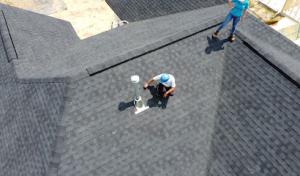
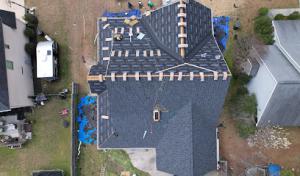
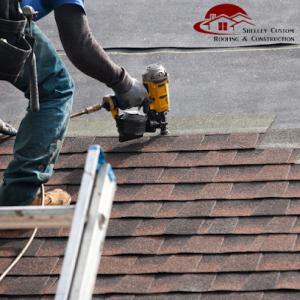
Shelley Custom Roofing & Construction
(803) 606-0080 www.shelleycustomconstruction.com
1218 Sayre Ln, Elgin, South Carolina
4.9 from 50 reviews
Looking for affordable roofing and exterior solutions in Elgin, SC? Look no further than Shelley Custom Roofing & Construction! With more than 15 years of trusted service, we provide top-tier roofing, siding, and window services tailored to your needs. From minor repairs to major installations, our coverage extends from Lexington to Orangeburg. We also excel in handling insurance claim roof repairs and replacements, guiding you seamlessly from claim initiation to final resolution. Experience the difference with our fast, reliable, and cost-effective services. Contact Shelley Custom Roofing & Construction today – where quality and customer satisfaction are our top priorities!
Sloan Roofing
1104 Ross St, Elgin, South Carolina
4.7 from 7 reviews
We have been in business since 1954 and I'm a third generation roofer with over forty years experience. We still hand hammer to insure your shingles stay put and not slide off from results of nail guns shooting the nail through the shingle.

Henderson Roofing & Repairs
330 Kelly Mill Rd, Elgin, South Carolina
3.5 from 4 reviews
Residential roofing and Churches. We do roof repairs like for example: Change out pipe boots, Reflash Chimneys, Reflash walls, install New shingle over Vent Ridge. I've been roofing for 38 1/2 years. Thank you
Cap City Roofing
(803) 661-3366 www.capcityroofingllc.com
Serving
4.8 from 38 reviews
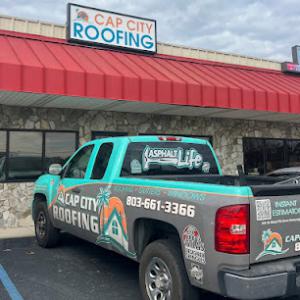
Cap City Roofing is a locally owned, owner-operated roofing company serving Columbia, SC and the surrounding Midlands. We specialize in asphalt shingle and metal roofing, as well as siding, window, and exterior repairs related to roofing projects. Our owners are directly involved in every job — no paid salespeople — and our experienced crews focus on safety, workmanship, and clear communication. We are licensed and insured, offer free estimates, and provide financing options. We exclusively install Atlas roofing systems with Scotchgard™ protection, known for durability and industry-leading warranties. From full roof replacements to repairs, Cap City Roofing is committed to doing the job right and standing behind our work.
International Construction Services
(803) 699-5106 intlconstserv.com
Serving
4.7 from 97 reviews
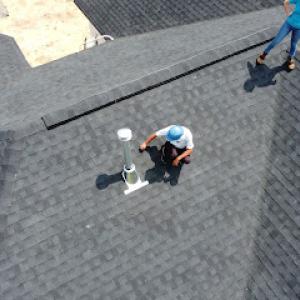
Established in 1995, Veteran-owned/Family-owned International Construction Services, Inc. is a trusted local construction company that proudly serves communities in South Carolina, North Carolina, and Georgia. From working primarily with building contractors, we perfected our residential roofing division in 2010, allowing us to provide complete roofing services. As the leading roofing contractor in the region, International Construction Services, Inc. has the skills and experience to care for not only your roofing needs but also metal and stone masonry and we are always eager to take on new projects. Contact us today to discuss your construction needs and see how we can bring your vision to life.
Southern National Roofing
(803) 882-3135 southernnationalroofing.com
Serving
4.3 from 159 reviews
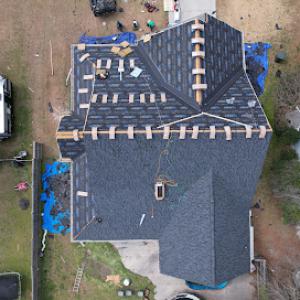
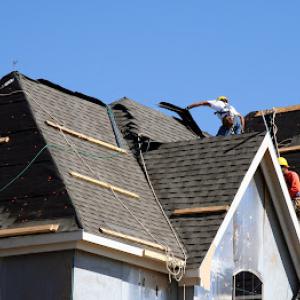
We are a contractor specializing in Energy Efficient Residential Roofing Replacement, with a focus on building products and installation methods geared to the unique climate and building challenges in the Southern United States.

Division 1 Roofing & Exteriors
(803) 805-5038 d1roofing.simplybook.me
Serving
4.8 from 36 reviews
Division 1 Roofing stands out as an industry leader, offering exceptional roofing, siding, window, and gutter replacement services. Our Division 1 dedication extends beyond our expertise, prioritizing human connections and professional integrity. We are committed to providing the highest quality materials and workmanship while making a lasting, positive impact on the neighborhoods we serve.
JCC Roofing
(803) 212-8768 jcc-roofing.com
Serving
4.6 from 85 reviews
First, keep in mind that your roof is your home's first line of defense against the elements. When a storm strikes, most homeowners don't know if they have damage or not. Hail, depending on its size can do considerable damage to shingles, gutters, siding and other components of the house. Wind will cause shingles to crease, blow up, or blow off completely. When you have this type of damage, leaks will follow quickly. We have also witnessed roof leaks that don't become evident until considerable damage is done, several months later. It is important to have a local contractor who specializes in storm damage to inspect your home and work with you and your insurance company to replace the roof and repair any exterior damage.
Overhead Construction
(803) 238-3021 www.overheadsc.com
Serving
5.0 from 5 reviews
Overhead Construction, LLC has quickly become a cornerstone of the construction industry in Columbia, SC. Our family-owned business stands out in the competitive field of residential construction through our deep-rooted commitment to quality and community. Unlike many in the industry, we bring a unique blend of experience from the building supply chain which equips us with the knowledge to handle every aspect of roofing, siding, gutters, and bathroom remodeling with unmatched expertise.

BNS Roofing
(803) 687-9285 bns-roofing.com
Serving
5.0 from 39 reviews
At BNS Roofing, we provide expert roofing services for homeowners across South Carolina. From repairs and replacements to maintenance and new roof construction, our skilled team specializes in shingles, metal, flat, and sloping roofs. We offer free inspections and estimates, along with assistance for roof insurance claims and appraisals. Whether you're facing storm damage, need emergency repairs, or are looking for long-lasting, energy-efficient roofing solutions, BNS Roofing is here to protect your home with quality you can trust.
Complete Roofing System SC
(803) 607-7663 completeroofingsc.com
Serving
4.9 from 18 reviews
Complete Roofing Systems is a Columbia based roofing company whose core values are based on providing a professional customer experience that goes above and beyond your expectations. Our commitment is to provide the best roof repair or roof replacement for our customers from the time we answer your first phone call until we wrap up your roofing job. We are Certainteed Specialists and can work with ANY & ALL insurance companies. While Complete Roofing Systems is a new name, our employees have over 50 years of experience and customer service.
Elgin's humid subtropical climate delivers long stretches of heat paired with moist air, a combination that accelerates wear on most residential roofing materials. Shingles in this area face repeated thermal cycling-very hot days followed by cooler nights-which can cause tighter granule loss, faster curling, and increased vulnerability to wind uplift. Moisture in the attic, if left unaddressed, can contribute to gypsum board issues, mold risk, and insulation degradation that subtly shortens roof life. Understanding this dynamic helps homeowners anticipate when an inspection should focus not just on surface granules, but on the attic's breathability and air sealing.
Because the town sits inland near Columbia, roofing decisions are driven more by heat, rain, hail, and wind than by marine corrosion seen on coastal shores. Hail damage tends to be irregular and cumulative: softer impact areas may show as granule brittleness, while hard hits can loosen shingles or expose underlayment. High wind events can peel back edges, especially on older roofs or mismatched fasteners. The absence of salt spray does not mean a maintenance-free roof; instead, the emphasis shifts to resisting uplift, providing robust attic ventilation, and ensuring flashing remains watertight after storms. Seasonal hail storms in spring amplify the need for post-storm inspections that verify sealant integrity around vents, chimneys, and transitions.
Attic ventilation performance is noticeable to homeowners because it directly affects comfort, energy bills, and shingle longevity. Poorly vented spaces trap heat, accelerating shading of roof decks and increasing the rate of potential adhesive failure in synthetic or organic shingles. In Elgin, a balanced approach-adequate soffit intake with properly placed exhaust vents-helps maintain deck temperatures and reduces the likelihood of premature aging. Roofs with insufficient ventilation often show faster granule loss, more pronounced heat-related curling, and higher indoor humidity during hot months. Regular checks for vent blockages, damaged baffles, or compromised soffit areas pay dividends in preserving roof life.
Local project timing commonly shifts to spring and fall because installers try to avoid peak summer heat and heavier rain periods that slow tear-off and affect material handling. Planning for these windows reduces the risk of heat-related product handling damage and minimizes the chance of scheduling conflicts after surprise storms. Roofers in Elgin often coordinate with homeowners to address ventilation upgrades, underlayment refresh, and flashing repairs during these milder seasons, which supports longer-lasting results without unnecessary heat stress on residents or crews.
Given the climate and inland exposure, proactive upkeep translates to targeted inspections after severe weather, addressing any hail impact signs promptly, and verifying attic ventilation performance during seasonal checks. A well-ventilated attic paired with a roof deck in good condition helps maintain shingle integrity longer and lowers the chance of accelerated aging due to heat and moisture, especially in the high-summer months. Keeping these elements in balance supports a more resilient roof that stands up to Elgin's unique blend of heat, rain, hail, and wind.
Asphalt shingles dominate the local market because they fit affordability priorities and are widely used for re-roofing after storm wear. They're familiar to area crews, respond well to mid-spring hail events, and install quickly over existing decking with minimal structural fuss. For homeowners facing routine attic heat in hot summers and heavy rain, asphalt offers a predictable performance with simple maintenance. When considering reroofing after a storm, durability and repairability matter, and asphalt shingles remain the most straightforward option to match your current roof profile without complicated framing changes. In Elgin's inland Midlands pattern, a well-sealed asphalt installation with proper underlayment reduces the risk of wind-driven leaks and helps maintain curb appeal after storm seasons.
Metal roofing has a meaningful local presence, reflecting homeowner interest in durability and wind performance in the Midlands storm pattern. A metal roof tends to shed rain quickly, resist wind uplift better than many traditional choices, and can reduce interior heat gain if installed with a standing-seam or interlocking panel system. For homes that endure frequent thunderstorm activity and gusty winds, metal can offer improved long-term resilience and a crisp, modern look. Proper fastening, corrosion-resistant finishes, and accurate panel alignment are essential in this climate, where moisture exposure and seasonal temperature swings test fasteners and seams. If choosing metal, plan for a profile that suits the home's pitch and attic space, and ensure the deck has solid sheathing or confirmed repair to support the roof structure.
Clay tile, concrete tile, wood shakes, and synthetic shingles appear in the market but require closer attention to structural support, moisture behavior, and installation quality in Elgin's humid climate. Tile and wood products place higher demands on the roof deck, and improper spacing or underlayment can lead to moisture intrusion during heavy rains. Wood shakes introduce additional moisture-management considerations and potential for warping if ventilation isn't adequate. Synthetic shingles can offer improved wind resistance and durability relative to traditional materials, but installation details-underlayment choice, fastener type, and sealing at penetrations-still drive long-term performance. In all cases, verify that the roof structure can carry the weight and that fastener choices account for seasonal humidity and wind exposure common to inland South Carolina. A local contractor with experience in storm-damaged reroofs will best assess the suitability of these materials for your home.
Explore specialists in steel, aluminum, and standing seam metal roofs built to last 50 years or more.
Asphalt shingles in this area typically run about 350 to 650 USD per square, while metal roofs span roughly 600 to 1800 USD per square. Clay tile clocks in at 1000 to 2600 USD per square, concrete tile at 800 to 1800, wood shingles or shakes 600 to 1500, and synthetic or composite shingles 600 to 1200. Those ranges reflect not just material costs but the type of roof you're replacing and the current market in central South Carolina. If your home has a complex layout, more penetrations, or unusual pitches, you'll see the higher end of these ranges more often.
After a hail event, heavy rain, or a tropical storm pass-through, you'll notice more crews chasing the same jobs. The Columbia-area labor pool tightens, and scheduling can slip when crews swing from one storm-damaged house to the next. In practical terms, expect longer wait times for onset of work after a big event, and be prepared for slight price bumps if materials are scarce or if crews need to subcontract specialized tasks like heavy wind-resistance upgrades or ventilation improvements.
Inland storms push homes toward higher wind-resistance standards, especially for shingle and metal systems. If a re-roof includes upgrades to meet wind-mitigation expectations, you'll likely see added costs for upgraded underlayment, edge fasteners, and possibly better roofing clips or tapes. Ventilation changes, such as upgraded soffit intake or attic baffles, can also creep into the bill if the existing setup isn't optimal for future wind-driven rain. Plan for a little more labor hours when the project needs to align with these performance goals.
Costs can shift with permit requirements for full re-roofs and any plan review tied to structural changes. While the city's climate drives the need for durable choices, the added time and documentation associated with wind-mitigation and ventilation expectations can nudge the total higher. Factor in contingency funding for potential change orders if the project scope evolves once the old roofing is removed and the deck and headers are visible.
Get a clear picture of your project costs upfront - no commitment required.

A full re-roof in Elgin typically requires a permit, with plans reviewed by the local building department before work begins. That review isn't a box to check and forget about; it can shape the roofing approach, especially if the existing structure has quirks or if the roof lines involve any slope changes or overhang adjustments. The process is designed to catch issues that would affect storm resilience, wind performance, and overall safety. If you skip or rush the permit step, you risk project delays, fines, or the need to redo work to meet code. A contractor familiar with Elgin-area permitting will know which documents the department expects, how to present wind-mitigation details, and what forms you'll need for insurance validation.
Inspections occur during and after installation, with the final inspection checking items such as underlayment, venting, and overall code compliance. The inspector will look for flashing integrity, proper nailing patterns, and attic ventilation that aligns with the climate realities here-hot, humid summers and heavy spring rain. If a plan review flagged certain wind-resistance or drainage considerations, those findings should be addressed during installation so the final pass isn't jeopardized. Expect a couple of touchpoints during work, especially if the crew makes mid-project changes to materials or roof structure. Missing an inspection window or skipping a required check can stall the project and complicate insurance documentation later, so align scheduling with your contractor to avoid delays.
Local quirks include wind-mitigation considerations and possible plan review when structural changes are involved, which is why homeowners benefit from a contractor familiar with Elgin-area permitting. Wind loads in inland Midlands settings can influence fastener choices, underlayment types, and ridge/valley configurations more than you might expect from coastal areas. If the roof plan involves altering load paths, adding dormers, or modifying skylights, the assessment may trigger additional scrutiny. A trusted local contractor will preempt these issues by coordinating with the building department early, preparing the right documentation, and aligning the project timetable with inspection windows. The goal is to secure a durable roof that stands up to hail and heavy rainfall while keeping insurance paperwork clean and straightforward.
South Carolina's insurance market faces weather-related rate pressure and recurring claims activity from wind and storms, which directly affects roof replacement decisions in Elgin. That means carriers scrutinize damage types, maintenance history, and how quickly after a storm a claim is filed. When a storm rolls through the Midlands, a quick assessment of whether hail, heavy rain, or gusts produced visible damage can influence whether a claim is approved, denied, or delayed. The consequence is that homeowners may feel pressure to move fast, sometimes before a full picture is known, which can lead to choices that aren't the best long-term fit for the roof you've got.
Adjusters commonly request photos, roof age, prior repairs, and claim history, so Elgin homeowners should keep records before storm season rather than trying to reconstruct them afterward. A well-kept file can reduce back-and-forth and keep timelines realistic. If a roof has had past fixes, note what was done, when, and with whom. When a new claim appears after a hail event or a heavy rain, the ability to present a coherent history helps the process move more smoothly and can influence outcomes that affect how the roof is evaluated and financed.
Because claims outcomes can hinge on timely documentation, homeowners in Elgin should photograph damage quickly after hail, wind, or heavy-rain events and keep all temporary repair records. Start a simple index: date, cause, photos from multiple angles, and a short note on what was prevented or temporarily mended. Store copies in the cloud or an off-site drive so they aren't lost if a storm disrupts power or access to the attic. A clear, accessible record can prevent disputes and streamline the path to a repair or replacement decision.
Spring and fall are the preferred roofing seasons in Elgin because they avoid the worst summer heat and some of the heavier rain that can slow installation. Plan to schedule tear-off and replacement when the forecast shows a stretch of dry days and moderate temperatures. If a summer project cannot be avoided, expect longer timelines and adjust to earlier starts in the day to beat mid-day heat on exposed decks.
Summer heat and humidity in the Midlands can affect crew scheduling and material performance, especially on exposed roof decks during tear-off and install days. On those hot afternoons, crews may pace the work to protect both shingles and underlayment, which can stretch a project by a day or two. Dry-stack or staged material deliveries reduce the risk of heat-related warping. Ensure access to shade and a plan for hydration so crews stay consistent without compromising quality.
Autumn cold fronts can bring sudden wind shifts in Elgin, so project timing and dry-in planning matter even outside peak storm season. Expect occasional delays when a stiff breeze pushes underlayment sheets or complicates tarp setups. A practical approach is to target a dry-in window with calm mornings and reliable afternoon forecasts, pairing it with a contingency for light wind days. Confirm roof access routes and secure loose debris early to minimize wind-driven complications.
Inland shingles, metal, and tile options perform best when a dry, cool-to-warm work phase allows proper decking inspection and underlayment sealing. With storm exposure and insurance documentation in mind, ensure a thorough attic vent check, confirm drip-edge continuity, and verify that fasteners meet local wind-resistance expectations. A well-timed install in the preferred window reduces risk from late-season showers and spring hail without sacrificing long-term performance.
In the inland Midlands heat of the Columbia corridor, you want a crew that can stop leaks fast, clear debris quickly, and document every step for insurance. The active Elgin market prioritizes quick response and cleanup, so look for a contractor who arrives promptly, protects interiors, and follows up with a written storm assessment the same week. A firsthand, on-site walk-through after hail or wind should map out where shingles or underlayment are compromised and outline the sequence for temporary fixes if needed.
Re-roofing is more common than niche specialties in this market, so your best bet is a contractor with solid replacement workflow. Ask for recent projects with similar roof types and climates, and request a clear timeline from tear-off to final inspection. Confirm the crew's process for roof removal, waste containment, and disposal, plus how they handle moisture intrusion during rain-prone periods. A proven storm documentation routine-photos, notes, and a written report-helps with insurance and keeps the project on track.
Family-owned and long-established firms are a visible part of the local landscape, often balancing personal accountability with practical pricing. When interviewing, prioritize firms that provide direct, accountable points of contact and have a stable crew roster. Look for references from neighbors who experienced post-storm work and ask about communication pace, workmanship quality, and any workarounds for difficult weather windows.
Start with two to three Elgin-area contractors who can perform a comprehensive storm inspection, provide a detailed replacement plan, and offer documented warranties. Verify crews have bonded protection and confirm that written project milestones align with expected weather windows. Finally, ensure the chosen roofer is prepared to compile and organize the damage diary and insurance-ready paperwork you will rely on after a major wind or hail event.