
Last updated: Apr 19, 2026
The Midlands climate in late summer brings quick, violent shifts: torrential rain driven by wind, thunderstorm bursts, and occasional tropical-system surges. Those conditions are a frequent driver of roof damage in this area, with lifted shingles, granule loss, and flashing gaps appearing after wind bursts. A typical West Columbia home with asphalt or metal isn't just dealing with a single hit; it's facing repeated exposure to sun and moisture that weakens seals and creates soft spots where leaks can start. That means a storm-driven path to a full roof replacement is not rare, but requires immediate, organized action to protect your home and your days.
In this insurance market, photo documentation is not optional. Gather clear photos of all damaged areas-shingles curled or torn, hail impacts, missing granules, and any interior signs of water intrusion near ceilings and walls. Readable timestamps help too. You'll want a written damage description that ties the observed issues to the storm event, including date stamps, wind directions if you noted them, and any prior maintenance that might be questioned later. Insurers commonly scrutinize roof age and maintenance history, and may adjust their evaluation accordingly. A concise, honest narrative that links each observed defect to the storm event will carry weight during claim review.
Storms in this region frequently expose weaknesses in older roofs or roofs with imperfect previous repairs. When you file, expect adjusters to look for lift along edges, exposed underlayment, and signs of moisture intrusion beyond visible damage. If your roof has multiple layers of shingles or if existing vent details show signs of leakage, document those conditions as part of the claim. Quick, thorough reporting helps prevent a slow-motion claim process where gaps between damage and response become points of contention. You're aiming to demonstrate a direct correlation between the weather event and the damage observed at the time of inspection.
First, limit further damage by making safe temporary steps-cover exposed shingles with a tarp if you can do so without risking personal injury, and divert water away from living spaces. Next, contact your insurer promptly to start the claims process and request an on-site adjuster visit. Keep a dated log of all communications, and confirm the scope of what the adjuster will review. If the roof is near the end of its life, the insurer may pre-emptively question replacement viability; document the age and any past repairs with receipts or service notes to support your case. Finally, avoid signing settlement releases before a full, independent assessment if you suspect underpayment or missing components. A careful, documented approach reduces the risk of a later dispute when the weather has cooled and the contractor schedules fill up.
Weather-driven damage can be deceptive: what appears minor at a glance may conceal structural weaknesses under the shingles. Engage a local roofer with storm-repair experience who understands how Midlands humidity and wind patterns interact with common West Columbia housing stock. Request a written inspection report that aligns with the insurer's expectations: a condition assessment, a documented list of damaged components, and a proposed repair or replacement plan. A trusted local contractor can also help you layer exterior repairs with attic insulation checks, venting considerations, and flashing reintegration to reduce future risk.
Do not delay documenting damage. Do not inflate or misrepresent dates or events in your claim. Do not assume a low initial payout means the issue isn't serious-insurers can adjust, re-inspect, or request additional information. And never ignore interior signs of moisture that appear after a storm; those details are part of the entire claim picture. By combining timely documentation, clear descriptions, and a focused plan with a reputable local roofer, you stand a stronger chance of a fair, timely resolution in a climate where wind-driven rain is a constant concern.

Vista Roofing
(803) 391-4604 vistaroofinginc.com
2237 Leaphart Rd Unit A, West Columbia, South Carolina
4.9 from 633 reviews
Vista Roofing, Inc. is a West Columbia, South Carolina based roofing and siding contractor serving residential and commercial clients. Established in 2018, Vista Roofing has been recognized as Lexington’s Best Roofing Company for two consecutive years. They specialize in comprehensive roofing solutions including replacements, repairs, and skylight installations. Vista Roofing also offers siding installation, window replacement, and seamless gutters. As a CertainTeed Select ShingleMaster company, Vista Roofing provides a lifetime manufacturer warranty and exceptional customer service.
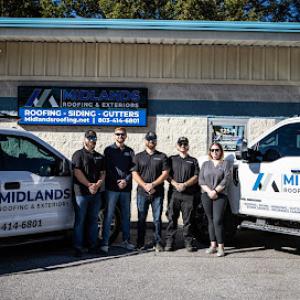
Midlands Roofing & Exteriors
(803) 414-6801 www.midlandsroofing.net
125 Queen Pkwy STE A, West Columbia, South Carolina
4.9 from 307 reviews
Hi neighbors! We’re Midlands Roofing & Exteriors, a locally owned company based right here in the Columbia area. Our team specializes in roof repairs and replacements, siding, gutters, and windows – but more importantly, we focus on taking care of people. We started this company with one goal: to change the way homeowners feel about contractors. No pushy sales. No shortcuts. Just honest inspections, quality work, and a commitment to treating every home like our own. Whether you’re dealing with storm damage, thinking about a roof replacement, needing new gutters, siding, or windows – or just want advice on maintaining your exterior – we’re here to help. Midlands Roofing - "Building Trust. Raising Roofs"
Hornsby Roofing
(803) 528-4117 weroofcolumbia.com
104 Double Branch Ct, West Columbia, South Carolina
5.0 from 137 reviews
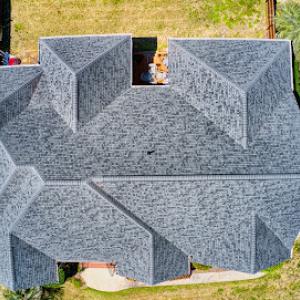
Hornsby Roofing is a general contractor that specializes in commercial and residential roofing. We work on metal, membrane, shingles, and wood shakes and pride ourselves on staying on top of best industry practices and honesty. We will show up on time or early for any consultation. Our company prides itself on being up to date on best practices to ensure your highest quality roof system. We are fully licensed, and insured. We cover the entire Midlands area. Our staff is courteous, experienced and professional. We work hard to earn your trust then your business. We have lots of experience guiding through the claims process if you have storm damage. Call today for your free consultation.
Capital Palmetto Builders
(803) 490-0714 capitalpalmettobuilders.com
3019 Augusta Rd, West Columbia, South Carolina
4.8 from 263 reviews
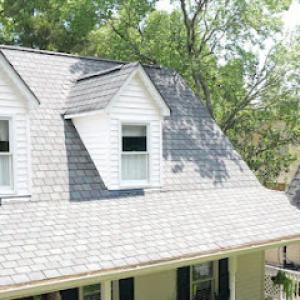
High-Quality Roofing Services and Experience At Capital Palmetto Builders, we are the best choice for roofing, siding, gutters, and windows in South Carolina and surrounding areas. With over 20 years of experience, our reputation and customer satisfaction are our greatest pride. We are certified and highly trained, ensuring safety and comfort. Our team is punctual, responsible, and professional, focused on customer service, which is essential to our success We are known for our honesty and transparency throughout the installation, maintenance, or repair process. We understand the importance of a roof in protecting your family and belongings. Our Services New Roof Installation Roof Repair Roof Upgrade and Replacement Roof
Best Choice Construction Roofing Contractors
West Columbia, South Carolina
4.4 from 21 reviews
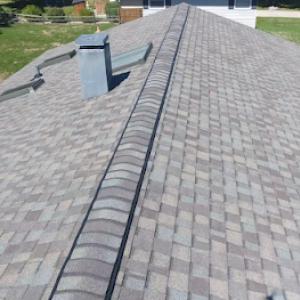
We are roofing contractors, serving the Lexington and surrounding areas We are proud of what we do, and we do it best Feel free of contact us , for a free estimate
Guardian Roofing & Construction
(803) 354-6211 guardianroofing.info
153 Lott Ct suite c, West Columbia, South Carolina
5.0 from 6 reviews
Guardian Roofing and Construction provides Columbia, SC, with top-tier roofing solutions. Specializing in both roof replacements and repairs, we're dedicated to protecting your home and ensuring lasting quality. Trust Guardian Roofing and Construction to deliver reliable service and expert craftsmanship for all your roofing needs.

Accurate Roofing Design Consulting services
(803) 210-8735 www.accurateroofingnow.com
303 N Parson St, West Columbia, South Carolina
4.7 from 6 reviews
Full service roofing, building,design and consulting company
Porterhouse Roofing & Construction
(803) 846-0961 www.facebook.com
608 Hook Ave, West Columbia, South Carolina
3.7 from 3 reviews
Roofing, and all round home improvement needs!

Aqua Seal Manufacturing & Roofing
(803) 936-0420 aquasealroofing.com
Serving
4.8 from 26 reviews
Aqua Seal Roofing is a national Top 100 Roofing Contractor serving the South Carolina market for 30 years. With the largest in-house commercial roofing workforce in the state- no job is too big or too small. From leak calls, complicated re-roofing projects, and critical new construction- Aqua Seal can handle it all.
Silver Lake Construction
(803) 348-5747 www.columbiascroofingcompany.com
Serving
5.0 from 16 reviews
Your Professional Roofing Contractor in Columbia, SC and the Surrounding Areas With more than 20 years of experience, Silver Lake Construction is a leading roofing contractor in Columbia, SC. We are a locally owned and operated construction company that is fully licensed and insured to handle all your roofing needs. We offer residential and commercial roofing services and our roofing contractors are qualified and highly experienced to give you the best roofing advice and solutions.
Mid State Roofing
(803) 356-1919 www.midstateroofing.com
Serving
4.4 from 52 reviews
Your Complete Roofing and Waterproofing Provider!
Cola City Roofing
(803) 734-3700 colacityroofing.com
Serving
5.0 from 57 reviews
Cola City Roofing is a trusted provider of roofing services in Columbia, South Carolina. Our fully licensed and insured team delivers expert roof repair services, roof cleaning services, and complete roof replacement. We maintain strict adherence to local regulations and industry standards on every project, emphasizing historical accuracy in our work approach and documentation. Your family’s needs remain our foremost priority as we strive to provide comprehensive roof replacement services and detailed assessments. Each home receives meticulous attention, ensuring the best possible outcome for long-term protection and value.
In this area's hot, humid summers, shingles sit under sustained heat load that can accelerate aging and shorten a roof's life. The daily sun can bake edges and lift granules faster on asphalt and synthetic shingles, while metal roofs handle heat differently but need proper coatings and attic ventilation to prevent heat bounce into living spaces. The humidity keeps everything damp longer, which means sealants, underlayment, and flashing are under stress more often. When planning a replacement, think not just about the color or style, but how the roof will perform under prolonged heat and moisture. Choose materials with good UV resistance and upgrade underlayment to a more robust, moisture-tolerant option if your existing deck shows signs of wear.
Frequent rainfall and high humidity in this climate magnify the risk of underlayment deterioration and flashing leaks. During reroofing, moisture can infiltrate joints or cause decking to swell if a roof deck is exposed for too long. If you notice condensation on the underside of sheathing or a musty smell inside the attic after a rain, investigate the underlayment and flashing first. Favor products with enhanced moisture resistance and ensure all penetrations-vent pipes, chimneys, skylights-receive meticulous sealing. Expect a careful inspection of ventilation; a balanced attic air flow helps keep the decking dry and reduces the chance of pinhole leaks that can mimic more serious problems after a storm.
This climate's wind and thunderstorm activity mean shingles can experience uplift and edge damage during severe events. After a storm, inspect for lifted tabs, granule loss, or damaged flashing around roof-to-wall intersections. If you find soggy or damp areas on the attic side after a heavy rain, that's often a sign the deck or underlayment took on moisture. Addressing deck concerns promptly helps prevent slow, moisture-driven deterioration that compounds every season. When you plan a reroof, include a deck inspection as part of the project scope, and consider replacing or sealing any compromised boards before reinstalling shingles. A well-sealed deck supports longer roof life and reduces the chance of moisture migrating into the interior through seams or nail penetrations.
Spring and fall are commonly favored for replacement in West Columbia because summer heat, thunderstorm delays, and winter rain or cold snaps complicate scheduling. If you are juggling weather windows, use the shoulder seasons to minimize delays caused by heat and storm fronts. Start with a thorough damage assessment after the harshest part of storm season, then map out a replacement window that avoids peak heat days and aligns with acceptable rainfall margins. A planned sequence-removal, decking check, underlayment inspection, flashing refresh, and shingle installation-helps cap exposure time and keeps moisture intrusion risks to a minimum. Remember that weather planning isn't just about comfort; it's a practical hedge against accelerated aging and costly fixes down the line. In West Columbia, a steady, dry spell between late spring and early fall often yields the smoothest reroof experience.
In this market, asphalt shingles and metal roofing are the most practical mainstream choices. They align well with the typical West Columbia home stock and climate, offering reliable performance under hot, moist summers and thunderstorm activity. Asphalt shingles are familiar to many local roofers and homeowners, making repairs and color-matching straightforward after a storm. Metal roofing, while a bit more of an upgrade, brings excellent wind resistance and fire safety with shorter installation timelines, which matters when storm season dumps heavy rain and hail. If you want a balance between cost, availability, and ease of repair, these two options stay the safe, prudent route for most houses along the Midlands corridor.
Material choice here must account for heat and humidity rather than cold-weather performance. West Columbia's summers push shingles and metal laminates to handle high ambient temperatures, frequent precipitation, and high humidity. Asphalt shingles cure-drying and granule loss can accelerate in strong sun, so look for products with good UV resistance and a robust warranty. Metal roofs should be evaluated for fastening patterns and sealants that stand up to tropical-storm exposure, because wind-driven rain and debris can challenge seams and flashing. If your roof sits under dense trees, consider a finish and color that reduce heat buildup while minimizing reflective glare, which can affect nearby living spaces and energy bills.
Heavier systems such as clay and concrete tile can raise structural and installation complexity compared with the asphalt-heavy reroof market common in this area. Before committing to a heavier option, verify that the existing deck and rafters can support the added load, especially on older homes or those with limited attic space. If a full replacement is on the table, a professional evaluation is essential to prevent future sagging or fastener issues. For most West Columbia homes, sticking to lighter options-like asphalt or metal-simplifies installation, long-term maintenance, and potential insurance documentation following storm damage.
Clay and concrete tiles, while less common, do appear on a subset of homes that aim for distinct curb appeal or specific architectural cues. They demand precise underlayment, careful slope considerations, and higher workmanship standards to ensure wind resilience. Wood shingles and shakes bring a warm aesthetic but may struggle in humid climates due to moisture absorption and potential mold concerns without regular maintenance. Synthetic or composite shingles offer a middle ground: often lighter than tile and designed to resist moisture and fading, they can be a favorable compromise for homes seeking durability with a more familiar shingle appearance. In all cases, the choice should reflect how the roof will perform under heat, moisture, and wind, rather than just how it looks.
In this market, pricing moves with storm-driven demand spikes after major thunderstorm, wind, or tropical-weather events. After a big Columbia-area storm, crews and materials can be scarce for a few days, and you'll often see quick price bumps beyond standard estimates. If a full replacement is needed, expect the bid range to widen temporarily, especially for popular options like asphalt shingles or metal roofing. Planning ahead and getting multiple, site-specific quotes helps lock in more predictable costs when the weather calms.
Typical replacement costs reflect the common options in this region. Asphalt shingles hover around 350-550 USD per square, while metal roofing runs 600-1100 USD per square. More durable choices such as clay tile or concrete tile sit higher, at about 900-1400 and 800-1200 USD per square, respectively. Wood shingles/shakes come in around 550-900 USD per square, and synthetic/composite shingles 400-700 USD per square. In this climate, the value of a longer-lasting product is often realized through reduced re-damage risk and fewer annual maintenance events.
Costs in West Columbia can rise when humid conditions expose damaged decking that must be replaced before the new roof passes inspection. Soft, warped, or moldy decking adds labor time and material costs, and may force additional debris removal or moisture barriers. A contractor will commonly scope decking in the initial phase and adjust the estimate if damage extends beyond the anticipated area. Budget extra for potential structural or plywood replacement if the substrate shows signs of rot after a weather event.
Scheduling around spring storms, summer heat, and hurricane-season rain delays can affect labor availability and project timing in this market. Local crews tour jobs in tight windows, and back-to-back rain days can stall progress, prompting contingency days and added temporary weather protection. If timing aligns with a slower period, you may secure better crew availability and fewer rush charges. On the flip side, a rapid post-storm repair window can bring expedited scheduling and higher short-term labor rates.
Get a clear picture of your project costs upfront - no commitment required.
Best Choice Construction Roofing Contractors
West Columbia, South Carolina
4.4 from 21 reviews
A full roof replacement in this area typically requires a permit through the City of West Columbia or the county building department serving the property. The process is not something to sail through on a whim-missing or rushed permits can trigger delays when inspectors arrive. Before work begins, verify which agency will issue the permit for your address and confirm the exact scope that needs to be listed on the permit application. Having the right paperwork in order helps prevent mid-project hold ups, especially when storms or weather windows push timelines tighter than expected.
Local inspections after installation commonly verify roof deck condition, underlayment, nailing patterns, flashing, and ventilation details. These elements are not ornamental; they determine long-term performance in the Midlands' heat and humidity, where moisture intrusion and wind-driven leaks are real risks. Expect the inspector to review the deck for prior damage, verify that the chosen underlayment type matches the roof system, and confirm that fasteners penetrate to the correct depth with appropriate spacing. Proper flashing at eaves, valleys, chimneys, and penetrations will be checked, along with attic ventilation to ensure the attic breathes properly in hot months. The emphasis is on preventing moisture buildup and ensuring durable installation against gusty summer storms.
Because inspection review includes deck integrity and installation details, tear-off discoveries can affect both timeline and final scope in reroof projects. If the deck shows rot, soft spots, or concealed damage once the old roof is removed, the scope may shift to repair or replacement of rotten sections before the new roof goes on. This can extend the overall project timeline and influence material orders or contractor scheduling. If a hidden issue surfaces, expect a collaborative conversation about updated remediation steps and revised sequencing to keep the project moving without compromising safety or code compliance.
Coordinate anticipation with your contractor to file the permit and arrange for required inspections at the right milestones. Clear, documented communication with the building department helps prevent rework or delays caused by missing information or inspection failures. In a climate prone to sudden storms and humidity, getting ahead of inspection questions with a thorough pre-inspection check can save you from weather-driven setbacks when the project is already underway.
South Carolina's storm-exposed insurance environment makes roof age and maintenance records especially important for homeowners in this area. When a thunderstorm or tropical-downpour rolls through, a claim may hinge on whether the roof has a documented history of upkeep, repairs, and visible wear. A contractor who can speak to the roof's current condition and compare it to date-stamped photos or inspection notes is worth keeping on speed dial. In practice, carriers may scrutinize previous repairs and material choices to determine whether damage is covered or treated as wear-and-tear, so organized records are not optional.
Adjusters in this market often coordinate directly with roofers on the scope and may request bid-based estimates before approving work. That means you could be asked to provide multiple bids or a clearly defined scope before a project moves ahead. Don't be surprised if the first offer isn't final; an adjuster may request revisions as the project details become clearer after a site visit. It helps to have a trusted local roofer who understands what typical West Columbia damages look like and can translate those needs into a concise, inspector-friendly scope of work.
Some carriers operating in this region are more receptive to code-compliant upgrades during replacement, which can influence material and scope decisions. If your roof is reaching the end of its life, consider how a well-documented upgrade might affect coverage outcomes. Insurers that favor upgrades often respond to evidence of improved performance against wind and moisture, so you may see a more favorable claim path when the replacement aligns with current roofing best practices. In practice, stay prepared to discuss why a stronger system-selected with local conditions in mind-protects both your home and the insurer's investment.
When the sky finally settles, you're left checking for leaks and shingle lift near the worst hit spots. The local contractor market strongly emphasizes quick-response repair work, so you should move fast to stop the water from finding a path into living spaces. Prioritize any sagging gutters, exposed felt, or visible gaps around chimneys and vents. If you notice moisture on ceilings or walls, treat it as a sign to seal the leak points now, not later.
Emergency tarping matters here because frequent rain can turn a small wind opening into interior moisture damage before a full replacement is scheduled. Lay a sturdy tarp over the affected area and secure it with nails or boards, ensuring the edges extend well beyond the leak to catch wind-driven rain. If you aren't comfortable applying tarps yourself, call a local crew that can respond quickly, ideally same-day or within 24 hours. Keep interior doors closed to limit humidity and place buckets under any active drips to minimize water damage.
Fast cleanup is a visible homeowner priority after storm-related tear-offs and repairs. Remove standing water carefully, dry affected areas as soon as possible, and clear debris from the roof edge to prevent further damage when the next shower hits. Regular, tidy debris removal also helps contractors assess the roof accurately and keeps the yard safe for crews working on temporary fixes. Document problem areas with photos so repairs can proceed smoothly when stable conditions return.
Storm damage can evolve with shifting weather, so maintain a clear record of affected sections, leak progression, and all temporary repairs. Photograph each area before and after tarping and during cleanup, and keep a written log of dates, times, and rain events. Coordinate with your insurer to confirm what qualifies as an emergency repair and who will oversee the temporary fixes, ensuring a coordinated, fast response.
When you can't wait, these contractors offer fast response times to stop leaks and prevent further damage.

Accurate Roofing Design Consulting services
(803) 210-8735 www.accurateroofingnow.com
303 N Parson St, West Columbia, South Carolina
4.7 from 6 reviews

West Columbia homeowners tend to hire for re-roofing, storm repair, and insurance-related work rather than niche systems. Look for crews that demonstrate experience handling rapidly changing weather damage, wind-driven leaks, and post-storm inspections. A contractor whose portfolio includes multiple storm-repair projects often understands the insurance documentation and timelines you'll need during the claim process.
Choose several bids from established, responsive crews that include cleanup in their scope. In this market, crews that commit to daily site cleanup, tarp management, and debris removal tend to minimize post-work headaches after heavy Midlands rain events. Ask bidders to outline their synthetic underlayment choices, nail patterns for high-wind zones, and any temporary protections they provide if a downstream storm hits during the project.
Manufacturer-certified installers exist here, but they are not the majority. When comparing bids, verify any claimed certifications directly with the manufacturer, and request the exact warranty terms in writing. Confirm what happens if a warranty issue arises after a hurricane or severe storm-who responds, how quickly, and whether roofing materials or labor are covered.
Due to the seasonal storm cycle, expect tight timelines after a claim is filed. Favor contractors who provide a clear start-to-finish schedule, regular progress updates, and a single point of contact. Local crews that maintain consistent on-site presence and proactive communication tend to reduce confusion during the insurance claim and repair process.
Prioritize established, responsive crews with visible cleanup commitments and transparent warranties. If a bidder cannot point to recent storm-repair work or cannot confirm warranty terms directly with manufacturers, continue the search. The best local option will align with the community's emphasis on reliability, practicality, and accountable post-storm performance.