
Last updated: Apr 19, 2026
In Blythewood, spring and summer thunderstorms slam through the Midlands with wind-driven rain, hail exposure, and sudden leak events that push homes into emergency tarping and rapid inspections. The roof you thought was solid can be compromised in minutes by floating granules, lifted shingles, or hinge-point failures around valleys and penetrations. When a storm hits, act with urgency: don't wait for a soggy ceiling to tell you there's a problem. A quick visual check from the ground after a storm can catch obvious damage, but the first 24 to 48 hours after a wind event are critical for documenting what happened and preserving your options with the insurer.
After a storm, if water shows up inside, your immediate goal is to minimize further damage. If safe, move valuables away from the affected area and place a clean, dry container under drips. Take clear indoor and outdoor photos from multiple angles, capturing the source area and any missing shingles or lifted edges. If shingles are visibly displaced or if you hear rain rattling through the attic, arrange temporary tarping or a rain barrier to bridge the leak while you arrange professional help. Time matters: insurers often request prompt evidence of damage and a documented path from the leak to the outside. Coordinate a same-day or next-day roof inspection with a reputable local contractor who can provide a temporary fix and a written assessment for the adjuster.
The local insurance environment here is heavily shaped by wind and hail claims, so carriers will expect solid pre-loss roof condition evidence, detailed invoices, and documentation tied to wind uplift. Before you initiate a claim, gather recent roof-related maintenance records, photos of the roof before the storm (if available), and any past repair receipts. Keep a dated log of every contact with the insurer, including who you spoke with, the advice given, and the next steps. When a contractor visits, insist on a detailed written scope that itemizes wind uplift risks, shingle replacement needs, and boarding or tarping measures. This documentation not only smooths the claim process but also protects against disputes over what was damaged by the storm versus what was already worn.
Fall tropical remnants can still affect this area inland, creating a second seasonal window for wind-blown shingle loss, debris impact, and water intrusion concerns. Treat late-year storms with the same seriousness as spring events. Have a plan ready for rapid inspection and temporary protection as soon as a storm warning hits, especially if your roof has aging components or previous repairs. The goal is to reduce exposure in the critical days after a storm, so your claim can proceed on the strongest footing and your home can recover without lingering moisture issues.
JCC Roofing
(803) 212-8768 jcc-roofing.com
125 Dunwoody Pl, Blythewood, South Carolina
4.6 from 85 reviews
First, keep in mind that your roof is your home's first line of defense against the elements. When a storm strikes, most homeowners don't know if they have damage or not. Hail, depending on its size can do considerable damage to shingles, gutters, siding and other components of the house. Wind will cause shingles to crease, blow up, or blow off completely. When you have this type of damage, leaks will follow quickly. We have also witnessed roof leaks that don't become evident until considerable damage is done, several months later. It is important to have a local contractor who specializes in storm damage to inspect your home and work with you and your insurance company to replace the roof and repair any exterior damage.
International Construction Services
(803) 699-5106 intlconstserv.com
Serving
4.7 from 97 reviews
Established in 1995, Veteran-owned/Family-owned International Construction Services, Inc. is a trusted local construction company that proudly serves communities in South Carolina, North Carolina, and Georgia. From working primarily with building contractors, we perfected our residential roofing division in 2010, allowing us to provide complete roofing services. As the leading roofing contractor in the region, International Construction Services, Inc. has the skills and experience to care for not only your roofing needs but also metal and stone masonry and we are always eager to take on new projects. Contact us today to discuss your construction needs and see how we can bring your vision to life.
Shelley Custom Roofing & Construction
(803) 606-0080 www.shelleycustomconstruction.com
Serving
4.9 from 50 reviews
Looking for affordable roofing and exterior solutions in Elgin, SC? Look no further than Shelley Custom Roofing & Construction! With more than 15 years of trusted service, we provide top-tier roofing, siding, and window services tailored to your needs. From minor repairs to major installations, our coverage extends from Lexington to Orangeburg. We also excel in handling insurance claim roof repairs and replacements, guiding you seamlessly from claim initiation to final resolution. Experience the difference with our fast, reliable, and cost-effective services. Contact Shelley Custom Roofing & Construction today – where quality and customer satisfaction are our top priorities!
Cap City Roofing
(803) 661-3366 www.capcityroofingllc.com
Serving
4.8 from 38 reviews
Cap City Roofing is a locally owned, owner-operated roofing company serving Columbia, SC and the surrounding Midlands. We specialize in asphalt shingle and metal roofing, as well as siding, window, and exterior repairs related to roofing projects. Our owners are directly involved in every job — no paid salespeople — and our experienced crews focus on safety, workmanship, and clear communication. We are licensed and insured, offer free estimates, and provide financing options. We exclusively install Atlas roofing systems with Scotchgard™ protection, known for durability and industry-leading warranties. From full roof replacements to repairs, Cap City Roofing is committed to doing the job right and standing behind our work.

Watts & Associates
(803) 786-4610 www.wattsroofing.com
Serving
4.7 from 94 reviews
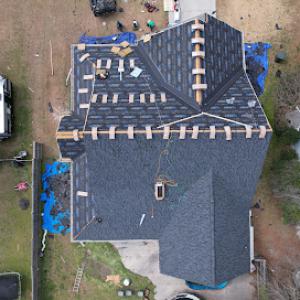
Established in 1976, Watts & Associates Roofing is a family-owned and operated roofing, sheet metal, and waterproofing company in Columbia, South Carolina. For almost half a century, they've maintained an adamant commitment to safety, service, and quality in the industry. Trust Watts & Associates experience and expertise for exceptional results and comprehensive construction services.
Division 1 Roofing & Exteriors
(803) 805-5038 d1roofing.simplybook.me
Serving
4.8 from 36 reviews
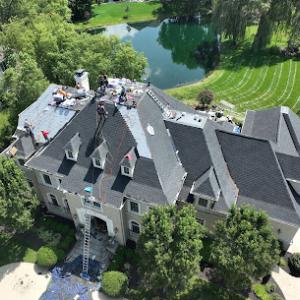
Division 1 Roofing stands out as an industry leader, offering exceptional roofing, siding, window, and gutter replacement services. Our Division 1 dedication extends beyond our expertise, prioritizing human connections and professional integrity. We are committed to providing the highest quality materials and workmanship while making a lasting, positive impact on the neighborhoods we serve.
Southern National Roofing
(803) 882-3135 southernnationalroofing.com
Serving
4.3 from 159 reviews
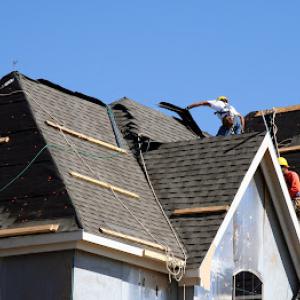
We are a contractor specializing in Energy Efficient Residential Roofing Replacement, with a focus on building products and installation methods geared to the unique climate and building challenges in the Southern United States.
Roof Replacement - Intech Roofing Solutions
(803) 756-2027 intechroofingsolutions.com
Serving
4.7 from 30 reviews
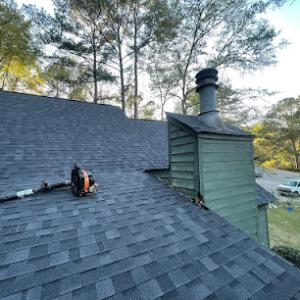
Intech Roofing Solutions, based in Columbia, SC, is a premier roofing company dedicated to providing superior roofing services across the state. Our team of seasoned professionals specializes in all aspects of roofing, from new roof installations to meticulous repairs, ensuring the longevity and durability of your roof. We expertly handle a variety of roofing materials, including metal roofs and various types of shingles. Whether you're dealing with storm damage or considering a roof upgrade, we offer comprehensive services and free estimates to help you make informed decisions.

BNS Roofing
(803) 687-9285 bns-roofing.com
Serving
5.0 from 39 reviews
At BNS Roofing, we provide expert roofing services for homeowners across South Carolina. From repairs and replacements to maintenance and new roof construction, our skilled team specializes in shingles, metal, flat, and sloping roofs. We offer free inspections and estimates, along with assistance for roof insurance claims and appraisals. Whether you're facing storm damage, need emergency repairs, or are looking for long-lasting, energy-efficient roofing solutions, BNS Roofing is here to protect your home with quality you can trust.

Rennison Roofing & Exteriors
(803) 728-6686 rennisonroofing.com
Serving
4.8 from 160 reviews
Rennison Roofing and Exteriors is a local Irmo, South Carolina family-owned business. Operating around the Midlands for over 15 years, we know what the exterior of your home is exposed to and live in with you every day. We believe a home is where the heart is, and should be a place where you and yours feel safe. With prompt, honest service you can expect any Rennison job to be completed with the high level of quality needed to ensure your home is protected.
Roof & Restoration Experts
(803) 953-0311 www.roofandrestorationexperts.com
Serving
5.0 from 110 reviews
We are your local roofing and restoration experts. We specialize in roofing, gutters, siding, other general contracting needs. We are your #1 insurance claims experts. Don’t let your insurance company believe you should settle for less. Let us deal with your insurance company to restore your property back to its original condition We are R.A.R.E.
Asphalt shingles remain the dominant choice for the area's suburban single-family homes. They're familiar, easy to install, and approachable for typical Blythewood roofs. But the climate - hot, humid summers with frequent thunderstorms - can accelerate issues over time. Repeated heat and humidity contribute to faster granule loss, which dulls appearance and reduces UV protection, while seal-strips can weaken after rapid temperature swings. Algae staining is a common visual cue in the humid months, especially on lighter shingles. When considering asphalt, plan for regular spring and fall inspections to catch early curling, lifting, or granule loss before leaks show up in storms.
Metal roofing has a meaningful local presence and appeals to homeowners prioritizing wind performance and longer-term resilience after severe storms. The panels' fasteners and seams are designed to resist uplift, and the material sheds heavy rain quickly, which helps during flash-downpour events. In Blythewood's storm cycles, metal can reduce the frequency of emergency calls for leaks after wind-driven rain. Maintenance is typically lighter than other options, but attention to sealant joints, flashing around chimneys, and tree impact points is still essential. If your home already has a metal roof, storms should be less likely to trigger sudden leaks than with some shingle systems, provided the installation was done with proper underlayment and ventilation. For new builds, consider roof geometry and overhangs that minimize wind-driven water intrusion.
Clay and concrete tile choices are available in this market, but they come with added structure and review considerations. They are heavier than asphalt or metal, and that weight triggers more careful evaluation of roof framing and, in some cases, engineering verification through Richland County. This makes them less straightforward for homeowners who want a simple replacement path. If a tile system is appealing for its aesthetics or life expectancy, expect a period of design review and potential reinforcement. When installed correctly, tile can offer excellent resistance to wind-driven rain and a distinctive look, but plan for a longer decision timeline and a careful assessment of structural loading before committing.
Regardless of material, the Midlands thunderstorm pattern means quick checks after storms matter. After a hail or wind event, walk the roof with safety in mind, looking for lifted edges, broken shingles, or cracked tiles. Clear any debris that could trap moisture and cause staining or rot. For asphalt, watch for sudden granule loss documented during inspections; for metal, inspect fasteners and sealants; for tile, assess broken or displaced pieces that could expose underlayment.
Damage documentation is essential for fast follow-up with insurers. Immediately after a storm, take wide-angle photos of the full roof and close-ups of any damaged areas. Note the date, time, and summary of wind or hail impact in the notes. Keep a ledger of all temporary repair steps, such as tarping or fast emergency fixes, with dates and costs. If a leak is detected, place appropriate temporary measures to prevent interior damage while awaiting a contractor's assessment. When communicating with the insurer, provide the documented evidence and a clear timeline of the damage and subsequent repairs. Having organized records speeds the claims process and aligns expectations for repair timelines.
Typical local pricing ranges are about $350 to $600 per square for asphalt shingles, $600 to $1100 for metal, $1200 to $2600 for clay tile, $900 to $1800 for concrete tile, $450 to $950 for wood shingles or shakes, and $500 to $900 for synthetic or composite shingles. For a Blythewood home, those ranges reflect not only material costs but the labor market that serves the Columbia area. When a storm hits and emergency demand spikes, you'll see quotes drift upward as crews balance quick response with travel time and the need to bring in crews from nearby towns. In practice, plan for a tighter window on approvals and scheduling after a major event, even if the material itself remains within the familiar range.
In midsummer and during thunderstorm seasons, a surge of claims can flood local roofs at once. The result is a tighter labor market and faster-winding schedules, especially for larger or more complex replacements. Heavier materials, like clay and concrete tile, tend to be more affected by this pressure because they require skilled crews and sometimes structural adjustments. Richland County review or engineering checks may come into play when heavier roofs are installed, adding to the timeline and the likelihood of incremental costs. If your area experiences a storm-driven spike, expect insurance-driven contractors to prioritize high-volume jobs first, with smaller leaks or partial repairs filling the gaps between larger projects. Having a clear preferred contractor list and pre-approved coverage can shave days off the process when the phone starts ringing with urgent requests.
After a Midlands thunderstorm, you'll want solid, organized documentation for your claim. Start with a dated photo log that covers the entire roof area, including gutters and attic spaces where water can migrate. If you've had hail or wind-driven debris, capture close-up shots of dented metal, missing shingles, and any flashing damage. Keep a simple, consistent note sheet: date, time, weather, and a short description of observed damage. Request a preliminary damage assessment from the contractor that includes material options and rough replacement timelines. In Blythewood, where rapid-response leaks are common, a documented history helps speed approvals and reduces back-and-forth with your insurer. A well-organized packet can also help when you need to compare bid details between nearby crews who are vying for the same storm-work backlog.
Material choice matters not just for upfront cost but for long-term resilience in this climate. Asphalt remains the most budget-friendly and generally quickest to deploy, with the same $350-$600 per square range you'd expect locally. Metal roofs offer durability and wind resistance, but expect the higher $600-$1100 per square range. In Blythewood, heavier tiles such as clay or concrete can drive costs above the base ranges because structural verification may be required before installation proceeds. If you anticipate a heavy rain season, consider synthetic or composite shingles in the $500-$900 per square bracket for a balance of durability and install speed. Wood shingles or shakes, while visually appealing, rise in price and maintenance demand, especially where moisture and humidity drive faster wear. Planning around storm forecasts and contractor availability can minimize surprises when the next thunderstorm rolls in.
Don't let upfront costs delay a critical repair - these contractors offer payment plans to fit your budget.

Shelley Custom Roofing & Construction
(803) 606-0080 www.shelleycustomconstruction.com
Serving
4.9 from 50 reviews
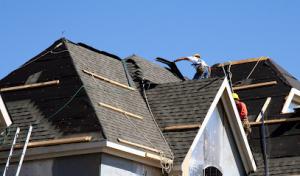
A full re-roof requires oversight through the Richland County Building Department, not a separate city roofing office. The county handles the permit, plan review, and final closeout process for most Blythewood homes, reflecting the Midlands' broad authority over building standards. When you initiate a reroof, expect to prepare project details for submission, including the scope of work, roof type, and any required structural notes. The process is designed to align with county-wide safety and code expectations, so having your contractor or designer provide complete, appliance-ready documentation can keep the timeline steady.
Roof projects in this jurisdiction are commonly inspected at staged milestones, with a required final inspection before closeout. You should confirm who is scheduling each inspection and what work can proceed before signoff. In practice, this means coordinating with both the contractor and the county inspector to align the sequence: framing or deck preparation, underlayment installation, and final roof covering. Delays often occur when a milestone is missed or when an interim inspection is not scheduled promptly. Clear communication and a written inspection plan can help keep a Blythewood project on track, especially during humid storm seasons when rapid weather shifts affect work pacing.
Certain projects or material choices, especially clay or concrete tile, may trigger plan review or engineering verification in Richland County. This step can involve structural calculations, wind uplift analyses, or compatibility checks with existing fascia, attic ventilation, and drainage provisions. Processing times can vary with department workload, so early preparation of engineering documents and supplier specs is beneficial. If your project involves heavier or more complex tile systems, anticipate additional review steps and potential adjustments to fastening details or roof deck notes.
Keep a centralized folder with permit numbers, inspection dates, and county contact points. Before work begins, obtain a clear schedule from your contractor for all required inspections, including any plan-review milestones. If clay or concrete tiles are in your plan, request a pre-submittal discussion with the county to confirm required engineering data and anticipated review timelines. Staying proactive with documentation helps minimize surprises during Richland County's review and inspection phases.
In Blythewood, repair and replacement timing often favors the drier shoulder seasons because lower moisture exposure improves installation conditions compared with the area's muggy storm-prone late spring and summer pattern. Plan for a window when the ground is dry, the air is reasonably warm, and there's less risk of back-to-back thunderstorms delaying crew access or drying times. Shoulder seasons also tend to align with steady crews and predictable material handling, helping a project stay on track from tear-off to dry-in.
Summer heat in the Midlands can slow crews and affect material handling, while frequent afternoon thunderstorms can interrupt tear-off and dry-in sequencing on active roof jobs. If a summer start is unavoidable, build in extra scheduling margins for daily heat pauses and sudden downpours. Consider securing openings earlier in the day and targeting a finish before the hottest stretch, so interior temperatures don't bake newly installed underlayment or sealants. Have a contingency plan with the crew for unexpected delays caused by tropical-style south flows that roll through in the late afternoon.
Winter fronts and occasional cold snaps in this part of South Carolina are usually less disruptive than northern climates but can still affect seal-down conditions and installation timing for some roofing products. Cold snaps can stiffen sealants and slow adhesive cures, while brief freezes may force a skid in the sequencing of shingles or metal panels. If a winter window is chosen, aim for days with milder overnight temps and forecasted daytime highs into the 50s or above to keep sealants workable and avoid wind-driven issues during installation.
If storm damage is the trigger for scheduling, prioritize a window with at least several dry days before work begins to allow for initial assessment and material ordering without weather-halted delays. After a verified loss or leak event, document damage promptly and coordinate with the contractor to compress inspection time into a dry spell. Quick response matters in a claims-driven market, but avoid starting while a fresh storm is unloading; a brief hold until conditions stabilize reduces the chance of rework from new moisture exposure.
For best results, target a contiguous block of dry days for the full tear-off, installation, and inspection sequence rather than piecemeal trips that sit idle on the roof. Communicate with the crew about potential weather windows a week in advance, and have a plan for rapid tarp or temporary protection if a late-day shower threatens an active roof. This approach minimizes moisture exposure and helps ensure the project remains aligned with Blythewood's variable late-spring through autumn weather patterns.
In Blythewood, the storm season shapes what fails first. After repeated thunderstorm cycles, wind-lifted shingles, damaged ridges, and compromised hips show up most often. Leaks can start at poorly sealed penetrations or along worn flashing where shingles have pulled away. If a roof has seen multiple quick downpours, you should expect moisture to travel along the deck and into attic spaces where it's hardest to detect.
In this humid subtropical setting, high humidity and warm conditions accelerate staining and moisture-related wear. Darkened streaks, mildew, and soft spots on decking can appear long before a structural failure is evident. These cues aren't just cosmetic; they often indicate hidden rot or accelerated aging of underlayment. When you notice discoloration near vents, chimneys, or under overhangs, you're likely dealing with more than a surface issue.
Because many local jobs are re-roofing projects rather than niche specialty systems, attention to decking condition, flashing replacement scope, and cleanup quality during tear-off and replacement matters more than ever. A robust inspection should confirm that the deck is solid, that flashing around valleys, penetrations, and parapet walls is integrated and weather-tight, and that debris and old materials are thoroughly removed from eaves and gutters.
If shingles curl, lift, or blister after a storm, or if attic condensation or unusual attic warmth is detected, schedule an inspection promptly. Look for loose or missing ridge caps and any signs of water staining on the ceiling beneath attic kneewalls or along soffits. In short, treat these patterns as urgent indicators of potential ongoing damage rather than isolated incidents.
In Blythewood, the strongest contractor signals are quick response, cleanup included, and a high volume of re-roofs after storms or active leaks. When a contractor answers within a few hours, commits to a scope that includes temporary protection and debris removal, and can cite recent storm projects, that's a practical indicator you're dealing with a shop that handles Midlands thunderstorm patterns. Look for crews that show up with tarping, weatherproofing, and a plan for rapid temporary fixes to stop further damage.
Affordable pricing matters, but in a storm-claim market you'll want a contractor who documents every ding and puncture, notes wind-driven damage, and aligns the claim with your insurer's process. Ask for a written damage assessment, a photo log, and a line-item summary that maps to the insurer's common line items. Confirm who files what documents and how final invoicing is reviewed by the carrier. A contractor that can coordinate with the adjuster and supply the necessary documentation on derecho-day timelines will save you headaches during claim review and payout.
Established and family-owned firms have a notable presence in this market, which can matter when homeowners want continuity through permit closeout, punch-list work, and warranty follow-up. Seek references from nearby neighbors who faced similar storm events, and verify that the contractor offers a clear warranty path and post-install service. Favor teams that assign a project manager to stay accessible through the punch list and after the roof is complete, ensuring any leak or shingle issue gets timely attention.
Shortlist three to five local crews, confirm they can start within a reasonable storm- season window, and request a detailed, storm-damage-focused scope. Ask how they prevent further leaks during teardown, how they protect landscaping, and how cleanup is guaranteed. Finally, ensure the contract spells out insurance coverage for workers, scope changes, and a documented method for coordinating with your insurer.