
Last updated: Apr 19, 2026
Spring and early summer in this area bring some of the most disruptive roofing weather you'll face. Wind-driven rain and hail can hammer exposed shingles in a matter of minutes, leaving attic ventilation and flashing exposed to the elements. Those pop-up storms don't just threaten a quick leak; they set off a domino effect - compromised decking, accelerated wear on underlayment, and vulnerability to further wind damage. The clock is always ticking once severe weather starts, and delays compound the risk of interior damage, mold, and costly repairs later. In a landscape where spring days can flip from calm to chaotic with little warning, you cannot treat storm-ready repairs as a weekend project.
Hurricane season runs June through November, and even inland neighborhoods feel the push of strong wind gusts and heavy rainfall during that span. Wind can peel back edges, lift shingles, and drive water under flashing where you don't immediately notice. In Rock Hill, those events aren't rare outliers; they're expected parts of the calendar. The combination of heat, humidity, and frequent storm cells makes rapid response essential. If you hear about approaching storms or see hail in the forecast, plan as if the roof will need documentation, temporary cover, and a swift inspection afterwards. Waiting for clear skies can mean chasing leaks and damage that have already grown.
The local contractor market mirrors this storm-driven pattern. Storm damage, emergency repairs, and insurance-claims work surge after every notable weather event, and that demand can overwhelm small crews. This means longer wait times for inspections, slower starts on repairs, and a higher risk of missed details if a project is rushed to "get it done." The practical impact is simple: every hour counts after a hail event or a heavy downpour. A timely, organized plan with documented damage, clear scope, and a fast-start contractor can prevent the cascade of problems that follow prolonged exposure to wind and moisture.
Begin with a rapid, focused inspection after a storm. Check for loose or missing shingles, lifted edges, and any signs of water intrusion around ceilings or walls near the attic. Document visible damage with photos from ground level and, if safe, from the roof edge. Create a simple file: incident report, weather date, and any temporary measures you've taken to protect the interior (tarps, buckets, or dehumidification). When you've got a storm event on the calendar, line up a qualified local contractor ahead of time, so there is a plan you can execute within days rather than weeks.
A reputable contractor will prioritize ventilation adequacy and flashing integrity as much as the shingles themselves. In this climate, improperly sealed edges and insufficient attic exhaust can undermine even a high-quality roof. Expect a two-part assessment: first, a rapid evaluation for urgent leaks and damage control; second, a thorough inspection to confirm the roof's long-term integrity, including flashing, underlayment, and venting. If a claim is involved, you'll want clear documentation of pre-storm conditions, post-storm damage, and the scope of necessary repairs.
Keep the home ready for rapid action during storm season. Have a plan for temporary protection if a full replacement isn't immediately feasible, and keep a list of preferred local contractors known for solid workmanship and reliable communication. In this market, clear expectations and timely decisions can spare you from weeks of disruption and a cascade of secondary damages. Stay vigilant, stay protected, and move promptly when a storm event has occurred.

Modern Roofing
(803) 902-3934 modernroofingusa.com
371 E Main St, Rock Hill, South Carolina
4.8 from 348 reviews
Modern Roofing offers top residential roofing services in Rock Hill, SC, with a focus on insurance claims. With 10+ years of experience and high-quality materials, we ensure safety and satisfaction from start to finish. Trust us as your roofing partner for excellent service and results.
Palmetto Roofing Siding Gutters
(803) 274-5753 palmettorsg.com
2361 McConnells Hwy, Rock Hill, South Carolina
4.8 from 105 reviews
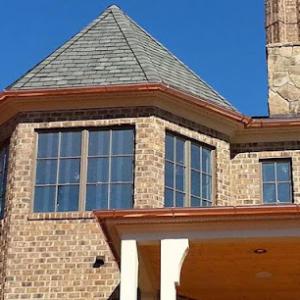
At Palmetto Roofing Siding Gutters, all our expert teams are fully licensed and insured. We have vetted each employee for honesty, and a dedication to the work required to do the job. Let us provide the perfect solution to your commercial/residential roofing, siding and gutter issues in the Rock Hill. SC and Charlotte, NC area. Call today to book the services you need with affordable prices and top-quality workmanship.

On Top Roofers
(803) 524-5841 ontoproofers88.wixsite.com
Rock Hill, South Carolina
5.0 from 26 reviews
Servicing the Carolinas One Roof at a Time – Quality, Precision, and a 10-Year Warranty. Fixing tomorrow's roof issues today!! Liscenced,Bonded,Insured and GAF certified.
Best Choice Roofing
(803) 770-5342 bestchoiceroofing.com
1658 Cranium Drive Suite 103, Rock Hill, South Carolina
4.6 from 140 reviews
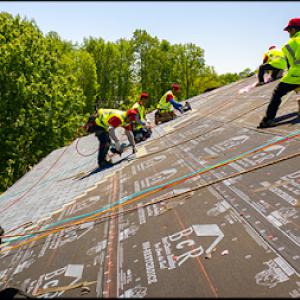
Best Choice Roofing is your trusted roofing expert and the Best Choice when it comes to choosing a roofing company with a commitment to impeccable customer service. In business since 2009, Best Choice Roofing’s industry-leading contributions to the roofing industry include a customer-first mentality, a dedication to top-quality products and a leadership team focused on the growth of its people. Because of this framework, we have created a loyal base of customers all over the United States.
Brown's Roofing
(803) 980-7663 brownsroofingcompany.com
331 E Main St, Rock Hill, South Carolina
4.6 from 160 reviews
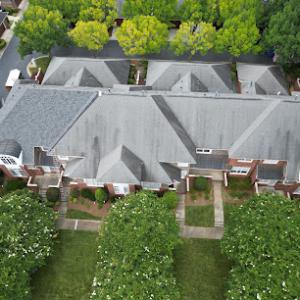
Browns Roofing is a trusted, family-owned roofing company serving Rock Hill, Fort Mill, and surrounding South Carolina communities since 1989. From full roof replacements to leak repairs and storm damage inspections, we deliver high-quality roofing with honest, professional service. We help homeowners and business owners navigate insurance claims, offer free inspections, and use top-tier materials like Owens Corning shingles. When you choose Browns Roofing, you're getting experienced crews, dedicated project managers, and the Browns Promise — our commitment to integrity, communication, and workmanship. Call today for a free estimate or hail damage inspection.
Eason Roofing Rock Hill
(803) 222-4505 easonroofing.com
154 N Anderson Rd suite c, Rock Hill, South Carolina
5.0 from 14 reviews
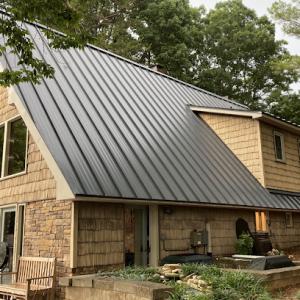
Eason Roofing Rock Hill is a local roofing contractor focused on helping local York county residents and business owners with all of their roofing needs. We provide asphalt shingle roof repair, roof replacements, insurance roofing claims help, and more. We also provide metal roofing services in Rock Hill, South Carolina area and surrounding areas. Our goal is to be the best roofing contractor York County, and Rock Hill has ever seen. We have been in business for over 30 years and have replaced many roofs and found many leaks. We carry on the best products and make sure that our customers know we are on their side. If you have storm damage, hail damage, or just have a single shingle that needs to be replaced, call us now, and we can help.

The Roofing Guy
(803) 386-2000 www.roofingguyllc.com
550 Airport Rd Suite 600, Rock Hill, South Carolina
4.6 from 43 reviews
Family Owned Local Roofing Contractor serving the Charlotte North Carolina, Concord North Carolina and Rock Hill South Carolina Markets. Storm Damage and Insurance specialist. Insurance approved. North Carolina General Contractor and South Carolina Licensed and Insured. Residential and commercial roofing. Asphalt Shingles, TPO Roofing, Roof Coating.
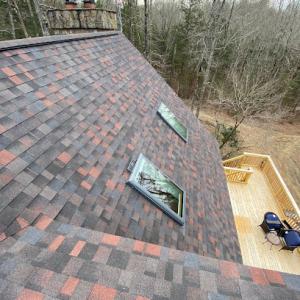
Southern Restoration
(803) 866-7663 southernrestorationinc.com
116 E Main St #201, Rock Hill, South Carolina
4.4 from 41 reviews
Southern Restoration is a residential roofing company, and we can also support commercial roofing projects. We routinely complete new shingle roof replacement and old roof repair & maintenance projects. Landscape protection is always an important priority that is often an over-looked aspect of roofing projects. We are familiar with the claims process for hail, wind, tornado, hurricane, fire, and water leaks. Clean, repair, and replace old gutters with new gutters. Pressure wash and. clean building exteriors. Southern Restoration believes it’s important to keep customers up to speed with all steps and phases of all projects, no matter the size.

Southeastern Roofing & Restoration
1059 Hands Mill Hwy, Rock Hill, South Carolina
3.0 from 16 reviews
Protect your largest investment with our reliable roofing services. We are a locally owned and operated roofing company currently serving Rock Hill, SC and surrounding communities. If you want to make your roof last as long as possible, it is vital that you never put off a roof repair. Small issues with roofing become big issues in a hurry. No matter how major or minor the repair you need, we are here to help. We offer roofing services, roof repair and home restoration.

Northline Roofing
(704) 796-9506 www.northlineroofing.com
331 E Main St #200, Rock Hill, South Carolina
5.0 from 1 review
When you’re looking for top-quality work, Northline Roofing, LLC is here to help. Our professionals are available to provide a wide range of shingles, all guaranteed to meet and exceed expectations. We pride ourselves of our exceptional start to finish process. Every job is equipped with a crew of highly experienced installers and two supervisors to ensure every project is worry free! Contact our office today to learn more about our options and our other available services.
Everlasting Exterior Systems
(803) 329-0835 everlastingexteriorsystems.com
661 Celriver Rd, Rock Hill, South Carolina
5.0 from 1 review
We repair or install roofs. Best quality and service in town.

Mr. Roofer
Serving
5.0 from 39 reviews
At Mr. Roofer, we are up for any challenge! From minor roof repair after a storm to complete roof replacement, we’ve got you and your home covered—literally. We can help with any project, large or small, re-roof or new roof, and roof inspections. We have over 20 years of experience in the roofing industry and offer parts and labor warranties. Our loyal customers can all attest to our excellent customer service and quality.
In this climate, the timing of a roof replacement isn't just about when the crew is available. The heat, humidity, rain patterns, and storm activity all press on the project from tear-off to dry-in. Rock Hill's hot, humid summers accelerate roof aging and make installation conditions tougher than the milder spring and fall windows. Knowing how these factors interact helps you plan for fewer weather delays, better ventilation outcomes, and a longer-lasting finish once the job is done.
Spring can feel like a relief after a Southern winter, but it brings frequent showers that complicate tear-offs. If rain is steady, crews may pause to prevent exposed decking from swelling or warping and to protect attic insulation. Dry-in timing matters: you want enough days of dry weather to get underlayment down firmly and ensure shingles seal without wind uplift risk. In Rock Hill, the shoulder of spring often carries enough humidity to slow asphalt seals or metal edge interactions, so confirm that your contractor has a plan for rapid rain gaps and a protected workspace once skies turn unsettled.
Summer is peak storm season here, and that creates a two-edged sword. On one hand, summer can deliver a longer stretch of hot, stable days ideal for a solid dry-in and efficient shingle installation. On the other hand, pop-up thunderstorms and heat spikes push crews to compress schedules, which can pressure ventilation and flashing setup if not coordinated carefully. If a storm surge follows a major event, crews may be called out to other neighborhoods, extending project timelines. For residents, the practical rule is to target early-morning starts, plan for midday heat breaks, and expect that high demand after weather events may shift availability. A well-ventilated attic and properly flashed edges are essential to withstand this season's combative mix of heat, humidity, and gust fronts.
Fall often offers a stable window with cooler days and lower humidity, reducing the risk of during-work swelling and deck exposure. It's a favorable time to complete upgrades after a hot summer, especially when the goal is a thorough, long-lasting sealant and flashing alignment. However, as the season progresses, afternoon storms can reappear, so scheduling should include buffer days for potential wind-driven interruptions. A fall installation benefits from calmer conditions for attic venting assessment and confirming that soffits and ridge vents aren't blocked by debris from the prior year's storms.
Winter in this area brings milder days for exterior work but increases the likelihood of freezing mornings and occasional ice or heavy rain. Concrete and clay tile installations can be particularly sensitive to cold and moisture, so you'll typically move toward scheduling during a dry, moderate-cool spell rather than a frigid stretch. Winter work demands precise protection of interior spaces and a plan to manage condensation risks as days warm up. If a roof replacement must occur during winter, insist on a detailed weather contingency plan and robust temporary coverings to keep decking and interior surfaces dry.
Because summer storm activity is common, homeowners in Rock Hill often need to balance ideal installation weather against surge demand after regional weather events. A practical approach is to set a preferred window but stay flexible for critical storm aftercare needs. Communicate with the contractor about back-to-back days of favorable drying conditions and a clear sequence for tear-off, decking inspection, underlayment, and flashing installation. The goal is a predictable, continuous workflow that minimizes deck exposure while aligning with ventilation and flashing quality priorities to extend roof life beyond the next thunderstorm.
Get a clear picture of your project costs upfront - no commitment required.
Palmetto Roofing Siding Gutters
(803) 274-5753 palmettorsg.com
2361 McConnells Hwy, Rock Hill, South Carolina
4.8 from 105 reviews
Brown's Roofing
(803) 980-7663 brownsroofingcompany.com
331 E Main St, Rock Hill, South Carolina
4.6 from 160 reviews
Asphalt shingles are a dominant choice in Rock Hill, reflecting a balance of affordability and familiar aesthetics for many local homes. The hot, humid summers and the Piedmont storm pattern place extra emphasis on how shingles seal and how the attic is ventilated. In this climate, you want shingles that can tolerate rapid heat cycling without losing their edge on sealing against rain and hail. Look for products with robust granule adhesion and laminated options that resist wind uplift, and pair them with an effective attic ventilation strategy. A well-ventilated roof deck helps keep sheathing dry during oppressive humidity and storm pushes, which reduces the risk of moisture-related edge curling or premature granule loss after hail exposure. The local reality is that long-term performance hinges not just on the shingle itself but on the overall roof system: proper underlayment, sealed flashing at valleys and penetrations, and a vented soffit-to-ridge corridor that remains functional after debris loads from storms.
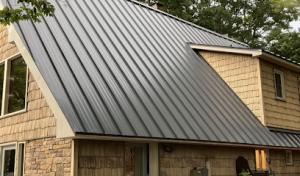
Metal roofing is a meaningful local option for homeowners focused on wind resistance and long-term performance during heavy rain events. In this market, the correct installation details can make a substantial difference in how metal performs through the region's thunderstorm season. Metal panels typically resist pitting and denting from hail better than many other options, but the fastened seams and flashing must be executed with vigilance. The edge detail around chimneys, vents, and skylights should be precisely sealed to keep out wind-driven moisture and debris. In addition, metal roofs often benefit from integrated ventilation considerations of the attic space, because metal's heat reflection can influence attic temperatures. When evaluating metal, prioritize a system that acknowledges the local exposure to hail and storm debris, and ensure that the penetrations through the roof are flashed and sealed to minimize later maintenance needs after severe weather events.
Tile, wood, and synthetic roof options exist in the market, but their suitability in Rock Hill depends heavily on how they handle moisture, heat cycling, and storm-driven debris. Clay and concrete tiles bring durability and a distinct look, yet they are heavy and require a solid structural assessment. In a climate with intense heat and humidity, the method of sealing between tiles and the underlayment, plus the maintenance of the battens and fasteners, becomes critical to performance. Wood shingles or shakes offer a traditional appearance but can be challenged by moisture and humidity if not properly treated and vented; they also demand careful inspection after hail events to ensure no moisture infiltration has started beneath the surface. Synthetic or composite shingles aim to blend the best of both worlds-resilience under heat and some impact resistance-yet still rely on high-quality sealing and ventilation to hold up under repeated moisture cycles and storm debris. Locally, the best approach is to choose a system with a proven moisture management plan, robust edge sealing, and a flashing strategy that accounts for debris patterns typical of Rock Hill thunderstorms. The suitability of these materials hinges on maintaining a dry interior roof plane while the exterior surface handles heat and precipitation without frequent repairs.
In this market, the starting point for planning a re-roof is knowing what materials typically cost per square in Rock Hill. Asphalt shingles run about 350 to 650 USD per square, which covers most mid-range homes with standard attic ventilation. Metal roofing sits higher, roughly 700 to 1200 USD per square, and is common on newer builds or homes with long-term weather exposure where durability matters. For homes with a more distinctive look or heavier weather demands, clay tile can range from 900 to 1500 USD per square, while concrete tile sits around 800 to 1400 USD per square. Wood shingles or shakes generally fall in the 550 to 900 USD per square band, and synthetic or composite shingles come in at about 450 to 900 USD per square. These ranges reflect the local supply chain, labor availability, and the fashion of Rock Hill siding and roofing choices, not just the raw material-installation complexity and roof pitch can push totals up quickly.
Thunderstorms and hail events are a fact of life here, and when a significant storm hits, you're looking at tightened schedules and higher demand for crews. After a hail or high-wind event, you'll see price pressure from qualified local contractors who can mobilize quickly and bring in the right flashing and venting accessories. Expect longer lead times for material orders and appointment slots, especially in neighborhoods that saw recent hail. If you're weighing reroof timing, a quicker replacement post-storm can protect the interior from secondary damage, but it may come at a premium compared to a planned, non-emergency replacement. Weigh the risk of lingering moisture, attic heat buildup, and potential ventilation issues against the current market pace.
Hot, humid summers and strong summer storms drive two practical outcomes. First, ventilation and attic flow become high-stakes parts of the project. Second, the durability profile of the chosen material matters more here than in milder climates. Traditional asphalt remains a budget workhorse with decent longevity, but metal and tile choices offer longer life under heavy rain and hail, potentially saving future maintenance. If you expect frequent weather events, factor in flashing quality and nail spacing as part of your decision, since improper installation in this climate can negate a seemingly strong material choice.
Don't let upfront costs delay a critical repair - these contractors offer payment plans to fit your budget.
21 Roofing Group (Serving The Carolinas)
(980) 277-4421 21roofinggroup.com
Serving
4.9 from 319 reviews


A full re-roof in Rock Hill typically requires a permit through the City of Rock Hill Building Department. This isn't just a formality; it sets the stage for proper ventilation, flashing, and overall installation quality-areas that take on added importance after a Piedmont thunderstorm season and hail events. If the project starts without the permit in place, the process can stall unexpectedly and may create friction when the work is reviewed by inspectors. Knowing that a permit is part of the job helps keep the project aligned with local code expectations and the city's emphasis on protective details.
Inspections are scheduled during and after the work, with a focus on flashing, ventilation, and proper installation details. The city's inspectors will look for correct ridge and apron flashing integration, vent placement and operability, and the adherence to approved methods for the chosen roofing system. In Rock Hill, the climate's humidity and heat can reveal ventilation gaps or flashing vulnerabilities, so early anticipation of inspection timing helps avoid delays. Coordinate with the contractor to ensure access, readiness, and clean work areas, since scattered debris or temporary disconnections can trigger curbside hold-ups with the inspector.
A final inspection is needed to close the permit, so homeowners should confirm that the contractor-not the owner-is handling scheduling and closeout. It's common for delays to occur if the contractor underestimates the time required to address small corrective items identified during a final review. From a practical standpoint, ask for written confirmation of the inspection date and the closeout plan before the job begins. By ensuring the contractor manages the closeout, you minimize the risk of a lingering permit status that could complicate future maintenance or resale.
Storm season in this Carolinas-insurance environment brings wind and hail claims that are routine after a heavy storm. A solid record of your roof's history helps a claim survive the scrutiny of adjusters who are trained to separate storm damage from age or wear. In this area, the condition of the roof before the latest event often drives the decision to replace versus repair, so documentation isn't just a formality-it can shape your outcome.
When a claim starts, expect requests for clear photos of the existing roof, including close-ups of shingles, flashing, and joints. Pre-loss images show the roof's condition before the latest event, which matters if hail or wind patterns suggest mixed causes. Look for any records of prior damage, repairs, or re-roof work, because a patchy history can tilt the adjustment toward replacement rather than patching. Keeping a simple file with dates, contractor notes, and receipts can streamline the process and reduce back-and-forth.
On a practical level, start with recent, well-lit photos taken from multiple angles, spanning the entire roof deck. Retrieve past repair invoices and any warranty work tied to prior hail or wind damage. If you've had inspections or roof certifications done for ventilation or flashing, keep those reports handy too. When a contractor notes on-site observations, request a copy of the written assessment for your records. The goal is to present a coherent narrative: storm impact, subsequent maintenance, and current condition.
Roof certifications and warranty checks can influence how an adjuster interprets damage as storm-related or age-related. If a certificate confirms proper installation, ventilation, and flashing quality at last service, it strengthens the case that recent damage is storm-driven, not simply wear. Conversely, ambiguous or expired warranties can complicate the determination. Regularly verify that certifications remain current and readily accessible for claim review.
Connect with contractors who help homeowners navigate the claims process from damage assessment to final approval.

Modern Roofing
(803) 902-3934 modernroofingusa.com
371 E Main St, Rock Hill, South Carolina
4.8 from 348 reviews
Palmetto Roofing Siding Gutters
(803) 274-5753 palmettorsg.com
2361 McConnells Hwy, Rock Hill, South Carolina
4.8 from 105 reviews

On Top Roofers
(803) 524-5841 ontoproofers88.wixsite.com
Rock Hill, South Carolina
5.0 from 26 reviews
In a market like Rock Hill, post-storm damage often hides behind the edges where roof meets walls and vents. Flashings around chimneys, skylights, vents, and the perimeters of dormers can drip long after the rain stops if your installation didn't seal them properly. Ventilation components-ridge vents, soffit intake, and attic baffles-are equally critical. When wind-driven rain from regional thunderstorms lashes the roof, it can force water into tiny gaps that look harmless during calm weather. A keen eye on flashing integrity and attic ventilation details should be at the top of any storm-damage inspection.
Thunderstorm downpours in this area come with gusty bursts that push rain harder against a roof's vulnerable seams. Those exposures can reveal weaknesses that ordinary rainfall never uncovers. If you've recently had hail or a heavy rainfall, expect to find trace leaks at flashing joints, vent collars, and near any where the roof plane changes slope. Do not assume a dry attic simply because it didn't puddle after a quick shower. A phantom drip or damp insulation can be the first sign of a creeping leak.
Skylight penetrations deserve extra attention in this climate because repair capability appears often enough among local contractors to indicate recurring homeowner need. The flashing around a skylight, plus the sealant strip and bottom edge of the curb, is a common path for water intrusion after a storm. Inspect the flashing pan, the curb flashing, and the sealant line for any gaps. Even small misalignments can become active leaks under gusty rain.
Document every exterior flashing detail with photos, focusing on joints, seams, and transitions to walls or chimneys. During a follow-up inspection, run a controlled water test along suspect flashing lines from the outside, watching for any interior signs of moisture. Prioritize attic temperature and humidity checks-stale air can mask active leaks by creating condensation that mimics water intrusion. If skylights exist, check their frames for cracks or misalignment and re-seal as needed promptly.
Find contractors experienced in skylight installation, flashing, and leak repairs to bring natural light into your home.
Palmetto Roofing Siding Gutters
(803) 274-5753 palmettorsg.com
2361 McConnells Hwy, Rock Hill, South Carolina
4.8 from 105 reviews
Best Choice Roofing
(803) 770-5342 bestchoiceroofing.com
1658 Cranium Drive Suite 103, Rock Hill, South Carolina
4.6 from 140 reviews
Eason Roofing Rock Hill
(803) 222-4505 easonroofing.com
154 N Anderson Rd suite c, Rock Hill, South Carolina
5.0 from 14 reviews