
Last updated: Apr 19, 2026
Hartsville's roofing calendar is heavily shaped by hurricane season and regular summertime thunderstorms. Those bursts of wind, hail, and driving rain don't just test shingles for a moment; they stress everything from sealant flashings to underlayment and ventilation. The result is accelerated aging, especially on lighter asphalt systems that heat up and bake in the Pee Dee heat. Wind-driven damage from these storms isn't always obvious after a quick inspection, and small gaps can become big leaks after the next summer storm. In practical terms, every thunderstorm season becomes a period of increased risk that compounds existing wear, so you want to be proactive rather than reactive as soon as you notice changes.
Hartsville's hot, humid summers push moisture into every layer of the roof stack. Asphalt shingles, common on many homes, carry the heaviest burden: heat triggers faster aging, leading to curling, cracking, and granule loss that exposes the underlayment to moisture. By contrast, heavier tile assemblies - clay or concrete - ride out heat a bit better but aren't immune to heat-induced expansion and contraction, which can loosen fasteners and seam seals over time. In concrete and clay tile, the risk shifts toward broken tiles from hail or high wind blasts, and more visible signs of age appear as efflorescence or discoloration on light-colored surfaces. The humidity also means attic and vented spaces can accumulate moisture, inviting condensation that threatens decking and insulation performance. You'll want to monitor signs of moisture intrusion not just on the surface but at attic vents, flashing seams, and the intersections where pitches meet walls.
Spring and fall are the preferred replacement windows locally because they avoid peak summer heat while reducing disruption from the most active storm periods. Replacing in spring or fall means crews can work in milder conditions, limits the risk of sudden weather delays, and aligns with the natural busy seasons when weather tends to be more predictable. If a storm has already compromised a section of roof, waiting through a hurricane-season lull isn't advisable; instead, prioritize urgent sections to prevent interior water intrusion, then schedule the rest during the calmer shoulder seasons. For homes with asphalt, plan for the shoulder seasons to minimize heat stress on new shingles and to give crews a safer, more efficient work environment. If metal, tile, or synthetic options are in play, you still gain from moderate temperatures and fewer heat-related setbacks, but the urgency remains for wind-damaged or rapidly aging areas that invite leaks.
Watch for curling or cupping shingles, especially on exposure-facing slopes where wind and sun take the strongest toll. Loose or missing flashing near chimneys, skylights, and roof-to-wall transitions signals a high-risk path for water intrusion. Noticeable granule loss in gutters or downspouts, or a sudden uptick in attic heat and moisture, points to failing underlayment or ventilation issues that won't improve with time. Hail marks on shingles, dented metal flashing, or cracked tiles are red flags that storms have stressed the roof beyond simple wear. If you notice any of these during a routine check after a storm or during a heatwave, treat it as a priority repair, not a cosmetic issue. Delays compound risk; the clock runs faster in a storm-prone, humid climate.
A proactive approach combines regular inspections, timely repairs, and an eye on the calendar. Schedule a thorough roof check after the peak storm months and again in late spring. Prioritize areas showing wear, especially around the most exposed faces of the home and around vents. Consider how your current roof handles heat and moisture year after year, and discuss with a local professional whether upgrading to a more durable, weather-adapted system is worth the investment given Hartsville's climate and storm pattern. The right timing and a steady maintenance plan can turn frequent storms from a reckless gamble into a manageable, quieter season.
In a neighborhood where summers push heat and humidity, the common roof coverings are asphalt shingles, metal roofing, clay tile, concrete tile, wood shingles or shakes, and synthetic or composite shingles. Each material has a distinct performance profile under the Pee Dee climate, so your choice should align with both the local conditions and your home's structure. Asphalt shingles are widespread for their balance of cost and ease of replacement, while metal roofing offers a longer service life and better resistance to wind. Clay and concrete tiles bring a cool, durable option for hot months but require a solid roof deck and careful flashing. Wood shingles or shakes lend a traditional look but demand meticulous maintenance in humidity. Synthetic or composite shingles aim to blend ease of installation with improved weather resistance. When assessing options, picture how your roof responds not just to a sunny day, but to the months of heat and the short-but-intense storm windows that follow.
Clay and concrete tile respond to heat with expansion and potential brittleness if fasteners aren't properly matched to the substrate. In high humidity, moisture cycles can affect underlayment and fastener corrosion if metal flashings aren't protected with proper coatings. Asphalt shingles, while familiar to many homeowners here, can dry out and curl after several scorching summers and repeated storm-driven wind events, particularly if the attic isn't ventilated well or if underlayment isn't adequately installed. The heat also accelerates aging of the roof deck and any organic felt underlayment, which means ventilation plays a bigger role than it might in cooler, drier markets. When heat plus humidity stays high for weeks, you may notice nail heads loosening as wood framing expands and contracts, contributing to wind uplift risk during storms.
Because the climate brings frequent storms along with prolonged summer heat, ventilation matters as much as the visible roof covering. A well-ventilated attic reduces the interior temperature that drives shingle and deck aging, while a balanced venting plan helps prevent condensation that can lead to mold or wood decay. Underlayment choices carry extra weight here: a high-quality, breathable synthetic or reinforced underlayment will perform better under heat stress and during quick, soaking rain events than a standard felt layer. Fastening quality becomes critical in storms; proper nailing patterns and the correct nail length for the chosen deck thickness ensure shingles stay put when wind gusts ripple across the ridge. If choosing tiles, ensure the substrate is rigid and well-supported to prevent cracking or movement during heavy wind storms.
For asphalt shingles, verify that the product line includes upgraded thermal resistance for hot summers, and pair it with an effective ventilation plan to slow the aging process. Metal roofing should be installed with exposed fasteners only when the panel system is designed for high-wun resistance; otherwise, consider through-fastened panels with sealants rated for heat expansion. If clay or concrete tile is on the table, ensure the roof deck is solid, and the installation uses proper battens and lattice work to accommodate expansion. Wood shingles or shakes demand robust moisture control and regular inspections for mildew and warping in humid seasons. Synthetic or composite shingles offer weather resilience and often lighter weight, but select products tested for local heat cycling and wind performance.
Start with a professional evaluation that includes attic ventilation inspection and an assessment of underlayment condition. Ask for guidance on ventilation upgrades if the attic feels unusually hot or damp in the afternoon. When evaluating replacements, prioritize a system that preserves or improves attic air movement, and choose fasteners and sealants that tolerate heat and humidity without corroding. For storm preparation, confirm the roof system's ability to resist high winds and verify that flashing around chimneys, vents, and skylights is integrated with the chosen roofing material. In short, the right balance of roof covering, ventilation, underlayment, and secure fastening is your best defense against Hartsville's signature blend of heat, humidity, and seasonal storms.
The South Carolina market around Hartsville sees periodic wind and hail claim activity, so roof replacement decisions are often tied to storm documentation rather than age alone. In a climate with hot, humid summers and fast-moving storm systems, a roof can look fine on a sunny afternoon and reveal hidden weaknesses after a severe thunderstorm. Insurance companies in this area increasingly scrutinize the roof's condition after major events, and a fresh wind-driven hit may be the trigger that moves a claim from "possible" to "approved." The practical consequence is that maintenance history, visible damage, and pre-storm condition carry more weight than you might expect from the roof's calendar age.
Coverage tightening in higher-wind parts of the state affects Hartsville homeowners by making claim timing, maintenance records, and pre-loss roof condition more important. Insurers serving this region may request photos, contractor estimates, and proof of roof condition before approving work, especially after major storm events. That means a well-documented roof-before a storm, after a storm, and through routine upkeep-can shorten the path from damage to replacement or repair. If a storm scatters shingles, dents metal, or loosens underlayment, those impressions become the evidence insurers rely on when decisions are made. Inconsistent records or gaps between storm reports and actual conditions can stall claims and complicate settlements.
When a storm rolls through, take proactive notes and keep a simple trail of your roof's condition. After a windy or hail event, photograph multiple elevations, focusing on any lifted shingles, granule loss, dented metal, or damaged flashing. Retain contractor estimates and a concise summary of pre-storm condition and repairs performed since the last major event. If an adjuster comes to assess, present a clear timeline: storm date, visible damage, mitigation actions, and any maintenance that addressed wear and tear. Regular roof inspections in the months between storms help create a credible record, making it easier to prove the roof's resilience or the need for replacement when a claim is filed. Finally, coordinate with a local installer who understands the common Hartsville roof types and the way wind-driven events interact with them, so your documentation aligns with practical, on-the-ground findings.
Connect with contractors who help homeowners navigate the claims process from damage assessment to final approval.
Monraga Roofing of South Carolina
(843) 428-5709 www.monragaroofing.com
Serving
4.9 from 234 reviews
All Carolinas Roofing & Restoration
(704) 325-9315 allcarolinasroofing.com
Serving
4.9 from 14 reviews
Pinnacle Roof Restorations
(843) 601-1898 pinnacleroofrestorations.com
1441 Ruby Rd, Hartsville, South Carolina
4.9 from 90 reviews
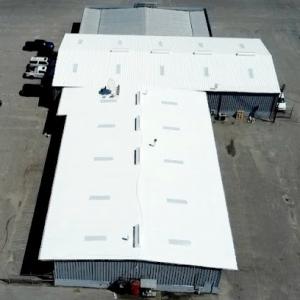
We specialize in commercial & industrial roofing services by providing durable, energy-efficient roofing solutions such as spray foam and seamless thermal barrier roof coatings backed by long term warranties from nationwide manufacturers like GAF.
Summit Roof Restoration
(843) 861-3468 summitroofrestoration.com
270 Sting Ray Rd, Hartsville, South Carolina
5.0 from 6 reviews
We specialize in coating roofs with elastomeric acrylic and silicone coatings. We specialize in flat, low slope and metal roofs. Our coatings are energy star rated and minimize energy bills by maximizing solar and heat reflection. We offer FREE commercial and industrial roof inspections in the Carolinas and Georgia. Roof restorations are 100% tax deductible!!!
Ivan’s Roofing
(843) 861-4145 topusasites.top
500 S Fourth St, Hartsville, South Carolina
5.0 from 2 reviews
We are licensed and bonded we provide the quality and qualified services on Roof Replacements and Repairs. We also give free estimates
Monraga Roofing of South Carolina
(843) 428-5709 www.monragaroofing.com
Serving
4.9 from 234 reviews
Monraga Roofing, a reputable roofing contractor in South Carolina, proudly serves the Columbia, SC, Sumter, Florence, McBee, Cheraw, Pamplico, Lake City, Darlington, Hartsville, and Bishopville areas. With expertise in New Construction, Roof Installation, and replacements or repairs caused by age or storm damage, we are committed to delivering exceptional service. Our team ensures efficiency by providing a free estimate within 24 hours of initial contact. Monraga Roofing takes the hassle out of insurance claims, working directly with adjusters to expedite your roof replacement or repair. Rest assured, our shingle techs are all Certainteed Certified Shingle Installers, guaranteeing top-notch workmanship.
JMT Home Improvements
(704) 706-8458 www.facebook.com
Serving
5.0 from 89 reviews
Emergency leaks? Call us anytime!
America's Southern Roofing
Serving
4.9 from 154 reviews
America's Southern Roofing, located in Albemarle NC, is a full service roofing company fully insured and ready to take on even the largest roofing jobs. We do residential roofing, commercial roofing, and give you a FREE inspection and meet with your insurance adjusters. Whether you have storm damage or just want a new look we can handle your job and home with care. Our asphalt, metal, wood, membrane, and rolled roofing products are high quality and warrantied for your peace of mind. Choose America's Southern Roofing to repair or replace the largest asset on your home!
All Carolinas Roofing & Restoration
(704) 325-9315 allcarolinasroofing.com
Serving
4.9 from 14 reviews
At All Carolinas Roofing & Restoration, we specialize in providing top-notch roofing services to Lake Wylie and surrounding areas. With our team of experienced professionals, we are dedicated to delivering exceptional quality workmanship and unmatched customer service. Trust us for all your roofing needs, from repairs to replacements - we've got you covered!
DAH Gutters & Roofing
Serving
5.0 from 10 reviews
DAH Roofing has several years of experience replacing and repairing roofs in the Carolinas. Our experienced staff is ready to replace that old roof or perform the necessary repairs. We have the knowledge to halo you navigate the claim process to replace your damaged roof.
Burch Roofing
(843) 669-7452 www.burchroofingcompany.com
Serving
4.5 from 17 reviews
Family owned and operated in Florence since 1940.
Homewood Metalworks
(843) 407-7077 homewoodmetalworks.com
Serving
4.7 from 22 reviews
With over 35 years of experience in the construction business, and as an Unlimited Licensed General Contractor, Homewood Metalworks locally manufactures custom metal roofing and wall panels, as well as all accessories out of our 68,000 square foot warehouse in Conway, SC. We provide an extremely experienced crew, our own fleet of construction vehicles and heavy equipment – all of which are ready for utility installation and construction projects. Homewood Metalworks has sales offices in Conway, Florence, Moncks Corner SC, and Laurinburg, NC. We can handle any metal roofing, trim, or metal building needs. Stop by and meet with one of our sales consultants or receive a free quote by phone or website. We're open to the public!
Mahaua Roofing & Construction
(843) 932-2828 mahauaroofingconstruction.com
Serving
5.0 from 36 reviews
Mahaua Roofing & Construction provides professional residential and commercial roofing services in Florence, SC. Call our experts now!
Peak Roofing & Construction
Serving
4.4 from 13 reviews
Started from the ground up in Albemarle, Peak Roofing & Construction has been and always will be a local solution for a full range of roofing, siding, and gutter services. Our business is built on neighborly trust, quality work, and affordable prices. From homes to commercial estates and all points in between, serving the greater North Carolina & South Carolina community with top notch roofing has been our stock in trade. As demand has increased for our particular brand of quality, we've added siding and gutter services as a natural expansion to our ability, making us a comprehensive property exterior protection company.
Typical Hartsville-area pricing runs about 350 to 700 USD per square for asphalt shingles, 700 to 1500 for metal, 1100 to 2300 for clay tile, 900 to 1700 for concrete tile, 500 to 1000 for wood shingles or shakes, and 700 to 1200 for synthetic or composite shingles. In everyday conditions, that gives you a broad range to expect based on material choice, roof slope, and attic ventilation. The heat and humidity of Pee Dee summers push material temperatures higher, which can accelerate wear on some products and influence the long-term value of premium styles. When a storm season hits hard, those numbers can shift quickly as crews, suppliers, and crews get stretched.
Storm activity in this area often drives rapid aging of the roof and concentrates demand for re-roofing and emergency work within the same weather window. If a severe thunderstorm or gusty event lines up with a repair need, you may see shorter lead times and higher mobilization costs. Asphalt shingles may hold up reasonably well, but edge damage, lifted valleys, or flashing failures from wind can cascade into higher project complexity. Metal roofs can weather high winds with confidence, yet factory finishes and panels still age under sun exposure, which can influence replacement timing after repeated hits. Clay and concrete tiles bring standout durability but can fracture under impacts, creating a need for spot replacements that escalate total project cost.
Costs in Hartsville can rise after regional storm activity when demand surges for re-roofing and emergency work during the same weather window. Beyond material pricing, labor availability matters. Fastening patterns, underlayment choice, and proper ventilation to manage attic moisture become more than cosmetic considerations; they shape the install quality, wind resistance, and long-term performance. Expect crews to evaluate attic baffles, intake and exhaust vent balance, and roof deck integrity as part of the replacement plan. Those steps add to the bottom line but pay dividends in reduced interior humidity and extended roof life.
In hot, humid climates with frequent run-ins with storms, metal and synthetic shingles offer strong resistance to wind and heat cycling, often delivering better long-term value in Hartsville. Asphalt remains a common, cost-conscious option, especially when a quick turn is needed. Tile options (clay or concrete) present elegance and durability but require careful matching to supporting structure and weight constraints. For each choice, compare not just sticker price, but potential surge-day costs, installation complexity, and expected roof life in this climate.
Get a clear picture of your project costs upfront - no commitment required.
Ivan’s Roofing
(843) 861-4145 topusasites.top
500 S Fourth St, Hartsville, South Carolina
5.0 from 2 reviews
Monraga Roofing of South Carolina
(843) 428-5709 www.monragaroofing.com
Serving
4.9 from 234 reviews
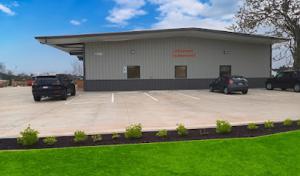
A full roof replacement in this area typically requires a building permit through the local building department serving Hartsville and Darlington County. That permit helps ensure that the new roof meets current code standards for wind resistance, fire safety, and overall structural integrity, which is especially important after storm-driven aging and the hot, humid summers that stress roofing systems here. When a contractor steps in to replace an aging roof, you'll want to verify early on which permits are needed, and what exact plans or drawings the department requires to review.
The normal process starts with submitting an application package for the permit, which often includes basic project details, contractor information, and sometimes a simple roof plan or note about materials and fastening methods. After submission, permit approval will be issued once the project meets local codes and department guidelines. In many cases, approvals come with a few additional conditions or notes from the inspector who will be assigned to your site. Some nearby jurisdictions offer online permitting with modest fees, and Hartsville residents may find the online option convenient for tracking progress, submitting updates, and scheduling inspections. Planning ahead for these steps helps keep your project on track and minimizes weather-related delays during hurricane season or heavy summer storms.
Scheduling inspections during installation is a key part of the process. Expect at least one inspection while the roof is being installed, typically aligned with major milestones such as underlayment installation, ventilation installation, and the moment the first row of fasteners or nails is set in place. A final inspection is required for compliance signoff after the roof is completed. Coordinating with the contractor to arrange these inspections in a timely sequence helps prevent rework or delays if adjustments are needed to meet local standards.
Inspectors in this area may verify underlayment quality and coverage, proper roof ventilation, and fastening methods appropriate for the chosen material and pitch. In regions where wind and storm events are common, securing the correct nailing pattern and fastener length is critical, as is checking that neighboring components such as flashings, vents, and drip edges are properly integrated. Some jurisdictions emphasize attic ventilation balance and moisture control, so expect questions or requests for confirmation about those elements during the inspection process.
Coordinate closely with a licensed contractor who understands the local permit and inspection steps and can prepare the required documentation in advance. Keep copies of all permit approvals and inspection notices accessible on-site, and ensure the crew adheres to the permit scope-especially when working around attic access, drainage, and ventilation components. If online permitting is available, use it to monitor status, plan inspection windows, and address any deficiencies promptly, minimizing downtime between stages.
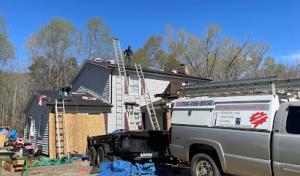
During hot, humid summers, a quick reaction can mean the difference between a minor roof issue and a compromising interior leak. When a strong thunderstorm or hurricane-season gust hits, even a small shingle lift or loosened edge can funnel water into attic spaces within minutes. You should expect a local contractor to arrive promptly for a focused damage check, identify active leaks, and outline the immediate steps to stop water intrusion. A fast assessment helps keep ceilings and walls from soaking and reduces secondary damage to insulation and drywall.
In this market, temporary protection is a practical necessity. A contractor should offer on-site tarping or boarding to cover exposed roof areas the same day as the visit, especially after wind-driven hail or flying debris creates openings. You can safely remove valuables from areas beneath the leak and move furniture away from any active path of water. The goal is to seal the most vulnerable spots quickly while you arrange longer-term repairs, minimizing interior damage and giving you leverage when scheduling follow-up work.
Claim documentation often starts immediately after a wind or hail event, so keeping organized notes matters. Take clear photos from multiple angles, catalog damaged sections, and note dates and weather conditions. A contractor who coordinates documentation, including receipt of damaged materials and a written plan for temporary fixes, helps streamline the insurance process. In Hartsville, fast, precise communication with the insurer can shorten repair timelines and protect your home from escalating losses.
When you can't wait, these contractors offer fast response times to stop leaks and prevent further damage.
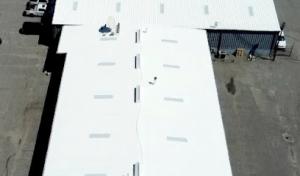
Flat-roof and roof-coating services exist in the local contractor mix but appear as niche specialties rather than the dominant residential need. When a home uses a low-slope section, porch roof, or an add-on, a coating system can offer a temporary or supplementary solution, especially after a weather event or year of heavy humidity. These services are more likely to matter for select homes, additions, porches, and commercial properties than for the city's mainstream steep-slope re-roofing market. The decision hinges on the intended lifespan of the surface, local heat, and the ability to maintain watertight performance through Hartsville's thunderstorm activity.
Because the inspection environment may check underlayment and fastening details, restoration work still needs to be evaluated against full replacement requirements. A roof that shows penetrating leaks, delaminated underlayment, or compromised fastening patterns in a flat or low-slope section can quickly move from restoration to replacement in the eyes of an inspector. Restoration is most practical when the slope is minor, the deck has been protected, and the membrane is still intact enough to carry through a few seasons. In homes with more extensive age or widespread damage, plan for a full re-roof to ensure long-term performance against heat, humidity, and wind.
A practical approach starts with a careful assessment of drainage, edge details, and penetrations unique to a flat or low-slope area. Look for pooling water after storms, blistering of coatings, and signs of fastener corrosion. Speak with a local contractor who understands how Hartsville's concrete and wood decks interact with coatings, and request a written comparison of restoration versus replacement implications for your particular layout.
For low-slope niches, choose systems designed to handle sustained heat and humidity while accommodating future inspection needs. Membrane compatibility with existing steep-slope materials matters to prevent mismatches at transitions. In addition, verify that any chosen coating or restoration system aligns with the anticipated lifestyle use of the space-whether it's a covered porch, a sunroom extension, or a remote entry canopy-so that performance and appearance stay consistent over time.
Keep a proactive maintenance rhythm, especially after severe storms. Inspectments should focus on seal integrity around penetrations, edge terminations, and membrane seams. Regular cleaning and prompt attention to weather-induced damage help extend the viability of restoration approaches and preserve the roof's overall integrity for the longer term.
Find specialists in TPO, EPDM, and built-up flat roofing systems for residential and commercial properties.
Summit Roof Restoration
(843) 861-3468 summitroofrestoration.com
270 Sting Ray Rd, Hartsville, South Carolina
5.0 from 6 reviews
After a storm season, the expected mix of residential and mixed-use crews in this market means you should prioritize contractors with proven hands-on re-roofing experience and a track record of finishing jobs without leaving the yard in disarray. Quick response matters more than glossy pitches, because a delayed start can compound interior moisture issues during hot, humid weeks. In practice, look for a crew that clearly communicates arrival windows, shows up with a dedicated foreman, and follows a predictable sequence from tarping to final cleanup.
Hartsville homeowners commonly deal with live-completion projects where a family still uses parts of the house. Confirm the crew has experience working around occupied spaces, including dust control, noise considerations, and protecting landscaping and driveways during debris removal. Ask who will manage storm follow-ups-whether the same crew returns for touch-ups or if a designated project manager will coordinate any after-storm punch lists. A family-owned firm with a long local presence often provides the accountability and steady contact that matters when weather-driven adjustments are needed.
In this market, affordability is paired with reliability. Look for contractors who can justify material choices and scheduling plans with straightforward explanations, not vague promises. Long-established and locally rooted firms tend to offer steadier client communication and clearer accountability after storm events, which reduces surprises after initial work is underway. When speaking with bidders, request a direct line of contact, a concrete start date, and a defined plan for cleanup and debris oversight that remains consistent regardless of weather delays.
Finally, prioritize crews that demonstrate a history of storm-related damage recovery, including insurance-timed follow-through and documented workmanship. Local firms with family ownership often balance responsive service with a pragmatic, no-nonsense approach to project management, which translates to fewer headaches once the roof is off and the new deck is in place.